
乡村旅游

Search documents
我市5个传统村落入选省级名单
Nan Jing Ri Bao· 2025-08-22 02:35
Group 1 - The eighth batch of provincial traditional village lists has been announced, including 70 villages, with five from Nanjing [1] - Jiangsu has named a total of 624 provincial traditional villages, surpassing 1,000 when combined with 381 traditional architectural groups, achieving the "14th Five-Year" goal ahead of schedule [1] - Nanjing's cumulative total of provincial traditional villages has reached 70, with notable historical sites like Hongshan Village, which served as a command center for the New Fourth Army during the war [1] Group 2 - In 2017, Jiangsu was the first in the country to implement the "Jiangsu Provincial Traditional Village Protection Measures," establishing legislative protection for traditional villages [2] - The provincial government has allocated a total of 192 million yuan in special funds for urban and rural construction development, and has launched the "Su Xiang Loan" program, supporting 79 traditional villages with 30.7 billion yuan [2] - During the "15th Five-Year" period, Jiangsu plans to support around 100 traditional village protection and development projects, enhancing rural living environments while activating the contemporary value of historical cultural heritage [2]
我省有效保护1000多个传统村落和传统建筑组群 提前完成“十四五”目标
Xin Hua Ri Bao· 2025-08-21 23:07
Core Viewpoint - Jiangsu province has successfully completed its goal of protecting 1,000 provincial traditional villages and architectural groups ahead of schedule, showcasing a model for balancing preservation and development in traditional village revitalization [1][2][4] Group 1: Traditional Village Protection - Jiangsu has implemented legal frameworks for traditional village protection since 2017, focusing on preserving historical buildings and architectural styles [1][2] - The province has identified and protected 624 provincial traditional villages and 381 traditional architectural groups, achieving full coverage in 76 agricultural counties [2][4] Group 2: Infrastructure and Living Environment - Traditional villages are being enhanced with modern infrastructure while maintaining their historical character, aiming to meet contemporary living standards [3][4] - Significant investments have been made in village infrastructure, such as the construction of roads, sewage systems, and community facilities, to improve living conditions [3][5] Group 3: Financial Support and Innovation - Jiangsu province has secured 1.92 billion yuan in special funds for the protection and development of traditional villages, alongside innovative financial services like "Su Xiang Loan" [5] - Agricultural banks have provided substantial credit support, totaling nearly 27 billion yuan, for historical preservation and environmental improvements [5] Group 4: Tourism and Economic Development - Traditional villages are being transformed into tourist attractions, with significant visitor numbers and revenue generation, exemplified by Mingyue Bay village attracting over 800,000 visitors annually [6][7] - The integration of cultural activities and tourism in traditional villages has led to over 2,800 events attracting more than 12 million visitors, generating 715 million yuan in rural tourism revenue [7]
楼塔“村BA” 激活夜经济
Hang Zhou Ri Bao· 2025-08-21 02:33
Group 1 - The 33rd basketball competition in Xiaoshan District's Louta Town concluded successfully, with the Yanshan Village team winning the championship and set to represent Louta Town in the "Village BA" event [1] - The tournament attracted 12 village-level teams and featured 33 exciting matches, showcasing the tactical skills of the teams and igniting the summer passion of the local community [1] - Louta Town is known for its strong basketball culture, with notable teams such as the first "Village BA" champion Yanshan Village team and the runner-up of the Hangzhou "He Mei Xiang Cun" basketball tournament, Luying Village team, participating [1] Group 2 - The "Village BA" event has stimulated the rural night economy, with the "Village Tide Wonderful Market" being held every night, featuring local heritage displays and interactive activities [2] - The basketball tradition in Louta Town dates back to the 1950s and has evolved over the decades, with the town planning to continue leveraging sports to enhance cultural tourism [2] - The local hospitality sector, including farm stays, experienced a surge in popularity during the event, contributing to the vibrant summer night scene [2]
赵一德在商洛市调研时强调坚持绿色发展特色发展安全发展 加快推动生态产业化和产业生态化
Shan Xi Ri Bao· 2025-08-21 00:37
Group 1 - The provincial secretary emphasized the importance of green, characteristic, and safe development, aiming to enhance the transformation of ecological resources into economic benefits [1][4] - The ancient tree resources in Luonan County, including the Yeshan ancient cypress, are highlighted as valuable natural heritage, with a focus on their protection and management [2] - The specialty edible mushroom industry is identified as a leading agricultural sector in Shangluo, with encouragement for technological development and brand enhancement [3] Group 2 - The meeting with local party committee secretaries stressed the need for a correct view of achievements, focusing on service, governance, and development to benefit the people [4][5] - The government is urged to implement actions to promote high-quality development of the private economy, addressing challenges in financing, talent acquisition, and market expansion [5] - Recognition of Shangluo's economic and social development achievements, with a call to maintain momentum in economic recovery and ecological upgrades [5]
山林藏珍馐 寻菌正当时(高质量发展在一线·小城宝藏)
Ren Min Ri Bao· 2025-08-19 22:46
Core Insights - The article highlights the transformation of mushroom foraging in Nanhua County, Yunnan Province, into a popular tourism activity, emphasizing the ecological and economic benefits derived from sustainable practices [1][2]. Group 1: Industry Development - Nanhua County has developed mushroom foraging as a unique tourism project, incorporating educational experiences and hands-on activities for visitors [2]. - The county has nearly a thousand "mushroom guides" who lead tourists into the mountains, with peak seasons seeing multiple groups per day [2]. - In 2024, the total trading volume of wild mushrooms in Nanhua County reached 13,833.5 tons, generating over 1.9 billion yuan in revenue [2]. Group 2: Sustainable Practices - Local authorities have implemented a scientific prevention system to ensure the safety of tourists, including public education on toxic mushrooms and the establishment of management regulations for mushroom harvesting [1][2]. - The county has designated six wild mushroom protection areas covering 202.6 million acres and established 17 high-standard demonstration bases for mushroom conservation and cultivation [2]. - The community has shifted towards sustainable harvesting practices, resulting in improved quality and yield of mushrooms, such as matsutake [2].
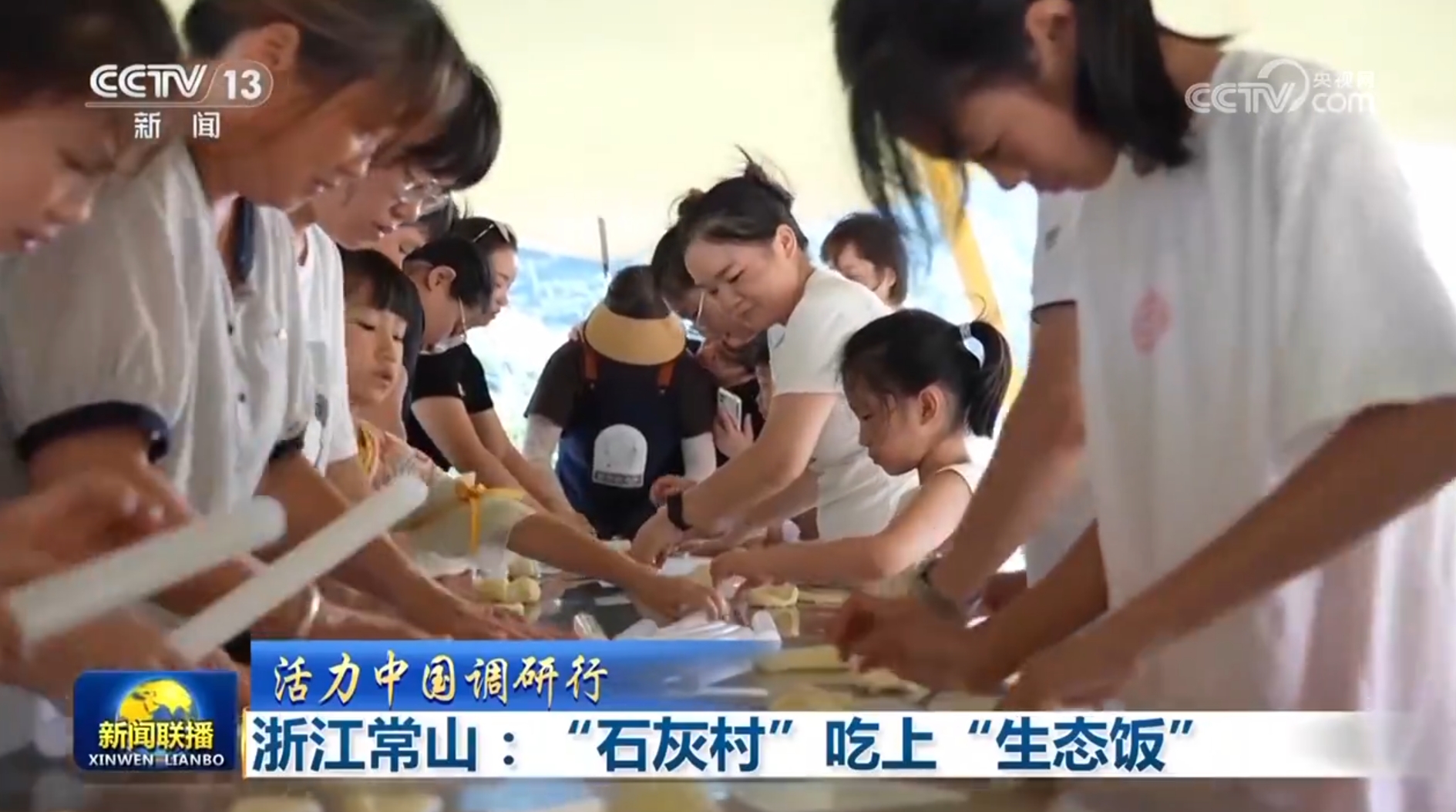
【活力中国调研行】浙江常山:“石灰村”吃上“生态饭”
Yang Shi Wang· 2025-08-19 12:37
Core Viewpoint - The transformation of Luli Keng Village in Quzhou, Zhejiang, from an environmentally degraded "lime village" to a thriving tourist destination showcases successful ecological restoration and sustainable development efforts [1][5]. Group 1: Environmental Improvement - Luli Keng Village was known for its poor ecological environment due to extensive lime production [1][3]. - In 2005, the village initiated a transformation by shutting down lime kilns and factories, focusing on mine restoration and slope greening [5]. Group 2: Tourism Development - The improved ecological conditions have led to a significant increase in tourism, with over 100,000 visitors to the mining camp in the first half of this year, generating nearly 2 million in revenue [8]. - The village has integrated industrial relics with natural surroundings, developing attractions such as cave restaurants, art galleries, and cafes, which have become popular among visitors [6].

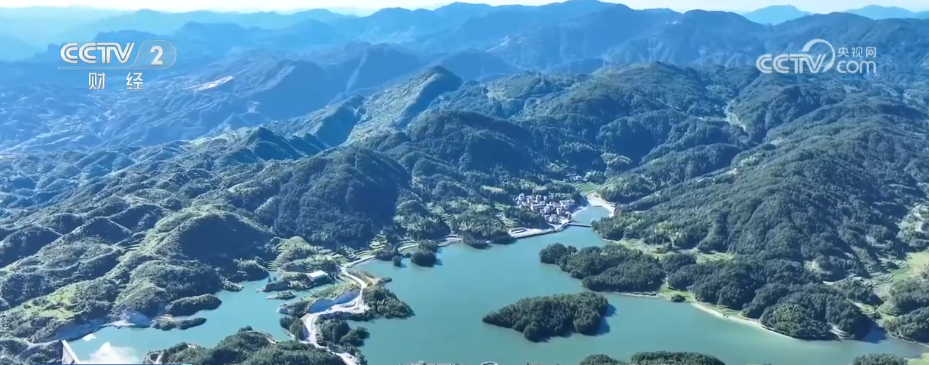
乡村“文旅+”四季生“金”兴业富农 水清岸绿绘就振兴新图景
Yang Shi Wang· 2025-08-18 08:16
Group 1 - The core viewpoint is that Shuaotuo Village in Ningde City, Fujian Province has become a popular summer tourist destination due to its pleasant climate and beautiful scenery, enhanced by ecological restoration and water system governance [1][3] - The village has undergone significant environmental improvements since 2016, including ecological restoration of the reservoir area and the construction of lakeside and forest trails, leading to a transformed environment [5][7] - The increase in visitors has prompted the village to upgrade its cultural and tourism industry, with over 150,000 tourists received this year, allowing local residents to benefit economically from tourism [7][9] Group 2 - More than 200 villagers are now engaged in homestays and agritourism, with high occupancy rates for their transformed homes, contributing to local economic growth [9]
活力中国调研行丨矿山“焕新”后,成了游客眼里的“香饽饽”
Xin Hua Wang· 2025-08-18 00:36
Core Viewpoint - The article highlights the successful transformation of abandoned mining areas in Chongqing into popular tourist destinations through ecological restoration and innovative development strategies [1][2][7]. Group 1: Ecological Restoration - The mining village of Lieshen has undergone significant ecological restoration after closing five gypsum mines, leading to improved environmental conditions and the establishment of a micro-wetland ecosystem [2][6]. - The Chongqing Ecological Environment Bureau reports that a total of 7,025 hectares of historical and closed mines have been restored, showcasing the effectiveness of ecological protection efforts [7]. Group 2: Economic Development - The transformation of the mining areas has led to a surge in tourism, with Lieshen village receiving over 300,000 visitors and generating more than 60 million yuan in tourism revenue in 2024 [2]. - The establishment of businesses such as the "Mine Cafe" and high-quality homestays has created job opportunities for local residents, enhancing their livelihoods [2][6]. Group 3: Community Engagement - Local leaders engaged with residents to address concerns about economic impacts from mine closures, emphasizing the long-term benefits of ecological restoration and tourism development [2][6]. - The community's satisfaction with the improved environment and economic opportunities reflects a successful model of integrating ecological restoration with local development [7].
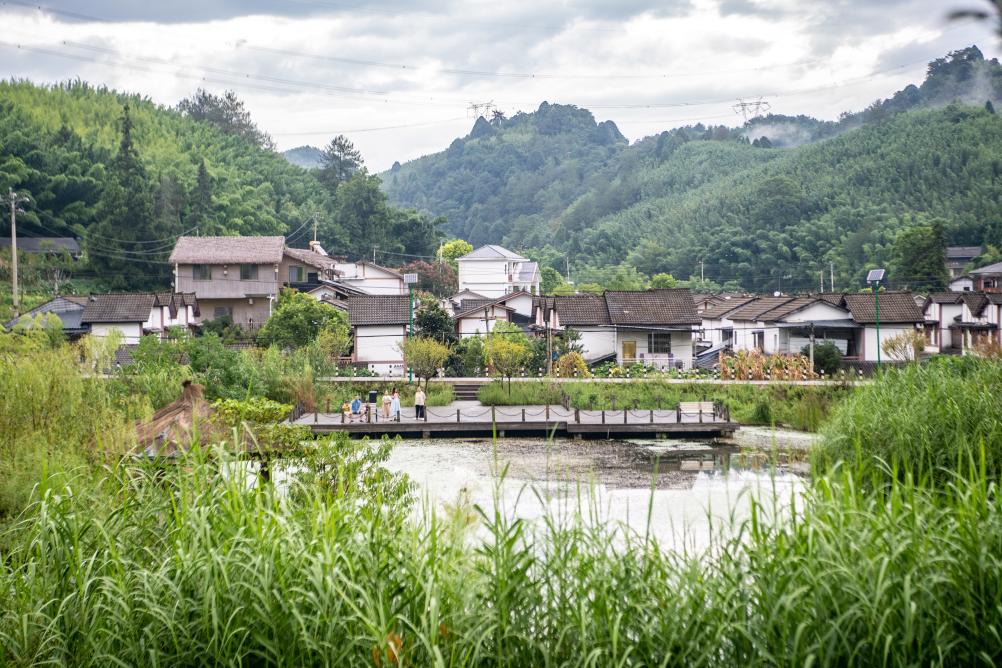
苏州绘就“两山”转化锦绣长卷
Su Zhou Ri Bao· 2025-08-18 00:33
Group 1 - The core idea of the articles revolves around the successful implementation of rural revitalization strategies in Suzhou, particularly through the integration of ecological, agricultural, and tourism sectors, leading to increased income for local residents [1][3][11] - The transformation of Feng Menglong Village from an environmentally challenged area to a thriving tourist destination showcases the effectiveness of the "Green Mountains and Clear Water" concept, which has become a model for sustainable development [2][5][12] - The establishment of various cultural and agricultural projects, such as the Feng Menglong Agricultural Culture Park and the development of a diverse industrial system, has significantly enhanced the village's economic prospects and community engagement [3][4][9] Group 2 - The articles highlight the emergence of Gu Jia Bang Village as a successful example of rural tourism, driven by the integration of local culture and natural resources, attracting visitors and creating job opportunities for residents [7][8][9] - The success of the "Kunshan Chain" project has revitalized Gu Jia Bang Village, leading to the transformation of idle assets into vibrant community spaces, thereby enhancing the quality of life for residents [8][9] - The narrative of Cuoguan Mountain Village illustrates the potential for ecological restoration to drive economic growth, with the establishment of tea plantations and a cooperative model that supports local farmers and boosts income [11][12][13]
矿山“焕新”后,成了游客眼里的“香饽饽”
Xin Hua She· 2025-08-17 11:56
Core Viewpoint - The article highlights the successful transformation of abandoned mining areas in Chongqing into popular tourist destinations through ecological restoration and sustainable development efforts [1][2][3]. Group 1: Ecological Restoration Efforts - The mining village of Jieshen has undergone significant ecological restoration since the closure of gypsum mines in 2017, leading to a revitalized environment and increased tourism [1][2]. - The local government implemented a micro-wetland ecological restoration project, utilizing natural features to enhance the landscape and promote biodiversity [1]. - Chongqing has repaired a total of 7,025 hectares of historical and closed mines, demonstrating effective ecological protection and restoration [3]. Group 2: Economic Impact and Tourism Development - The village of Jieshen received over 300,000 visitors in 2024, generating tourism revenue exceeding 60 million yuan [2]. - The "Mine Cafe," a popular establishment in Jieshen, creatively incorporates mining elements, attracting many young tourists [2]. - The transformation of former mining sites into tourist attractions has created job opportunities for local residents, with the Jiebai Homestay employing nearly 30 villagers [3]. Group 3: Community Engagement and Support - Local leaders engaged with residents to address concerns about economic impacts from mine closures, emphasizing the long-term benefits of ecological restoration [1]. - The community has expressed satisfaction with the improved environment and increased economic opportunities resulting from tourism [3].