休闲零食

Search documents
2024休闲零食行业报告:供应链提效浪潮,零食行业三轮变迁与未来演进深度研究
Sou Hu Cai Jing· 2025-12-16 17:52
Group 1 - The leisure snack industry is undergoing a significant transformation driven by changes in consumer demand and channel dynamics, moving from a reliance on single-channel growth to a focus on supply chain efficiency [1][4] - The industry has experienced three phases of change: the supermarket era, the e-commerce boom, and the current phase characterized by diversification and a demand for high cost-performance products [9][10] - Key players in the market are adapting to these changes by either enhancing supply chain capabilities or focusing on brand strength to navigate the evolving landscape [3][4] Group 2 - Offline discount snack stores and online platforms like Douyin are emerging as significant channels, offering high cost-performance options and driving competition beyond just price [2][4] - The competition among brands has shifted from price wars to a comprehensive evaluation of store experience, supply chain responsiveness, and franchise support [2][3] - The current market environment emphasizes the need for companies to build long-term competitive advantages through either supply chain optimization or brand loyalty [4][10] Group 3 - The industry consensus is that a multi-channel approach and moderate category focus are essential strategies for success, with companies differentiating their responses based on their core competencies [3][4] - "Traffic-oriented" companies like Salted Fish and Three Squirrels are transitioning to strengthen their internal capabilities, while "big product" companies like Qiaqia and Jin Zai Foods are focusing on reinforcing their brand recognition [3][4] - The transformation in the snack industry reflects broader consumer trends, indicating that companies must adapt to changing market conditions to maintain competitiveness [4][10]



繁荣之下暗流汹涌! 休闲零食难掩盈利之困力
Sou Hu Cai Jing· 2025-12-16 02:53
Core Viewpoint - The leisure snack industry is facing significant challenges, including declining gross margins and increasing pressure on net profit due to rising raw material costs and market competition [1][5]. Group 1: Financial Performance - Salted Fish's half-year report shows revenue of 2.941 billion yuan, a year-on-year increase of 19.58%, and a net profit of 373 million yuan, up 16.7%, but growth momentum is weakening compared to previous years [3]. - The gross margin for Salted Fish has decreased from 32.53% to 29.66%, marking a continuous decline over five years with a cumulative drop of over 12 percentage points [3]. - Other brands like Yummy and Three Squirrels also reported declines in gross margins, with Yummy's margin down 9.16% to 31.58% and Three Squirrels down 0.70 percentage points to 25.27% [4]. Group 2: Industry Challenges - The overall consumption capacity and willingness are declining, making the leisure snack industry, a non-essential category, face more severe challenges [5]. - The industry is expected to grow, with the market size projected to exceed 1.6 trillion yuan by 2025, maintaining an annual growth rate of about 6%-8% [5]. - Brands are advised to focus on upgrading supply chains and product innovation rather than relying on marketing for short-term performance [5]. Group 3: Raw Material Costs - Rising raw material costs are a direct pressure source, with some brands reporting cost increases of over 30% for key ingredients [6]. - For example, a brand's operating costs rose by 24.67% to 2.068 billion yuan due to increased prices of core raw materials [6]. - Many brands are struggling with the inability to control raw material procurement effectively, leading to increased costs and reduced profit margins [7]. Group 4: Channel Transformation - New emerging channels like snack wholesale stores and Douyin interest e-commerce are rapidly changing the growth path of traditional snack brands [8]. - Traditional channels are expected to shrink to 50% of market share by 2025, down from 80% in 2015, leading to significant revenue declines for brands reliant on these channels [8]. - Brands that adapt to new channels have seen success, with some reporting significant revenue growth through strategic partnerships [8]. Group 5: Scale vs. Profitability - Brands are expanding market scale through various strategies, but this often leads to increased costs without corresponding profit growth [10]. - Sales expenses are rising faster than revenue, with brands spending heavily on marketing to maintain competitive positions in new channels [11]. - The contradiction between scale and profitability is becoming more pronounced, necessitating a reevaluation of growth strategies and cost structures [11]. Group 6: Product Differentiation - Many brands rely on OEM models, leading to high product similarity and increased competition, which compresses profit margins [13]. - Some brands recognize the need for differentiation but face challenges in investing in R&D and production capabilities [14]. - Successful brands are investing in supply chain integration and product innovation to enhance competitiveness and profitability [15][16]. Group 7: Multi-Dimensional Strategies - Brands need to explore multiple dimensions for breakthroughs, including increasing R&D investment and innovating product offerings to meet consumer demands [17]. - There is a growing need for brands to adopt a user-centric approach, building emotional connections with consumers through storytelling and sustainable practices [18]. - The industry must achieve systematic breakthroughs in product strength, channel efficiency, and brand value to overcome current challenges [18].

食品饮料行业跟踪报告:茅台控量稳价,批价反弹回升
Shanghai Aijian Securities· 2025-12-15 08:19
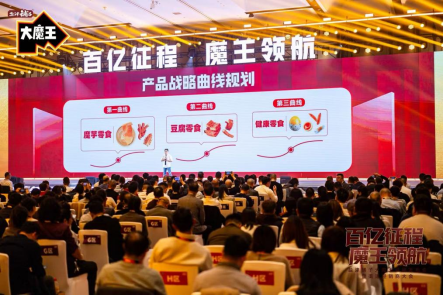
Investment Rating - The industry is rated as "Outperform" compared to the market [1][33] Core Insights - The liquor industry is entering a phase of rapid performance clearing, with demand expected to show weak recovery as policy pressures ease. The industry is currently at a low valuation, and pessimistic expectations are fully priced in. The top liquor companies are stabilizing prices and increasing dividends, making them attractive for investment [4] - In the consumer goods sector, there are high-growth opportunities, with some segments benefiting from new products and channels. The market is likely to give a valuation premium to "scarce" growth stocks, such as Wancheng Group and Dongpeng Beverage, which are showing good growth trends [4] Summary by Sections Industry Performance - The food and beverage industry underperformed the Shanghai Composite Index, with a weekly decline of 1.63% compared to the index's decline of 0.34%, ranking 22nd among 31 sub-industries [5][6] - Within the food and beverage sub-sectors, the highest to lowest performance was as follows: dairy (-1.05%), beer (-1.31%), seasoning and fermentation products (-1.35%), liquor (-1.50%), snacks (-1.77%), soft drinks (-2.16%), meat products (-2.34%), other alcoholic beverages (-3.26%), pre-processed foods (-3.45%), health products (-3.67%), and baked goods (-4.48%) [5] Company-Specific Insights - Guizhou Moutai has implemented a volume control policy, leading to a rapid recovery in product prices. The price of Feitian Moutai rebounded from a low of 1499 yuan to 1590 yuan as of December 14, 2025, following a temporary halt in product distribution to dealers [5] - Salted Fish has clarified its focus on major product strategies during its dealer conference, emphasizing category upgrades and channel transformations to solidify growth foundations. The company aims to focus on "Chinese-flavored snacks," "healthy high-protein snacks," and "healthy sweet snacks" [5]

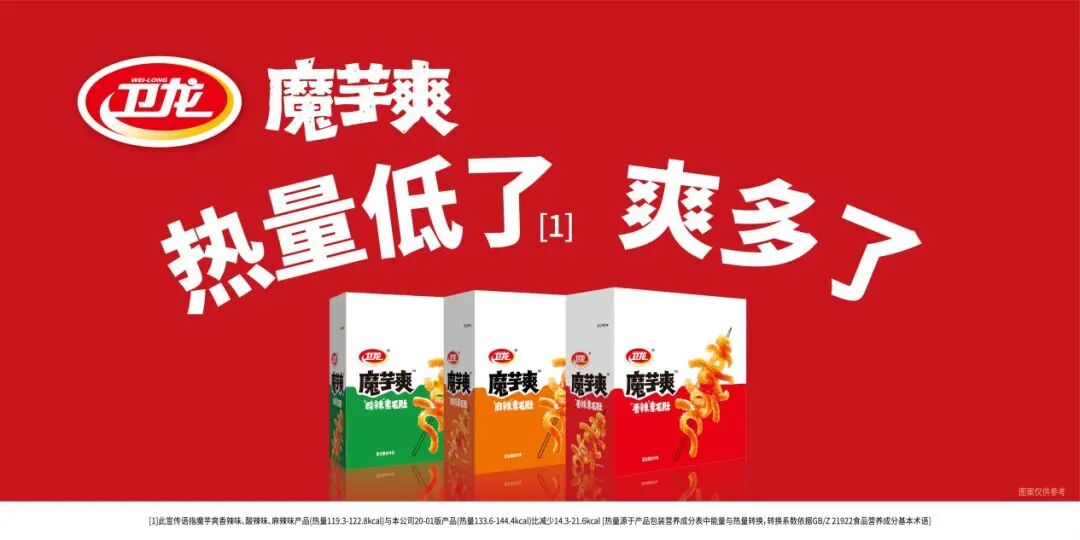
卫龙“魔”变:构筑魔芋产品矩阵,市占率达61%
Chang Jiang Shang Bao· 2025-12-15 06:55
Core Viewpoint - The konjac industry, driven by the health food trend, is transforming from a niche ingredient to a popular snack, with Weidong playing a pivotal role in this transition [1][4]. Group 1: Industry Transformation - China has over 200 konjac processing companies, with more than 10 national-level agricultural leading enterprises and over 150 large-scale companies, primarily located in major production areas like Sichuan, Hubei, Shaanxi, and Yunnan [1]. - China is the world's largest konjac producer, accounting for 65% of global production, with a planting area of approximately 1.6 million acres [1]. - The konjac industry has evolved from being a mere hot pot ingredient to a recognized snack food, largely due to Weidong's innovative efforts [2][5]. Group 2: Weidong's Innovations - Weidong identified the potential of konjac in 2009 and launched the first ready-to-eat konjac product, "Konjac Shuang," in 2014 after five years of development [2]. - The company has continuously innovated within the konjac category, introducing new flavors and products, such as "Sesame Konjac" and "High-Fiber Mushroom Konjac," to cater to diverse consumer preferences [3][5]. - As of 2025, Weidong's konjac products have achieved a 61% market share, maintaining its position as the industry leader and establishing the first group standard for "ready-to-eat konjac food" [5]. Group 3: Financial Performance - Weidong's konjac products have become a significant revenue source, with the vegetable products segment generating 2.11 billion yuan in revenue in the first half of 2025, marking a 44.3% growth [5]. - The company's total revenue reached 3.483 billion yuan in the same period, reflecting an 18.5% year-on-year increase [5]. Group 4: Industry Growth and Future Outlook - The konjac industry in China is projected to reach a total output value of 32 billion yuan by 2024, with an expected annual compound growth rate of 11.8%, potentially growing to 45 billion yuan by 2030 [10]. - The Ministry of Agriculture and Rural Affairs has emphasized the importance of konjac in the "Food and Nutrition Development Outline (2025-2030)," promoting the supply of fiber-rich foods [10]. - The konjac industry is seen as a key driver for rural revitalization, contributing to local economies and creating jobs [11].
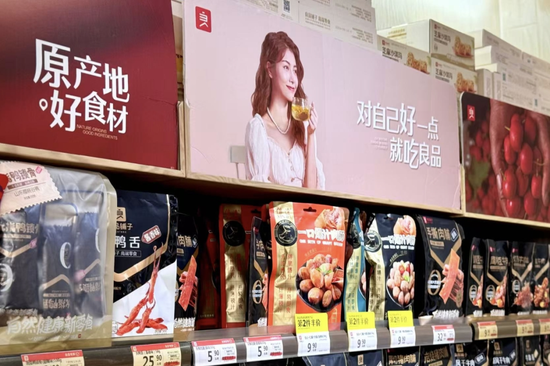
3个月关店283家,良品铺子渠道全失守
Guo Ji Jin Rong Bao· 2025-12-12 10:21
Core Viewpoint - The company is facing significant challenges with store closures, declining revenue, and increasing losses, indicating a deteriorating financial situation [1][7]. Financial Performance - In Q3, the company reported revenue of 1.311 billion yuan, a year-on-year decrease of 17.72% [1]. - The net profit attributable to shareholders was -28.77 million yuan, reflecting a worsening loss situation [1]. - For the first three quarters, total revenue was 4.14 billion yuan, down 24.45% year-on-year, with a net loss of 122 million yuan, a drastic decline of 730.83% compared to the previous year [1]. Store Operations - The company closed 283 stores while only opening 65, resulting in a net reduction of 218 stores, leaving a total of 2,227 stores as of September 30 [3]. - The management stated that the significant drop in profit was primarily due to the elimination of inefficient stores and increased online channel costs [3]. Sales Channel Performance - All sales channels experienced declines, with franchise sales down 25.58% to 377 million yuan and direct retail sales down 19.83% to 374 million yuan [5]. - E-commerce and group purchase sales also fell, with declines of 14.02% and 3.58%, respectively [5]. - The overall gross margin decreased by 1.88 percentage points to 24.96% for the first three quarters [5]. Regional Sales Decline - Sales in key regions such as East China, Southwest, North China, and Northwest all saw declines exceeding 30%, with East China experiencing the largest drop at 36.33% [5]. Inventory Management - The company’s inventory turnover efficiency has declined, with inventory amounting to 394 million yuan, and turnover days increasing from 35.13 to 45.97 days [5]. Shareholder Disputes - The company attempted to sell a 21% stake to Changjiang Guomao, which would have made it a controlling shareholder, but the deal fell through due to legal disputes with Guangzhou Light Industry [7]. - The unresolved equity litigation has created uncertainty for the company's future development [7].
盐津铺子发布“大魔王战略”,锚定三大赛道深化全球布局
Zheng Quan Shi Bao Wang· 2025-12-12 06:33
Core Insights - Salted Fish's strategic conference emphasized sustainable growth in the snack industry, focusing on the theme "100 Billion Journey, Demon King Leads the Way" [1] Group 1: Strategic Focus - The company aims to establish itself as a world-class snack brand by concentrating on three key areas: "Chinese-flavored snacks," "healthy high-protein snacks," and "healthy sweet snacks" [2] - The core mission is to "make good products," supported by four core capabilities: deepening supply chain management, building smart manufacturing benchmarks, driving innovation, and creating impactful brands [2] Group 2: Channel Strategy and Partnerships - The company is shifting its channel strategy to become a "growth partner" for supermarkets, emphasizing the irreplaceable value of supermarkets in consumer experience and trust [3] - Key initiatives include stabilizing sales with high-performing products, creating value through innovative collaborations, developing customized products for specific retailers, and enhancing promotional efforts [3] - Strategic partnerships have been deepened, including a ten-year collaboration with Liu Bi Ju to ensure quality supply of core flavor ingredients [3] Group 3: Global Expansion and Ecosystem Building - The company has a global vision, with its "Demon King" brand already present in 25 countries, collaborating with major retailers like 7-Eleven in Thailand and 99 Ranch Market in the U.S. [4] - The brand aims to empower distributors through a "community of shared destiny," enhancing their capabilities in product selection, terminal operations, and cost control [4] - The "Demon King" brand achieved significant sales milestones, with projected sales exceeding 1 billion yuan in 2024 and a record monthly sales of over 100 million yuan for a specific product [4] Group 4: Market Positioning and Long-term Strategy - Analysts view the company's growth as a case study in consumer market resilience, emphasizing long-term investments in manufacturing and R&D to create unique product value [5] - The conference served as a declaration of the company's commitment to long-termism in the consumer sector, focusing on core product strength and global supply chain development [5]
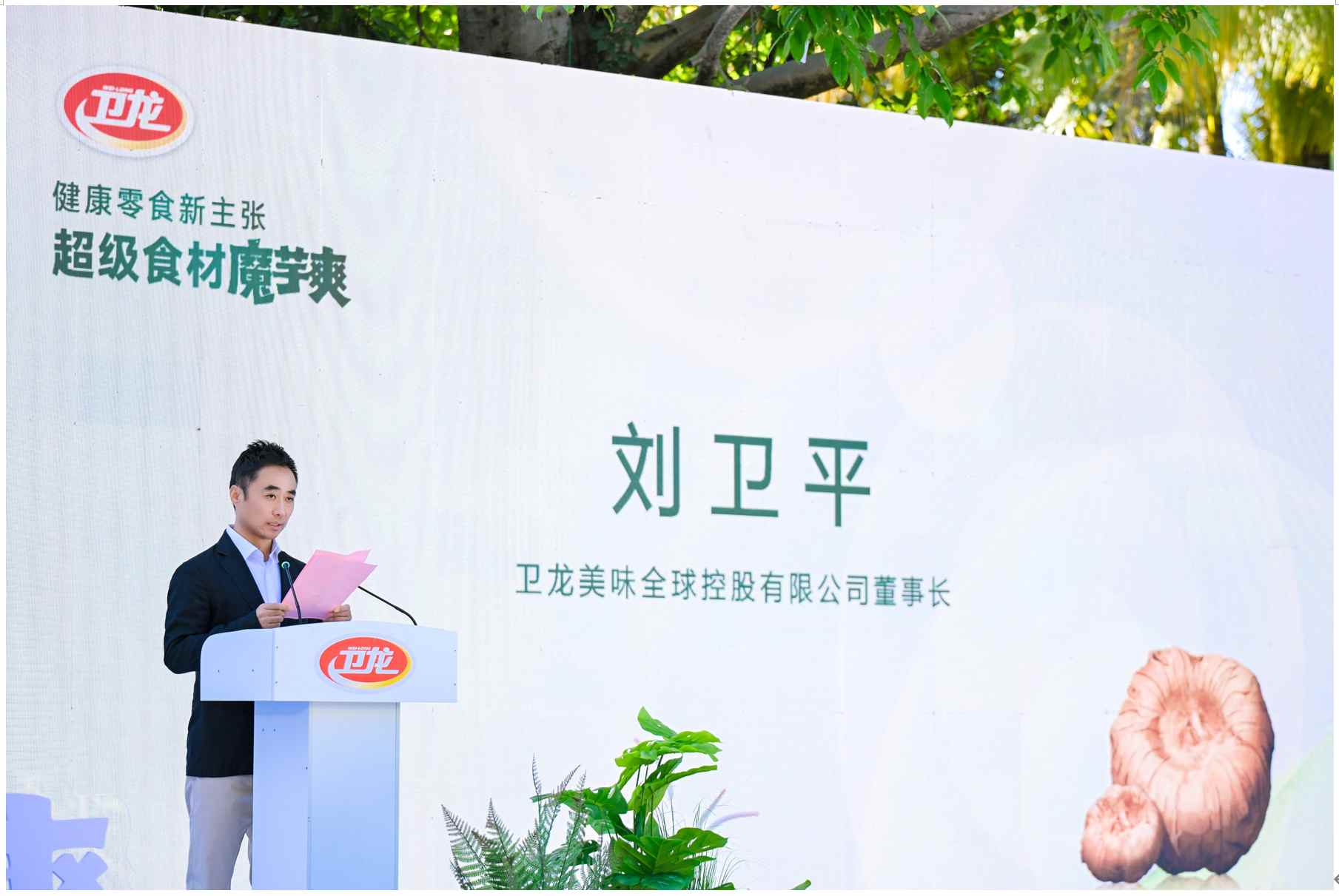
“国民零食”撬动千亿市场 卫龙(09985)超级食材魔芋爽发布会在西双版纳举行
智通财经网· 2025-12-12 00:55
Core Insights - The event "New Propositions for Healthy Snacks: Superfood Konjac" held in Xishuangbanna, Yunnan, highlighted the transformation and future opportunities of the konjac industry in China, marking a new phase of standardized and value-driven development [1][2]. Industry Overview - China is the world's largest producer and consumer of konjac, accounting for over 60% of global planting area and production, with Yunnan, Sichuan, Hubei, and Shaanxi as the four core production regions [1]. - The konjac industry has evolved from traditional products to a diverse range of offerings, including snacks, meal replacements, and plant-based foods, with the entire industry chain exceeding 100 billion yuan [7]. Policy and Market Dynamics - The "China Food and Nutrition Development Outline (2025-2030)" emphasizes increasing the supply of konjac and other fiber-rich foods, driving the industry's growth [2]. - The demand for low-fat, high-fiber konjac products in markets like Japan and Europe is growing at an annual rate of 15% [7]. Company Innovations - Weidong, a leading company in the konjac snack sector, holds a 61% market share since launching its first konjac product in 2014 and has established the first industry standard for konjac ready-to-eat foods [4]. - The company is focusing on product innovation, upgrading the supply chain, and enhancing quality management to support the high-quality transformation of the konjac industry [4][17]. Nutritional Value and Health Trends - Konjac is recognized for its low energy, high fiber, and low glycemic index properties, making it beneficial for health, especially in addressing obesity and related chronic diseases [9][10]. - The consumption of konjac products is shifting from niche markets to a broader audience, characterized by trends of health consciousness, youth appeal, and convenience [10][12]. Future Directions - The konjac industry is expected to expand its applications beyond food into medical, daily chemical, and green packaging sectors, necessitating technological advancements and a comprehensive standard system [17]. - The recent report aims to provide valuable insights for the high-quality development of the konjac industry, focusing on the synergy of policy support, technological progress, and consumer upgrades [12].
盐津铺子“大魔王战略发布会暨渠道经销商大会”在长沙成功举办
Zhong Guo Jin Rong Xin Xi Wang· 2025-12-11 12:11
Core Insights - The event titled "Big Demon King Strategy Release Conference and Channel Dealer Conference" was successfully held by Yanjinpuzi Food Co., Ltd. in Changsha, focusing on the transformation and upgrading path of the Chinese snack food industry [1] Company Strategy - Yanjinpuzi's Chairman, Zhang Xuewu, outlined the company's future core strategies, emphasizing three key product categories: Chinese-flavored snacks represented by konjac snacks and bean snacks, health-oriented high-protein snacks centered on egg products, and healthy sweet snacks featuring dried mango [3] - The company aims to build four core capabilities: deepening the source supply chain, establishing a benchmark for intelligent manufacturing, adhering to innovation-driven strategies, and successfully building a brand [3] Market Positioning - Yanjinpuzi's Executive Vice President, Lan Bo, discussed the company's strategy to "return to supermarkets," highlighting the retail transformation driven by examples like "Fat Donglai," which is bringing supermarkets back to the market mainstream [3] - The company believes that supermarkets hold irreplaceable value in consumer experience, trust endorsement, and scalability, and has planned four supporting measures: stabilizing big products, enhancing innovative products, coordinating customized products, and empowering strong promotions [3] Product Innovation and Performance - The event showcased significant collaborative achievements, including a deepened ten-year strategic partnership with Beijing Liubiju Food Co., Ltd. and the launch of a new product "Spicy Tofu" in collaboration with South Korea's Nongshim Group, demonstrating Yanjinpuzi's strength in product innovation and cross-industry integration [5] - Since the launch of the "Big Demon King" brand in October 2023, it achieved remarkable growth, with sales exceeding 1 billion yuan in 2024, marking it as Yanjinpuzi's first 1 billion-level product. The "Big Demon King" sesame-flavored vegetarian tripe reached over 100 million yuan in monthly sales within just 16 months [5] - In the first half of 2025, the "Big Demon King" series of konjac snacks generated revenue of 791 million yuan, making it the fastest-growing and highest-contributing core category for Yanjinpuzi [5]
盐津铺子发布“大魔王战略” 对标国际巨头打造全球品牌
Zheng Quan Ri Bao· 2025-12-11 12:10
Core Insights - Salted Fish Food Co., Ltd. (referred to as "the company") held a strategic release conference themed "The Billion Journey, The Demon King Leads" to discuss strategies for sustainable growth in the industry [2] Group 1: Strategic Focus - The company aims to establish itself as a world-class snack brand by focusing on three key segments: "Chinese-flavored snacks," "healthy high-protein snacks," and "healthy sweet snacks" [3] - The core strategy is built on three pillars: Chinese-flavored snacks represented by konjac and bean products, health-oriented snacks made from eggs and high-quality protein, and a range of healthy sweet products like dried fruits and baked jelly [3] - The company emphasizes the importance of product quality as the foundation of its strategy, focusing on building four core capabilities: securing quality raw materials, establishing smart manufacturing, driving innovation, and successful brand building [3] Group 2: Channel Strategy - The company is shifting its channel strategy to become a "growth partner" for supermarkets, emphasizing the irreplaceable value of supermarkets in consumer experience, trust, and scale [4] - Four key initiatives support this channel strategy: maintaining strong sales with high-performing products, creating value through innovative collaborations, developing customized products for specific retailers, and enhancing promotional efforts [4] Group 3: Strategic Partnerships - The company is deepening strategic partnerships, including a ten-year collaboration with Beijing Liubiju Food Co., Ltd. to ensure quality ingredients for its products [5] - New collaborative products, such as the "Spicy Tofu," were launched, showcasing the company's product innovation and cross-industry integration capabilities [5] Group 4: Research and Development - The company is committed to ongoing R&D investments, with a team of over 200 and a global R&D center, ensuring control over core raw materials through new factories [6] - The company aims to compete with global giants like Lays and Mondelez, positioning its "Demon King" brand for global expansion, with products already sold in 25 countries [6] Group 5: Market Performance - The "Demon King" brand achieved remarkable growth, with projected sales exceeding 1 billion yuan in 2024, making it the company's first product to reach this milestone [6] - The snack category of konjac products generated 791 million yuan in revenue in the first half of 2025, a year-on-year increase of 155.10%, contributing significantly to the company's overall revenue [7] - The conference served as a declaration of the company's commitment to long-term growth and innovation in the Chinese consumer market [7]
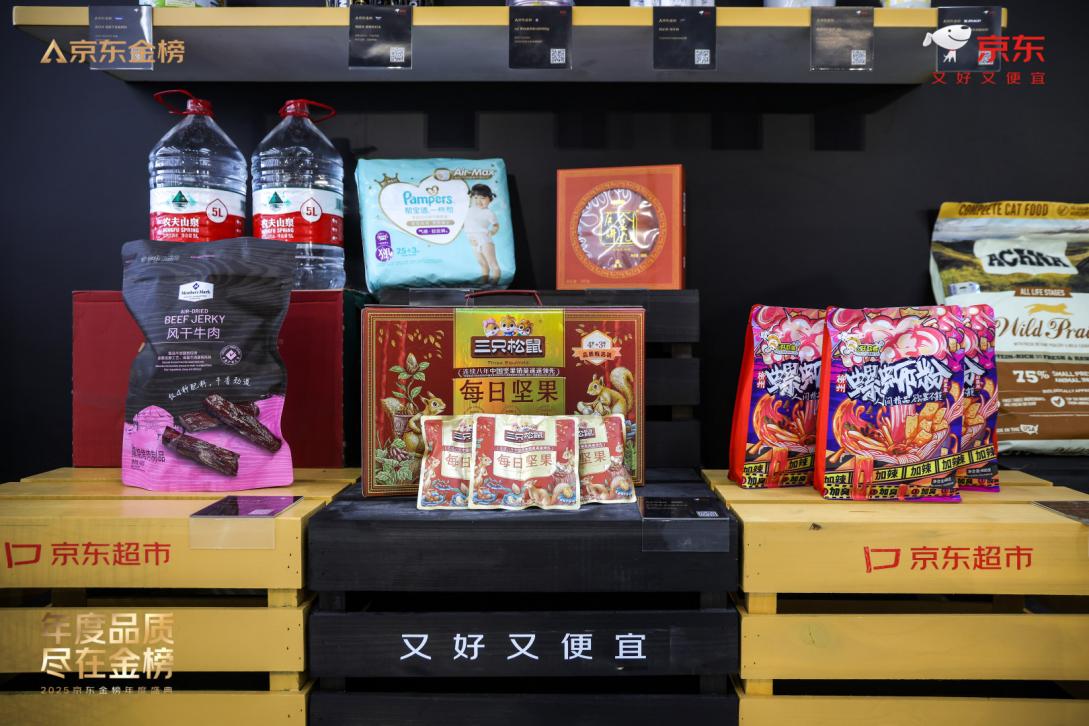
三只松鼠双金加冕,用全链条品质力引领坚果行业升级
Zhong Guo Jing Ji Wang· 2025-12-09 12:11
Core Insights - The annual JD Golden List awards recognized Three Squirrels as a leading brand in the snack industry, winning the "Quality Gold Award" for nuts and the "Annual Gold Award" for its core product, the Daily Nut Gift Box, highlighting both industry and consumer recognition [1][3] Group 1: Strategic Partnership and Transformation - Three Squirrels has entered a milestone phase in its partnership with JD, transitioning from a traditional channel partner to a platform supplier, reflecting a strategic upgrade in their collaboration [3] - The transformation is based on insights into consumer trends, emphasizing the importance of product value and the need for brands to innovate and deepen supply chain capabilities [3] Group 2: Supply Chain and Product Development - The success of Three Squirrels' award-winning products is attributed to its "One Product, One Chain" supply chain strategy, which integrates global sourcing and stringent quality control across all production stages [3] - The Daily Nut Gift Box exemplifies this strategy, utilizing a scientific mix of nuts and dried fruits, and employing low-temperature baking to preserve nutritional value and texture [3] Group 3: Category Expansion and Consumer Solutions - Three Squirrels is expanding its product offerings beyond nuts to include a variety of essential household items, launching its first online store on JD in October, which enhances consumer experience through a comprehensive shopping solution [4] - This category extension is driven by user profile analysis on JD, allowing Three Squirrels to meet diverse household consumption needs and broaden its brand influence [4] Group 4: Collaborative Ecosystem and Market Impact - The partnership between Three Squirrels and JD exemplifies a co-creation model that leverages supply chain advantages and digital capabilities to drive efficient growth [7] - This collaboration is reshaping the ecosystem between brands and platforms, contributing to sustained commercial value and injecting new vitality into the high-quality development of the Chinese consumer market [7]