智能穿戴设备

Search documents
巨头加速入局,AI眼镜2026年打响新一轮排位赛
2 1 Shi Ji Jing Ji Bao Dao· 2026-01-14 13:13
Core Insights - The Chinese AI glasses market is entering a new phase after the "Hundred Glasses War" in 2025, with significant developments expected in 2026 as major players like Baidu and ByteDance join the competition [1][2] - Global market dynamics are shifting, with Meta maintaining a dominant position, while Google and Apple are also making strategic moves to capture market share [1][6] Investment and Financing - Companies like Thunderbird Innovation and Flash Technology have recently secured significant funding, indicating strong investor interest in the AI glasses sector [3][4] - Thunderbird Innovation raised over 1 billion yuan, while Flash Technology completed a financing round of nearly 100 million yuan to support the development of new AI glasses [3] Market Dynamics - The AI glasses market is expected to experience explosive growth in 2026, driven by successful commercialization efforts from companies like Ray-Ban Meta and the anticipated entry of tech giants like Apple and Samsung [5][6] - The global AI smart glasses market is projected to grow from 6 million units in 2025 to 20 million units in 2026, with revenue increasing from $1.2 billion to $5.6 billion [9] Competitive Landscape - The entry of major internet and mobile companies is intensifying competition, leading to potential market share erosion for existing players while also creating opportunities for startups [8][9] - The current consumer base for AI glasses primarily consists of early adopters, and the market has yet to establish a strong "must-have" demand [4][5] Technological Advancements - The introduction of eSIM technology is seen as a significant step towards making AI glasses independent devices, enhancing their functionality beyond being mere accessories [3] - Improvements in product quality and user experience are critical for retaining customers, as many users currently engage with AI glasses primarily out of curiosity [4][5] Ecosystem Development - Google is actively working on building an Android XR ecosystem through partnerships with companies like Qualcomm and Samsung, aiming to create a robust hardware ecosystem for smart glasses [6][7] - The ongoing development of the Android XR ecosystem is expected to foster innovation and application expansion in the smart glasses market, although widespread adoption may take time [7][8]




Meta加码AI眼镜产能
Xin Lang Cai Jing· 2026-01-14 06:57
Core Insights - Meta Platforms and EssilorLuxottica are discussing plans to double the production capacity of AI glasses by the end of 2026, while Meta has announced layoffs of over 1,000 positions in its Reality Labs division to reallocate resources towards AI wearable devices and mobile functionalities [1][11] - The AI glasses market is expected to see significant growth, with IDC predicting that by Q3 2026, the market will reach a shipment volume of 4.508 million units, representing a year-on-year increase of 77.7% [19] Company Developments - Meta is set to launch the second generation of Ray-Ban Meta glasses, Oakley sports line, and Meta Display products by Q3 2025, aiming for a market share of 75.7% [2][12] - Several companies in the AI glasses supply chain have reported advancements in their respective fields, including chip distribution, assembly, and display technologies [4][5][16] Market Trends - The upcoming release of multiple high-profile AI glasses products, including Google's Project Aura and Apple's anticipated AI glasses, is expected to drive market demand [17] - A government policy supporting the purchase of smart products, including AI glasses, will provide a subsidy of 15% of the product price, capped at 500 yuan per item, further incentivizing consumer purchases [17] Financial Performance - Companies like Baiwei Storage expect to achieve a net profit of 850 million to 1 billion yuan in 2025, driven by growth in AI end-side storage products [5] - Stock prices of several AI glasses concept companies, including Doctor Glasses, Pinming Technology, and Thunder Technology, have surged by over 10% following positive market news [2][12]


AI眼镜概念异动拉升 比依股份触及涨停
Xin Lang Cai Jing· 2026-01-14 02:16
Group 1 - The core viewpoint of the article highlights the significant surge in the AI glasses concept, with companies like Biying Co., Ltd. hitting the daily limit up, and other firms such as Doctor Glasses and Mingyue Lens rising over 10% [1] - Meta Platforms is in discussions with EssilorLuxottica to double the production capacity of AI smart glasses by the end of this year, indicating a strong market interest and potential growth in this sector [1] - As sales of Ray-Ban Meta glasses increase, Meta has proposed to boost annual production capacity to 20 million units or more by the end of 2026, reflecting ambitious growth targets for the AI glasses market [1]

国家卫健委:日常智能穿戴设备监测不能替代医学检查
Zhong Guo Xin Wen Wang· 2026-01-13 22:32
中新网北京1月13日电(张静)国家卫生健康委13日举行"时令节气与健康(小寒、大寒)"新闻发布会。近年 来,可穿戴设备逐渐兴起,有的手环、手表等具有心率、血氧饱和度和睡眠监测等日常健康管理功能。 但需要注意的是,这类产品主要用于日常生活中的监测,还不能作为疾病诊断和治疗的依据,也不能替 代相应的医学检查检验。 对此,首都医科大学宣武医院主任医师吴航在发布会上举例介绍,以睡眠监测手环为例,它通过身体运 动、血氧饱和度和心率等数据推测睡眠阶段,虽然能反映深睡、浅睡、清醒次数等大致趋势,但受到环 境干扰、佩戴方式、传感器精度等多种原因影响,无法达到专业设备的精度及维度。如果仅仅因为它的 监测数值不理想,就自行诊断"睡眠障碍",是武断的。 因此,我们要正确认识智能穿戴设备在日常监测和健康管理中的作用,理性看待监测数据: 一是健康指标本身存在生理性波动,某一次的指标不理想,无需过度焦虑。 二是智能穿戴设备绝大多数未达到医疗器械精度,只能在一定程度上评估自身健康状况。 三是当健康指标出现经常性的明显变化时,有可能是在提示潜在疾病,建议及时去医疗机构就诊。 ...
未见衰减信号
Hu Xiu· 2026-01-12 11:39
Group 1 - The core viewpoint emphasizes the current excitement in the technology sector, particularly in the first quarter, which is seen as a crucial period for potential annual returns [3][6] - The surge in trading volume indicates a significant influx of capital into the market, particularly in previously heated concepts such as commercial aerospace and brain-computer interfaces [3][6] - The article highlights the emergence of artificial intelligence downstream applications, which have shown strong performance, particularly in gaming, culture, and media sectors [4] Group 2 - Downstream applications are categorized into two directions: physical world applications (e.g., smart driving, robotics, smart wearables) and virtual world applications (e.g., AI entities, software development) [4] - The physical applications have seen an overall increase of approximately 3%, while the virtual applications, particularly in smaller-cap stocks, have experienced a more significant rise of about 7% due to increased capital attention [4] - The article notes that there are no official risk warning signals observed, indicating a potentially stable investment environment [6]
XR硬件拆解及BOM成本报告:META DISPLAY AR眼镜
维深信息· 2026-01-11 05:49
Investment Rating - The report does not explicitly provide an investment rating for the industry or the specific product analyzed. Core Insights - The Meta Display AR glasses represent a significant advancement in the AI+AR eyewear market, featuring a dual-chip architecture with Qualcomm AR1 Gen1 and NXP RT700 series MCU, and a monocular display solution. This product serves as a benchmark for the consumer market and offers practical and forward-looking solutions for the evolving AI+AR eyewear industry [5][6]. Summary by Sections 1. Product Configuration - The Meta Display AR glasses are equipped with Qualcomm AR1 Gen1 SOC, 2+32 GB storage, WiFi 6, Bluetooth 5.3, and various sensors including a six-axis IMU and capacitive proximity sensor. The optical components include a 2D expansion array waveguide and photochromic lenses, supporting custom prescription lenses [12][13]. 2. Hardware Analysis - The report provides a detailed disassembly of the core components, including the mainboard, sensors, optical modules, and power systems. It highlights the technical characteristics and assembly logic of each part, emphasizing the innovative design choices made in the hardware architecture [5][6]. 3. Supply Chain Overview - The report outlines the key suppliers for the Meta Display AR glasses, including Schott, Lumus, Goer, OmniVision, Qualcomm, and NXP. It analyzes the global collaboration and domestic supplier penetration within the AI eyewear industry ecosystem [6]. 4. Cost Structure - The Bill of Materials (BOM) cost for the Meta Display AR glasses is approximately $553.79, with a comprehensive hardware cost of $480.79. After accounting for the exchange rate of 7.1 and a VAT of 13%, the after-tax cost is approximately 4443.06 CNY, excluding additional costs such as MR1 fees and mold fees [6]. 5. Testing and Performance Data - The report includes extensive testing data on the optical performance of the waveguide lenses, including stress tests and reflectivity tests, providing insights into the optical quality and durability of the components used in the Meta Display AR glasses [6][8]. 6. Membership and Access - The complete report consists of 91 pages and is available for purchase or through membership, providing in-depth analysis and data for industry professionals and enthusiasts [6][8].

国行Apple Watch马上迎来新功能,为国内2000万患者而来
3 6 Ke· 2026-01-09 12:39
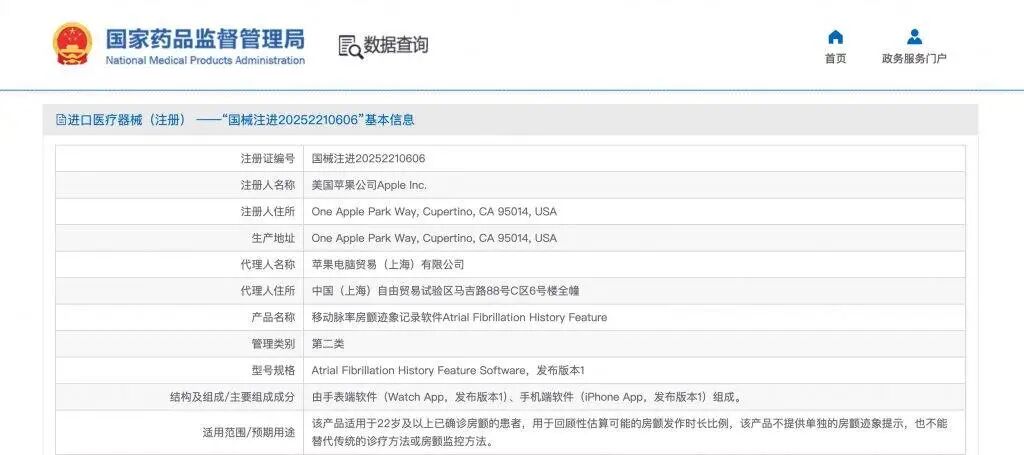
Core Viewpoint - Apple Watch is set to introduce a new feature for monitoring atrial fibrillation (AF) history, which has received medical device registration approval in China, indicating a significant expansion of its health monitoring capabilities in the region [2][3]. Group 1: Product Features and Updates - The "Atrial Fibrillation History Feature" will be available for Apple Watch users in China, expected to be included in the next iOS or watchOS update [2]. - This feature is specifically designed for users aged 22 and above who have been diagnosed with atrial fibrillation, allowing them to retrospectively estimate the duration of AF episodes [12]. - The Apple Watch will periodically check users' heart rates to detect signs of atrial fibrillation and provide a weekly summary of the percentage of time spent in AF [15][16]. Group 2: Health Implications and Market Context - Atrial fibrillation is a common heart condition that can lead to serious complications, including heart failure and increased stroke risk, with a prevalence rate of 1.6% among adults in China, affecting nearly 20 million people [9]. - The introduction of this feature aligns with a growing trend in wearable technology, where companies like Apple are enhancing health monitoring capabilities to address chronic health issues [20][21]. - The feature is not intended as a diagnostic tool but serves as a management tool for patients, providing insights into how lifestyle factors may influence their heart condition [18][20].

纳米盒AI学习眼镜亮相CES2026:全球首款,垂直场景深度智能引围观
Huan Qiu Wang· 2026-01-09 06:28
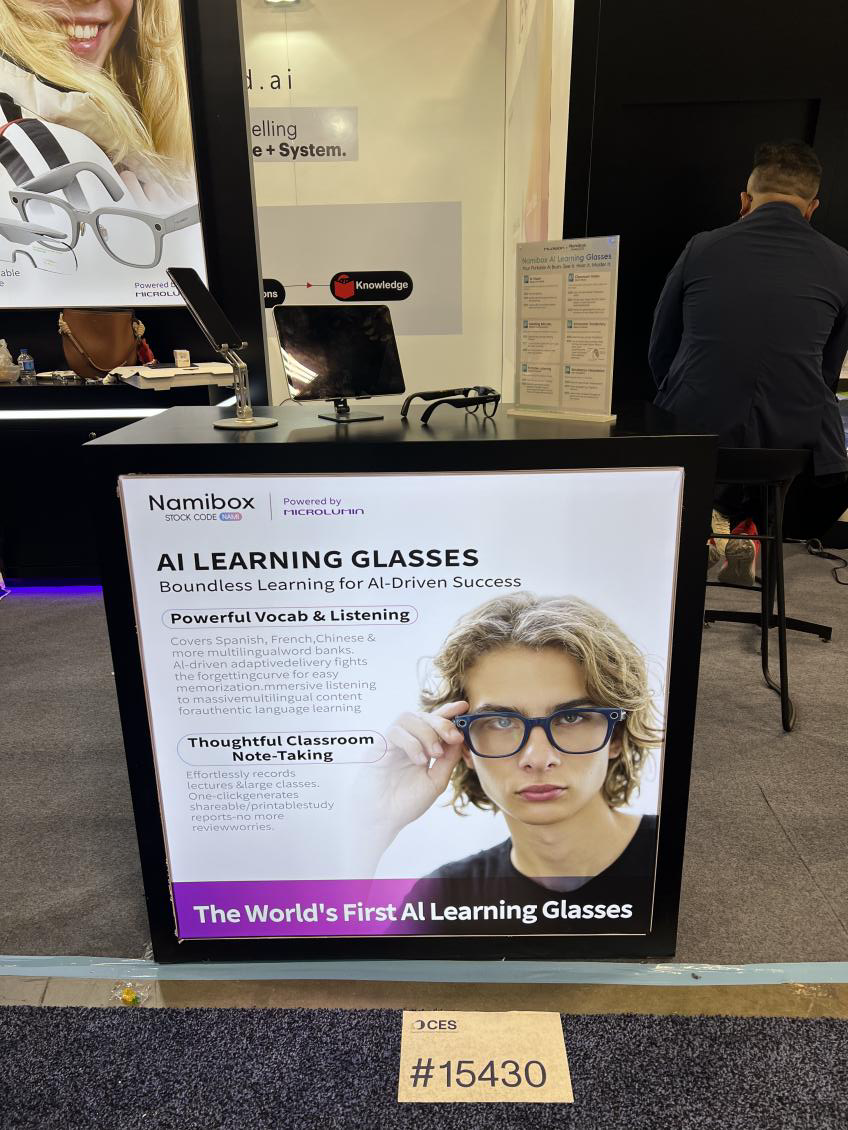
Core Insights - The article highlights the emergence of the "AI Smart Learning Glasses" by NanoBox, a brand under the Chinese education technology company Jinxin Technology Holdings Group, as a standout product at CES 2026, marking a significant innovation in the education technology sector [1][7]. Company Overview - NanoBox's smart learning glasses integrate an education-specific AI model with lightweight AR technology, creating a comprehensive learning ecosystem that spans from classrooms to outdoor environments [1][3]. - The glasses are designed to enhance learning efficiency and focus, addressing core pain points in education [3]. Product Features - The glasses feature a self-trained AI model that facilitates a complete learning loop, including data perception, real-time processing, and personalized feedback [3]. - Key functionalities include real-time lecture note-taking, multi-language translation, and an intelligent vocabulary review system based on forgetting algorithms, which optimizes study time [3]. - The product employs a bone conduction hearing mode tailored for learning, ensuring safety while providing an immersive auditory experience [3]. Market Analysis - The global education technology market is transitioning from software services to the integration of smart hardware, with a projected compound annual growth rate of over 30% for AI-driven personalized learning hardware by 2028, according to Goldman Sachs [5]. - NanoBox's business model focuses on hardware sales and subsequent content and data value-added services, indicating diverse revenue potential [5]. Strategic Positioning - The successful debut at CES represents a strategic move for NanoBox to combine China's digital education experience with AI hardware innovation, aiming to serve global learners and establish a leading position in the emerging smart learning wearable market [7].
CES 2026观察:AI眼镜并没有迎来iPhone时刻
Tai Mei Ti A P P· 2026-01-09 06:23
Core Insights - The CES 2026 highlighted AI glasses as a core topic, but failed to deliver groundbreaking innovations, indicating that the industry is still struggling to transition from niche products to mainstream necessities [1] - Despite promising growth projections, the AI glasses market has not yet crossed the gap from "geek toys" to "essential consumer products," suggesting that the anticipated explosion in demand may be more of an industry fantasy [1] Group 1: Exhibition Highlights - Several manufacturers showcased their innovations at CES, revealing both strengths and limitations in the current AI glasses market [2] Group 2: Company Innovations - Meta introduced the Ray-Ban Display series, featuring a micro-display and improved voice interaction, but faced limitations in field of view and battery life, indicating a focus on incremental innovation rather than breakthrough technology [3] - Thunder Innovation launched the X3 Pro Project eSIM, enabling independent communication and AI interaction, but its weight and eSIM subscription challenges may hinder widespread adoption [4] - XREAL presented the 1S model with advanced spatial computing capabilities, but its high price point and lack of quality AR content limit its market reach [5] - Quark's AI glasses S1 integrated various Alibaba services but struggled with competitive pricing and compatibility issues, reflecting a tension between high specs and market viability [7] - Rokid's lightweight glasses achieved a record low weight of 49 grams and strong sales, but compromised on camera quality and field of view, positioning it as a smart assistant tool rather than a full-fledged device [8] Group 3: Industry Challenges - The AI glasses industry faces three main barriers: technological limitations, unclear use cases, and fragmented ecosystems, which hinder the potential for explosive growth [9][10] - The "impossible triangle" of lightweight design, long battery life, and high performance remains unsolved, with current products often falling short of user expectations [9] - The lack of a unified operating system and collaboration with traditional optical retailers further complicates market development, leading to inconsistent product quality and consumer confusion [10] Group 4: Future Outlook - The AI glasses market is expected to remain in a phase of technological iteration and market education, with significant breakthroughs potentially taking 3-5 years [11] - The development of specialized low-power chips and advancements in optical technology are seen as critical for overcoming current limitations [11] - Price reductions and increased competition from companies like Xiaomi and Quark may drive market growth and improve product affordability [11] - The industry awaits a "killer app" or a revolutionary product that combines technological innovation, practical use cases, and ecosystem compatibility to trigger widespread adoption [12]

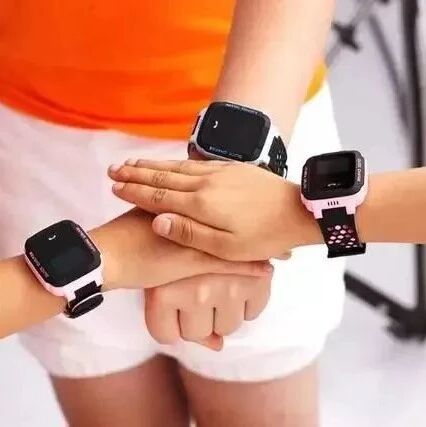
“贩卖社交”的小天才手表,快被反噬了
首席商业评论· 2026-01-09 04:51
Core Viewpoint - The article discusses the evolving landscape of children's smartwatches, highlighting their increasing popularity and the competitive dynamics among brands in the market [4][5][8]. Market Overview - The market penetration rate of children's smartwatches in China is projected to rise from 20% in 2021 to 35% by 2025, indicating that one in three children will own a smartwatch, with urban areas seeing rates close to 50% [5]. - Sales data shows that in the first 11 months of 2025, the sales revenue of children's smartwatches reached 5.25 billion, surpassing the total sales of 4.63 billion in 2024 [6]. Brand Competition - The leading brand in the children's smartwatch sector is 小天才 (Xiaotianzi), holding a market share of 53.7% in the first ten months of 2025, significantly outpacing its competitors [9]. - Other notable brands include Huawei and Xiaomi, which are leveraging their existing mobile ecosystems to enhance their smartwatch offerings [9][18]. Product Features and Differentiation - Children's smartwatches are designed with features such as precise location tracking, safety assurance, and video calling, functioning as a "call locator" for children [5]. - 小天才 focuses on social features and a closed social network, while Huawei emphasizes parental control and anti-addiction features [15][18]. Consumer Insights - Parents prioritize essential functions like accurate location tracking and instant communication, with concerns arising over social features that may lead to peer pressure and potential scams [22][24]. - The social dynamics surrounding children's smartwatches have created a culture where owning a 小天才 watch is seen as a status symbol among peers [26]. Historical Context and Future Outlook - The evolution of children's smartwatches began around 2007, initially offering basic functions like location and calling, and has since transformed into multifunctional devices that also serve social purposes [28]. - The future of children's smartwatches will depend on understanding new consumer needs and balancing functionality with real-world usage scenarios [28].