科技产业

Search documents
牛市思维下的A股逻辑:加速行驶的火车正在鸣笛
Sou Hu Cai Jing· 2025-08-18 09:32
Core Viewpoint - The A-share market is experiencing a strong upward trend despite ongoing economic pressures, indicating a divergence between stock market performance and macroeconomic conditions [1][2]. Group 1: Economic Context - The current macroeconomic environment in China is characterized by structural adjustments and challenges, yet the stock market is exhibiting "counter-cyclical" behavior, suggesting a shift in funding logic and policy environment [2][4]. - Historical examples show that stock markets can rise independently of economic performance, as seen during the Great Depression and Japan's lost decades [2]. Group 2: Funding Logic - Recent reductions in domestic deposit rates are prompting a shift in capital flows, as lower interest rates diminish the attractiveness of bank savings, pushing funds towards higher-return investments [3][4]. - The stock market acts as a significant reservoir for capital, where rising indices attract more investments, creating a positive feedback loop that fuels further market growth [5]. Group 3: International Perspective - Anticipated interest rate cuts by the Federal Reserve are expected to create a more favorable global monetary environment, enhancing risk appetite in capital markets [6][7]. - As a major global economy, China is positioned to attract significant capital inflows, particularly in the context of global monetary easing, which will likely resonate with domestic funding trends [8]. Group 4: Bull Market Mindset - Transitioning to a bull market mindset involves a shift in investment strategies, where patience and trend-following become crucial for maximizing returns [9][10]. - Investors are encouraged to focus on leading sectors such as renewable energy, technology, and artificial intelligence, which are expected to drive long-term growth despite short-term market fluctuations [11][12]. Group 5: Investment Insights - Key strategies for navigating a bull market include selecting industry leaders, maintaining a long-term holding period, managing portfolio allocations wisely, and controlling emotional responses to market volatility [17][18][19][20]. - The current bull market phase in the A-share market is supported by favorable funding conditions and policy environments, suggesting a robust foundation for continued growth [22].
萧山:垂直文旅,戴村这样“链”
Hang Zhou Ri Bao· 2025-07-18 02:39
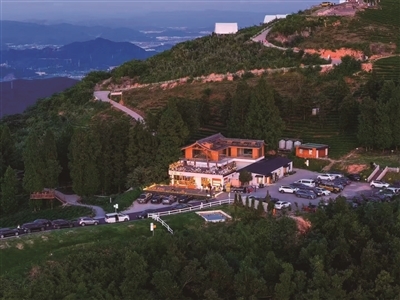
Core Insights - The article highlights the transformation of Dai Village into a vibrant cultural and tourism hub, driven by innovative projects and outdoor activities [5][6][7] - The integration of urban aesthetics into rural tourism development is emphasized, showcasing a new model for rural revitalization [7][10] - Economic data indicates significant growth in collective income for local villages, reflecting the success of tourism initiatives [8][9] Group 1: Tourism Development - The introduction of the "Density Coffee" experience in the scenic area has attracted significant attention, indicating a rise in cultural tourism consumption [5][6] - The "Xiaoshan Tide Culture Power" initiative has enhanced the cultural landscape, contributing to the area's appeal [6][7] - The "Xia Ye Space" project represents a new paradigm in rural tourism, combining urban design with natural beauty [7][9] Group 2: Economic Impact - By the end of 2024, all 22 administrative villages in Dai Village are expected to exceed 1.5 million yuan in collective operating income [8] - In the first five months of 2025, the collective operating income reached 16.32 million yuan, with some villages exceeding 1.2 million yuan [8] - The introduction of various outdoor sports activities has positioned Dai Village as a new economic engine for rural development [7][9] Group 3: Future Prospects - The dual approach of "mountain-top tourism and mountain-foot manufacturing" is reshaping the economic landscape of Dai Village [10][11] - The development of a "vertical tourism consumption belt" is creating a comprehensive tourism ecosystem from the mountain top to the valley [9][10] - The integration of technology and tourism is seen as a key driver for future growth, with new projects like the "Zhi Gu Industrial Park" set to launch [9][10]

90天关税战停火到期,特朗普“彻底慌神”,小日本都没搞定?
Sou Hu Cai Jing· 2025-07-14 05:45
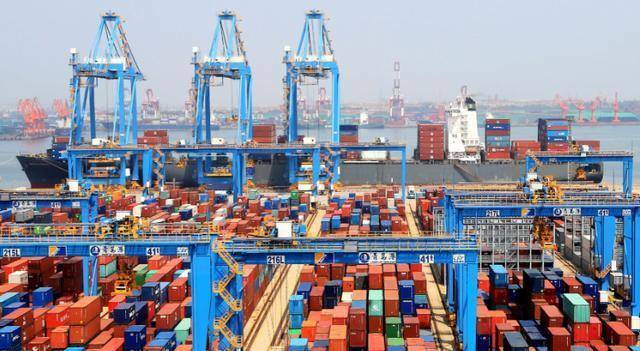
Core Viewpoint - The trade conflict between the US and China, ignited by tariffs, has escalated into a significant global economic reshuffle, affecting not only the two nations but also other major economies like Japan, the EU, and India [1][2]. Group 1: Trade Conflict Dynamics - The Trump administration initiated a new tariff policy in April 2025, aiming to pressure countries, particularly China, into negotiations to facilitate the return of manufacturing jobs to the US [1][2]. - Contrary to expectations, China adopted a strong stance against US pressure, reflecting a decrease in its reliance on foreign markets and a successful diversification strategy [1][8]. - By July 2025, as the 90-day grace period ended, global markets remained surprisingly calm, with Japan and the EU openly opposing the US tariffs, indicating a shift in alliances [2][4]. Group 2: International Reactions - Japan's Prime Minister publicly demanded the cancellation of new tariffs, highlighting a growing rift between the US and its traditional allies [2][4]. - The EU responded with a $95 billion tariff list, demonstrating a commitment to retaliate against US policies, further complicating the negotiation landscape [6][14]. - India's refusal to purchase US agricultural products signifies a broader trend of countries distancing themselves from US economic influence [2][4]. Group 3: Economic Implications - The US agricultural sector faced significant challenges as China halted purchases of American farm products, leading to unsold inventory and rising unemployment among farmers [4][12]. - The potential for China's export control on rare earth materials poses a significant threat to US technology and military sectors, which rely heavily on these resources [10][12]. - The overall decline in export volumes from various countries to the US indicates a growing wariness of American economic dominance and a shift towards a more multipolar global economy [6][16]. Group 4: Future Outlook - The ongoing trade war has led to a complex international landscape where unilateral actions by the US may no longer yield the expected results, as countries seek to protect their own interests [14][16]. - The future of the trade conflict remains uncertain, with potential for either continued resistance against US policies or new rounds of negotiations, reflecting the unpredictable nature of international relations [17][19].
科技产业金融一体化专项试点如何落地
Jin Rong Shi Bao· 2025-07-04 04:50
Group 1 - Shenzhen's foreign trade import and export total reached 4.5 trillion yuan in 2024, with a year-on-year growth of 16.4%, ranking first among cities in China [1] - The new policy document emphasizes the need for deepening reforms in technology innovation, talent cultivation, and capital market connectivity in the Greater Bay Area [1][2] - The strategic emerging industries in Shenzhen saw a value-added growth of 10.5% in 2024, accounting for 42.3% of the regional GDP, with significant growth in AI, robotics, and aerospace industries [3][4] Group 2 - The new policy aims to enhance the financial services for the real economy, supporting integrated financial trials for technology industries and optimizing financing mechanisms for tech enterprises [2][3] - Banks are encouraged to participate in technology industry financial integration trials, providing various financial products to meet the diverse financing needs of tech companies [3][4] - The policy promotes regional collaboration and accelerates the integration of capital markets in the Greater Bay Area, facilitating more diversified financing channels for enterprises [4][6]
凝心聚力谋发展 实干担当谱新篇
Zheng Zhou Ri Bao· 2025-07-03 00:48
Group 1 - The Zhengzhou Municipal Party Committee's 12th Plenary Session outlines a clear blueprint for the city's future development, emphasizing high-quality growth and the importance of grassroots engagement from party members, business leaders, and the public [1] - The 二七 District is focusing on the integration of culture, tourism, and sports, aiming to enhance public cultural services and promote major projects to inject new momentum into the industry [2] - The Zhengdong New District aims to become a key hub for international consumption and logistics, with a projected 20% increase in the number of buildings generating over 100 million yuan in tax revenue by 2024 [3] Group 2 - The 金水 District is leveraging its commercial advantages to develop diverse consumption scenarios and improve urban infrastructure, while enhancing community governance through innovative models [4] - The 高新区 is committed to innovation and industry upgrades, with a focus on key technologies to contribute to Zhengzhou's development as a science and technology powerhouse [5] - The 登封市 is advancing rural reforms and enhancing infrastructure, aiming to combine ecological governance with the development of local tourism and agriculture [7] Group 3 - The 荥阳市 is focused on high-quality development and enhancing governance efficiency, with a commitment to achieving the goals set in the 14th Five-Year Plan [8] - The 中牟新区 is promoting significant cultural and tourism projects to support its urban branding efforts, while actively engaging with local businesses to create a favorable environment [9]
中办、国办印发《关于深入推进深圳综合改革试点 深化改革创新扩大开放的意见》 允许在港上市粤港澳大湾区企业按规定在深交所上市
Zheng Quan Ri Bao· 2025-06-10 17:08
Core Viewpoint - The article discusses the issuance of the "Opinions on Deepening Reform and Expanding Opening Up in Shenzhen" by the Central Committee of the Communist Party of China and the State Council, aiming to enhance Shenzhen's role in the Guangdong-Hong Kong-Macao Greater Bay Area and contribute to the modernization of the country through comprehensive reforms and innovations [1]. Group 1: Reform and Opening Up - The "Opinions" emphasize the need for deeper reforms and broader opening up at higher levels and goals, aiming to create replicable and promotable experiences [1]. - The document outlines five main areas for reform: education, technology, talent system integration; financial, technological, and data empowerment for high-quality economic development; establishment of a new open economic system; improvement of governance models; and strengthening implementation [1][2]. Group 2: Financial and Technological Empowerment - The "Opinions" call for the establishment of a financial service incentive and constraint mechanism to support the integration of technology and finance in Shenzhen [2]. - It includes measures to enhance credit for technology enterprises, promote intellectual property securitization, and optimize financing mechanisms for tech companies [2]. - The document also highlights the need for deepening green finance reforms and allowing specific investment funds to be established in Shenzhen [2]. Group 3: Data Market Reforms - The "Opinions" propose reforms for the market-oriented allocation of data elements, including the establishment of trading rules and standards [2]. - Shenzhen is encouraged to explore mechanisms for data trading, trusted circulation, and revenue distribution, aiming for more institutional achievements in compliance assessment and certification [2]. Group 4: Trade and Service Innovations - The document suggests optimizing and upgrading goods trade, promoting trade facilitation, and supporting the development of new trade models [3]. - It supports high-value, high-tech, and environmentally friendly bonded maintenance business trials outside comprehensive bonded zones [3]. - The "Opinions" also advocate for the expansion of international express business licensing and the innovation of digital renminbi application scenarios [3].
“含金量”超高!深圳再获政策大礼包
Di Yi Cai Jing· 2025-06-10 15:17
Core Viewpoint - The central government has introduced significant policies to support the reform and opening-up of Shenzhen as it approaches its 45th anniversary, aiming to enhance high-quality economic development and create replicable experiences for national modernization [1][2]. Group 1: Education and Talent Development - The policy emphasizes the integration of vocational skills training with advanced manufacturing, allowing foreign investment in vocational training institutions in Shenzhen [2]. - Shenzhen has made notable progress in higher education reform, with the establishment of prestigious universities, and the policy supports the development of specialized, smaller-scale universities tailored to the characteristics of a megacity [2]. Group 2: Financial and Technological Reforms - The policy supports the integration of technology and finance, proposing pilot projects for credit and financing mechanisms for technology enterprises, including knowledge property securitization [2]. - It allows companies listed on the Hong Kong Stock Exchange within the Greater Bay Area to also list on the Shenzhen Stock Exchange, enhancing the financial ecosystem [2][3]. Group 3: Data and Digital Currency Initiatives - The policy encourages the exploration of mechanisms for data trading and sharing, as well as the application of artificial intelligence in medical devices, under safe and compliant conditions [3]. - It supports the innovation of digital currency applications, including participation in multilateral central bank digital currency projects and allowing certain Hong Kong professionals to practice in designated areas of Shenzhen [3]. Group 4: Urban Development and Governance - The policy proposes reforms for the management of idle land and the establishment of a one-stop international commercial dispute resolution mechanism [4]. - It emphasizes the need for effective coordination and management authority to ensure the successful implementation of the reform measures [4].
中办、国办:支持深圳开展科技产业金融一体化专项试点
news flash· 2025-06-10 09:54
Core Viewpoint - The central government supports Shenzhen in conducting a special pilot program for the integration of technology industry and finance, aiming to enhance financial services for the real economy [1] Group 1: Financial Services and Mechanisms - The initiative includes improving the incentive and constraint mechanisms for financial services to the real economy [1] - It emphasizes the establishment of a practical scenario and rule system for credit to technology enterprises, intellectual property securitization, and the trading of technological achievements and intellectual property [1] - The program aims to optimize the coordination mechanism between debt and equity financing for technology enterprises [1] Group 2: Green Finance and Investment - There is a focus on deepening green finance reforms [1] - The initiative supports the legal and compliant investment of insurance funds in private equity and venture capital funds established in Shenzhen, targeting specific fields [1] Group 3: Market Access and Listing - Companies from the Guangdong-Hong Kong-Macao Greater Bay Area listed on the Hong Kong Stock Exchange are allowed to list on the Shenzhen Stock Exchange according to policy regulations [1]
英国将加大政府投资推动经济增长
Xin Hua Cai Jing· 2025-06-10 06:42
Group 1: Government Investment Plans - The UK government plans to increase investment in various sectors to stimulate private investment and economic growth amid current hesitance and slow growth [1][3] - A total of £15.6 billion will be allocated over the next five years to improve urban transport infrastructure, marking the largest infrastructure investment in UK history [1][4] - An investment of £86 billion will be made to accelerate growth in strategic industries such as technology, life sciences, advanced manufacturing, and defense [2][4] Group 2: Education and Defense Investments - The UK government will invest £18.7 million in AI training for students, with £2.4 million designated for flagship projects to ensure every secondary school student can acquire new AI skills within three years [2] - Defense spending is set to increase from 2.3% to 2.5% of GDP by 2027, resulting in an annual increase of approximately £6 billion [2] Group 3: Economic Context and Political Response - The investment plan is a response to the current hesitance in private investment due to increased national insurance tax rates and minimum wage standards, which have dampened entrepreneurial enthusiasm [3][4] - The plan also addresses the dissatisfaction reflected in recent local elections, where the Reform Party gained traction against traditional parties, indicating public discontent with the current government's economic performance [4] Group 4: Regional Economic Balance - The investment strategy aims to reduce regional economic disparities, with specific funding directed to areas outside London, such as Greater Manchester and West Midlands, to promote balanced regional growth [5][6] - The focus on regional development is crucial as economic analysis suggests that living cost pressures will further exacerbate regional economic divides, with London remaining a key economic hub [4][5]
中金下半年策略重磅发布:港股更优,美股仍强,波动中找机会
贝塔投资智库· 2025-06-10 03:44
Core Viewpoints - The current market lacks direction, but volatility in Q3 presents opportunities for allocation [1] - U.S. assets are not pessimistic, with potential for outperformance; U.S. stocks may provide buying opportunities upon correction [1][6] - The Chinese market focuses more on structural opportunities, with Hong Kong stocks outperforming A-shares [2][12] U.S. Market Insights - The U.S. credit cycle may restart, but Q3 is expected to remain chaotic, providing buying opportunities during volatility [6][9] - Tax cuts are expected to support consumer spending and stimulate corporate investment, with a projected deficit rate reduction in FY2025 [8][9] - The Federal Reserve may lower interest rates twice to 3.75-4%, supporting real estate and traditional investments [7][9] Chinese Market Insights - The Chinese credit cycle is still in a contraction phase, with high costs suppressing private sector leverage [10][11] - Structural market conditions lead to "asset scarcity," with investors seeking stable returns or growth-oriented assets [11][12] - The focus on Hong Kong stocks reflects a preference for quality assets amid limited growth expectations in the broader market [12]