计算机硬件

Search documents
不上云、不租卡,如何优雅地在本地微调Qwen-VL-30B?
机器之心· 2026-01-13 04:08
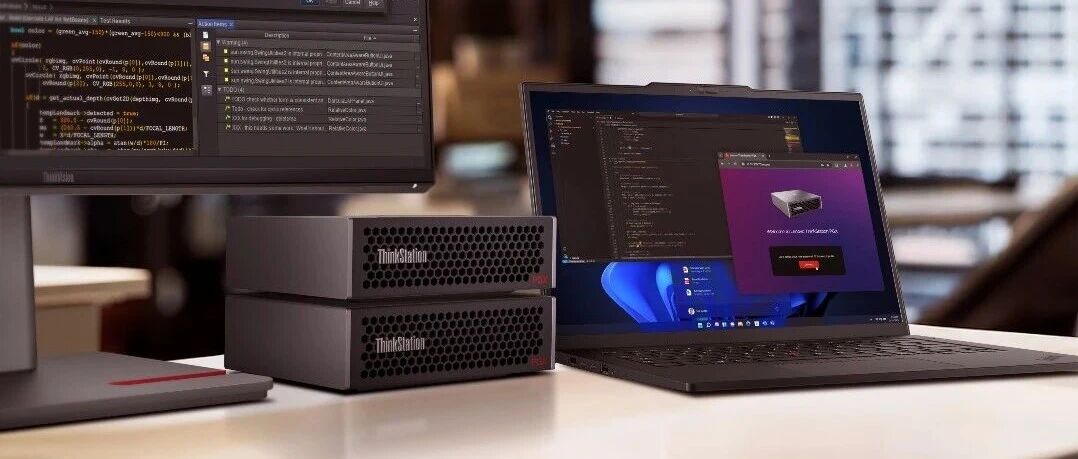
Core Viewpoint - The article discusses the challenges and solutions for deploying a 30B parameter multimodal AI model, emphasizing the need for a powerful yet compact computing solution that balances memory and processing capabilities [1][12][51]. Model Selection - A 30B parameter model is identified as the optimal choice for understanding complex data, outperforming smaller models while being more manageable than larger ones [2][3]. - The article highlights the deceptive nature of the "30B parameter" label, noting that high-resolution image processing significantly increases memory requirements [4][6]. Hardware Requirements - The need for substantial memory is emphasized, with 24GB of VRAM being insufficient for fine-tuning a 30B model, leading to potential performance sacrifices [10][12]. - The Lenovo ThinkStation PGX is introduced as a compact solution with 128GB of unified memory, allowing for efficient processing without the constraints of traditional setups [19][21]. Performance and Efficiency - The ThinkStation PGX's architecture allows for shared memory between CPU and GPU, enabling developers to run large models without running out of memory [25][26]. - The article details the successful fine-tuning of a model, achieving a significant reduction in loss from 4.03 to 1.06, demonstrating the system's effectiveness [34]. Advantages of Lenovo ThinkStation PGX - The PGX is positioned as the only desktop solution capable of comfortably running 30B multimodal models, providing a unique advantage in the market [38]. - The system's design incorporates advanced cooling solutions to manage high power consumption effectively, ensuring stable performance during extended tasks [41]. Market Position and Pricing - Lenovo's ThinkStation PGX is priced at 31,999 yuan for the 1TB version and 36,999 yuan for the 4TB version, offering a cost-effective alternative to high-end GPUs or cloud instances [51][52]. - The article suggests that for developers facing memory constraints, the PGX represents a valuable investment, providing a seamless experience without the typical configuration headaches [52][53].


Omdia:2025年全球PC出货量达到2.795亿台 同比增长9.2%
Zhi Tong Cai Jing· 2026-01-13 01:29
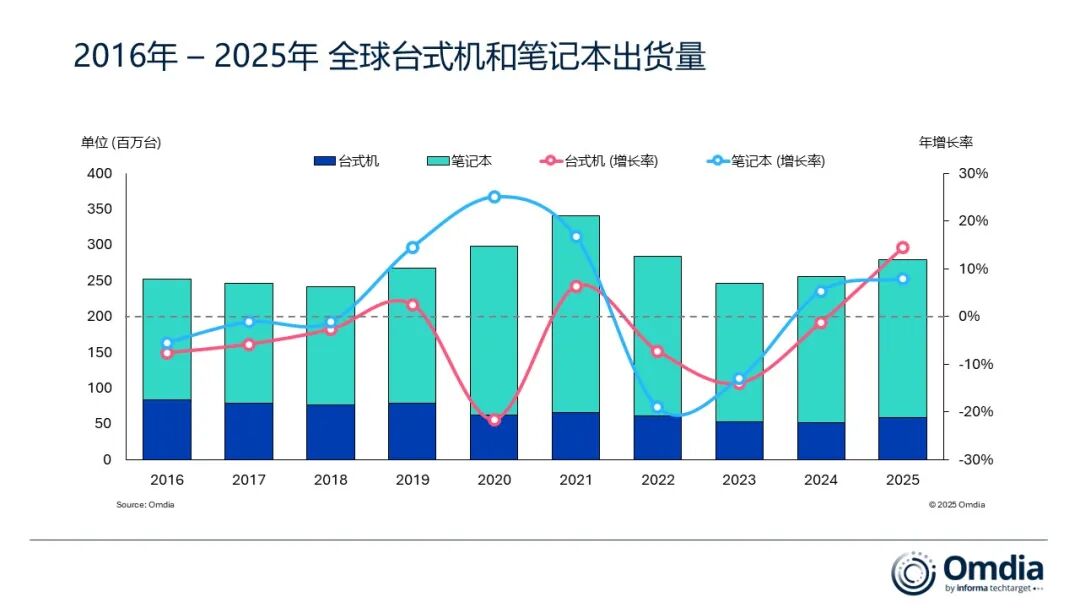
Group 1: Market Overview - Omdia's latest research indicates that total shipments of desktops, laptops, and workstations will reach 75 million units in Q4 2025, representing a year-on-year growth of 10.1% [1] - The total PC shipment for 2025 is projected to be 279.5 million units, an increase of 9.2% compared to 2024 [1][8] - In Q4 2025, laptop shipments (including mobile workstations) are expected to hit 58.6 million units, with an annual total of 220.4 million units, reflecting an 8% year-on-year growth [1] Group 2: Supply Chain and Pricing Dynamics - Despite the positive outlook for the PC market in 2025, there are concerns about tightening supply of memory and storage, leading to upward price pressures starting mid-year [3] - By December 2025, PC manufacturers began to anticipate price increases due to supply shortages, which are expected to impact 2026 shipment forecasts [3] - The cost of mainstream PC memory and storage has risen by 40% to 70% from Q1 to Q4 2025, resulting in cost pressures being passed on to customers [3] Group 3: Company Performance - Lenovo continues to lead the PC market, with Q4 2025 shipments reaching 7.1 million units, a year-on-year increase of 14.4%, and an annual total of 71 million units, up 14.6% [6] - HP ranks second, with Q4 2025 shipments of 1.54 million units, showing growth both quarter-on-quarter and year-on-year [6] - Dell achieved a strong Q4 performance with a 26% year-on-year growth, totaling 4.2 million units for the year, a 7% increase from 2024 [7]

Dell Pro 16高性能AI笔记本
Xin Lang Cai Jing· 2026-01-12 07:31
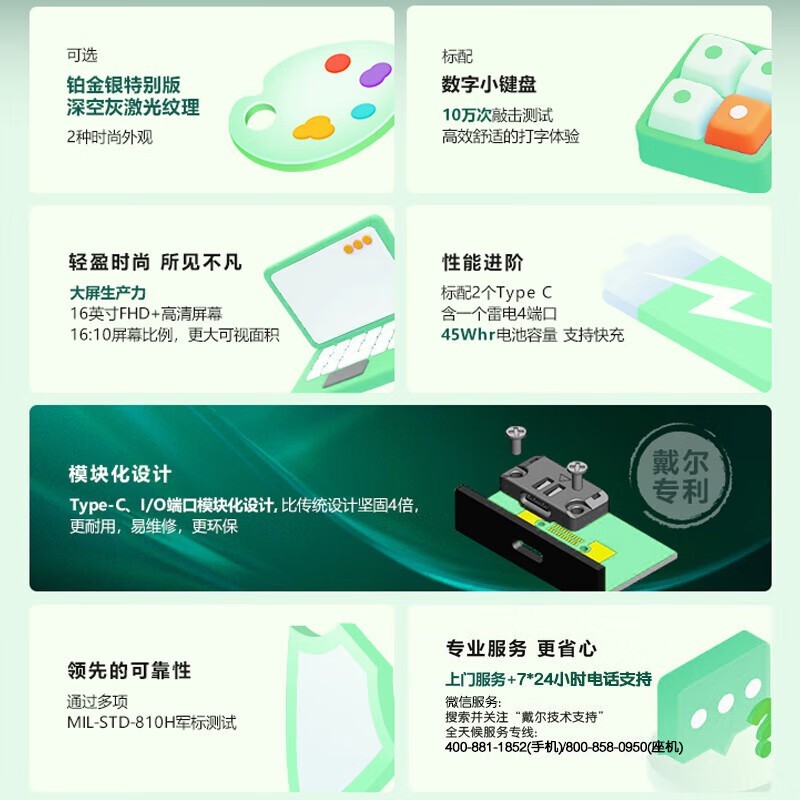
可选 铂金银特别版 深空灰激光纹理 2种时尚外观 Type-C、I/O端口模块化设计,比传统设计坚固4倍, 更耐用,易维修,更环保 标配 数字小键盘 10万次敲击测试 高效舒适的打字体验 轻盈时尚 所见不凡 大屏生产力 16英寸FHD+高清屏幕 16:10屏幕比例,更大可视面积 性能进阶 标配2个Type C 含一个雷电4端口 45Whr电池容量 支持快充 模块化设计 领先的可靠性 通过多项 MIL-STD-810H军标测试 专业服务 更省心 上门服务+7*24小时电话支持 微信服务: 搜索并关注"戴尔技术支持" 全天候服务专线: 400-881-1852(手机)/800-858-0950(座机) % 新浪财经APP 24 川下三 深 FFF 下载APP > 广告 可选 铂金银特别版 深空灰激光纹理 2种时尚外观 大屏生产力 16英寸FHD+高清屏幕 16:10屏幕比例,更大可视面积 性能进阶 标配2个Type C 含一个雷电4端口 45Whr电池容量 支持快充 模块化设计 Type-C、I/O端口模块化设计,比传统设计坚固4倍, 更耐用,易维修,更环保 标配 数字小键盘 10万次敲击测试 高效舒适的打字体验 ...
对话联想ISG总裁:与英伟达合作,帮助客户更快走向“第一个 token” |直击CES
Xin Lang Cai Jing· 2026-01-12 02:47
新浪财经 康路 发自拉斯维加斯 在 CES 2026 期间,联想基础设施解决方案集团(ISG)总裁 Ashley Gorakhpurwalla 在接受提问时,系 统阐述了联想与 英伟达之间的战略合作关系,并强调双方合作并非单一产品层面的绑定,而是覆盖从 规划、制造、部署到运维的全周期协同。 Ashley Gorakhpurwalla 表示,理解联想与 NVIDIA 的关系,需要首先认识到联想 ISG 在业务模式上的高 度灵活性。联想既可以作为 ODM 运作,由合作伙伴提供核心技术,联想负责制造、部署、支持和全生 命周期管理;同时,联想也在持续引入自有 IP,并拥有一整套在全球 180 个国家提供支持的成熟产品 组合。这使得联想能够同时服务于超大规模客户(hyperscale)、新型云服务商(neocloud)、传统服务 提供商,以及仅需要单台服务器或存储设备的企业客户,覆盖从顶级云到企业级 IT 的完整光谱。 专题:2026年度国际消费电子展(CES) Arthur Hu表示,联想正在与 英伟达合作,通过智能体平台帮助企业更快完成从部署到使用的转化。随 着在 CES 上发布 xIQ Agent 平台,联想希望 ...

职场精英的移动工作站:五款高性价比本本推荐
Xin Lang Cai Jing· 2026-01-12 01:23
在快节奏的工作环境中,一台性能稳定、显示细腻的笔记本已成为专业工作者不可或缺的伙伴。无论是 处理复杂的数据报表、运行多任务办公软件,还是进行图像渲染与视频剪辑,全高清屏幕带来的清晰视 野与色彩还原能力,极大提升了工作效率与视觉舒适度。面对多样化的使用需求,市场中涌现出一批兼 具性能、便携性与性价比的优质机型,精准满足从日常办公到高强度创作的不同场景。 联想拯救者R7000P 2021到手价为8299元,搭载AMD锐龙7 5800H处理器,八核十六线程的强大性能确 保多任务处理游刃有余。配备RTX3060独立显卡,无论是运行大型设计软件还是轻度游戏都能轻松应 对。其高刷新率与高色域屏幕不仅带来流畅画面,更保障了色彩准确性,适合需要频繁进行视觉创作的 专业人士。支持WiFi6和独显直连技术,进一步优化了数据传输效率与图形输出表现,是性能与实用兼 顾的优选之作。 ThinkPad X13(20T2A002CD)售价6100元,专为商务移动办公打造。搭载R7-7840U处理器,配合 16GB LPDDR5x内存,系统响应迅速,日常办公极为流畅。13.3英寸16:10比例的IPS全高清屏,不仅提 升纵向浏览空间,也增强 ...
惠普拟采购长鑫存储 DDR5!
Ju Chao Zi Xun· 2026-01-10 07:28
Core Insights - HP plans to incorporate Chinese memory suppliers into its supply chain to alleviate DRAM memory supply constraints amid ongoing shortages from major international manufacturers like Micron and Samsung [1] - Longsys (CXMT), a Chinese memory supplier, is expected to gain broader market recognition through this collaboration, with projected DRAM wafer production capacity reaching 300,000 pieces per month by 2026 [1] - HP's CEO Enrique Lores indicated that the company anticipates significant challenges in the second half of 2026 and may raise prices if necessary, as memory costs account for 15% to 18% of the average PC cost [1] Industry Context - In the context of ongoing global memory supply shortages, Chinese memory suppliers have emerged as competitive alternatives, particularly as Longsys has not yet significantly shifted its production capacity towards HBM [2] - The output from Longsys is expected to alleviate supply pressures in the consumer market until the demand for memory in the artificial intelligence sector stabilizes [2]
PC市场,迎来最艰难一年?
虎嗅APP· 2026-01-10 03:35
Core Viewpoint - The semiconductor industry is facing unprecedented price increases across all hardware components, driven primarily by the surge in AI demand, leading to a supply chain crisis that affects consumer electronics significantly [4][10][12]. Price Increases and Market Dynamics - The average price of PCs is expected to rise by 4% to 8%, with major manufacturers warning of potential price hikes between 15% and 20% due to ongoing memory shortages expected to last until 2027 [4][10]. - The price of storage chips, particularly DRAM and NAND Flash, has skyrocketed, with contract prices increasing by 80% to 100% by December 2025, largely due to AI data centers' demand for high-bandwidth memory (HBM) [6][12]. - Graphics cards are also seeing price increases, with AMD and NVIDIA planning to raise prices starting in January and February 2026, respectively, due to rising costs of GDDR memory [7][12]. Impact on Hardware Components - The motherboard market is experiencing a significant decline in sales, with offline channel sales dropping over 50% due to high installation costs, leading to a "one-time price increase" strategy for new laptops [8][12]. - The overall PC market is at a crossroads, with a mix of urgent upgrade needs due to the end of Windows 10 support and rising semiconductor costs creating a "perfect storm" for the industry [10][11]. AI's Influence on Semiconductor Allocation - AI's unprecedented demand is reshaping the semiconductor industry's resource allocation, with a shift from consumer electronics to high-value AI chips, resulting in reduced supply for standard consumer-grade components [12][13]. - The global HBM market is projected to grow by 300% by 2025, as major manufacturers redirect DRAM capacity to meet the needs of AI chip producers like NVIDIA and Google [13][14]. Industry Responses and Strategies - Companies like Lenovo are increasing memory inventory to navigate shortages, while larger PC brands leverage their supply chain power to mitigate impacts [18]. - Upstream storage giants are adopting varied strategies, with Samsung shifting some HBM capacity to general DRAM production, while Micron focuses on the data center market [18][19]. - Some manufacturers are implementing flexible product strategies, such as offering "quasi-systems" without memory modules to transfer cost risks to consumers [20]. Future Outlook - The PC industry is entering a prolonged adjustment period, with 2026 expected to be particularly challenging as the market adapts to high costs and low growth [20]. - The current trend of "reduced volume, increased prices" is likely to persist until the AI demand's impact on advanced capacity diminishes, making it a new normal for the industry [20].


杨元庆的最后一张王牌:AI 能否撑起联想集团的未来?
Xin Lang Cai Jing· 2026-01-09 13:27
Core Viewpoint - Lenovo is experiencing a paradox of strong financial performance while struggling with its AI transformation, raising questions about its future viability in the market [1][15]. Financial Performance - Lenovo reported a revenue of 142.8 billion yuan for Q3 2025, a 15% year-on-year increase, marking a historical high for the quarter [1]. - Adjusted net profit reached 3.66 billion yuan, a 25% year-on-year surge, indicating that profit growth outpaced revenue growth [1]. - AI-related business revenue now accounts for 30% of total revenue, highlighting the increasing importance of AI in Lenovo's overall business strategy [1]. AI Business Insights - The core driver of growth in Lenovo's Intelligent Devices Group (IDG) is attributed to the structural demand upgrade driven by AI PCs, with AI terminal device revenue rising to 36%, a 17% year-on-year increase [2]. - Lenovo holds a 31.1% share of the global Windows AI PC market, maintaining its position as the market leader [2]. Challenges in AI Strategy - The claim that AI-related revenue constitutes 30% of total revenue may be misleading, as it appears to involve rebranding traditional business rather than reflecting genuine AI innovation [3]. - AI PCs, while marketed as "personal intelligent twins," lack disruptive innovation and are priced 30%-50% higher than standard PCs, limiting their appeal to average consumers [3]. - Lenovo's AI server business, despite showing growth, relies heavily on external orders and lacks foundational technology, positioning it as a follower rather than a leader in the market [3][9]. Market Dynamics - The cessation of support for Windows 10 has triggered a significant upgrade cycle, prompting users to replace their devices for continued system support [4]. - The pandemic-induced purchase of devices is also leading to a wave of replacements as these devices reach their update cycles [4]. Historical Context and Strategic Vision - Lenovo's focus on AI is partly a response to missed opportunities in the mobile era, with past acquisitions like IBM's PC business initially boosting performance but later leading to losses due to strategic missteps [6]. - The company has recognized the need for a robust AI strategy, with CEO Yang Yuanqing advocating for an "ALL in AI" approach since 2017, aiming to position Lenovo as a pioneer in smart technology [7]. R&D and Innovation - Lenovo's R&D spending is significantly lower than industry peers, with only 2.78% of revenue allocated to R&D in Q1 of the 2025/26 fiscal year, a decline from previous years [12]. - Compared to leading tech companies, Lenovo's R&D investment is substantially lower, indicating a conservative approach to innovation that may hinder its competitive edge in the AI landscape [12][13]. Strategic Partnerships - The partnership with NVIDIA represents a critical strategic move for Lenovo, aiming to enhance its capabilities in AI infrastructure and transition towards becoming a solutions provider rather than merely a hardware assembler [14][15]. - The success of this partnership will depend on Lenovo's ability to build a core competitive advantage and not revert to being a mere hardware manufacturer [14]. Conclusion - Lenovo's journey in the AI era reflects the broader anxiety of traditional hardware giants facing a transformative market landscape, with the need for a fundamental shift in strategy and execution to avoid being marginalized [15][16].
2026不是PC最难的一年,巨头恒强,白牌退场
3 6 Ke· 2026-01-09 13:08
Core Insights - The AI boom is significantly impacting the global PC market, leading to a challenging year for the industry, with predictions of reduced shipments and increased prices [1][2][3] - The shift in demand from personal computers to AI data centers has permanently altered the resource allocation and growth drivers within the industry [2][3][4] Market Dynamics - High bandwidth memory (HBM) demand from data centers is causing a severe reduction in supply and price increases for consumer-grade DRAM and NAND, leading to overall cost hikes for core components like GPUs and CPUs [1][3][4] - IDC forecasts a 6% to 8% increase in average PC prices by 2026, with some systems seeing price hikes of 15% to 20%, while global PC shipments may decline by 5% under neutral conditions [1][3] Supply Chain Challenges - The transition of memory production towards higher-margin HBM has resulted in a deliberate shortage of standard memory for consumer PCs, pushing prices up and altering the cost structure of the entire industry [6][8] - The industry is experiencing a permanent increase in cost structures due to the high-end technologies developed for AI servers, which will affect the pricing of standard PC components [6][8] Strategic Responses - Semiconductor giants are cautiously adjusting their production capacities to meet AI demands but are hesitant to invest heavily in new factories due to concerns over a potential "AI bubble" [8][19] - The current supply chain crisis is expected to lead to a prolonged period of supply shortages for consumer electronics, as the demand for high-performance components outstrips supply [8][19] Regional Insights - The Chinese PC market exhibits unique resilience, driven by government policies and a strong demand for digital transformation, which may not align with global trends of reduced shipments and increased prices [12][13] - The demand structure in China is diverse, with a significant user base that is pragmatic about performance and price, allowing for adjustments in purchasing behavior based on market conditions [14][15] Future Outlook - The ongoing transition in the PC industry is seen as a necessary adjustment rather than a decline, with the potential for a new equilibrium as AI infrastructure stabilizes and new chip capacities come online [10][26][30] - The market is expected to experience a shift towards higher-value products and a focus on local intelligence capabilities, which will redefine the competitive landscape [30][32][34]



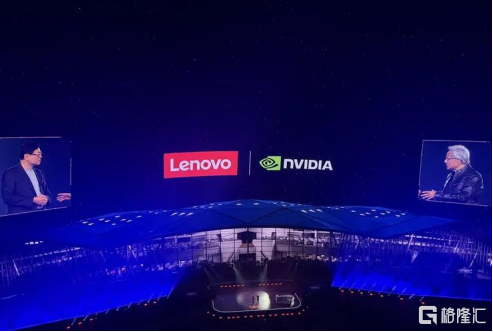
共荣共生,联想与英伟达跨周期合作30年
Ge Long Hui· 2026-01-09 07:35
Core Insights - The partnership between Lenovo and NVIDIA has evolved over 30 years, transitioning from traditional hardware collaboration to co-building AI factories, marking a significant leap in their relationship [2][12] - The collaboration showcases a rare symbiotic relationship in the tech industry, demonstrating resilience and adaptability across different technological eras [2][12] Historical Context - In the mid-1990s, Lenovo emerged as a key player in the PC market while NVIDIA was founded, with both companies initially collaborating on GPU procurement for PCs [4][5] - Lenovo's strategic introduction of NVIDIA's GPUs in high-end PCs and workstations helped both companies achieve significant market success, with Lenovo becoming a leader in the Chinese PC market by the early 2000s [5][6] Evolution of Collaboration - The partnership expanded into high-performance computing (HPC) in the 2010s, with Lenovo leveraging its system integration capabilities to build supercomputers using NVIDIA GPUs [7][8] - Innovations such as the Advanced Optimus technology for laptops and the integration of NVIDIA's Quadro graphics in Lenovo's workstations further solidified their collaboration in professional computing [7][8] AI Era Transformation - The explosion of generative AI in 2023 has transformed NVIDIA's GPUs into highly sought-after assets, while Lenovo's accumulated capabilities have positioned it to address new challenges in AI computing [10][11] - Lenovo's Neptune liquid cooling technology has become crucial for managing the heat generated by advanced NVIDIA chips, enabling efficient AI model deployment [10][11] Future Prospects - At CES 2026, Lenovo and NVIDIA announced ambitious plans for an AI cloud super factory, aiming to significantly reduce AI deployment times and scale operations to support trillion-parameter models [11][12] - The partnership is expected to quadruple in business scale over the next 3-4 years, driven by complementary technologies and a foundation of trust built over three decades [12][13] - This collaboration is set to redefine the AI infrastructure era, facilitating the transition of AI from cloud to edge computing across various industries [13]