医疗设备

Search documents
11月24日晚间重要公告一览
Xi Niu Cai Jing· 2025-11-24 10:21
Group 1 - Huafeng Co., Ltd. announced a stock suspension due to a potential change in control after signing a share transfer intention agreement [1] - Keshida plans to reduce its shareholding by up to 424,000 shares, representing 0.07% of its total share capital [1] - Jinqilin intends to distribute a cash dividend of 0.10 yuan per share, totaling 19.61 million yuan [1] Group 2 - Rejingshi Biotech has repurchased 904,100 shares, accounting for 0.98% of its total share capital, with a total expenditure of 150 million yuan [2] - Yishitong has repurchased 1,236,500 shares, representing 0.619% of its total share capital, with a total expenditure of approximately 33.49 million yuan [2] Group 3 - Hanjia Design announced the release of a detention on its subsidiary's chairman, allowing him to resume duties [4] - Qingmu Technology plans to acquire 65.83% of Vitalis Pharma AS for 300 million Norwegian Krone (approximately 212 million yuan) [4] - Anda Intelligent's shareholder plans to reduce its stake by up to 2.74% [4] Group 4 - Wansheng Intelligent is a candidate for a project with a pre-bid amount of approximately 42.99 million yuan, representing 4.56% of its audited revenue for 2024 [4] - Yipin Hong received a drug registration certificate for a medication used to treat Alzheimer's symptoms [4] Group 5 - *ST Sansheng received a total of 254 million yuan from restructuring investors [4] - Haichuang Pharmaceutical received approval for clinical trials of HP518 tablets for advanced prostate cancer treatment [4] Group 6 - Ningbo Huaxiang's subsidiary plans to invest 5 million yuan in a venture capital fund focusing on intelligent industries [4] - Petty Co. plans to repurchase shares worth 50 to 70 million yuan [4] Group 7 - Tongji Technology's subsidiary won a construction project with a bid price of 866 million yuan [4] - Prolo Pharmaceutical received a drug registration certificate for a generic drug [4] Group 8 - Jingyan Technology plans to use up to 1.6 billion yuan of idle funds for financial management [4] - Furan De received government subsidies totaling 34.65 million yuan [4] Group 9 - David Medical's subsidiary's medical device registration has been accepted [4] - Jusaylong plans to increase its subsidiary's capital by 170 million yuan through debt-to-equity conversion [4] Group 10 - Heng Rui Pharmaceutical's application for a drug license has been accepted by the National Medical Products Administration [4] - Lege Co. plans to increase its stake in the company by 40 to 80 million yuan [4] Group 11 - New Beiyang's subsidiary won a project with the Bank of Communications [4] - Jiangxi Changyun plans to publicly transfer land use rights and buildings with a starting price of 7.79 million yuan [4] Group 12 - Shenqi Pharmaceutical's subsidiary has paid approximately 16.67 million yuan in tax and penalties [4] - Panjiang Co. plans to invest 1.334 billion yuan in a power plant project [4] Group 13 - Fashilong's vice president resigned for personal reasons [4] - Chunxue Food received government subsidies of 3.79 million yuan [4] Group 14 - China Galaxy completed the repayment of a short-term financing bond totaling 3.025 billion yuan [4] - Jiuzhou Pharmaceutical received approval for a chemical raw material drug [4] Group 15 - Longqi Technology's subsidiary plans to invest 30 million yuan in a venture capital fund [4]


歌锐科技刘建勋:AI医疗创新必须立足临床,破解支付难题需共建产业生态|聚焦2025华夏大健康
Hua Xia Shi Bao· 2025-11-24 09:48
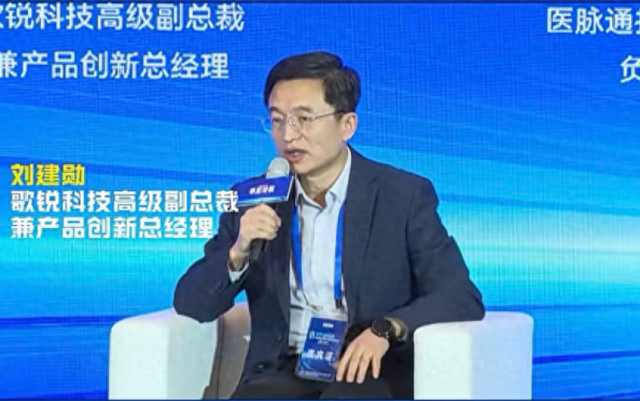
Core Viewpoint - The trend of AI in healthcare is irreversible, with all AI-based medical products originating from clinical needs and ultimately providing greater value than clinical applications [2][4]. Group 1: AI in Healthcare - AI and large models are seen as tools that must address clinical problems effectively [2][3]. - Liu Jianxun, Senior Vice President of GeRui Technology, emphasizes that technology innovation must focus on solving real clinical issues [3][4]. - The company has made significant advancements in orthopedic fields, including the launch of a fully electric integrated intraoperative 3D imaging system and the "Newton" orthopedic endoscopic surgical robot, which is entering multi-center human clinical trials [2]. Group 2: Clinical Value and Innovation - The essence of AI medical innovation is to return to clinical fundamentals, ensuring that technology meets actual clinical needs [3][4]. - Liu Jianxun highlights the importance of accurately defining clinical needs to address genuine clinical pain points [3]. Group 3: Commercialization and Industry Ecosystem - Liu Jianxun stresses the need for a collaborative effort to improve the industry ecosystem, particularly regarding payment systems for innovative medical devices [4]. - He notes that a diversified payment system in international markets supports the promotion of innovative medical technologies, which should be emulated in China [4]. - The expectation is for all stakeholders, including medical institutions, enterprises, and insurance agencies, to explore solutions suitable for the Chinese market to foster healthy industry development [4].

2025兰溪科创投资大会暨首届兰溪创新创业大赛总决赛圆满落幕
投中网· 2025-11-24 08:13
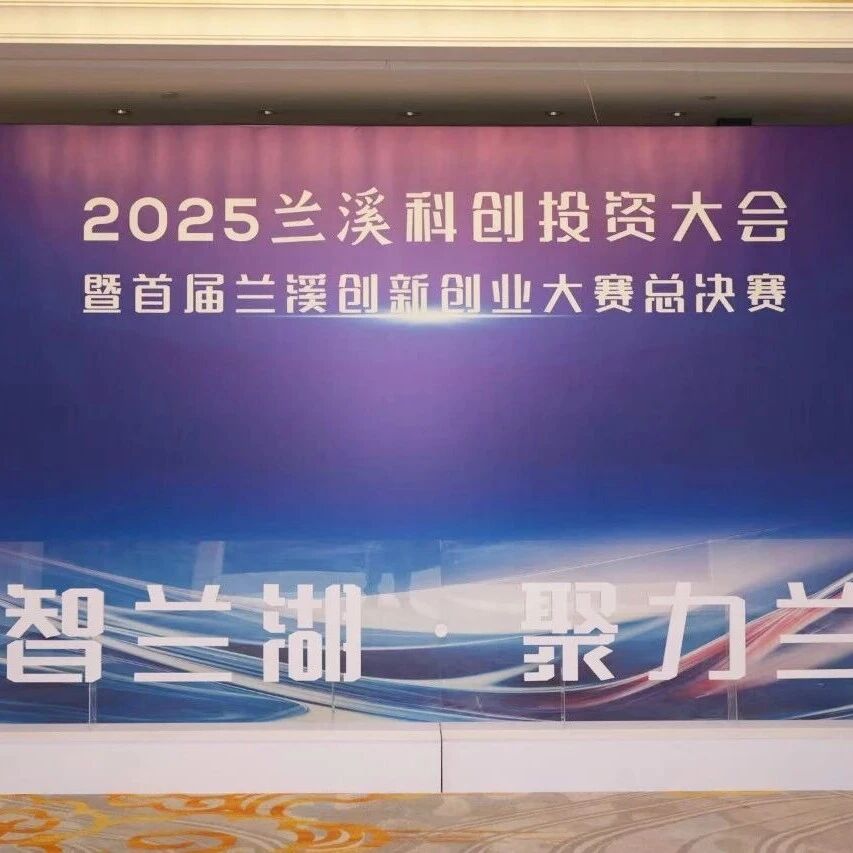
将投中网设为"星标⭐",第一时间收获最新推送 获奖名单揭晓,落地转化全面启动。 来源丨 投中网 2025 年 11 月 21 日,由兰溪资本主办,投中信息、兰溪市人才集团协办的"首届兰溪创新创业大赛总决赛"在浙江兰溪成功举办。 作为" 2025 兰溪 科创投资大会"的核心环节,大赛的顺利举行标志着为期两天的系列活动圆满收官。本次活动吸引了来自全国各地的创新企业踊跃参与,通过"以赛引 才"精准对接兰溪" 1+4+X "现代产业体系,集中展现了兰溪在集聚科创资源、培育新兴产业方面的积极姿态。 12 强项目同台竞技,硬科技赛道亮点纷呈 经过前期全国海选与线上半决赛的层层选拔, 12 个优质项目成功晋级总决赛,覆盖具身智能、高速光通信、激光精密制造、氢能装备、 RISC-V 芯 片、医疗器件、半导体封装、碳捕集技术等前沿领域,充分体现出科技创新与产业升级的深度融合。 决赛现场,参赛团队通过" 12 分钟路演 + 评委问答"形式,全面展示项目技术优势与落地潜力。由创东方、创景资本、达晨财智、复星锐正、光合创 投、海尔资本、华睿投资、汇芯投资、普华资本、启航创投、浙商创投等十余家一线投资机构合伙人组成的评审团,从技术壁垒 ...
瑞迈特涨1.49%,成交额2.46亿元,近5日主力净流入3128.80万
Xin Lang Cai Jing· 2025-11-24 07:28
Core Viewpoint - Beijing Ruimait Medical Technology Co., Ltd. is experiencing positive market movement, with a recent stock increase of 1.49% and a total market capitalization of 8.673 billion yuan, driven by its focus on respiratory health medical devices and favorable currency conditions [1][2]. Company Overview - The company specializes in manufacturing medical devices and consumables in the respiratory health sector, including various types of sleep apnea machines and monitoring devices [2][7]. - As of September 30, the company reported a revenue of 808 million yuan for the first nine months of 2025, reflecting a year-on-year growth of 34.24%, and a net profit of 180 million yuan, up 43.87% [8]. Financial Performance - The overseas revenue contribution is significant, accounting for 64.21% of total revenue, benefiting from the depreciation of the yuan [3]. - The company has distributed a total of 228 million yuan in dividends since its A-share listing [8]. Shareholder and Market Activity - As of September 30, the number of shareholders increased by 16.36% to 7,971, while the average circulating shares per person decreased by 14.20% [8]. - The stock has seen a net inflow of 2.0224 million yuan from major investors, indicating a growing interest in the stock despite a lack of clear trends in major fund movements [4][5]. Technical Analysis - The average trading cost of the stock is 88.45 yuan, with current price action suggesting a trading range between resistance at 97.44 yuan and support at 95.40 yuan, indicating potential for short-term trading strategies [6].
天智航跌2.02%,成交额2740.36万元,主力资金净流出700.89万元
Xin Lang Cai Jing· 2025-11-24 02:18
Core Viewpoint - Tianzhihang's stock price has experienced a decline recently, despite a significant increase in its stock price year-to-date, indicating potential volatility in the market [1][2]. Company Overview - Tianzhihang Medical Technology Co., Ltd. specializes in the research, production, sales, and service of orthopedic surgical navigation robots, with a revenue composition of 58.31% from navigation robots, 23.86% from supporting equipment and consumables, 16.49% from technical services, and 1.31% from other sources [1]. - The company was established on October 22, 2010, and went public on July 7, 2020 [1]. Financial Performance - For the period from January to September 2025, Tianzhihang reported a revenue of 187 million yuan, representing a year-on-year growth of 103.51%. However, the net profit attributable to shareholders was -114 million yuan, a decrease of 49.73% compared to the previous year [2]. - The stock price has increased by 55.26% year-to-date, but has seen declines of 8.76% over the last five trading days, 12.22% over the last twenty days, and 22.18% over the last sixty days [1]. Shareholder and Market Activity - As of September 30, 2025, the number of shareholders increased by 12.31% to 17,300, with an average of 26,094 shares held per shareholder, a decrease of 10.96% [2]. - The company has appeared on the "Dragon and Tiger List" once this year, with the most recent appearance on February 17, where it recorded a net purchase of 26.27 million yuan [1]. Market Position - Tianzhihang is categorized under the pharmaceutical and biological industry, specifically in medical devices, and is associated with concepts such as robotics, specialized innovation, and medical equipment [2].

2 Healthcare Stocks For Beginner Investors With a 30-Year Time Horizon
The Motley Fool· 2025-11-23 15:28
Investment Strategy - Investing in stocks for a long period, such as 30 years, can lead to significant wealth accumulation through compounding returns [1] - A well-defined strategy and commitment to endure market fluctuations are essential for investors [1][2] - Understanding personal risk tolerance and spreading investments across various asset classes and sectors is crucial for capitalizing on diverse growth opportunities [2] Healthcare Industry Opportunities - The healthcare industry offers substantial opportunities for notable portfolio returns over decades [3] - Vertex Pharmaceuticals and DexCom are highlighted as two companies with strong long-term growth potential in the healthcare sector [3] Vertex Pharmaceuticals - Vertex Pharmaceuticals holds a near monopoly in the cystic fibrosis drug market, generating significant revenue and strong free cash flow [4] - The company’s patents for key cystic fibrosis drugs extend into the late 2030s, providing a stable revenue foundation [4] - Vertex is expanding its portfolio beyond cystic fibrosis into other serious diseases, including a gene-editing therapy for sickle cell disease and a non-opioid pain management solution [5][6] - Vertex reported a total revenue of $3.08 billion for Q3 2025, an 11% year-over-year increase, with a net income of $1.1 billion [10] DexCom - DexCom is the leading manufacturer of continuous glucose monitoring devices, serving a growing global population with diabetes [11] - The company has a significant market share in the U.S. CGM market but has vast untapped opportunities, as less than 1% of Type 1 diabetics currently use CGM technology [12] - DexCom's revenue grew by 22% in Q3, with U.S. revenue increasing by 21% year-over-year and international revenue rising by 22% [16]



医疗设备行业10月更新:招采金额环比同比均恢复增长态势
Changjiang Securities· 2025-11-23 12:55
Investment Rating - The report maintains a "Positive" investment rating for the medical device industry [3]. Core Insights - The medical device industry is expected to return to positive growth in 2025 after two consecutive years of decline, driven by increased demand for hospital equipment due to equipment renewal policies [9]. - The procurement amount for medical devices in October 2025 showed a year-on-year increase of 13.84% and a month-on-month increase of 0.28%, indicating a continuous recovery trend [16]. - The domestic production rate of medical devices has increased significantly from 19% in 2019 to 48% in October 2025, with varying rates across different categories [20]. Summary by Sections Equipment Procurement - The medical device procurement market is expected to reach between 187.6 billion to 241.1 billion yuan in 2025, with a strong recovery anticipated in the second half of the year [13]. - The procurement scale for October 2025 was 16.254 billion yuan, with a cumulative total of 144.665 billion yuan from January to October, reflecting a 39.63% year-on-year increase [16]. - The ultrasound procurement in October 2025 was 1.556 billion yuan, showing a 54.04% year-on-year increase, while CT procurement reached 1.996 billion yuan, up 44.06% year-on-year [25][26]. Collective Procurement - The collective procurement market in county-level areas has remained low, with a market share of 6-9% based on procurement sales from 2019 to 2024 [42]. - The overall domestic production rate in the collective procurement market reached 80% as of August 2025, indicating a significant increase driven by procurement policies [46]. - The price reduction in the county-level collective procurement market has shown a moderate trend, with the largest drop observed in monitoring devices at 57% [50].
测量精度优于心电图,量子技术能否撬开千亿级医疗市场
Di Yi Cai Jing· 2025-11-23 10:35
Core Insights - Quantum measurement technology with ultra-high sensitivity to weak magnetic fields is playing a role in medical diagnostics, particularly in detecting early signs of diseases through subtle magnetic field changes in the human body [1][2] - The application of "quantum + medical" technology has attracted investor attention, with discussions on the integration of quantum precision measurement and medical diagnostics at the recent 2025 Quantum Technology and Industry Conference [1] Industry Overview - The domestic market for biological magnetic technology devices has begun to see clinical validation in major hospitals for diagnosing cardiovascular diseases such as myocardial ischemia and heart failure, although pricing details have not yet been disclosed [2] - The potential market for cardiovascular diseases in China is estimated to be in the hundreds of billions, with 330 million patients, including over 10 million with coronary heart disease [2] - The medical device market in China has grown from over 200 billion yuan in 2018 to nearly 400 billion yuan in 2023, with projections to exceed 600 billion yuan by 2030, indicating a significant opportunity for quantum biological magnetic technology [2] Technological Development - The development of superconducting biological magnetic technology, including devices like magnetocardiograms and magnetoencephalograms, has been in progress for 20 years and is nearing commercialization [1] - Despite the promising applications, the high cost and complexity of biological magnetic technology currently limit its use as a routine clinical examination method [3] - Future advancements in high-temperature superconducting technology and the reduction in costs of quantum sensors are expected to make magnetocardiogram devices more affordable and widely applicable in clinical settings [3]
香港科技大学:2025年全球供应链报告(摘要)
Sou Hu Cai Jing· 2025-11-22 04:15
Core Insights - The 2025 global supply chain is being reshaped by geopolitical factors, policy directions, and technological innovations, showcasing diversification, regionalization, and sustainability as significant characteristics [1][2][7] - China maintains a core position in the global supply chain, while emerging manufacturing bases are accelerating their rise [1][2] Geopolitical and Trade Policies - Geopolitical tensions and trade policies are profoundly influencing supply chain layouts, with a clear trend towards localization and regionalization [1][8] - Free trade agreements are key to optimizing supply chains by reducing cross-border flow costs and promoting regional industrial clusters [10][12] Technological Innovations - Technological advancements such as AI, IoT, and blockchain are enhancing transparency and efficiency in logistics and inventory management, driving a transformation in supply chain operations [17][18] - The integration of automation and 3D printing technologies is fostering on-demand production models, reducing resource waste [17][18] Environmental Sustainability - Environmental sustainability has become a core value standard in supply chains, with "green compliance" pushing companies to adopt low-carbon practices in material procurement and production processes [2][18] - Companies are diversifying their procurement strategies to ensure the stability of raw material supplies and mitigate supply bottleneck risks [2][20] Industry-Specific Trends - The electric vehicle industry is experiencing strong growth, with supply chains shifting towards vertical integration [2][21] - The solar photovoltaic industry continues to expand, with China maintaining a leading position [2][21] - The apparel supply chain is progressing slowly towards diversification, with China's role shifting towards intermediate goods supply and investment [2][21] - The medical equipment market is steadily growing, characterized by decentralization and technology-driven innovation [2][21] Future Supply Chain Dynamics - The global supply chain is evolving towards a more resilient, distributed, and technology-intensive model, requiring companies to adapt to diversification, green compliance, and technological upgrades [2][36] - China is expected to retain its leading role in the global photovoltaic and electric vehicle supply chains, while also emerging as a significant player in the medical equipment supply chain [21][24][22]

又一百年品牌塌了,除了Logo啥都没了
Xin Lang Cai Jing· 2025-11-21 10:27
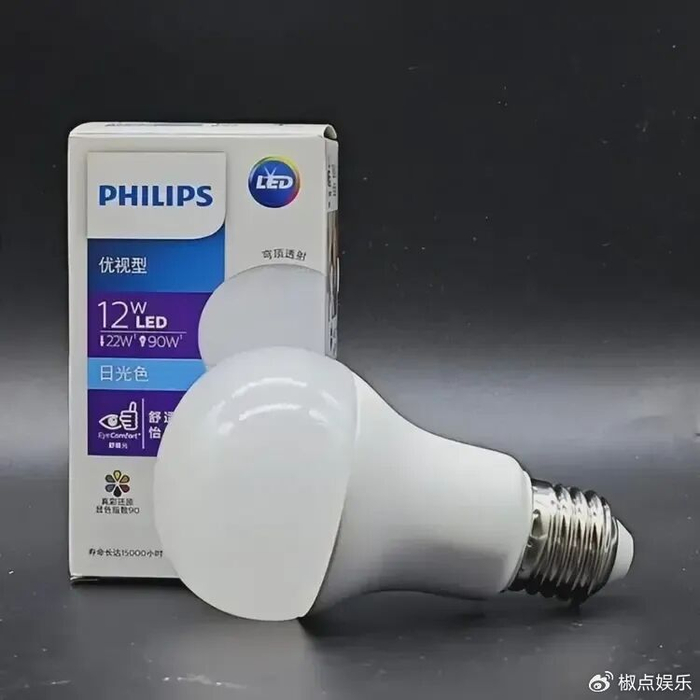
Core Viewpoint - Philips has transitioned from a manufacturing powerhouse to a brand that primarily licenses its name, leading to a decline in its reputation and product quality [1][3][5]. Group 1: Historical Context - Founded in 1891, Philips was once a leader in innovation, producing Europe's first commercial light bulb and defining standards in audio technology [3]. - The company has a rich history of manufacturing and engineering excellence, symbolizing reliability and craftsmanship [5]. Group 2: Business Strategy Shift - Philips has shifted its focus from manufacturing to branding, selling off various product lines and relying on licensing fees for revenue [5][7]. - The company has divested from key sectors, including televisions, mobile phones, and lighting, and now primarily earns from trademark licensing [5][7]. Group 3: Financial Performance - In 2024, Philips expects trademark licensing revenue to reach €419 million, accounting for 3.4% of total revenue, indicating a reliance on brand recognition rather than innovation [7]. - The brand's trust is diminishing due to quality issues with licensed products, leading to potential long-term financial risks [7]. Group 4: Product Quality and Consumer Perception - Quality control has become a significant issue, with reports of licensed products failing, which tarnishes the Philips brand reputation [7][9]. - Consumers are increasingly recognizing that Philips-branded products may not differ significantly from cheaper alternatives, threatening the brand's market position [11][13]. Group 5: Future Outlook - Philips is now betting heavily on its healthcare segment, which has higher profit margins and barriers to entry, but past issues, such as a major recall, have raised concerns about its stability [9]. - The company's current strategy of focusing on licensing rather than manufacturing is seen as a sign of laziness rather than smart business [11][13].