
林业

Search documents
【金融街发布】人民银行等三部门:拓宽涉林企业直接融资渠道,加大林业领域资金支持
Xin Hua Cai Jing· 2025-08-25 08:23
Core Viewpoint - The People's Bank of China, along with financial regulatory authorities, has issued a notification to enhance financial support for the high-quality development of forestry, outlining 15 specific measures across five key areas [1][2]. Group 1: Financial Support Measures - The notification emphasizes the need to innovate mortgage loan products related to forest rights, expand the range of mortgaged forest rights, and legally extend loan terms [1][2]. - It encourages the establishment of forest rights storage institutions in suitable regions and promotes social capital involvement in forest rights storage guarantee services [1][2]. - A unified evaluation standard for forest rights value assessment is to be developed, enhancing the scientific and rational nature of evaluation methods [1][2]. Group 2: Financing Mechanisms - The notification focuses on the construction of national reserve forests and other significant ecological projects, exploring diversified investment mechanisms to strengthen financial service demand alignment [2]. - It aims to provide tailored financial products and services for forestry operations, addressing financing needs for various aspects such as raw material storage and logistics [2]. - The use of structural monetary policy tools is encouraged to broaden direct financing channels for forestry enterprises and increase funding support in the sector [2]. Group 3: Risk Management and Collaboration - The notification proposes the development of a forest insurance product system, including index insurance and income insurance, to enhance risk management capabilities [2]. - A comprehensive risk management mechanism for mortgage loans related to forest rights is to be established, integrating assessment, insurance, regulation, and storage [2]. - Local authorities are tasked with creating a financial support mechanism for forestry reform and development, facilitating effective collaboration and information exchange [2][3].

三部门联合印发《关于金融支持林业高质量发展的通知》
Yang Shi Wang· 2025-08-25 08:22
Core Viewpoint - The People's Bank of China, along with financial regulatory authorities and the National Forestry and Grassland Administration, has issued a notification to enhance financial support for high-quality development in forestry, emphasizing the integration of ecological and economic benefits through various financial measures [1][4]. Group 1: Financial Services for Collective Forest Rights Reform - The notification outlines 15 specific measures to deepen financial services related to collective forest rights reform, including expanding the scope of mortgaged forest rights and innovating loan products [1][4]. - It encourages the establishment of forest rights storage institutions and the optimization of forest rights value assessment mechanisms to enhance the scientific and reasonable nature of evaluations [5][6]. Group 2: Financial Support for Key Ecological Projects - The notification emphasizes the need to focus on national reserve forest construction and major ecological projects like the "Three North" project, exploring diversified investment mechanisms and enhancing financial service alignment with project needs [2][9]. - It calls for the development of a comprehensive insurance product system for forests, including index insurance and income insurance, to strengthen risk management in forestry financing [2][8]. Group 3: High-Quality Development of the Forestry Industry - Financial support will be increased for moderate-scale forestry operations, with tailored financial products and services to meet the needs of family-run and cooperative forestry businesses [10][11]. - The notification promotes the integration of forestry's primary, secondary, and tertiary industries, encouraging financial institutions to support the development of specialty industries and sustainable practices [10][12]. Group 4: Mechanisms for Realizing Ecological Product Value - The notification supports the transformation of ecological product values, particularly in carbon sink resource management, and encourages financial institutions to innovate financing products and services [13][14]. - It highlights the importance of utilizing digital technologies to enhance the accessibility and security of financing for ecological products [13][14]. Group 5: Policy Support and Risk Management - The notification calls for increased funding support through various monetary policy tools to guide financial institutions in enhancing credit support for the forestry sector [14][15]. - It emphasizes the establishment of a comprehensive risk management mechanism for forest rights mortgage loans, including regular monitoring and assessment of loan performance [15][16].
中国人民银行等三部门联合印发《关于金融支持林业高质量发展的通知》
智通财经网· 2025-08-25 08:21
Core Viewpoint - The People's Bank of China, the Financial Regulatory Administration, and the National Forestry and Grassland Administration jointly issued a notice to enhance financial support for high-quality development in forestry, emphasizing the importance of integrating financial services with ecological and sustainable practices [2][4]. Group 1: Financial Support for Forestry Development - The notice outlines 15 specific measures across five areas to deepen financial services for collective forest rights reform, strengthen financial guarantees for strategic forestry initiatives, increase financial investment in high-quality forestry development, establish mechanisms for realizing the value of ecological products, and improve policy support systems [2][3]. - It emphasizes the need to innovate mortgage loan products and services related to forest rights, extend the range of mortgaged forest rights, and legally extend loan terms [2][3][6]. Group 2: Enhancing Forest Rights Management - The notice encourages the establishment of forest rights storage institutions in suitable regions and promotes social capital involvement in forest rights storage and guarantee services [2][3][7]. - It calls for optimizing the forest rights value assessment mechanism, establishing unified assessment standards, and enhancing the scientific and reasonable nature of assessment methods [2][3][7]. Group 3: Financial Products and Services - Financial products and services will be tailored to meet the needs of moderate-scale forestry operations, including support for under-forest specialty industries, raw material storage, deep processing, and logistics [3][12]. - The notice promotes the use of various financing methods, including credit, equity, and bonds, to facilitate the integration of forestry's primary, secondary, and tertiary industries [3][12]. Group 4: Ecological Product Value Realization - The notice highlights the importance of developing financing products and services that support the management and development of forestry carbon sink resources [3][14]. - It encourages the use of digital technologies to optimize financing services and improve the accessibility, convenience, and security of ecological product value financing [3][14]. Group 5: Policy and Risk Management - The notice stresses the need for effective risk management mechanisms for forest rights mortgage loans and national reserve forest loans, including establishing risk warning systems and improving loan approval processes [3][16][17]. - It calls for the establishment of a financial support mechanism for forestry reform and development, facilitating collaboration and information exchange among various stakeholders [3][17].
三部门:支持金融机构等社会资本探索林权盘活与金融服务相结合的模式
Zheng Quan Shi Bao Wang· 2025-08-25 08:17
人民财讯8月25日电,近日,中国人民银行、金融监管总局、国家林草局联合印发《关于金融支持林业 高质量发展的通知》,其中提出,加大资金支持。用好支农支小再贷款、再贴现、碳减排支持工具、科 技创新和技术改造再贷款等货币政策工具,引导金融机构加大对林业领域信贷支持力度。拓宽涉林企业 直接融资渠道,鼓励符合条件的企业发债融资,支持金融机构发行小微、"三农"、绿色等金融债券。支 持金融机构等社会资本探索林权盘活与金融服务相结合的模式。 ...
三部门:有条件的地区根据实际需要推动成立林权收储机构,鼓励社会资本开展林权收储担保服务
Sou Hu Cai Jing· 2025-08-25 08:16
Core Viewpoint - The People's Bank of China, along with financial regulatory authorities and the National Forestry and Grassland Administration, has issued a notice to enhance financial support for the high-quality development of forestry [1] Group 1: Financial Innovations - The notice emphasizes the need to innovate loan products and services related to forest rights mortgages, expanding the range of mortgagable forest rights [1] - It suggests extending loan terms in a lawful and compliant manner to improve the quality and quantity of forest rights mortgage loans [1] Group 2: Institutional Development - The notice encourages the establishment of forest rights storage institutions in regions where conditions permit, promoting social capital involvement in forest rights storage and guarantee services [1] - It calls for the optimization of forest rights value assessment mechanisms, including the development of unified assessment standards and clear operational procedures [1] Group 3: Management and Registration - The notice highlights the importance of strengthening the management and disposal of mortgaged forest rights to protect the legal rights of mortgagees [1] - It advocates for the improvement of the forest rights mortgage registration mechanism and the exploration of establishing a forestry database and transaction platform to facilitate orderly market transactions [1]
三部门:拓宽涉林企业直接融资渠道,加大林业领域资金支持
Zheng Quan Shi Bao Wang· 2025-08-25 08:09
Core Viewpoint - The People's Bank of China, along with financial regulatory authorities, has issued a notice to enhance financial support for the high-quality development of forestry, emphasizing the need for structural monetary policy tools and direct financing channels for forestry enterprises [1] Group 1: Financial Support Measures - The notice encourages the use of structural monetary policy tools to broaden direct financing channels for forestry enterprises [1] - It calls for increased financial support in the forestry sector, aiming to create a robust financial environment for sustainable development [1] Group 2: Insurance and Risk Management - The document proposes the exploration of a comprehensive forest insurance product system, including index insurance, yield insurance, income insurance, and liability insurance [1] - It emphasizes the enhancement of financial institutions' risk prevention capabilities and the establishment of a five-in-one risk management mechanism for forest rights mortgage loans [1] Group 3: Collaboration and Information Sharing - Local authorities are urged to establish a financial support mechanism for forestry reform and development, facilitating effective collaboration and information exchange [1] - The forestry regulatory bodies are tasked with creating a project database for financing needs in the forestry sector, improving the precision and effectiveness of financing connections with the financial system [1]
永安林业新设林业发展公司,注册资本1亿元
Qi Cha Cha· 2025-08-25 06:19
企查查APP显示,近日,中林(莆田)林业发展有限公司成立,注册资本1亿元,经营范围包含:人工 造林;森林经营和管护;木材销售;森林防火服务;林业有害生物防治服务等。企查查股权穿透显示, 该公司由永安林业(000663)全资持股。 (原标题:永安林业新设林业发展公司,注册资本1亿元) ...

活力中国调研行丨叠翠林海绘新篇
Yang Shi Xin Wen Ke Hu Duan· 2025-08-25 02:15
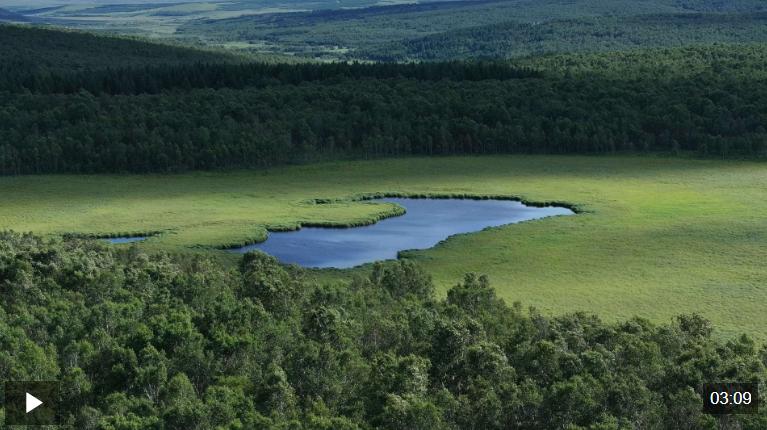
在大兴安岭西麓, 森林与草原交汇之处, 宝格达山国有林场静静伫立。 以脚步丈量山林, 用坚守诠释责任, 让林海始终涌动着勃勃生机。 水源涵养林工程加速推进, 大片人工林拔地而起, 林海在时光中不断延伸, 书写着属于自己的崭新篇章。 这里是乌拉盖河的源头, 是一片生机盎然、不断生长的绿色家园。 多年来, 一代代护林人扎根于此。 制片人丨王竹记者丨陈凯强 赵思雯摄像丨房天赐 高鑫剪辑丨魏鹏鸣谢丨总台内蒙古总站 ...

上半年海南全省林业产值56.8亿元,同比增长18%
Hai Nan Ri Bao· 2025-08-25 01:23
Group 1: Forestry Industry Growth - Hainan's forestry output reached 5.68 billion yuan in the first half of the year, marking an 18% year-on-year increase, contributing 0.7 percentage points to the growth of the agricultural sector [1] - The province's forest coverage exceeds 60%, with significant efforts to convert ecological advantages into economic benefits through the "Two Mountains" concept [1] Group 2: Tropical Flower Industry Development - Hainan's tropical flower industry is experiencing rapid growth, with a total planting area of approximately 140,100 acres and an output value of about 2.58 billion yuan in the first half of the year [4] - The establishment of 12 large-scale Dendrobium orchid planting bases in Daan Town, covering 500 acres, positions it as the largest single Dendrobium orchid planting area in the country, accounting for one-fourth of the national total [2][3] Group 3: Under-Forest Economy - The under-forest economy is expanding, with a total area of 1.6 million acres developed this year, nearing last year's total output value [6] - The introduction of tiger milk mushroom cultivation in rubber forests has shown promising results, with 190,000 mushroom bags planted and an output value of approximately 700,000 yuan in Wodai Village [5] Group 4: Ecological Tourism and Health Industry - Hainan's forest tourism attracted 28.62 million visitors, generating 2.24 billion yuan in revenue, while forest health tourism brought in 780 million yuan from 8.02 million visitors in the first half of the year [8] - The province plans to complete 430,000 acres of afforestation and 5.1 million acres of forest maintenance by the end of the year, aiming to enhance the forestry industry's structure [9]
国资国企如何破圈成长 ——来自广西的调查
Jing Ji Ri Bao· 2025-08-24 22:08
Core Viewpoint - The article emphasizes the importance of state-owned enterprises (SOEs) in driving high-quality economic development in Guangxi, highlighting various initiatives to enhance the competitiveness and innovation of these enterprises. Group 1: Development of "New Brands" - Guangxi is focusing on cultivating "new brands" which represent emerging industries and innovative enterprises, addressing the gap between Guangxi and more developed regions in China [2] - The Guangxi State-owned Assets Supervision and Administration Commission (SASAC) is implementing measures to promote the growth of "new brands" through project-driven technology and industry development [2] - The emphasis on innovation as a primary driver for high-quality development is crucial for the leadership role of SOEs [2] Group 2: Upgrading "Old Brands" - "Old brands" in Guangxi, such as local food and cultural products, face challenges like outdated technology and market positioning [4] - The SASAC is enhancing the competitiveness of "old brands" through technological upgrades and product innovation [5] - Companies like Xijiang Dairy are adopting innovative marketing strategies to revitalize "old brands" and attract new customers [5] Group 3: Empowering "Original Brands" - "Original brands" represent traditional industries in Guangxi, which are undergoing transformation towards high-end, intelligent, and green production [7] - The introduction of smart technologies in traditional sectors, such as coal management and agriculture, is improving efficiency and sustainability [8] - Companies are leveraging AI and data analytics to enhance operational efficiency and drive innovation in traditional industries [9] Group 4: Expanding "External Brands" - Guangxi is enhancing its international logistics capabilities, exemplified by the establishment of overseas warehouses to facilitate cross-border trade [10] - The SASAC is implementing policies to support the international expansion of enterprises, focusing on sectors like automotive and machinery [13] - Export sales from Guangxi's SOEs have shown significant growth, indicating successful penetration into international markets [13]
