
茶饮

Search documents
跨界茶饮“点燃”立冬节气 多元玩法“圈粉”消费者
Zhong Guo Xin Wen Wang· 2025-11-07 06:29
Core Insights - The article highlights the rising trend of innovative tea beverages in China, particularly during the winter season, as consumers seek unique and culturally rich experiences [1][2]. Group 1: Market Trends - The concept of "drinking the first cup of milk tea in winter" has become a popular ritual among consumers in various regions of China, indicating a strong seasonal demand for tea beverages [1]. - Cross-industry collaborations and flavor innovations in the tea drink sector are gaining traction, with brands experimenting with unique combinations such as wine-infused tea and local specialty ingredients [2][3]. Group 2: Consumer Behavior - Young consumers are increasingly collecting merchandise related to their favorite tea brands, such as themed fridge magnets and canvas bags, which enhances their social sharing experience [3]. - The demand for cross-industry tea products reflects a broader consumer trend towards seeking emotional connections and unique experiences, moving beyond mere taste competition [3]. Group 3: Brand Strategies - Brands are leveraging local ingredients and cultural elements to differentiate themselves in a saturated market, focusing on creating high-value, innovative products that resonate with consumers [2]. - The integration of various cultural IPs, such as animation and gaming, into tea products is a strategy to engage younger demographics and enhance brand appeal [2][3].
不止糖葫芦,奶茶、烘焙以及汉堡也裹上了奶皮子
3 6 Ke· 2025-11-07 01:53
Core Insights - The innovative dessert "Milk Skin Candy Hawthorn" has rapidly gained popularity, becoming a trending item across various cities in China, with significant social media engagement and long queues at stores [1][4][6] Group 1: Product Popularity - The product has seen a surge in demand, with related posts on Xiaohongshu reaching hundreds of thousands and Douyin views exceeding 600 million [1] - In Shanghai, the offline price for a single Milk Skin Candy Hawthorn is 48 yuan, while online prices have soared to 99 yuan, indicating a strong market demand despite high prices [6][8] Group 2: Product Differentiation - The Milk Skin Candy Hawthorn features two key upgrades: a layer of milk skin made from fresh milk that enhances flavor and texture, and the introduction of various innovative fillings beyond traditional hawthorn [9][10] - The dessert offers a multi-layered taste experience, combining crispy outer sugar coating, soft and fragrant milk skin, and juicy fruit fillings, appealing to both taste and visual aesthetics [10][11] Group 3: Market Expansion - The success of Milk Skin Candy Hawthorn has prompted tea and bakery brands to explore "Milk Skin +" product lines, integrating milk skin into various offerings, such as drinks and baked goods [12][18] - New products like milk skin-infused teas and cakes have emerged, demonstrating the versatility and market appeal of milk skin across different food categories [20][21] Group 4: Industry Challenges - The lack of standardization in defining "milk skin" poses a challenge for the industry, as different brands interpret and utilize the ingredient in various ways [40] - High production costs and fluctuating raw material prices hinder the widespread adoption of milk skin products, with significant resource loss during production [41] - The high-fat content of milk skin may conflict with current health trends, and the reliance on social media for sales raises concerns about long-term consumer loyalty [42][43] Group 5: Future Outlook - The milk skin phenomenon illustrates the potential for local specialty ingredients to create market excitement, suggesting a replicable model for future food innovations [44][45]


海外消费行业年度投资策略:2025扩品类、卡位全球,2026深度经营、品质、心智决胜
KAIYUAN SECURITIES· 2025-11-07 01:42
Group 1: Market Overview - The consumer service, retail, and media sectors in Hong Kong have shown significant performance, with the consumer service sector down by 17.34%, retail up by 94.61%, and media up by 50.98% as of October 24, 2025 [13][10][12] - The strong valuation recovery in Hong Kong stocks is attributed to a combination of global interest rate cuts, inflows of foreign and southbound capital, and the revaluation of core internet assets like Tencent and Alibaba [13][10] - The new consumption leaders in IP toys, tea drinks, and beauty sectors are showing positive fundamentals, leading to structural market trends [13][10] Group 2: IP Economy - The global licensed consumer goods market is projected to reach $307.9 billion in 2024, with a year-on-year growth of 10% [28] - Fashion apparel is identified as the category with the highest growth potential at 70%, followed by toys at 54% and food and beverages at 52% [31] - Disney, Pokémon, and Sanrio are leading in licensed retail sales, with Disney achieving $62 billion in 2024 [29][31] Group 3: Health and Wellness - The ready-to-drink beverage segment is expected to see significant penetration growth globally, with companies like Mixue Group and Guming benefiting from a positive operational cycle [4] - The return of home-cooked meals and increased health awareness are driving demand for traditional and healthy food options [4] Group 4: Beauty Sector - The cosmetics sector in China is experiencing slower growth compared to overall retail, with Douyin (TikTok) emerging as a key player in marketing and sales [4] - New ingredients and concepts are gaining traction, with a rise in oral beauty and health products [4] Group 5: Globalization Trends - The demand for spiritual entertainment in the Middle East is surging, with companies like Red Child City Technology seeing over 60% of their revenue from this region [4] - The cross-border e-commerce landscape is expanding, with companies like J&T Express capitalizing on the growth in Southeast Asia, where parcel volumes increased by 79% year-on-year [4] Group 6: Consumer Behavior Changes - The shift in consumer behavior towards more personalized and experiential consumption is evident, with a focus on self-fulfillment and value realization [4] - The education sector is adapting to changing perceptions, with new products targeting high school and college graduates to address employment challenges [4] Group 7: Entertainment and Leisure - The live music and sports sectors are expected to outperform the broader service consumption market, with companies like Ctrip and Damai Entertainment positioned to benefit [4] - The domestic concert market is maintaining high growth, with ticket sales and attendance showing significant year-on-year increases [73]




半岛调查|收藏奶茶包装火了,有人攒了千余个!这届年轻人咋这么“袋劲”
Sou Hu Cai Jing· 2025-11-06 15:02
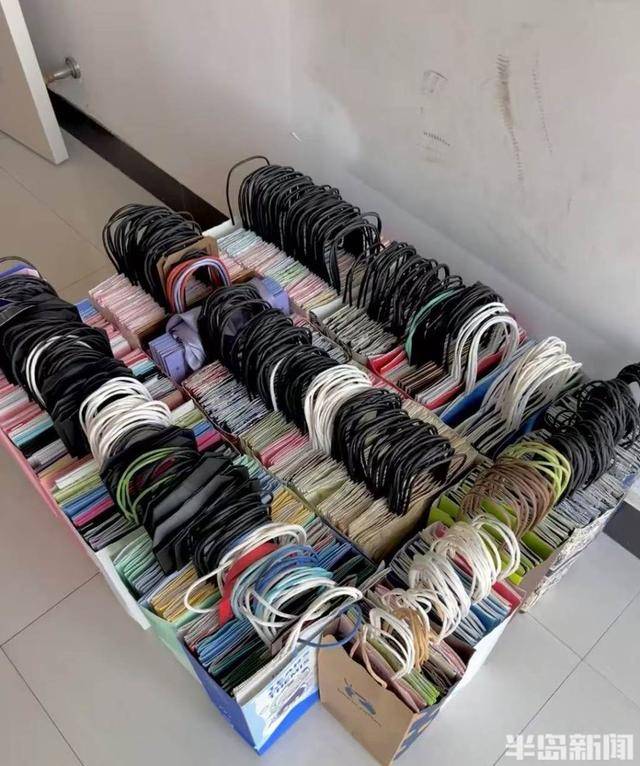
一代人有一代人的"破烂",秋天的第一杯奶茶"变现"。 近日,在二手交易平台上,一种看似不起眼的商品悄然走红:奶茶袋子、奶茶杯套和奶茶杯子。喝奶茶 免费获得的包装,被标价从1元到50元不等,部分限量款甚至被炒至百元。这背后,是一群年轻人"攒奶 茶包装",经常在社交平台上分享自己的"战利品",并在线下和线上形成交易,被网友调侃:秋天的第 一杯奶茶已"变现"。 这一现象引发广泛关注:为什么年轻人开始痴迷于这些本该被丢弃的包装?是消费文化的延伸,还是情 感需求的投射?此外,也产生了一定的争议:是文化现象还是过度消费?近日,记者联系了多方相关人 士展开调查。 盲盒形式打包出售 如今,奶茶消费已成为年轻人生活中常见的场景,而曾经被视作一次性废弃物的奶茶袋子,正成为部分 年轻人的"藏品"。从社交媒体到二手平台,"奶茶包装经济"悄然兴起,对此现象,记者特意浏览了二手 平台,输入"奶茶袋子",看到大量个人出售二手奶茶袋子的帖子,其中59.9块钱得50个袋子,包含40个 双杯纸袋+10个单杯袋,显示有近六千人浏览,120人想要,产品介绍写着:次新,有胶痕或钉印,用 途多样,冰箱分装格、野餐装食品、租房收纳鞋、防漏装垃圾、外出购物 ...
武汉代表团亮相第八届进博会,469家企业组团赴沪拓商机
2 1 Shi Ji Jing Ji Bao Dao· 2025-11-06 12:19
Core Insights - The 8th China International Import Expo (CIIE) is being held from November 5 to 10 at the National Exhibition and Convention Center in Shanghai, with a focus on enhancing global trade and showcasing diverse products [1][2] Group 1: Event Overview - The Wuhan delegation registered 469 enterprises and 1,951 professional visitors, maintaining the same scale as last year [1] - The expo aims to connect local enterprises with global suppliers in key sectors such as fresh cold chain, quality consumer goods, and medical devices [1] Group 2: Local Participation - Wuhan's local enterprises are showcased in the Hubei Province comprehensive image exhibition area, featuring both traditional brands like Huanghelou Liquor and new consumer representatives like Yeye Bu Pao Tea [1] - The "Flavor Invitation" section highlights innovative products from Yeye Bu Pao Tea, attracting a young audience with unique flavors [1][2] Group 3: Technological Innovations - Companies like Yexin Beidou, Chuanxin Yulian, and Dameng Data are presenting hard-tech products, showcasing the vitality of Wuhan's new productive forces [2] - Transn Language Service, recognized as the official smart translation hardware service provider, is showcasing its "Root Original" large model and various AI translation products, emphasizing its independent technology path [2][3] Group 4: Trade Statistics and Future Plans - Wuhan's import and export value reached 336.96 billion yuan in the first three quarters of this year, a 15.8% increase year-on-year, accounting for 54.6% of Hubei's total [3] - The Wuhan Municipal Bureau of Commerce plans to continue building an import commodity distribution center, focusing on expanding the scale of imports in various categories [3]
展新品、买新货、寻新友、签新约……长沙元素绽放进博会
Chang Sha Wan Bao· 2025-11-06 10:57
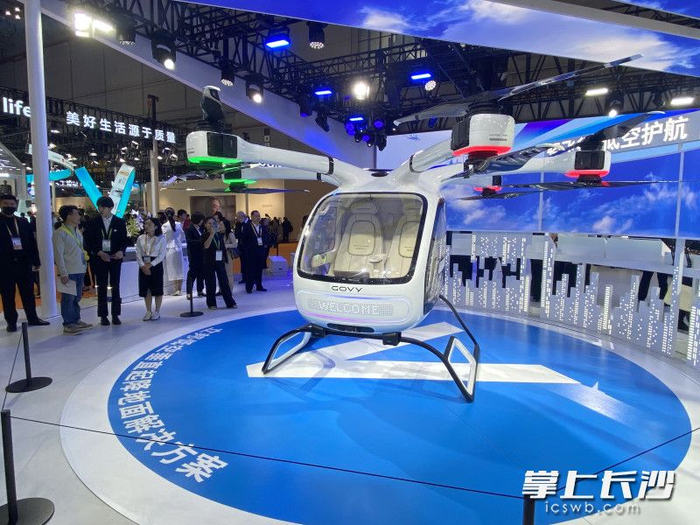
Group 1 - The China International Import Expo (CIIE) is a significant platform for industry trends and market insights, showcasing over 4,108 foreign enterprises and covering an exhibition area of more than 430,000 square meters, marking a new record in scale [1][5] - Changsha organized over 300 enterprises and 800 professional attendees to participate in the expo, aiming to connect with global quality resources and inject new momentum into local industry upgrades and consumption enhancement [5][6] - The event highlighted "new quality productivity" as a frequent topic among international exhibitors, showcasing Changsha's representative achievements in this area [8][12] Group 2 - Kefu Medical, a leading domestic home medical device company, made its debut at the expo with a new generation of bone conduction hearing aids, emphasizing high performance and affordability, priced at one-fifth of imported products [8][10] - Aoyou showcased its six major imported brands and launched four new nutritional products, demonstrating its commitment to global integration and innovation in the dairy industry [10][12] - The expo featured a variety of Changsha enterprises effectively linking domestic and international markets, enhancing mutual connectivity [10][17] Group 3 - The Hunan Pavilion prominently displayed "Changsha elements," including traditional crafts like Xiang embroidery and pottery, showcasing the blend of cultural heritage and modern vitality [12][15] - Local food products such as Changsha rice noodles and Sha Tian buns were highlighted as cultural ambassadors, while new tea brands like Ningji expanded their international presence [15][17] - Approximately 30 enterprises from Changsha participated in the Hunan Pavilion, covering various sectors including pharmaceuticals, new consumption, and intelligent manufacturing, providing a rich experience for attendees [17]
喜茶推出茶特调新品,携手黎子安全国上新牛肝菌碎银子特调
Bei Jing Shang Bao· 2025-11-06 09:46
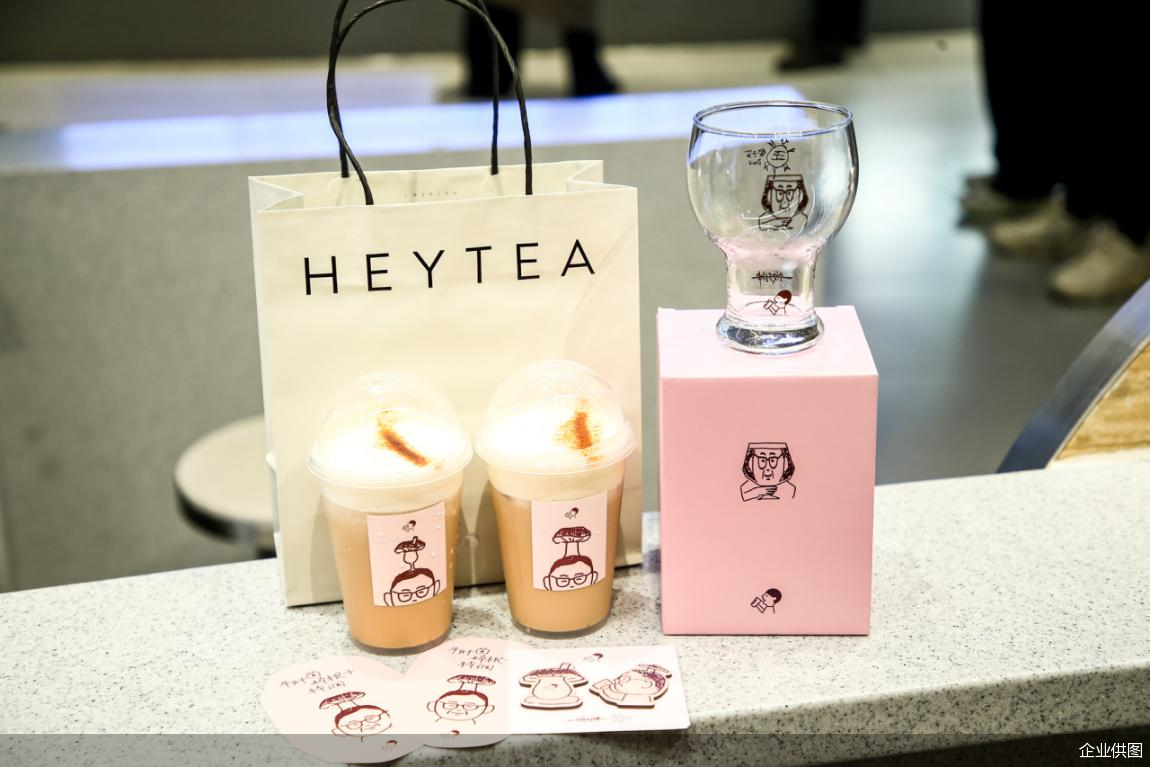
Core Insights - Heytea collaborates with popular chef Li Zi'an to launch a new mushroom-flavored tea product, the "Mushroom Shredded Silver Special," expanding their previous partnership and responding to consumer demand [1][3][5] Group 1: Product Launch and Collaboration - The new product is part of a nationwide campaign following the success of the previous collaboration, which featured the "Mushroom Flavored Hilarious Tea" that sold nearly 1,000 units on its first day [5][8] - The "Mushroom Shredded Silver Special" combines flavors from Yunnan tea and wild mushrooms, showcasing a unique blend of tastes [8][10] - Heytea is also introducing a special version of the product containing whiskey, available in 15 stores, to cater to consumer interest [5][7] Group 2: Chef Li Zi'an's Influence - Chef Li Zi'an gained popularity through the show "One Meal to Fame," where his mushroom dishes became widely replicated, leading to increased consumer interest in his culinary style [3][5] - During a promotional event, Li expressed his approval of the combination of mushrooms and Pu'er tea, highlighting the versatility of mushrooms in culinary applications [7][8] Group 3: Marketing and Branding - Heytea is launching a series of custom packaging and merchandise featuring Li Zi'an's image and product elements, aiming to enhance brand engagement and consumer experience [5][10] - The marketing strategy emphasizes the exploration of flavors and the fun of culinary creativity, appealing to a younger audience [5][10]
阿胶入茶,吹风机“智”造,山东新特产“链”上进博会
Feng Huang Wang Cai Jing· 2025-11-06 07:00
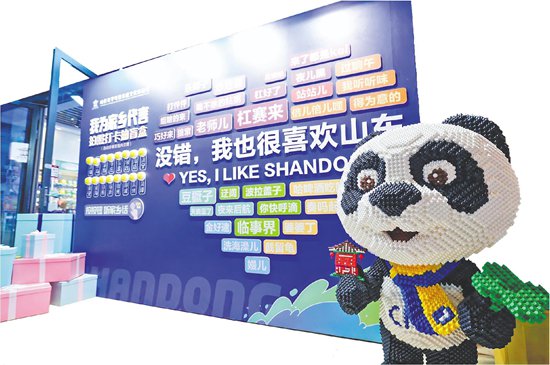
Group 1: Import Expo Highlights - The 8th China International Import Expo opened in Shanghai, with over 600 new exhibitors added to last year's 3,496, setting historical highs in exhibition area and total number of companies [1] - Shandong province showcased a pavilion featuring 43 enterprises, focusing on the integration of time-honored brands and foreign trade products, with six major exhibition areas highlighting local specialties [1] Group 2: Tea Beverage Market - Dong'e Ejiao promoted its "Jin Shang Hua" tea brand at the expo, which combines traditional Ejiao with tea, appealing to health-conscious consumers [2] - The new-style tea beverage market in China is projected to reach 354.72 billion yuan in 2024, but the growth rate has slowed to 6.4%, indicating a shift from rapid expansion to a more competitive landscape [2] - Su Liu He, another time-honored brand, also introduced its health-oriented tea drinks, emphasizing the importance of adapting to consumer preferences while maintaining traditional techniques [3] Group 3: Smart Hair Dryer Innovation - A smart hair dryer developed by Orange Cloud Internet Design Co., a subsidiary of Jerry Group, features AI temperature control, maintaining a stable temperature between 55°C at varying distances [4] - The product has gained attention in international markets, with the previous model selling 100,000 units in South Korea alone last year, showcasing the company's successful export strategy [4] - Continuous innovation and the application of industrial-grade temperature control technology in consumer electronics are key to the company's success in overseas markets [4] Group 4: Economic Impact and Future Events - Over the past seven expos, Shandong has organized 50,000 purchasing enterprises and nearly 170,000 attendees, with intended transaction orders exceeding 3,200 and a total intended transaction amount of over 43 billion USD [5] - A dialogue event focusing on Shandong's collaboration with multinational companies is scheduled for November 6, aiming to further expand international market access for local products [5]

阿胶国潮茶饮等山东新特产“链”上进博会
Xin Hua Wang· 2025-11-06 02:21
Group 1 - The eighth China International Import Expo (CIIE) opened on November 5, 2023, in Shanghai, with over 600 new exhibitors added to last year's total of 3,496, setting a record for both exhibition area and total number of companies [2] - Shandong Province showcased a pavilion featuring traditional brands and intangible cultural heritage, with six exhibition areas highlighting 43 enterprises related to local specialties and foreign trade products [2] - The tea beverage market in China is projected to reach 354.72 billion yuan in 2024, with a year-on-year growth rate slowing to 6.4%, indicating a shift from rapid expansion to a more competitive market [3] Group 2 - Dong'e Ejiao promoted its "Jinshanghua" tea brand at the expo, which integrates traditional medicinal ingredients into tea, appealing to younger consumers [3] - Su Liu He, another traditional brand, emphasized its health-oriented tea drinks, which have been adapted to meet modern consumer preferences while maintaining traditional techniques [4] - The intelligent hairdryer developed by Orange Cloud, a subsidiary of Jerry Group, features AI temperature control and has gained attention in international markets, selling 100,000 units in South Korea last year [5] Group 3 - Over the past seven CIIEs, Shandong Province has organized 50,000 purchasing enterprises and nearly 170,000 attendees, with intended transaction orders exceeding 3,200 and a total intended transaction amount of over 43 billion USD [6] - A dialogue event for Shandong and multinational companies is scheduled for November 6, 2023, aiming to further expand international market access for local products [6]
山东新特产“链”上进博会
Da Zhong Ri Bao· 2025-11-06 01:05
Group 1 - The eighth China International Import Expo (CIIE) opened in Shanghai, with over 600 new exhibitors added to last year's 3,496, setting a historical high in exhibition area and total number of companies [2] - Shandong province showcased 43 enterprises in the Shandong Old Brands and Intangible Cultural Heritage Experience Pavilion, focusing on the integration of traditional brands and foreign trade products [2] - The tea beverage market in China is projected to reach 354.72 billion yuan in 2024, with a year-on-year growth rate slowing to 6.4%, indicating a shift from rapid expansion to a more refined competition phase [3] Group 2 - Dong'e Ejiao promoted its "Jinshanghua" tea beverage brand at the expo, which combines traditional Ejiao with tea, appealing to younger consumers and simplifying the consumption process [3] - Su Liu He, another old brand, introduced its health-oriented tea drinks, emphasizing the importance of health and wellness among consumers across various age groups [4] - The intelligent hairdryer developed by Orange Cloud Internet Design Co., a subsidiary of Jerry Group, features AI temperature control and has gained attention in international markets, selling 100,000 units in South Korea last year [5] Group 3 - The previous seven CIIEs organized 50,000 purchasing enterprises and nearly 170,000 attendees, with intended transaction orders exceeding 3,200 and a total intended transaction amount of over 43 billion USD [6] - Shandong will host a dialogue on industry ecosystem cooperation with multinational companies on November 6, aiming to expand international market access for domestic products [6]