电信

Search documents
商务部:将进一步拓展服务贸易国际合作网络
Zhong Zheng Wang· 2025-09-11 04:20
Core Viewpoint - The Ministry of Commerce aims to enhance the management system for the negative list of cross-border service trade and expand pilot programs in telecommunications and healthcare, while steadily promoting autonomous openness in education and culture sectors [1] Group 1: Policy Initiatives - The Ministry of Commerce will establish a comprehensive negative list management system for cross-border service trade [1] - There will be a push to expand pilot programs in the telecommunications and healthcare sectors [1] - The Ministry is actively working towards joining the Comprehensive and Progressive Agreement for Trans-Pacific Partnership and the Digital Economy Partnership Agreement [1] Group 2: Development Environment - The Ministry plans to optimize the development environment by leveraging free trade pilot zones and other designated areas for testing and innovation [1] - There will be a focus on aligning with international high-standard trade rules and implementing domestic regulatory reference documents for service trade [1] - The goal is to create a transparent, stable, and predictable institutional environment for service trade [1] Group 3: International Cooperation - The Ministry will expand the international cooperation network for service trade and innovate cooperation methods [1] - There will be an emphasis on deepening cooperation in various fields and achieving practical cooperation outcomes [1] - The Ministry aims to utilize platforms such as the Service Trade Fair, China International Import Expo, and Digital Expo to enhance international economic and trade cooperation [1]
“两区”建设五年来昌平区累计落地项目超1900个
Sou Hu Cai Jing· 2025-09-11 01:51
Core Viewpoint - The Changping district has made significant progress in its economic development and innovation initiatives over the past five years, with a focus on attracting foreign investment and enhancing its open economy [1][2]. Group 1: Economic Development - Over the past five years, Changping has launched over 1,900 projects and established 329 new foreign-funded enterprises, achieving an annual growth rate of 28.2% [1]. - The actual utilization of foreign capital reached $1.68 billion, indicating a continuous rise in the district's open economic strength [1]. Group 2: Policy Innovation - Changping has implemented over 20 special policies, including the Free Trade Zone implementation plan, and has introduced 210 high-value measures [1]. - Notable firsts include the establishment of the first international research hospital in the country and the first decentralized clinical trial pilot [1]. Group 3: Financial and Intellectual Property Innovations - The district has introduced the first cross-border RMB settlement incentive policy in the city and established integrated cross-border fund pools [1]. - A "see investment and lend" service mechanism has been created, along with a new model combining technology, insurance, and services to protect intellectual property for overseas innovations [1]. Group 4: Talent and Industry Development - The Future Science City "Life Valley" has attracted over 300 high-level talents and 118 enterprises founded by scientists [2]. - The "Energy Valley" has collaborated with 18 central enterprises and 10 academic workstations, creating over 220 international standards and more than 16,000 effective patents [2]. Group 5: Business Environment and Investment Attraction - Changping has improved its business environment by streamlining the registration process for foreign-invested enterprises to a one-day online service [2]. - The district aims to focus on innovation across the entire pharmaceutical and health industry chain, enhance the construction of key parks, and optimize investment attraction strategies [2].
2025服贸会“新窗口”透视:中国服务如何链接全球?
21世纪经济报道· 2025-09-11 00:12
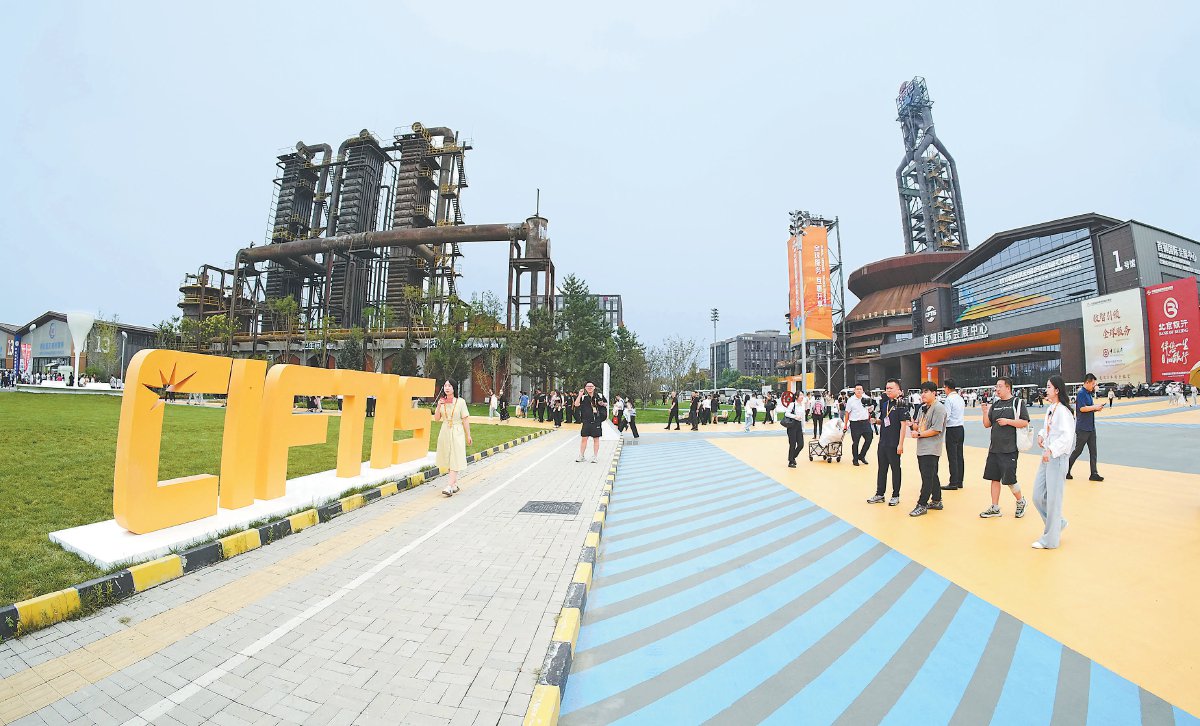
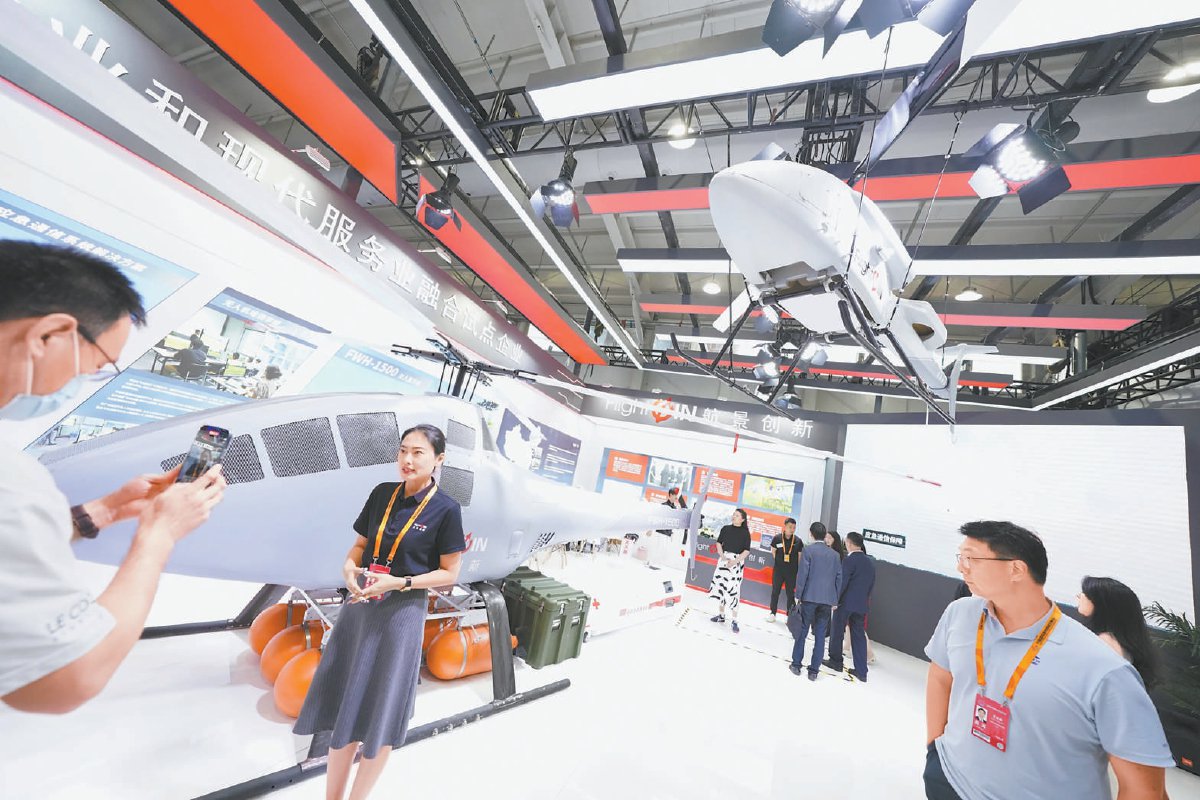
Core Viewpoint - The 2025 China International Service Trade Fair (CIFTIS) emphasizes the integration of digital technology in service trade, focusing on artificial intelligence, fintech, and green low-carbon initiatives, marking a shift towards intelligent, integrated, and sustainable service trade models [1][3]. Group 1: Event Overview - The CIFTIS opened on September 10, 2025, in Beijing, showcasing the growth and innovation in China's service industry and trade over the past 11 years [3]. - The event features participation from 85 countries and international organizations, with nearly 2,000 enterprises, including around 500 Fortune 500 companies, highlighting a significant international presence [3]. - This year's fair is notable for being held at the Shougang Park, with nine thematic exhibitions covering various service sectors [3][5]. Group 2: Technological Focus - The fair places a strong emphasis on technological and intelligent applications, showcasing new technology applications, solutions, and the services behind them [5]. - The telecommunications, computer, and information services exhibition focuses on digital service trade and high-tech industries, including AI and low-altitude intelligent networks [5][6]. - The low-altitude economy, particularly showcased by companies like Hangjing Innovation, is a focal point, demonstrating advancements in unmanned aerial vehicles [5]. Group 3: Policy and Market Development - The Chinese government aims to enhance service trade innovation and competitiveness, encouraging service exports and expanding quality service imports [10][11]. - In the first half of the year, China's service trade reached a total import and export value of 3.9 trillion yuan, with service exports growing by 15% [10]. - Future strategies include leveraging China's service market advantages to connect domestic and international markets, promoting coordinated development of service imports and exports [11]. Group 4: AI and Innovation Initiatives - AI is a significant theme at the fair, with many companies prominently featuring AI in their exhibits, reflecting its role in transforming service models [6]. - The Beijing AI Ecosystem Partner Conference was held concurrently, highlighting the transition from understanding AI to its practical application in business [7][8]. - The release of the "Beijing General AI Industry Innovation Partner Plan 2.0" aims to foster collaboration and innovation in the AI sector [8]. Group 5: Global Trade Dynamics - The global value chain is shifting from manufacturing to services, with service trade becoming a key driver of international trade growth [11]. - Enhancing China's international competitiveness in service trade relies on embracing digitalization and high-end services [11]. - Active participation in global digital governance and simplification of cross-border service trade regulations are essential for maintaining a competitive edge [11].


全球宾客共赴“服贸之约”
Bei Jing Ri Bao Ke Hu Duan· 2025-09-10 22:21
Core Points - The 2025 China International Service Trade Fair (CIFTIS) is being held at Shougang Park, featuring participation from 85 countries and international organizations, with nearly 2,000 companies exhibiting, including around 500 Fortune Global 500 and industry-leading enterprises [13][14] - The fair emphasizes the integration of technology and services, showcasing innovations such as humanoid robots and AI applications in various sectors, including finance and healthcare [11][14] - The event aims to enhance public experience in service consumption and showcase the beauty of life through interactive exhibits and digital services [15] Industry Highlights - The fair includes nine thematic exhibitions, with a focus on how intangible services are made tangible through technology, aligning with the annual theme "Digital Intelligence Leading, Service Trade Renewed" [14] - The financial services exhibition features the humanoid robot "Gong Xiaojing" from the Industrial and Commercial Bank of China, which is already in use at bank branches for customer interaction [14] - The construction and engineering services exhibition highlights the latest cases in green and smart construction, showcasing advancements in the industry [14] Visitor Experience - The event has improved visitor experience with clear signage, ample public services, and digital tools for navigation and information, making it easier for attendees to engage with the exhibits [15] - The fair also includes unique attractions such as a candy exhibition and themed areas that enhance the overall atmosphere and enjoyment for visitors [15]
数智技术 开拓经济新蓝海
Bei Jing Ri Bao Ke Hu Duan· 2025-09-10 22:18
Group 1: ICT Exhibition Highlights - The ICT exhibition at the 2025 Service Trade Fair showcases cutting-edge technologies in telecommunications, digital technology, AI, humanoid robots, and low-altitude smart networks, aimed at promoting service trade development [1][3]. - Over 20 companies presented the first batch of "Beijing Solutions," which include smart city initiatives like AI-powered urban management and safety measures for gas leak detection [3][4]. - The exhibition featured immersive experiences, such as the "ULive Super Scene" showcasing a live performance with near-realistic audio-visual quality, enabled by proprietary 8K+5G technology [3]. Group 2: Smart Transportation and Logistics - The "Green Wave" traffic management system in the Yizhuang Demonstration Zone has optimized traffic light timing using real-time data, resulting in a 19.7% increase in traffic flow and a 15.1% improvement in average speed [4]. - The exhibition highlighted innovations in smart logistics, including humanoid robots capable of interacting with users and performing complex tasks, as well as autonomous delivery vehicles designed for last-mile services [14][15]. - A new intelligent helmet for delivery riders, which weighs only 550 grams and features automatic accident detection and voice communication, was also showcased, emphasizing safety in the logistics sector [17]. Group 3: Cultural and Digital Integration - The cultural exhibition area introduced a dual indoor and outdoor setup, allowing visitors to engage with historical artifacts through advanced technologies like mixed reality and interactive displays [10][12]. - The integration of technology in cultural experiences was evident, with features such as AI digital guides and holographic displays enhancing visitor engagement with museum collections [10][11]. - The exhibition also included a variety of cultural activities, such as traditional performances and interactive workshops, aimed at making cultural heritage more accessible and engaging for the public [12]. Group 4: Global Digital Economy - Beijing is positioned as a hub for digital economy innovation, attracting international resources while facilitating local companies' expansion into overseas markets [7]. - The report indicated that in 2023, China's digitally deliverable service import and export value reached $385.9 billion, accounting for 41.4% of total service trade [7]. - The establishment of a digital economy service base in Beijing aims to support local enterprises in navigating international markets and securing global orders [7].
2025年服贸会启幕:中国服务携硬科技+软经验出海,为全球经济注入新动能
Zheng Quan Shi Bao· 2025-09-10 14:43
Group 1 - The 2025 China International Fair for Trade in Services (CIFTIS) serves as a significant platform for global service trade cooperation, showcasing Chinese enterprises and facilitating their integration into the global industrial chain [1] - The service industry accounts for approximately two-thirds of global GDP, with service trade growth outpacing goods trade by twofold, highlighting its critical role in global economic resilience and inclusivity [2] - The digital transformation is enhancing the tradability of services, with sectors like ICT, financial services, and business services experiencing rapid growth [2] Group 2 - Chinese companies are leveraging technological breakthroughs and localized strategies to expand into global markets, creating a diverse landscape of international operations [3] - Beijing Hangjing Innovation Technology Co., Ltd. exemplifies this trend by establishing a complete supply chain for its heavy-lift drones, addressing logistical challenges in regions like Indonesia and Africa [3] - XianTu Intelligent's "packaged export" model in the autonomous driving sector demonstrates the effectiveness of combining global technology with local operations to navigate market-specific challenges [4] Group 3 - The human resources service sector is emerging as a new highlight of China's service industry going global, with Beijing Hongcheng Weixin Human Resource Management Services Co., Ltd. initiating overseas operations in Singapore [4][5] - The company aims to export not just manpower but also China's mature service products and cultural concepts to international markets [5] - Digital infrastructure is essential for supporting overseas operations, as demonstrated by Tianyi Cloud's capabilities in providing localized computing support across major global regions [6] Group 4 - CIFTIS serves as a "window of opportunity" for companies to connect with international clients, facilitating discussions and potential collaborations [7] - The fair acts as a bridge for Chinese services and technologies to meet global market demands, transforming cooperation intentions into actual projects [7] - As CIFTIS progresses, it is expected to generate more innovative service trade outcomes and opportunities for Chinese enterprises to expand internationally [7]
2025服贸会“新窗口”透视:中国服务如何链通全球?
2 1 Shi Ji Jing Ji Bao Dao· 2025-09-10 13:57
Core Insights - The 2025 China International Fair for Trade in Services (CIFTIS) opened on September 10, showcasing the growth and innovation in China's service industry and trade [1][6] - This year's fair features participation from 85 countries and international organizations, with nearly 2000 enterprises, including around 500 Fortune Global 500 companies [1][6] - The fair emphasizes technological and intelligent applications, focusing on new technology application scenarios and solutions [3][4] Industry Developments - The fair includes nine thematic exhibitions covering telecommunications, computer and information services, financial services, cultural tourism, education, and sports services [3][4] - The telecommunications and information services exhibition highlights digital service trade and advanced industries, showcasing innovations in low-altitude economy and AI technologies [3][4] - The rapid development of the low-altitude economy is a focal point, with companies like Hangjing Innovation presenting their heavy-lift drone products [4] Policy and Economic Context - The Chinese government aims to enhance service trade innovation and competitiveness, encouraging service exports and expanding quality service imports [6][7] - In the first half of the year, China's service trade reached a total import and export value of 3.9 trillion yuan, with service exports growing by 15% [6] - Future strategies will focus on leveraging China's service market advantages and promoting coordinated development of service imports and exports [7]

优化负面清单管理,推进服务贸易制度型开放
Di Yi Cai Jing· 2025-09-10 11:36
Core Viewpoint - The article emphasizes the importance of reducing the negative lists for service trade to promote institutional openness and enhance the potential of service trade in China, with a projected total service trade import and export volume exceeding 7.5 trillion yuan in 2024, marking a 14.4% year-on-year growth and crossing the $1 trillion mark for the first time [1][2]. Group 1: Service Trade Negative Lists - The three main negative lists for service trade include the Market Access Negative List (2025 version), the Foreign Investment Access Negative List (2024 version), and the Cross-Border Service Trade Negative List (2024 version) [2]. - The number of items in the Market Access Negative List has been reduced from 117 in 2022 to 106, while the Foreign Investment Access Negative List has decreased from 31 to 29 restrictions, achieving a "zero" breakthrough in manufacturing sector openness to foreign investment [3]. - The Cross-Border Service Negative List currently has 71 items in the national version and 68 in the free trade zone version, indicating a continuous reduction in restrictions and a signal of reform in key service industries such as finance, healthcare, and the internet [3]. Group 2: Two-List Connection - The exploration of the "two-list connection" aims to unify the Market Access Negative List and the Foreign Investment Access Negative List, creating a single access list for foreign investment, which will streamline the approval process and reduce compliance costs for foreign enterprises [4]. - This connection is expected to enhance market transparency, stability, and fair competition, aligning with international high-standard trade agreements such as the CPTPP and DEPA [4][5]. Group 3: Role of Free Trade Zones - Free trade zones, such as those in Shanghai and Hainan, are positioned as experimental grounds for institutional innovation, allowing for the gradual relaxation of market access restrictions in key service sectors [5]. - The implementation of national treatment for foreign enterprises is crucial for ensuring that they not only enter the market but also thrive and develop sustainably [5]. Group 4: Optimization of Cross-Border Service Trade - The optimization of the Cross-Border Service Negative List is seen as a critical breakthrough for institutional openness in service trade, with plans to further reduce restrictions on cross-border provision, overseas consumption, and the movement of natural persons [7]. - The upcoming regulations allowing foreign personnel to stay for 30 days in designated business cooperation zones represent a significant step in easing restrictions on natural person movement [7]. Group 5: Future Directions - There is a proposal to align the Cross-Border Service Negative List with the other two lists, potentially leading to a "three-list integration" that would create a unified management system for all market participants [8]. - The gradual transition from "three lists in parallel" to "two lists connection" and eventually to "three lists integration" reflects China's commitment to advancing institutional openness and enhancing the international competitiveness of its service sector [8].
ETF收评 | 沪深两市成交额不足2万亿,AI硬件反攻,5G50ETF、通信ETF涨超4%
Ge Long Hui· 2025-09-10 09:48
Market Overview - The A-share market experienced a collective increase, with the Shanghai Composite Index rising by 0.13%, the Shenzhen Component Index by 0.38%, and the ChiNext Index by 1.27%, while the North Stock 50 fell by 0.16% [1] - The total trading volume in the Shanghai and Shenzhen markets was 20,040 billion yuan, a decrease of 1,481 billion yuan compared to the previous day, marking the first time in 20 trading days that the volume fell below 20,000 billion yuan [1] - Over 2,400 stocks in the market saw an increase [1] Sector Performance - AI hardware showed strong performance, with key sectors such as copper-clad laminates, CPO, and fiberglass leading the gains, while major infrastructure, short dramas, 6G, and tourism sectors were active during the day [1] - The new energy industry chain experienced a collective decline, with gold, PEEK materials, and chemical sectors also retreating [1] ETF Performance - AI computing ETFs saw significant gains, with the Bosera 5G50 ETF, Guotai 50 ETF, and Southern AI ETF rising by 4.58%, 4.52%, and 4.14% respectively [1] - The gaming sector saw a midday surge, with the Puyin Ansheng Gaming Media ETF increasing by 4.05%, currently at a premium/discount rate of 1.92% [1] - The telecommunications sector performed well, with Penghua Telecom ETF, Huatai-PineBridge Telecom 50 ETF, and E Fund Telecom ETF all rising over 3% [1] Declines in Specific Sectors - The new energy sector faced a broad decline, with leading ETFs in photovoltaic and lithium battery sectors falling by 1.97%, 1.92%, and 1.86% respectively [1] - Gold stocks weakened, with the gold stock ETF declining by 1.94% [1]
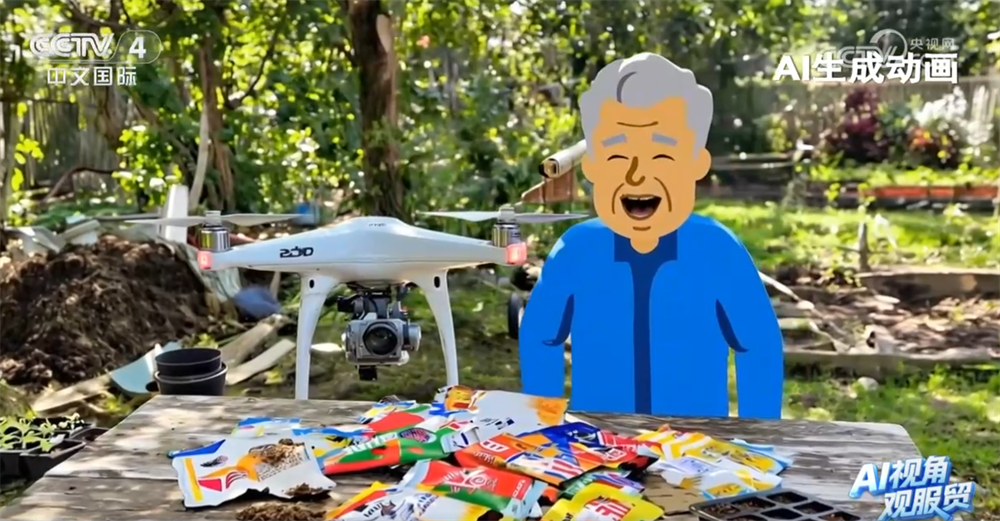
AI视角观服贸|“数智领航+人工智能”成为焕新亮点 折射未来经济新动能
Yang Shi Wang· 2025-09-10 06:27
Group 1 - The 2025 China International Service Trade Fair opened on September 10 in Beijing, with the theme "Digital Intelligence Leading, Service Trade Renewed" [1][5] - This year's fair features 85 countries and international organizations, with nearly 2,000 enterprises participating in offline exhibitions [1] - AI plays a significant role in the fair, highlighted in nine service trade thematic exhibitions, particularly in telecommunications, computing, and information services [5][11] Group 2 - The financial services exhibition area showcases cutting-edge technologies such as AI risk control, AI intelligent agents, and digital employees, with 97 participating companies, including 71 from the Fortune Global 500 [7] - The internationalization rate of the financial services exhibition reached 47.4%, demonstrating the global engagement of the sector [7] - Various AI solutions are presented in the supply chain and business services thematic exhibition, including autonomous delivery vehicles and intelligent sorting robots [9] Group 3 - The fair reflects the practical application of advanced technologies like AI large models in service trade scenarios, indicating a shift towards new lifestyles and economic dynamics [11]