汽车销售

Search documents
同车不同价!澳洲买车印花税差一倍,经销商呼吁改革
Sou Hu Cai Jing· 2025-08-08 16:25
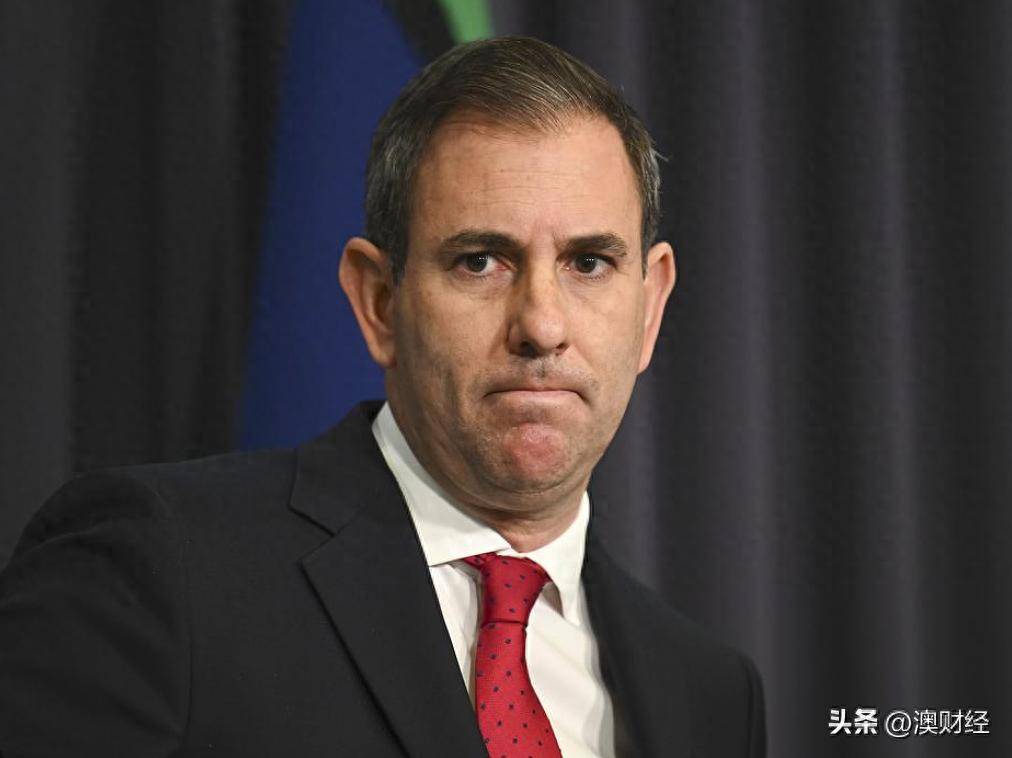
澳洲消费者在购买汽车时所缴纳的印花税因州际差异而高达两倍,引发汽车经销商 呼吁全国统一征税制度。 澳洲汽车经销商协会(AADA)敦促联邦财长Jim Chalmers在即将召开的经济改革圆 桌会议中推动各州简化印花税和登记费用制度。 他指出,全国每年有超过350万笔新车和二手车交易,政府若要实现生产力提升, 统一征税方式应是重要议题之一。 Voortman强调,经销商承担了印花税、登记费、豪车税和GST等各级政府税收的征 收责任,理应有更高效、统一的全国性做法。 此次经济圆桌会议为期三天,财长Chalmers将主持,并邀请经济专家、企业和工会 领袖出席,新州财长Daniel Mookey将代表各州和领地参与。 Chalmers表示,他期望此次会议至少能达成一系列"值得推进"的改革构想,并希望 在未来几个预算周期内逐步落实。 此次会议主题将聚焦于削减繁文缛节、加快开发审批流程及简化制度标准,在此背 景下,汽车印花税的改革正成为业界关注的焦点。 (图片来源:《每日电讯报》) 根据AADA向会议提交的建议书,目前各州对车辆征税方式不一,部分按排放标准、 部分按汽缸数量、也有按车辆估值分类,导致经销商在跨 州营运时面临 ...

汇丽B: 上海汇丽建材股份有限公司2025年半年度报告
Zheng Quan Zhi Xing· 2025-08-08 16:24
Core Viewpoint - Shanghai Huili Building Materials Co., Ltd. reported a significant increase in net profit and total profit for the first half of 2025, primarily due to the transfer of equity in Huili Paint Company, despite a slight decline in operating revenue [2][3]. Company Overview and Financial Indicators - The company reported operating revenue of CNY 7,634,987.74, a decrease of 0.11% compared to the same period last year [2]. - Total profit reached CNY 56,411,832.75, an increase of 1,069.85% year-on-year [2]. - Net profit attributable to shareholders was CNY 42,104,240.10, up 1,222.72% from the previous year [2]. - The net asset attributable to shareholders increased by 23.02% to CNY 170,519,053.97 [2]. - Total assets grew by 22.49% to CNY 206,185,465.59 [2]. Business Operations - The main business focus has shifted to leasing self-owned factory buildings, with rental income from the Kangqiao area contributing CNY 7,612,900, representing the entirety of the company's operating revenue [3]. - The gross profit margin for the leasing business was 93.83%, indicating a stable and sustainable income stream [3]. - The company is exploring the construction of a distributed photovoltaic power station to reduce electricity costs for its tenants [3]. Non-Main Business Activities - The company transferred 37.50% of its equity in Huili Paint Company to Huili Group, receiving CNY 51.3 million in cash and realizing an investment income of CNY 51.96 million from this transaction [2][3]. - This equity transfer positively impacted the company's non-operating profit, mitigating potential long-term losses from Huili Paint Company [4]. Cash Flow and Financial Management - The net cash flow from operating activities was CNY 2,374,638.78, a significant increase of 607.47% compared to the previous year [2]. - The company has been actively managing its idle funds through bank deposits and financial products, generating interest income of CNY 1,035,600 [4]. Shareholder and Stock Information - The company has not proposed any profit distribution or capital reserve transfer plans for the reporting period [3]. - The total number of shareholders as of the end of the reporting period was 8,880 [8]. Legal and Regulatory Matters - The company is involved in a legal dispute regarding a rental contract, with ongoing arbitration proceedings [7].
错发30万元补贴后发公告追回,惠州商务局:审核人员失误导致
Xin Jing Bao· 2025-08-08 11:24
Group 1 - The Guangdong Huizhou Municipal Bureau of Commerce announced the recovery of mistakenly issued automobile replacement subsidies due to an audit oversight, affecting 28 applicants who registered trucks instead of passenger cars [1][2] - The total amount of mistakenly issued subsidies is 300,000 yuan, with individual amounts ranging from 8,000 to 16,000 yuan per applicant [2] - The bureau requires the affected individuals to return the funds by August 25, 2025, or face legal action and potential inclusion in personal credit records [2] Group 2 - The subsidy program operates on a "buy first, subsidize later" basis, requiring applicants to submit purchase invoices and vehicle registration certificates [1] - The error was attributed to a third-party agency responsible for the subsidy review, and the bureau plans to enhance staff training to prevent future mistakes [1][2] - The announcement regarding the subsidy recovery has since been deleted from public view [1]
【地方市场】2025年6月北京汽车市场分析
乘联分会· 2025-08-08 07:57
New Car Transaction Situation - In June, Beijing's new car transactions reached 69,300 units, with a month-on-month increase of 37.15% and a year-on-year increase of 12.52%. The month-on-month growth rate exceeded the national average by 29.05 percentage points, while the year-on-year growth rate was 1.28 percentage points lower than the national average [3] - From January to June, a total of 304,300 new cars were traded in Beijing, representing a year-on-year decrease of 3.5%, with growth lagging behind the national average by 14.9 percentage points [3] Imported Car Sales Situation - In June, Beijing's imported car transactions totaled 2,446 units, showing a month-on-month decrease of 2.86% and a year-on-year decrease of 20.58% [7] - From January to June, the cumulative transactions of imported cars in Beijing were 14,500 units, reflecting a year-on-year decline of 21.65% [7] New Energy Vehicle Sales Situation - In June, Beijing's new energy vehicle transactions reached 45,500 units, with a month-on-month increase of 52.74% and a year-on-year increase of 37.92%, accounting for 65.74% of total new car transactions [13] - Pure electric vehicle sales were 31,800 units, making up 69.72% of new energy vehicle sales [13] - From January to June, a total of 172,800 new energy vehicles were traded in Beijing, marking a year-on-year growth of 18.56% and accounting for 60.31% of total new car transactions [13] Used Car Transaction Situation - In June, Beijing's used car transaction migration rate was 34.38%, showing a month-on-month decrease of 0.82 percentage points and a year-on-year decrease of 1.79 percentage points [19] - The number of used car transactions in June reached 63,200, with a month-on-month increase of 18.56% and a year-on-year increase of 12%. The new-to-old car ratio was 1:0.91 [20] - From January to June, the cumulative number of used car transactions was 323,100, reflecting a year-on-year decrease of 0.6%, with a new-to-old car ratio of 1:1.06 [20] Market Overview - The rapid recovery of Beijing's automotive consumption in June was attributed to the issuance of 60,000 new energy vehicle indicators, which significantly boosted new car transactions [22] - The new energy vehicle market share reached a record high of 65.74% in June, indicating strong growth driven by policy support [22] - The overall increase in new car sales in June positively impacted the used car market, leading to a notable recovery in transaction volumes [22] - Despite the recovery in June, the used car market still faced challenges, with transaction values declining significantly compared to the previous year [22]
中信百信银行创新金融服务——为小微企业搭把手
Ren Min Ri Bao· 2025-08-08 07:20
Group 1 - Beijing Yixiang Information Technology Co., Ltd. has established a foothold in the market since its founding in 2014, despite facing liquidity issues due to upstream companies' payment cycles [1] - Citic Baixin Bank provided support through its "Entrepreneur Guarantee Loan" product, which allows small and micro enterprises to obtain loans without collateral by using third-party guarantee companies based on credit and tax data [1] - As of the end of 2024, Citic Baixin Bank's inclusive small and micro loans reached 9.1 billion, marking a 45% growth [1] Group 2 - The second-hand car industry is a key area of support for Citic Baixin Bank, which offers timely loan services to meet the high turnover capital needs of second-hand car dealers [2] - The bank's fully online loan service has attracted customers like Beijing Renren Jiacheng Automobile Sales Co., Ltd., who appreciate the convenience of processing loans without visiting bank branches [2] - The bank's online service allows for quick loan approval and customized loan plans based on user information, facilitating short-term capital turnover for small and micro enterprises [2] Group 3 - Citic Baixin Bank aims to address the challenges of "difficult, expensive, and slow financing" for small and micro enterprises through a fully digital operation process and improved loan approval efficiency [3] - The bank seeks to be a "supplement" to traditional financial services by using digital means to overcome the limitations of physical branches and traditional credit models [3]
中升控股跌近4% 公司遭剔除MSCI中国指数
Zhi Tong Cai Jing· 2025-08-08 07:17
Core Viewpoint - Zhongsheng Holdings (00881) experienced a nearly 4% decline, trading at HKD 13.33 with a transaction volume of HKD 213 million, following its removal from the MSCI China Index effective August 26 [1] Group 1: MSCI Index Removal - Zhongsheng Holdings was excluded from the MSCI China Index as announced on August 8, with the change taking effect after market close on August 26 [1] Group 2: Analyst Upgrade - JPMorgan recently upgraded Zhongsheng Holdings' rating to "Overweight" and raised the target price from HKD 12 to HKD 20, citing government anti-involution measures and structural reforms at the corporate level as catalysts for industry turnaround expected by 2026 [1]

新加坡线上消费增长明显
Jing Ji Ri Bao· 2025-08-07 22:49
Core Insights - Singapore's retail trade and food and beverage services showed growth in June 2025, with significant online sales growth indicating structural changes in consumer behavior [1][3] - The overall retail sales reached SGD 4 billion in June, with online sales accounting for 13.6%, up from 12.3% in May [1][3] - Year-on-year retail sales grew by 2.3%, continuing the 1.3% growth trend from May, although month-on-month sales saw a decline [1][2] Retail Sector Performance - The automotive sales sector experienced a year-on-year increase of 14.6%, attributed to higher Certificate of Entitlement (COE) quotas [2] - Sales in the computer and communication equipment, optical products and books, and leisure goods sectors grew by 7.3%, 5.9%, and 5.6% respectively [2] - Conversely, gas stations and food and alcohol retailers saw sales declines of 5.9% and 5.2% year-on-year [2] Food and Beverage Services - Food and beverage service sales reached SGD 962 million in June, with online sales comprising 26.7% [2][3] - Year-on-year food and beverage sales grew by 0.1%, but month-on-month sales declined by 1.5% [2] - Within the sector, restaurant sales fell by 5.6% year-on-year, while fast food sales increased by 2.3% [2] Online Sales Trends - Online sales penetration varies across sectors, with computer and communication equipment at 56.2% and furniture and home equipment at 32.8% [3] - The online sales penetration in the food and beverage sector remained high at 26.7%, indicating deep integration of delivery platforms into daily consumer life [3] - The report emphasizes the importance of seasonal adjustments to better observe potential sales trends [3]
今年来湖北以旧换新政策拉动新车消费325亿元
Zhong Guo Xin Wen Wang· 2025-08-07 16:36
Group 1 - Hubei province has implemented a vehicle scrapping and replacement subsidy policy, resulting in over 210,000 applications for subsidies by August 1, 2023, which has directly stimulated new car consumption by 32.5 billion yuan [1] - More than 56% of the new vehicles purchased through the scrapping program are new energy passenger cars, indicating a shift towards greener and smarter automotive consumption [1] - A "New Energy Vehicle Consumption Season" event will be held on August 9 in Xiaogan, aimed at promoting new energy vehicle consumption in rural areas [1] Group 2 - The event will introduce innovative "automobile+" consumption scenarios, including the establishment of "New Energy Vehicle Supermarkets" that offer a one-stop service for test drives, purchases, and charging station installations [2] - Hubei will integrate various service sectors, including dining, tourism, and outdoor activities, to create a comprehensive automotive consumption ecosystem [2] - The province plans to host multiple automotive events to generate excitement and boost new energy vehicle consumption across counties and towns [2]
青海瑞虎汽车销售服务有限公司成立,注册资本500万人民币
Sou Hu Cai Jing· 2025-08-07 12:07
天眼查显示,近日,青海瑞虎汽车销售服务有限公司成立,法定代表人为周贵兵,注册资本500万人民 币,由青海恒欣投资管理集团有限公司全资持股。 序号股东名称持股比例1青海恒欣投资管理集团有限公司100% 经营范围含汽车销售;机动车修理和维护;汽车零配件批发;汽车零配件零售;电池销售;汽车装饰用 品销售;会议及展览服务;信息咨询服务(不含许可类信息咨询服务);润滑油销售;小微型客车租赁 经营服务;商务代理代办服务;日用百货销售(除依法须经批准的项目外,凭营业执照依法自主开展经 营活动)。 企业名称青海瑞虎汽车销售服务有限公司法定代表人周贵兵注册资本500万人民币国标行业批发和零售 业>零售业>综合零售地址青海省西宁市城东区东川工业园昆仑东路22号院2号楼企业类型有限责任公司 (非自然人投资或控股的法人独资)营业期限2025-8-6至无固定期限登记机关西宁市城东区市场监督管 理局 来源:金融界 ...
卖车销售盆满钵满,卖车老板赔得退网?
3 6 Ke· 2025-08-07 01:10
Core Insights - The automotive sales industry in China is experiencing a significant divide between individual salespeople benefiting from high commissions on popular new models and traditional dealerships facing severe financial losses and network reductions [3][10][23] - The introduction of new electric vehicle models is seen as a potential lifeline for struggling dealerships, but the ongoing price wars and channel transformation pressures may exacerbate the existing challenges [3][10][23] Group 1: Sales Performance and Challenges - Individual salespeople have reported high earnings during the launch of popular models, with some achieving monthly incomes of 30,000 to 40,000 yuan [4][6] - However, the high earnings come with extreme work intensity and high turnover rates among sales staff, indicating a challenging work environment [6][9][23] - The automotive sales sector is witnessing a significant number of dealership closures, with over 4,400 4S stores expected to exit the market in 2024, reflecting a 41.7% loss rate among dealers [10][11] Group 2: Financial Performance of Dealerships - Major dealership groups are reporting declining new car sales and revenues, with companies like Zhongsheng Holdings and Yongda Automotive experiencing significant drops in both sales volume and profit margins [11][12] - The overall profitability of traditional dealerships is under pressure, with many reporting negative gross margins on new car sales, leading to a shift in focus towards after-sales services as a key revenue source [15][16] - The after-sales business has shown growth, with Zhongsheng Holdings reporting a 9.6% increase in after-sales revenue, highlighting a potential area for profitability amidst declining new car sales [15][16] Group 3: Industry Transformation and Future Outlook - The automotive industry is undergoing a transformation, with traditional dealerships needing to adapt to new market realities, including the rise of electric vehicles and changing consumer preferences [23] - Collaboration between manufacturers and dealerships is emphasized as a necessary strategy for survival, with calls for more flexible arrangements and support from manufacturers to help dealers navigate the current challenges [23] - The success of individual salespeople and mid-sized dealerships in the electric vehicle market suggests that there are opportunities for growth and adaptation, provided that stakeholders can work together effectively [23]