
中式餐饮

Search documents
门店数量狂奔,单店盈利能力却下滑!“遇见小面”冲刺港股上市|港美股看台·IPO观察
Zheng Quan Shi Bao· 2025-10-17 12:15
Core Viewpoint - The company "Yujian Xiaomian" is preparing for an IPO, aiming to become the first publicly listed Chinese noodle restaurant, with significant growth in store expansion and revenue, despite facing challenges in same-store sales and profitability [1][2][12]. Group 1: IPO Progress - The company has received approval from the China Securities Regulatory Commission for overseas issuance and updated its prospectus, planning to issue up to 235 million shares on the Hong Kong Stock Exchange [2]. - If successful, "Yujian Xiaomian" will be the first in the Chinese noodle restaurant sector to go public, a market that has seen multiple brands announce IPO intentions without concrete actions [2]. Group 2: Fundraising Utilization - The IPO proceeds will be allocated to four main areas: 1. Store expansion, with plans to open 520-610 new locations from 2026 to 2028, focusing on first-tier and new first-tier cities [3]. 2. Digital upgrades, including AI technology, IoT systems, and big data analytics to support operational growth [3]. 3. Brand building initiatives [3]. 4. Strategic investments in 3-5 food suppliers with annual revenues of approximately 500,000 to 1 million yuan, targeting investments of 10-20 million HKD each [3]. Group 3: Financial Performance - The company has shown remarkable financial recovery, with net profit projected to rise from a loss of 35.973 million yuan in 2022 to a profit of 60.7 million yuan in 2024, and a significant increase in revenue from 418 million yuan in 2022 to 1.154 billion yuan in 2024, representing a compound annual growth rate (CAGR) of 66.2% [4][5]. - The number of stores has increased from 170 to 451 over three years, with a notable expansion in the Hong Kong market, where the number of stores grew to 10 within a year [6]. Group 4: Market Position and Challenges - As of 2024, "Yujian Xiaomian" ranks fourth in the Chinese noodle restaurant sector with a market share of 0.5%, amidst a highly fragmented market where the top five companies hold only 2.9% of the total market [9][12]. - Despite rapid expansion, the average daily sales per store have declined from 13,880 yuan in 2023 to 12,402 yuan in 2024, indicating challenges in maintaining profitability as the company lowers prices to attract customers [10]. Group 5: Capital Support - The company's rapid expansion has been supported by significant capital investments from various stakeholders, including major players like Country Garden and Jiamaojiu, with a notable increase in valuation to 3 billion yuan following a series of funding rounds [7]. Group 6: Future Outlook - The IPO is seen as a critical test for the capitalized model of the Chinese noodle restaurant industry, which is expected to grow to a market size of 510 billion yuan by 2029 [12]. - The company must address challenges related to profitability, food safety, and franchise risks post-IPO, as it navigates a competitive landscape with other brands also preparing for public offerings [12].

公司研究室IPO周报:自动驾驶“双雄”竞速港股IPO;遇见小面上半年净利翻倍
Sou Hu Cai Jing· 2025-10-17 06:58
IPO Dynamics - Three companies passed the review for IPO in A-shares this week, with Youxun Chip and Angrui Micro set to list on the Sci-Tech Innovation Board, and Tiansu Co. on the Growth Enterprise Market [1] - Changjiang Nengke listed on the Beijing Stock Exchange on October 16, while Daosheng Tianhe listed on the Shanghai Stock Exchange main board on October 17 [2] New Stock Subscription - Only one new stock is available for subscription this week, which is Bibete on the Sci-Tech Innovation Board on October 17 [4] Hong Kong Stock Market - Several companies submitted their prospectuses to the Hong Kong Stock Exchange, including Sairisi, Puyuan Jingdian, Huafu Shares, and others on October 13, and additional companies on subsequent days [5][6][7][8] Hot Topics - "Yujian Xiaomian" is preparing for its IPO in Hong Kong, reporting a net profit increase of 131.56% in the first half of 2025, with revenue reaching 703 million yuan, a 33.8% year-on-year growth [9] - The company operates a dual model of direct sales and franchising, with over 80% of revenue from direct sales, primarily in high-tier cities [10] - The average order value has decreased from 36 yuan in 2022 to 30.9 yuan in the first half of 2025, attributed to price reductions to attract customers [12] - The company has received over 270 million yuan in investments prior to its IPO, with significant shareholding by Huai'an Chuangtao and other investors [12] Financial Performance - Jianxin Superconducting plans to raise 775 million yuan in its IPO, reducing its fundraising target by 90 million yuan after the second round of inquiries [13] - The company has distributed approximately 70 million yuan in cash dividends over the past three years, with net profits of 34.6 million yuan in 2022 and projected growth in subsequent years [13] - Customer concentration is a significant risk, with the top five customers accounting for over 83% of revenue in the first half of 2025 [14] Autonomous Driving Sector - Autonomous driving companies WeRide and Pony.ai have received approval for dual listings in Hong Kong, having previously listed on NASDAQ [15] - WeRide reported a revenue of 127 million yuan in Q2 2025, a 60.8% increase year-on-year, with significant growth in its Robotaxi business [16] - Pony.ai achieved a revenue of 154 million yuan in the same period, with a 75.9% year-on-year growth, driven by the commercialization of its Robotaxi services [17] - The developments indicate a shift in the autonomous driving industry from technology validation to large-scale implementation, with Hong Kong becoming a key capital hub for Chinese companies [17]
小菜园20251016
2025-10-16 15:11
Summary of the Conference Call for Xiaocai Garden Company Overview - Xiaocai Garden has rapidly expanded its store count, surpassing 750 stores by the end of September 2025, with a target of reaching 800 by year-end and plans to add 200 more stores in 2026, focusing on first-tier cities and emerging markets such as Shandong, Henan, and Jiangxi [2][3][4] Key Points and Arguments Store Expansion and Model Efficiency - The new 230 square meter store model has significantly improved operational efficiency, with an investment return period of 12-13 months, despite potential impacts on same-store sales [2][4][5] - The average annual sales per store is approximately 8 million yuan, with a return on investment period notably lower than the industry average of over 18 months [27] Sales Performance - The average dining price remains stable at 55-57 yuan, while the average takeaway price is around 67 yuan [7][9] - Same-store sales growth has faced challenges, with a year-on-year decline of 7.2% in the first half of the year, although there was a 20% increase in customer traffic and order volume during the National Day holiday [3][15] Profitability and Cost Management - The gross profit margin reached 70% in the first half of the year, with part of the profit reinvested into promotions to enhance customer experience [10][32] - The company aims to maintain a gross margin between 65-70% through cost control measures, including negotiations with suppliers and the use of automated cooking equipment [32][33] Market Dynamics - Emerging markets like Shandong, Henan, and Jiangxi have shown rapid growth, with significant brand influence established in cities like Zhengzhou [21] - The company has a strategic focus on both high-tier and lower-tier markets, with 43% of stores located in third-tier cities and below, indicating a strong interest in expanding in these areas [18] Marketing and Customer Engagement - Xiaocai Garden utilizes platforms like Meituan and Douyin to distribute dining coupons, enhancing customer experience and driving in-store traffic [10][11] - The company has invested in brand building through various advertising channels, including high-speed rail and online media, to increase brand awareness [28][29] Future Plans - Plans for 2026 include opening 200 new stores, with a focus on first-tier cities and emerging markets, while also considering county-level expansions in provinces like Anhui and Jiangsu [16][17] - The company is also working on enhancing its supply chain capabilities with a new processing plant expected to be operational by the end of 2025 [31] Other Important Insights - The company has adopted a flexible approach to store layouts in county markets, adjusting models to meet local demands [19] - Xiaocai Garden's management structure includes over 100 shareholders actively involved in operations, which fosters a strong drive for market expansion and performance improvement [25] - The company is committed to long-term stable development, focusing on employee welfare and sustainable profit margins rather than short-term profit maximization [32][33]
西贝更换门头了
Di Yi Cai Jing Zi Xun· 2025-10-16 08:26
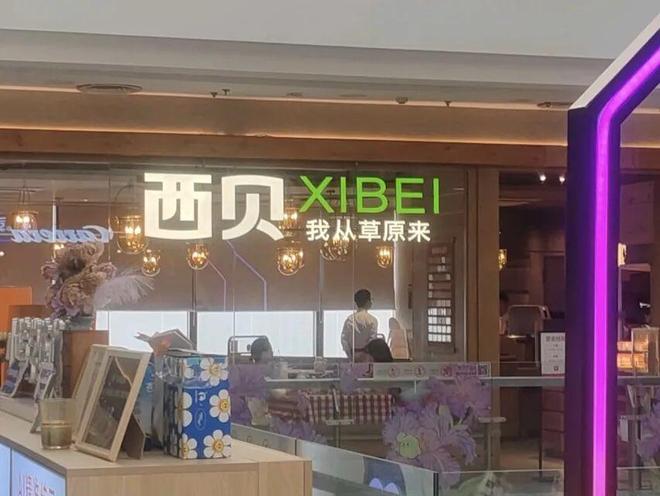
Core Viewpoint - The recent changes in the logo and branding of Xibei restaurant have sparked consumer dissatisfaction, primarily due to concerns over food quality and brand integrity rather than the logo itself [2][3][4]. Group 1: Brand Changes - Xibei has updated its logo from a red and white color scheme to a white and green one, with the name changing from "Xibei Youmian Village" to "Xibei I Come from the Grassland" [2]. - The restaurant staff clarified that the new slogan is not a replacement for the logo, which remains as "Xibei" [2]. - The company had previously announced a logo refresh at the beginning of the year, maintaining the red and white color scheme [2]. Group 2: Consumer Sentiment - Consumer anger towards Xibei is linked to a perceived betrayal regarding food quality, especially following controversies surrounding pre-prepared dishes [3][4]. - The brand's higher pricing strategy targets middle to high-income consumers, who may feel deceived if the quality does not meet expectations [3]. Group 3: Marketing Strategies - In response to declining customer traffic, Xibei has been issuing various discount coupons, effectively lowering prices to attract customers [4]. - The strategy of offering no-threshold and tiered discount coupons has shown short-term success in increasing foot traffic and sales [4]. - However, there are concerns that prolonged discounting may damage the brand's high-end image and lead to a perception of lower quality among consumers [4]. Group 4: Store Closures - Due to the impact of reduced customer traffic, Xibei's Shantou store has announced its closure on October 19 [5].
西贝更换门头了
第一财经· 2025-10-16 08:15
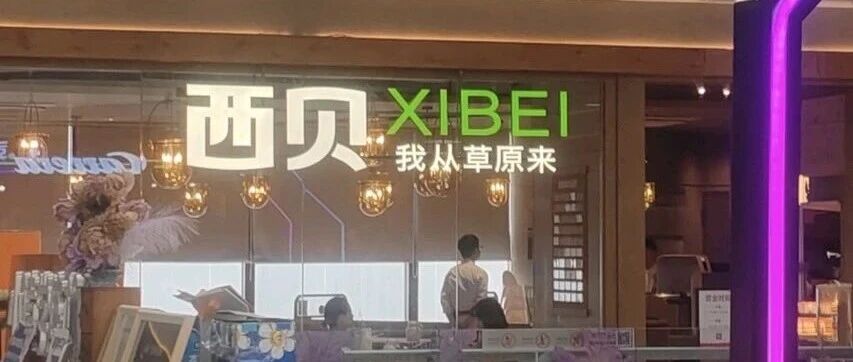
Core Viewpoint - The article discusses the recent changes in the branding and marketing strategies of Xibei, a high-end Chinese restaurant chain, in response to consumer dissatisfaction and the impact of the pre-prepared food controversy on its brand image [5][6]. Branding Changes - Xibei has updated its logo and slogan, changing from "Xibei Youmian Village" to "Xibei I Come from the Grassland," with a shift in color scheme from red and white to white and green [3][4]. - Despite the logo change, the restaurant staff clarified that the logo remains the same, and the new slogan is merely an advertising phrase [3]. Consumer Sentiment - Consumer anger towards Xibei is attributed not to the logo change but to feelings of betrayal regarding food quality, especially after the pre-prepared food scandal [5]. - The brand's high pricing strategy targets middle to high-income consumers, many of whom feel pressured to provide better food for their children, leading to a significant backlash when quality is perceived to decline [5]. Marketing Strategies - In response to declining customer traffic, Xibei has been issuing various discount coupons, effectively lowering prices to attract customers [6]. - Promotions include a 100 yuan no-threshold coupon and a 50 yuan discount for purchases over 50 yuan, with additional incentives for higher spending [6]. Long-term Implications - While the short-term effects of coupon promotions have been positive, increasing foot traffic and sales, there are concerns about the long-term impact on brand perception [6]. - Continuous discounting may lead consumers to associate the brand with lower prices, undermining its high-end image and making it difficult to revert to previous pricing strategies [6]. Store Closures - Due to the decline in customer traffic, Xibei has announced the closure of its Shantou store on October 19, indicating operational challenges [6].
西贝更换门头了,叠加代金券能否赢回消费者的心?
Di Yi Cai Jing· 2025-10-16 07:58
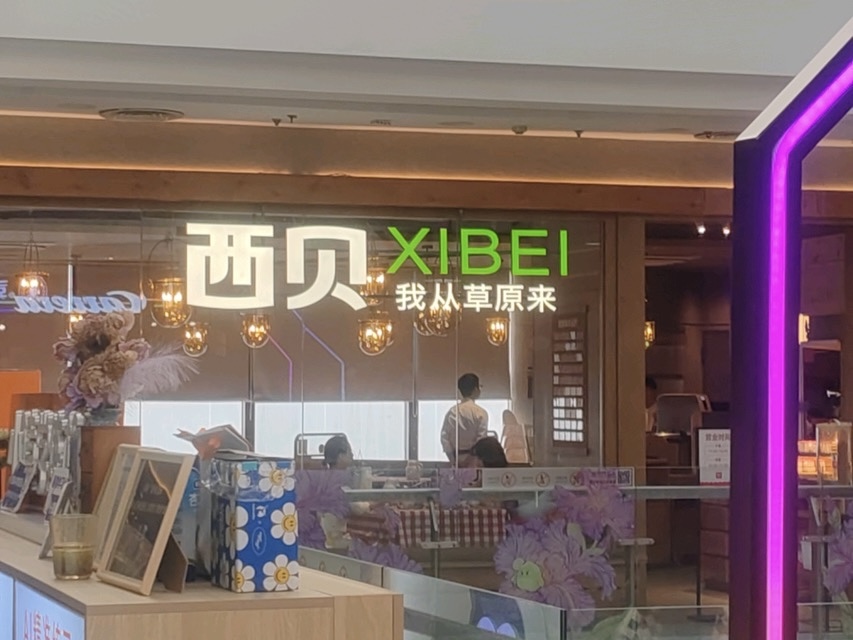
Core Viewpoint - The recent changes in the logo and promotional strategies of Xibei are responses to consumer dissatisfaction and declining foot traffic due to the "pre-made dishes" controversy, highlighting the need for improved product quality and service rather than mere branding adjustments [4][6]. Group 1: Logo and Branding Changes - Xibei has updated the logo at its Shijingshan Wanda store from a red and white color scheme to a white and green one, with the slogan changing to "I come from the grassland" [1][3]. - The company clarified that the logo remains the same, with the color change being part of an advertising strategy rather than a complete rebranding [3]. Group 2: Consumer Sentiment and Market Position - Consumer anger towards Xibei stems not from the logo change but from feelings of betrayal regarding food quality, especially given the brand's higher pricing targeting middle to high-income consumers [4]. - The recent controversy has significantly impacted loyal customers, particularly parents seeking quality food for their children, leading to a perception of diminished brand trust [4]. Group 3: Promotional Strategies - In response to declining customer traffic, Xibei has been issuing various coupons, including a 100 yuan no-threshold coupon and a 50 yuan discount for purchases over 50 yuan, to attract consumers and boost sales [5][6]. - While these short-term strategies have shown immediate success in increasing foot traffic and sales, there are concerns that prolonged discounting may harm the brand's high-end image and consumer perception of quality [6]. Group 4: Store Closures - Due to the impact of reduced customer traffic, Xibei's Shantou Wanda store has announced its closure on October 19, with options for customers to refund unused balance on stored value cards [6].
遇见小面更新IPO招股书,冲击港股“中式面馆第一股”
Sou Hu Cai Jing· 2025-10-15 13:44
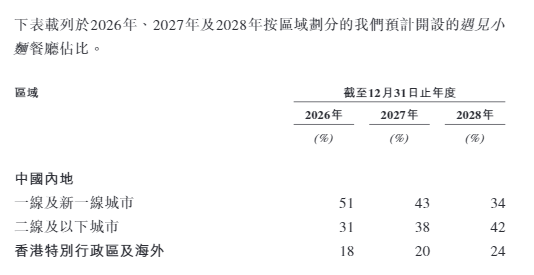
Core Viewpoint - Guangzhou Yujian Xiaomian Restaurant Co., Ltd. is on the verge of successfully listing on the Hong Kong Stock Exchange after receiving the overseas issuance filing notice from the China Securities Regulatory Commission. The company has shown significant growth in revenue and adjusted net profit, indicating strong operational performance and market potential [1]. Financial Performance - In the first half of 2025, the company achieved a revenue of 703.185 million RMB, representing a year-on-year growth of 33.8%. The adjusted net profit reached 52.175 million RMB, a substantial increase of 131.56% compared to the same period last year [1][2]. - The total revenue for the year 2022 was 418.096 million RMB, which is projected to grow to 800.514 million RMB in 2023 and 1.154434 billion RMB in 2024 [2]. Store Expansion - The company currently operates 451 restaurants and has 101 new locations in preparation, aiming to exceed 500 stores by the end of the year. The first overseas store in Singapore is also set to open in December [3]. - The number of restaurants has increased from 133 to 451, covering 440 locations in mainland China and 11 in Hong Kong [3][4]. Market Position - Yujian Xiaomian is recognized as the leading operator of Sichuan-Chongqing style noodle restaurants in China, with the highest compound annual growth rate in total merchandise transaction value among the top ten Chinese noodle restaurant operators from 2022 to 2024 [5][8]. - The total merchandise transaction value for the company reached 5.11 billion RMB in 2022, projected to grow to 9.60 billion RMB in 2023 and 13.48 billion RMB in 2024 [5]. Consumer Engagement - The company has attracted over 22.1 million members, with a member repurchase rate of 44.5% in 2024. The total number of orders reached 42.094 million in 2024, with a year-on-year growth of 32.52% in the first half of 2025 [8][9]. Future Development Plans - The company plans to continue expanding into lower-tier markets and exploring overseas opportunities, with a target of opening approximately 150 to 180 new restaurants in 2026, 170 to 200 in 2027, and 200 to 230 in 2028 [12]. - The funds raised from the IPO will primarily be used for restaurant network expansion, supply chain development, and enhancing digital capabilities, aiming to accelerate integration in the fragmented market and promote Chinese fast food internationally [12].

大部分售罄!知名品牌突发公告:微信商城将停业!深圳仅剩1家门店,很多人吃过
Nan Fang Du Shi Bao· 2025-10-11 01:36
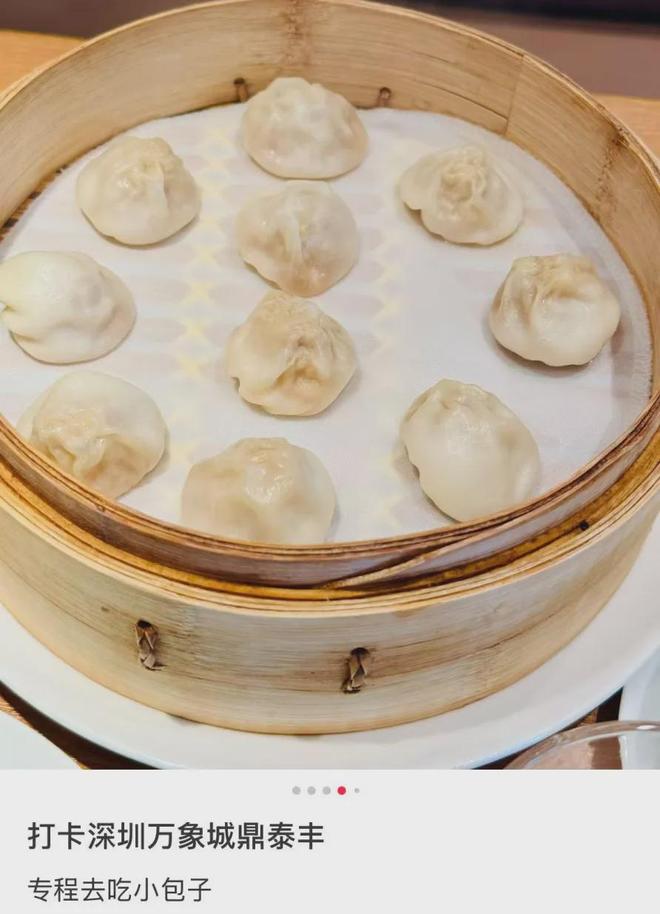
Core Viewpoint - 鼎泰丰, known for its "18 pleats" soup dumplings, is facing significant operational changes, including the closure of its WeChat store and multiple physical locations, indicating potential challenges in maintaining its market presence and customer engagement [6][7][15]. Group 1: Operational Changes - 鼎泰丰 announced that its WeChat store will cease operations on November 30, 2025, urging customers to redeem their points before the deadline, as unredeemed points will expire [6][7]. - Currently, the WeChat store only has one product available for sale, indicating a significant reduction in inventory as other items are sold out [10]. - The company has already closed 14 physical locations across various cities, including Beijing and Tianjin, although it claims that stores in East and South China remain unaffected [15][13]. Group 2: Market Presence - 鼎泰丰 continues to operate in major cities such as Shanghai, Guangzhou, Shenzhen, and Hangzhou, but the number of active locations is dwindling, with only one store currently operational in Shenzhen [17]. - The brand has a rich history, having been established in 1972 and gaining international recognition, including being named one of the "World's Top Ten Restaurants" by The New York Times in 1993 [19].
太突然!知名餐饮企业宣布:微信商城停业!近年来已关闭多家线下门店
Mei Ri Jing Ji Xin Wen· 2025-10-10 16:29
Core Insights - The well-known restaurant brand Din Tai Fung announced the closure of its WeChat mall by November 30, 2025, due to brand operational adjustments [1][3] - Despite the closure of multiple locations in mainland China, Din Tai Fung plans to reopen a store in Beijing's Kerry Center in March 2026, indicating a potential strategy to regain market presence [2][5][10] Summary by Sections Brand Operations - Din Tai Fung, founded in Taiwan in 1958 and known for its xiaolongbao, has faced challenges in the mainland market, leading to the closure of several stores [2][4] - The brand currently operates 14 stores in major cities like Shanghai, Guangzhou, Shenzhen, and Hangzhou [2] WeChat Mall and Corporate Services - The WeChat mall will cease operations, and corporate group purchasing services will also be terminated, although physical store operations will remain unaffected [3] - The WeChat mall currently has limited product availability, with most items sold out [3] Financial Performance - In the U.S., Din Tai Fung's average store revenue is projected to be $27.42 million in 2024, with total revenue reaching $411.6 million (approximately 2.9 billion RMB), marking a nearly 20% annual growth [3] Market Challenges and Future Plans - The closures in cities like Beijing are attributed to poor operational performance, with a significant number of stores shutting down due to licensing issues [3][4] - Analysts suggest that the return to the Beijing market is driven by the remaining growth potential in the mainland market, despite fierce competition [10] - The brand's recognition as a leading xiaolongbao provider remains strong, providing a foundation for potential recovery [10]

米其林小笼包到底还香不香?鼎泰丰宣告明年重回北京市场后 又宣布将关闭微信商城
Mei Ri Jing Ji Xin Wen· 2025-10-10 15:17
Core Viewpoint - The well-known restaurant brand Din Tai Fung is undergoing significant operational adjustments, including the closure of its WeChat store by November 30, 2025, while planning to re-enter the Beijing market in March 2026 after a hiatus of nearly 20 years [1][6][7]. Group 1: Operational Changes - Din Tai Fung's WeChat store will cease operations, and customers must redeem their points by the deadline, or they will expire [1]. - The company will also terminate its corporate group purchasing service, although it claims that offline store operations will remain unaffected [2]. - The brand has seen a reduction in its physical presence in mainland China, with the number of stores dropping to 14 in major cities like Shanghai, Guangzhou, Shenzhen, and Hangzhou [1][3]. Group 2: Market Performance - Despite its popularity overseas, Din Tai Fung has faced challenges in the mainland market, leading to the closure of multiple locations [3][5]. - In the U.S., Din Tai Fung's average store revenue is projected to be $27.42 million in 2024, with total revenue reaching $411.6 million (approximately 2.9 billion RMB), marking a nearly 20% annual growth [2]. Group 3: Future Prospects - The company aims to return to the Beijing market, which is seen as a strategic move to capitalize on the remaining growth potential in the mainland market [7]. - Industry experts believe that Din Tai Fung's brand recognition as a leading "soup dumpling" brand remains strong, providing a foundation for its potential resurgence [8]. - The brand is expected to adapt its business model to better meet the needs of younger consumers and improve cost-effectiveness in its offerings [8].