养老产业

Search documents
有人预言,10年后这3个行业比房子更有“钱途”,建议早点了解
Sou Hu Cai Jing· 2026-01-05 13:41
Core Insights - The traditional view of real estate as a "hard currency" is diminishing due to changing market dynamics, demographic shifts, and evolving consumer habits [1] - New investment opportunities are emerging, focusing on long-term demand, recurring purchases, and technological or service barriers [3] Group 1: Aging-Related Industries - Industries related to aging are quietly expanding, with increasing demand for health management, rehabilitation care, functional improvement, and life assistance [5] - This demand is gradual and persistent, leading to strong user loyalty and a business model that resembles a snowball effect rather than quick profits [7] - The aging sector is expected to be one of the least customer-deficient fields in the next decade, despite not being a get-rich-quick industry [7] Group 2: Efficiency-Oriented Businesses - Businesses that enhance efficiency are becoming increasingly valuable, addressing both physical and informational needs [8][9] - The most profitable aspects of these businesses often lie in the underlying systems, services, and solutions, which are scalable and have low replication costs [11] - Compared to real estate, efficiency-driven industries are characterized by being lightweight, fast, and scalable, with higher potential ceilings once a model is validated [11] Group 3: Emotional Value-Driven Consumption - Consumption related to emotional value is being redefined, with consumers willing to pay for feelings of happiness, ease, and understanding [13] - This sector includes leisure activities, companionship services, and niche markets focused on experiences, which are driven by ongoing societal pressures and fast-paced lifestyles [15] - Unlike real estate, these industries are dynamic and present continuous opportunities for those who understand user needs and can operate effectively [15] Group 4: Comparative Analysis with Real Estate - The profitability of these emerging industries is less dependent on economic cycles and more on sustained demand and individual capabilities, contrasting with real estate's reliance on market cycles [17] - Common characteristics of these industries include being less geographically constrained and exhibiting significant compounding effects, with early entry providing greater room for experimentation [17] - Mistakes in real estate investments can incur high adjustment costs, while experiences gained in emerging sectors are not wasted even if initial attempts are flawed [17] Group 5: Long-Term Trends - Trends develop gradually and often go unnoticed until they become mainstream, at which point they may no longer be affordable [19] - Companies and investors are encouraged to consider where to focus their time and energy for long-term growth and to identify potentially undervalued industries [19]


王永春:银发经济2035年将达19万亿,但要先把“底盘”打牢
Xin Jing Bao· 2025-12-29 03:08
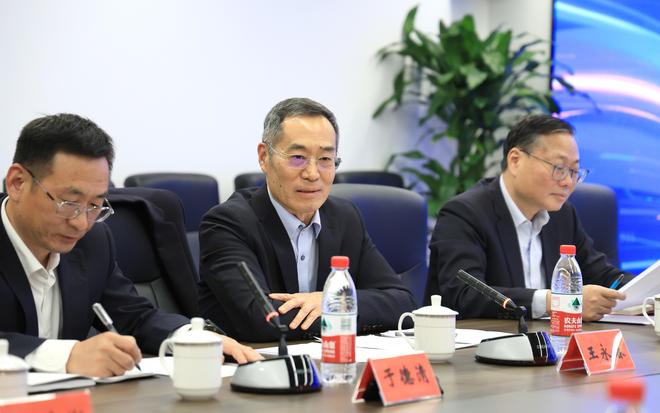
Core Viewpoint - The silver economy is positioned as a core sector of the service industry, aiming to meet the diverse needs of the elderly through market mechanisms during the 14th Five-Year Plan period, creating a closed loop of "improving people's livelihood - releasing consumption - economic growth" [2][8]. Group 1: Industry Overview - As of October 2025, there are over 17 million enterprises in the elderly care industry, employing more than 49 million people, with a conservative estimate of total employment exceeding 100 million [3]. - The elderly care industry has established 470,000 service facilities, creating a "quarter-hour elderly care service circle" that covers urban and rural areas [3]. - The elderly care technology and smart elderly care service sector comprises over 5.43 million enterprises, accounting for 30.66% of the overall elderly care industry, with smart elderly care services growing at a rate of 22% [3]. Group 2: Policy and Development Goals - The basic elderly care service supply is prioritized as the foundation for expanding the silver economy, focusing on inclusivity and security [4]. - The central government has set a goal to enhance basic elderly care services, particularly for disabled elderly individuals, by 2029 [5]. Group 3: Challenges and Shortcomings - There is a significant care gap for approximately 45 million disabled and cognitively impaired elderly individuals, with only 500,000 certified caregivers available, indicating a shortfall of 550,000 [6]. - The elderly population aged 60 and above in rural areas exceeds 23%, highlighting the need for targeted services for rural elderly and those in difficult circumstances [6]. Group 4: Strategic Focus Areas - The silver economy must focus on three rigid shortcomings: addressing special groups, enhancing service networks, and building professional capabilities [6][7]. - The demand for caregivers and rehabilitation therapists is increasing, with job postings in these areas growing by 36.1% and 25.7% year-on-year, respectively [7]. Group 5: Development Principles - The development of the silver economy should adhere to three principles: not deviating from "elderly-friendly needs," not deviating from "collaborative integration," and not deviating from "China's national conditions" [8][9]. - The health management elderly care service market is projected to reach between 1.4 trillion and 1.5 trillion yuan by 2025, becoming one of the fastest-growing sectors [8].
“十五五”银发经济怎么做?专家建议:先兜底、再扩容、做实平台
Xin Jing Bao· 2025-12-29 03:00
12月26日,由新京报社与中国老龄产业协会科技委联合主办,主题为"看2026银发经济新趋势研讨会"在 京举行,围绕"十五五"时期银发经济的发展趋势、服务供给与技术落地等议题展开研讨交流。 政策牵引的另一面,是产业体量被更直观地"量化"出来。王永春介绍,以国家统计分类口径划分,养老 产业分为12大类;到2025年10月,我国老龄化水平为18.72%,新注册企业173.8万户、注销129.9万户, 实有企业1775万户;按社保缴纳口径估算,从业人员为4981万。 与此同时,养老供给载体正在形成更清晰的网络。王永春介绍,截至2025年10月,全国服务机构总量约 47万,其中养老机构3.88万、社区服务中心32万、助餐点11万。这些载体共同构成从机构端到社区端、 再到助餐等便民节点的"多载体谱系",让服务更贴近老年人生活半径,也为后续的专业照护、康复服务 与智慧养老应用提供接入点。 不仅如此,马旗戟表示,在增长路径上,我国银发经济的动力结构也正在发生变化:前一阶段更多依靠 政府完成全覆盖兜底、基础设施建设和制度投入,"十五五"期间,市场化供给的扩张和升级将成为核心 动能。公共服务体系要把底兜牢,社会力量则主要投向以社 ...
最新!这家险资巨头,透露康养生态布局进展
Xin Lang Cai Jing· 2025-12-28 23:33
Core Viewpoint - The article discusses the strategic focus of China Life Group on the health and elderly care industry, emphasizing the establishment of a comprehensive elderly care ecosystem in response to the aging population and the "14th Five-Year Plan" initiatives [1]. Group 1: Business Development - China Life Group has launched 10 elderly care projects, including the recently opened Guoshou Jiayuan in Beijing, which features 553 rooms and 947 beds, providing comprehensive solutions for elderly care needs [2]. - The company has established a total of 10 elderly care and wellness projects, including locations in Beijing, Tianjin, Suzhou, Chengdu, Qingdao, Shenzhen, Sanya, and Beidaihe [2]. - Guoshou Jiayuan is part of the "333 strategy" of China Life Group, which aims to enhance its presence in the health and elderly care sector [2]. Group 2: Investment and Growth - Guoshou Health Investment Company, a subsidiary of China Life Group, was established in July 2019 and manages a 20 billion yuan fund for investing in quality elderly care projects [2]. - The company has achieved a compound annual growth rate of 18.6% in bed capacity for its elderly care communities over the past five years, leading the industry [2]. Group 3: Strategic Focus and Standards - The selection of project locations is based on various factors, including local economic development, aging population ratios, and alignment with core business operations [3]. - The company has developed a set of location selection criteria that consider commercial, medical, and transportation facilities, as well as asset types and acquisition costs [3]. Group 4: Operational Performance - The occupancy rate of elderly care communities is a critical indicator of operational efficiency, with a stable increase expected as elderly residents typically do not move out easily [4]. - An occupancy rate of around 80% is necessary for achieving stable profitability, which aligns with investment return expectations [4]. - The Tianjin Lejing project, a benchmark for integrated medical and elderly care, has seen its occupancy rate double in less than two years, currently exceeding 70% and projected to reach 80% by 2026 [4]. Group 5: Community and Home Care Services - The company is exploring home and community-based elderly care services, collaborating with local governments to create inclusive community care models [6]. - Services are being extended from institutional care to nearby communities, offering assistance such as meal delivery and bathing for elderly residents [6]. - The company has secured contracts for seven community elderly day care centers in Tianjin, serving over 5,000 individuals monthly [6].

养老的“东方智慧”:看泰康“新寿险”如何回答一个世界性难题?
华尔街见闻· 2025-12-26 03:56
Core Viewpoint - The article discusses the evolving attitudes towards aging in society, particularly in Japan and China, highlighting the opportunities in the aging population market and the innovative approaches being taken by companies like Taikang Insurance in the eldercare and pension sectors [1][2][5][7]. Group 1: Demographic Changes and Aging Population - By the end of 2024, China's elderly population (aged 60 and above) is projected to reach 310 million, accounting for 22% of the total population, and is expected to rise to around 30% by 2035 [4]. - The average life expectancy in China is nearing 79 years, with a continuous increase of 2-3 years every decade [5]. - The aging population is anticipated to constitute one-third of society in the next 20 years, indicating a significant demographic shift [3]. Group 2: Market Opportunities in Elderly Care - The demand for "enjoying old age" is creating substantial market opportunities, as seen in developed countries where healthcare is recognized as a promising industry [6]. - China is establishing a multi-faceted pension system and various commercial pension products to address the needs arising from demographic changes [7]. - The insurance industry is increasingly competing in the eldercare market, with companies like Taikang Insurance leading the way by integrating healthcare resources [8]. Group 3: Taikang Insurance's Innovations - Taikang Insurance has been exploring the integration of insurance with eldercare services since 2007, positioning itself as a significant player in the eldercare market [9]. - The company has seen a notable rise in its global ranking, moving up 47 places to 334 in the Fortune Global 500, reflecting its growing influence [9]. - The "New Life Insurance" model proposed by Taikang emphasizes a triad of payment, service, and investment, aiming to enhance customer experience and financial stability [55]. Group 4: Global Perspectives on Elderly Care - The article references the global trend of increasing life expectancy, with half of the countries expected to have a life expectancy exceeding 75 years by 2024 [10]. - The U.S. and Japan have established robust pension systems, with the U.S. having over 90% of total pension assets in the second and third pillars [18]. - The article contrasts the U.S. approach to eldercare with China's, noting that many high-quality eldercare facilities in China are initiated by insurance companies, which have the financial capacity to integrate various resources [33]. Group 5: Challenges and Future Directions - The article highlights the challenges faced by the insurance industry, particularly in the U.S., where misjudgments about market demands have led to a decline in market position [36][39]. - It emphasizes the necessity for the insurance sector to seize the strategic opportunities presented by the aging population and to develop a complete financial mechanism for eldercare services [48]. - Taikang's long-term investments in healthcare and eldercare are positioned as a model for sustainable growth in the industry, with significant financial commitments planned for the future [59].

激发银发经济活力 始于“看见”老人真需求
Zheng Quan Shi Bao· 2025-12-24 18:30
Core Insights - The "silver economy" in China, characterized by a population of 310 million elderly individuals, is growing at a pace that surpasses younger consumers, indicating a significant market potential worth trillions [1] - Despite the enthusiasm surrounding policies and initiatives aimed at the elderly, the actual consumption market faces challenges, with a disconnect between demand and effective supply [1] Group 1: Market Dynamics - The elderly consumer group tends to prioritize practical needs over emotional spending, with 78.3% of seniors considering actual needs as their primary factor in purchasing decisions [1] - The elderly demographic is heterogeneous, with significant disparities in income, health, and family support, complicating product development and market strategies [1] Group 2: Supply-Side Challenges - The core bottlenecks hindering consumption among middle-income elderly individuals include supply mismatch, trust issues, and unclear payment expectations [2] - The market is currently trapped in a low-end, homogeneous product cycle, failing to align with the genuine needs of the elderly [2] Group 3: Future Directions - Future development of the silver economy requires a shift in focus from youth-centric consumption models to those that emphasize the "lifecycle value" of elderly consumers [2] - Successful engagement with the elderly market will depend on creating a "trust-consumption" pathway and addressing deeper emotional and experiential needs [2]

以高质量老年教育激活银发经济新引擎
Hai Nan Ri Bao· 2025-12-24 01:35
Core Viewpoint - The aging population is driving the "silver economy," with elderly education being a crucial component to activate this economic sector. Hainan is looking to learn from Hong Kong's experiences in elderly education to enhance its own silver economy through innovative mechanisms and integration of education with industry [1]. Group 1: Establishing a Collaborative Elderly Education System - Hong Kong has integrated elderly education into its overall aging policy framework, creating a multi-departmental collaborative policy system. In contrast, Hainan lacks a unified leadership structure for elderly education, which is currently managed by three separate entities without effective communication [2]. - A long-term mechanism should be established in Hainan to optimize resource allocation among different educational institutions and clarify the responsibilities of governing bodies [2]. Group 2: Demand Management System for Elderly Education - The new generation of educated seniors in Hong Kong is becoming a significant force in driving new consumption models. Hainan's elderly education should focus on creating social and economic value for seniors, particularly younger seniors [3]. - A dynamic demand research system is recommended, including the establishment of a Silver Economy Research Institute in Hainan to conduct ongoing surveys and publish a "Silver Economy Skills Demand White Paper" [3]. Group 3: Integrating Education with Industry - The experience from Hong Kong indicates that a curriculum closely aligned with industry needs is essential for stimulating the silver economy. Hainan should move away from traditional interest-based courses to develop a curriculum that is market-driven and industry-empowered [4]. - Courses should be tailored to Hainan's regional characteristics, such as collaborating with local heritage centers to teach traditional crafts alongside e-commerce skills [5]. Group 4: Promoting Cross-Border Elderly Care and Learning - The cooperation between Hainan and Hong Kong presents new opportunities for cross-border elderly care and educational programs, including a "Hainan-Hong Kong Interactive" cross-border elderly care plan [6]. - A "Hainan-Hong Kong Silver Learning" brand should be developed, offering themed educational travel products that cater to the interests of elderly participants from both regions [7].
湖南万医康养集团周求华:养老产业是“十五五”规划的红利点
Xin Lang Cai Jing· 2025-12-22 01:53
Core Insights - The "2025 China Insurance Summit Forum" was held on December 17, focusing on the theme "'14th Five-Year Plan' Launching and Shaping the Insurance Blueprint" [1][3] - The forum gathered nearly a hundred representatives from the "Top 108 in Chinese Insurance," along with experts and executives, to discuss high-quality development paths for the insurance industry during the "14th Five-Year Plan" period [1][3] Group 1: Industry Opportunities - The chairman of Hunan Wanyikang Group, Zhou Qiuhua, highlighted the vast potential of the elderly care industry, emphasizing the need to integrate elderly care products, services, and financial solutions into a cohesive ecosystem [1][3] - Zhou proposed that the government, insurance, medical care institutions, and the elderly population represent key opportunities within the "14th Five-Year Plan," suggesting that collaboration in the elderly care sector could revitalize the market [2][4] Group 2: Strategic Recommendations - Zhou suggested that establishing an "Elderly Care Insurance Fund" in partnership with platform companies could facilitate foundational investments in elderly care institutions and enterprises, thereby stimulating the elderly care market [2][4]
中国养老金融研究院院长刘云龙:政企协同与多元金融支持是医康养发展的关键
Xin Lang Cai Jing· 2025-12-22 01:47
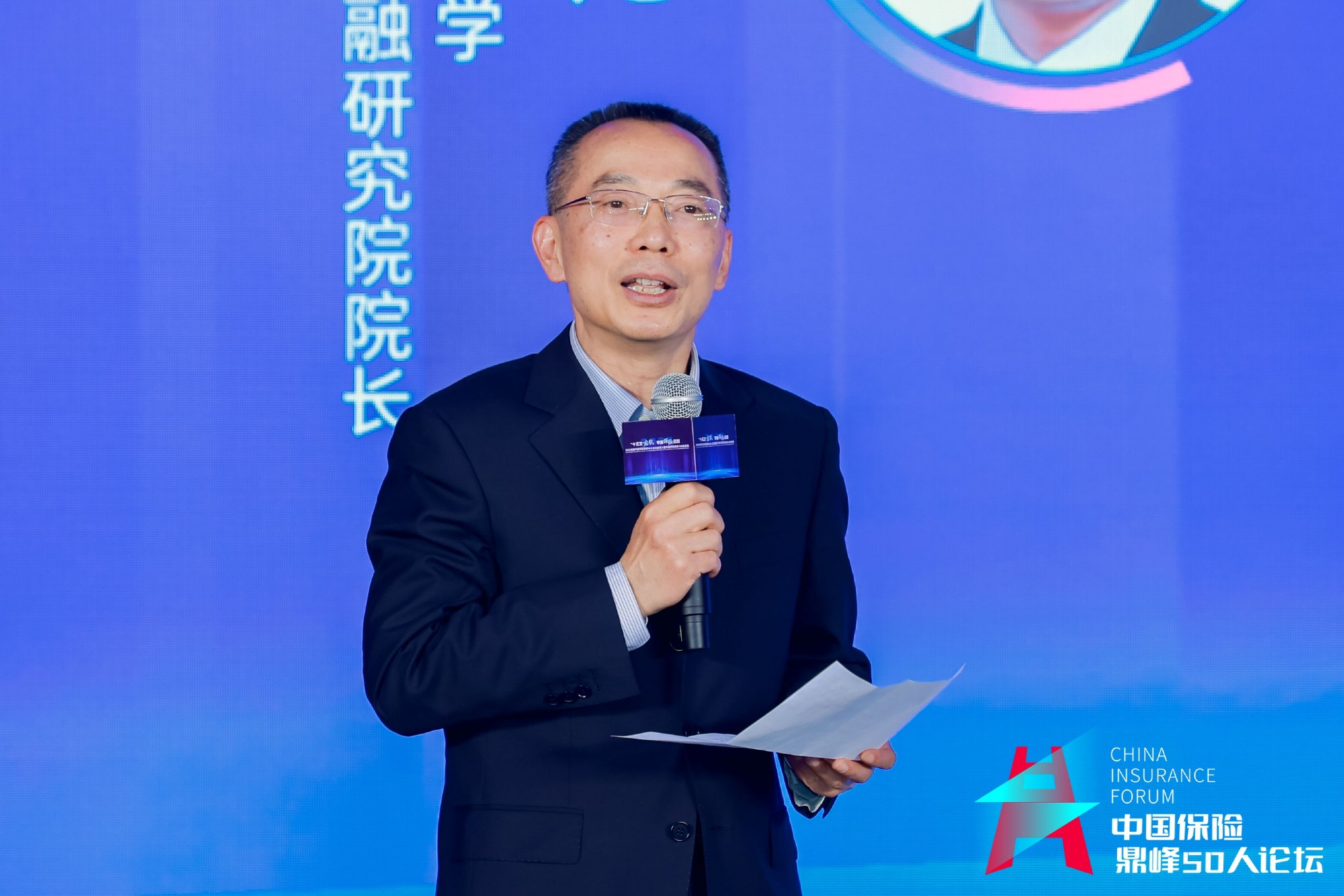
Core Viewpoint - The forum focused on the theme "'14th Five-Year Plan' Launch: Charting the Insurance Blueprint," discussing the high-quality development paths for the insurance industry during the "14th Five-Year Plan" period [6]. Group 1: Industry Development - The forum gathered nearly a hundred representatives from the "Top 108 in Chinese Insurance," along with senior experts from financial regulation, authoritative scholars, and core executives from enterprises to discuss the future development of the insurance industry [6]. - Liu Yunlong emphasized the need for a robust medical, health, and elderly care ecosystem, highlighting three key areas: industrial ecosystem construction, government-enterprise ecosystem collaboration, and policy ecosystem development [8][9]. Group 2: Industrial Ecosystem - Liu pointed out that central enterprises, insurance companies, and small and medium-sized enterprises are the three main players in the medical and elderly care sector, with insurance companies being the backbone due to their substantial financial resources and customer base [8]. - The current distribution of elderly care methods shows that home and community care account for nearly 99%, indicating a shift from the traditional "9073" model [8]. Group 3: Government-Enterprise Collaboration - Liu stressed that understanding public needs and aligning with government requirements are crucial for insurance companies to effectively serve society [9]. - Local governments play a vital role in supporting the development of medical and elderly care, which can be facilitated through state-owned assets and government procurement services [8]. Group 4: Policy Ecosystem - Liu highlighted the importance of combining financial and fiscal policies in developing the medical and elderly care sector, citing the U.S. retirement REITs market, which reached $1.4 trillion (approximately 10 trillion RMB) in 2024 [10]. - The domestic public REITs market for infrastructure is still in its early stages, with issuance scale not exceeding 200 billion RMB, but opportunities for development are expected to emerge as policies evolve [10]. Group 5: Financial Sector Involvement - By the end of 2024, the total assets of financial institutions in China are projected to reach 496 trillion RMB, with the banking sector accounting for 445 trillion RMB and the insurance sector for 36 trillion RMB [11]. - Liu suggested that relying solely on insurance funds to drive the development of medical and elderly care is insufficient, advocating for the involvement of commercial banks through financial asset investment companies (AIC) [11].
人口老龄化催生新赛道,保险业如何破解养老“内卷”困局?
Hua Xia Shi Bao· 2025-12-20 07:56
Core Insights - The aging population in China is becoming a national strategic focus, with projections indicating that by 2035, the elderly population (aged 60 and above) will exceed 400 million, accounting for over 30% of the total population [2] - The rapid growth of the elderly care industry is driven by increasing demand and supportive government policies, with the industry expected to surpass 12 trillion yuan by 2025 and 20 trillion yuan by 2030 [2] - The insurance sector is positioned as a key player in the development of a comprehensive healthcare and elderly care ecosystem, moving beyond mere payment roles to become integrators of resources and risk managers [2][4] Industry Trends - The traditional elderly care model is evolving, with home and community care now accounting for nearly 99% of services, indicating a shift in how elderly care is delivered [3] - The focus of the "14th Five-Year Plan" was on the availability of elderly care services, while the "15th Five-Year Plan" emphasizes the quality and diversity of these services [4] - The insurance industry is undergoing a transformation, moving from a reliance on human expansion and channel-driven growth to a service-driven and ecosystem-building model [4] Financial and Technological Innovations - Financial support is crucial for the development of the elderly care ecosystem, with suggestions for commercial banks to participate in funding and innovation [6] - The potential for innovative financial products in elderly care is significant, with examples from the U.S. indicating a growing market for real estate investment trusts (REITs) focused on elderly care [6] - Technology is seen as a vital tool for improving service accessibility and efficiency, addressing labor shortages, and managing long-term costs in elderly care [7] Collaborative Ecosystem Development - Effective market and government collaboration is essential for the healthy development of the elderly care industry, with insurance companies needing to align their services with government needs [5][8] - The role of government is multifaceted, acting as an enabler, planner, and regulator to support the ecosystem [8] - Differentiation and avoiding homogenized competition are critical for sustainable industry growth, with various stakeholders needing to clarify their roles and unique contributions [8]