
医药健康

Search documents
信心,从何而来?——2025四川年终经济观察(上)
Si Chuan Ri Bao· 2025-12-22 00:40
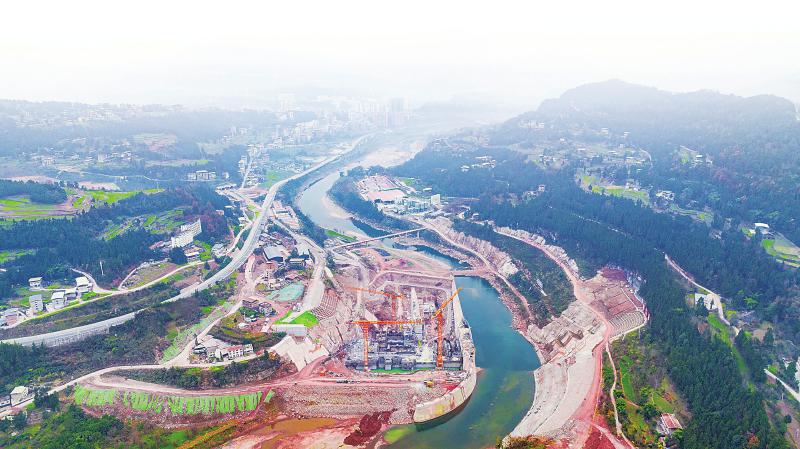
Core Insights - The article emphasizes the confidence in Sichuan's economic development driven by multiple national strategies, including the Western Development and the Chengdu-Chongqing Economic Circle [2][7] - By 2025, Sichuan is expected to showcase strong resilience and vitality in its economy, supported by the collaborative growth of its industrial, agricultural, and service sectors [12] Group 1: Economic Development and Strategy - Sichuan has maintained its position as the largest hydropower province in China for 15 consecutive years, with hydropower installed capacity exceeding 100 million kilowatts [3] - The province's economic growth is underpinned by a robust domestic market, with a projected economic scale exceeding 60 trillion yuan by 2025 [3][14] - The implementation of national strategies has led to the establishment of a modern industrial system in Sichuan, enhancing its competitive advantages [7][12] Group 2: Industrial Growth and Innovation - Sichuan's industrial sector has shown significant performance, with notable achievements in various industries such as electronics, equipment manufacturing, and energy [9][11] - The province is fostering innovation through the establishment of national laboratories and research institutions, contributing to the development of new production capabilities [7] - Key projects and infrastructure developments are being rapidly implemented, with over 320 projects in the Chengdu-Chongqing Economic Circle completing investments of 481 billion yuan, exceeding annual targets [8] Group 3: Agricultural and Service Sector Contributions - The agricultural sector is experiencing a significant expansion, with new crop varieties leading to increased yields and profitability [11][12] - The service sector has contributed 60.2% to the province's economic growth in the first three quarters, highlighting its importance in job creation and tax revenue [12] - Sichuan's consumption market is recovering, with initiatives like the "Shu Li An Yi" brand enhancing the tourism and service industries [12][14] Group 4: Market Potential and Trade - Sichuan is enhancing its position as a market hub, with initiatives to attract international trade and investment, evidenced by a stable performance in foreign trade despite global challenges [15] - The province's strategic location and infrastructure developments are facilitating the establishment of cross-continental supply chains [14][15] - The implementation of consumer policies has led to significant increases in consumption, with over 1.34 million applications for old-for-new consumer goods, driving over 161.6 billion yuan in consumption [14]

锚定“世界领先科技园区” 成都高新区跑出高质量发展加速度
Xin Lang Cai Jing· 2025-12-21 17:38
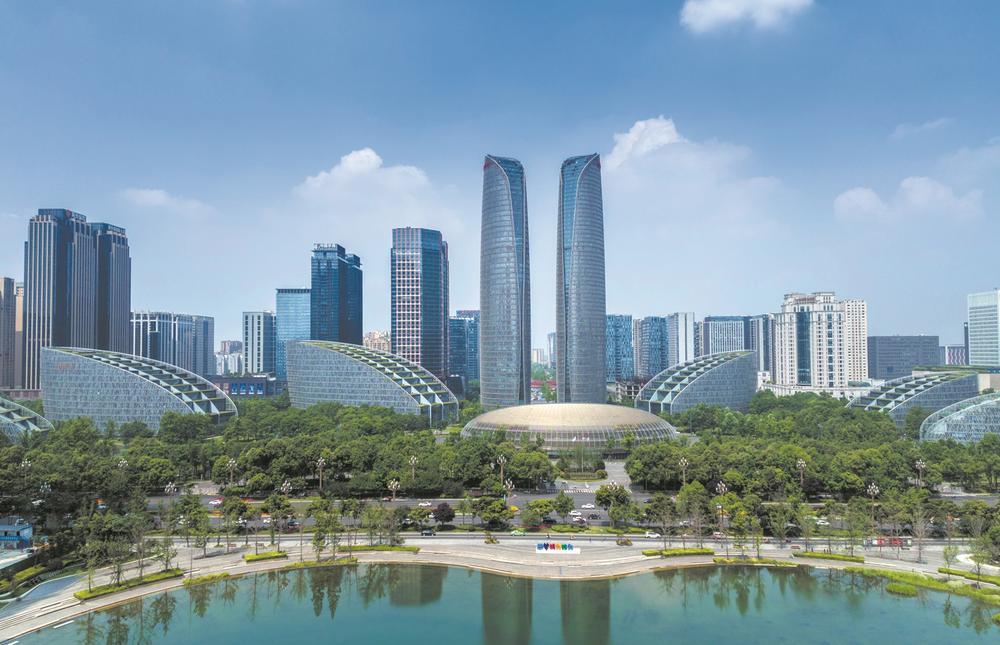
Core Viewpoint - Chengdu High-tech Zone is accelerating its development to become a world-leading technology park, supported by the municipal government's strategic positioning within the broader framework of building "five centers and five places" [3][4]. Group 1: Innovation and Technology Development - The Chengdu High-tech Zone is establishing an "innovation core - transformation node - innovation network" system to promote deep integration of technological and industrial innovation, aiming to develop new productive forces [4][6]. - The zone has built 98 pilot testing platforms covering 13 key manufacturing industry chains, serving over 4,500 pilot projects and facilitating financing of 2.85 billion yuan [6]. - Chengdu High-tech Zone collaborates with top universities and research institutions to create strategic platforms, resulting in 70 national-level innovation platforms and numerous groundbreaking innovations [5][6]. Group 2: Industry and Economic Growth - The digital cultural and creative industry in Chengdu High-tech Zone is thriving, with over 6,000 digital cultural enterprises projected to generate revenue exceeding 100 billion yuan in 2024 [8]. - The zone is also advancing in the biopharmaceutical sector, with the first domestic and second global drug for treating specific dermatitis approved for market release, alongside innovations in high-throughput automated nucleic acid extraction platforms [8]. - In the electronic information industry, a complete industrial chain has been established, with significant advancements in AMOLED technology and AI-driven products [9]. Group 3: International Cooperation and Market Environment - The establishment of the Singapore Innovation Cooperation Center aims to enhance international collaboration and attract Southeast Asian innovation resources, facilitating local enterprises' global expansion [11]. - Chengdu High-tech Zone is committed to optimizing the business environment to attract and retain enterprises, focusing on market-oriented reforms and enhancing the openness of the economy [11][12]. - The zone is also working on modern governance systems to support its development as a world-leading technology park, emphasizing data-driven governance and public service optimization [12].
【滨州日报评论员文章】聚焦实体经济打造先进制造业强市——论深入学习贯彻市委十届十次全会精神
Xin Lang Cai Jing· 2025-12-21 16:36
Group 1 - The core viewpoint emphasizes the importance of manufacturing as the foundation of the nation and the basis for a strong country, with a focus on building a modern industrial system and advanced manufacturing city during the "14th Five-Year Plan" period [1] - The city aims to enhance the high-end development of traditional industries and scale up emerging industries, while promoting the park-based development of characteristic industries [2] - The strategy includes fostering new and future industries as growth drivers, with a focus on high-end equipment, new energy materials, and healthcare sectors [3] Group 2 - The plan highlights the need for high-quality service support and solid factor guarantees to enhance the advanced manufacturing sector, including the development of modern service industries and infrastructure [4] - It calls for the establishment of a quality infrastructure and brand-building initiatives to create high-end regional public brands with local characteristics [4] - The city is committed to implementing a comprehensive standardization innovation action to improve quality and ensure safety in water resources [4]
助力科技创新转化为产业动能,“星火倡议”在京发布
Bei Jing Ri Bao Ke Hu Duan· 2025-12-21 13:53
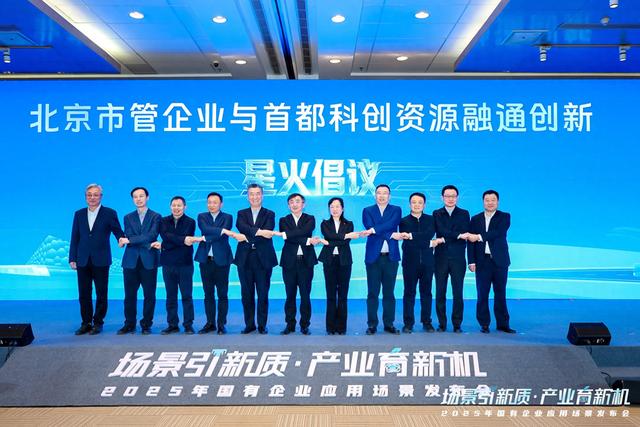
据中关村发展集团相关负责人介绍,自去年12月发布以来,"星火行动计划"共计12项重点合作项目获得 扎实进展。与北京电控合作布局集成电路产线,共同设立集成电路产业并购基金,投资人工智能算力基 础设施运营;与京城机电合作,成功推动西安交大金属材料强度全国重点实验室成果转化项目的中试基 地落地;与北京银行、京东方、北控集团、一轻控股等企业,依托中关村论坛平台,量身定制专场活 动,助力其链接全球资源、提升品牌影响力…… 今年以来,中关村发展集团还组织40家市管企业的90余名一线科技人员开展技术经理人培训,持续夯 实"懂技术、懂产业、懂资本、懂转化"的专业队伍。 此外,持续"投早投小投长期投硬科技",中关村发展集团先后领投了诺诚健华、微芯感知、芯智达、银 河通用、齐碳科技等科学家创业项目、新型研发机构项目及高校院所科技成果转化项目,强化"耐心资 本"供给,构建市场化专业化母子基金体系,目前管理基金规模近600亿元。 转自:北京日报客户端 在科技创新浪潮奔涌、产业变革加速演进的当下,如何打通从科技强到产业强、经济强的通道,是摆在 北京面前的重要课题。12月20日,一项旨在深度连接首都产业资源与丰富科创资源的"星火倡议"在 ...
佛山“十四五”连跨三个千亿台阶,提前卡位智算时代
2 1 Shi Ji Jing Ji Bao Dao· 2025-12-17 13:50
Core Insights - The core theme of the articles is the transformation and high-quality development of Foshan's economy during the "14th Five-Year Plan" period, focusing on industrial upgrades and technological integration in manufacturing [1][2][3]. Economic Development - Foshan's economic output has crossed three trillion yuan thresholds, reaching 1.33 trillion yuan in 2024, with stable overall development in the current year [1]. - The city has attracted nearly 400 billion yuan in social capital investment over the past five years, with 78.7% of large-scale industrial enterprises undergoing digital transformation [1][3]. Industrial Upgrades - Foshan is focusing on the intelligent and green transformation of traditional industries, which constitute a significant part of its economy, with two trillion-level and ten hundred-billion-level industrial clusters [3][4]. - The city has implemented 25 measures to promote digital transformation, resulting in an average production efficiency increase of 16%, an 8% reduction in product defect rates, a 17% decrease in production costs, and a 20% shortening of delivery cycles [3]. Green Transformation - Foshan is emphasizing green technology in manufacturing, with the establishment of 99 green factories and 31 green supply chain enterprises during the "14th Five-Year Plan" [4]. - The city aims to accelerate the green transformation of production methods to align with environmental standards in the Greater Bay Area [4]. Technological Integration - The integration of massive data from digitalization with artificial intelligence is advancing the upgrade of traditional industries into a new phase of "smart manufacturing" [5]. - Foshan has introduced policies to enhance smart manufacturing and robotics, significantly improving work efficiency in various production scenarios [5]. Emerging Industries - Foshan is strategically developing emerging industries while leveraging its strong manufacturing base, focusing on innovation and project introduction to support long-term growth [7][8]. - The city has established a robust platform for research and development, including numerous provincial laboratories and engineering technology research centers, to foster innovation [7]. Healthcare and Semiconductor Industries - Foshan is developing specialized parks for the healthcare industry, becoming a leading production base for dental equipment and rehabilitation aids [8]. - In the semiconductor sector, Foshan has attracted significant investment for projects like the ABM self-developed lithography machine and is building a complete industrial chain [9]. Future Outlook - Foshan aims to continue its industrial transformation by focusing on upgrading traditional industries and nurturing new productive forces, with a commitment to sustainable development [10].
成都高新区:加快建设世界领先科技园区
Sou Hu Cai Jing· 2025-12-17 08:17
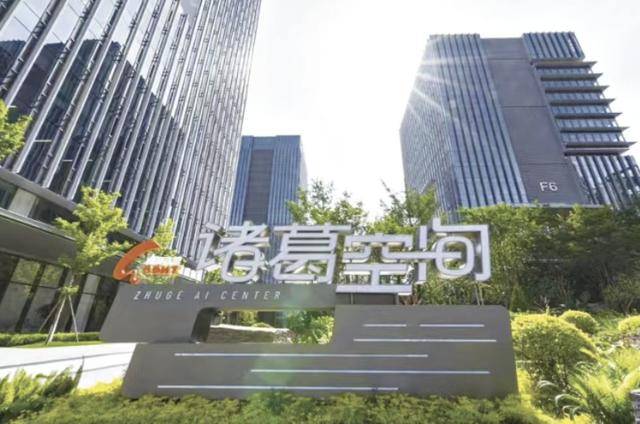
在成渝地区双城经济圈建设的战略棋局中,成都高新区正以创新为笔、产业为墨,书写着高质量发展的 时代答卷。2025年前三季度,成都高新区GDP达2696.2亿元,同比增长6.1%,占全市比重14.8%。 作为全国首批国家级高新区、西部首个国家自主创新示范区,成都高新区锚定"建设世界领先科技园 区"的奋斗目标,以"发展高科技,实现产业化"为初心,在培育新质生产力的道路上勇毅前行,全力扛 起四川省、成都市经济建设"主引擎""压舱石"的重任。 优势产业筑基 锻造高质量发展"硬支撑" 产业是城市发展的根基,更是新质生产力的主要载体。成都高新区深入实施"立园满园"行动,聚焦电子 信息、医药健康、数字经济三大优势产业,构建起特色鲜明、优势互补的现代化产业体系。 电子信息产业作为核心支柱,正加速向"高"进阶。 近日成都沃格项目建设传来捷报:首台设备正式搬运进场,标志着由沃格光电投资6.28亿元建设的全球 首批、国内首条8.6代AMOLED玻璃基光刻蚀精加工产线即将进入设备调试阶段,预计2026年1月中旬 开启全自动蚀刻ECI产线的试运行和产品开发。 成都沃格项目仅仅是成都高新区电子信息产业高质量发展的一个缩影。成都高新区电子信 ...
农村居民人均可支配收入超4.3万元!佛山城乡共富迈出坚实步伐
Nan Fang Nong Cun Bao· 2025-12-17 08:05
Core Viewpoint - The report highlights the significant economic and social achievements of Foshan during the "14th Five-Year Plan" period, emphasizing the city's commitment to high-quality development and common prosperity, with rural residents' per capita disposable income exceeding 43,000 yuan [1][45]. Economic Development - Foshan's economic total is projected to reach 1.33 trillion yuan by 2024, having crossed three trillion yuan thresholds in the past five years [7][8]. - The city has established ten industrial clusters with a scale of over 100 billion yuan, and the number of industrial enterprises above designated size has surpassed 10,000 [12]. - Advanced manufacturing's contribution to the industrial added value has increased to 54.8% [13]. Technological Innovation - Foshan has invested nearly 400 billion yuan in technological transformation, with 78.7% of industrial enterprises implementing digital transformation [14]. - The city has been recognized as a national new-type industrialization demonstration base and a pilot city for the digital transformation of small and medium-sized enterprises [16]. Investment and Infrastructure - Foshan has established a 20 billion yuan new momentum industry fund, attracting over 3,000 projects with a total investment of 1.8 trillion yuan [17][18]. - The city has become the largest industrial robot production base in the country, with the pharmaceutical health industry revenue exceeding 100 billion yuan [19]. Urban and Rural Development - The per capita disposable income of rural residents has increased by 33% compared to 2020, with 87 rural communities achieving "billion-yuan village" status [45][46]. - The urban-rural income ratio has improved to 1.6:1, better than the national and provincial averages [46]. Social Services and Quality of Life - Foshan has created 53,700 new jobs and has been recognized as a national pilot city for enhancing public employment service capabilities [65]. - The city has continuously improved public services, with significant increases in educational resources and healthcare facilities [66][67].

报告:中国科技50强营收增长率较去年略有下降
第一财经· 2025-12-17 04:41
Core Insights - The average three-year cumulative revenue growth rate for the top 50 high-tech companies in China is 490%, showing a slight decline compared to 2024, while the revenue growth rate for the top 10 companies remains stable [3][4]. - The proportion of companies with revenue between 50 million and 100 million yuan has increased to 38%, while those with revenue over 100 million yuan remains at 44%, indicating a rise in the share of small and medium-sized enterprises [3]. - The Greater Bay Area accounts for 52% of the top 50 companies, with Shenzhen, Shanghai, Beijing, and Guangzhou leading, highlighting the importance of first-tier cities in nurturing tech enterprises [3]. Revenue Distribution - The hardware industry leads with a 28% share, followed by high-end equipment at 18%, benefiting from growth in the semiconductor sector and strong performance in intelligent manufacturing [3]. - Clean technology has seen an increase to 10% due to the inclusion of more new energy companies, while software and life sciences have declined, and the internet sector has experienced a significant drop, reflecting a trend towards hard technology [3][4]. Key Drivers and Challenges - Talent, capital, and AI R&D investment are identified as the three key drivers for technological innovation among companies [4]. - 23% of the top 50 companies and 66% of the rising stars allocate over 50% of their revenue to AI R&D, but they face challenges such as a shortage of high-tech talent, insufficient application of AI in business scenarios, and rising R&D costs [4][5]. Future Trends - The global tech industry is undergoing a deep transformation driven by AI, with trends including computational sovereignty competition, the rise of open-source model ecosystems, and the evolution of AI agents [5]. - From 2025 to 2030, China is expected to enter a period of explosive growth in "AI + manufacturing/new energy/life sciences," becoming a beneficiary and backup provider in the global "computational replacement of labor" landscape [5]. - The technology sector in China is enhancing innovation through five key areas: AI penetration, iteration of computational and connectivity technologies, robotics breakthroughs, advancements in energy and green technology, and the rise of space and low-altitude economies [5]. Health Sector Insights - Over 60% of the companies listed in the 2025 China Pharmaceutical and Health Rising Stars report have valuations exceeding 1 billion yuan, with innovative drugs and medical devices accounting for 80% of the most dynamic sectors [5]. - The Yangtze River Delta, Beijing-Tianjin-Hebei, and Pearl River Delta regions are identified as key innovation hubs in the pharmaceutical and health sector, hosting nearly 90% of the listed companies [5].

疏解、治理、升级,北京要走一条与众不同的发展之路
Bei Jing Qing Nian Bao· 2025-12-13 00:42
Group 1 - The core idea emphasizes the importance of effective urban management to enhance the quality of life in cities, particularly in Beijing, which aims to explore a new path for governance in mega-cities through its 15th Five-Year Plan [1] - The plan focuses on alleviating non-capital functions and managing population flow to enhance the carrying capacity of urban centers and suburban areas [1][2] - Beijing's strategy includes integrating neighboring regions and leveraging its advantages in technology, finance, and talent to support the development of the Tianjin and Hebei areas [2] Group 2 - Urban renewal is a key focus, with plans to renovate old residential areas and protect historical sites while ensuring safety and stability in the city [3] - The city aims to develop a higher-level open economy, optimize the business environment, and foster innovation in sectors like healthcare, artificial intelligence, and modern finance [4] - Beijing's development path is distinct from other mega-cities, aiming for a balance between safety, livability, and cultural richness, ultimately contributing to global urban governance exploration [4]
豫园股份20251208
2025-12-08 15:36
Summary of Yuyuan Group's Conference Call Company Overview - Yuyuan Group aims to become a global leader in the family happiness consumption industry, driven by a dual strategy of industrial operation and investment, with a focus on Oriental lifestyle aesthetics [2][3] - The company owns 19 time-honored Chinese brands and several leading domestic and international brands, accelerating its internationalization efforts [2][3] Core Business Structure - The core business segments include: - Industrial Operation: 73% of revenue, approximately 340 billion [4] - Property Development and Sales: 21% of revenue, approximately 10 billion [4] - Commercial Operations and Property Services: 6% of revenue, approximately 2.85 billion [4] - The increase in industrial operation's revenue share and the decrease in real estate indicate the company's focus on improving efficiency and risk resilience [2][4] Key Revenue Sources - Jewelry and Fashion: Main revenue source, accounting for 64% of total revenue, driven by brands like Laobao and Yayi, covering both affordable and high-end markets [5] - Restaurant Management and Services: Revenue of 649 million in the first three quarters, down 30% year-on-year, but with a high gross margin of over 65% [5] - Other segments include Food and Beverage, Health Products, Cosmetics, and Watchmaking, each contributing to the overall revenue with varying growth rates and margins [6] Strategic Initiatives - The establishment of Yuyuan Commercial Real Estate Group focuses on cultural tourism, industrial office, and high-end residential scenarios, accelerating the exit from non-core assets [6] - The company plans to stop pure real estate projects and shift towards commercial complex operations, with the Yuyuan commercial area in Shanghai as a core property [6] International Expansion - Yuyuan Group has made significant strides in international markets, with various business segments like lantern festivals, jewelry, and dining already established overseas [8][9] - The lantern festival has been showcased in Paris and is set to expand to Vietnam, Thailand, and Singapore, generating revenue through ticket sales and brand partnerships [8] - Jewelry brands have opened stores in Macau and Kuala Lumpur, while restaurant brands like Songhelou have launched in London, enhancing the international presence [8][9] Future Performance Outlook - 2025 is expected to be a year of adjustment, focusing on asset divestiture and optimizing jewelry store operations, which may impact financial statements [10] - By 2026, the disposal of non-core assets is expected to be nearing completion, with revenue recognition from new projects and growth in international business anticipated to improve overall performance [10] - The long-term outlook remains positive, with expectations for brand enhancement in the jewelry sector, continuous revenue recognition from commercial complexes, and growth in international operations [10]
