快消品

Search documents
宗馥莉辞职早有端倪,律师称“娃小宗”与娃哈哈存在不正当竞争风险
Di Yi Cai Jing· 2025-10-11 10:15
Core Viewpoint - The resignation of Zong Fuli from her position at Wahaha Group indicates a strategic shift towards her new brand "Wawaixiong," suggesting a complex relationship between the two entities and potential competition in the future [1][4][5]. Group 1: Resignation and Strategic Shift - Zong Fuli resigned from her roles at Wahaha Group on September 12, just over a year after taking office, raising questions about her sudden departure [1]. - Her resignation aligns with the earlier registration of the "Wawaixiong" brand, hinting at a premeditated strategy to establish a new identity separate from Wahaha [1][5]. - Zong Fuli's previous statements emphasized her commitment to her vision and decision-making authority, indicating a desire to pursue her own path regardless of external pressures [3][4]. Group 2: Brand Development and Market Position - The "Wawaixiong" brand has been in development, with multiple trademarks registered by Hongsheng Group, a company controlled by Zong Fuli, covering various product categories [6]. - The transition to "Wawaixiong" is partly due to legal risks associated with the Wahaha brand, necessitating a rebranding strategy to mitigate these risks [7][8]. - Industry experts suggest that "Wawaixiong" may serve as a defensive measure for Zong Fuli, although its viability as a long-term solution remains uncertain [8]. Group 3: Corporate Structure and Relationships - The ownership structure of Wahaha Group complicates the use of its brand, with significant stakes held by various parties, including Zong Fuli and the Hangzhou municipal government [7]. - Zong Fuli's previous management challenges and the potential for conflict among shareholders may have influenced her decision to step back and focus on her new venture [7][8]. - The relationship between Wahaha and Hongsheng Group is characterized as complementary, but the emergence of "Wawaixiong" could lead to direct competition in the market [6][8].


宗馥莉决绝出走 娃哈哈该如何重新出发
Mei Ri Jing Ji Xin Wen· 2025-10-11 03:04
Core Viewpoint - The resignation of Zong Fuli from Wahaha Group marks a significant shift in the company's management structure, indicating her transition to a financial investor role rather than a decision-maker [1][2]. Group 1: Resignation and Management Changes - Zong Fuli officially resigned from her positions as legal representative, director, and chairman of Wahaha Group on September 12, retaining only her status as the second-largest shareholder with a 29.4% stake [1]. - The resignation has led to intense discussions regarding Wahaha's future direction, with the emergence of a new brand "Wawaizong" as a clear signal of Zong's departure from Wahaha's management [1][3]. - Following her resignation, the Shanghai Wahaha Drinking Water Company was forced to stop using the "Wahaha" brand due to expired trademark authorization, launching a new brand "Huxiaowawa" instead [1][3]. Group 2: Strategic Implications - Zong Fuli's resignation appears to be a well-considered decision rather than a tactical retreat, as she faced limitations in controlling the brand and profit distribution within Wahaha Group [2][4]. - The creation of the new brand "Wawaizong" is a strategic move to circumvent the challenges posed by the Wahaha trademark, allowing Zong to compete without legal or ethical constraints [3]. - The departure of Zong Fuli raises questions about the future of Wahaha Group, particularly regarding its core assets and operational capabilities, which are seen as critical to resolving ongoing conflicts [4]. Group 3: Market Dynamics and Future Outlook - The fast-moving consumer goods market is highly competitive, and Zong Fuli's new brand will face significant challenges in gaining market share [4]. - The unresolved issues surrounding Wahaha's ownership and asset management could hinder its ability to adapt and thrive in the current market landscape [4]. - The key question remains who will succeed Zong Fuli and whether they can effectively balance and integrate the interests of various stakeholders to revitalize the Wahaha brand [4].
宗馥莉决绝出走,娃哈哈该如何重新出发
Mei Ri Jing Ji Xin Wen· 2025-10-11 02:12
Core Viewpoint - The resignation of Zong Fuli from Wahaha Group marks a significant shift in the company's management structure, indicating her transition to a financial investor role rather than a decision-maker [1][2][4]. Group 1: Resignation and Management Changes - Zong Fuli officially resigned from her positions as legal representative, director, and chairman of Wahaha Group on September 12, retaining only her status as the second-largest shareholder with a 29.4% stake [1]. - The resignation has led to intense discussions regarding Wahaha's future direction, with the emergence of a new brand "Wawaizong" as a clear signal of Zong's departure from Wahaha's management [1][4]. - Following the resignation, Wahaha's water division was forced to stop using the "Wahaha" brand due to expired trademark authorization, launching a new brand "Huxiaowawa" instead [1][4]. Group 2: Strategic Implications - Zong Fuli's resignation appears to be a well-considered decision rather than a tactical retreat, as she faced limitations in controlling the brand and profit distribution within Wahaha Group [2][5]. - The creation of the new brand "Wawaizong" is a strategic move to circumvent the challenges posed by the Wahaha brand, which has become a barrier for her business ambitions [4][5]. - The competitive landscape in the fast-moving consumer goods market is highly challenging, and Zong Fuli's departure from Wahaha may initiate a new phase of competition [5]. Group 3: Future Outlook - The future of Wahaha Group remains uncertain, with the potential for significant restructuring needed to unify brand ownership and profit distribution [5][6]. - The key question is who will succeed Zong Fuli and whether they can effectively balance and integrate the interests of various stakeholders to revitalize the Wahaha brand [6].

健康浪潮下的三得利乌龙茶和中国消费者关系
Sou Hu Cai Jing· 2025-09-26 10:21
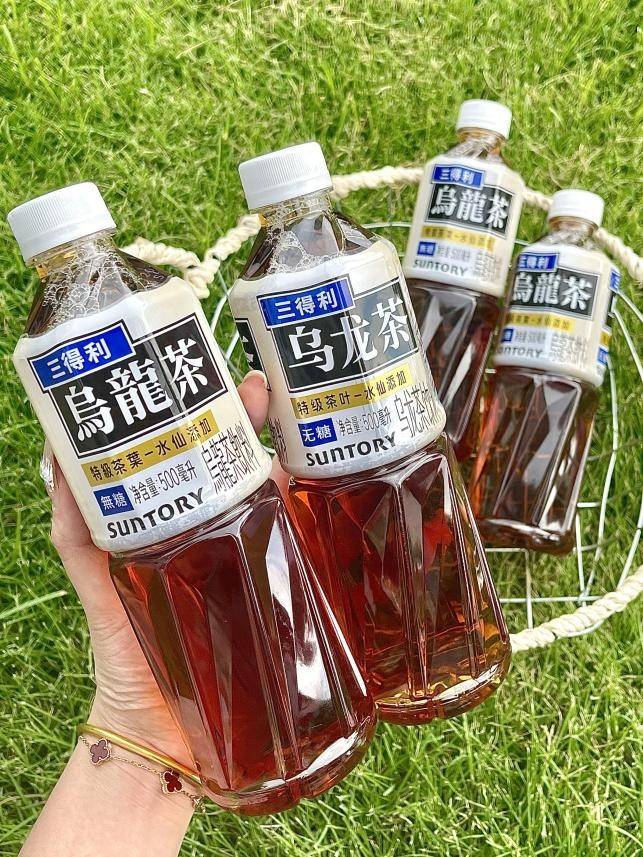
Core Insights - Suntory Oolong Tea has successfully integrated into the daily lives of consumers by combining product quality with diverse consumption scenarios, making it a popular choice among young people [1][4][8] Group 1: Brand History and Development - Suntory's brand story dates back to 1899 when founder Shinjiro Torii established a small family-run shop in Osaka, evolving into the well-known brand it is today [1] - The brand has maintained a commitment to quality and innovation throughout its over a century-long development, which is reflected in its tea products [1] Group 2: Product Quality and Consistency - Suntory Oolong Tea emphasizes consistent quality through careful selection of raw materials and modern production techniques, ensuring stable performance across different batches and channels [4] - The introduction of Suntory Oolong Tea in China in 1997 not only showcased the appeal of sugar-free Oolong tea but also expanded the tea beverage market [4] Group 3: Cultural Connection and Consumer Acceptance - The brand's deep connection with tea culture enhances its recognition among consumers, as both Japanese and Chinese consumers share a long-standing tea-drinking tradition [6][8] - Suntory Oolong Tea's ability to resonate culturally allows it to be accepted across various age groups and social settings, reinforcing its presence in everyday life [6][8] Group 4: Market Positioning and Lifestyle Integration - The brand's insights into consumer habits have led to the expansion of usage scenarios, transforming Oolong tea from a mere beverage into a lifestyle symbol [8] - Suntory Oolong Tea has evolved from a small shop over a century ago to a well-known brand across Japan and China, continuously reshaping young people's perceptions of tea beverages [8]
假日经济|中秋礼盒主打“实惠显贵”,亲民平价拉动市场回暖
Di Yi Cai Jing· 2025-09-25 09:00
Core Insights - The Mid-Autumn Festival gift box market is shifting towards more affordable pricing, with popular products priced around 99 yuan for four boxes or 100 yuan for five boxes, indicating a stabilization in the market after a decline earlier in the year [1][2] - The overall pricing of mainstream gift boxes has decreased compared to last year, with many items priced below 100 yuan, leading to increased market activity compared to the same period last year [1][2] - The sales of traditional beverage and milk gift boxes have shown signs of recovery, attributed to the more consumer-friendly pricing strategies adopted by sellers [1][2][3] Industry Trends - Manufacturers and distributors are adopting a rational mindset, with some well-known brands pricing their gift boxes low and operating on thin margins to boost sales, although some distributors report a 20-30% decline in market activity [2] - The fast-moving consumer goods (FMCG) gift box market has been underperforming in recent years, particularly during the Spring Festival, which has negatively impacted the performance of related publicly listed companies [2] - The shift towards affordable gift boxes is influenced by multiple factors, including criticism of "sky-high gift boxes," changing consumer attitudes favoring actual value over packaging, and a general market fatigue towards extravagant products [3]

尼尔森IQ第二届商业新锐计划总决赛成功举办 助力中国新兴品牌崛起
Sou Hu Cai Jing· 2025-09-25 01:31
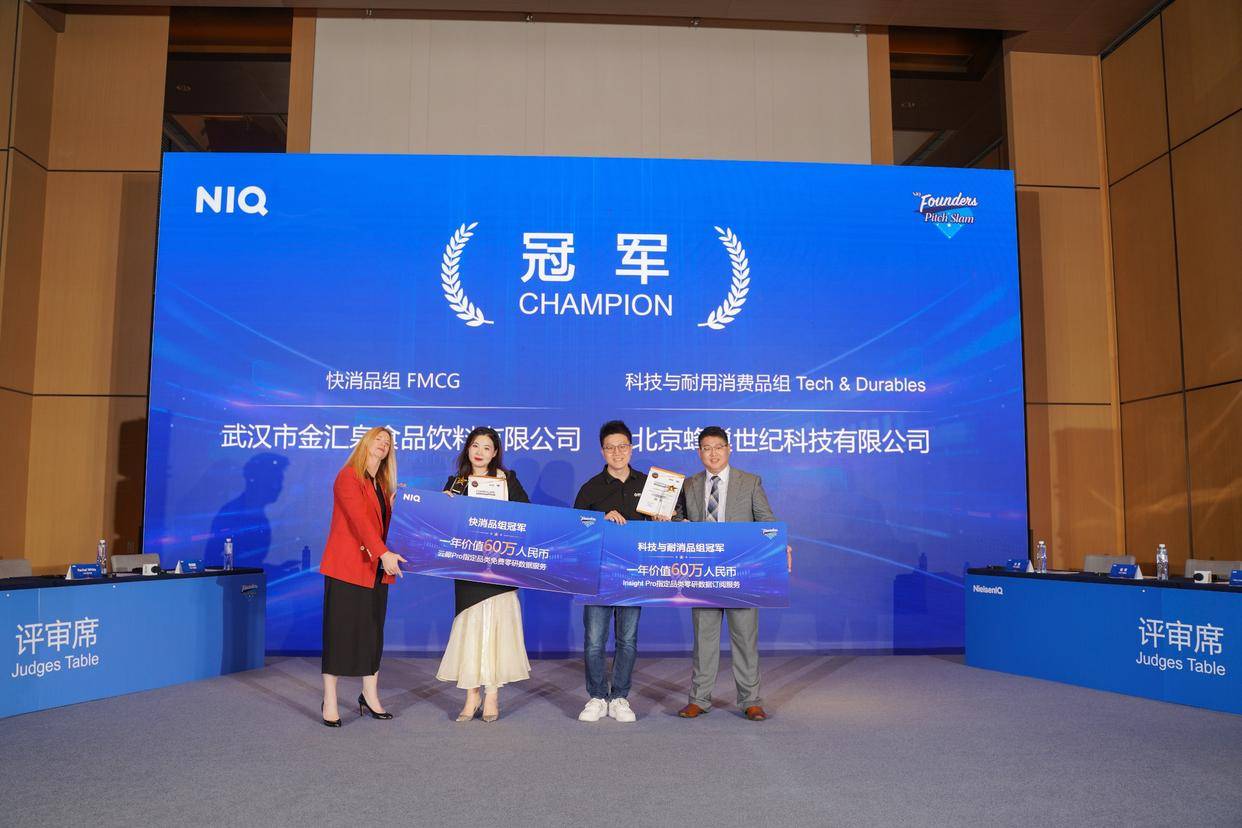
Core Insights - The conference "Breaking Boundaries: Growth in the New Consumption Era" organized by NielsenIQ (NIQ) highlighted the structural changes and growth opportunities in China's retail market driven by innovation [1][3] - The "2025 NIQ BASES Breakthrough Innovation List" was unveiled, showcasing the importance of new products as a growth engine in the retail sector [11][13] Group 1: Event Overview - The event gathered experts and business leaders to discuss consumer behavior changes and market trends in the context of innovation [1] - The second edition of the "Commercial New Talent Program" concluded with seven emerging brands competing, with "Jin Hui Yuan Quan" and "Jie Huan" winning in their respective categories [1][7] Group 2: Brand Innovation and Support - NIQ emphasizes the role of innovation as a core driver for brands, providing data tools and industry insights to support sustainable growth [3][5] - The competition aims to support emerging brands by offering comprehensive data analysis and expert guidance to help them establish market positioning and product innovation [6][5] Group 3: Consumer Trends and Market Dynamics - New products are becoming crucial for sales growth, with significant increases in market share and category growth observed across various sectors [11][13] - The retail landscape is evolving, with a notable shift towards online and offline integration, and a focus on enhancing consumer experiences [17][18] Group 4: Future Outlook - The competition and insights shared at the conference reflect a commitment to fostering innovation and supporting local brands in navigating the rapidly changing consumer landscape [8][20] - The importance of understanding diverse consumer segments, including Generation X, is highlighted as a key factor for brands to remain competitive in the market [15][18]
对话尼尔森IQ:新消费浪潮下中小企业要从渠道与消费者找突破口
2 1 Shi Ji Jing Ji Bao Dao· 2025-09-23 09:39
Group 1 - The core viewpoint of the articles highlights the steady growth of consumer spending in China, with a 3.4% year-on-year increase in retail sales in August and a 9.6% increase in online retail sales from January to August [1][2] - The retail channel landscape is undergoing significant restructuring, with a tighter integration of online and offline channels, and the emergence of new retail formats such as "flash sales" and "interest e-commerce" [2][6] - New consumer brands are increasingly focusing on long-term brand building rather than short-term sales spikes driven by "internet celebrity" marketing strategies, as the initial flow of traffic begins to wane [3][4] Group 2 - Key challenges faced by small and medium-sized enterprises (SMEs) include channel transformation (42% of surveyed SMEs), building consumer loyalty (30%), and attracting first-time consumers (28%) [5] - The importance of understanding consumer needs and adapting product strategies is emphasized, as consumer preferences continue to evolve [4][5] - Companies are advised to balance long-term trends, such as technological advancements and demographic shifts, with short-term trends that reflect immediate consumer desires [7][8][9]
CFOs On the Move: Week ending Sept. 19
Yahoo Finance· 2025-09-19 10:00
Executive Changes - Opendoor's CFO, Selim Freiha, has left the company effective immediately, with Christy Schwartz appointed as interim CFO [2] - OpenAI has hired Mike Liberatore as its business finance officer, overseeing AI infrastructure spending [3] - Unilever appointed Srinivas Phatak as its new finance chief, having been with the company for 26 years [4] - Market Basket's CFO, Donald Mulligan, has been named interim CEO following the removal of Arthur T. Demoulas [5] - Insulet has appointed Flavia Pease as CFO, effective September 30, transitioning from her previous role at Charles River Laboratories [6]



【下载报告】盯紧碎片化需求,小步快跑占先机
凯度消费者指数· 2025-09-16 03:52
Core Insights - The fast-moving consumer goods (FMCG) market is undergoing structural changes due to slowing macroeconomic growth, negative population growth rates, and fragmented consumer touchpoints, leading to a low growth period with a projected 1.8% year-on-year sales increase in the first half of 2025 [1] - Despite the overall slowdown, market demand remains strong, with an expected 4.3% year-on-year increase in average household purchase volume in the FMCG market in the first half of 2025, driven by increased purchase frequency [4] - Consumer behavior is shifting towards "demand-based purchasing" and brands need to respond accurately to real-time scenario demands, while also addressing the differences in media and shopping behaviors across generations [4] Market Dynamics - 80% of covered categories are experiencing increased purchase frequency, with scenario exploration becoming a key growth driver; non-traditional meal times are emerging as significant sources of growth [6] - The consumption patterns of different generations are evolving, with older generations focusing on self-consumption and health, while younger generations balance family responsibilities with personal values [9][12] Product Innovation - Brands must enhance product experiences to appeal to rational consumers, focusing on immediate effectiveness, novelty, and convenience [13] - Emotional and value-driven consumption is becoming a new motivator, with brands integrating social value propositions to resonate with consumers [16] Strategic Recommendations - Brands should return to a user-centric approach, leveraging insights to drive comprehensive strategies, identifying fragmented demands, and exploring high-potential scenarios [17] - The combination of extreme product experiences with clear functional communication, alongside emotional storytelling and value resonance, is essential for building lasting connections in a fragmented consumption era [17]

深度分销救了销量,却落入了“低人效”陷阱
3 6 Ke· 2025-09-15 04:26
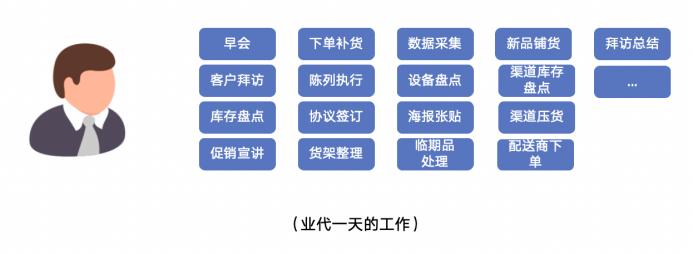
Core Viewpoint - The fast-moving consumer goods (FMCG) industry is trapped in a "low labor efficiency" dilemma due to its deep distribution model, which requires extensive manpower and repetitive tasks to manage sales across various channels and markets [1][2][20]. Group 1: Characteristics of Deep Distribution Model - The deep distribution model is characterized by multi-level coverage from urban to rural markets, necessitating a large sales force [1]. - Collaboration between manufacturers and distributors is essential for effective sales operations, requiring significant communication and coordination [1]. - The FMCG sector has a dense network of sales points, leading to high product turnover and frequent restocking needs [1]. - Impulse buying behavior in FMCG necessitates substantial investment in point-of-sale marketing to drive product sales [1]. Group 2: Challenges in Labor Efficiency - The complexity and repetitiveness of tasks faced by sales personnel contribute to low labor efficiency, with performance often measured solely by sales outcomes [2][3]. - The phrase "thousands of lines above, one needle below" illustrates the overwhelming nature of tasks assigned to sales staff, leading to confusion and inefficiency [2]. - Despite numerous tasks completed, the lack of effective performance metrics results in a persistent issue of low labor productivity in the industry [2]. Group 3: Digital Transformation for Efficiency Improvement - The formula for labor efficiency is defined as output per individual, highlighting the need for improved conversion of labor costs into business benefits [3]. - Digital transformation initiatives focus on enhancing collaboration efficiency and individual task efficiency through the implementation of digital systems like SFA and DMS [4][5][6]. - The digital transformation aims to streamline processes and reduce the time spent on individual tasks, thereby improving overall productivity [5][6]. Group 4: Industry Development Stages - The FMCG industry can be divided into three stages: rapid growth, slowing growth, and intensified competition, each with distinct challenges and technological advancements [11][13][14][16]. - In the rapid growth phase, digital management processes were established to enhance efficiency and reduce paperwork [13]. - The slowing growth phase saw the introduction of AI technologies to improve sales personnel efficiency and motivation through refined performance management [14]. - The current phase of intensified competition emphasizes the need for data-driven management and the application of generative AI to enhance labor efficiency [16][17][19]. Group 5: Future Directions - Future labor efficiency management will likely focus on quality terminal operations and data-driven task management, reducing reliance on subjective experience [19]. - The role of AI in task assignment and management is expected to increase, leading to a more streamlined and efficient sales process [19].