
脑机接口

Search documents
默茨访华杭州行:强脑科技韩璧丞亮相中德企业交流活动
Xin Lang Cai Jing· 2026-02-27 14:24
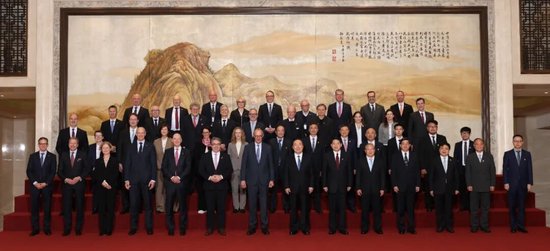
Group 1 - German Chancellor Merz visited Hangzhou, where a delegation of nearly 30 German economic representatives engaged with 10 Chinese companies from sectors such as artificial intelligence, brain-computer interfaces, humanoid robots, and new energy vehicles [1][3][11] - The German representatives included major companies like BMW, Mercedes-Benz, Siemens, Adidas, and DHL, while Chinese representatives showcased firms like Zhejiang's Chint Group, Geely, Alibaba, and emerging tech companies like BrainCo and Yushu Technology [3][13] Group 2 - The collaboration between China and Germany is evolving from traditional manufacturing to deeper integration in soft ecosystems, with Zhejiang aiming to establish itself as a global advanced manufacturing hub [4][14] - In the automotive sector, there is a multi-dimensional cooperation where German car manufacturers leverage their brand and mechanical advantages, while Chinese companies excel in core components for new energy vehicles and smart cockpit technologies [5][15] - The partnership extends beyond automotive to traditional sectors like chemicals, with calls for reinventing cooperation methods to adapt to a rapidly changing world [6][15] Group 3 - Companies like BrainCo and Yushu Technology represent a new wave of collaboration, focusing on future industries such as non-invasive brain-computer interface technology, with significant revenue coming from the German market [6][16] - DHL's CEO highlighted China's rapid advancements in logistics robotics and technology innovation, indicating strong partnerships with local developers [6][16] - The current development strategies of China and Germany align closely, emphasizing pragmatic cooperation for mutual benefit, particularly in green energy transitions [9][18]






脑机接口或迎黄金发展期,机构看好行业商业化加速放量
Xin Hua Cai Jing· 2026-02-27 11:56
Group 1 - The core viewpoint of the articles highlights the emerging opportunities in the brain-computer interface (BCI) sector, driven by national strategies, local policies, and global competition, indicating a potential golden development period for the industry [1][2] - The Chinese brain-computer interface market is projected to reach a scale of 5.58 billion yuan by 2027, and the overall market size is expected to exceed 120 billion yuan by 2040, reflecting significant growth potential [2] - The industry is witnessing increased capital activity, with notable financing rounds such as Neuralink's recent $650 million funding, bringing its total to over $1.3 billion, and domestic companies like Qiangnao Technology securing approximately 2 billion yuan in funding [1] Group 2 - The policy environment is supportive, with the government implementing measures across various critical areas, including innovation device approval processes, medical insurance pricing standards, ethical guidelines, and industry standard projects [1] - Companies like MicroPort NeuroTech are strategically positioning themselves in the market, having established the Chaos Brain-Computer Interface Research Institute to focus on cutting-edge research and technology reserves in the medical field [2] - Experts and institutions, including CITIC Securities, anticipate that the commercialization process of brain-computer interfaces will accelerate, transitioning from "neural rehabilitation" to "cognitive enhancement" and "brain-machine integration" [2]
“发疯”的小鼠如何治“心病”
Xin Lang Cai Jing· 2026-02-26 14:31
Group 1 - The article discusses a groundbreaking research project at the Hefei Fourth People's Hospital focusing on a new invasive brain-machine interface aimed at treating mental illnesses such as schizophrenia and depression [1][2] - The research involves creating a model of hyperactive mice that react to specific visual stimuli, revealing abnormal neural responses in the brain under depressive states [1] - The World Health Organization reports that nearly 1 billion people globally suffer from mental health disorders, highlighting the increasing attention on mental illnesses in China [1] Group 2 - The current domestic market primarily features non-invasive brain-machine interfaces, which struggle to effectively record deep brain signals, with a success rate of less than 50% for capturing neuron signals [2] - A government procurement innovation pilot program launched in October 2024 allows for the transition from purchasing ready-made products to funding research and development, facilitating the practical application of new technologies [2] - The project aims to replicate successful experiences in various scenarios, ultimately establishing intelligent digital wards to benefit more patients from advanced technologies [2]
中信建投:建议持续关注AI医疗、脑机接口等主题催化相关机会
Xin Lang Cai Jing· 2026-02-26 00:30
Group 1 - The core viewpoint is that Citic Securities is optimistic about the surgical robot sector, noting significant recent gains in related Hong Kong stocks due to positive catalysts from recent bidding announcements [1] - The company suggests continued attention to investment opportunities in the surgical robot sector, indicating a favorable outlook for its future [1] - In the A-share market, certain stocks in the brain-computer interface sector experienced substantial increases before the Spring Festival, highlighting potential investment themes in AI healthcare and brain-computer interfaces [1]

以钉钉子精神狠抓重点任务落实
Xin Lang Cai Jing· 2026-02-25 23:03
Economic Development Goals - The provincial development and reform commission emphasizes the importance of fulfilling economic and social development goals for the year, marking the start of the "15th Five-Year Plan" [2] - Key strategies include implementing the Chengdu-Chongqing economic circle plan and focusing on 100 annual key tasks and 350 collaborative projects to enhance regional development [2][3] Economic Growth and Investment - The province aims for an economic growth rate of around 5.5%, focusing on optimizing the business environment and supporting key industries such as integrated circuits and aerospace [3] - Investment is targeted to stabilize at a growth rate of approximately 2%, with the implementation of 23 major technology projects and 425 key industrial projects [3][4] Agricultural Modernization - The agricultural sector will focus on enhancing grain production capacity and ensuring food security, with a target of over 96 million acres for planting [7] - Efforts will be made to prevent large-scale poverty and improve income for farmers through targeted support and development of agricultural industries [8] Service Sector and Consumption - The provincial commerce department plans to boost consumption through special actions, including support for the automotive aftermarket and enhancing local consumption experiences [10] - Initiatives will also focus on expanding the service sector's capacity and quality, with a target investment of no less than 700 billion [11] Foreign Trade and Economic Structure - The province aims to maintain a stable scale of foreign trade while optimizing its structure, targeting a growth of over 5% in exports to non-U.S. markets [12] - Participation in high-level trade exhibitions and the establishment of import centers for specific products are part of the strategy to enhance international market presence [12]
守住信息披露“真”字底线
Xin Lang Cai Jing· 2026-02-25 22:05
登录新浪财经APP 搜索【信披】查看更多考评等级 最近,某公司因在上证E互动平台人为策划"自问自答",信息披露构成误导性陈述,被证监会立案调 查,引起市场关注。 事情的经过并不复杂。前段时间,脑机接口概念在A股市场升温,某公司在上证E互动平台上玩起了角 色扮演,自己当托提问,再以公司名义郑重回答,宣称"已涉足脑机接口芯片领域""已量产出货""性能 参数可媲美海外头部产品"。直到监管督促介入,这场精心编排的双簧才得以现形,公司次日发布公告 承认,产品尚未实现规模化销售,技术路线与当前国际主流存在显著路径差异。 如此自导自演并非孤例。近期,已有多家上市公司因涉嫌类似的误导性陈述被监管部门立案调查,从生 物医药到人工智能,从机器人到脑机接口,哪里有风口,哪里就有"蹭热点"的身影。从公开信息看,这 些公司基本面并非乏善可陈,有公司去年业绩实现双位数增长。经营稳健、债务健康,却要在信息披露 上画蛇添足,折射出部分上市公司面对A股市场热点轮动、企业市值波动时的焦虑不定。当主业故事一 时难以打动投资者,便企图用"蹭热点"来换取短期关注,将投资者互动平台视作可以随意打扮的秀场, 试图用最小的成本,一次"自问自答"撬动股价的亮 ...
广州将推动100个未来产业场景落地
Xin Lang Cai Jing· 2026-02-25 12:50
Core Viewpoint - Guangzhou is set to implement supportive policies for quantum technology and other sectors, aiming to establish national technology innovation centers in fields such as brain-computer interfaces and high-end scientific instruments, with a goal of promoting 100 future industry scenarios and striving to become a national pilot zone for future industries [1][4]. Group 1: Technology Innovation Strategy - The city aims to strengthen its position as a technology innovation hub by enhancing the overall layout of technological innovation across all fields [3]. - Guangzhou will leverage its core foundational advantages while focusing on strategic leadership in "big science and technology innovation," enhancing industrial capabilities, accelerating the transformation of achievements, and improving the innovation ecosystem [3]. Group 2: Talent and Research Development - The city plans to attract top talent through the "Million Talents Gather in Nanyue" initiative, with a target of adding five academicians by 2025 and supporting 78 individuals in obtaining national youth science fund projects, marking a 25% year-on-year increase [3]. - Guangzhou aims to serve as an important hub for international scientific innovation, supporting the implementation of major international scientific programs and enhancing its global influence in the technology landscape [3]. Group 3: Industry Development and Support - The city will focus on seizing opportunities in future industries by implementing supportive policies for quantum technology and establishing national technology innovation centers in key areas [4]. - Guangzhou is committed to empowering manufacturing upgrades through technology services, supporting the optimization and elevation of the industrial system, and enhancing the innovation capabilities of enterprises [4]. - The city will implement a plan to double the number of leading technology enterprises and introduce policies to support the full lifecycle development of innovative companies, ensuring that innovation resources are directed towards enterprises [4].

马斯克的脑机接口,为什么一定要在头顶上开个洞?
Sou Hu Cai Jing· 2026-02-25 07:39
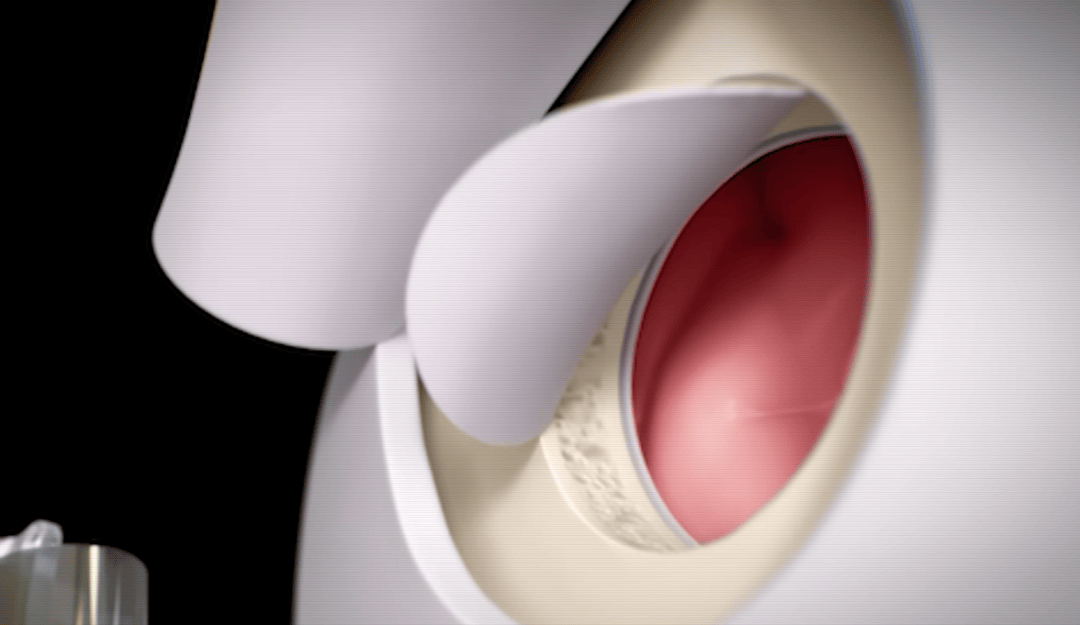
Group 1 - The core concept of brain-machine interfaces (BMIs) involves inserting electrodes into the brain to detect electrical signals that correspond to intended actions, enabling patients to regain movement and control devices [10][12][15] - Neuralink, founded by Elon Musk, has developed an invasive BMI procedure that involves inserting over 1,000 electrodes into the brain, allowing patients to perform tasks such as playing video games [3][40] - Other companies, such as BrainGate and Huatuo Technology, are also making advancements in the BMI field, helping patients with paralysis regain control over their movements and interact with technology [5][7][49] Group 2 - BMIs can be categorized into non-invasive, semi-invasive, and invasive types, with each type varying in signal quality and application [18][24][36] - Non-invasive BMIs, like EEG devices, are widely used but have limitations in signal quality compared to semi-invasive and invasive options [17][23] - Invasive BMIs, while offering the highest signal quality and precision, face challenges such as biocompatibility and the need for advanced materials to minimize damage to brain tissue [48][51][54] Group 3 - The development of flexible microelectrodes is crucial for the success of invasive BMIs, as they must be soft enough to avoid damaging brain tissue while maintaining signal integrity [51][53] - The challenge of miniaturizing BMI devices is significant, as current devices still require a substantial opening in the skull for implantation [58][62] - Data transmission bandwidth is a critical issue for BMIs, with current technologies needing to improve to support the high data rates required for full-brain interfaces [62][64]
新思想引领新征程丨“十四五”期间 我国科学谋划、全局统筹 加大重点领域关键核心技术攻关力度 未来产业发展呈现良好势头
Yang Guang Wang· 2026-02-25 07:12
Core Insights - The article emphasizes the strategic importance of advancing future industries in China, focusing on key technologies and sectors that can drive economic growth and national rejuvenation [1] Group 1: Future Industry Development - The "14th Five-Year Plan" outlines a comprehensive approach to future industry development, highlighting the need for breakthroughs in key core technologies [1] - The Beijing Humanoid Robot Innovation Center has launched the "Embodied Tiangong 3.0," a new generation of general-purpose robots with significant improvements in motion control and autonomous operation [1] - The "15th Five-Year Plan" suggests forward-looking layouts for future industries, including quantum technology, biomanufacturing, hydrogen energy, nuclear fusion, brain-machine interfaces, embodied intelligence, and 6G mobile communication [1] Group 2: Brain-Machine Interface - In Guangzhou, a clinical research ward for brain-machine interfaces is helping patients with severe conditions regain mobility through non-invasive training methods [2] Group 3: Quantum Technology and Hydrogen Energy - Anhui Province has made significant advancements in quantum technology, achieving a breakthrough in scalable quantum relay modules and quantum key distribution over distances exceeding 100 kilometers [3] - Jiangxi Province is developing a comprehensive hydrogen energy ecosystem, with a recent project enabling hydrogen-powered trucks to achieve over 600 kilometers of range with quick refueling [3] Group 4: Policy Support and Innovation - The Chinese government is focusing on enhancing the collaboration between industry, academia, and research to promote key technological advancements [4] - During the "14th Five-Year Plan," China accounted for over 20% of global patent applications in biomanufacturing and produced 70% of global bio-fermentation products [4] - The development of the 6G industry is entering a critical phase of technological innovation and clearer industrial direction [4] Group 5: Investment and Support Systems - The National Venture Capital Guidance Fund will be launched in December 2025 to increase support for strategic emerging industries and future industries [5] - The National Development and Reform Commission plans to create a high-quality, comprehensive venture capital service system to support enterprise growth through governance, strategic planning, and industry collaboration [6]
计算机行业2026春季投资策略:把握AI主线,重视新科技
China Post Securities· 2026-02-25 07:09
Group 1: AI Development and Applications - The AI large model market is expected to mature by 2025, driving rapid growth with low-cost, high-performance technology as a foundation for sustainable commercialization [2] - AI applications are expanding across various sectors, with AI Agents being implemented in customer service, code development, marketing, data analysis, and financial services [2] - The Chinese AI market is projected to grow from 937 billion yuan in 2022 to 9930 billion yuan by 2030, with a compound annual growth rate of 35.5% from 2024 to 2030 [20][21] Group 2: Commercial Aerospace - The low Earth orbit and spectrum have become critical strategic resources in global aerospace competition, with China applying for frequency and orbital resources for 203,000 satellites [3] - The market for manufacturing and launching satellites is expected to reach 268 billion yuan in 2026 and 1279 billion yuan by 2030, with a compound annual growth rate of 48.1% from 2025 to 2030 [3] Group 3: Brain-Computer Interface (BCI) - The BCI technology has been included in China's national strategic planning, with significant clinical breakthroughs and a focus on developing a robust industry ecosystem by 2030 [55][58] - The global BCI market is projected to grow from 1.2 billion USD in 2019 to nearly 20 billion USD in 2023, with a forecast of 40 billion USD in the medical application sector by 2030 [75] Group 4: Quantum Computing - Quantum computing is recognized as a disruptive core technology that reshapes global technological competition, with significant advancements in China's industry layout [3][77] - The domestic quantum computing industry is rapidly developing, with a focus on hardware and software capabilities, aiming for a complete industrial chain [3]