
铜矿开采

Search documents
赚翻了!14年中国70亿美元收购邦巴斯铜矿,如今总价值超千亿美元
Sou Hu Cai Jing· 2025-12-18 12:42
Core Insights - The Las Bambas copper mine in Peru, acquired by a consortium led by China Minmetals for $7 billion, has significantly increased in value, now estimated to exceed $100 billion [2][4][12] - The mine has become a crucial asset for China's resource security, contributing to the country's copper supply and supporting its manufacturing sector [10][16] Group 1: Acquisition Details - China Minmetals, along with CITIC Metal and Guoxin International, purchased Las Bambas from Glencore's subsidiary for a total of $7.005 billion, which included both equity and capital expenditures [4][5] - The mine is located in the Apurímac region of Peru, with proven copper reserves exceeding 10 million tons and an average grade of 0.62% [5][7] Group 2: Production and Economic Impact - Since its commissioning in January 2016, the mine has produced a total of 3.1 million tons of copper, with an expected annual output of 400,000 tons by 2025 [12][16] - The mine contributes approximately 1% to Peru's GDP and has tripled the average income in the Apurímac region [12][14] Group 3: Operational Challenges and Innovations - The mine has faced operational challenges, including community protests and illegal mining activities, which have impacted production [14][16] - To enhance operational efficiency, the mine has implemented automation technologies, reducing safety incidents and maintaining stable production levels during the pandemic [16][18] Group 4: Strategic Importance - Las Bambas plays a vital role in China's copper supply chain, accounting for 14% of the country's copper imports and helping stabilize prices amid market fluctuations [10][16] - The project exemplifies China's strategic approach to securing resources abroad, demonstrating a successful model for overseas investments in the mining sector [18]

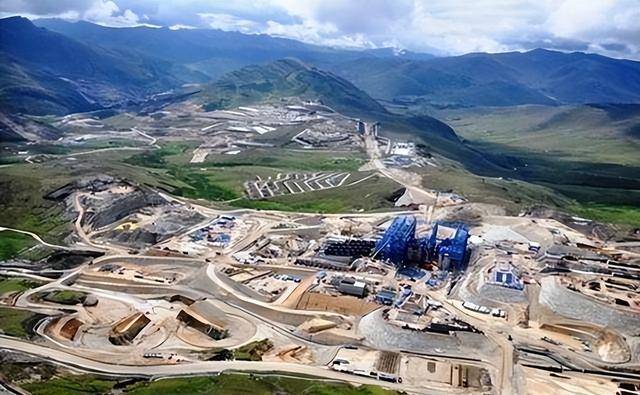
矿企掀起“淘铜热”,嘉能可加入秘鲁铜矿收购热潮
Zhi Tong Cai Jing· 2025-12-17 08:59
Core Viewpoint - Glencore is acquiring the Quechua copper project in Peru, marking the third copper mining deal in the country within two weeks, as companies rush to invest in this metal expected to face supply shortages [1][2]. Group 1: Recent Transactions - Glencore's acquisition of the Quechua project follows two other transactions in Peru: Rio2 Ltd. purchased the Condestable project for $241 million, and Fortescue agreed to acquire the remaining 64% of Alta Copper Corp. [1] - The Peruvian government estimates the construction investment for the Quechua project to be approximately $1.3 billion [1]. Group 2: Market Context - The surge in copper mining transactions in Peru coincides with copper prices nearing historical highs, with prices having risen over 30% this year due to production disruptions and challenges in developing new mines [1]. - Copper is viewed as a critical metal for electrification and energy transition [1]. Group 3: Glencore's Strategy - Glencore is increasing its investment in Peru as part of its plan to double global copper production, despite facing sporadic protests and broader tensions between local communities and the mining industry [2]. - The Quechua project adds to Glencore's existing assets in the region, which include the Antapaccay mine and the future Coroccohuayco project [2]. - The Antapaccay mine, which began production in 2012, produced approximately 146,000 tons last year [2]. Group 4: Future Production Goals - Glencore plans to increase its annual copper production to around 1.6 million tons by 2035, reversing a trend of declining copper output [3]. - The company anticipates a 40% decrease in copper production this year compared to 2018 and aims to reach a production target of 1 million tons by 2028, including plans to restart the Alumbrera mine [3].

深度剖析:我国为何非常缺铜?
Sou Hu Cai Jing· 2025-12-17 06:40
Core Viewpoint - China is currently facing a severe shortage of copper resources, which poses a significant challenge to its industrial development [1][9]. Group 1: Copper Resource Shortage Dilemma - China is the fastest-growing country in terms of copper demand, driven by rapid industrial development, particularly in the power and communications sectors [6]. - Despite being the largest producer and consumer of refined copper, China's copper mine reserves are insufficient to meet domestic demand, leading to increased imports [6]. - From 2010 to 2020, China's refined copper imports rose from 2.92 million tons to 3.627 million tons, an increase of 707,000 tons over ten years [6]. Group 2: Characteristics of China's Copper Mining - China's copper resources are concentrated in the southwest, northwest, and eastern regions, but most deposits are small-scale, with only 2.7% being large deposits [14]. - The average grade of copper ore in China is lower than the global average of 0.87%, with many deposits having been extensively mined [15]. - The complex terrain in which copper mines are located increases extraction costs and difficulties, necessitating significant investment in infrastructure and technology [15]. Group 3: Response Strategies - To address the copper shortage, China has accelerated overseas acquisitions of copper mines, with direct investments exceeding $16 billion from 2011 to 2021 [19]. - A notable example is the acquisition of the Las Bambas copper mine in Peru by China Minmetals Group for $7.005 billion, which significantly contributes to China's copper supply [21]. - China is also focusing on recycling existing copper resources from waste electrical appliances and construction debris, which can alleviate the shortage [22].
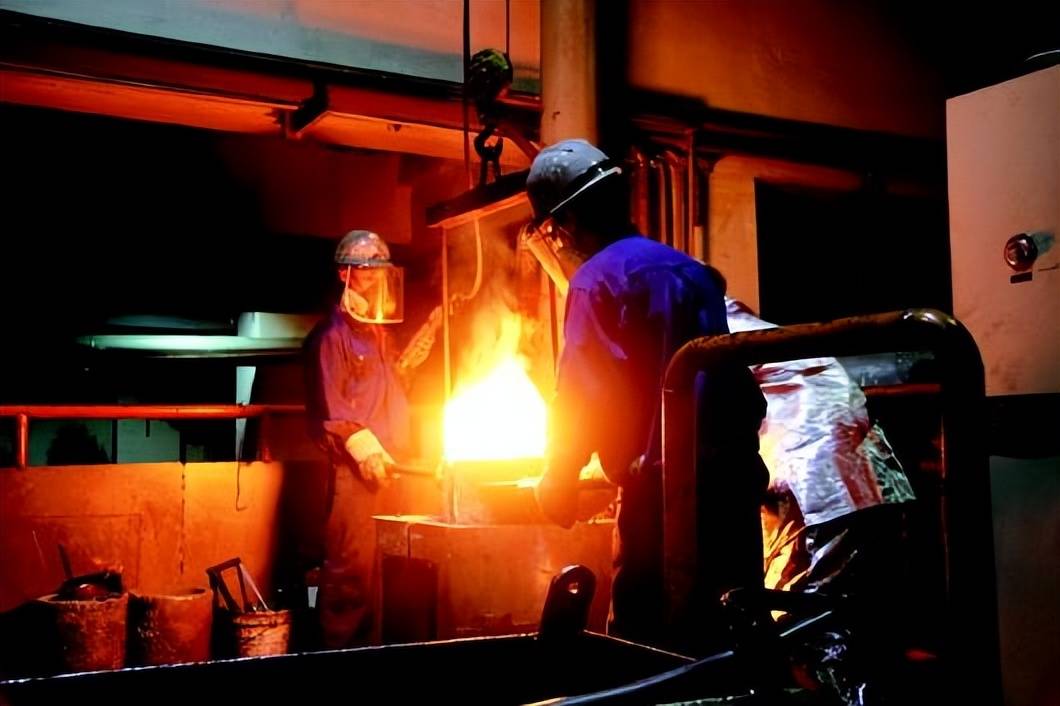
江西铜业斥资8.4亿英镑并购!打响2026全球铜矿角逐第一枪
Sou Hu Cai Jing· 2025-12-17 00:14
Core Viewpoint - Jiangxi Copper's acquisition of SolGold Plc marks a significant step in the global resource competition, with an increased offer of 28 pence per share, valuing the deal at £842 million (approximately $1.13 billion) [1] Group 1: Acquisition Rationale - The acquisition is driven by Jiangxi Copper's need to address its long-standing business structure contradictions and competitive pressures in the industry [3] - Jiangxi Copper has a copper smelting capacity of 2.3 million tons per year but only produces about 200,000 tons of copper concentrate from its own mines, leading to a low self-sufficiency rate [3] - The company aims to shift its strategy from earning minimal processing fees to sharing resource value through acquisitions, with SolGold's Cascabel project being a key target [5][10] Group 2: Cascabel Project Value - The Cascabel project in Ecuador is considered one of the largest and highest-grade undeveloped copper-gold mines discovered in South America in the past decade, with proven and inferred resources of 12.2 million tons of copper and 30.5 million ounces of gold [5][6] - The project is expected to start early engineering in 2026 and achieve first production by 2028, with an average annual copper output of 123,000 tons, potentially doubling Jiangxi Copper's future copper production [6] Group 3: Acquisition Process - Jiangxi Copper initially faced challenges in its acquisition attempt, with its first offers of 26 pence per share being rejected by SolGold's board [8] - The increase to 28 pence led to a positive response from SolGold's board, indicating a willingness to recommend the offer to shareholders [8] - Jiangxi Copper has garnered support from key shareholders, including BHP and Newcrest, which, combined with its existing stake, gives it over 40% support for the acquisition [8] Group 4: Strategic Implications - The acquisition addresses China's high dependence on foreign copper resources, with an 80% reliance and only 4% of global reserves domestically [10] - By acquiring SolGold, Jiangxi Copper aims to enhance its influence in the global copper resource landscape, breaking the dominance of international mining giants [10] - The acquisition will strengthen Jiangxi Copper's position in the Andean copper belt and create synergies with its other South American projects [11] Group 5: Challenges Ahead - The acquisition requires regulatory approvals in China and the UK, with increasing scrutiny on overseas acquisitions adding uncertainty [13] - The Cascabel project is still in the pre-development phase, requiring significant capital investment and facing various risks related to construction and local conditions [13] - The financial burden of the acquisition may impact Jiangxi Copper's cash flow and debt levels, necessitating effective integration and management of the overseas asset [13]


“智利版特朗普”?智利选出皮诺切特之后最右翼总统
Hua Er Jie Jian Wen· 2025-12-15 10:35
Core Viewpoint - Chile is experiencing a significant political shift to the right with the election of José Antonio Kast, who promises to implement strict border policies and return to free-market principles, reshaping the geopolitical landscape in Latin America and aligning the country with Western conservative forces [1][5]. Group 1: Election Results and Political Implications - José Antonio Kast won the presidential election with 58% of the vote, marking one of the most significant electoral margins since Chile's return to democracy in 1990 [1][2]. - Kast's victory is seen as a resurgence of right-wing political power in Latin America, providing a new ally for the U.S. in its anti-immigration policies [1][5]. Group 2: Crime and Immigration Policies - Kast's campaign focused on addressing public concerns over rising crime rates, with many citizens attributing the increase in violence to illegal immigration, particularly from Venezuela [3]. - He proposed radical border control measures, including building a 16-foot high wall and a 10-foot deep trench along the northern border, and deploying soldiers equipped with thermal drones for surveillance [3]. Group 3: Economic Policies and Reforms - Kast aims to revitalize Chile's economy, which has seen a slowdown in growth to around 2% annually, compared to previous rates exceeding 6% [4]. - His economic plan includes cutting corporate taxes, reducing regulations, and implementing a $6 billion reduction in public spending, which represents about 2% of Chile's economic output [4]. Group 4: International Relations and Trade - The election outcome is viewed as a potential boost for U.S. influence in Latin America, with Kast expected to seek closer ties with the United States [5]. - Kast emphasizes continued support for free trade and a trade-based economic success model, even amid rising global trade barriers [4].
连续降息存疑,铜价冲高回落
Tong Guan Jin Yuan Qi Huo· 2025-12-15 02:00
1. Report Industry Investment Rating - No relevant content provided. 2. Core Views of the Report - Last week, copper prices rose first and then fell. The main reasons were that some hawkish officials opposed continuous interest rate cuts, the probability of continued rate cuts in January was low according to the CME observation tool, the expectation of the Bank of Japan's interest rate hike might affect the global foreign exchange carry - trade market, and concerns about the bursting of the AI bubble led to asset selling in the metal market. Domestically, the central economic work conference emphasized flexible use of policies like reserve requirement ratio and interest rate cuts, promoting a new real - estate development model [2][7]. - Overall, concerns about the bursting of the technology stock bubble in overseas markets on Friday and opposition to rate cuts from some hawkish officials on Thursday made the probability of continuous rate cuts in early next year slim, leading to a decline in market risk appetite. Fundamentally, the shortage of overseas concentrates persists, non - US inventories are low, and the artificial intelligence field offers broad demand prospects. It is expected that copper prices will slow their upward momentum and enter a high - level consolidation in the short term [2][10]. 3. Summary by Relevant Catalogs Market Data - LME copper price on December 12 was $11,552.50 per ton, down $112.50 (- 0.96%) from December 5. COMEX copper price was 535.84 cents per pound, down 9.56 cents (- 1.75%). SHFE copper price was 94,080 yuan per ton, up 1,300 yuan (1.40%). International copper price was 84,490 yuan per ton, up 1,100 yuan (1.32%). The Shanghai - London ratio rose from 7.95 to 8.14. LME spot premium dropped by 10.24% to $20.69 per ton, and Shanghai spot premium fell from 170 yuan to - 20 yuan [3]. - As of December 12, LME copper inventory increased by 3,350 tons (2.06%) to 165,900 tons, COMEX copper inventory increased by 13,765 short tons (3.15%) to 450,618 short tons, SHFE inventory increased by 484 tons (0.54%) to 89,371 tons, and Shanghai bonded - area inventory increased by 5,500 tons (5.80%) to 100,300 tons. Total inventory rose by 23,099 tons (2.95%) to 806,189 tons [6]. Market Analysis and Outlook - Macro - aspect: The Fed cut interest rates for the last time this year last Thursday, with the federal funds rate range at 3.5% - 3.75%. The dot - plot shows one rate cut each in 2026 and 2027. 7 officials expect no rate cut in 2026, and 4 expect two 25 - basis - point cuts. The probability of no rate cut in January next year is 75% according to the CME tool. Domestically, China's November CPI rose 0.7% year - on - year, and the core CPI rose 1.2%. The PPI index was - 2.2% year - on - year but + 0.1% month - on - month [8]. - Supply - demand aspect: In 2026, the production of some overseas mines is expected to be flat with 2025, and the global concentrate supply growth rate will be less than 1.5%. Codelco's premium for 2026 Chinese CIF refined copper long - term contracts reached a record high of $350 per ton. Traditional industry demand is cooling, while emerging industries like new - energy vehicles, AI data centers, and industrial robots offer broad market space [9]. Industry News - Rio2 acquired a 99.1% stake in Peru's Condestable copper mine for $241 million. The mine has a 60 - plus - year production history, with a daily processing capacity of 8,400 tons, and is expected to produce about 27,000 tons of copper equivalent annually [11]. - Anglo American and Teck Resources' shareholders approved a $53 - billion all - stock, zero - premium merger. The combined Collahuasi and Quebrada Blanca copper mines may produce over one million tons of copper annually by the early 2030s [12]. - Chile's state - owned Codelco's copper production in October fell 14.3% to 111,000 tons, while BHP's Escondida mine production rose 11.7% to 120,600 tons, and Collahuasi mine production dropped 29.3% to 35,000 tons [13]. Relevant Charts - The report includes multiple charts showing the trends of copper prices, inventories, premiums, spreads, and other indicators, such as the price trends of SHFE copper and LME copper, LME copper inventory changes, and the relationship between copper imports' profit and loss and other factors [17][19][22].
智利上调至2034年矿业投资预测至1045.5亿美元
Wen Hua Cai Jing· 2025-12-12 01:23
Group 1 - The Chilean Copper Commission (Cochilco) forecasts that mining investment in Chile will reach $104.549 billion from this year until 2034, an increase from last year's estimate of approximately $83 billion by 2033 [1] - This growth represents the highest spending forecast since 2016, which includes significant expansion plans for the Escondida copper mine, the largest copper mine in the world [1] - Chile is the largest copper producer globally and the second-largest lithium producer, with lithium being a key raw material for manufacturing rechargeable batteries [1] Group 2 - China's copper industry faces three major challenges: increasing dependence on foreign upstream resources, excess capacity in the midstream processing sector, and downstream demand being suppressed by high copper prices [1] - To assist the industry in addressing these challenges, Shanghai Nonferrous Metals Network has collaborated with copper industry enterprises to compile the "2026 China Copper Industry Chain Distribution Map" in both Chinese and English [1]

秘鲁正在评估与美国就关键矿产达成的“谅解备忘录”
Wen Hua Cai Jing· 2025-12-11 01:25
Core Viewpoint - Peru is evaluating a memorandum of understanding with the United States regarding critical minerals, indicating strong interest from the U.S. in Peru's mineral resources [1] Group 1: Industry Insights - Peru is currently the world's third-largest copper producer, highlighting its significant role in the global mining sector [1]
智利Codelco公司10月份铜产量同比下滑14%
Wen Hua Cai Jing· 2025-12-11 01:05
Group 1 - In October, Codelco's copper production decreased by 14.3% year-on-year, reaching 111,000 tons [1] - Escondida copper mine, owned by BHP, saw an increase in production of 11.7% year-on-year, totaling 120,600 tons, making it the largest copper mine globally [1] - Collahuasi, operated by Glencore and Anglo American, experienced a significant production drop of 29.3% year-on-year, with output at 35,000 tons [1] Group 2 - China's copper industry faces three major challenges: increasing dependence on foreign resources, overcapacity in the midstream processing sector, and downstream demand being suppressed by high copper prices [1] - To assist the industry in navigating these changes, Shanghai Nonferrous Metals Network collaborated with copper industry enterprises to compile the "2026 China Copper Industry Chain Distribution Map" in both Chinese and English [1]
瑞士公司嘉能可重启阿根廷阿伦布雷拉铜矿项目
Shang Wu Bu Wang Zhan· 2025-12-10 18:23
Core Viewpoint - Swiss mining giant Glencore announced the restart of the Alumbrera copper mine project in Argentina, aiming to resume production by mid-2028 after a decade-long hiatus in large-scale copper mining in the country [1] Group 1: Project Details - The Alumbrera copper mine, located in Catamarca province, is expected to produce 75,000 tons of copper, 317,000 ounces of gold, and 1,000 tons of molybdenum upon completion [1] - The project had previously operated for 20 years until 2018, marking a significant return to copper mining in Argentina [1] Group 2: Current Mining Landscape - Currently, the only operational copper project in Argentina is the Martin Brown project in Jujuy province, which has a production capacity of only 1,500 tons per month [1] Group 3: Investment and Collaboration - Glencore's MARA and El Pachón copper projects have submitted applications to join the Large Investment Incentive Regime (RIGI), with a total investment amount of approximately $13.5 billion [1] - The restart of the Alumbrera project is intended to share infrastructure with the MARA project, enhancing collaborative production efficiency, with MARA expected to produce 200,000 tons of copper concentrate annually once operational [1]