
体育

Search documents
募资50亿美元!美资PE阿波罗要做“体育圈大金主”
Hua Er Jie Jian Wen· 2025-09-02 08:22
Group 1 - Apollo Global Management plans to launch a $5 billion sports investment fund, marking its first dedicated permanent capital allocation for the sports sector [1][2] - The new fund will focus on lending to sports leagues and teams, as well as acquiring club equity, indicating a systematic approach to sports investments [1][2] - The sports finance market is attracting private equity interest due to traditional lenders' insufficient services in this area, allowing private firms to deploy capital quickly for high returns [1][2] Group 2 - The fund will employ a dual investment strategy, providing loans to sports leagues and teams while also acquiring club equity, which offers stable debt returns and long-term asset appreciation [2][3] - Apollo's existing sports investment portfolio includes notable transactions, such as an £80 million loan to Nottingham Forest FC secured by club assets, and a £40 million loan to Sports Invest Holdings at a 10.25% interest rate [2][3] - Apollo is actively seeking direct ownership of quality sports assets, as evidenced by negotiations to acquire a stake in Atlético Madrid and previous considerations for financing a Manchester United acquisition [3] Group 3 - Apollo is not the only private equity firm interested in sports investments; competitors like CVC and Ares Management are also making significant moves in this space [4][5] - The increasing number of private equity firms entering the sports investment sector is expected to drive up transaction valuations while providing more financing options for sports organizations [6]

招商证券A股中报解读:收入端边际改善 关注中游制造业、医药生物业绩的回暖
Zhi Tong Cai Jing· 2025-09-01 22:44
Core Viewpoint - The overall profitability growth of A-share listed companies is slowing down due to continuous price declines and weak effective demand, despite some improvements in revenue [1][2] Profitability Analysis - The net profit growth of listed companies has narrowed, with quarterly net profit growth rates for 2024Q4, 2025Q1, and 2025Q2 being -15.7%, 3.2%, and 1.2% respectively [2] - Non-financial oil and petrochemical sectors show even more significant declines, with quarterly net profit growth rates of -50.2%, 4.5%, and -0.1% for the same periods [2] Revenue Trends - A-share companies have seen an improvement in quarterly revenue growth compared to 2025Q1, with growth rates of 1.4%, -0.3%, and 0.4% for 2024Q4, 2025Q1, and 2025Q2 respectively [2] - Non-financial oil and petrochemical sectors also show improved revenue growth rates of 1.2%, 0.5%, and 0.9% for the same quarters [2] Sector Performance - Key sectors showing improved profitability include healthcare, midstream manufacturing, and financial real estate, with information technology leading in profit growth [4] - The quarterly profit growth rates for 2025Q2 are ranked as follows: Information Technology > Midstream Manufacturing > Financial Real Estate > Healthcare > Utilities > Consumer Services > Resource Products [4] Cash Flow and Capital Expansion - Free cash flow as a percentage of market value and revenue is steadily increasing, with operating cash flow showing high growth, particularly from midstream manufacturing [5] - Capital expenditure growth has declined since reaching a peak in Q2 2023, with limited recovery in demand and low corporate capital expansion willingness [5] Focus Areas for Growth - Industries with high or improving profit growth in 2025Q2 include TMT (software development, gaming, components, communication devices, other electronics, semiconductors, consumer electronics), mid-to-high-end manufacturing, and certain resource products [6]

消费贷款领域迎来“国补”
Ren Min Ri Bao· 2025-09-01 21:49
Core Viewpoint - The implementation of personal consumption loan interest subsidy policies aims to stimulate consumer spending and support service industry operators, marking a significant move by the central government in the consumer loan sector [2][9]. Summary by Relevant Sections Personal Consumption Loan Subsidy - The subsidy policy applies to personal consumption loans used for various consumer expenditures, including daily expenses under 50,000 yuan and larger purchases like cars and home renovations [2][3]. - The subsidy rate is set at 1 percentage point, covering up to 50% of the loan interest rate, with central and provincial finances sharing the burden [3][9]. - Consumers must demonstrate actual consumption behavior to qualify for the subsidy, which can be applied to both small and large loans [3][7]. Service Industry Loan Subsidy - The subsidy also targets service industry operators in eight sectors, including dining, health, and tourism, to enhance their financing capabilities [4][6]. - The policy is designed to lower financing costs for service providers, thereby boosting employment and economic activity in these sectors [6][8]. - Operators must utilize the loan funds for business activities to qualify for the subsidy, which can be substantial depending on the loan amount [7][8]. Economic Impact and Future Outlook - The subsidy policies are expected to leverage significant financial resources, with estimates suggesting that 1 yuan of subsidy could mobilize 100 yuan in loans for consumer spending [8][9]. - The policies are designed to be inclusive, addressing diverse consumer needs and potentially extending their duration based on effectiveness evaluations [10].
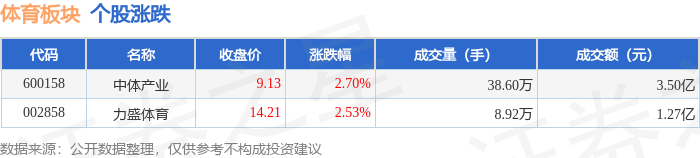
体育板块9月1日涨2.67%,中体产业领涨,主力资金净流入2333.76万元
Zheng Xing Xing Ye Ri Bao· 2025-09-01 08:46
Group 1 - The sports sector increased by 2.67% on September 1, with Zhongti Industry leading the gains [1] - The Shanghai Composite Index closed at 3875.53, up 0.46%, while the Shenzhen Component Index closed at 12828.95, up 1.05% [1] - Zhongti Industry's closing price was 9.13, with a rise of 2.70%, and a trading volume of 386,000 shares, amounting to a transaction value of 350 million yuan [1] - Lisheng Sports closed at 14.21, with a rise of 2.53%, and a trading volume of 89,200 shares, amounting to a transaction value of 127 million yuan [1] Group 2 - The net inflow of main funds in the sports sector was 23.34 million yuan, while retail funds experienced a net outflow of 2.56 million yuan [2] - Speculative funds had a net outflow of 20.77 million yuan [2]



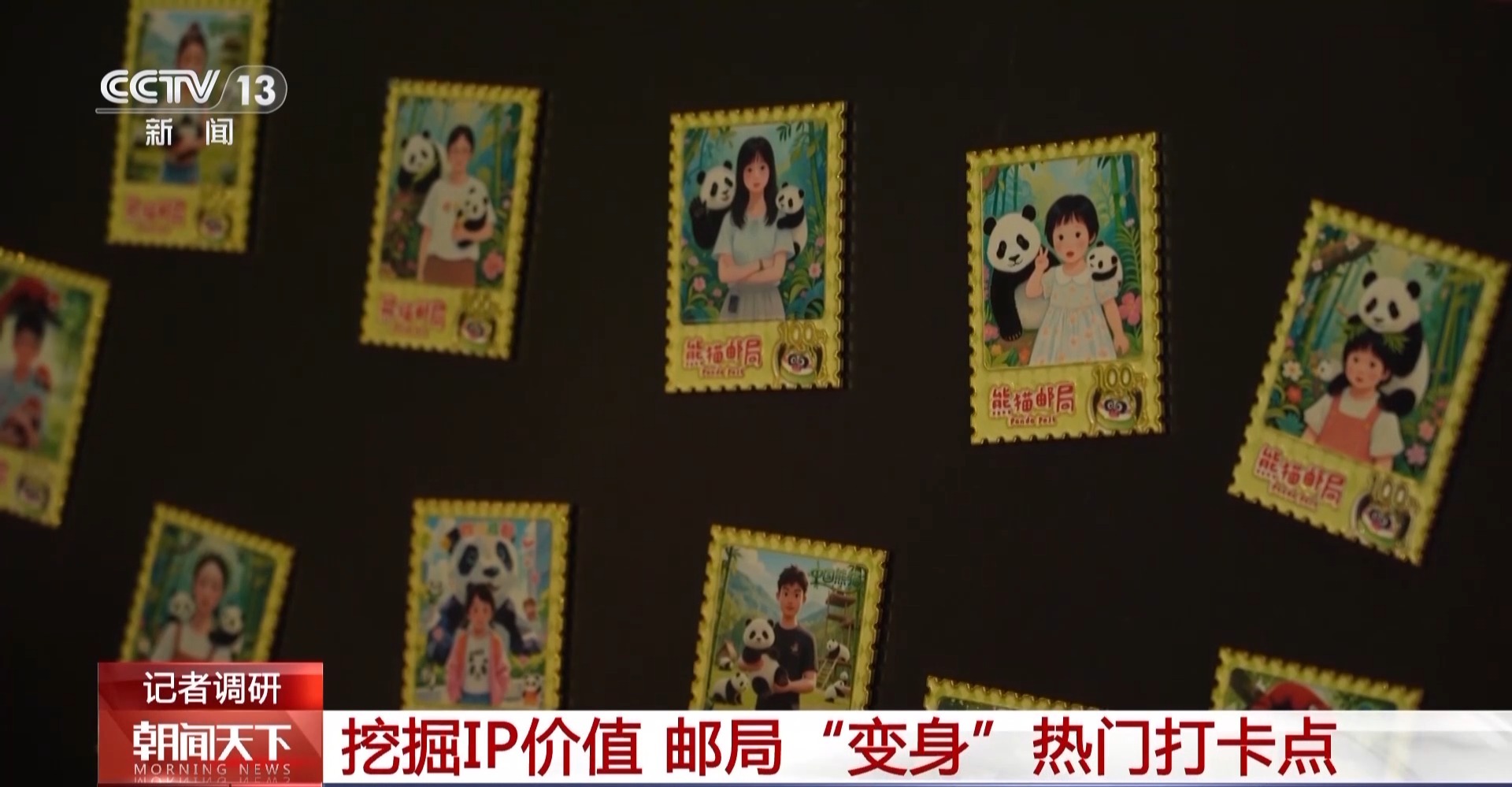
邮局、厂区“变身”热门打卡地,城市更新撬动消费新引擎
Yang Shi Xin Wen Ke Hu Duan· 2025-09-01 01:13
Group 1 - The core idea of the article emphasizes the need for innovative and diversified consumption scenarios to stimulate consumer spending, particularly through the revitalization of idle assets like old buildings and factories, combined with unique cultural IPs [1] - Various regions are actively transforming old postal offices into popular tourist spots, such as the marine-themed post office in Qingdao, which features seven functional areas for marine education and creative products [2][4] - In cities like Beijing, Guangzhou, and Lanzhou, there is a trend of creating themed post offices that incorporate elements like the 24 solar terms and cultural stories, enhancing the consumer experience [6] Group 2 - Old industrial sites are being repurposed into vibrant commercial complexes, becoming new urban landmarks, as seen in the D19 district in Baoding, which has hosted over 1,700 events since its reopening and attracts around 5,000 visitors daily [7][9] - The transformation of these spaces has led to a significant increase in sales for retail shops, with reported sales growth exceeding 30% [7] - The average consumption growth driven by urban renewal projects is estimated to exceed 50%, contributing to job creation in various service sectors [11] Group 3 - Experts suggest that to maximize the potential of existing urban spaces, it is crucial to accurately identify the cultural IP value and innovate the use of these spaces, enhancing the consumer experience and quality of life [12] - Continuous investment and innovation are necessary for successful urban renewal, with suggestions for establishing specialized funds to attract long-term capital for further development [13][15]
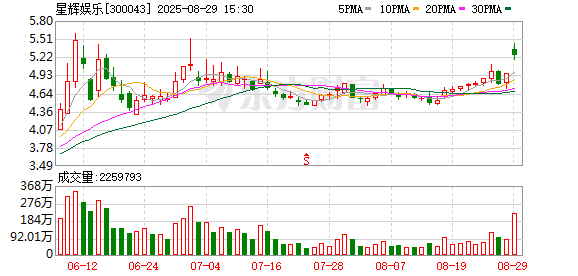
十年足球梦断后,星辉娱乐游戏“赔本赚吆喝”几时休? | 看财报
Tai Mei Ti A P P· 2025-08-31 13:43
Core Viewpoint - Xinghui Entertainment has transitioned from a peak in its sports business to a challenging phase, with significant losses in its football operations, while relying on its gaming segment for recovery [2][3]. Financial Performance - In the first half of 2025, Xinghui Entertainment reported a revenue of 11.35 billion yuan, a year-on-year increase of 84.58%, primarily driven by player transfer income and increased broadcasting rights, ticketing, and membership revenues following the return of Espanyol to La Liga [3][4]. - The net profit attributable to shareholders reached 1.6 billion yuan, a year-on-year growth of 186.78%, with the second quarter showing even stronger performance [3][4]. - The company achieved a significant cash flow from operations of 374 million yuan, up 737.97% from the previous year [4]. Sports Business Transition - The sale of Espanyol for 1.3 billion euros (approximately 10.88 billion yuan) marked the end of Xinghui's involvement in overseas football, with the company incurring a cumulative net loss of 442 million yuan from its sports business over the past seven years [2][5]. - The transfer fee from player Joan Garcia contributed significantly to the company's profits, with a payment of 26.34 million euros (about 2.19 billion yuan) received in June [5]. Gaming Business Challenges - Despite a rise in gaming revenue, the company faces challenges as the income from its top three games does not cover high promotional costs, indicating a strategy of "losing money for exposure" [9][12]. - The gaming revenue growth rates in domestic and international markets were 28.01% and 74.05%, respectively, attributed to the launch of several new games [7]. - The company is struggling with declining active and paying user numbers, raising concerns about the sustainability of its gaming lifecycle [11][12]. Future Prospects - Xinghui Entertainment is focusing on developing a tiered SLG product reserve system to maintain competitiveness, while also planning to launch new titles that have shown promising test data [12][17]. - The company is exploring the small program gaming sector, which requires purchasing traffic to enhance product visibility and user acquisition [17][18]. - However, the company's cash reserves are limited, with only 1.2 billion yuan available, making it challenging to compete in the high-cost environment of user acquisition [18].


星辉娱乐上半年扭亏背后:靠“西甲扑救王”解约
Guo Ji Jin Rong Bao· 2025-08-29 14:04
Core Viewpoint - Xinghui Entertainment reported significant growth in revenue and profitability for the first half of 2025, primarily driven by player transfer income and increased broadcasting rights revenue from its football club operations [2][3]. Financial Performance - The company achieved a revenue of 1.135 billion yuan, representing a year-on-year increase of 84.58% [2]. - The net profit attributable to shareholders turned positive, reaching 155 million yuan [2]. - The net cash flow from operating activities surged by 737.97% to 374 million yuan [2]. Business Segments - The revenue breakdown shows that the football club business generated 502 million yuan, accounting for 44.23% of total revenue, with player transfer income contributing 217 million yuan and broadcasting rights income 172 million yuan [3]. - The football club segment achieved a net profit of 106 million yuan, marking a turnaround from previous losses [3]. Strategic Moves - Xinghui Entertainment is in the process of divesting its football club business, planning to transfer 99.66% of its stake in the Spanish club to Velocity Sports Ltd [3]. - The completion of this transaction is pending approval from the Spanish Sports Council, introducing uncertainty regarding the deal [3]. Other Business Segments - The gaming segment generated 406 million yuan in revenue, a year-on-year increase of 43.19%, but still recorded a net loss of 913.3 million yuan [4][5]. - The toy business achieved a revenue of 201 million yuan, growing by 8.46%, but net profit decreased to 33.01 million yuan from 35.97 million yuan in the previous year [6].
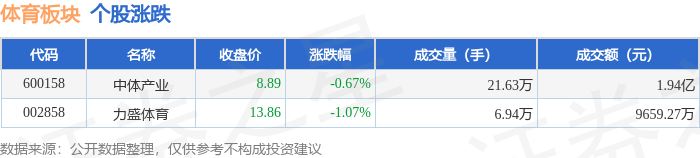
体育板块8月29日跌0.75%,力盛体育领跌,主力资金净流出1722.59万元
Zheng Xing Xing Ye Ri Bao· 2025-08-29 08:48
Group 1 - The sports sector experienced a decline of 0.75% on August 29, with Lisheng Sports leading the drop [1] - The Shanghai Composite Index closed at 3857.93, up 0.37%, while the Shenzhen Component Index closed at 12696.15, up 0.99% [1] - Key stocks in the sports sector showed varied performance, with Zhongti Industry closing at 68.8 (-0.67%) and Lisheng Sports at 13.86 (-1.07%) [1] Group 2 - The sports sector saw a net outflow of 17.23 million yuan from institutional investors, while retail investors had a net inflow of 11.18 million yuan [1] - Lisheng Sports had a net outflow of 5.57 million yuan from institutional investors, with retail investors contributing a net inflow of 5.92 million yuan [1] - Zhongti Industry experienced a net outflow of 11.65 million yuan from institutional investors, with retail investors contributing a net inflow of 5.26 million yuan [1]
2025年6月全国体育、娱乐用品类商品零售类值统计分析:当期值与累计值分别为164.9亿元和857.6亿元
Chan Ye Xin Xi Wang· 2025-08-29 03:54
Core Insights - The retail value of sports and entertainment goods in China reached 16.49 billion yuan in June 2025, with a month-on-month growth of 1.98% and a year-on-year growth of 9.5% [1] - The cumulative retail value for the first half of 2025 was 85.76 billion yuan, reflecting a year-on-year increase of 22.2% [1] Retail Performance - The retail value for June 2025 indicates a positive trend in the sports and entertainment goods sector, showing both month-on-month and year-on-year growth [1] - The cumulative retail value for the first half of 2025 demonstrates strong performance, significantly outpacing the previous year's figures [1]

星辉娱乐:8月28日召开董事会会议
Mei Ri Jing Ji Xin Wen· 2025-08-28 18:47
Group 1 - The core point of the article is that Xinghui Entertainment announced the convening of its 13th board meeting on August 28, 2025, to discuss the proposal for the second extraordinary general meeting of shareholders in 2025 [1] - For the first half of 2025, the revenue composition of Xinghui Entertainment is as follows: sports business accounts for 44.26%, gaming and advertising business accounts for 35.76%, baby products and other toys account for 17.72%, and other businesses account for 2.26% [1]