茶饮

Search documents
蜜雪冰城2.97亿元收购啤酒企业,将开拓现打鲜啤品类
Sou Hu Cai Jing· 2025-10-15 00:05
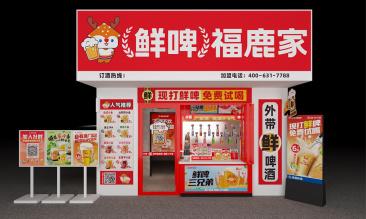
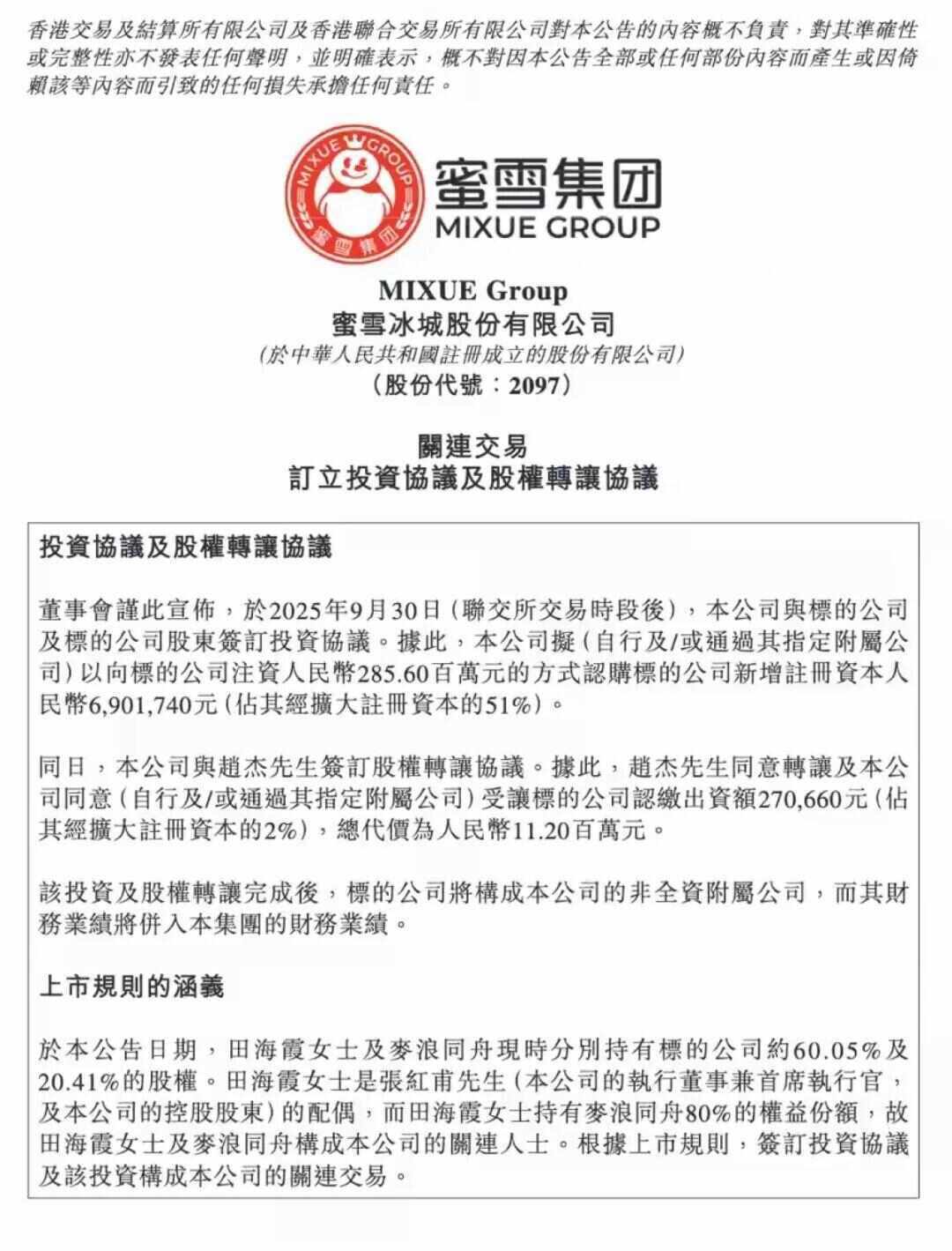
Core Insights - Company announced the acquisition of 53% stake in Fresh Beer Fulu Family for a total price of 297 million yuan, marking its entry into the beer market [1] - The acquisition aims to leverage synergies with its main brand and coffee sub-brand "Lucky Coffee," targeting the "mild intoxication economy" among young consumers [1][3] - The pricing strategy for the beer products ranges from 5.9 yuan to 14.9 yuan, significantly lower than similar craft products, benefiting from a supply chain that reduces raw material costs by 18% [1][4] Industry Trends - The move into the beer sector reflects a broader trend of tea beverage brands diversifying into alcoholic drinks due to slowing growth in the tea market [3] - The low-alcohol beverage market's rapid growth and its appeal to younger demographics are key attractions for brands seeking new growth avenues [3] - Compared to peers, the company’s strategy of acquiring an established brand allows for a quicker market entry and the establishment of a competitive pricing barrier [4] Market Context - The company's stock price has experienced significant volatility, dropping nearly 40% from its peak since its listing in March 2025, coinciding with a slowdown in store openings and an increase in closure rates [6] - The acquisition is seen as a strategic move to explore a second growth curve, although market reactions are mixed regarding the potential risks and suitability of the new product offerings [6]

雪王“买醉”,蜜雪冰城开卖啤酒!
Sou Hu Cai Jing· 2025-10-14 08:59
Group 1 - The core point of the article is that Mixue Ice City has acquired a 53% stake in Fresh Beer Fulu Family for a total price of 297 million yuan, marking its expansion from tea and coffee into the alcoholic beverage sector [1][5] - This acquisition is seen as a strategic attempt by the new tea beverage giant to find a second growth curve, while also presenting multiple challenges associated with cross-industry operations [1][5] - Fresh Beer Fulu Family, established in 2021, specializes in fresh beer products and aims to achieve profitability by August 31, 2025, with a projected profit of 1.0709 million yuan [5] Group 2 - The acquisition is intended to enhance the fresh beer category and create synergies with Mixue's main brand and its coffee sub-brand "Lucky Coffee" [5] - The trend of new tea beverage brands entering the alcoholic beverage market has been increasing, with many brands launching alcoholic collaborations and opening specialized bars [5]
“1元奶茶”等低价内卷,新法有规定!明日起正式实施
Mei Ri Jing Ji Xin Wen· 2025-10-14 08:49
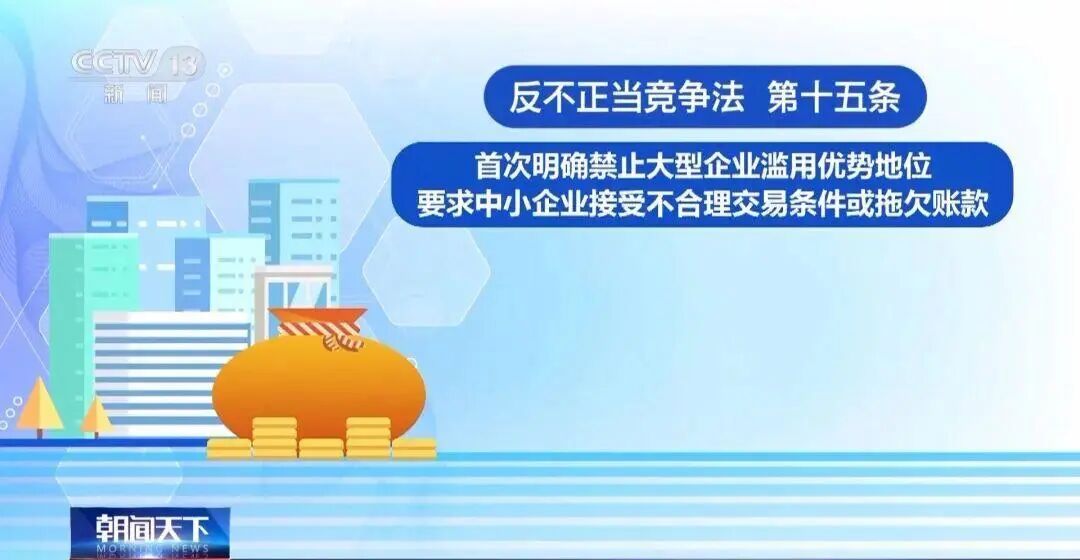
Core Points - The newly revised Anti-Unfair Competition Law of the People's Republic of China will officially take effect on October 15, addressing challenges in the digital economy and enhancing legal protections for both businesses and consumers [1] Group 1: Regulation of Unfair Competition - The new law specifically strengthens online competition rules, prohibiting behaviors such as forced redirection, malicious uninstallation, and the improper acquisition and use of others' data [1] - It aims to directly regulate issues like "traffic hijacking," "data theft," and "internet water armies" [2] Group 2: Protection of Small and Medium Enterprises (SMEs) - The law addresses the issue of large enterprises delaying payments to SMEs, explicitly prohibiting the abuse of dominant positions to impose unreasonable trading conditions or delay payments [3] - This regulation targets unfair trading practices such as large enterprises withholding payments for over six months and arbitrary changes in acceptance standards, creating a more equitable competitive environment for SMEs [5] Group 3: Brand Protection and Misleading Practices - The law introduces detailed regulations against "brand squatting" and misleading practices in live-streaming platforms, where smaller brands mimic well-known brands to mislead consumers [6] - It prohibits unauthorized use of influential new media account names, application names, or logos, and the use of others' registered trademarks as search keywords to mislead consumers [7][9] Group 4: Combatting False Transactions and Reviews - The law explicitly bans organizing false transactions and reviews, addressing the gray market of fake reviews that mislead consumer decisions [10] - It requires platforms to establish reporting mechanisms for unfair competition and mandates timely action against violations, creating a dual defense of self-inspection and regulatory oversight [10] Group 5: Addressing Price Wars and Market Order - The law aims to curb "involution" in competition, preventing platforms from forcing or indirectly compelling sellers to sell below cost, which disrupts market order [11] - It specifically addresses extreme low pricing practices that compromise product quality and safety, such as in the power bank and tea beverage industries [10]
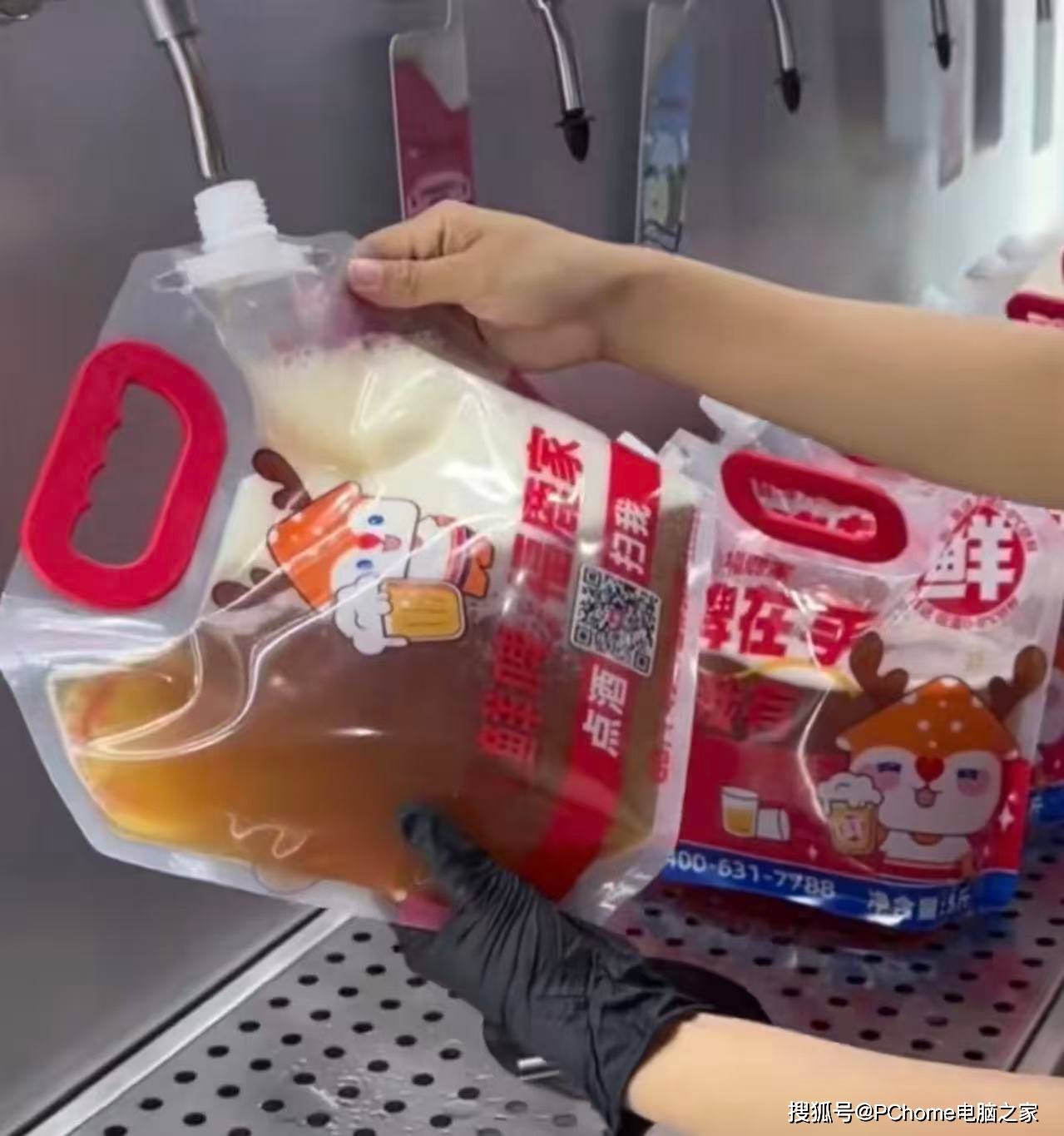
雪王“买醉”!蜜雪冰城开卖啤酒售价5.9元起,低至市场价三分之一,只能外带
Sou Hu Cai Jing· 2025-10-14 07:27
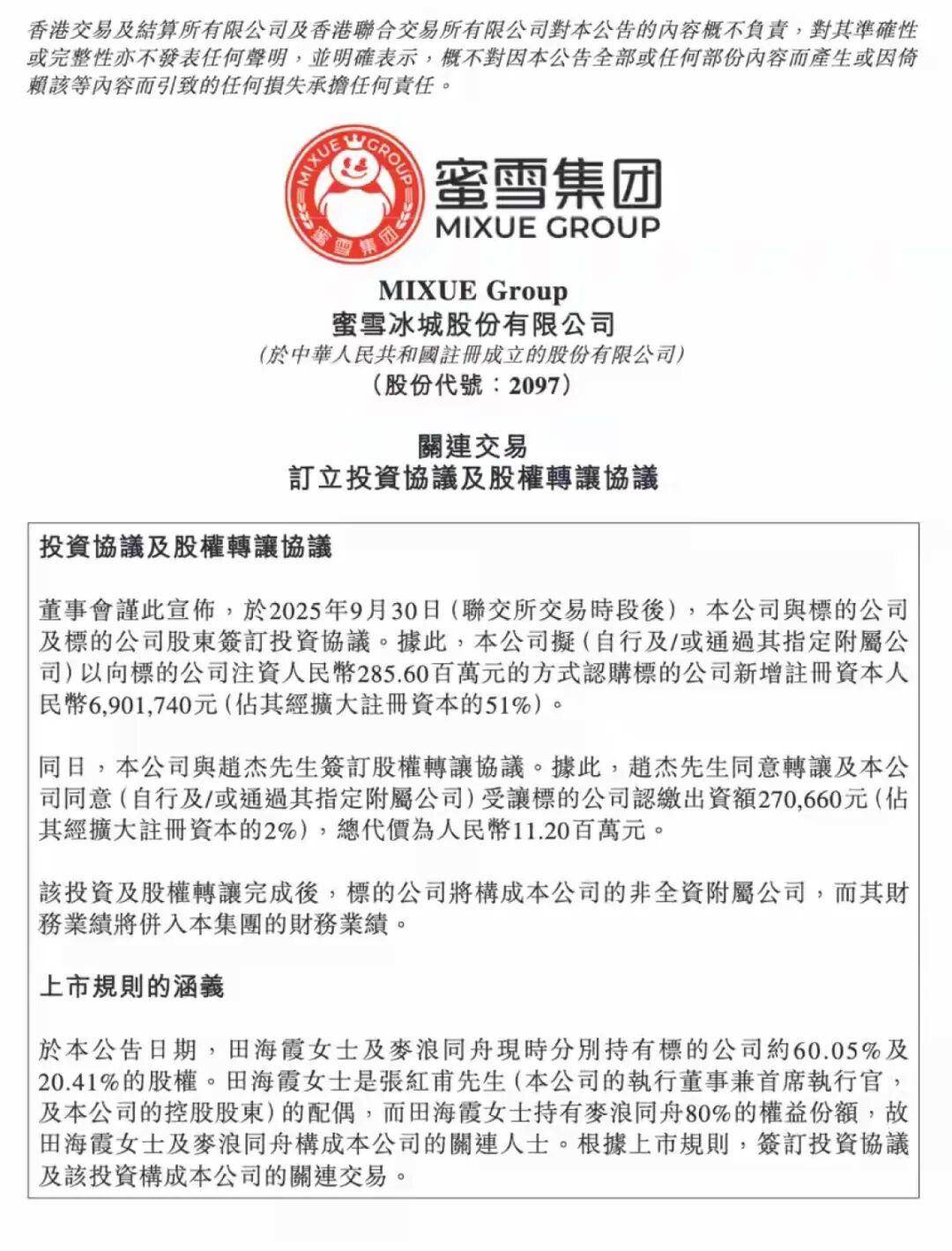
Core Viewpoint - The acquisition of a 53% stake in Fresh Beer Fulu by Mixue Ice City for 297 million yuan marks a strategic expansion into the alcoholic beverage sector, aiming to diversify its business model beyond tea and coffee [1][6]. Group 1: Acquisition Details - Mixue Ice City announced the acquisition of Fresh Beer Fulu, consisting of a 285.6 million yuan capital increase for 51% of the expanded registered capital and an additional 11.2 million yuan for 2% from a third party, achieving absolute control [6]. - Fresh Beer Fulu, established in 2021, focuses on fresh beer products and plans to achieve profitability by August 2024, projecting a profit of 1.07 million yuan [6]. Group 2: Market Position and Product Strategy - Fresh Beer Fulu has rapidly expanded to over 1,200 stores across 28 provinces and municipalities in China, leveraging Mixue's supply chain advantages to maintain competitive pricing [6][10]. - The product range includes innovative flavors such as Longjing tea beer and sugar orange fruit beer, with over 40% of offerings incorporating tea elements, targeting younger consumers [10]. Group 3: Market Dynamics and Challenges - The sales peak for Fresh Beer Fulu occurs between 6 PM and 10 PM, indicating a concentrated consumption pattern that contrasts with Mixue's all-day sales strategy [16]. - The consumer demographics for tea and beer differ significantly, with tea drinkers prioritizing affordability and refreshment, while beer consumers focus on social experiences and taste [16][17].
正观新闻:蜜雪冰城要跨界卖啤酒
Sou Hu Cai Jing· 2025-10-14 04:50
Group 1 - The core point of the article is that Mixue Ice City has expanded its business into the alcoholic beverage sector by acquiring a 53% stake in Fresh Beer Fulu Family for a total price of 297 million yuan, marking a strategic attempt to find a second growth curve [1][6] - The acquisition includes an investment of 285.6 million yuan for new registered capital and an additional 11.2 million yuan for a 2% stake from an independent third party, achieving absolute control over Fresh Beer Fulu Family [6] - Fresh Beer Fulu Family, established in 2021, specializes in fresh beer products and aims to achieve profitability by August 31, 2025, with a projected profit of 1.0709 million yuan [7] Group 2 - The move to enter the fresh beer market is seen as a significant step for Mixue Ice City, which aims to create synergies with its main brand and coffee sub-brand "Lucky Coffee" [7] - The trend of new tea beverage brands crossing into the alcohol sector has been increasing, with many brands launching alcoholic products or opening specialized bars [7]
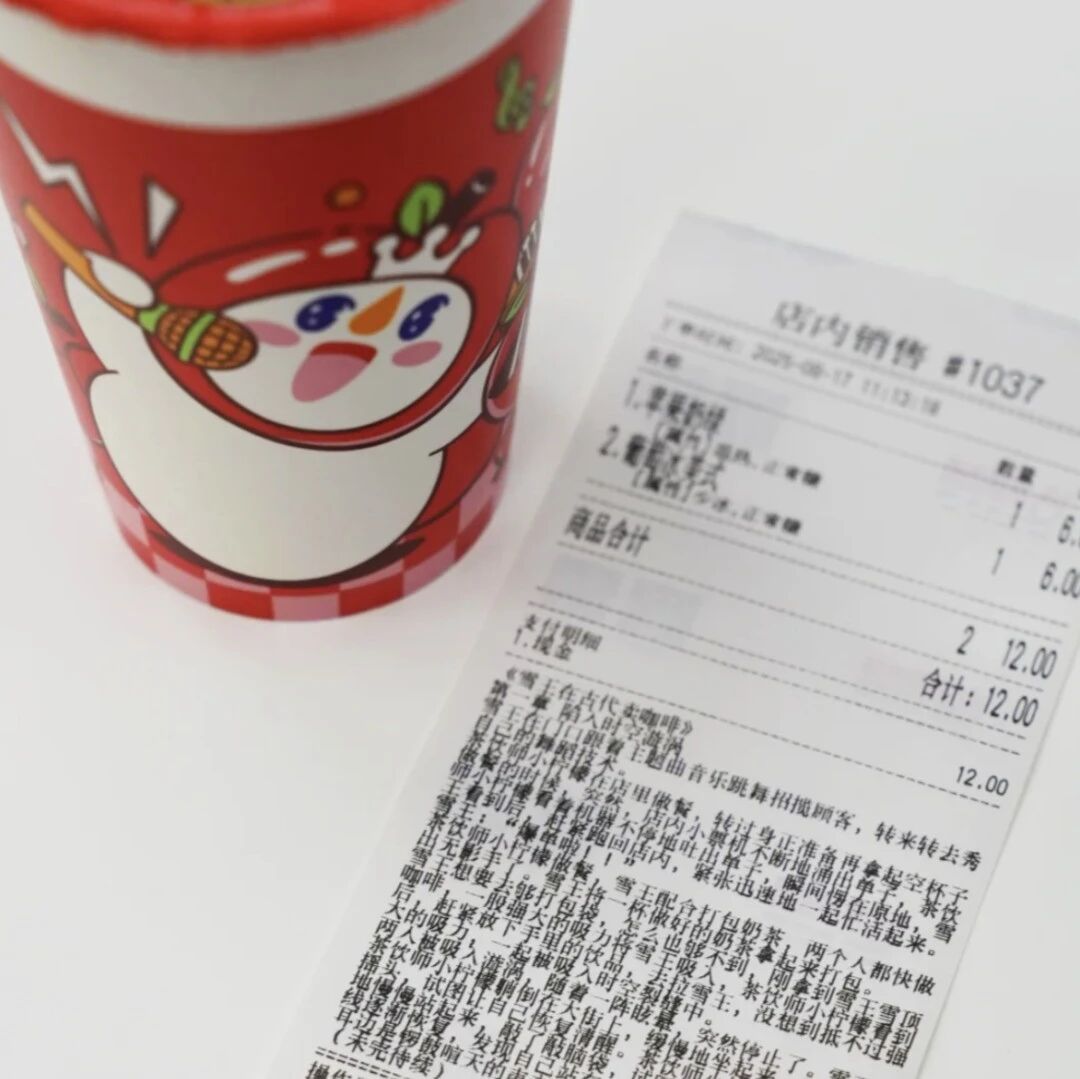
雪王在小票上连载穿越小说,疯狂追更的打工人一天三杯柠檬水喝到快吐
创业邦· 2025-10-14 03:12
Core Viewpoint - The article discusses the innovative marketing strategy employed by tea brands, particularly focusing on the serialized novel "The Snow King Sells Coffee in Ancient Times" printed on receipts by the brand Mixue Ice City, which has sparked a trend in the beverage industry [6][12][46]. Group 1: Marketing Innovation - Mixue Ice City has creatively utilized its receipts to serialize a novel, engaging customers and generating buzz on social media [8][11]. - The serialized novel consists of 20 chapters, with daily updates from September 17 to October 6, 2023, and is a reworking of a previously released short drama [12][46]. - This approach has transformed the brand's mascot, the Snow King, into a cross-genre character, enhancing brand identity and customer engagement [11][12]. Group 2: Industry Trends - The trend of writing novels on receipts is not unique to Mixue Ice City; other brands like Jasmine Milk White have also adopted similar strategies, indicating a broader movement within the tea industry [16][18]. - The article highlights that the trend of "receipt literature" is becoming a new norm in the beverage sector, with brands using this medium for storytelling and customer interaction [20][27]. - The marketing strategy reflects a shift in consumer expectations, where customers seek surprise and resonance rather than traditional brand messaging [27][43]. Group 3: Consumer Engagement - The serialized storytelling on receipts has led to increased customer participation, with consumers actively seeking out the next chapters and sharing their experiences online [11][12]. - This phenomenon has created a community around the brands, where customers engage in discussions and share their own narratives related to the products [20][32]. - The article notes that the trend has resulted in a unique blend of consumption and entertainment, as customers enjoy their beverages while following the unfolding stories [24][45].

西贝跌倒,老乡鸡吃饱:安徽新消费,追上来了
3 6 Ke· 2025-10-14 03:00
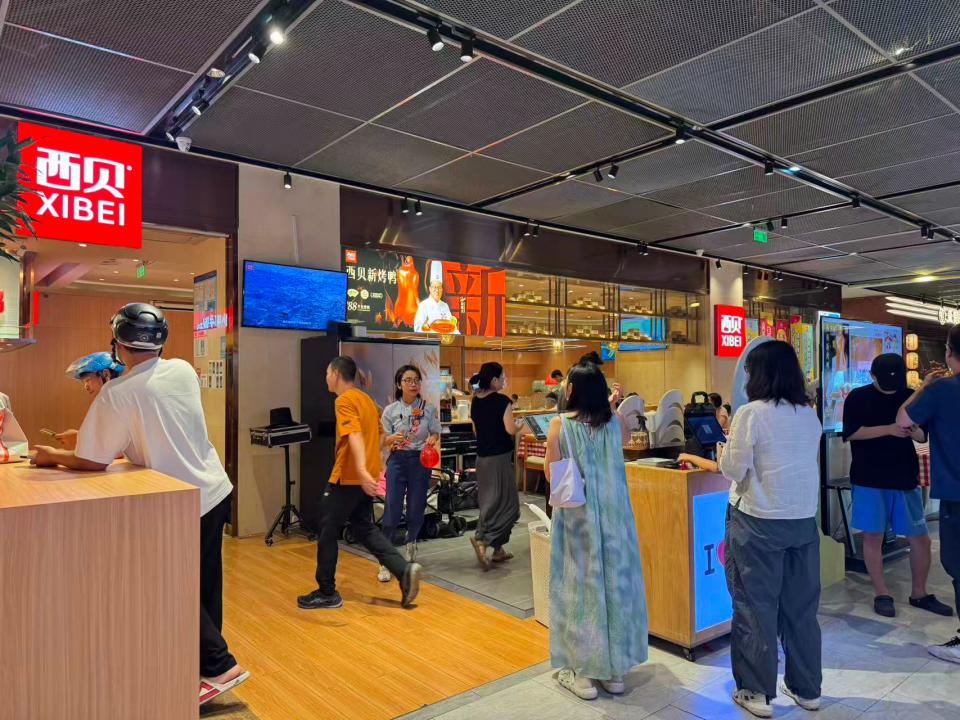
Core Insights - The recent events involving Luo Yonghao and Xibei have significantly impacted the restaurant industry, particularly highlighting the sensitivity surrounding prepared dishes and the effectiveness of marketing strategies [1] - Xibei's controversial marketing tactics have led to a public relations crisis, but their willingness to acknowledge mistakes and offer discounts has helped restore customer interest [1] - The brand Laoxiangji has gained consumer favor by transparently labeling its food preparation methods, allowing customers to make informed choices [3][4] Group 1: Company Strategies - Laoxiangji, founded in October 2003, positions itself as a "Chinese fast food" brand focusing on cost-effectiveness, standardization, and quick service [8] - The average price for a meal at Laoxiangji ranges from 30 to 49.9 yuan, with a focus on providing a quality dining experience for white-collar workers [9][10] - Laoxiangji maintains a high percentage of freshly prepared meals, with 70.6% of its offerings made on-site, contrasting with the growing trend of prepared dishes [10] Group 2: Market Dynamics - The emergence of new consumer brands in Anhui, such as Tianshan and Liuliu Mei, reflects a growing recognition of local products and preferences [5][6] - Anhui's unique geographical and cultural characteristics contribute to a diverse food landscape, enabling the development of various consumer brands that cater to different tastes [17][22] - The local supply chain and cultural integration are crucial for Anhui brands, allowing them to establish a strong market presence while maintaining quality and authenticity [27][28] Group 3: Consumer Preferences - Consumers are increasingly drawn to brands that offer transparency and quality, as seen with Laoxiangji's clear labeling of food preparation methods [3][11] - The preference for local flavors and products is evident in the success of brands like Kawan Kawa, which emphasizes high-quality ingredients and customer service [13][17] - The competitive landscape in Anhui is characterized by brands that prioritize local engagement and community ties, fostering a sense of trust and reliability among consumers [31]
在小票上连载小说上热搜,雪王为啥每次整活都能成?
3 6 Ke· 2025-10-14 03:00
Core Viewpoint - The article discusses the innovative marketing strategy of Mixue Ice City, particularly its recent initiative of serializing a novel on purchase receipts, which has garnered significant attention on social media and exemplifies the brand's ability to engage consumers creatively [3][4][7]. Group 1: Novel Serialization on Receipts - Mixue Ice City has started a novel serialization titled "The Snow King Sells Coffee in Ancient Times" on its purchase receipts, which has attracted widespread attention and engagement from consumers [3][4]. - The novel consists of 20 chapters, with the first chapter released on September 17 and updates scheduled daily until October 6, creating a continuous interaction with customers [3][4]. - The brand has also produced a short drama based on the novel, which was released on various social media platforms, further enhancing its marketing reach [4]. Group 2: Marketing Strategy - Mixue Ice City effectively utilizes low-cost marketing strategies to achieve high visibility, as seen in the novel serialization, which incurs minimal additional costs compared to traditional advertising methods [7][8]. - The brand has a history of leveraging simple, creative elements to generate significant consumer interest, such as its playful "Snow King" character, which has become a central part of its branding [8][10]. - The company capitalizes on the viral nature of the internet to spread its marketing campaigns, ensuring that engaging content quickly reaches a broad audience [10][12]. Group 3: Unique Market Positioning - Mixue Ice City differentiates itself by focusing on creating unique brand experiences rather than traditional product quality marketing, which allows it to resonate emotionally with consumers [12][14]. - The brand's approach to marketing is characterized by quick, impactful strategies that adapt to market changes, enabling it to maintain a competitive edge [12][14]. - The ability to consistently produce viral marketing campaigns enhances the brand's visibility and customer loyalty, positioning it favorably in a competitive market [14][15]. Group 4: Financial Implications - A brand with self-propagating marketing capabilities, like Mixue Ice City, can significantly reduce customer acquisition costs and enhance user engagement, leading to increased brand value [15]. - The cycle of successful marketing initiatives creates a momentum that allows the brand to maintain a presence in the media and consumer discussions without the need for extensive advertising [15]. - The brand's focus on being "fun and engaging" rather than "refined and high-end" resonates more with consumers in a market where attention is scarce, making it a noteworthy case in modern marketing [15].
霸王茶姬——撑起中国茶文化传播新范式
Hu Xiu· 2025-10-14 02:31
Core Viewpoint - The company Bawang Chaji is shifting its focus from competing on price and promotions to emphasizing cultural heritage by opening a tea culture museum and launching the world's largest store, the Bawang Chaji Super Tea Warehouse in Hong Kong, indicating a strategic move towards brand differentiation and cultural engagement [1] Group 1 - Bawang Chaji is moving away from traditional competition strategies like price wars and subsidies, instead opting to promote tea culture [1] - The opening of the Super Tea Warehouse in Hong Kong is a significant development, suggesting the company's ambition to expand its brand presence and influence [1] - The strategic direction raises questions about whether the company aims to increase tea sales or is pursuing a larger, more comprehensive business strategy [1]
蜜雪冰城跨界啤酒,2.97亿收购福鹿家背后的“酒局”野心
3 6 Ke· 2025-10-14 00:14
Core Viewpoint - The company, Mixue, has officially entered the beer market by acquiring a 53% stake in the fresh beer brand, Fulu Family, for 297 million yuan, aiming to attract young consumers with low-priced beer similar to its tea products [1][2]. Group 1: Acquisition Details - The acquisition was completed through a capital increase of 285.6 million yuan for 51% equity and a transfer of 11.2 million yuan for 2% equity, with the transaction price based on an independent third-party evaluation [2]. - Fulu Family, established in 2021, has rapidly expanded to approximately 1,200 stores across 28 provinces, utilizing a franchise model and focusing on community dining areas [4][5]. Group 2: Strategic Motives - The move into the beer sector is a strategic response to the slowing growth of the tea beverage market, which is projected to decline from a growth rate of 44.3% in 2023 to 12.4% by 2025 [7]. - The fresh beer market is expected to grow significantly, with projections indicating it could approach 100 billion yuan by 2025, with a compound annual growth rate exceeding 30% [7]. - Mixue's strong supply chain capabilities will enhance Fulu Family's product quality and cost efficiency, with potential reductions in production costs and transportation losses [7][8]. Group 3: Market Positioning - Fulu Family's pricing strategy aligns closely with Mixue's existing product range, with fresh beer priced between 6.6 yuan and 9.9 yuan per 500ml, complementing Mixue's tea products priced between 3 yuan and 10 yuan [4][6]. - The integration of Fulu Family's unique beer flavors with Mixue's youthful branding is expected to attract a broader consumer base [4][8]. Group 4: Challenges Ahead - The acquisition raises concerns about the fairness of related party transactions, as the controlling shareholder of Fulu Family is the spouse of Mixue's CEO, which may lead to skepticism regarding potential conflicts of interest [9]. - The beer consumption pattern, primarily concentrated in the evening hours, poses challenges for Mixue's existing tea-focused business model, which operates throughout the day [10]. - Increased competition in the fresh beer market from established players may pressure Mixue's pricing strategy and market share [9][10].