跨界经营

Search documents
月薪最高2.4万,蜜雪冰城跨界文旅高薪招人,主题乐园版“雪王”要来了?
Bei Jing Shang Bao· 2026-02-04 11:47
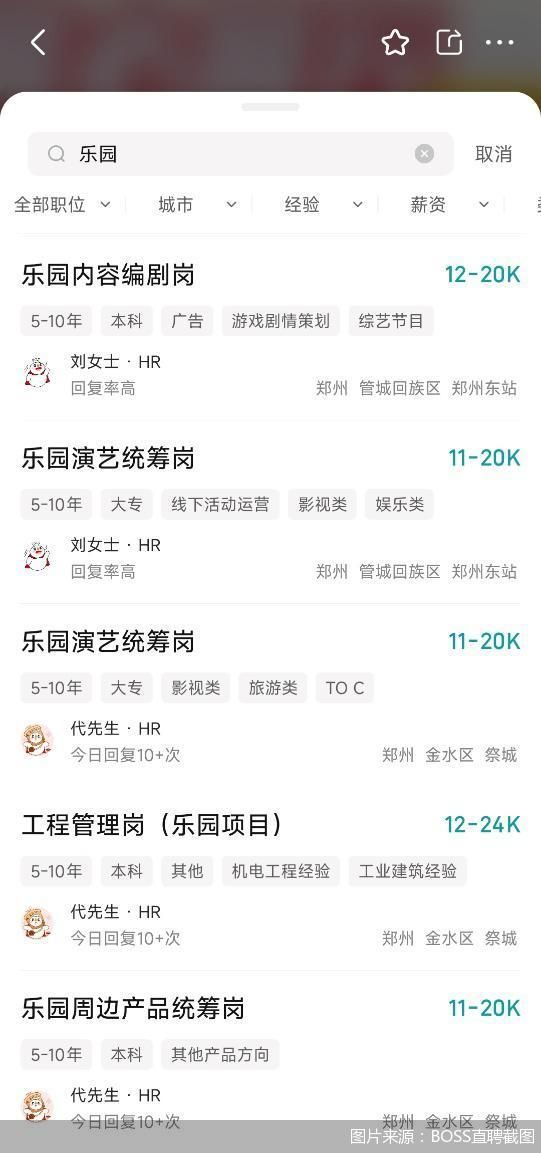
Core Viewpoint - Mixue Ice City has sparked industry speculation about its potential entry into the theme park sector by posting high-paying job openings related to theme park management, with salaries ranging from 11,000 to 24,000 yuan per month [1][4] Group 1: Job Openings and Requirements - The company is hiring for positions such as content planner, performance coordinator, and product manager, requiring at least five years of relevant experience in theme parks or cultural tourism projects [4][5] - Candidates with experience in managing large theme park IPs like Disney and Universal Studios are preferred, indicating a strategic focus on leveraging established industry expertise [4][5] Group 2: Industry Context and Expert Analysis - Industry experts suggest that if Mixue Ice City ventures into theme parks, it will need to carefully plan and build a management team due to the complexity of theme park operations [5][6] - The theme park sector has seen successful cross-industry entries, such as Pop Mart and iQIYI, indicating a trend of diversification within the entertainment landscape [6] Group 3: Challenges and Strategic Considerations - The competitive landscape for theme parks is intense, with both international brands and local projects vying for market share, which poses a significant challenge for new entrants like Mixue Ice City [6][7] - Key factors for success in theme park projects include location, brand influence, and project scale, all of which will impact operational costs and visitor capacity [7] - The company's motivation for entering the theme park space appears to be the desire to expand its industry chain and enhance the value of its IP, particularly the "Snow King" brand [7]


2.6万名股东注意,上市公司给你发“手工挂面”:满7000股就可领600克
Mei Ri Jing Ji Xin Wen· 2026-01-27 13:05
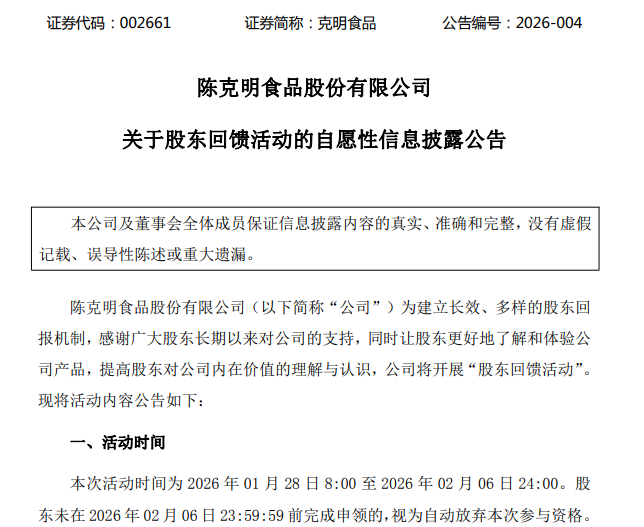
Core Viewpoint - Kemin Food announced a "shareholder reward activity" where shareholders holding between 7,000 to 12,000 shares can claim a 600g gift box of hand-pulled noodles, and those holding over 12,000 shares can claim a 1.8kg gift box [1][3]. Group 1: Shareholder Reward Activity - The reward activity allows shareholders with 7,000 to 12,000 shares to receive a 600g gift box, while those with over 12,000 shares can receive a 1.8kg gift box [1]. - As of Q3 2025, Kemin Food had 26,587 shareholders, with a total of approximately 169 million shares held by small shareholders, averaging 6,356 shares per household, which is below the threshold for the gift box [3]. - The market value of shares required to claim the 600g gift box is between 66,100 to 113,300 yuan, while the 1.8kg gift box requires a market value above 113,300 yuan [3]. Group 2: Product Pricing and Quality - The 600g gift box is priced around 150 yuan, and the 1.8kg box is nearly 300 yuan on e-commerce platforms, significantly higher than ordinary noodles [3][5]. - The hand-pulled noodles are made from Australian imported wheat and produced using 16 traditional processes, with each package weighing 150g [5]. Group 3: Company Performance and Strategy - Kemin Food's revenue for 2023-2024 was 5.184 billion yuan and 4.567 billion yuan, with a net profit of -65.65 million yuan and 146 million yuan respectively [11]. - For the first three quarters of 2025, the company reported a revenue of 3.195 billion yuan, a year-on-year decrease of 8.07%, and a net profit of 124 million yuan, down 20.17% year-on-year [11]. - The company has diversified into pig farming, acquiring a controlling stake in Xingjiang Mugge for over 600 million yuan, although the noodle business has seen declining sales [10][11]. Group 4: New Business Ventures - Kemin Food has opened its first "Chen Kemin Noodle Restaurant" in Changsha, focusing on traditional hand-pulled noodles and stir-fried toppings, with an average consumer spending of about 25 yuan [14]. - Previous attempts to enter the restaurant business in 2012 were unsuccessful, leading to a loss of 790,000 yuan, but the current initiative is clarified to be a project led by major shareholders rather than the listed company itself [16].

中国移动营业厅在沪鲁等地开售保险产品
Guo Ji Jin Rong Bao· 2026-01-23 08:19
Group 1 - The core viewpoint of the article is that China Mobile is expanding its business by selling insurance products in various regions, including Shanghai and Shandong [1] Group 2 - China Mobile's insurance offerings are being introduced in its service halls, indicating a strategic diversification of its business model [1] - The move into the insurance sector aligns with the company's efforts to enhance customer service and create new revenue streams [1] - This initiative reflects a broader trend of telecommunications companies diversifying into financial services to leverage their existing customer base [1]

DQ新店跨界咖啡蛋糕赛道
Bei Jing Shang Bao· 2026-01-22 03:42
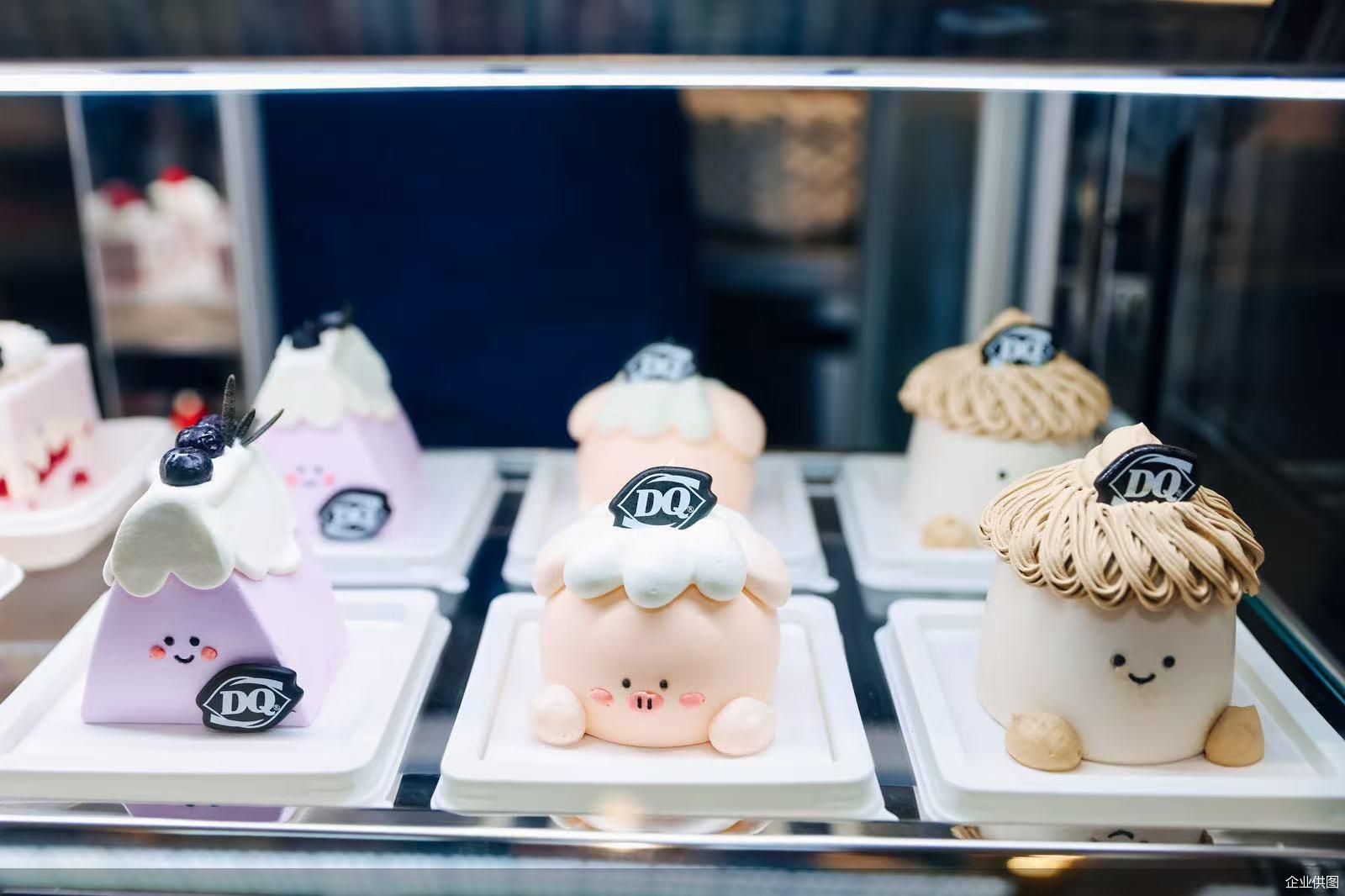
Group 1 - DQ has opened a new store in Shanghai's iapm mall, marking its expansion beyond ice cream into coffee, handmade cakes, and afternoon tea [1] - The new store features not only ice cream products but also focuses on cakes, premium coffee, and seasonal hot drinks [1] Group 2 - By 2025, DQ expects to achieve over double-digit growth in same-store sales, brand revenue, and brand profit, with the launch of more than 150 new products [3] - New products are projected to account for over 60% of total sales for the year [3]
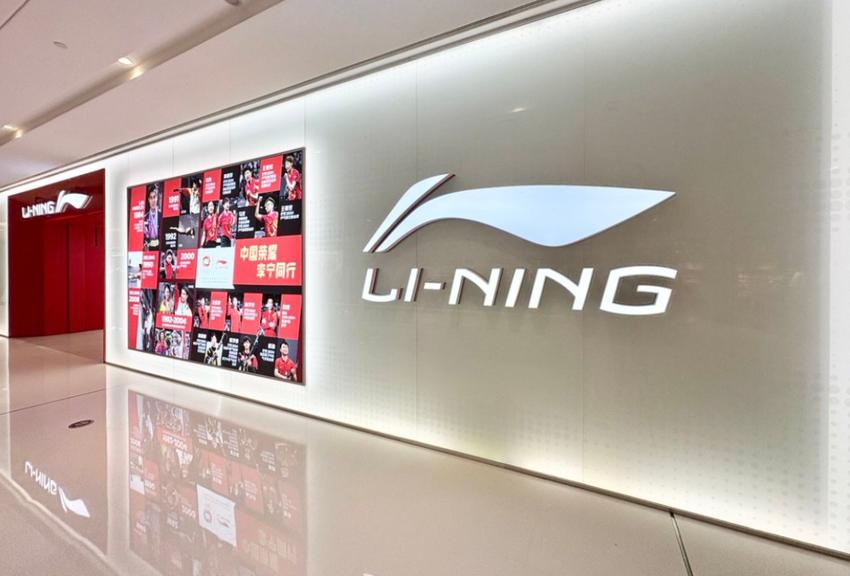
李宁,这次真的要把咖啡当生意了
3 6 Ke· 2025-12-23 07:33
Core Viewpoint - The opening of the new WellTown Super Outlet store in Beijing marks a significant shift for Li Ning's coffee brand, Ning Coffee, transitioning from a supplementary service to a standalone business model in a competitive market environment [2][4][12]. Group 1: Business Model Evolution - Ning Coffee has evolved from being an auxiliary service within Li Ning stores to an independent entity with its own storefront and seating area, indicating a strategic shift towards a more commercial approach [2][4][8]. - Initially, Ning Coffee was introduced in 2022 as part of a retail experience, focusing on enhancing customer comfort rather than generating sales, often using promotional strategies like "free drinks with purchase" [3][12]. - The new store's location in a public shopping space allows Ning Coffee to attract a broader customer base, not limited to Li Ning consumers, and requires it to compete with established coffee brands [7][12]. Group 2: Product Strategy and Market Positioning - The menu of Ning Coffee incorporates Li Ning's sports branding, with creatively named drinks that reflect the company's identity, such as "Red Rabbit Latte" and "Wade's Way Sparkling Drink" [8][11]. - The introduction of health-oriented products, such as drinks with kombucha or protein powder, aligns with current consumer trends towards wellness [11]. - Ning Coffee is also experimenting with localized products in different regions, showcasing adaptability to local tastes and preferences [11][12]. Group 3: Future Outlook - The company aims to scale Ning Coffee into a more independent operation by 2025, reflecting a commitment to exploring the coffee market as a potential growth avenue [12]. - This strategic move is seen as part of a broader trend where brands leverage high-frequency consumer products like coffee to strengthen customer connections and enhance the retail experience [12].

经销商跑光、连亏6年,"豆奶大王"的护城河,怎么说塌就塌了?
Sou Hu Cai Jing· 2025-12-16 11:47
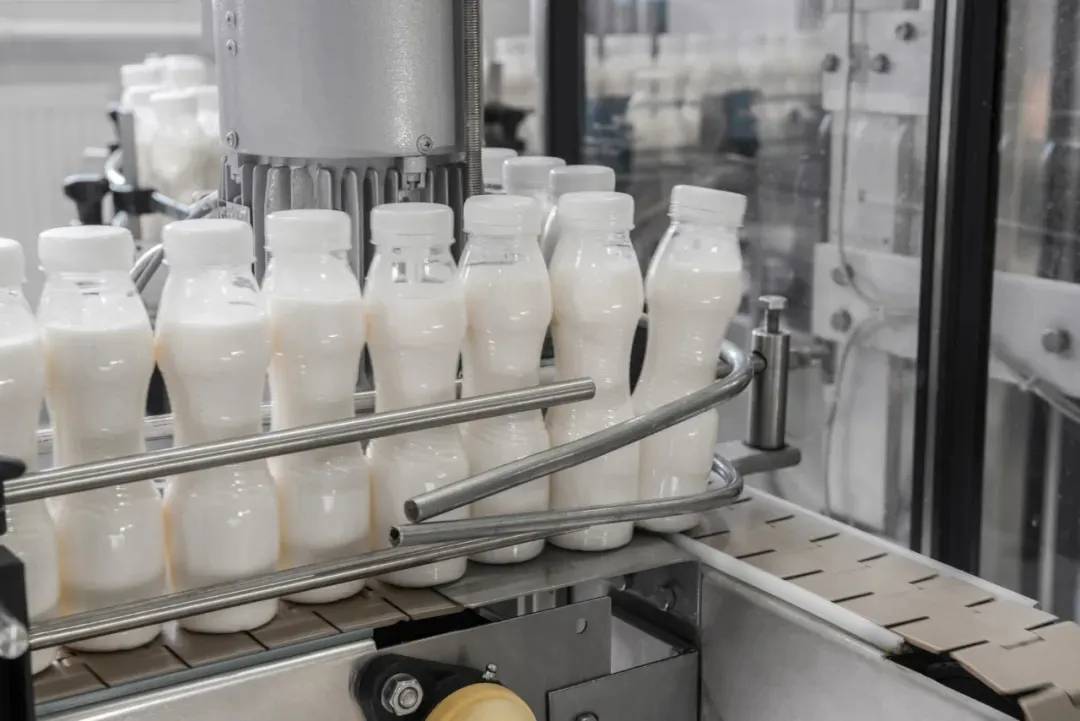
Core Viewpoint - The article discusses the decline of Weiwei Soy Milk, highlighting the challenges faced by the brand in a changing market where younger consumers prefer convenience over traditional products. The brand's reliance on nostalgia is insufficient to regain market share as it struggles with declining sales and increasing competition from newer brands like Douben Dou and Vitasoy [1][4][12]. Group 1: Sales and Distribution Challenges - Weiwei has experienced a continuous decline in revenue for six consecutive years, with 345 distributors leaving the market in the first three quarters of 2025 due to unprofitability [1][10]. - The profit margins for distributors have decreased significantly, with rebates dropping from 8% to below 5%, making it less attractive for them to continue selling Weiwei products [1][3]. - The inventory turnover for Weiwei products has slowed, with stock remaining unsold for nearly a month longer than before, leading to further distributor withdrawals [3][6]. Group 2: Brand and Market Position - The brand's advertising strategy has not adapted to current trends, with minimal presence in digital marketing and social media, resulting in a significant drop in e-commerce revenue, which is less than 3% compared to competitors like Douben Dou, which exceeds 15% [4][12]. - Weiwei's product offerings have become outdated, with a lack of innovation in popular formats like ready-to-drink soy milk, while competitors have successfully captured market share through modern marketing strategies [4][12]. - Despite a significant investment from Xuzhou State-owned New Sheng Group in 2021, which acquired nearly 31% of the company, revenue has continued to decline from over 4.5 billion to less than 3.7 billion in recent years [9][10]. Group 3: Historical Context and Strategic Missteps - Weiwei has diversified into various sectors, including dairy, liquor, and real estate, but these ventures have not yielded sustainable success, leading to a dilution of focus on its core soy milk business [6][8]. - The company missed opportunities for product upgrades and market adaptation, particularly in the shift towards liquid soy milk, allowing competitors to dominate the market [8][12]. - The nostalgic appeal of the brand is waning, as consumers increasingly opt for more convenient beverage options, reflecting a broader shift in consumer preferences away from traditional products [1][13].

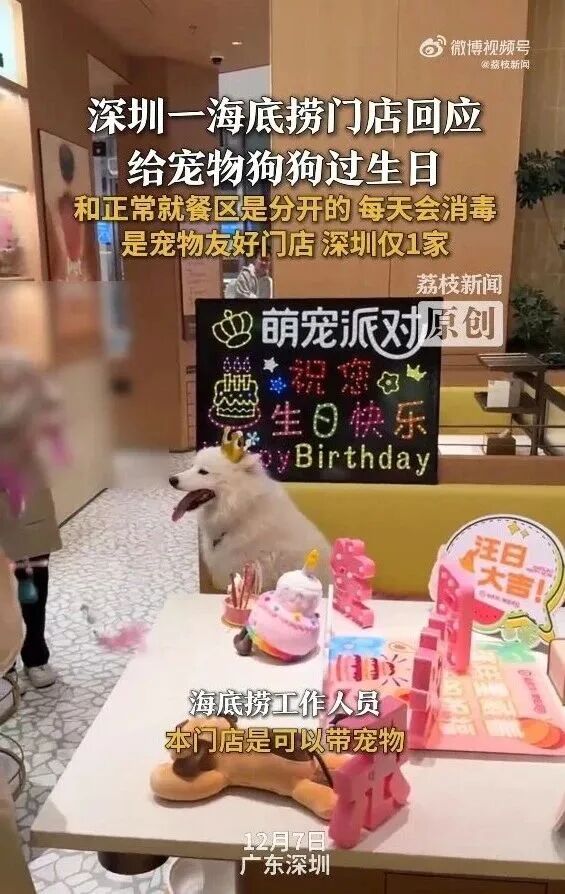
给宠物狗过生日引热议,海底捞:是宠物友好门店,宠物就餐区和正常就餐区不在一起
Mei Ri Jing Ji Xin Wen· 2025-12-09 16:28
Core Viewpoint - The recent opening of a pet-friendly Haidilao restaurant in Shenzhen has sparked controversy regarding public health and brand image, despite being an innovative attempt to tap into the pet economy amid declining performance in the core business [4][5]. Group 1: Company Initiatives - Haidilao has launched its first pet-friendly restaurant in Shenzhen, allowing customers to bring pets for dining, with specific health and safety measures in place [4][3]. - The restaurant features a separate dining area for pets, provides free clean drinking water, and offers pet-specific meals without salt or seasoning [4][3]. - The company is exploring the pet economy as a strategic choice to counteract declining revenue and customer traffic, as evidenced by a 3.7% year-on-year revenue drop in the first half of 2025 [5][6]. Group 2: Market Context - The hot pot market in China is projected to reach a scale of 617.5 billion yuan in 2024, with a year-on-year growth of 5.6%, indicating a competitive landscape as the number of hot pot restaurants fluctuates [5]. - Haidilao's store count has decreased from 1,433 in 2021 to 1,368 by the end of 2024, reflecting challenges in maintaining growth in a saturated market [5]. - The company's cash flow remains strong, with operating cash flow of 3.25 billion yuan in the first half of 2025, providing a financial cushion for new initiatives like the "Red Pomegranate Plan" [5][6].

蜜雪冰城要卖早餐?回应来了
Xin Lang Cai Jing· 2025-11-28 02:24
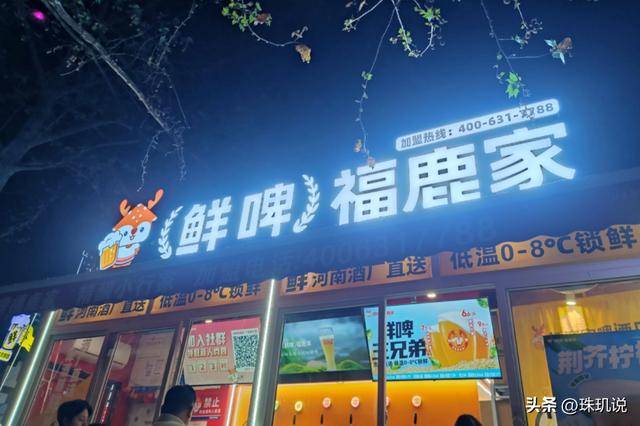
Core Insights - The company Mixue Ice City is exploring the breakfast market by launching a survey to understand consumer preferences for breakfast items [1] - The company has introduced a "Breakfast Series" in select cities, featuring products priced at 5 yuan each [4][6] - Mixue Ice City has expanded its product offerings to include fresh beer through an investment in a company called Fresh Beer Fulu, acquiring a 53% stake for approximately 297 million yuan [6][7] Company Developments - The breakfast offerings include various milk drinks such as Five Red Milk and Five Black Milk, and are currently being tested in cities like Dalian, Xi'an, Nanning, and Hangzhou [4][6] - The company reported a significant revenue increase, achieving 14.87 billion yuan in the first half of 2025, a 39.3% year-on-year growth [7] - As of June 30, 2025, Mixue Ice City has expanded its global store count to 53,014, adding 9,796 new stores compared to the previous year [7] Market Context - The breakfast segment is competitive, with established players like McDonald's, KFC, and Starbucks already offering breakfast options [6] - Other brands like Heytea and Naixue's Tea have previously ventured into breakfast products, indicating a growing trend in the beverage industry [6] - Mixue Ice City's recent move into the beer market signifies a diversification strategy aimed at expanding its product range beyond traditional beverages [6][7]
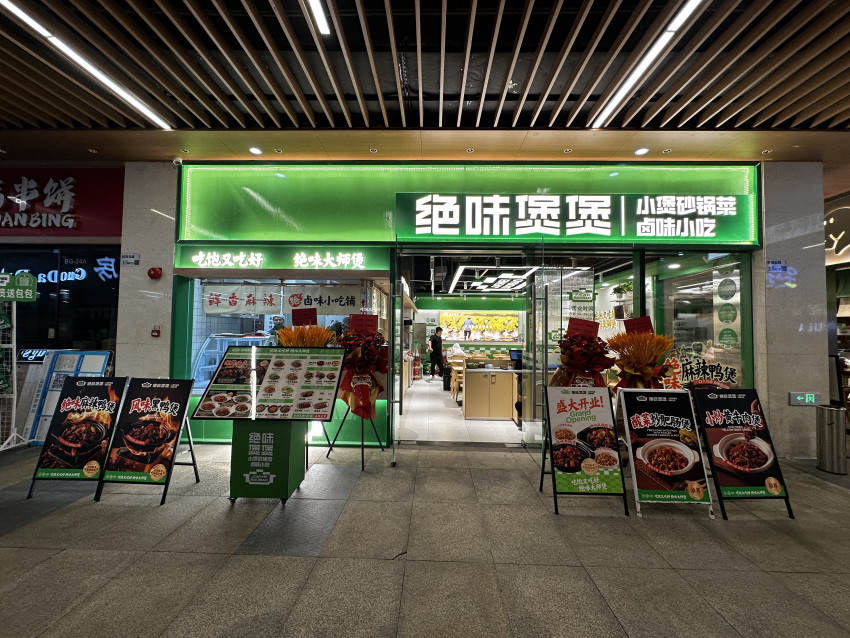
盯上打工人的“小饭桌”,卤味巨头跨界开快餐店
3 6 Ke· 2025-11-11 08:33
Core Viewpoint - Juewei Duck Neck is expanding into the fast food sector with the launch of a new brand called "Juewei Bao Bao," targeting office workers in Shenzhen's Kexing Technology Park [1][5]. Group 1: Brand and Store Concept - "Juewei Bao Bao" represents a significant departure from traditional Juewei Duck Neck stores, featuring a vibrant green and white design that emphasizes its fast-casual dining concept [1][3]. - The store retains elements of the Juewei brand, such as a dedicated area for selling traditional snacks like five-spice duck neck and signature duck spine [3]. Group 2: Product Offerings - The menu includes upgraded versions of traditional products, such as transitioning from "cold marinated" to "hot pot" dishes, with signature items like Spicy Duck Pot and Flavorful Black Duck Pot [3]. - New offerings include a variety of dishes like Stir-fried Beef Pot and Pickled Cabbage with Pork Intestines Pot, alongside home-style stir-fried dishes and marinated rice, catering to consumer dining needs [3]. Group 3: Pricing Strategy - Juewei Bao Bao adopts a budget-friendly pricing strategy, with small portions of signature pots priced at 26.9 yuan and large portions at 48 yuan; other dishes range from 12.9 to 32.9 yuan [3]. Group 4: Expansion Plans - Currently, Juewei Bao Bao is testing its first store in Shenzhen, with plans for additional locations in South and East China expected next year [5]. - This is not the first new store format for Juewei, as it previously launched "Juewei Plus" and "Juewei Fresh Marinated" stores, indicating a trend of diversifying its business model [5]. Group 5: Industry Trends - The company's cross-industry moves reflect a strategic response to industry trends, aiming to break through market saturation and enhance consumer engagement by expanding dining experiences [5].

狂砸3亿!蜜雪冰城收购利润107万福鹿家,和蜜雪利润差4000倍图啥
Sou Hu Cai Jing· 2025-11-06 13:05
Core Viewpoint - The article discusses the strategic move of Mixue Ice City to enter the beer market by acquiring a lesser-known craft beer brand, Fulu Family, as a response to the slowing growth in the milk tea industry [3][25]. Industry Analysis - The growth rate of the new tea beverage market is projected to decline from 44.3% in 2023 to 12.4% by 2025, prompting major brands to close stores and indicating a market ceiling [3]. - The craft beer market in China is expected to approach 100 billion by 2025, with an annual growth rate exceeding 30%, potentially surpassing 200 billion by 2030 [5]. Company Strategy - Mixue Ice City invested 285.6 million to increase its stake in Fulu Family to 53%, indicating a calculated move to diversify its revenue streams [5]. - The relationship between Mixue and Fulu Family is strengthened by personal ties, as the CEO of Mixue is married to the actual controller of Fulu Family, which reduces the risks associated with cross-industry ventures [7]. Fulu Family's Business Model - Fulu Family transitioned from a convenience store to a craft beer brand in 2022, rapidly expanding to 1,200 stores within three years by adopting a low-barrier franchise model [10]. - The initial investment to open a Fulu Family store is only 60,000, significantly lower than the 210,000 required for a Mixue store, making it attractive for small entrepreneurs [12]. - Fulu Family's pricing strategy positions its craft beer between 5.9 to 10 yuan, making it accessible and appealing to a broader audience [12]. Target Market - Fulu Family targets young women aged 18-35 with lower alcohol content and sweeter flavors, avoiding direct competition with traditional beer brands [14]. Supply Chain Advantage - Fulu Family benefits from Mixue's cold chain logistics, reducing spoilage rates from the industry average of 8% to below 3%, enhancing product freshness and distribution capabilities [16]. Challenges Ahead - Despite rapid expansion, Fulu Family's profitability remains low, with a projected net profit of only 1.07 million in 2024 compared to Mixue's 4.45 billion, indicating a need for a sustainable profit model [17]. - The consumption scenarios for beer are more limited compared to milk tea, which could restrict sales volume [19]. - Fulu Family lacks the delivery advantages that propelled the milk tea market, leading to higher marketing costs and slower consumer recognition [21]. Long-term Vision - Mixue's acquisition of Fulu Family aims to create a comprehensive beverage ecosystem, offering coffee in the morning, milk tea at noon, and beer in the evening [23]. - The success of this strategy will depend on Fulu Family's ability to innovate and build its brand, as consumer expectations for beer differ significantly from those for milk tea [23].