玩具

Search documents
焦点访谈|有创新、有规模、有速度 中国潮玩正在全球“圈粉”
Yang Shi Wang· 2025-10-04 14:19
Core Insights - The rise of "潮玩" (trendy toys) has transformed from a children's market to a significant cultural phenomenon among adults, creating a multi-billion yuan industry by 2025 [1][5][26] - The popularity of "包搭子" (bag accessories) reflects a shift in consumer behavior, where young people engage in sharing and community building around these trendy products [3][5] - The success of LABUBU, a trendy toy brand, exemplifies the global appeal of Chinese cultural products, with significant sales growth and international interest [5][7] Industry Growth - The trendy toy market in China has seen explosive growth, with LABUBU's parent company, Pop Mart, projected to achieve revenues of 13.038 billion yuan in 2024, more than doubling from 2023 [7] - The overall number of registered trendy toy companies in China increased by 41.08% year-on-year as of June, indicating a robust market environment [7] - China's toy exports have grown significantly, from 4.61 billion USD in 2001 to 46.2 billion USD in 2022, showcasing a tenfold increase over 20 years [11][12] Cultural Impact - Trendy toys serve as cultural carriers, resonating with young consumers' emotional needs and reflecting a blend of traditional culture and modern design [9][14] - The integration of original designs and cultural elements has become crucial for success in the trendy toy market, with companies like Pop Mart focusing on creating their own IPs [17][19] Supply Chain and Innovation - Dongguan is recognized as the "capital of trendy toys" in China, housing over 4,000 toy manufacturers and forming a rapid supply chain that supports the industry [20] - Zhejiang province is emerging as a competitor with innovative technologies, such as 3D printing, contributing to the growth of the trendy toy sector [21] Market Potential - The trendy toy market in China is projected to grow from 63 billion yuan in 2015 to 600 billion yuan in 2023, with an expected growth rate of over 20% annually, potentially reaching 110.1 billion yuan by 2026 [26] - Government policies are increasingly supportive of the cultural and creative industries, further enhancing the prospects for the trendy toy market [26]


DeepSeek大模型V3.2亮相,多地暂停汽车以旧换新补贴 | 财经日日评
吴晓波频道· 2025-10-01 00:30
Group 1: Manufacturing and Economic Indicators - In September, China's manufacturing PMI rose to 49.8%, an increase of 0.4% from the previous month, indicating slight recovery in the manufacturing sector driven by production, while demand remains sluggish [2] - Large enterprises reported a PMI of 51.0%, up 0.2%, while medium and small enterprises showed PMIs of 48.8% and 48.2%, respectively, indicating mixed performance across different enterprise sizes [2] - The non-manufacturing business activity index fell to 50.0%, with the construction sector slightly improving to 49.3% and the service sector declining to 50.1% [2][3] Group 2: Foreign Direct Investment in Egypt - Egypt's FDI inflow reached $46.1 billion, ranking 9th globally, up from 32nd in 2023, and it has become Africa's top FDI destination for three consecutive years, accounting for nearly 49% of the region's total FDI [4] - The introduction of the golden license for foreign investments has attracted significant capital, with many Chinese companies investing in various sectors in Egypt [4][5] - The Egyptian government has implemented favorable policies, such as tax exemptions and zero land rent, to attract foreign investment amid external debt pressures [4] Group 3: Automotive Industry and Subsidy Policies - Several regions in China have suspended their vehicle trade-in subsidy policies, including Jiangsu and Ningbo, as part of a broader trend of dynamic adjustments to these policies [6] - The central government has allocated 690 billion yuan in special bonds to support consumer goods trade-in programs, indicating a controlled approach to subsidy distribution [6][7] Group 4: Real Estate Market Regulations - The Beijing Real Estate Brokerage Association has issued guidelines to regulate real estate brokerage practices, prohibiting malicious price suppression and false listings [8] - Despite the challenges posed by "black brokers," the real estate market in Beijing has shown signs of recovery, with new housing transactions increasing significantly [8][9] Group 5: AI and Technology Developments - DeepSeek's new model, V3.2, has been released, featuring a sparse attention mechanism that enhances efficiency in processing long texts while reducing computational resource consumption [10][11] - OpenAI reported a significant loss of $13.5 billion in the first half of the year, despite generating $4.3 billion in revenue, highlighting the financial challenges faced by leading AI companies [12][13] Group 6: Consumer Goods and Market Trends - Pop Mart's new product series has seen a surge in demand, with some items experiencing price increases of nearly 10 times on secondary markets, indicating strong consumer interest [14][15] - The company faces challenges in maintaining consumer engagement and developing a robust IP content system to sustain interest beyond initial product launches [15] Group 7: Stock Market Performance - The stock market experienced a strong performance with major indices rising, particularly in the semiconductor sector, which benefited from recent technological advancements [16][17] - Overall market sentiment remains positive, with expectations for continued upward movement in the near term [17]

实地调研6家泡泡玛特门店后,大摩结论:在美暂无对手,客流量仅次于苹果门店
Zhi Tong Cai Jing· 2025-09-30 13:06
Core Insights - Morgan Stanley's report indicates that Pop Mart's U.S. market is still in its early development stage, with no other toy/hobby stores offering a similar consumer experience [1][11] - Five out of six visited stores had higher foot traffic and transaction volumes than nearby stores, second only to Apple stores [10] Store Visits - Morgan Stanley analysts visited six Pop Mart stores in New York and New Jersey, including locations in American Dream Mall and Jersey City [2][4] Key Findings - **New Customer Base and Product Variety**: Many new customers inquired about the "blind box" products, indicating that retail stores effectively promote Pop Mart's diverse IP/product portfolio [6] - **Store Layout and Customer Base**: Most of the 50 U.S. stores are located in residential areas, with fewer in core commercial centers, highlighting the need for continued expansion to build a solid core customer base [6] - **Operational Optimization**: Some stores show good profitability, but there is room for improvement, such as small store sizes (around 100 square meters) and the need for enhanced digital operations [6] Customer Demographics - Compared to other markets, a higher proportion of children (accompanied by adults) are observed in U.S. stores, likely due to stronger purchasing power among American consumers [9] Foot Traffic and Transaction Volume - Most visited stores maintained significant foot traffic even without selling Labubu plush toys, with five out of six stores outperforming nearby competitors [10] Market Competition - Currently, no other toy/hobby stores provide a consumer experience comparable to Pop Mart, characterized by the joy of unboxing, attractive product designs, and a rich IP matrix [11] Popular IPs and Product Display - In addition to Labubu, popular IPs include Crybaby, Skullpanda, Hirono, Twinkle Twinkle, Dimoo, and some licensed Japanese anime/Disney products [12] - Each store offers a different selection of products, allowing for regular product rotation to maintain freshness [16] Valuation and Market Outlook - Morgan Stanley rates Pop Mart as a preferred choice in the consumer sector in China/Hong Kong, with a target price of HKD 382 [17][18] - The valuation method anticipates a target P/E ratio of 42 times for 2025, considering the company's global expansion potential [20] - Factors driving potential valuation increases include sustained sales momentum in China and overseas, successful launches of popular products and IPs, and growth in revenue per square meter [21]

玩具反斗城引入华北首家多美卡品牌专卖店 零售多元化创新打造全龄消费场
Jing Ji Wang· 2025-09-30 08:21
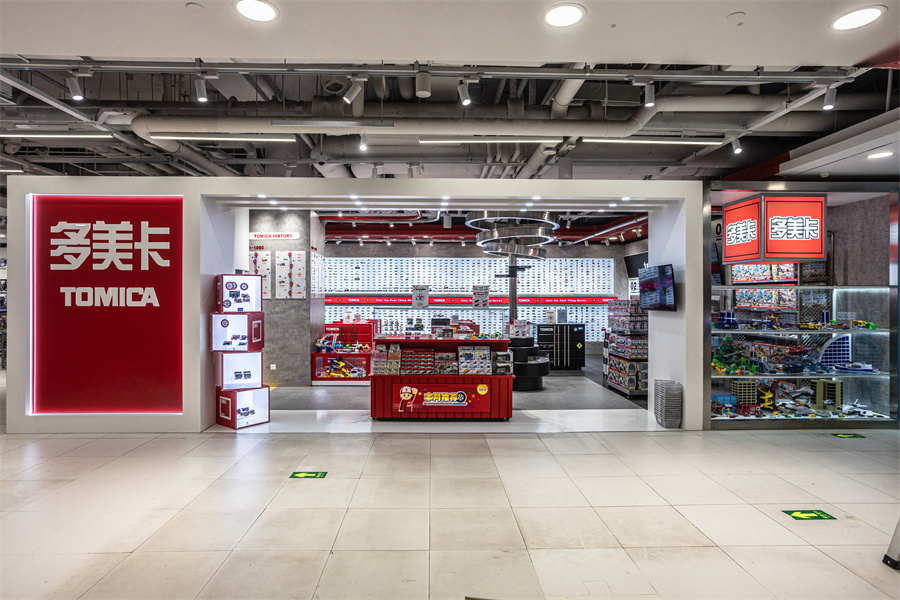
Core Insights - The opening of the first multi-brand Tomica specialty store in North China and the second in China at Toys"R"Us Beijing Blue Harbor marks a significant step in the strategic partnership between Toys"R"Us and Takara Tomy, highlighting increased foreign investment in China's toy market and the acceleration of regional expansion in Asia [1][5] Group 1: Store Features and Offerings - The new store features a "deep IP collaboration + immersive scene" model, including a "Tomica Car Wall" showcasing nearly 2,000 classic Tomica die-cast cars, a dedicated area for adult collectors, and interactive play zones for children [5][6] - Limited edition models launched at the store include the global debut of the "Tomica Bugatti Special Edition" and the national debut of the "Tomica Flagship TPR Nissan Special Edition" [5] Group 2: Market Trends and Consumer Behavior - The toy consumption market is shifting from "family-oriented retail" to a "multi-age community," with adult collectors becoming a significant growth segment, willing to pay premiums for rare products [5][7] - Toys"R"Us aims to create a lifestyle that is accessible to all ages, emphasizing that playfulness is not exclusive to children but can be enjoyed at any life stage [5] Group 3: Future Strategies - Toys"R"Us plans to continue enhancing its offerings through a full range of products and immersive experiences, focusing on differentiated advantages across various toy categories [7] - The company is also experimenting with new store concepts, such as the "Trendy Space" aimed at younger consumers, which will feature limited releases and exclusive products [6][7]
用好50亿基金 打造“AI眼镜第一城”
Sou Hu Cai Jing· 2025-09-29 23:13
Core Viewpoint - Shenzhen is transforming its traditional industries through digitalization and artificial intelligence, aiming to enhance the overall scale of traditional industries to over 700 billion yuan in the next three years [2][4][5]. Group 1: Traditional Industry Development - Shenzhen has a strong presence in high-end women's clothing, jewelry, and eyewear, with significant contributions to the global market [2]. - The city aims to optimize and upgrade traditional industries by leveraging new technologies, resulting in the emergence of new products, brands, services, and business models [2][4]. - The government is focusing on a multi-faceted policy approach to support various sectors, including clothing, jewelry, furniture, eyewear, watches, and leather [4]. Group 2: Artificial Intelligence Integration - Shenzhen plans to harness artificial intelligence to empower traditional industries, emphasizing the importance of AI in driving innovation and efficiency [5]. - The city has established major projects like Pengcheng Cloud Brain and Shenzhen Open Intelligent Computing Center to enhance AI service resources [5]. - Financial support mechanisms, such as "training vouchers" and "model vouchers," will be introduced to help companies reduce costs associated with AI implementation [5][6]. Group 3: Regional Initiatives - The Luohu District is enhancing its jewelry industry by integrating AI technologies into design, manufacturing, and retail, aiming to elevate the value creation process [7]. - The Longhua District is focusing on digital transformation in the fashion industry, promoting local brands on international platforms like Milan Fashion Week [8]. - Collaborative efforts with tech companies like Huawei are being made to establish smart centers that will further integrate AI into traditional sectors [7][8].
12条措施助传统产业“智变”
Sou Hu Cai Jing· 2025-09-29 23:13
Core Insights - Shenzhen is accelerating the optimization and upgrading of traditional industries, leveraging the technological revolution led by artificial intelligence to reshape the industrial landscape [1][2][3] Group 1: Background and Achievements - The traditional industries in Shenzhen are experiencing significant historical development opportunities, with high-end women's clothing brands ranking among the top in the country and the gold and jewelry industry maintaining the highest industrial output value nationally for several consecutive years [1] - Shenzhen aims to push the total scale of traditional industries to exceed 700 billion yuan within three years, significantly enhancing development capabilities [1] Group 2: Policy Measures - A comprehensive policy framework is being established to support enterprises in various sectors such as clothing, gold and jewelry, furniture, eyewear, watches, and leather, providing multi-faceted support to drive traditional industry upgrades [2] - The establishment of diverse investment models, including government-guided funds and partnerships with industry associations, aims to foster high-quality enterprises with strong technological advantages [2] Group 3: Technological Advancements - Key technological challenges are being addressed through initiatives like "revealing the list and taking the lead," focusing on critical materials and components that hinder high-quality development in traditional industries [2] - The implementation of an action plan for accelerating the development of artificial intelligence in traditional industries aims to integrate AI technology across various sectors, creating new growth drivers [2] Group 4: Product and Brand Development - A strategy to enhance product variety, quality, and branding is being implemented, with a goal of creating over 100 competitive products and more than 10 national consumer brands by 2027 [3] - Efforts are being made to promote Shenzhen's traditional industries through high-profile exhibitions and competitions, enhancing their visibility and influence [3][4] Group 5: Market Expansion - Initiatives to facilitate market expansion include organizing industry matchmaking events and supporting local brands in participating in international fashion weeks and trade shows [4] - A one-stop service model is being developed to optimize resource allocation and attract talent necessary for industry growth [4]
墨西哥对华加征关税,不只因特朗普施压
Hu Xiu· 2025-09-29 12:28
Core Viewpoint - The Chinese Ministry of Commerce announced an investigation into Mexico's trade and investment barriers against China, particularly in response to Mexico's proposed increase in import tariffs on products from non-free trade partners, including China [1][2][3]. Summary by Sections Trade Measures - Mexico's government proposed to raise import tariffs by up to 50% on products from China and other countries without free trade agreements, affecting a wide range of goods including automobiles, steel, textiles, and consumer products [3][5]. - The proposed tariffs could impact approximately $52 billion worth of imports, accounting for 8.6% of Mexico's total imports, and are expected to generate an additional $3.76 billion in tariff revenue annually [5][20]. Economic Implications - The new tariffs are seen as a way to protect local manufacturing and respond to pressures from the U.S. government regarding imports from China [7][21]. - The tariffs could lead to increased costs for consumers and businesses in Mexico, potentially exacerbating inflation [20][21]. Industry Reactions - The Mexican Chinese Technology Chamber expressed concerns that the tariffs could hinder Mexico's ability to absorb and develop advanced technologies in key industries such as automotive and electronics [10][12]. - Some Chinese companies have already paused investment plans in Mexico due to the uncertainty created by the proposed tariffs [12][20]. Bilateral Relations - The Chinese ambassador to Mexico emphasized the importance of avoiding protectionism and maintaining cooperative relations between China and Mexico [16]. - Despite the proposed tariffs, Mexican officials stated that the measures are not aimed at any specific country and that they wish to maintain good relations with China [8][10]. Broader Context - The timing of the tariff proposal coincides with the upcoming review of the USMCA agreement, which may influence Mexico's trade strategy and negotiations with the U.S. [6][21]. - Mexico's reliance on exports to the U.S. (over 90% of its total exports) makes it crucial for the country to navigate these trade tensions carefully [22][29].
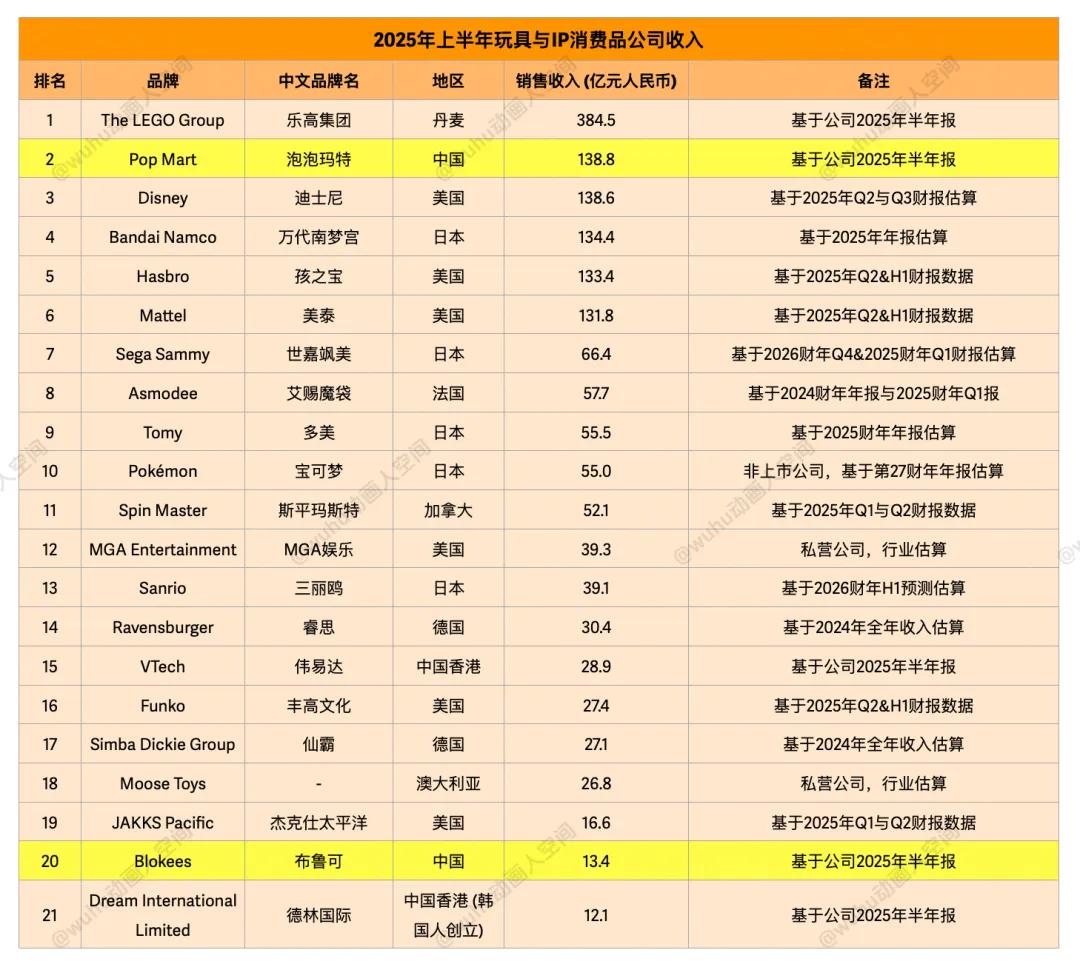
泡泡玛特收入首次超过迪士尼,说明了什么?
3 6 Ke· 2025-09-29 11:31
Core Insights - In the first half of 2025, Pop Mart achieved a revenue of 13.88 billion RMB, surpassing Disney's consumer products division, which reported 13.86 billion RMB, marking a significant milestone in the toy industry [1][2]. Group 1: Revenue Rankings - The LEGO Group leads the toy and IP consumer goods sector with a revenue of 38.45 billion RMB [2]. - Pop Mart ranks second with 13.88 billion RMB, followed closely by Disney at 13.86 billion RMB [2]. - Other notable companies include Bandai Namco (13.44 billion RMB), Hasbro (13.34 billion RMB), and Mattel (13.18 billion RMB) [2]. Group 2: Business Models and Strategies - Disney's business model has evolved over nearly a century, focusing on content creation, licensing, and theme parks, adapting to changes in media consumption [3]. - Pop Mart's success is attributed to its ability to leverage social media and e-commerce, creating emotional connections with consumers through its IPs, which cater to the growing "Kidult" market [4][5]. - The emotional value provided by Pop Mart's products resonates with consumers seeking personal expression and identity through their purchases [5][7]. Group 3: Market Trends and Consumer Behavior - The rise of the "Kidult" demographic, characterized by adults purchasing toys for emotional and social value, has significantly impacted the toy market [4][8]. - Both Disney and Pop Mart face challenges in maintaining consumer engagement in a fragmented market, with Disney focusing on emotional resonance and Pop Mart navigating the risk of becoming a "fast fashion" brand [8][9].

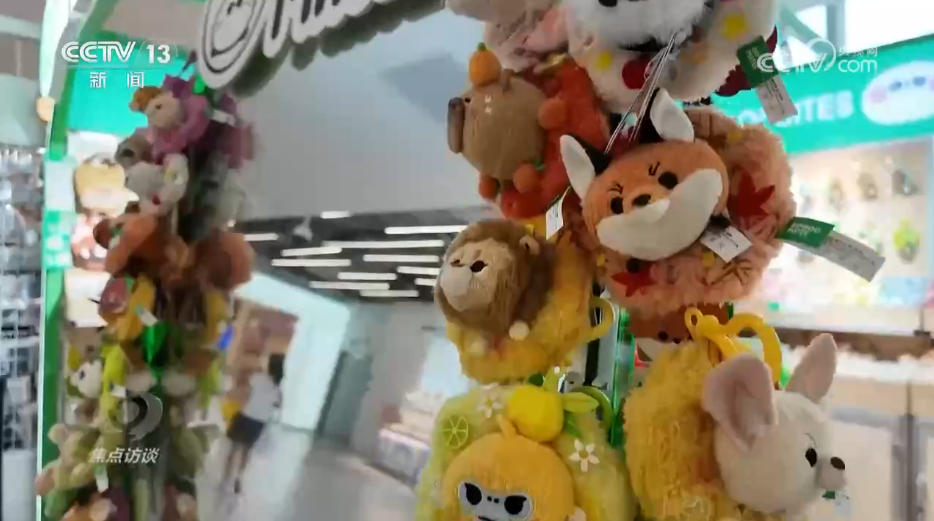
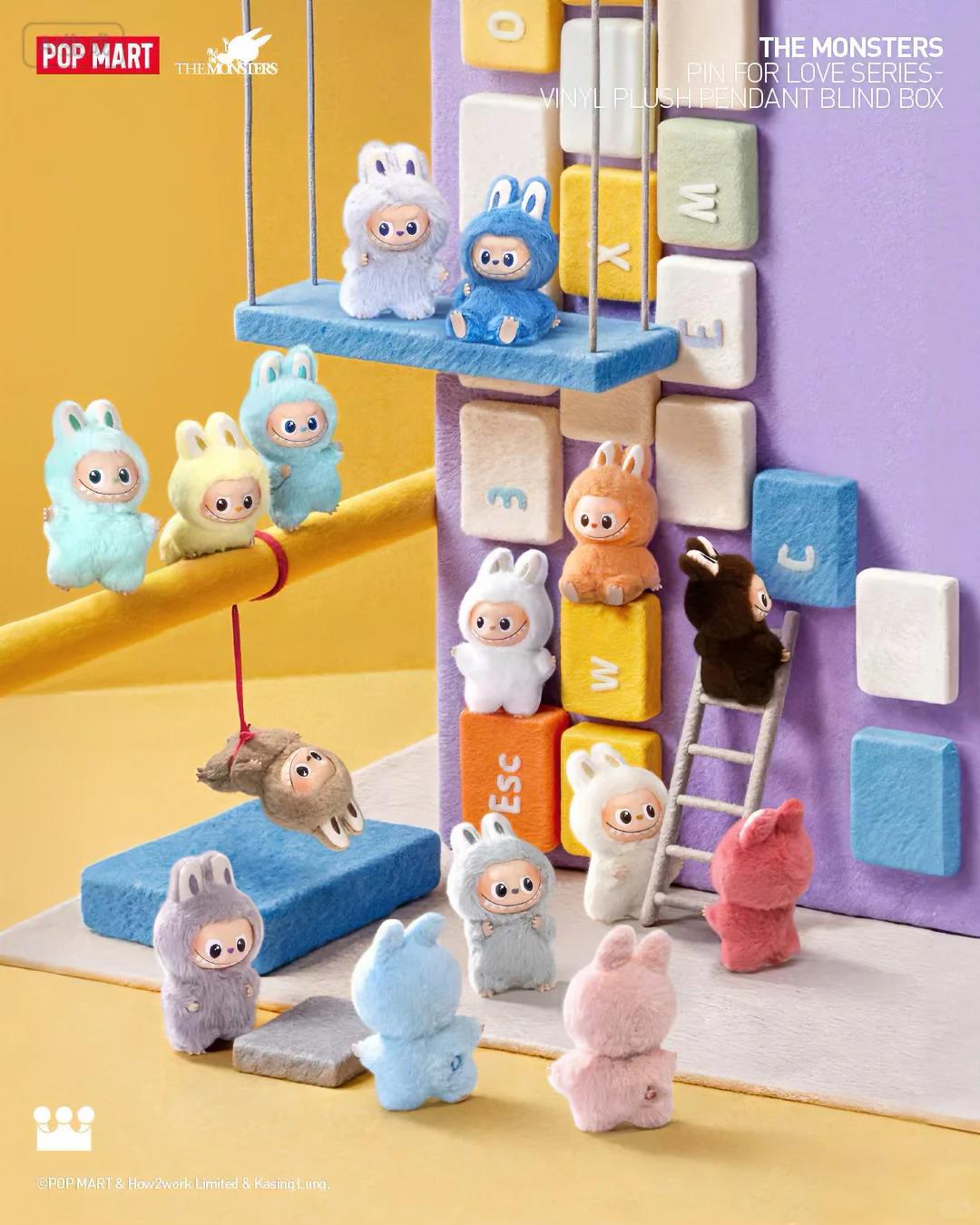
「小鼻嘎」胜利,玩具越小越可爱
3 6 Ke· 2025-09-29 00:48
Core Insights - The mini toy market has evolved from a niche collector's segment to a significant consumer category, driven by changing consumption and aesthetic values among young people [1][31] - The trend of miniaturization in toys reflects a broader shift towards lightweight consumption and emotional connection, catering to the desire for personalized and unique products [30][31] Market Trends - The mini toy segment, particularly "萌粒" (mini figures), is projected to reach a market size of 72.7 billion yuan in 2024, with blind box figures being a popular category among manufacturers [2] - Mini toys are characterized by their small size, low price point (5-30 yuan), and strong emotional value, making them appealing to students and working professionals alike [4][9] Consumer Behavior - The rise of social media has popularized terms like "小鼻嘎," which refers to mini toys, indicating a cultural shift towards these products [2][8] - Mini toys serve as personal symbols in social contexts, enhancing individual expression and identity among consumers [4][9] Product Innovation - Leading brands like Pop Mart and others are at the forefront of the miniaturization trend, using it as a strategy to extend IP value and reach a broader audience [9][11] - Mini toys are increasingly integrated into everyday life, with products designed for various scenarios, such as keychains and stress-relief items [4][13] Cultural Impact - The mini toy phenomenon has sparked a unique cultural movement, with UGC (user-generated content) becoming a significant driver of consumer engagement and creativity [26][28] - The DIY aspect of mini toys allows consumers to personalize their products, further enhancing their emotional connection to the items [30][31] Industry Dynamics - The mini toy market is witnessing increased competition, with both established brands and new entrants leveraging IP collaborations and innovative designs to capture consumer interest [11][15] - The success of mini toys is also attributed to their adaptability in various retail environments, including pop-up stores and online platforms, which facilitate consumer interaction and engagement [24][30]
00后的第一个AI硬件,藏着京东的野心
虎嗅APP· 2025-09-28 10:56
Core Viewpoint - The global robotics market is projected to exceed $1.2 trillion by 2030, indicating a significant growth opportunity despite previous uncertainties in business monetization paths [3][7]. Group 1: Industry Trends - The robotics industry has faced a period of unclear business paths, with companies focusing on long-term value creation rather than immediate financial returns [6][7]. - A shift is expected by 2025, driven by advancements in embodied intelligence and increased investment activity, leading to a more structured ecosystem [8][9]. Group 2: JD's Strategic Positioning - JD has launched its embodied intelligence brand, JoyInside, aiming to become a key player in the robotics market by providing both hardware and software solutions [12][14]. - JoyInside offers a comprehensive solution that integrates hardware, software, and ecosystem support, addressing the technical gaps faced by traditional robotics companies [18][39]. Group 3: AI Toy Market Dynamics - The AI toy market is anticipated to surpass $10 billion by 2030, with a growth rate exceeding 70%, attracting significant interest from major players [21][22]. - JoyInside enhances AI toys by providing intelligent interaction capabilities, making them more appealing to consumers and increasing user engagement [25][27]. Group 4: Competitive Advantages - JD's JoyInside platform leverages its extensive retail experience and data to optimize user interactions and improve the overall customer experience [39][41]. - The integration of JoyInside into various AI products has shown significant improvements in user engagement, with some products experiencing over 120% increase in interaction [31][43].