
智能汽车

Search documents
新问界M7上市,27.98万元起售
Hua Er Jie Jian Wen· 2025-09-23 12:22
9月23日,华为终端董事长余承东在鸿蒙智行秋季新品发布会上宣布,全新问界M7小订累计突破 230000。全新问界M7在外观设计、空间座舱、性能驾控与安全能力等维度进行了更新。 新车增程版 27.98万元起售,纯电版31.98万元起售。 ...
超3000名华为员工集体提车,阿维塔携华为战略升级,2030年将累计推出17款新车
Zheng Quan Shi Bao· 2025-09-23 10:24
Core Insights - The collective car delivery event at Huawei's headquarters marked a significant milestone in the strategic partnership between Avita and Huawei, with over 3,000 vehicles delivered to Huawei employees, setting a record for employee vehicle purchases in the smart car sector [1][4] Group 1: Product Strength - Huawei employees' selection of Avita vehicles reflects high standards and expectations, recognizing Avita's advantages in technology, safety, and design [2] - Avita's entire lineup features Huawei's advanced technologies, including the latest ADS 4 driving system, which will soon enable full scene experiences through OTA updates, and the HarmonyOS 5.0 cockpit that supports multi-modal interactions [2] - Avita has achieved a benchmark in safety with a record of 190,000 vehicles delivered without self-ignition, showcasing its commitment to safety in the electric vehicle market [2] Group 2: Strategic Cooperation - The delivery of 3,000 vehicles signifies a deepening collaboration between Avita and Huawei, transitioning from technical supply to full-chain co-creation [4] - The partnership, established in 2019, has produced four successful models, with a cumulative sales figure exceeding 190,000 vehicles, and a monthly sales record of over 10,000 units for six consecutive months [4] - Future plans include joint development of new models such as pure electric sports cars and luxury MPVs, enhancing Avita's product matrix [4] Group 3: Future Plans - Avita aims to launch 17 new models by 2030, covering a wide range of vehicle categories including sedans, SUVs, MPVs, and sports cars, to establish a comprehensive product matrix [5][6] - The company plans to expand globally, entering over 50 countries by 2025 and reaching 80 countries by 2030, with over 700 sales channels, positioning itself as a benchmark for Chinese smart car exports [6]
汽车央企“哄抢”华为
Jing Ji Guan Cha Bao· 2025-09-23 09:39
Core Viewpoint - The collaboration between Dongfeng Motor and Huawei is evolving from project-level cooperation to deeper organizational and capability integration, reflecting a strategic partnership aimed at enhancing product development and operational efficiency [1][2]. Group 1: Strategic Collaboration - High-level meetings between Dongfeng's chairman and Huawei's leadership indicate a strong commitment to the partnership, emphasizing the importance of safety and quality in automotive manufacturing [1]. - The discussions have expanded beyond technology and products to include governance, operational mechanisms, and talent development, showcasing a comprehensive approach to collaboration [1]. - The partnership aims to replicate the success of the Seres model, which has thrived under Huawei's support, suggesting a potential for creating a "central enterprise version of Seres" [1][3]. Group 2: Product Development and Market Positioning - Dongfeng currently lacks standout products and seeks to leverage Huawei's technology and market channels to develop potential star models [2]. - The rapid pace of collaboration, marked by a strategic agreement in May and the establishment of a joint innovation lab in September, indicates a swift transition from planning to execution [2]. - The partnership has led to the delivery of over 3,000 Avita vehicles to Huawei employees, highlighting the tangible outcomes of their collaboration [3]. Group 3: Technological Advancements - Huawei's advanced ADS 4 system, featuring multiple sensors and capabilities for high-level automation, positions Dongfeng favorably in the evolving regulatory landscape [4]. - The establishment of a joint innovation lab allows for shared methodologies and capabilities, marking a shift from a supplier relationship to a co-creation model in the automotive industry [4]. Group 4: Long-term Implications for Dongfeng - In the short term, the collaboration has already resulted in the launch of vehicles like the Mengshi M817, which integrates Huawei's intelligent systems [5]. - The joint innovation lab is expected to accelerate Dongfeng's development in software platforms and data management, addressing complexities in multi-brand operations [6]. - Dongfeng's long-term strategy involves integrating manufacturing processes with smart technology, aiming for a cohesive hardware, power, and software framework [6]. Group 5: Industry Dynamics - The partnership exemplifies a new collaborative model between state-owned enterprises and technology firms, moving from a supplier relationship to a more integrated approach [3][7]. - The success of this collaboration will depend on regulatory developments, cost management in software and hardware integration, and balancing brand differentiation within a multi-brand strategy [7]. - Huawei's role has shifted from a technology provider to an industry collaborator, enhancing its influence across various automotive sectors through partnerships with multiple manufacturers [6][7].

东风汽车杨青与华为任正非会谈,或以猛士为载体探索合作新模式
Mei Ri Jing Ji Xin Wen· 2025-09-23 08:17
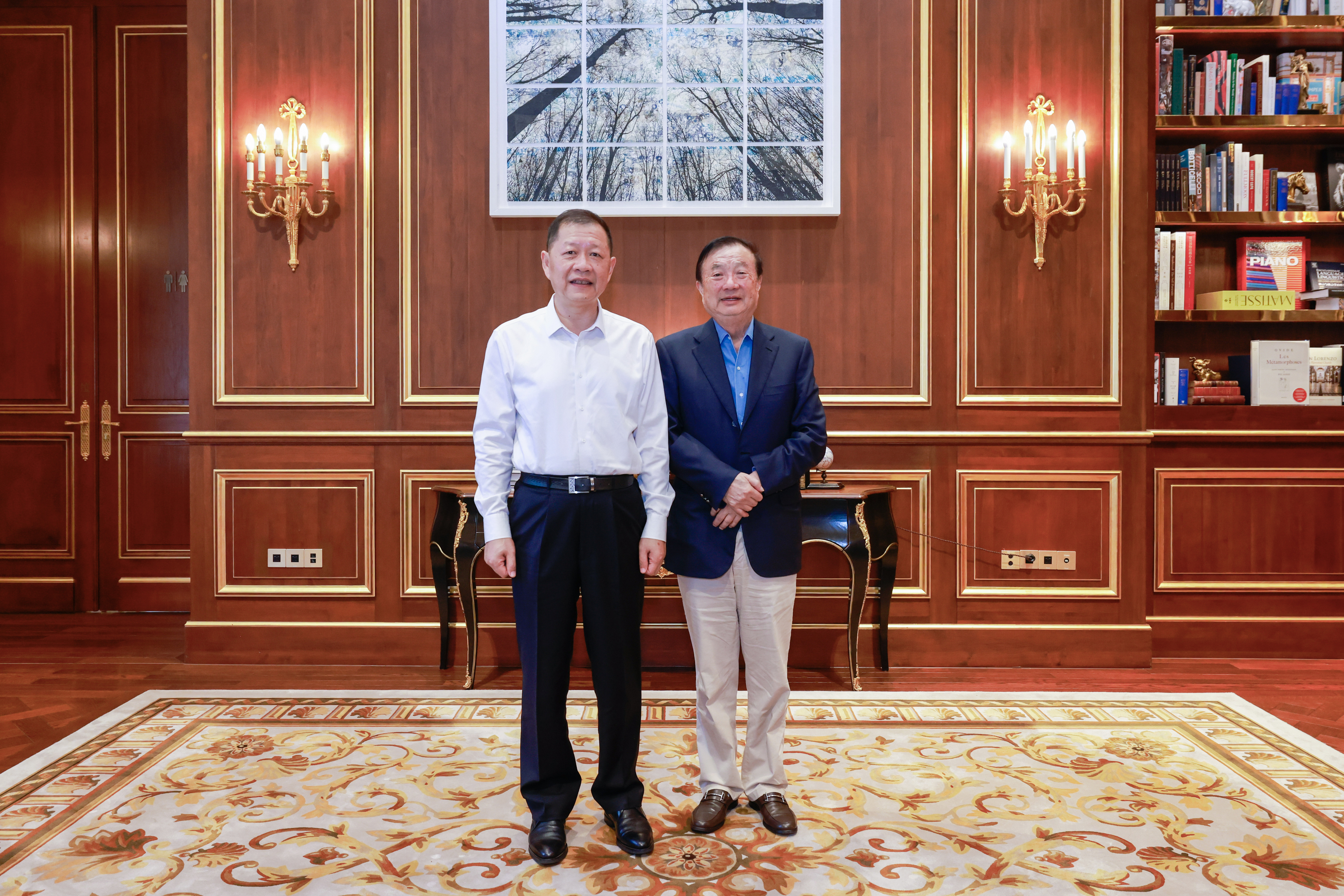
杨青表示,东风汽车正积极推动新能源、智能化跃迁,将与华为持续深化战略协同,共同面对产业变革与市场挑战。任正非表示,汽车行业的根本是要把车 造好,车的最高级别就是安全。徐直军表示,华为将全力支持东风汽车转型发展。 每经记者|孙桐桐 每经编辑|余婷婷 据东风汽车官方消息,9月22日,东风汽车董事长、党委书记杨青赴深圳,与华为公司创始人任正非及华为公司徐直军会谈,双方围绕强化战略互信、深化 战略合作、推进企业治理与运营机制创新等议题进行了深入交流。 据了解,在"Hi"模式下,华为主要提供智能汽车解决方案,车企在产品定义和销售渠道上有较大自主权,双方在一些环节的协同深度有限;"智选车"模式 中,华为深度参与产品定义、设计以及销售渠道建设,车企的主导权在一定程度上受到影响。 东风汽车与华为探索的新模式,将在开发端进一步强化合作。华为将全面开放自身流程与体系能力,东风汽车将积极引入华为的先进管理方法,促进与现有 流程体系的协同与创新,双方将从项目初始阶段就展开紧密协作。 东风猛士方面认为,无论后续合作模式如何创新,可以肯定的是,在集团的整体部署下,东风猛士与华为将以更开放的姿态开展合作,向产品定义、营销以 及生态服务等方 ...


超3000名华为员工集体提车,阿维塔携华为战略升级,2030年将累计推出17款新车
Zheng Quan Shi Bao Wang· 2025-09-23 08:12
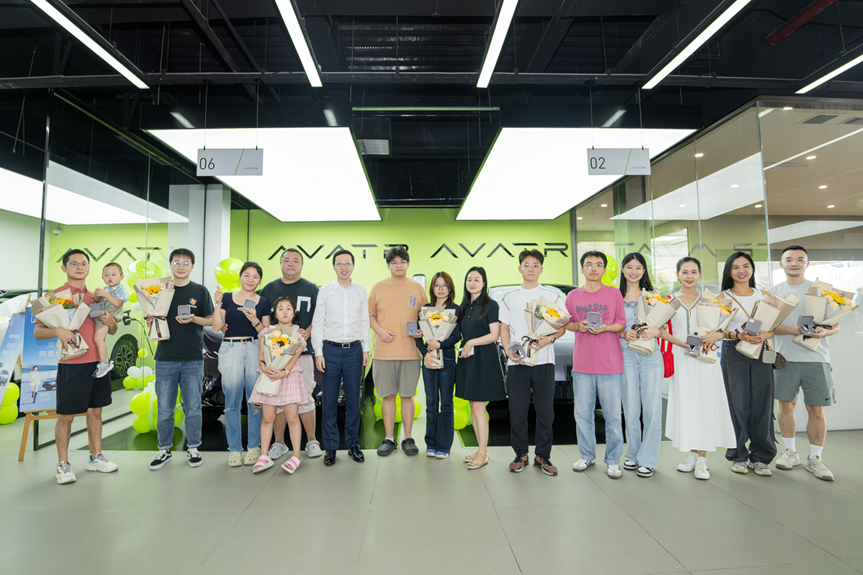
Core Insights - The collective delivery of over 3,000 vehicles to Huawei employees marks a significant milestone in the strategic partnership between Avita and Huawei, showcasing employee endorsement of Avita's products [1][3][4] Product Strength - Huawei employees' selection of Avita vehicles reflects high standards and rigorous requirements, emphasizing Avita's strengths in technology, safety, and design [4] - Avita's entire lineup features Huawei's advanced technologies, including the latest ADS4 intelligent driving system and HarmonyOS 5.0, enhancing user experience and interaction [4] - Avita has achieved a notable safety record with "0 spontaneous combustion" across 190,000 vehicles, setting a benchmark in the electric vehicle sector [4] - The newly launched Avita 07 model, which accounts for over 60% of the recent deliveries, is positioned as a high-value offering with a starting price of 209,900 yuan [6] Strategic Cooperation Upgrade - The recent vehicle delivery signifies a deepening collaboration between Avita and Huawei, transitioning from technical supply to full-chain co-creation [7] - Since their partnership began in 2019, Avita has launched four successful models, achieving over 190,000 cumulative sales and consistent monthly sales exceeding 10,000 units [7][9] - The partnership's future plans include joint development of new products such as electric sports cars and luxury MPVs, enhancing Avita's product matrix [9] Future Plans - Avita's "Strategic 2.0" plan aims to launch 17 new models by 2030, covering a wide range of vehicle categories to meet diverse consumer needs [10] - The company plans to expand its global presence, targeting entry into over 50 countries by 2025 and 80 countries by 2030, establishing a robust sales network [10]
云栖大会|斑马智行全球首发全模态端侧大模型解决方案
Zhong Guo Qi Che Bao Wang· 2025-09-23 07:15
Core Insights - Alibaba Cloud has launched Qwen3-Omni, the industry's first native end-to-end multimodal AI model, ahead of the Yunqi Conference [1] - Zhibra Zhixing announced the integration of Auto Omni, a multimodal end-side model solution, which will be showcased at the Yunqi Conference [1] Group 1: Product Launch and Features - On September 26, Zhibra Zhixing will officially release Auto Omni in collaboration with Alibaba Cloud and Qualcomm, featuring an end-to-end technology architecture [3] - The Auto Omni solution is built on Alibaba Cloud's Qwen Omni and Qualcomm's Snapdragon 8397 chip platform, offering three main features: proactive intelligence, offline usability, and privacy assurance [3] - The Snapdragon 8397 platform boasts a significant computational power increase to 320 TOPS, making it a preferred choice for high-end smart vehicles and one of the best platforms for deploying end-side large models [3] Group 2: Industry Trends and Future Outlook - The year 2025 is anticipated to be the "Year of End Models on Vehicles," as mainstream cockpit SoC chip computational power significantly increases, allowing 7B parameter multimodal models to run smoothly on the end side [3] - The first vehicles equipped with the Snapdragon 8397 chip are expected to be mass-produced in 2026, marking the official launch of the next generation of AI smart cockpits utilizing the Auto Omni multimodal end-side model solution [3]

东风猛士科技新任CEO万良渝拜访华为 双方合作或将进一步升级
Zhong Guo Jing Ying Bao· 2025-09-23 01:55
Core Insights - Dongfeng Warriors Technology has appointed Wan Liangyu as the new CEO, succeeding the original CEO, Cao Dongjie, who has transitioned to a role at Dongfeng Honda [2] - The company is focusing on deepening its collaboration with Huawei, particularly in the smart off-road vehicle sector, following a strategic partnership established in February 2024 [2][3] Group 1 - Wan Liangyu's first visit as CEO was to Huawei, indicating a strong intent to enhance cooperation and innovation in smart off-road vehicles [2] - The strategic partnership with Huawei aims to leverage both companies' resources for mutual growth and to build a robust ecosystem in the smart automotive industry [2][3] Group 2 - The first model developed in collaboration with Huawei, the Warrior M817, was launched in August 2023, featuring advanced Huawei technologies such as ADS 4 and Harmony cockpit [3] - Dongfeng Group has announced the establishment of a joint venture with a registered capital of 8.47 billion yuan, focusing on the manufacturing and sales of smart off-road vehicles [3]
一周要闻·阿联酋&卡塔尔|迪拜上半年吸引亚洲跨国公司创纪录/卡塔尔航空业旅客量创单月新高
3 6 Ke· 2025-09-22 15:13
Group 1: Dubai's Economic Growth and Investment - Dubai attracted a record number of multinational companies (MNCs) in the first half of 2025, with a 138% year-on-year increase in new businesses, 58% of which came from Asia [2] - The Dubai Chamber of Commerce reported that the number of MNCs established in Dubai reached a significant milestone, with 58% from Asia, followed by Europe (16.1%) and the Middle East and CIS (12.9%) [2] - The real estate market in Dubai saw a historic surge, with 99,146 transactions recorded in the first half of 2025, nearly quadrupling from 26,891 transactions in the same period of 2021 [6] Group 2: Strategic Partnerships and Initiatives - The Hong Kong Securities and Futures Commission signed a memorandum of understanding with the UAE Securities and Commodities Authority to enhance fund distribution cooperation, allowing non-listed overseas funds to be sold directly to UAE retail investors [2] - The Dubai Chamber signed a memorandum of understanding with the UAE Development Bank to support startups and SMEs by providing more financing options and customized banking solutions [5] - ADNOC launched the first AI-driven smart port solution in the GCC to enhance oil port operational efficiency, reducing vessel turnaround time by up to 90% [5] Group 3: Foreign Direct Investment and Employment - Sharjah attracted $1.5 billion in foreign direct investment (FDI) in the first half of 2025, marking a 361% increase from $325 million in the same period of 2024 [4] - Sharjah's FDI projects increased to 74, a 57% year-on-year growth, creating 2,578 new jobs, which is a 45% increase compared to the previous year [4] Group 4: Aviation and Transportation Developments - The UAE ranked among the top countries globally for aviation safety, achieving a score of 98.86% in the ICAO audit [3] - Qatar's Hamad International Airport recorded a historic high of over 5 million passengers in August 2025, reflecting a 6.4% month-on-month increase [10] Group 5: Renewable Energy and Technological Advancements - QatarEnergy partnered with Samsung to build one of the world's largest solar power plants, expected to have a total capacity of 2,000 MW by mid-2029 [11] - Robo.ai Inc. announced a joint venture in Dubai to establish the "Robo.ai Smart Industrial City," focusing on high-end smart vehicle production and other advanced technologies [7]

贾跃亭融资2.9亿元押注加密货币
21世纪经济报道· 2025-09-22 11:25
Core Viewpoint - Qualigen Therapeutics has entered into a PIPE agreement with Faraday Future, involving a financing of approximately $41 million, aimed at transitioning the company towards cryptocurrency and Web3-related businesses [4][6]. Financing Details - The financing round is led by Faraday Future and its CEO Jia Yueting, with a total investment of about $41 million, including $30 million from Faraday Future at a price of $2.246 per share, giving it a 55% ownership stake in Qualigen [4][6]. - Jia Yueting plans to invest an additional $4 million personally, acquiring about 7% of Qualigen's common stock [4][6]. Strategic Shift - Following the investment, Qualigen is expected to rebrand as CXC10 and focus on cryptocurrency and Web3, moving away from its current biopharmaceutical operations, which are struggling [6][10]. - The company aims to create a new business model centered around a crypto ecosystem, decentralized AI trading, and value stabilization [6][10]. Company Background - Qualigen has faced significant challenges, including a risk of delisting from NASDAQ due to its stock price falling below $1 for 30 consecutive days [8][9]. - Recent leadership changes occurred as the previous CEO and CFO resigned due to strategic disagreements, leading to the appointment of new executives with experience in turning around small-cap companies [9][10]. Current Operations - Qualigen's core product pipeline focuses on rare cancer treatments, with ongoing projects like QN-302 in Phase 1 trials and Pan-RAS in lead optimization [10]. - Despite the strategic investment, the company has not shown substantial operational improvements, and its future remains uncertain in the highly competitive biopharmaceutical industry [10].


曝全新问界M7周末小订量爆增110% 9月23日正式发布
Xin Lang Cai Jing· 2025-09-22 09:47
Core Insights - The all-new Wanjie M7 has seen a significant increase in store visits and small orders, with a 300% increase in foot traffic and a 110% increase in small orders compared to the previous Thursday and Friday [1] - The vehicle has attracted a large number of new users, with 92% of the order customers being first-time buyers of products from Hongmeng Zhixing [1] - The surge in interest is attributed to the availability of sufficient display and test drive vehicles in popular colors and configurations, enhancing consumer willingness to visit stores and experience the vehicle [1] Sales Performance - The pre-sale price of the all-new Wanjie M7 starts at 288,000 yuan, and since its pre-sale began on September 5, the market response has been exceptionally strong [2] - Within just 10 minutes, small orders exceeded 20,000, surpassing 100,000 in one hour, reaching 130,000 in six hours, and exceeding 150,000 within 24 hours [2] - The latest data indicates that small orders have now surpassed 220,000 [2] Upcoming Events - The official launch of the all-new Wanjie M7 is scheduled for September 23 [3]