
气象服务

Search documents
“三农”新蓝图已绘就!——河南省专家结合河南实际解读中央农村工作会议精神
He Nan Ri Bao· 2025-12-30 23:31
Core Insights - The Central Rural Work Conference emphasizes the importance of ensuring stable and safe supply of grain and key agricultural products as a top priority for building a strong agricultural nation [2] - The conference outlines key agricultural and rural development tasks, focusing on enhancing grain production capacity and promoting agricultural modernization through technology and innovation [5] Group 1: Grain Security - The conference highlights the need to stabilize grain and oil production and implement a new round of actions to increase grain production capacity by a billion jin [2] - Experts stress that Henan, as a major grain-producing province, plays a crucial role in national food security and must actively implement the central government's directives [2] - The focus is on improving grain yield through the integration of quality land, seeds, machinery, and methods, while also promoting technological, green, quality, and brand agriculture [2] Group 2: Agricultural Technology - The conference calls for strengthening key agricultural technology research and efficient application of scientific achievements to develop new agricultural productivity [5] - Experts emphasize the importance of addressing industry challenges through targeted technological advancements, particularly in the sesame industry, where Henan leads in production [5] - Successful transformation of scientific research into practical applications is deemed essential for agricultural innovation [5] Group 3: Rural Income and Employment - The conference stresses the need to promote stable income growth for farmers and establish a mechanism to ensure the profitability of grain farmers [4] - A comprehensive approach is advocated to enhance farmers' income beyond traditional farming, focusing on the entire agricultural value chain [4] - Support for returning entrepreneurs and enhancing employment opportunities for migrant workers is highlighted as vital for rural revitalization [6][7] Group 4: Disaster Prevention and Climate Resilience - The conference underscores the importance of enhancing meteorological monitoring and disaster prevention capabilities in agriculture [3] - Measures will be taken to improve early warning systems and integrate meteorological data into agricultural practices to shift from passive to proactive disaster management [3] - The goal is to protect over 88 million acres of high-standard farmland and ensure food security in the face of climate change [3]
陕西商南织密气象防灾减灾“安全网”
Xin Lang Cai Jing· 2025-12-30 06:40
Core Viewpoint - The focus of the news is on the efforts of the Shangnan County Meteorological Bureau to enhance disaster prevention and mitigation through improved meteorological monitoring, early warning systems, and public service, thereby supporting high-quality economic and social development in the region. Group 1: Meteorological Monitoring and Data Collection - The Shangnan County Meteorological Bureau has upgraded 8 regional automatic weather stations and added 2 soil moisture observation stations and 1 traffic meteorological observation point, achieving a 92% coverage rate for meteorological monitoring across the county [1] - The data availability rate for national stations remains at 100%, while regional stations maintain a long-term stability of over 99%, providing a solid data foundation for accurate forecasting and early warning [1] Group 2: Early Warning Systems and Public Communication - The bureau has published a total of 589 meteorological disaster warning signals and created 8 major meteorological information reports and 216 specialized service materials to support decision-making [2] - During the historical drought from March to August, the bureau issued 12 advance weather forecasts 3-5 days prior to critical weather events and conducted artificial rainfall operations to alleviate agricultural drought impacts [2] - A total of 68,000 warning messages were sent through various channels, ensuring timely delivery of warning information to the public [2] Group 3: Emergency Response and Collaboration - The bureau has revised disaster response service standards and conducted over 60 joint meetings, issuing 53 geological disaster and flash flood risk warnings, establishing a collaborative emergency response mechanism [3] - The bureau activated disaster response protocols 26 times throughout the year, ensuring efficient handling of adverse weather conditions [3] - Artificial weather modification operations were conducted 14 times in key areas, utilizing 24 rocket shells and 366 artillery shells, significantly benefiting agricultural production [3] Group 4: Support for Agriculture and Key Events - The bureau provides tailored meteorological services for local agricultural needs, including specialized weather forecasts for tea and grain production, facilitating effective farming activities [4] - During critical periods such as the Spring Festival travel rush and high school entrance examinations, the bureau proactively engaged in providing meteorological support to ensure smooth operations [4] Group 5: Public Education and Awareness - The bureau has established a meteorological science education base, hosting over 500 students for educational visits and conducting various outreach activities to enhance public awareness of meteorological disaster prevention [5] - Through innovative media platforms, the bureau has created accessible educational materials to improve public understanding of meteorological science and disaster preparedness [5]
中国气象局发布《全球气象发展报告2025》
Yang Shi Wang· 2025-12-30 05:57
Core Insights - The "Global Meteorological Development Report 2025" highlights the global trend towards enhanced meteorological services through technology upgrades, international cooperation, and innovative partnerships between sectors and enterprises [1][2] - Key themes include the application of digital twin technology, AI meteorological forecasting models, early warning systems, and the use of commercial small satellites and drones in meteorological services [1] Group 1 - The report indicates that meteorological departments worldwide are focusing on business and computational upgrades, with significant advancements in satellite and radar technologies [1] - The global multi-hazard early warning practices have shown significant damage reduction effects, driven by the United Nations' early warning initiatives [1] - The development of digital twin Earth technology is injecting new momentum into enhancing meteorological service capabilities [1] Group 2 - China has improved its national meteorological high-quality development index by 18.35% from 2020 to 2024, contributing significantly to global meteorological advancements [2] - The China Meteorological Administration (CMA) is fulfilling its responsibilities as an international and regional professional center, promoting the concept of "people first, life first" in meteorological services [2] - The report expands its research scope to include developing countries, particularly in Africa, providing insights for building meteorological services along the Belt and Road Initiative [2] Group 3 - The CMA's Meteorological Development and Planning Institute has engaged domestic and international experts to ensure comprehensive oversight and insights into global meteorological developments [3] - The report aims to reflect a dual perspective of "China observing the world and the world observing China" in meteorological intelligence [3]
“十四五”发展成效丨湖南:气象织网护三湘 智慧赋能筑新篇
Xin Lang Cai Jing· 2025-12-28 01:57
Core Viewpoint - The article highlights the achievements and practices of meteorological departments in Hunan during the "14th Five-Year Plan" period, focusing on high-quality development in meteorology and its integration into economic and social services [1]. Group 1: Meteorological Development and Planning - Hunan has implemented the "Meteorological High-Quality Development Outline (2022-2035)" and the "National Meteorological Development '14th Five-Year Plan'" by establishing its own provincial plans and government opinions to enhance meteorological services [1]. - The meteorological departments aim to modernize meteorological technology and social services, enhancing collaboration across departments and industries to support disaster prevention and economic development [1]. Group 2: Disaster Prevention and Mitigation - Hunan has focused on improving precision in monitoring and forecasting to safeguard public safety, with significant advancements in meteorological monitoring capabilities [2]. - A three-dimensional monitoring network has been established, including 21 weather radars, increasing coverage to 91.8% at a distance of 1 kilometer from the ground, enhancing the ability to capture sudden and small-scale weather disasters [4]. - The province has developed a "631" progressive warning service model, which includes issuing rain forecasts every 6 hours, warnings 3 hours in advance, and immediate alerts to disaster response personnel [5]. Group 3: Integration of Meteorology into Economic Development - The "Meteorology+" initiative has been launched to integrate meteorological services into various sectors such as agriculture, transportation, electricity, and finance, promoting high-quality economic development [7]. - In agriculture, a comprehensive service model has been created, allowing farmers to access machinery services through an app, reducing machinery idle rates from 60% to 10% [8]. - The electricity sector has benefited from a full-process meteorological service system, enhancing hydropower generation [9]. Group 4: Technological and Legal Foundations - Hunan's meteorological departments have established several innovative platforms and laboratories to support technological advancements and information systems [10]. - The government has introduced regulations to strengthen meteorological disaster prevention and response mechanisms, ensuring effective collaboration among various departments [13]. - The province has become a national pilot for integrated meteorological facility planning and data management, emphasizing the importance of meteorological work for safety, production, and ecological well-being [13].

大连旅顺口:一港一策 筑牢渔港气象安全防线
Xin Lang Cai Jing· 2025-12-22 06:58
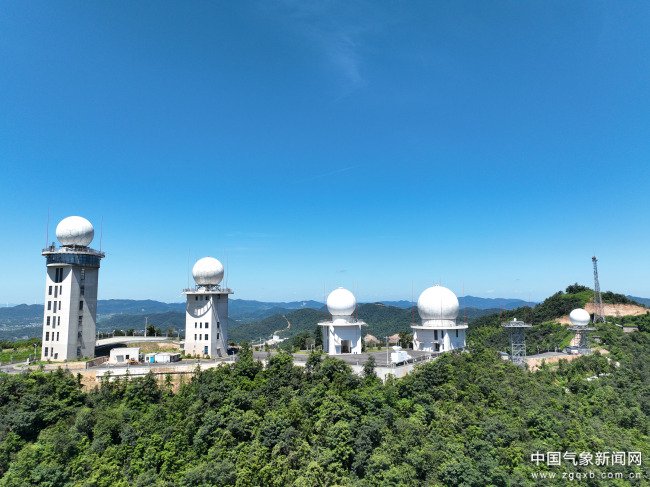
12月15日至16日,辽宁省大连市旅顺口区气象局成立专项工作组,聚焦渔港管控核心需求,针对辖区11 个渔港开展全覆盖实地调研,并以郭家沟渔港为试点,制定差异化气象服务方案,推动渔港气象防灾减 灾服务精准落地。 通过调研,工作组梳理了从预警发布到渔船召回的全链条响应流程。各渔港以属地渔业部门或渔港公司 为调度主体,调度核心依据为各级气象部门发布的灾害预警信号,为后续服务方案制定奠定基础。 作为试点的郭家沟渔港,气象保障方案紧扣"监测精密、预报精准、服务精细"要求,通过布设10米风 杆、能见度仪,探索为渔船配备便携传感器,弥补海上数据空白;预报环节建立"近岸-近海-外海"分区 模型,提供6小时至72小时精准预报,重点强化西北大风预警;响应机制上,将大风、能见度等预警与 管控指令直接挂钩,通过多渠道确保信息直达每艘渔船。 下一步,旅顺口区气象局将根据各渔港功能定位和海域气象风险特征,制定差异化服务方案,并将郭家 沟渔港试点经验逐步向全区推广,最终构建全覆盖、智能化的渔港气象防灾减灾体系,为大连海洋经济 高质量发展提供坚实气象保障。 (作者:李倩 李晓文 责任编辑:郭曼如) ...
“十四五”发展成效丨贵州:执改革之笔 绘就新时代高质量发展新图景
Xin Lang Cai Jing· 2025-12-22 06:58
Core Viewpoint - The article emphasizes the significant advancements made by the Guizhou meteorological department in implementing the "14th Five-Year Plan" for high-quality meteorological development, showcasing improvements in monitoring, forecasting, and service capabilities to support economic and social development [1][2]. Group 1: Implementation of the "14th Five-Year Plan" - Guizhou meteorological department has been actively implementing the "Meteorological High-Quality Development Outline (2022-2035)" and related government policies, leading to a substantial increase in overall meteorological capabilities compared to the "13th Five-Year" period [2]. - The department has focused on addressing weaknesses and enhancing monitoring and forecasting capabilities, resulting in a significant leap in operational and technological levels [2]. Group 2: Monitoring Network Development - The establishment of a comprehensive meteorological monitoring network is crucial for Guizhou's diverse weather conditions, with efforts to eliminate monitoring blind spots and enhance disaster weather monitoring [3][4]. - As of now, Guizhou has built 5,600 ground meteorological observation stations, reducing the average distance between stations from 7.5 kilometers to 5.6 kilometers, and achieving full coverage of automatic meteorological stations in townships [5]. - The construction of various weather radars has improved monitoring coverage from 72% to 90.1% at a height of 1 kilometer, significantly enhancing disaster monitoring capabilities [5]. Group 3: Precision Forecasting Enhancements - Guizhou has developed a robust research ecosystem to enhance meteorological forecasting capabilities, resulting in a more than 50% increase in personnel engaged in research and development [9]. - The region has established a digital grid forecasting system with a resolution of 1 kilometer for 0-10 day forecasts, and 500 meters for major cities, significantly improving the accuracy and lead time of severe weather warnings [10]. - The accuracy of heavy rain warning signals has reached 98.19%, with an average lead time of 112 minutes, while hail warning accuracy stands at 93.82% with a lead time of 54 minutes [10]. Group 4: Integration of Meteorology with Other Sectors - The Guizhou meteorological department has initiated innovative financial products like "climate loans" to support green finance, marking a significant step in leveraging meteorological data for economic development [10]. - Collaborative efforts in agriculture have led to the establishment of specialized meteorological service centers, enhancing agricultural productivity and risk management through tailored weather services [11]. - The integration of meteorology with transportation has improved safety measures, resulting in a decrease in traffic accidents related to weather conditions [14]. Group 5: Future Directions - As the "14th Five-Year Plan" approaches its conclusion, the Guizhou meteorological department aims to continue enhancing its core capabilities and service levels, contributing to the modernization of meteorological services in the province [15].
【黄陵】气象服务精准高效 帮助群众稳产增收
Shan Xi Ri Bao· 2025-12-21 23:02
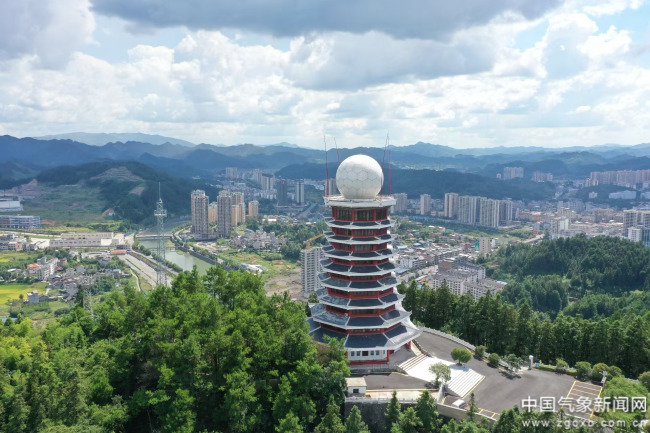
Core Viewpoint - The Huangling County Meteorological Bureau is enhancing agricultural support through tailored weather services, improving disaster prevention and mitigation for local farmers, and increasing their confidence in crop management [1][2][3] Group 1: Agricultural Support - The Huangling County Meteorological Bureau provides on-site weather data and advice to farmers, helping them understand the impact of weather changes on crop growth [1] - Regular training sessions are conducted to educate farmers on recognizing weather warnings and implementing effective agricultural practices [1][2] - Customized weather service alerts are sent to farmers based on specific crop needs, such as frost and drought prevention [2] Group 2: Community Engagement - The bureau actively engages with the community by conducting monthly educational sessions on weather-related safety and disaster preparedness [2] - Information dissemination includes distributing disaster prevention guide cards and providing personalized assistance to elderly residents [2] - The bureau has established a feedback mechanism to ensure timely responses to community inquiries regarding weather conditions [2] Group 3: Operational Improvements - The Huangling County Meteorological Bureau has integrated service improvement with operational efficiency, enhancing monitoring capabilities and optimizing resource allocation [3] - Simplified administrative processes and improved communication channels have been implemented to ensure timely weather alerts reach the public [3] - Continuous training and skill enhancement for staff are prioritized to maintain high service quality and responsiveness [3]
泾县:气象工作深度融入美丽泾县建设三年行动
Xin Lang Cai Jing· 2025-12-19 07:25
Group 1 - The core viewpoint of the article is the implementation of the "Beautiful Jingxian Construction Three-Year Action Implementation Plan (2025-2027)", which incorporates meteorological work into the overall planning of the county [1] - The Jingxian Meteorological Bureau will collaborate with relevant departments to play a key supporting role in climate change risk management, contributing to the establishment of regional safety and ecological barriers [1] - The plan emphasizes the enhancement of intelligent observation network construction and climate risk assessment to provide scientific basis for major planning and engineering projects [1] Group 2 - The Jingxian Meteorological Bureau aims to improve disaster prevention and reduction capabilities through enhanced early warning emergency linkage and the establishment of an information sharing platform [1] - The initiative will actively support ecological protection, restoration, and land greening efforts, providing solid meteorological support for the construction of a beautiful Jingxian [1]
天气预报要“开挂”?人工智能打破算力瓶颈,15天全球预报3分钟生成
Mei Ri Jing Ji Xin Wen· 2025-12-18 10:09
Core Insights - The Earth System Forecast Development Strategy (2025-2035) aims to enhance weather and climate forecasting capabilities by considering interactions among various Earth system layers, benefiting national strategies and public needs [1] Group 1: Disaster Prevention and Mitigation - The development of Earth system forecasting capabilities will significantly improve early warning systems for extreme weather, thereby protecting lives and property [1] - Enhanced forecasting will support disaster response actions, such as personnel evacuation and resource allocation before typhoons or heavy rainfall [4] Group 2: Industry Services - The strategy will provide precise meteorological services to various sectors, including agriculture, renewable energy, transportation, and financial insurance [1] - Advanced forecasting capabilities will empower low-altitude economic activities, optimize maritime route planning, and enhance traffic management during adverse weather [5] Group 3: Ecological Civilization and Climate Change - The Earth system forecasting will serve as a scientific basis for achieving carbon peak and carbon neutrality goals, aiding in climate change response [1] - Long-term climate forecasting capabilities will support scientific assessments of climate change risks and the formulation of national adaptation strategies [5]
中国气象局:到2035年建成自主可控、国际先进的地球系统预报体系
Yang Shi Xin Wen Ke Hu Duan· 2025-12-18 05:55
Core Viewpoint - The China Meteorological Administration has released the "Earth System Forecast Development Strategy (2025-2035)", aiming to establish a comprehensive Earth system forecasting system that integrates various Earth spheres for better disaster prevention, climate change response, and socio-economic development support [1][2]. Group 1: Strategic Goals - The goal is to build an autonomous and internationally advanced Earth system forecasting system by 2035, progressing in two phases [2]. - The first phase focuses on operationalizing a new generation of forecasting models and establishing a unified framework for meteorological artificial intelligence models within the next five years [2]. - The second phase, from 2030 to 2035, aims to fully establish a unified Earth system forecasting framework, significantly enhancing the simulation and prediction capabilities of multi-scale and multi-sphere interactions [2]. Group 2: Key Tasks - Develop multi-sphere coupled Earth system models to comprehensively reflect interactions among different Earth spheres [3]. - Focus on the research and development of meteorological artificial intelligence models to create an integrated forecasting system for weather and climate [3]. - Promote deep integration of numerical forecasting and artificial intelligence, developing common technologies and shared platforms [3]. - Build Earth system digital infrastructure to achieve seamless intelligent forecasting capabilities across all time scales, from minutes to decades [3]. - Provide high-level services for disaster prevention, climate change, and socio-economic development, effectively transforming meteorological data into application value [3]. - Strengthen the allocation of scientific and technological innovation resources to create an efficient and collaborative innovation development mechanism for Earth system forecasting [3]. - Advance the construction of a high-level talent team with a complete talent training and evaluation system [3]. - Enhance international cooperation and communication to promote data and technology resource sharing [3].