
生态农业

Search documents
和音:向世界展现中国乡村发展的和美画卷
Ren Min Ri Bao· 2025-10-24 08:26
Group 1 - The core viewpoint of the articles highlights China's successful inclusion of 19 villages in the UN's "Best Tourism Villages" list, showcasing the country's commitment to ecological civilization and rural revitalization [1][2] - The "Two Mountains" concept, emphasizing ecological priority and sustainable development, is a guiding principle for the selected villages, which exhibit unique natural landscapes and cultural characteristics [1][3] - The development of rural tourism, ecological agriculture, and cultural creativity is crucial for revitalizing rural industries, leading to increased income and improved living standards for villagers [2][3] Group 2 - The integration of traditional Chinese aesthetic wisdom into rural development enhances the living environment and public services, making ancient villages more vibrant and culturally rich [3] - The articles emphasize the harmonious relationship between ecological protection and economic development, as well as the blending of traditional culture with modern civilization in Chinese rural areas [3] - China's commitment to prioritizing agricultural and rural development during the "14th Five-Year Plan" period aims to achieve significant historical progress in rural revitalization and contribute to global sustainable development [3]
荆州市亿分地生态农业有限公司成立 注册资本50万人民币
Sou Hu Cai Jing· 2025-10-24 04:48
Group 1 - A new company, Jingzhou Yifendi Ecological Agriculture Co., Ltd., has been established with a registered capital of 500,000 RMB [1] - The legal representative of the company is Ma Zhenxin [1] - The business scope includes production, sales, processing, transportation, storage of agricultural products, and related services [1] Group 2 - The company is involved in the acquisition of primary agricultural products and the wholesale and retail of edible agricultural products [1] - It also engages in food internet sales (limited to pre-packaged food) and food sales (limited to pre-packaged food) [1] - Additionally, the company provides labor services (excluding labor dispatch) [1]
生态文明示范创建能带来什么?山东蒙阴用实践证明
Zhong Guo Huan Jing Bao· 2025-10-23 01:38
Core Viewpoint - The article emphasizes the successful integration of ecological civilization construction with pollution prevention efforts in Mengyin County, demonstrating that environmental governance can coexist with high-quality economic development [1][2][4]. Group 1: Ecological Civilization and Pollution Prevention - Mengyin County has established a comprehensive approach to pollution prevention by integrating it into the overall planning and annual goals of ecological civilization construction, elevating environmental responsibilities to a strategic level [1][3]. - The county's leadership has prioritized ecological initiatives as a key project, ensuring accountability through strict assessments and responsibilities for pollution control across all levels of government [1][3]. Group 2: Industrial and Energy Structure Transformation - The ecological civilization initiative has led to significant transformations in industrial and energy structures, including the elimination of outdated production capacities and the promotion of green development [2][4]. - Mengyin County has actively pursued clean energy alternatives, phasing out coal facilities and encouraging enterprises to adopt cleaner energy practices, thereby facilitating a shift from "green mountains and clear waters" to "golden mountains and silver mountains" [2][4]. Group 3: Comprehensive Environmental Governance - A systematic assessment framework has been established to improve air quality, focusing on precise pollution control measures across various sources, including industrial emissions and urban pollution [3]. - The county has implemented a full-chain governance system for water resources, integrating protection measures from source to end, including wastewater treatment and rural sanitation improvements [3]. Group 4: Innovative Ecological Compensation Mechanisms - Mengyin County is exploring innovative ecological compensation and market mechanisms, such as horizontal ecological protection compensation, to incentivize environmental protection and engage social capital in ecological restoration projects [4]. - The county has adopted measures to enhance public participation in environmental governance, transforming citizens from passive observers to active participants and beneficiaries in pollution prevention efforts [4].
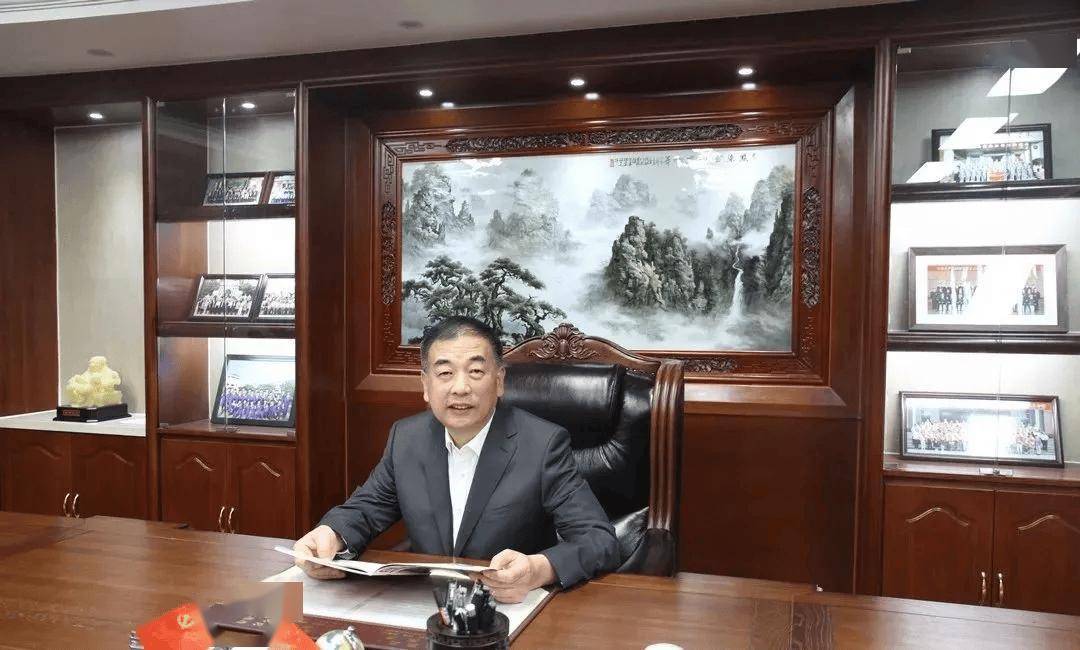
【商界】潍坊东方企业家俱乐部常务理事长,潍坊丰华(集团)公司党委书记、董事长:程亚利先生
Sou Hu Cai Jing· 2025-10-22 09:46
Company Overview - Weifang Fenghua Group Company is a private joint-stock enterprise that integrates chain supermarkets, specialized markets (kitchen appliances, festive supplies), distribution services, ecological agriculture, catering services, and high-end silk [4] - The company was established in 1948 as a national secondary wholesale enterprise and has expanded its main business operations across various districts in Weifang City [4] Business Segments - Weifang Fenghua Textile Trade Co., Ltd. is a leading enterprise within the group, focusing on chain operations and specialized markets, including the well-known Fenghua Mall, which features festive supplies and kitchen appliances [7] - Weifang Fenghua Supermarket Co., Ltd. operates chain supermarkets with a community service focus, aiming for market-oriented operations and community-based management [9] - Shandong Xingshengyuan Trade Co., Ltd. handles category procurement and internal supply chain operations, providing efficient and convenient professional distribution services for various product categories [11] - Shandong Yutian Ecological Agriculture Co., Ltd. specializes in organic food cultivation and sales, promoting a green and healthy lifestyle through high-quality organic products [11] - Shandong Furailande Commercial Operation Co., Ltd. is a comprehensive service entity that meets the needs of nearly 700 enterprises and over 30 communities in the headquarters base area [13] - The Wanshili Weifang Specialty Store is a high-end silk specialty store established in collaboration with Hangzhou Wanshili Group, representing high-end silk culture in Shandong [15] Corporate Honors - The company has received numerous accolades, including being recognized as an advanced grassroots party organization and a model enterprise for consumer satisfaction in Shandong Province [16][17] - The chairman has been honored as an outstanding entrepreneur and a leader in integrity culture construction within the textile industry [17] Innovation and Development - The company has established an innovation incubation base to explore new economic growth points and innovative business models, primarily supporting the health industry [16]

山东栖霞:“银担”增信模式精准赋能乡村振兴
Zhong Guo Fa Zhan Wang· 2025-10-22 07:12
Core Insights - The collaboration between Qixia City and Shandong Agricultural Development Credit Guarantee Co., Ltd. has effectively addressed the financing challenges faced by agricultural operators through a "bank-guarantee" framework [1][3] - A comprehensive financial product system has been established, covering the entire agricultural industry chain, particularly focusing on the apple industry in Qixia [1][2] - The partnership has resulted in over 569 million yuan in loans issued, benefiting 378 agricultural operators, thus significantly contributing to local economic development [3] Group 1: Financial Product Innovation - Qixia City has launched various financial products with high limits, low interest rates, and flexible terms, specifically designed for agricultural operators such as family farms and cooperatives [1] - The financial services cover all aspects of the apple industry, including specialized loans for planting, storage, and sales, thereby providing comprehensive support [1] Group 2: Service Optimization - Qixia City has implemented targeted customer engagement activities to better understand and meet the financial needs of local agricultural enterprises [2] - The successful case of Xiaokeling Ecological Agriculture Cooperative highlights the effectiveness of the direct financial connection service, which facilitated a 3 million yuan loan to support modern agricultural practices [2] Group 3: Focus on Key Industries - The collaboration has prioritized investment in agriculture and cultural tourism, addressing the significant financing challenges in these sectors [2] - A notable example includes the provision of a 3 million yuan loan guarantee for the development of the Tianlushan Scenic Area, enhancing local tourism infrastructure and creating job opportunities [2][3]
准格尔旗深耕“两山”实践 走好生态优先、绿色发展协同之路
Ren Min Ri Bao· 2025-10-21 21:50
Core Viewpoint - The Erdos City in Inner Mongolia is committed to an "ecology-first, green development" approach, integrating ecological governance with economic growth to achieve a harmonious development model that benefits both the environment and the local population [1] Group 1: Green Industrial Transformation - The focus is on green transformation in industrial development, particularly in mine ecological restoration and energy industry upgrades, creating a diversified and low-carbon industrial system [2] - As of now, 48 green mines have been established in the region, including 8 national-level and 40 autonomous region-level mines, leading Inner Mongolia in quantity [2] - The energy sector aims for high-end, diversified, and low-carbon development, promoting clean and efficient coal utilization technologies and integrating traditional and renewable energy sources [3] Group 2: Development of Characteristic Green Industries - The region is developing a characteristic green industry system by combining ecological construction with industrial development, particularly focusing on the mountain apricot industry [4] - A complete industrial chain from planting to processing has been established, linking farmers with companies to create a community of shared interests [4] - The small grain industry is prioritized, with a national small grain industry park being developed to enhance quality and efficiency through technological support [5] Group 3: Ecological Agriculture and Tourism - Ecological agriculture is being promoted through soil improvement techniques and innovative farming models that enhance productivity and environmental quality [6] - The region is developing eco-tourism by leveraging natural landscapes and cultural resources, creating a multi-functional tourism destination that boosts local employment [6] Group 4: Ecosystem Governance - Efforts are being made to enhance the ecological environment quality through integrated protection and restoration of various ecosystems, particularly in the Yellow River basin [7] - Specific projects targeting soil erosion and ecological fragility in the Yellow River area are being implemented to improve water and soil conservation [7] - A comprehensive governance model for the difficult-to-repair arsenic sandstone areas has been developed, focusing on ecological restoration and economic benefits [8]
山水颜值为发展增值(话说新农村)
Ren Min Ri Bao· 2025-10-16 22:09
Core Insights - The transformation of ecological advantages into development advantages is crucial for rural revitalization, with a focus on enhancing natural capital and promoting sustainable practices [1][2] Group 1: Ecological Advantages - A good ecological environment is considered the greatest asset for rural areas, providing significant potential for developing new industries and business models [2] - Successful examples include the conversion of apple orchards into both a source of income and a means of soil conservation in Gansu, and the transformation of barren mountains into green landscapes in Shaanxi [1][2] Group 2: Economic Transformation - The pathway for realizing the value of ecological products is expanding, emphasizing the need for effective market mechanisms and proactive government involvement [2] - Innovative practices such as carbon asset trading from bamboo in Zhejiang and soil conservation carbon trading in Fujian illustrate the potential for turning natural resources into economic benefits [2] Group 3: Rural Tourism and New Industries - The rise of rural tourism, including starry sky economies, camping, and homestays, is providing new avenues for income generation for farmers [3] - It is essential to establish mechanisms that allow farmers to share in the economic benefits derived from these new industries, ensuring equitable distribution of wealth [3]
洼里村凤凰涅槃:从“三无空壳村”到生态富民样板 |乡村新图景
Jing Ji Guan Cha Bao· 2025-10-15 08:20
Core Insights - Liu Xiangdong, the village secretary, transformed the impoverished Wali Village into a thriving agricultural hub through an "ecological industrialization and industrial ecology" model, covering eight major industries [1][2][6] Group 1: Village Transformation - Wali Village was once a "three-no" village (no collective economy, no proper leadership, no basic facilities) with significant debt [3] - Liu initiated the first well in the village and later led the establishment of vegetable greenhouses, overcoming initial resistance from villagers [3][4] - The village now hosts daily visits from various delegations seeking to learn from its development experience [1] Group 2: Technological Integration - Liu adopted organic farming techniques to address soil degradation and pesticide residue issues, significantly improving soil quality [5][6] - The introduction of a "cooperative + technology + market" model, inspired by Israeli practices, has been pivotal in the village's agricultural success [5][6] Group 3: Industry Expansion - The village has developed a comprehensive ecosystem that includes planting, breeding, processing, sales, finance, education, health care, and cultural tourism [6] - Liu's initiatives have led to the establishment of a professional cooperative, organic certification for 46 products, and partnerships with major e-commerce platforms [6][7] Group 4: Future Plans - Liu aims to replicate the Wali model in 300 farms nationwide and deepen collaborations with research institutions for soil improvement [2][6] - Plans include expanding organic medicinal herb cultivation and creating a sustainable health industry chain [2]
绿意润巴陵 生态惠万家
Zhong Guo Zi Ran Zi Yuan Bao· 2025-10-15 07:23
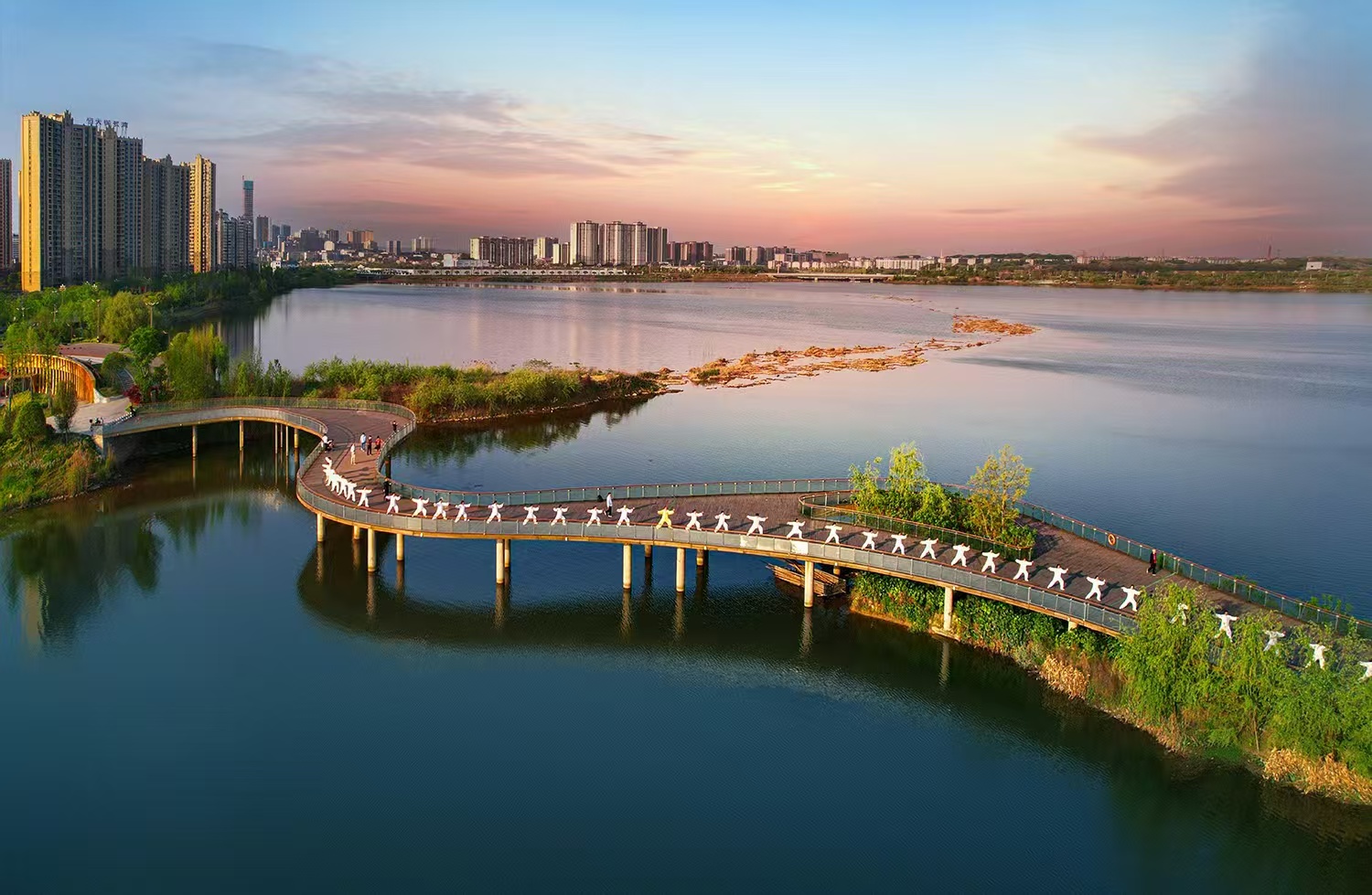
Core Viewpoint - The article emphasizes the integration of ecological protection and economic development in Yueyang, Hunan Province, focusing on the comprehensive restoration and sustainable utilization of the Dongting Lake ecosystem [3][4]. Ecological Protection and Restoration - Yueyang is implementing an integrated protection and restoration project for the Dongting Lake area, which includes the restoration of historical mining sites, ecological greening of riverbanks, and biodiversity protection in wetlands [5]. - The city aims to increase the total arable land area to 445,500 acres, with a yield increase of 15% and an irrigation guarantee rate exceeding 80% by 2025 [5]. - The establishment of ecological agriculture and tourism, along with carbon trading, is being promoted to develop green industries [5]. Financial Investment and Economic Development - In March 2025, Yueyang signed a strategic cooperation agreement with the Agricultural Development Bank, securing financing of no less than 10 billion yuan for land comprehensive remediation and ecological protection projects [7]. - A multi-source investment model combining government finance, policy finance, and social capital is being utilized to boost green economic development [7]. - The integration of various funding channels is expected to provide strong support for comprehensive remediation projects, with a total of 1.822 billion yuan allocated for various reform projects by 2025 [7]. Systematic Ecological Governance - Yueyang is focusing on a systematic approach to ecological governance, defining key ecological protection and restoration units around Dongting Lake [9]. - The city combines engineering governance with natural restoration to enhance the ecological environment, particularly in critical habitats for migratory birds [9][10]. Cultural and Tourism Development - The city is leveraging its cultural heritage, such as "Youle Culture" and "Dragon Boat Culture," to create eco-tourism experiences that connect cultural landmarks with ecological landscapes [11]. - Longshou Town is developing a red tourism immersive experience center, integrating ecological protection with cultural heritage to promote collaborative development [11]. - The establishment of tourism routes based on cultural experiences and ecological observation is expected to attract significant visitor numbers, with projections of 300,000 annual visitors to certain areas [12]. Land Consolidation and Economic Models - Comprehensive land consolidation is transforming land resources into assets, capital, and funding, fostering new economic models [13]. - Innovative mechanisms are being introduced to enhance rural economies through the integration of industrial funds and agricultural development [13]. - The article highlights the acceleration of ecological value transformation into economic and social benefits, providing a replicable model for green development in the Yangtze River Economic Belt [13].
江西正邦科技股份有限公司关于下属子公司重整第一次债权人会议表决结果的公告
Shang Hai Zheng Quan Bao· 2025-10-13 20:15
Core Viewpoint - Jiangxi Zhengbang Technology Co., Ltd. is undergoing a restructuring process for its subsidiary, Liaoning Chaoyang Zhengbang Ecological Agriculture Co., Ltd., due to its inability to repay debts and lack of solvency, but it is believed to have high restructuring value [1][2]. Group 1: Restructuring Process - On July 25, 2025, the court accepted a pre-restructuring application for Chaoyang Zhengbang, initiated by creditor Zhang Xiuchun, citing the company's inability to repay debts and potential for operational recovery [1]. - On September 4, 2025, the court officially accepted the restructuring application and appointed Beijing Qinglv (Shanghai) Law Firm as the restructuring manager [2]. - A notice for creditors to declare their claims was issued on September 5, 2025, with the first creditors' meeting scheduled for October 10, 2025 [3]. Group 2: Creditors' Meeting Outcomes - The first creditors' meeting on October 10, 2025, had 30 participating creditors, representing 96.77% of the total creditor count [4]. - The restructuring plan draft was approved by all creditor groups: - Priority creditor group: 66.67% of participating creditors approved, representing 76.98% of the total debt amount [4][5]. - Employee creditor group: 100% approval from the single participating creditor [5]. - Ordinary creditor group: 83.33% approval from participating creditors, representing 99.08% of the total debt amount [5][6]. - Investor group: 100% approval from the single participating investor [6]. - The property management plan and the proposal for non-site meetings were also approved by the creditors, with significant majorities in favor [8][9].
