
智能驾驶

Search documents
2026年度数字经济策略:AI赋能:科技行业投资的黄金时代
NORTHEAST SECURITIES· 2025-11-04 09:14
Group 1: Core Insights - The report emphasizes that the digital economy will continue to drive new quality productivity in 2026, supported by advancements in AI and technology innovation [2][19][21] - The transition from "technical breakthroughs" to "value release" in the technology sector is expected to create long-term value for the industry [2][19] - The automotive sector is projected to undergo a paradigm shift from "rule-driven" to "data-driven" approaches, particularly in commercial vehicles [2][33] Group 2: Digital Economy Development - The digital economy is recognized as a key force in optimizing the three elements of productivity: labor, labor objects, and labor materials [17][19] - AI will play a crucial role in enhancing productivity through technological innovation, data resource utilization, and the establishment of a modern industrial system [19][21] - The report forecasts that the AI medical sector will grow significantly, with the market size expected to reach 159.8 billion yuan by 2028 [4][24] Group 3: Intelligent Driving - The intelligent driving sector is entering a critical phase with both gradual and leapfrog developments, leading to significant value release in 2025 [26][32] - The penetration rate of L2+ intelligent driving is expected to rise from 8% in 2024 to 15% in 2025, indicating a shift towards more affordable models [37][41] - The report highlights the importance of policy and technology in driving the commercialization of L3 autonomous vehicles [40][44] Group 4: Industrial AI - Industrial AI is set to evolve from "tool-level applications" to comprehensive integration across research, production, and management processes [3][22] - The report outlines that AI will enhance efficiency in manufacturing through adaptive intelligent systems and predictive maintenance [3][22] - The integration of AI in industrial software is expected to improve operational efficiency and drive innovation in manufacturing [22][25] Group 5: Cybersecurity - The cybersecurity industry is transitioning from "passive defense" to "active immunity," with AI-driven models enhancing threat detection and operational automation [3][23] - The report emphasizes the need for a comprehensive security framework that includes AI technology, data security, and ecosystem collaboration [23][24] - AI's role in cybersecurity is projected to significantly improve threat detection accuracy and operational efficiency [3][23] Group 6: Investment Recommendations - The report suggests focusing on sectors such as automotive, industrial AI, cybersecurity, and AI healthcare for investment opportunities during the "14th Five-Year Plan" period [21][24][25] - The automotive sector is highlighted as a core area for investment due to its potential for digital technology integration and ecosystem collaboration [21][22] - The report indicates that the development of domestic AI chips will support the digital economy by overcoming current limitations in computing power [25][26]
“智驾神器”是伪创新,更是真危险
Ke Ji Ri Bao· 2025-11-04 00:42
Core Insights - A device known as "Smart Driving Artifact" has gained popularity online, claiming to provide a "hands-free" autonomous driving experience, but it is essentially a tool to deceive vehicle assistance systems [1][2] - The device exploits a loophole in current Level 2 (L2) driver assistance systems, which require drivers to keep their hands on the steering wheel, posing significant safety risks [1][2] Industry Concerns - The misuse of such devices reflects a blind trust in technology and a severe lack of safety awareness among some drivers, highlighting the need for increased consumer vigilance and awareness [2] - The automotive industry must enhance the monitoring logic and interaction alerts of their systems to improve accuracy and resistance to interference [2] - E-commerce platforms should strengthen the review process for such pseudo-technological products, while content platforms need to remove promotional materials that encourage their use [2] - Regulatory bodies must intensify enforcement against the use of devices like the "Smart Driving Artifact" and work towards improving technical standards for smart connected vehicles [2]
上汽、北汽“加持” 高阶智驾“黑马”天瞳威视开启港股之旅
2 1 Shi Ji Jing Ji Bao Dao· 2025-11-03 12:45
Core Viewpoint - The recent surge in Hong Kong's stock market for autonomous driving companies includes the listing application of Suzhou Tiantong Weishi Electronic Technology Co., Ltd. (hereinafter referred to as "Tiantong Weishi") on October 31, 2023, marking its entry into the market alongside other notable players [1][2]. Group 1: Company Overview - Tiantong Weishi, established in 2016, provides a full range of autonomous driving solutions from L2-L2+ to L4 levels, focusing on high-level autonomous driving through software [2][3]. - The company claims to be the second-largest provider of L2-L2+ solutions and the third-largest provider of Driver Monitoring Systems (DMS) based on installation volume in 2024 [2]. Group 2: Financial Performance - Tiantong Weishi's revenue for 2022, 2023, and 2024 is projected to be 172 million, 203 million, and 482 million RMB, respectively, with corresponding losses of 324 million, 231 million, and 462 million RMB [3]. - In the first half of 2025, the company expects to generate revenue of 157 million RMB with a loss of 192 million RMB [3]. Group 3: Business Development - The company has established L2-L2+ solutions for 144 vehicle models, with 50% of its revenue in 2024 expected to come from L4-level autonomous driving solutions, which have a compound annual growth rate of 82% from 2022 to 2024 [3]. - Tiantong Weishi has secured intention orders for L4 solutions covering over 2,500 vehicles, with a total contract value of approximately 1 billion RMB, expected to be delivered within three to five years [3]. Group 4: International Expansion - Tiantong Weishi has served 34 countries and regions, collaborating with international automotive giant ZF since 2021 to develop ADAS solutions, and has achieved EU DDAW certification for its CalmCockpit solution [4]. - The company has delivered autonomous driving solutions for VinFast vehicles in 2023 and deployed solutions for a premium electric vehicle brand in Sweden in 2024, marking its entry into the European market ahead of its Chinese counterparts [4][5]. Group 5: Strategic Partnerships - The company has a notable shareholder lineup, including SAIC Group, BAIC Group, and ZF, alongside strategic cooperation with Horizon Robotics, forming a close ecological alliance [5][6]. - Tiantong Weishi's recent shift to a "one-stage" architecture for autonomous driving has enhanced its capabilities, allowing it to collaborate with several leading automotive companies [7]. Group 6: Market Position and Future Potential - The autonomous driving industry is witnessing a consolidation of players, with Tiantong Weishi potentially benefiting from its latecomer advantage as it enhances its technology and market presence [6][7]. - The company's ability to leverage its partnerships and technological advancements raises questions about its potential to outperform established competitors in the market [8].
智驾软硬件持续迭代,robotaxi未来已来
2025-11-03 02:35
Summary of Key Points from the Conference Call Industry Overview - The conference call discusses the autonomous driving (AD) industry, focusing on various companies and their technological advancements in the sector. Key Companies and Market Share - **Momenta** holds a leading position in the third-party autonomous driving market with a market share of 55%, while **Huawei** has a 25% share [1][3]. - **DJI** excels in low-computing power chip solutions but is shifting towards mid-to-high computing power solutions due to market demand [1][5]. - **Horizon Robotics** has developed self-researched hardware-software integrated solutions, currently in mass production with Chery's models, but faces challenges in NPU computing power and algorithm upgrades [1][6]. Technological Routes and Developments - The AD industry is divided into three main technological routes: 1. **End-to-End Algorithms**: Gaining traction since Tesla's AI Day in 2021, with companies like Momenta and Tesla implementing these algorithms in production vehicles [2]. 2. **Vision Language Action (VLA) Models**: Used by companies like Li Auto and XPeng, requiring high computing power (minimum 500 TOPS) and significant resources for training [2]. 3. **World Models**: Developed by companies like Huawei and Momenta, capable of understanding and predicting environmental changes [2]. Performance and Capabilities of Key Players - **Momenta** offers two product lines: a cost-effective single Orin X solution and a high-end dual Orin X solution, showcasing strong engineering capabilities [3]. - **DJI** has strong engineering capabilities but relatively weaker algorithm capabilities, allowing it to effectively implement complex algorithms in practical scenarios [3]. - **Horizon Robotics** is in the second tier of the industry, with its HSD and G6P series solutions providing decent user experience but needing more vehicle validation [6]. Market Trends and Shifts - The market is shifting from low-computing power chips to mid-to-high computing power solutions, prompting companies like DJI to develop new chip solutions [4][5]. - The demand for **fusion perception** routes combining Lidar and other sensors is expected to grow due to regulatory requirements and the need for handling complex scenarios [12]. Challenges and Future Outlook - The differences in autonomous driving capabilities among companies are primarily determined by data, computing power, and algorithms [8][9]. - Long-term, the accumulation of data will be crucial for competitive advantage, with a critical mass of road testing data needed to trigger significant improvements [10]. - The **Robot Taxi** market is seen as a positive growth area, with profitability dependent on vehicle efficiency, cost management, and competitive pricing [18][19]. Conclusion - Companies transitioning from L2+ to L4 levels of autonomous driving have a natural advantage due to lower resource investment and existing experience in mass production [20].
智能驾驶研发费用大增 千里科技拟港股上市
Zhong Guo Zheng Quan Bao· 2025-11-03 01:16
Core Viewpoint - Qianli Technology reported a significant decline in net profit due to increased R&D expenses for its new smart automotive cockpit operating system, despite stable revenue [1][4]. Financial Performance - For the first three quarters, Qianli Technology achieved revenue of 6.946 billion yuan, nearly unchanged from the previous year, but the net profit attributable to shareholders was -176 million yuan, a decrease of 826.19% year-on-year [1][4]. - The company has experienced continuous losses since 2022, with losses of 262 million yuan in 2023, 329 million yuan in 2024, and 116 million yuan in the first half of 2025 [2][3]. Revenue Breakdown - The automotive segment is the primary revenue source, contributing 4.176 billion yuan and 2.599 billion yuan in 2024 and the first half of 2025, respectively, accounting for 60% and 62.6% of total revenue [2][3]. - The motorcycle segment contributed 2.136 billion yuan and 1.277 billion yuan, representing 30.7% and 30.8% of total revenue during the same periods [2][3]. Profitability Analysis - The automotive business has a low gross margin, with margins of 4.7%, -5.3%, 1.2%, and -0.9% for the years 2022 to 2025 [3]. - Overall gross margins for Qianli Technology were 8.2%, 4.1%, 6.9%, and 5.5% during the same periods, indicating the impact of low automotive margins on overall profitability [3]. Strategic Initiatives - Qianli Technology is pursuing an AI-driven strategy, focusing on smart driving solutions, which will require substantial ongoing R&D expenditures [4][5]. - The company plans to enhance its gross margin by expanding high-configuration models empowered by AI and optimizing cost management [4]. Funding and Investment - Qianli Technology received 257 million yuan in government subsidies in the first three quarters, which helped it report a net profit of 53.28 million yuan [5]. - The company is actively recruiting for various positions related to AI and smart cockpit development, with salaries ranging from 420,000 to 840,000 yuan per year [5]. Shareholder Dynamics - The actual controller of Qianli Technology, Yin Qi, has a significant stake through Jianghe Shunshui, which holds 19.91% of the shares after a recent equity transfer [6][7]. - The stock price of Qianli Technology has increased over 210% since July 1, 2024, reflecting market optimism regarding its AI strategy [7].

金融“活水”浇灌科创沃土
Shan Xi Ri Bao· 2025-11-02 22:58
Group 1 - The core focus of the news is on the establishment and operation of the Shaanxi Science and Technology Innovation Mother Fund, which aims to support technology-driven enterprises through long-term capital investment [2][3][4] - The fund was registered on June 30, 2023, with an initial scale of 10 billion yuan, targeting strategic emerging industries and future industries [2] - The fund adopts a long-term investment approach, moving away from short-term assessments, with a three-year evaluation mechanism to focus on the long-term growth value of projects [3] Group 2 - The Shaanxi Science and Technology Innovation Mother Fund has a contribution ratio that can exceed 50% of the total scale of sub-funds, with seed and angel funds allowed up to 60%, which is significantly higher than the industry average [4][5] - The fund has a 20-year duration, with sub-funds having differentiated timelines based on type, catering to the long-term growth needs of early-stage technology projects [5] - As of October 30, 2023, the fund has completed the selection of seven sub-fund management institutions and will begin investment operations [5] Group 3 - The Qin Chuang Yuan Investment Company has launched the first data element innovation insurance product in Northwest China, "Qin Shu Bao," to mitigate risks associated with data transactions [6] - The company has introduced 89 low-cost, specialized financial products aimed at technology-driven enterprises, responding to the funding needs of over 200 companies [6] - The company has established several wholly-owned subsidiaries to enhance its technology finance service capabilities, including a provincial-level management entity for the mother fund [7] Group 4 - The Qin Chuang Yuan Investment Company has formed innovation joint bodies with major industry players to enhance investment efficiency and address market needs [8][9] - The company has successfully incubated projects in smart manufacturing and intelligent driving, demonstrating its capability in technology innovation and commercialization [9][10] - The establishment of various innovation centers and joint bodies focuses on advanced manufacturing and clean energy equipment, with several projects already receiving commercial orders [10]
四维图新以全栈可控引领智能化新时代
Bei Jing Ri Bao Ke Hu Duan· 2025-11-01 14:02
Core Insights - The company has officially upgraded its brand to SEEWAY.AI, marking a transition from being a "map provider" to an "AI-driven" entity in the intelligent driving sector [1][5] - The CEO emphasized the importance of high cost-performance, compliance with national standards, and meeting advanced user demands in the intelligent driving industry [3] - The company aims to leverage its full-stack capabilities to promote the globalization of Chinese smart vehicles [3][4] Product Development - The company has achieved a significant milestone with 5.85 million new intelligent driving solutions set to be delivered to over 20 mainstream automakers by mid-2025 [3] - The AI-powered cockpit solutions have been deployed in over 100 countries, with the AC8015 chip being used in more than 100 mass-produced models, totaling 5 million units shipped, over 50% of which are for international markets [3][4] - The company has developed a complete soft-hard integration production capability, supported by chips like AC8015 and AC8025, with cumulative shipments of SoC and MCU exceeding 100 million units [4] Global Strategy - The company has established a comprehensive compliance business with over 100 ongoing projects, serving more than 30 mainstream automakers [4] - The high-precision positioning solutions have achieved a positioning error of ≤2‰ in obstructed scenarios, utilizing lightweight terminals and low-power designs as alternatives to laser radar [4] - The brand upgrade to SEEWAY.AI signifies a new phase focused on AI-centric, one-stop solutions for cockpit and driving collaboration [5]


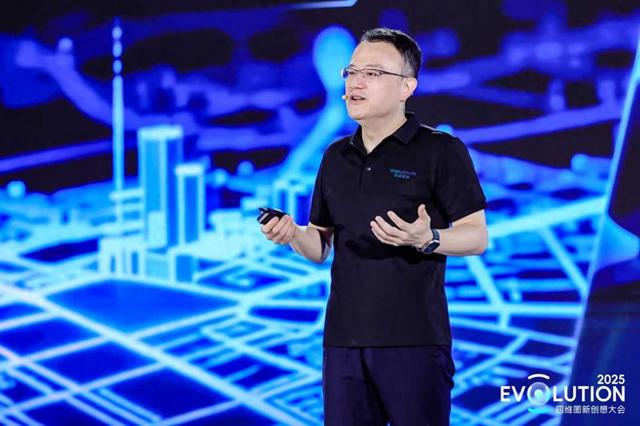
四维图新品牌战略升级锚定智驾普及与平台孵化
Zhong Guo Zheng Quan Bao· 2025-11-01 02:09
Core Insights - The automotive industry is shifting from "horsepower" competition to "computing power" competition, prompting traditional mapping companies to adapt their strategies towards AI and data-driven solutions [1] - The CEO of the company, Cheng Peng, emphasized that AI should not only enhance technology but also serve as the core engine for reconstructing product logic, moving from functionality to emotional value [1][5] Industry Trends - By 2025, the automotive intelligence sector is expected to witness four major trends, with a focus on balancing regulation and efficiency [1] - The implementation of mandatory standards for assisted driving will lead to a more regulated development phase, moving away from exaggerated marketing claims [1] Cost Reduction in Assisted Driving - The company has successfully reduced the cost of assisted driving solutions to the thousand-yuan level, down from 5000 yuan five years ago, due to technological innovations [2] - Cheng Peng predicts that the timeline for achieving point-to-point, end-to-end intelligent driving has been shortened from 10 years to 5 years, thanks to advancements in large models, computing power, and data [2] Global Expansion and Data Governance - Data compliance is crucial for global expansion, with the company providing a full-process data closed-loop service covering 160 countries and regions [3] - This capability is seen as essential for supporting the globalization of Chinese automotive products [3] Business Structure and Strategic Investments - The company is restructuring its business model to create a diversified business matrix, including a strategic investment in Jianzhih Robot, which will operate as an independent platform for intelligent driving [3] - The company has also submitted a listing application for its smart cockpit business, indicating a potential new ecosystem in the capital market [3] Financial Performance and Future Outlook - Despite a net loss of 708 million yuan in the first three quarters of 2025, the company anticipates a significant improvement in financial performance by 2027 [4] - The introduction of an employee stock ownership plan is seen as a sign of internal confidence in the transformation strategy [4] Transformation and Market Acceptance - The company is transitioning from a traditional mapping provider to an AI-driven mobility technology service provider, aiming to leverage safety compliance as a competitive advantage [4] - The success of this transformation and the market's acceptance of the new mobility experience will be critical tests for the company's strategic shift [5]
智能驾驶研发费用吞噬利润 千里科技冲刺港交所
Zhong Guo Zheng Quan Bao· 2025-11-01 00:30
Core Viewpoint - Q3 performance of Qianli Technology shows a significant decline in net profit due to increased R&D expenses in smart automotive cockpit operating systems, despite stable revenue [1][4] Financial Performance - For the first three quarters, Qianli Technology achieved revenue of 6.946 billion yuan, nearly unchanged from the previous year, but reported a net profit attributable to shareholders of -176 million yuan, a year-on-year decrease of 826.19% [1] - The company’s revenue for 2022, 2023, 2024, and the first half of 2025 is projected to be 8.627 billion yuan, 6.698 billion yuan, 6.964 billion yuan, and 4.149 billion yuan respectively [2] - The automotive segment is the primary revenue source, contributing 4.176 billion yuan and 2.599 billion yuan in 2024 and the first half of 2025, accounting for 60% and 62.6% of total revenue [2] Profitability and Margins - The automotive business has a low gross margin, with figures of 4.7%, -5.3%, 1.2%, and -0.9% for 2022, 2023, 2024, and the first half of 2025 respectively [3] - Overall gross margins for the company were 8.2%, 4.1%, 6.9%, and 5.5% during the same periods [3] Strategic Initiatives - Qianli Technology is focusing on AI-driven strategies to enhance profitability, including expanding high-configuration models and reducing costs through platformization [4] - The company plans to use funds raised from its Hong Kong listing to support its AI strategy, enhance R&D capabilities, and strengthen its sales and service networks [5] Shareholder Dynamics - The second-largest shareholder, Jianghe Huitong, holds a stake valued at over 10 billion yuan, with significant ties to the company's strategic direction [6] - The stock price of Qianli Technology has increased over 210% from 3.87 yuan per share on July 1, 2024, to 11.91 yuan per share on October 31, 2025, resulting in a total market capitalization of 53.8 billion yuan [7]
希迪智驾港股IPO及境内未上市股份“全流通”获中国证监会备案
Sou Hu Cai Jing· 2025-10-31 09:20
钛媒体App 10月31日消息,中国证监会国际合作司发布关于希迪智驾科技股份有限公司境外发行上市及 境内未上市股份"全流通"备案通知书,公司拟发行不超过7,789,150股境外上市普通股并在香港联合交易 所上市。公司51名股东拟将所持合计37,035,912股境内未上市股份转为境外上市股份,并在香港联合交 易所上市流通。(证监会网站) ...