
半导体制造

Search documents
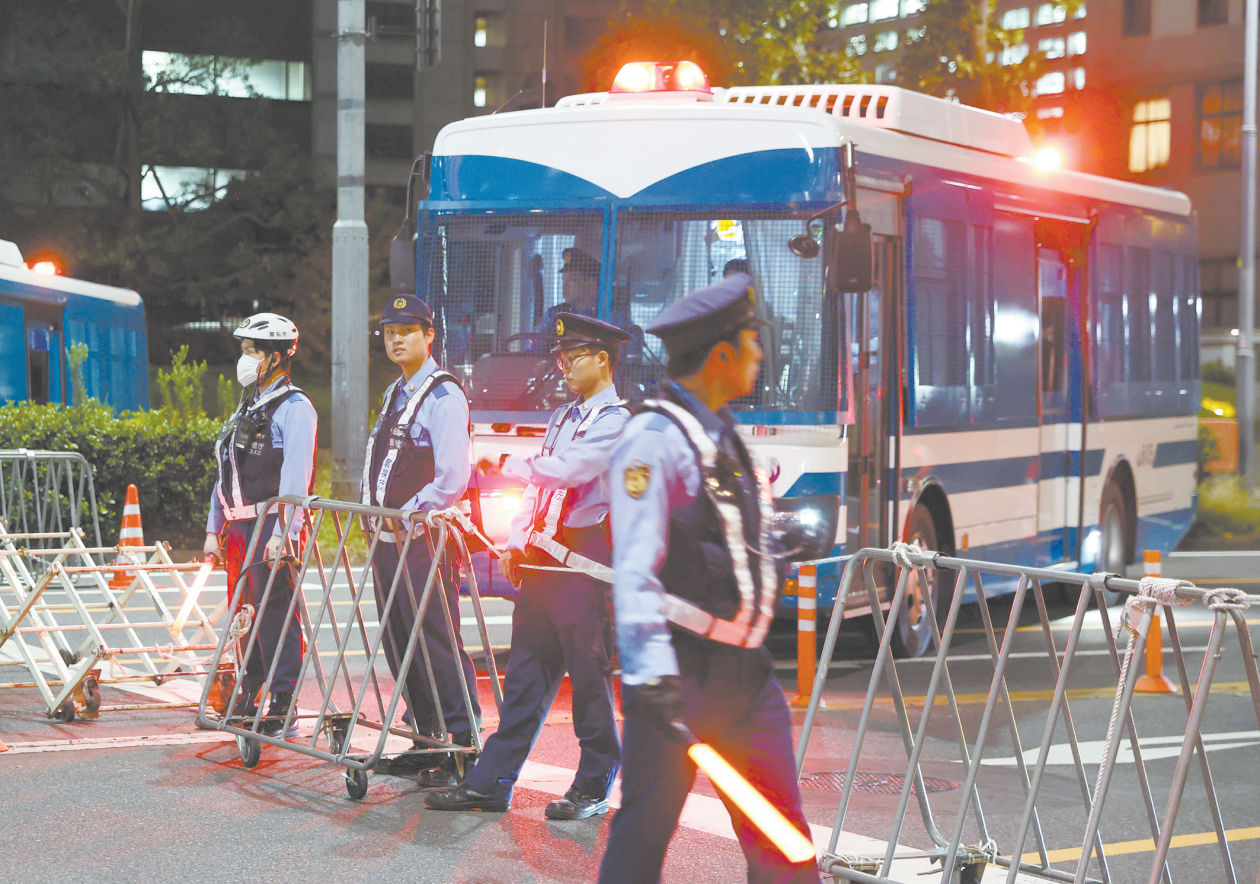
强化高处狙击防范措施,应对“独狼袭击”可疑人员,日本严密戒备迎接特朗普来访
Huan Qiu Shi Bao· 2025-10-27 23:02
Core Points - The article discusses U.S. President Trump's visit to Japan, marking his first visit during his second term, focusing on economic and defense discussions with Japan's new Prime Minister, Fumio Kishida [1][3][4] Group 1: Economic Discussions - The main topics of discussion between Trump and Kishida will include trade agreements and Japan's commitment to increase defense spending [1][4] - Japan is preparing a procurement plan that includes purchasing U.S. liquefied natural gas, pickup trucks, and soybeans, indicating a strong economic partnership [1][3][6] - A recent trade agreement reduced tariffs on Japanese goods from 25% to 15%, while Japan agreed to invest $550 billion in U.S. industries such as semiconductors, pharmaceuticals, and AI [4][5] Group 2: Defense Spending - Defense spending is a critical issue, with Japan aiming to increase its defense budget to 2% of GDP by 2026, a year earlier than previously planned [7] - There are concerns that if Trump pressures Japan to raise defense spending to 5% of GDP, it could lead to a stalemate in discussions [7] - Kishida's government is facing challenges in funding defense initiatives due to a depreciating yen and ongoing economic pressures [7] Group 3: Political Context - Kishida's limited diplomatic experience makes this meeting a significant test for her leadership [4] - The article highlights the potential instability of Kishida's government, which may affect her ability to negotiate effectively with Trump [7] - Kishida's administration is seen as trying to maintain continuity with former Prime Minister Abe's policies, which may influence U.S.-Japan relations [7]

恩智浦三季度营收31.7亿美元,分析师预期31.6亿美元。预计四季度营收32亿-34亿美元,分析师预期32.3亿美元
Hua Er Jie Jian Wen· 2025-10-27 20:15
Core Insights - NXP Semiconductors reported third-quarter revenue of $3.17 billion, slightly above analyst expectations of $3.16 billion [1] - The company anticipates fourth-quarter revenue to be between $3.2 billion and $3.4 billion, with analyst expectations at $3.23 billion [1] Summary by Category - **Financial Performance** - Third-quarter revenue: $3.17 billion, exceeding expectations [1] - Fourth-quarter revenue forecast: $3.2 billion to $3.4 billion, aligning closely with analyst predictions [1]

三星电子与SK海力士市值破千万亿韩元!
国芯网· 2025-10-27 13:01
Group 1 - The core viewpoint of the article emphasizes the significant rise in stock prices of major semiconductor companies, Samsung Electronics and SK Hynix, leading to a combined market value exceeding 1 trillion Korean Won (approximately 500 billion RMB) [2][4]. - The number of executives at Samsung Electronics and SK Hynix with stock holdings valued over 1 billion Korean Won has increased dramatically, from 9 to 31 in total, indicating a strong performance in the semiconductor sector [4]. - Notable executives include Samsung Electronics President Lee Tae-won, whose stock holdings are valued at 5.0679 million shares, amounting to 50.0708 billion Korean Won, and SK Hynix President Kwon Oh-joon, with holdings valued at 29.427 billion Korean Won [4][5]. Group 2 - The article highlights the substantial increase in the stock value of SK Hynix's largest shareholder, SK Square, which rose from 20.8046 trillion Korean Won at the beginning of the year to 74.511 trillion Korean Won, marking an increase of over 50 trillion Korean Won in ten months [5]. - The report from Korea CXO Research Institute indicates that the surge in stock prices for Samsung Electronics and SK Hynix has directly contributed to the increase in the market value of internal executives' holdings, with a notable rise in the number of executives holding over 1 billion Korean Won in stock [4][5].
荷兰议会选举在即,专家:要有能力创造良好外资营商环境
Di Yi Cai Jing· 2025-10-27 11:09
Core Viewpoint - The upcoming Dutch elections are expected to favor mainstream parties as voters seek stability after a tumultuous political period marked by the ineffective governance of the far-right party [1][2][3] Political Landscape - The far-right Freedom Party (PVV) led a coalition government that collapsed in June, leading to a caretaker government in the Netherlands [2][3] - Mainstream parties have pledged to prevent the far-right from joining any future government [2][3] - The next parliamentary elections are scheduled for October 29, 2025, with current polls showing a competitive landscape among conservative and center-left parties [4] Voter Sentiment - Voters are looking for stability after experiencing chaotic governance, with two potential coalition scenarios being discussed: one centering on centrist parties and another leaning towards a more right-wing coalition [5] - Key issues for voters include the lack of affordable housing, healthcare costs, and immigration, which they attribute to the influx of asylum seekers [5] Economic Context - The Netherlands is an economic powerhouse within the EU, with a projected GDP per capita of €63,000 in 2024, significantly above the EU average [6] - The U.S. is the largest investor in the Netherlands, with investments amounting to €182.2 billion by the end of 2024, indicating a strong economic relationship [6] - The Netherlands is a significant player in foreign direct investment (FDI), with total overseas investments reaching €10 trillion and foreign investments in the country totaling €9.4 trillion [6] Investment Climate - The caretaker government has raised concerns about the investment climate, particularly following the ASML semiconductor incident, which may deter global capital from investing in the Netherlands [7] - The Chinese government has expressed concerns over the measures taken by the Dutch government regarding ASML, urging for a fair and transparent business environment [7] Election Candidates - Voters are choosing between two main candidates: Frans Timmermans of the Labor Party, who has merged with the Green Party, and Henri Bontenbal of the Christian Democratic Party, a newcomer to politics [8] - Current polling indicates the Freedom Party has about 20% voter intention, with the Christian Democratic Party and the Green-Left Party both at 15% [8]
那些替美国出头的国家,看到中美初步达成贸易协议,是不是傻眼了!
Sou Hu Cai Jing· 2025-10-27 06:46
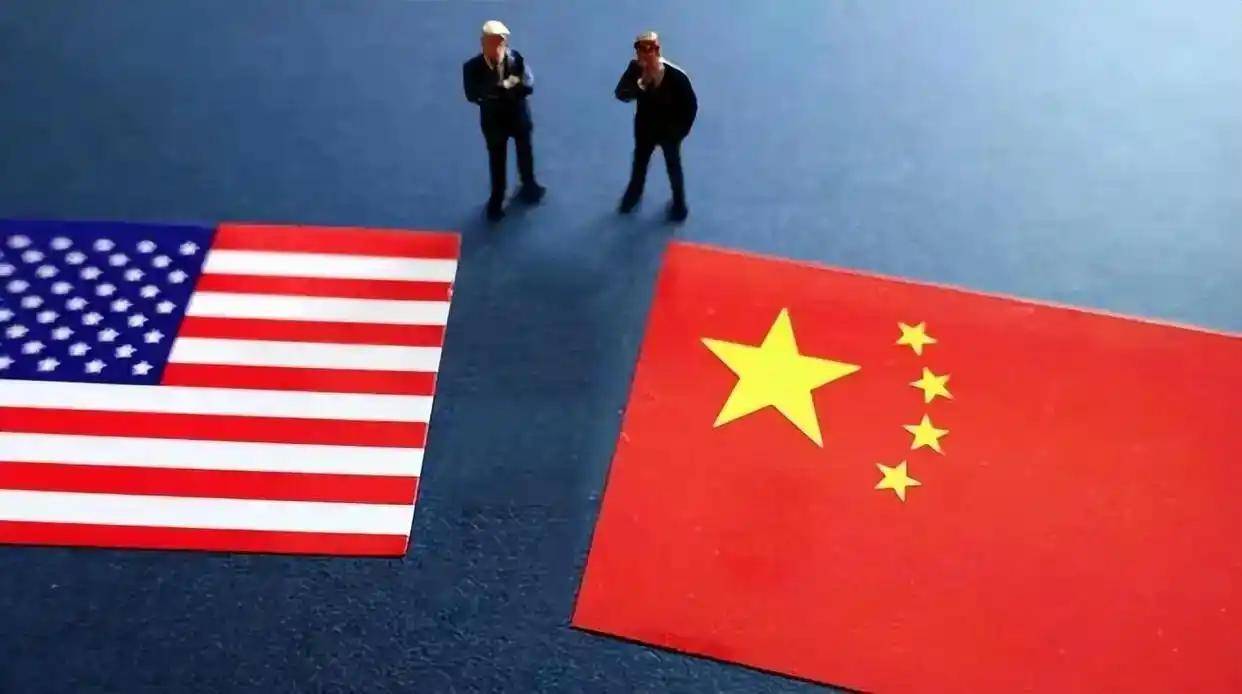
Group 1 - The core viewpoint of the articles indicates that significant progress has been made in US-China trade negotiations, with agreements reached on key economic issues such as maritime logistics, shipbuilding industry measures, and agricultural trade [1] - The US has extended the suspension period for reciprocal tariffs and reached a basic consensus on fentanyl tariffs and enforcement cooperation [1] - The articles highlight the geopolitical dynamics, noting that countries that previously aligned with the US against China may face repercussions as the situation evolves [3][5] Group 2 - The EU has expressed strong rhetoric regarding China's rare earth export controls, with leaders like von der Leyen and Macron considering measures to counter China's actions [5] - Germany's foreign minister has made statements regarding the "One China" policy, indicating a willingness to interfere in China's internal matters, which reflects a lack of respect for China's sovereignty [5] - The Netherlands has faced backlash for its aggressive stance against China, particularly in relation to semiconductor assets, illustrating the risks of choosing sides in the US-China rivalry [5]
【立方早知道】中美多项经贸议题形成初步共识/国内首家2万亿券商诞生/茅台集团换帅
Sou Hu Cai Jing· 2025-10-27 00:55
Group 1 - China and the US reached a preliminary consensus on several important economic and trade issues during talks held in Kuala Lumpur, focusing on maritime logistics, shipbuilding, tariff extensions, fentanyl cooperation, agricultural trade, and export controls [1] Group 2 - Kweichow Moutai Group announced a major personnel change, with Chen Hua appointed as the new chairman, marking the fourth leadership change in five years [2] Group 3 - The State Council emphasized the need for a moderately loose monetary policy to support the real economy and enhance financial services [4] - The State Council plans to develop strong policies, reforms, and projects to implement the strategic goals set by the 20th National Congress [6] Group 4 - The total assets of state-owned enterprises (excluding financial enterprises) reached 401.7 trillion yuan, with state-owned financial enterprises holding assets of 487.9 trillion yuan [12] Group 5 - In the semiconductor sector, a breakthrough was achieved in photoresist technology, with the market expected to grow to over 11.4 billion yuan in 2024 and 12.3 billion yuan in 2025 [13] Group 6 - Domestic oil prices are expected to decrease, with a potential reduction of 0.22-0.24 yuan per liter, leading to savings of approximately 11.5 yuan for a full tank in small cars [14] Group 7 - The pet industry is witnessing significant mergers, with Yiyi Co. planning to fully acquire Gao Ye Jia, marking a major move into the pet food sector [19] Group 8 - CITIC Securities became the first domestic brokerage to surpass 2 trillion yuan in total assets, reporting a net profit of 23.16 billion yuan for the first three quarters, a year-on-year increase of 37.86% [18] Group 9 - The third quarter financial reports showed significant growth for several companies, including Shengsheng Real Estate with a 331.66% increase in revenue and WuXi AppTec with an 84.84% increase in net profit [31][32] - Zhuhai Huajun reported a 189.72% increase in net profit for the third quarter, while Luoyang Molybdenum reported a 96.40% increase [33][34] - Wentech Technology achieved a record high in semiconductor revenue for a single quarter, with a 279% increase in net profit [35]





捷捷微电20251024
2025-10-27 00:31
Summary of the Conference Call for JieJie Microelectronics Industry and Company Overview - JieJie Microelectronics operates in a diverse downstream market, with industrial and consumer sectors accounting for over 80% of its revenue, while the automotive sector contributes 13.1% and the communication sector is minimal [2][4] - The company’s eight-inch wafer production capacity is nearly saturated at approximately 130,000 pieces per month, while the six-inch line has an actual shipment of about 50,000 pieces per month, below its design capacity [2][6][17] Key Financial Performance - In Q3 2025, JieJie Microelectronics reported revenue of 2.5 billion yuan and a net profit of 340 million yuan, both showing year-on-year growth, although net profit decreased compared to the previous quarter due to market volatility [3] - The company has set an annual sales target of 3.5 billion yuan, with 900 million yuan achieved by the end of Q3, indicating a strong likelihood of meeting the target [12] Margin and Pricing Dynamics - Q3 gross margins varied significantly across product lines: 39% for thyristors, 30% for protective devices, and 21.3% for MOSFETs, which were heavily impacted by price fluctuations [7][9] - Rising raw material costs and intensified market competition have exerted downward pressure on prices, particularly for thyristors and MOSFETs, which saw a decline of 6 percentage points [9][15] Product Development and Market Position - The company is actively pursuing new projects, including a module project expected to ship by the end of 2025 and an optocoupler project anticipated to generate tens of millions in revenue this year [8][19] - JieJie Microelectronics aims to compete with Anshi Semiconductor, particularly in areas outside of ESD, where it has shown some weakness [10][13] Competitive Landscape - The company faces challenges from overseas competitors who have shifted some production to domestic facilities, impacting its thyristor business [11] - Despite this, JieJie Microelectronics maintains a competitive edge through customized products, which help mitigate competitive pressures [11] Future Outlook and Strategic Directions - The company expects a slight increase in orders for Q4 compared to Q3, although growth may be uncertain due to competitive dynamics and price instability [5][16] - Long-term growth areas identified include energy storage, photovoltaics, automotive electronics, and AI computing power [21][25] - The company plans to maintain a standard inventory level, with over half of its stock consisting of MOS products [22][24] Capital Expenditure and Production Capacity - JieJie Microelectronics has no major capital expenditure plans in the short term, having already invested significantly in its eight-inch line and other projects [24] - The company’s production capacity is expected to increase further in 2026, with a target of producing 1.5 million eight-inch wafers [17][18] Conclusion - JieJie Microelectronics is navigating a complex market environment with a focus on maintaining competitive pricing, expanding its product offerings, and targeting long-term growth sectors while managing production capacity and costs effectively [25]

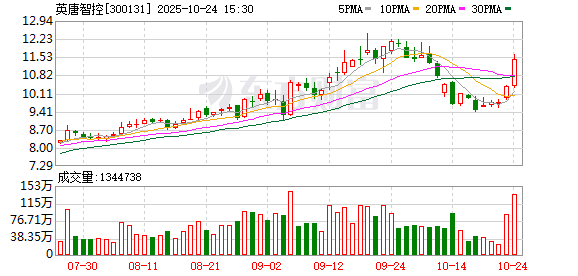
英唐智控收购两家半导体企业 股票今起停牌!
Zheng Quan Shi Bao Wang· 2025-10-26 23:55
Core Viewpoint - Ying Tang Zhi Kong (300131) is acquiring Guanglong Integrated Technology Co., Ltd. and Shanghai Aojian Microelectronics Technology Co., Ltd. to enhance its chip business [2] Group 1: Acquisition Details - The acquisition involves Guanglong Integrated, a subsidiary of Guanglong Technology Group, and Aojian Microelectronics, an affiliate of Zhaoyi Innovation [2] - The agreements include issuing shares and cash payments for 100% of Guanglong Integrated and 76% of Aojian Microelectronics, along with raising matching funds [2][3] - Guanglong Integrated has a registered capital of 50 million yuan and is involved in various high-tech sectors including AI applications and semiconductor devices [3] Group 2: Financial Performance - Guanglong Technology reported revenues of 175 million yuan, 192 million yuan, and 273 million yuan for 2018, 2019, and 2020 respectively, with a net profit of 75.89 million yuan in 2020 after losses in previous years [5] - Aojian Microelectronics, established in 2015, focuses on high-performance analog and mixed-signal chip design, with applications in various industries [5][6] Group 3: Strategic Positioning - Ying Tang Zhi Kong aims to build a full industry chain semiconductor IDM enterprise, integrating R&D, manufacturing, and sales, with a focus on electronic component distribution [6] - The company's chip design and manufacturing revenue reached 213 million yuan in the first half of the year, marking a 24.57% year-on-year increase [6]
【数字经济周报】TI低功耗Bluetooth? 6.0无线MCU通过Bluetooth SIG认证:数字经济动态事件速览第36期(2025.10.18-2025.10.24)-20251026
GUOTAI HAITONG SECURITIES· 2025-10-26 12:22
Semiconductor Sector Dynamics - TI's low-power Bluetooth® 6.0 wireless MCU has received Bluetooth SIG certification, marking it as the industry's first automotive-grade product series to achieve this milestone[5] - Jiangbolong has launched the industry's first integrated packaging mSSD, enhancing SSD application flexibility and user experience[7] - United Microelectronics Corporation (UMC) has introduced a 55nm BCD platform aimed at improving power efficiency and system integration for next-generation mobile devices and automotive applications[11] Automotive Electronics Sector Dynamics - LoBot has partnered with Swiss PostBus to launch the autonomous driving service "AmiGo" in Switzerland, with initial fleet testing planned for December 2025[14] - Pony.ai and BAIC New Energy have rolled out the 300th unit of the Alpha T5 Robotaxi, showcasing significant advancements in autonomous driving technology[16] - General Motors plans to introduce a "hands-free" autonomous driving system in the Cadillac Escalade IQ by 2028, utilizing a multi-sensor approach for enhanced safety[19] AI Sector Dynamics - Baichuan has released the M2 Plus medical model, significantly reducing the hallucination rate compared to general models, achieving a credibility level comparable to experienced clinicians[21] - RoboSense and ASENSING have formed a strategic partnership to develop multi-modal sensor fusion solutions for robotics, enhancing performance in complex environments[24] - Shengshu Technology has announced the open access of the Vidu Q2 API, enabling high-quality video content creation with emotional expressiveness for advertising and e-commerce[28] Metaverse Sector Dynamics - Samsung has officially launched the Galaxy XR headset, optimized for multi-modal AI, marking a significant step in its XR strategy[32] - Amazon is developing AI smart glasses for delivery drivers to enhance route planning and risk identification, improving service quality[35] - Unity has announced full support for Android XR development in Unity 6, facilitating the creation of immersive applications for the Galaxy XR headset[37] Risk Warnings - There are risks related to market competition in semiconductor, automotive electronics, AI, and metaverse sectors due to rapid growth and increased investment[38] - Potential technological advancements may not meet expectations, impacting overall sector development[39] - Market demand growth may fall short of expectations, affecting the expansion of emerging sectors[40]


南财观察:硬刚荷兰 底气何在?
2 1 Shi Ji Jing Ji Bao Dao· 2025-10-26 09:41
Core Insights - A control dispute over a Chinese semiconductor company, Anshi Semiconductor, is causing unprecedented crises in the global automotive supply chain [1][2] - Anshi Semiconductor, previously part of Philips, was acquired by China's Wentai Technology for 33 billion yuan in 2019, and has since risen to become the third-largest player in the global power semiconductor market [1] - The Dutch government has frozen Anshi's global assets and knowledge rights for one year, citing national security, and has removed the Chinese CEO, leading to a forced custodianship of Wentai's shares [1][2] Group 1 - Anshi Semiconductor's production capacity is heavily concentrated in Dongguan, China, where 80% of its output is located, producing 70% of the world's automotive-grade power chips [2] - The company announced an "independent operation" status, rejecting any directives not recognized by its Chinese division, and severed system connections with its Dutch headquarters [2] - The European Automobile Manufacturers Association (ACEA) warned of a potential three-month disruption in the automotive supply chain if the dispute is not resolved quickly, with major manufacturers like Volkswagen and BMW facing severe inventory shortages [2][3] Group 2 - Wentai Technology reported a record high revenue from its semiconductor business in China for Q3 2025, with a year-on-year growth of approximately 14%, and automotive business revenue increasing over 26% [3] - China accounted for 49.29% of Anshi's global revenue, making it the fastest-growing and highest strategic priority region for the company [3] - The Dutch Economic Affairs Minister signaled a willingness to negotiate, emphasizing Anshi's importance to the global supply chain, while the Chinese market's support has empowered Anshi's response to the Dutch headquarters [2][3]
