
水产养殖

Search documents
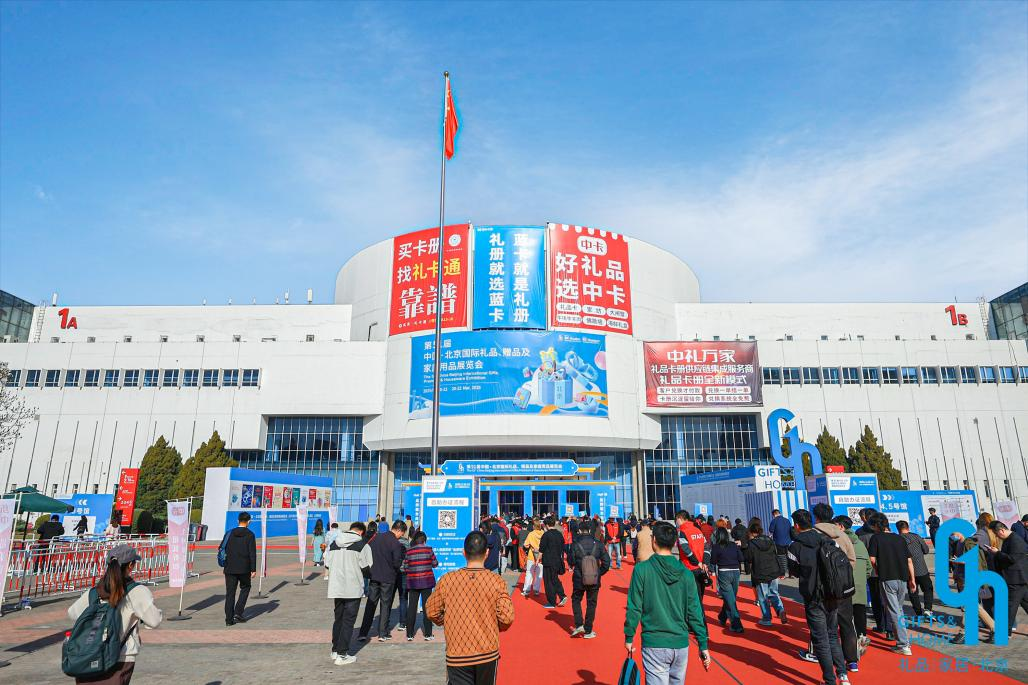
苏状元惊艳亮相2025北京礼品展,邀您抢“鲜”千亿商机!
Sou Hu Wang· 2025-08-13 05:21
Core Viewpoint - The 52nd Beijing International Gifts, Premiums and Household Products Exhibition will take place from August 14 to 16, showcasing over 900 exhibitors and 200,000 creative gift products, with a focus on high-quality offerings from Su Zhuangyuan [1][3]. Company Overview - Su Zhuangyuan is positioned as a high-end fresh gift solution provider, emphasizing the unique seasonal delicacy of its hairy crabs, which are regarded as the top choice for business gifts and family gatherings during the Mid-Autumn Festival [5][12]. - The company has established a comprehensive supply chain for hairy crabs, focusing on ecological farming and scientific management, ensuring high-quality products through rigorous selection processes [5][6]. Product Quality and Certifications - Su Zhuangyuan's hairy crabs are cultivated using premium seed sources and a 530-day slow-rearing process, resulting in crabs with high meat quality and rich flavor [5][6]. - The company has achieved multiple global and industry certifications, including BAP, GAP, and BRC, ensuring quality assurance throughout the entire supply chain [8]. Packaging and Customer Service - The packaging for Su Zhuangyuan's products has been upgraded to reflect a premium image, with designs that symbolize good fortune and celebration, suitable for both personal and business gifting [8][10]. - The company offers a risk-free purchasing experience with comprehensive customer service, including 24/7 support and a hassle-free return policy [10][11]. Brand Influence and Market Position - Su Zhuangyuan has signed actress Ma Yili as its brand ambassador, enhancing its brand visibility and market influence [11]. - The company has consistently ranked first in online sales of high-end hairy crabs for two consecutive years and has received numerous accolades, including being the official crab partner for the Boao Forum for Asia [11][14]. Industry Impact and Vision - Su Zhuangyuan aims to transform the perception of hairy crabs in the market, addressing long-standing issues such as quality inconsistency and transparency [12][14]. - The company is committed to becoming a leader in the agricultural and food sectors, focusing on safety, technology, and brand development to enhance the quality of life for consumers [12][14]. Event Participation - At the upcoming Beijing Gift Exhibition, Su Zhuangyuan plans to showcase its unique offerings and industry expertise, aiming to set a new standard for quality gifting in the market [16].

漫山遍野的绿,就是聚宝盆(家乡的山水能生金)
Ren Min Ri Bao· 2025-08-12 22:29
Core Viewpoint - The article highlights the transformation of Wuqi County in Shaanxi, China, from barren land to a green and economically vibrant area through extensive afforestation and sustainable agricultural practices, resulting in increased income for local residents [4][12]. Group 1: Afforestation and Environmental Impact - Wuqi County has achieved a forest and grass coverage rate of 72.9%, up from 19.2% in 1997, due to long-term afforestation efforts [4][6][7]. - The county has cumulatively converted 2.46 million acres of land from farming to forestry, significantly improving the local ecosystem [6][11]. - The introduction of scientific planting methods has increased tree survival rates to over 90% [6]. Group 2: Economic Development and Agricultural Practices - The development of various industries such as fruit and vegetable farming, aquaculture, and eco-tourism has provided substantial income for local farmers, with an average annual increase of about 600,000 yuan per village [9][10]. - Wuqi County has over 352 reservoirs and more than 15,000 acres of aquaculture, contributing to a total agricultural output value exceeding 1.7 billion yuan in 2024 [9][10]. - The county's eco-tourism sector is thriving, with over 840,000 visitors expected in 2024, generating a tourism revenue of 413 million yuan [10]. Group 3: Future Prospects and Innovations - Wuqi County has signed a carbon trading agreement, developing 790,000 acres of carbon sink forests, with an estimated initial trading volume of 240,000 tons and projected revenue of 19.2 million yuan [11]. - The focus on enhancing the quality and efficiency of afforestation efforts indicates a strategic shift towards sustainable economic growth [6][12].

盐城市大丰区润渔农业发展有限公司成立,注册资本3000万人民币
Sou Hu Cai Jing· 2025-08-12 13:50
天眼查显示,近日,盐城市大丰区润渔农业发展有限公司成立,法定代表人为李智,注册资本3000万人 民币,由盐城市大丰区产业投资集团有限公司全资持股。 来源:金融界 序号股东名称持股比例1盐城市大丰区产业投资集团有限公司100% 经营范围含许可项目:水产养殖;兽药经营;建设工程施工(依法须经批准的项目,经相关部门批准后 方可开展经营活动,具体经营项目以审批结果为准)谷物种植;水产品批发;水产品收购;土地使用权 租赁;装卸搬运;初级农产品收购;农副产品销售;农业园艺服务;智能农业管理;农业科学研究和试 验发展;农业专业及辅助性活动;园林绿化工程施工;规划设计管理;粮食收购;农业机械服务;农业 生产托管服务;农业机械销售;农业机械租赁;蔬菜种植;豆类种植;水污染治理;土石方工程施工; 土地整治服务;农作物种子经营(仅限不再分装的包装种子)(除依法须经批准的项目外,凭营业执照 依法自主开展经营活动) 企业名称盐城市大丰区润渔农业发展有限公司法定代表人李智注册资本3000万人民币国标行业农、林、 牧、渔业>渔业>水产养殖地址江苏省盐城市大丰区人民北路368号企业类型有限责任公司(非自然人投 资或控股的法人独资)营业期限2 ...
重庆江津石门镇:富硒美食撬动夏日消费新热点
Sou Hu Cai Jing· 2025-08-12 10:37
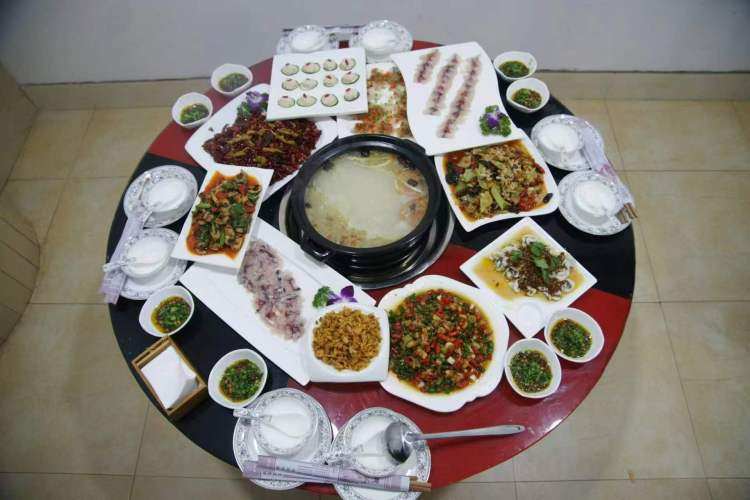
Core Insights - The "cooling economy" in Shimen Town, Chongqing, is driven by unique local resources and culinary innovations, enhancing rural industry and increasing farmers' income [1] Group 1: Local Culinary Innovations - "Cao's Cool Cake" is a must-have summer treat, with a 30% increase in daily sales driven by over 7,000 views of its production videos [3] - The "Selenium-rich Fish" from Shimen Town's Shisun Mountain Village boasts higher protein content compared to regular fish, with a total amino acid content of 16.8 grams, and has been recognized as a national model for healthy aquaculture [5] - "Lotus Flower Tofu," served in a unique presentation using fresh lotus leaves, connects agriculture, dining, and tourism, stimulating local consumption [7]
发布深远海养殖管理地方标准
Zhong Guo Zi Ran Zi Yuan Bao· 2025-08-12 09:38
该标准落地实施后,可为深远海养殖产业发展提供规范化指引,推动产业向规模化、集约化发展, 对全国深远海养殖标准化建设具有重要示范意义。 近日,山东省地方标准《深远海养殖管理工作指南》由该省市场监督管理局批准发布。该标准是我 国深远海养殖领域首个省级地方标准,填补了行业相关标准空白。 深远海养殖作为拓展养殖空间、保障水产品供给的重要途径,其规范化发展需求日益迫切。该标准 首次科学界定了深远海养殖的术语定义,提出了深远海养殖管理需严格遵循安全生产、生态环保、产品 安全三大基本原则,并对多个关键环节作出具体规定,为山东的深远海养殖选址、规划设计及养殖生产 等管理工作提供了具体指导意见与实施建议。 ...
新疆:“水产大省”养成记
Xin Hua Wang· 2025-08-12 06:22
Core Viewpoint - Xinjiang has developed a modern aquaculture industry by utilizing water resources and technological innovation, transforming its arid landscape into productive fish farming areas, particularly for salmon and other freshwater species [1][5]. Aquaculture Development - Xinjiang has established three salmon farming and processing bases with a total farming area of 147,000 acres and an annual production capacity of 12,000 tons, integrating breeding, smart farming, and tourism [3][5]. - The salmon farming in Xinjiang has expanded its market reach, achieving sales coverage in major cities and exporting to Southeast Asia, Europe, and the Middle East [5]. Sustainable Practices - The region has implemented sustainable fishing practices, such as seasonal fishing bans and artificial breeding, to protect fishery resources in lakes like Bosten Lake, which produced 5,300 tons of fish last year, with expectations to exceed 6,000 tons this year [6][7]. - Innovative aquaculture methods are being applied in saline-alkali water areas, with a focus on ecological balance and biodiversity, leading to increased bird populations in the area [9][10]. Economic Impact - The aquaculture industry in Xinjiang is projected to generate significant economic benefits, with an expected annual output value of over 30 million yuan from various species cultivated in saline-alkali waters [11]. - The overall fishery production in Xinjiang is expected to reach 192,500 tons in 2024, marking a year-on-year growth of 4.63%, highlighting the industry's potential for economic development [11].
乡村“鲍”富的金融密码
Jin Rong Shi Bao· 2025-08-12 02:34
Core Insights - The abalone industry in Huilai County, Guangdong, is significant, with a production value of 2.3 billion yuan and a market share of 40% in China [1] - Financial institutions are actively supporting the abalone industry by providing tailored loans and innovative financial products to address challenges faced by local businesses [2] Group 1: Industry Overview - Huilai County has a vast marine area of 1,328.6 square kilometers and is recognized as the largest abalone production area in Guangdong, with a long history of abalone farming [1] - The county has over 170 abalone seedling farms, with a total farming water volume of 1.28 million cubic meters and an area exceeding 3,000 acres [1] - The annual output includes 4.4 billion abalone seedlings and over 3,000 tons of finished abalone, employing more than 10,000 people [1] Group 2: Financial Support and Innovations - The People's Bank of China in Jieyang has initiated special loans for the abalone industry, resulting in a loan balance of 172 million yuan by June 2025, a 27.3% increase from the beginning of the year [1] - The number of loan recipients has reached 212, marking a 14.59% increase, with an average loan interest rate as low as 3.15% [1] - Innovative financial products such as "Abalone e-loan" and "Golden Abalone Loan" have been introduced to facilitate quick approvals based on real operational data instead of traditional collateral [2]
港澳台青年:海南自贸港是创业乐土,更是圆梦舞台
Zhong Guo Xin Wen Wang· 2025-08-12 00:51
中新社海口8月11日电 (张茜翼 黄方舟)"海南不仅是创新创业的乐土,更是青年圆梦的舞台。"台湾青年 洪小贺11日告诉中新社记者,海南自贸港的政策红利和发展空间,正吸引越来越多港澳台青年来此追 梦。 "自贸港青年汇"活动当日在海口启动,港澳台地区的30名青年齐聚一堂,围绕文化交流、创新创业等主 题,共同探讨海南自贸港的发展机遇。 今年12月18日,海南自贸港将正式启动全岛封关运作。彭咏聪认为,海南将成为吸引全球创新人才 的"创意磁场"。 洪小贺的父亲是最早一批来琼发展石斑鱼养殖的台商。2012年,洪小贺追随父亲脚步来到海南。十余年 间,其家族企业已从单一养殖场扩展为拥有6个生产基地的现代化企业,产品远销马来西亚、新加坡等 国家。 "自贸港政策让企业进出口更加便利,为拓展海外市场提供了支撑。"洪小贺认为,海南具有独特的区位 优势,加上政策支持力度大,堪称青年创业的理想之地。 在为期10天的活动中,港澳台青年将赴海口、文昌、琼海、保亭、三亚、儋州等地参访。(完) 祖籍海南的香港青年符晓培深耕体育行业多年,不久前在琼创办一家体育产业公司。他告诉记者,海南 自贸港在人才引进、赛事扶持等方面推出一系列优惠政策,这让他对 ...

“海上牧场”迎丰收季:特色养殖助力渔民增收致富
Yang Shi Wang· 2025-08-11 09:00
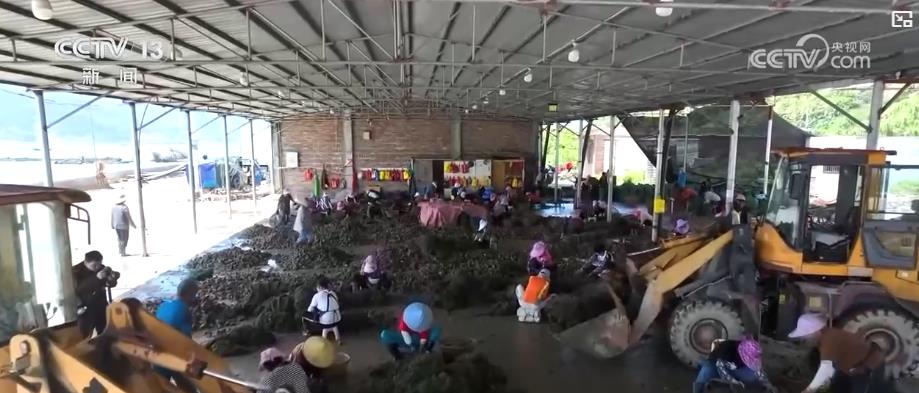
Core Insights - Fujian Province's Fuding City has abundant marine fishery resources, particularly in oyster farming, which is currently in peak harvesting season [1] Industry Overview - The oyster farming area in Shacheng Town features a picturesque landscape with organized floating buoys, where fishermen are actively engaged in harvesting operations [3] - The local processing facilities ensure that freshly harvested oysters are quickly cleaned, packaged, and weighed for distribution [3] Production and Quality - Shacheng Bay's clear water and rich natural feed create ideal conditions for oyster farming, with selected oyster varieties exhibiting faster growth, stable meat quality, and strong disease resistance [5] - Mature oysters can reach the size of an adult male's palm, making them highly sought after by buyers [5] Economic Impact - Fuding City has increased technical and financial support for the oyster industry, expanding farming areas into deeper waters [7] - The total oyster farming area is approximately 10,000 acres, with an annual production of 45,000 tons and an annual output value of about 225 million yuan, making the oyster industry a crucial source of income for local fishermen [7]
南农晨读 | 千年渔港
Nan Fang Nong Cun Bao· 2025-08-11 01:33
Group 1 - Guangdong reported 1,387 new local cases of Chikungunya fever from August 3 to August 9, showing a continuous decline trend [2][4][3] - The distribution of cases includes 1,212 in Foshan, 103 in Guangzhou, and smaller numbers in other cities [4][5] Group 2 - The National Lychee and Longan Industry Technology System held a performance evaluation meeting for the "14th Five-Year Plan" in Luzhou, Sichuan on August 9 [7][8] - The meeting included reports from chief scientists and station leaders on their work and achievements during their tenure [9][10] Group 3 - A new "Media + Qingyuan Xiniu Bamboo Shoot Integration Development Studio" was established in Qingyuan to promote high-quality development of the bamboo shoot industry [20][21] - The studio aims to integrate media resources across various platforms to enhance brand influence and promote industry stories [24][25] Group 4 - The first socialized service center for the Qingyuan Xiniu Bamboo Shoot industry was established in Yingde, providing comprehensive support across various industry segments [33][36][37] - This center aims to assist in seedling, technology, processing, sales, branding, and financial services for the bamboo shoot industry [38] Group 5 - Guangzhou's modern agriculture sector is set to receive a boost with 15 agricultural projects signed, totaling over 1.5 billion yuan in expected investment [43][44] - The projects focus on advanced agricultural production capabilities, including the artificial breeding of endangered species like the yellow lip fish [41][42]
