
油气

Search documents
中国石油集团董事长戴厚良出席2025年阿布扎比国际石油展览暨会议
Zheng Quan Shi Bao Wang· 2025-11-04 02:43
Core Viewpoint - The chairman of China National Petroleum Corporation (CNPC), Dai Houliang, emphasized the importance of artificial intelligence (AI) in the oil and gas industry during the Abu Dhabi International Petroleum Exhibition and Conference, highlighting the company's strategic initiative of "Smart Petroleum" as a key development focus [1] Group 1: AI Integration in Oil and Gas - CNPC is actively embracing digital transformation, establishing "Smart Petroleum" as one of its five strategic initiatives [1] - The company has successfully launched a Kunlun large model with 300 billion parameters, showcasing its commitment to AI advancements [1] - There is a systematic push for deep integration of AI across the oil and gas value chain, including exploration, refining, and marketing [1] Group 2: Innovation and Collaboration - CNPC aims to lead a paradigm shift in research and innovation through AI, continuously enhancing efficiency and effectiveness [1] - The company expresses a willingness to collaborate with global energy partners to deepen cooperation in the digital intelligence field [1]

能源早新闻丨这一领域,我国迈入世界第一方阵
中国能源报· 2025-11-03 22:33
Industry Updates - The Ministry of Industry and Information Technology announced a list of 129 companies that meet the "Photovoltaic Manufacturing Industry Standard Conditions" [2] - The Ministry of Industry and the Ministry of Water Resources released a high-quality development implementation plan for water-saving equipment, aiming for breakthroughs in key areas by 2027 [2] - The marine economy showed a good performance with a marine GDP of 7.9 trillion yuan, a year-on-year increase of 5.6%, driven by growth in marine oil and gas production [3] - China's low-carbon metallurgy technology has entered the world's top tier, with significant advancements in high-end, intelligent, and green development in the steel industry [3] - Hebei's Shijiazhuang city has achieved a renewable energy installed capacity of 10.156 million kilowatts, accounting for 52% of the total installed capacity [4] - Inner Mongolia's oil and gas production increased, with crude oil production reaching 2.5 million tons, a year-on-year increase of 4.2% [6] International News - Major oil-producing countries announced a pause in production increases in early 2026, maintaining a daily increase of 137,000 barrels until then [7] - Iran plans to launch its first nuclear-powered seawater desalination plant, capable of processing 70,000 cubic meters of seawater daily [7] Corporate Developments - The North Luan Power Plant in Ningbo, Zhejiang, has been successfully commissioned, becoming the largest thermal power plant in China by installed capacity [8]

权重托举泛科技回暖 A股11月“开门红”
Shang Hai Zheng Quan Bao· 2025-11-03 18:16
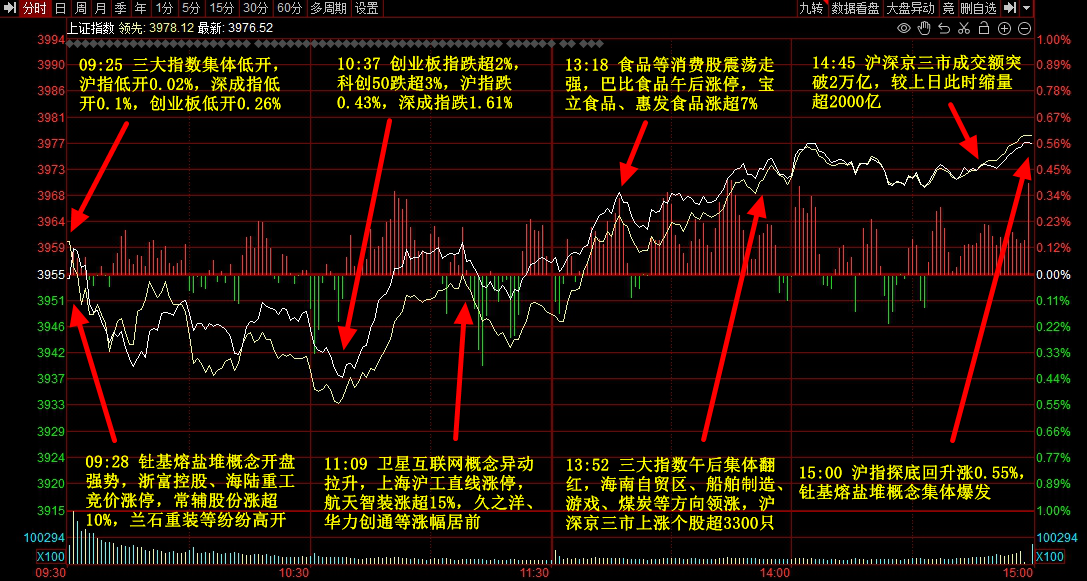
Market Overview - The A-share market experienced a rebound on November 3, with all three major indices turning positive in the afternoon. The Shanghai Composite Index rose by 0.55%, the Shenzhen Component increased by 0.19%, and the ChiNext Index gained 0.29%. The total trading volume in the Shanghai and Shenzhen markets was 21,329 billion yuan, a decrease of 2,169 billion yuan compared to the previous trading day. Over 3,500 stocks in the market saw gains [1]. Resource Stocks Performance - Resource stocks, including oil and coal, saw significant gains, with the "three major oil companies" (China National Petroleum, Sinopec, and CNOOC) all rising. China National Petroleum and China Petroleum both increased by over 4%, while Sinopec rose nearly 2%. China National Petroleum's A-shares and H-shares both reached new highs for the year, with a total market capitalization exceeding 1.7 trillion yuan. This surge was influenced by OPEC's announcement to maintain production levels, leading to a slight increase in international oil prices [2]. AI Application Sector - The AI application sector continued to show strong performance, particularly in the gaming and media industries. Stocks such as Shenzhou Information, 37 Interactive Entertainment, and Huayi Brothers reached their daily limit. The AI technology is being integrated into existing film and television production processes, with a notable increase in the production of animated dramas, which saw over 3,000 new releases in the first half of the year, reflecting a compound growth rate of 83% and a revenue increase of 12 times. The market size for this sector is expected to exceed 20 billion yuan this year [4]. Hainan Free Trade Zone - The Hainan Free Trade Zone concept saw a strong performance, with stocks like Hainan Development and Ronniu Mountain hitting their daily limit. The upcoming full island closure of the Hainan Free Trade Port on December 18 is expected to enhance external cooperation and open up broader development opportunities for the industry [4]. Future Market Outlook - Analysts predict that the A-share market may continue its slow upward trend due to multiple favorable factors, including clear policy guidance and the onset of a Federal Reserve rate cut cycle. The current market environment is seen as beneficial for A-shares, with a potential shift in investment focus towards sectors that have underperformed in the past ten months, such as coal, oil and gas, and public utilities [5].




欧尔班急了!直接默许可以拿到“免死金牌”,狂买俄罗斯油气!
Sou Hu Cai Jing· 2025-11-03 12:17
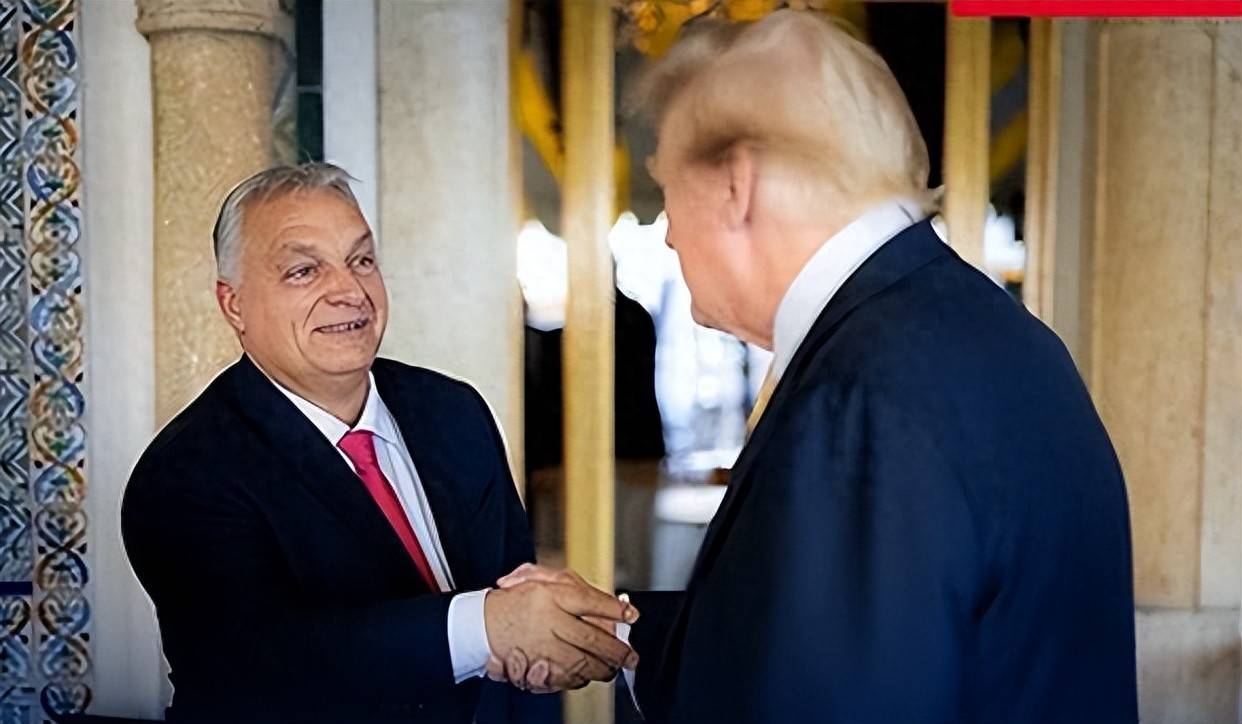
Core Viewpoint - The article discusses Hungary's Prime Minister Viktor Orbán's strategic maneuvering between the EU's unified stance against Russian energy and Hungary's heavy reliance on Russian oil and gas, highlighting the geopolitical tensions and internal divisions within Europe [1][19][25]. Group 1: Hungary's Energy Dependency - Hungary lacks access to ports and relies heavily on pipeline imports for energy, making it vulnerable to disruptions in Russian oil and gas supplies [3][5]. - Approximately 90% of Hungary's crude oil is imported, with over 60% coming from Russia, and 80% of its natural gas imports also sourced from Russia [5][7]. - The country's energy infrastructure is tailored to Russian supplies, complicating any transition to alternative sources and requiring significant investment and time for modifications [7][9]. Group 2: Orbán's Political Strategy - Orbán's approach involves leveraging his relationship with former President Trump to seek exemptions from EU sanctions, reflecting a pragmatic survival strategy for Hungary [11][23]. - The relationship between Orbán and Trump has strengthened over the years, with Orbán openly supporting Trump during the 2024 election campaign [11][13]. - Orbán's strategy includes obstructing new EU sanctions while simultaneously securing energy contracts with Russia, indicating a dual approach to navigate the geopolitical landscape [15][19]. Group 3: EU's Internal Divisions - The article highlights the disparity in energy dependency among EU member states, with Eastern European countries like Hungary being more reliant on Russian energy compared to Western nations [19][21]. - Orbán's actions expose the myth of EU unity regarding Russian energy policy, as countries prioritize their national interests over collective agreements [19][21]. - The EU's push for energy independence by 2028 contrasts with Hungary's continued reliance on Russian energy, leading to political isolation for Orbán within the EU [17][19]. Group 4: Future Implications - The potential for increased sanctions from the U.S. against countries cooperating with Russia poses a risk for Hungary, which may face repercussions for its energy dealings [15][17]. - Orbán's gamble on Trump's continued influence in U.S. politics could backfire if political dynamics shift, leaving Hungary vulnerable [17][23]. - The article concludes that Hungary's situation illustrates the challenges small nations face in balancing their energy needs against larger geopolitical pressures [25].
探底回升暗藏玄机,后市聚焦这些方向
Sou Hu Cai Jing· 2025-11-03 11:30
Core Insights - The A-share and Hong Kong stock markets exhibited a mixed but generally strong performance, with A-shares seeing all major indices slightly rise and over 3,500 stocks gaining, indicating active market participation [1][3] - Key sectors driving the market include media, coal, and oil & petrochemicals, with AI applications and short drama games contributing to market sentiment recovery, while non-ferrous metals, home appliances, and lithium battery chains faced notable adjustments [1][4] - The Hong Kong market showed stronger performance, with major indices rising, driven by energy, finance, and consumer sectors, alongside continued inflow of southbound funds and increased foreign investment interest [1][5] Market Overview - A-shares saw a collective rebound with the Shanghai Composite Index rising 0.55% to 3976.52 points, while the Shenzhen Component and ChiNext Index saw minor increases of 0.19% and 0.29% respectively, with a trading volume of 2.11 trillion yuan [3] - The Hong Kong market's Hang Seng Index increased by 0.97% to 26158.36 points, with the Hang Seng China Enterprises Index also showing nearly a 1% rise, reflecting strong performance in energy and finance sectors [3][5] - The market is characterized by a rotation from high-priced themes to undervalued value stocks, while structural opportunities within the tech growth sector remain attractive [3][4] Sector Analysis - A-share sectors displayed significant divergence, with energy and AI applications as dual main lines; the coal sector saw a 10.29% increase in coking coal prices over 60 days, indicating the beginning of a new upward cycle [4] - The oil and petrochemical sectors strengthened due to OPEC+ announcing a production halt in Q1 2026, leading to tighter global energy supply expectations [4] - The media sector benefited from active AI applications, with multiple stocks hitting the daily limit up, enhancing market sentiment [4] Investment Recommendations - The current market phase is critical for "policy implementation" and "fund rebalancing," with a focus on industry trends and policy benefits to capture structural opportunities [6][7] - In the tech growth sector, emphasis should be placed on "hard tech breakthroughs + soft ecosystem implementation," particularly in AI applications and innovative pharmaceuticals [6] - The cyclical and resource sectors should leverage "global easing expectations + policy-driven recovery," with specific attention to gold and copper in the non-ferrous metals sector, and coal and oil sectors benefiting from energy security strategies [6][7]
A股五张图:又强又弱
Xuan Gu Bao· 2025-11-03 10:36
Market Overview - The market experienced a rebound after an overall decline, with a mixed performance in various sectors [3][4] - The Shanghai Composite Index, Shenzhen Component Index, and ChiNext Index closed up by 0.55%, 0.19%, and 0.29% respectively, with over 3,500 stocks rising and more than 1,800 stocks falling [4] Nuclear Power Sector - The nuclear power sector saw significant strength due to a recent breakthrough reported by Xinhua News, where a 2 MW liquid fuel thorium-based molten salt experimental reactor achieved thorium-uranium fuel conversion, marking a global first [6] - This development fills an international gap and provides preliminary validation for the feasibility of using thorium resources in molten salt reactors, potentially reducing China's reliance on uranium [6] - The nuclear power sector overall rose by 1.86%, with notable stocks including Baose Co., Hailu Heavy Industry, and Zhejiang Fu Holdings reaching their daily limits [6] Oil and Gas Sector - The oil and gas sector showed a sudden surge, with stocks like Hengji Daxin and Zhongjie Oil reaching their daily limits [10] - China National Petroleum Corporation (CNPC) experienced a notable increase of 4.48%, attributed to news regarding ongoing crude oil reserve efforts [10] - The oil service and petrochemical sectors closed up by 2.36% and 1.51% respectively [10] Solid-State Battery Sector - The solid-state battery sector exhibited mixed performance, with leading stock Tianji Co. initially rising over 7% but ultimately closing up by only 4.28% [13] - Other stocks like Folsat Technology reached their daily limit, while some stocks like Haike New Energy and Titan Co. faced significant declines [14] - Overall, the solid-state battery sector saw a slight decline of 0.86% by the end of the day [13] Commercial Aerospace Sector - The commercial aerospace sector gained attention, with stocks such as Aerospace Science and Technology and Shanghai Port Bay reaching their daily limits [17] - The sector closed up by 1.79%, although the overall performance was relatively weak compared to the quantum technology sector [17] - The market sentiment indicated a plethora of themes but lacked strong momentum across most stocks [17]
英国石油同意出售美国页岩资产股权,作价15亿美元
Xin Lang Cai Jing· 2025-11-03 10:11
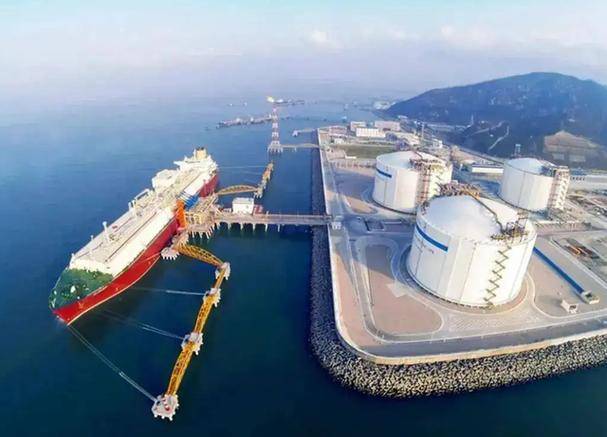
Core Viewpoint - BP Plc has agreed to sell its stake in U.S. shale assets to Sixth Street for $1.5 billion, aiming to strengthen its balance sheet and regain investor confidence [1][2]. Group 1: Asset Sale Details - The sale includes four central processing facilities in the Permian Basin: Grand Slam, Bingo, Checkmate, and Crossroads [2]. - Post-transaction, BPX Energy will retain a 51% stake in the Permian assets and a 25% stake in the Eagle Ford midstream assets, continuing as the operator of these assets [2]. Group 2: Financial Performance and Strategic Moves - BP's stock price rose by 1.7% to 449.85 pence at the London Stock Exchange, with a year-to-date increase of 15% [3]. - The company has committed to divesting $20 billion worth of assets by the end of 2027, having already agreed to sell its U.S. onshore wind business and retail gas stations in the Netherlands [3]. - Elliott Investment Management, holding approximately 5% of BP's shares, has urged the company to expedite actions to consolidate its cost base and optimize capital allocation [3]. Group 3: Transaction Structure - The transaction with Sixth Street will occur in two phases: an initial payment of about $1 billion upon signing, with the remaining amount expected by the end of the year, subject to regulatory approval [3].

美国要抢俄罗斯油气订单?能源部长喊话中国:只要少买俄油气,我们立刻供更多!
Sou Hu Cai Jing· 2025-11-03 09:59
Core Insights - The international oil and gas market is experiencing significant changes, particularly with the recent US-China trade truce and the upcoming visit of the Russian Prime Minister to China, indicating a complex energy competition is unfolding [1] - The US Energy Secretary's proposal to increase American oil and gas supplies aims to reduce China's reliance on Russian energy, which currently accounts for a substantial portion of China's imports [3][5] Energy Demand in China - China, as the world's largest oil and gas importer, is expected to import 550 million tons of oil in 2024, with Russian oil making up 100 million tons. Additionally, China's natural gas imports are projected to exceed 130 million tons, with Russia accounting for 40% of this volume [1] - This reliance on Russian energy translates to approximately $80 billion in annual revenue for Russia, making it a crucial pillar of its economy [1] US Energy Strategy - The US has become the largest oil and gas exporter globally, surpassing Saudi Arabia and Russia, but whether China will shift its energy sourcing to the US remains uncertain [3] - The higher prices of US oil and gas, driven by the costly shale oil extraction process, pose a challenge for China, which may be reluctant to abandon its long-term cooperation with Russia [3][5] Security Considerations - China's energy security is a significant concern, especially given the US's "choke point" strategies in technology and finance, which could make dependence on US energy a risky choice [5] - In contrast, energy supplies from Russia and the Middle East are perceived as more stable and secure, influencing China's decision-making [5] Political and Strategic Implications - The US's energy proposal is not merely a commercial transaction but is embedded with political and strategic motives aimed at weakening the China-Russia partnership amid rising tensions between the two nations [5][7] - Historical experiences suggest that energy cooperation is intertwined with national strategic interests, and China's energy agreements with Russia have fostered significant political trust [7] Future Energy Landscape - The competition for energy resources between the US and Russia could directly impact the China-Russia energy partnership, prompting Russia to expedite projects like the "Power of Siberia 2" pipeline to solidify ties with China [7] - Despite US efforts to gain a foothold in the global energy market, Russia remains a formidable partner for China, offering long-term contracts and stable pricing that are attractive to Chinese interests [9] - China is advised to diversify its energy supply sources and maintain flexible policies to ensure energy security while navigating the complexities of international relations [9]
英国石油(BP.US)同意以15亿美元向Sixth Street出售美国页岩资产股份以改善资产负债表
Zhi Tong Cai Jing· 2025-11-03 09:17
Group 1 - BP has agreed to sell its non-controlling interests in U.S. shale assets to Sixth Street for $1.5 billion, aiming to improve its balance sheet and regain investor confidence [1] - The assets being divested include midstream interests in the Permian and Eagle Ford basins, with BPX Energy retaining 51% of the Permian assets and 25% of the Eagle Ford midstream assets post-transaction [1] - BP's CEO, Murray Auchincloss, is focused on asset divestiture to reverse years of underperformance, which has attracted the attention of activist investor Elliott Investment Management [1] Group 2 - BP has committed to divesting $20 billion in assets by the end of 2027, having already sold its U.S. onshore wind business and agreed to sell its retail gas stations and EV charging centers in the Netherlands [2] - The transaction with Sixth Street will occur in two phases, with approximately $1 billion paid at signing and the remainder expected by year-end, pending regulatory approval [2] - Elliott holds about 5% of BP's shares and is urging the company to take swift action to strengthen its cost base and improve capital allocation [2]
埃尼石油(E.US)、Petronas成立合资企业整合印尼及马来西亚油气资产 未来五年拟投资逾150亿美元
智通财经网· 2025-11-03 09:03
Core Viewpoint - Eni and Petronas have signed a binding agreement to integrate their upstream oil and gas assets in Indonesia and Malaysia, forming a joint venture named NewCo [1] Group 1: Joint Venture Details - The newly established entity, NewCo, will manage 19 assets, with 14 located in Indonesia and 5 in Malaysia [1] - The joint venture plans to invest over $15 billion over the next five years to develop approximately 3 billion barrels of proven reserves and further explore an additional 10 billion barrels of reserves [1] Group 2: Production and Strategy - The initial production base of the joint venture will exceed 300,000 barrels of oil equivalent per day, with a medium-term goal to increase production to over 500,000 barrels of oil equivalent per day [1] - This initiative is part of Eni's "satellite" strategy, which involves creating multiple spin-off companies around specific businesses to support their growth and achieve independent operations [1]
