清洁能源

Search documents
关键词:清洁能源
Xin Lang Cai Jing· 2026-01-25 20:19
Core Viewpoint - The launch of two major clean energy projects in Qinghai, China, marks a significant advancement in the country's renewable energy sector, reinforcing its leadership in clean energy production and distribution [1] Group 1: Project Details - The Qaidam Geermu East Desert Base Power Project, invested by China Huadian, commenced construction on February 26, 2025, with a total investment of approximately 80 billion yuan, setting multiple records in the "desert" project scale and renewable energy ratio [1] - The Qinghai Hainan Clean Energy Delivery Base Power Project began construction on November 27, with a total investment of nearly 73 billion yuan, further breaking the national record for power scale in similar projects [1] - In 2025, Qinghai's clean energy installed capacity reached 74.04 million kilowatts, accounting for 93% of the total, with the power generation ratio at 89.7%, maintaining a leading position nationwide [1] Group 2: Significance of Events - These projects solidify Qinghai's core position as a national clean energy hub, enhancing the grid-based delivery structure and energy security of the "West-to-East Power Transmission" project [1] - The initiatives promote the transition from single energy output to a full industrial chain empowerment, stimulating new productive forces in the energy sector [1] - They accelerate the conversion of ecological advantages into economic benefits, providing robust support for the national "dual carbon" strategy and establishing a national model for the coordinated development of desert ecological governance and energy development [1]
关键词:经贸交流合作
Xin Lang Cai Jing· 2026-01-25 20:19
热点话题:2025青海—澳门经贸交流合作推介会、第二届青海—香港招商引资推介会分别在澳门香港举 行 新闻事实:2025年2月21日,第二届青海——香港招商引资推介会在香港会展中心举行,聚焦清洁能 源、生态文旅、特色农牧等领域,现场签约项目总投资超120亿元。会上发布"青海绿色算力招商包""高 原特色农畜产品出口包",推动青港企业在绿电制氢、跨境电商等领域达成5项合作意向,香港中华总商 会、香港青海商会签署长期战略合作框架。10月28日,以"共享发展机遇,深化青澳合作"为主题的2025 青海——澳门经贸交流合作推介会在澳门举行,配套举办"青海家宴"品鉴活动,创新融合青海风味与葡 式烹饪技艺。现场重点拓展与葡语国家经贸合作,达成特色农产品出口、文旅资源互换等8项协议,搭 建起多元化对外合作平台。 事件意义:搭建青港产业精准对接平台,吸引香港资本参与青海"四地"建设。推动清洁能源、特色农牧 业等优势产业与香港金融、商贸资源深度融合,拓宽青海外向型经济发展路径。同时,借助澳门平台突 破传统外贸市场局限,拓宽青海对外合作空间与全球辐射范围。提升 "青字号" 产品在葡语国家及全球 市场的影响力,优化外贸市场多元化布局。深 ...
潮涌青海聚合力笃行实干开新局
Xin Lang Cai Jing· 2026-01-24 19:37
Core Viewpoint - Qinghai is making significant strides in ecological civilization and high-quality development, focusing on green energy, smart manufacturing, and agricultural advancements to enhance the local economy and improve the quality of life for its residents [28]. Group 1: Energy Development - The construction of the Malda Dam hydropower station is progressing steadily, providing stable and clean energy for regional development [28]. - Energy storage stations are playing a crucial role in supporting the consumption of new energy and adjusting the energy structure in Qinghai [3]. Group 2: Agricultural Advancements - The development of green organic agriculture is being prioritized to enhance employment and income for farmers [15]. - Cool-season vegetables are thriving in the plateau region, enriching the local food supply and expanding income opportunities for farmers [28]. Group 3: Technological Innovation - The smart manufacturing industry is emerging through technological innovation, contributing to a "green revolution" in urban construction on the plateau [13]. - Green computing power is leading the digital economy, becoming a strong new engine for development [28]. Group 4: Ecological and Cultural Development - Ecotourism is flourishing, attracting a growing number of visitors and showcasing the region's natural beauty [28]. - The value of precious local literature is being explored to inject new vitality into the integration of culture and tourism in Qinghai [5]. Group 5: Social Development - High-quality development of elderly care services is ensuring that senior citizens enjoy a happy and fulfilling later life [22]. - The harmonious coexistence of people and nature is being emphasized, contributing to a beautiful home environment [9].

西贝突曝大消息!
Sou Hu Cai Jing· 2026-01-24 13:03
Financing Activities - Haier New Energy completed over 1 billion RMB in Series B financing, with funds primarily allocated for R&D and market expansion in photovoltaic and energy storage systems [2] - Supermagnetic New Energy announced several hundred million RMB in angel round financing, focusing on the development of high-temperature superconducting magnetic systems for controllable nuclear fusion [2] - Ailios Biotech secured over 100 million RMB in pre-B round financing to enhance its self-developed filtration membranes for biopharmaceutical applications [3] - Anhui Anpin Intelligent Technology completed angel round financing to accelerate the promotion of intelligent tavern operation solutions [3] - Dongyi Technology raised over 100 million RMB in angel++ round financing to advance its "Robot for AI" strategy [4] - Dvision Medical completed several tens of millions RMB in A2 round financing to promote the development of super-microsurgery robots [5] - AI startup Anthropic is pursuing a new financing round aiming to raise 25 billion USD, with significant investments from major tech firms [5] - Xingsai Biotech completed nearly 100 million RMB in A++ round financing, focusing on single-cell analysis instruments [6] - Today Sleep, a startup, announced several tens of millions RMB in seed round financing to develop sleep-related smart products [7] - Zhejiang Dejin Biotech completed several tens of millions RMB in A round financing to advance its recombinant botulinum toxin products [7] - Yupan Intelligent completed 513 million RMB in Pre-IPO+ financing to enhance its capabilities in embodied intelligence and global expansion [8] - Nanjing Hairong Pharmaceutical raised 140 million RMB in a new round of financing to accelerate the development of innovative drugs [9] - Xibei Restaurant Group completed A round financing, with investments from various parties including the founder of a well-known restaurant brand [10] - New Yue Biotech completed several tens of millions RMB in A+ round financing to enhance its AI drug development capabilities [10] - AtomForm announced a new round of financing exceeding 100 million RMB to accelerate its commercialization process [11] - Liangxuan Technology completed several hundred million RMB in C round financing to promote quantum computing applications [12] - Lianbo Precision completed over 100 million RMB in C round financing to support high-end manufacturing initiatives [13] - Juwei Technology completed nearly 100 million RMB in A round financing to enhance its industrial IoT capabilities [14] - Lanjing Technology secured several tens of millions RMB in A+ round financing to focus on agricultural robotics [14] - Zhejiang Humanoid Robot Innovation Center completed 450 million RMB in Pre-A round financing, reflecting strong market confidence [15] - Epuji completed nearly 100 million USD in B round financing to strengthen its data center delivery capabilities [16] Investment Funds - The establishment of various investment funds, including a 20 billion RMB seed fund in Shanghai focusing on AI and intelligent models [19] - The launch of a 50 billion RMB investment fund in Zhengzhou aimed at supporting innovative industries [20] - The creation of a 10 billion RMB fusion energy venture capital fund in Hefei to support key technologies in nuclear fusion [20]
商务部:中芬双方有意愿、有信心、有能力推动双边经贸合作持续向好发展
Di Yi Cai Jing· 2026-01-24 00:05
Core Viewpoint - Finland is a significant economic and trade partner for China in Europe and the first European country to sign a government trade agreement with China [1][2] Group 1: Bilateral Trade and Investment - By 2025, the bilateral trade volume between China and Finland is expected to exceed 8 billion USD, with mutual investment stock surpassing 23 billion USD [2] - In 2024, the total trade volume between China and Finland reached 14.121 billion euros, a year-on-year increase of 7.5%, accounting for 6.14% of Finland's total trade [6] - The total goods trade between China and Finland was 11.118 billion euros, with a year-on-year growth of 3.3%, representing 7.5% of Finland's goods trade [6] Group 2: Export and Import Details - Finland's exports to China amounted to 4.675 billion euros, increasing by 9.59% year-on-year, making up 6.09% of Finland's total exports [6] - The largest category of exports to China is pulp and waste paper, accounting for 30%, followed by special industrial machinery at 11% [6] - Imports from China totaled 6.443 billion euros, showing a slight decline of 0.83% year-on-year, representing 9.13% of Finland's total imports [6] - The largest category of imports from China is electrical machinery and parts, accounting for 25%, followed by telecommunications and recording equipment at 14.5% [6] Group 3: High-Level Visits and Cooperation - Finnish Prime Minister Orpo will visit China from January 25 to 28, leading a delegation of over 20 business executives from key sectors such as machinery, forestry, innovation, clean energy, and food [2][4] - The visit aims to deepen bilateral economic relations, with plans to sign a memorandum of understanding to strengthen the work of the China-Finland Innovation Enterprise Cooperation Committee [4] - Approximately 50 representatives from Chinese enterprises have registered to participate in the upcoming meeting, indicating strong interest in collaboration [4]
福建宁德加快构建山海保护治理大格局
Xin Lang Cai Jing· 2026-01-23 16:48
Core Viewpoint - Ningde City in Fujian Province is focusing on economic development while promoting ecological construction, achieving significant improvements in environmental quality and residents' happiness during the 14th Five-Year Plan period [1] Group 1: Environmental Quality - Over the past five years, the proportion of water quality in major rivers, lakes, and drinking water sources in Ningde City has maintained at 100% [1] - The proportion of days with good air quality reached 98.6%, and the surface water environmental quality has ranked in the top 30 nationwide for three consecutive years [1] - The water quality in the San Diao Ao area improved by 25.3% compared to 2020, reaching the highest level since monitoring began [1] Group 2: Green Development Initiatives - Ningde City has established 36 new national and provincial-level green parks and factories, becoming a pilot area for the "Four Reservoirs" linkage in Fujian Province [1] - The Fuding Industrial Park has been included in the national zero-carbon park construction list, and the national ecological civilization construction demonstration zone has achieved full coverage in mountainous counties [1] - The city is optimizing its industrial structure with a significant increase in green projects, forming a "zero-carbon bay area" with a cluster of new energy industries [1] Group 3: Clean Energy and Carbon Reduction - The clean energy supply system includes water, nuclear, wind, solar, and storage, with clean energy installed capacity and generation accounting for 78.9% and 76.4%, respectively [1] - Ningde City is implementing the "Three Reservoirs + Carbon Reservoir" ecological concept, promoting carbon reduction, pollution reduction, and green expansion [2] - The city aims to create a new energy system and a new power system, striving to become a leading area for green and low-carbon development [2]
“浙”里新声丨宁波两会观察:制造业“冠军之城”如何锻造更强产业舰队?
Xin Lang Cai Jing· 2026-01-23 13:03
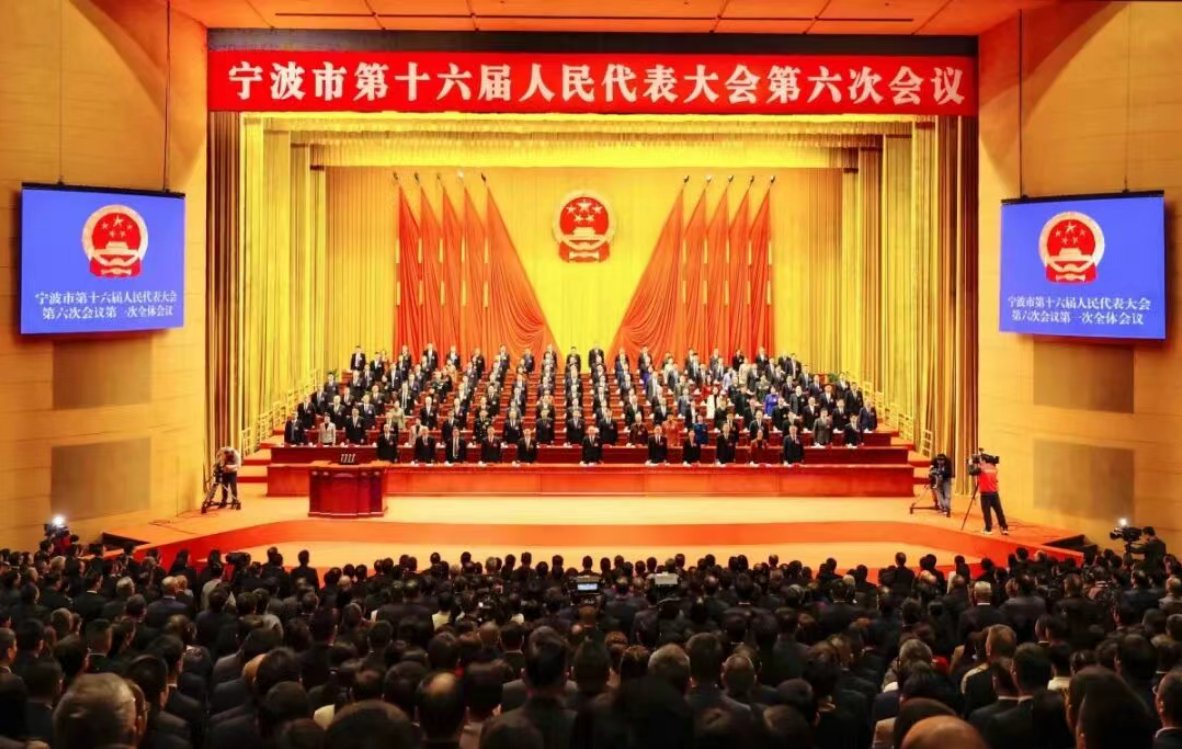
Core Viewpoint - Ningbo aims to enhance its manufacturing sector by targeting the addition of 15 national-level manufacturing champions and 60 specialized and innovative "little giant" enterprises by 2026 [1] Group 1: Current Achievements - Ningbo currently has 119 "single champion" enterprises, maintaining the top position among cities in China for eight consecutive years [3][11] - The city's industrial added value has risen from ninth to fifth among national cities, while the number of high-tech enterprises has increased from 3,102 to over 10,000, marking a growth rate that has led the province for four consecutive years [3][11] Group 2: Future Goals - The government report outlines key tasks for the next five years, emphasizing the strengthening of industrial clusters and the foundation of the real economy, with a focus on building a global advanced manufacturing hub [5][13] - Ningbo aims for its industrial added value to exceed 1 trillion yuan, with strategic emerging industries expected to account for over 35% of the total [5][13] Group 3: Innovation and Development - The city plans to enhance its R&D intensity to over 3.6% during the 14th Five-Year Plan period, establishing a nationally influential industrial technology innovation center [7][15] - Initiatives include the creation of high-quality concept verification centers and shared manufacturing platforms to foster a unique "tropical rainforest" innovation ecosystem [7][15] Group 4: Policy Support - Ningbo has established a "Big Manufacturing" task force to support high-quality development in manufacturing through a comprehensive policy framework, including financial incentives for emerging industries and robotics projects [9][17] - The city is committed to optimizing investment mechanisms to facilitate the transformation of national technological achievements and support local enterprise expansion [9][17]
技术驱动下的资本竞速:玖物智能高增长预期与经营风险的平衡难题
Zhi Tong Cai Jing· 2026-01-23 10:49
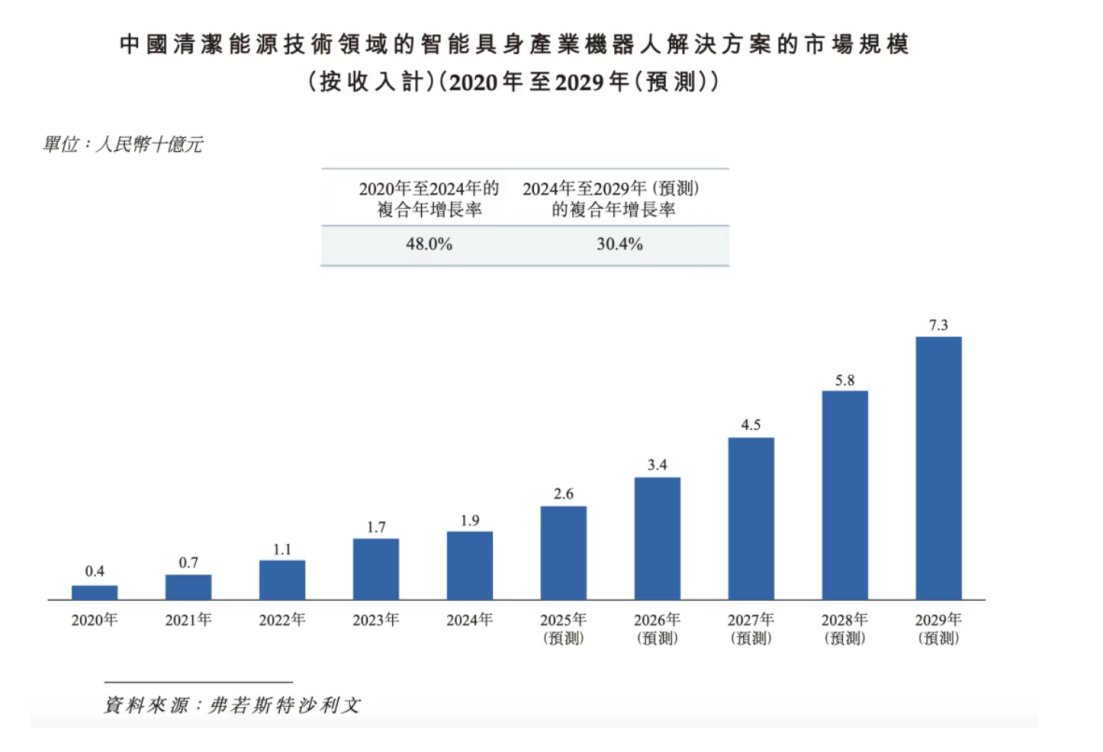
2025年以来,具身智能赛道在全球范围内掀起了一轮汹涌的IPO浪潮,资本市场对这一融合了人工智能与实体交互的下一代技术方向展现出前所未有的热 情。在国内市场,先行者如极智嘉与云迹科技已成功登陆港股,凭借在物流、酒店等标准化场景中验证的商业模式与稳定营收,奠定了其市场地位。 招股书显示,过去五年,中国具身AI机器人是全球市场的核心增长引擎,市场规模从2020年的125亿元增长至2024年的287亿元,复合年增长率达到23.1%。 预计到2029年,具身AI机器人的市场规模将达到1101亿元,2024年至2029年的复合年增长率将进一步提升至30.9%。 清洁能源技术领域在近年来对于智能化的需求也大幅增长,行业规模从2020年的4亿元增长到2024年的19亿元。 这样的行业背景,也拉动着玖物智能的出货量提升。2023年、2024年、2025年前三季度,其机器人销量分别为2267台、4178台、4704台,报告期内累计售出 机器人11152台。 玖物智能在具身智能行业风口下实现了营收规模的跨越式增长,毛利率持续优化验证其业务基本面。然而,2025年财报中骤然放大的资产减值损失,暴露了 其高速扩张背后的资产质量与客户 ...
迈向“十五五”的美丽图景·一线见闻丨青海:绿电绿算“点绿成金”
Yang Guang Wang· 2026-01-23 01:49
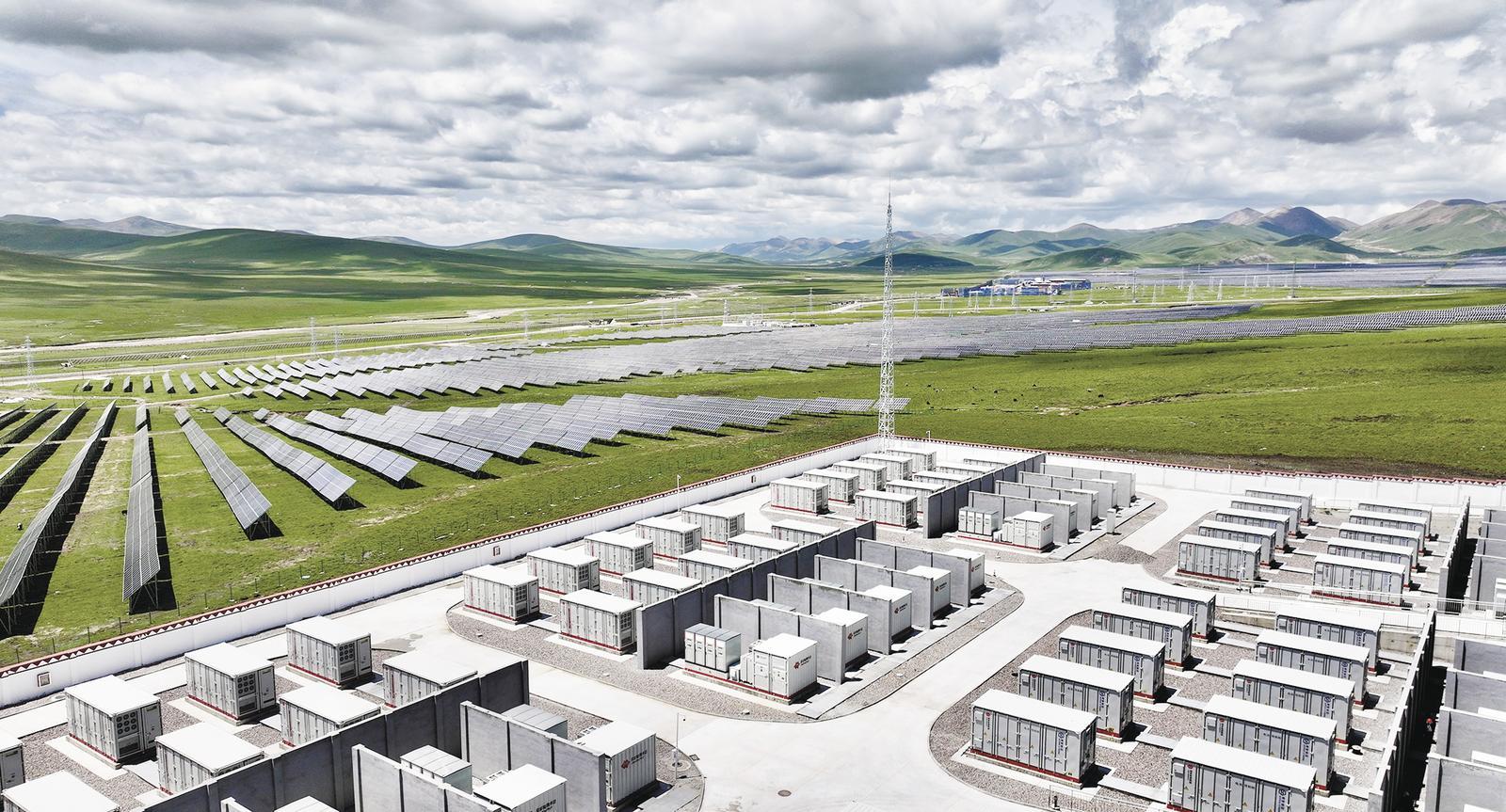
Core Insights - The central economic work conference emphasizes accelerating the construction of a new energy system and expanding green electricity applications [1] - Qinghai Province, with its abundant clean energy resources, is innovating a "green electricity + green computing" collaborative model, extending green electricity delivery to 22 provinces and accelerating the establishment of a national green computing hub [1] Group 1: Clean Energy Projects - The world's largest solar thermal power project, the 350 MW tower solar thermal power project in Golmud, Qinghai, is under construction with a total investment of approximately 5.435 billion yuan, aiming for full capacity grid connection by September 2027 [1] - The Taratan photovoltaic park, the largest solar power park globally, employs a model of "power generation on panels, grass growing between panels, and grazing below panels," achieving ecological restoration and increased income for herders [1] Group 2: Environmental and Economic Impact - The Taratan photovoltaic park has reduced wind speed by 50%, decreased soil moisture evaporation by 30%, and increased vegetation coverage to 80% within three years [2] - The development of clean energy in Qinghai has created a win-win model for ecology and economy, sharing green electricity nationwide through ultra-high voltage channels [2] Group 3: Future Projections - By June 2025, Qinghai's total installed power capacity is expected to reach 75.9 million kilowatts, with clean energy accounting for 71.81 million kilowatts, representing 94.6% of the total, ranking second in the country [2] - Qinghai is exploring new paths for "green electricity + green computing" collaborative development, aiming to provide green, efficient, and secure computing power support for national digital economic development [2]
生态向美 产业向绿 绘就绿色转型广西新图景
Xin Lang Cai Jing· 2026-01-22 21:16
Core Viewpoint - Guangxi Zhuang Autonomous Region is focusing on ecological protection and green development, achieving significant economic and environmental benefits through innovative reforms and sustainable practices [4][5][11]. Ecological Protection - Guangxi has a forest coverage rate of 62.5% and maintains high air and water quality, with 98.1% of days having good air quality and 100% of surface water meeting quality standards [5]. - The region emphasizes ecological conservation as a foundation for improving living standards, integrating high-quality development with environmental protection [5][6]. - Guangxi has implemented comprehensive environmental protection measures, achieving 100% coverage in heavy metal risk assessments [5][6]. Economic Development through Ecology - The "Ecology+" model promotes sustainable agriculture and aquaculture, integrating solar energy with ecological practices, leading to a 20% increase in aquaculture output [6]. - By 2025, Guangxi aims to complete afforestation of 4.34 million acres and restore 17,700 acres of mangroves, with an estimated ecological value exceeding 8 trillion yuan [6][8]. - The region has created 19 national ecological civilization demonstration zones, benefiting over 5 million farmers through ecological industrialization [6][8]. Forest Economy - Guangxi's forest resources are being utilized to develop a sustainable forest economy, with a total forest stock of 930 million cubic meters [7][8]. - The region has successfully implemented a forest reform mechanism that has led to over 15 million acres of collective forest land being managed at scale, providing jobs for nearly 70,000 farmers [8]. - The total output value of the forestry industry in Guangxi has surpassed 1 trillion yuan, making it the first province in China to achieve this milestone [8]. Green Industry Transformation - Guangxi is enhancing the "green" aspect of its industries to achieve high-quality development, with a focus on carbon neutrality and pollution reduction [9][10]. - The region's renewable energy capacity has seen an annual increase of 40%, with total installed capacity reaching 113 million kilowatts by October 2025 [9]. - Guangxi has established 105 national-level green factories and 11 green parks, significantly improving resource utilization efficiency [10]. Future Outlook - Guangxi plans to strengthen its circular economy initiatives and expand green electricity trading, aiming for over 50% of energy from non-fossil sources by 2030 [11].