电力

Search documents
地缘紧张致欧洲经济复苏后劲不足
Xin Lang Cai Jing· 2026-02-23 22:48
Economic Growth and Projections - The Eurozone's GDP is projected to grow by 1.5% in 2025, while the EU's GDP is expected to grow by 1.6%, indicating a slight upward adjustment from previous market expectations [3] - Compared to other major economies like China and the US, Europe's economic recovery shows insufficient momentum [3] Trade and Investment Challenges - Trade frictions and tariff barriers are suppressing exports and investments, with the US targeting the EU in its trade policies, increasing costs for European companies exporting to the US [3] - The uncertainty in global trade policies is dampening business investment confidence, particularly affecting manufacturing sectors reliant on global supply chains [3] Energy Supply and Price Volatility - The prolonged Russia-Ukraine conflict and energy sanctions are reshaping Europe's energy landscape, with the EU planning to ban new gas contracts with Russia starting in 2026 [4] - Transitioning to liquefied natural gas from the US and Qatar faces challenges such as inadequate infrastructure and high costs, leading to potential inflation and reduced purchasing power [4] - Despite advancements in renewable energy, the slow upgrade of electrical grid infrastructure is causing inefficiencies in power distribution, leading to a mismatch in generation and transmission capabilities [4] Inflation and Monetary Policy Dilemmas - The inflation rate in Europe is expected to approach the 2% target by 2025, but supply chain disruptions from geopolitical conflicts pose upward risks to inflation [4] - The European Central Bank faces a dilemma between supporting economic growth and controlling inflation, with expectations that central banks will maintain stable interest rates throughout 2026 [4] Internal Disparities and Market Integration - Structural weaknesses in the European economy are becoming more pronounced, particularly with core economies like Germany, France, and Italy facing industrial output declines and fiscal crises [5] - Southern European countries like Spain are becoming growth leaders, but their smaller economic size cannot compensate for the weaknesses of the larger economies [6] Systemic Policy Responses - The EU is implementing a series of systemic policies to address internal and external challenges, including reforms to deepen the single market and eliminate internal barriers [7] - Initiatives include establishing a unified regulatory framework for market access, tax, and intellectual property to reduce cross-border operational costs [7] - The EU is also focusing on crisis response mechanisms to ensure market resilience against geopolitical conflicts and supply chain disruptions [7] - Significant investments are planned in strategic areas like AI, quantum computing, and clean technology to address innovation gaps and capital outflows [7] - The EU aims to accelerate green and digital transitions, with expectations for green industry investments to exceed €500 billion by 2025, representing 35% of global investments [7] - A "new independence" strategy is being promoted to reduce reliance on external powers in technology, energy, and security [7]


马年春节假日盘点
Xin Lang Cai Jing· 2026-02-23 21:43
Group 1: Transportation Trends - The Spring Festival holiday from February 15 to February 23 is expected to see over 2.6 billion cross-regional trips, with daily averages potentially reaching new highs [1] - A notable trend is the "reverse Spring Festival," where many young people are opting to bring their parents to their working cities for reunion instead of returning home [2] - Self-driving travel is projected to account for 80% of holiday travel, with daily peak traffic on highways expected to reach 71 million vehicles [3] Group 2: Production and Supply - Numerous enterprises are maintaining production during the holiday, with over 260 companies in Ningbo and more than 280 in Luoyang continuing operations, reflecting a 30-company increase from 2025 [4] - Key industrial enterprises in Tianjin are expected to achieve an overall resumption rate of 86.3% by February 24 [4] - Northeast Pharmaceutical and State Grid are ensuring supply stability with thousands of employees working through the holiday [5] Group 3: Market Demand and Orders - The demand for high-performance optical fibers has surged, with Nanjing Huaxin Tencan Optical Communication Co. reporting full orders extending into the second half of the year [6] - The concept of "Spring Festival without stopping" is seen as a proactive measure to stabilize customer relations and market presence [6] Group 4: Tourism and Cultural Activities - The search interest in traditional cultural activities like lantern festivals and temple fairs has increased by 117% during the holiday [9] - The Harbin Ice and Snow World saw a record daily visitor count of over 120,000, highlighting the appeal of winter tourism [10] - Hainan's duty-free shopping during the first holiday after the island's free trade port operation saw a 19% increase in spending, totaling 1.38 billion yuan [10] Group 5: Robotics and Technology - The integration of humanoid robots into traditional celebrations has gained popularity, with rental orders for robots increasing by nearly 70% during the holiday [12] - The market is expected to see accelerated application of humanoid robots in various scenarios, with 2026 being a pivotal year for the industry [12]
韩国电力将发2025年Q4财报,机构预测营收23.77万亿韩元
Xin Lang Cai Jing· 2026-02-23 20:40
经济观察网 韩国电力将于美东时间2026年2月26日发布2025年第四季度财报。机构预测当期营收为23.77 万亿韩元,每股收益为1457.73韩元(基于US-GAAP准则)。财报结果及管理层解读可能对股价产生直 接波动,投资者需关注业绩是否超预期及未来指引。 股票近期走势 近一周(2026年2月18日至23日),韩国电力股价区间振幅达5.17%,最高触及22.51美元(2月20日), 最低至21.38美元(2月18日)。2月23日收盘价21.90美元,单日下跌2.45%,成交额约771万美元;2月 20日则上涨3.17%,成交额1197万美元。年初至今累计涨幅32.73%,市盈率(TTM)为4.79。股价波动 受市场情绪及板块资金流动影响。 近期事件 2026年2月21日及22日,韩国总统府召开紧急会议,评估美国特朗普政府加征关税政策对韩国经济的潜 在冲击,强调将维护韩美协议成果及出口条件。作为韩国国有能源企业,宏观政策变动可能间接影响韩 国电力的海外业务成本及需求预期。 以上内容基于公开资料整理,不构成投资建议。 ...
爱迪生国际未来关注点:业绩指引、资本开支与政策环境
Xin Lang Cai Jing· 2026-02-23 20:39
Company Performance Goals - The company has reaffirmed its financial targets, expecting core earnings per share to be between $5.95 and $6.20 for 2025. Additionally, a long-term growth expectation has been set, with a compound annual growth rate projected to remain between 5% and 7% from 2025 to 2028. This robust earnings guidance is a key focus for market observers [1]. Project Progress - Edison International plans to invest approximately $38 billion to $43 billion in capital expenditures from 2025 to 2029, with funds primarily allocated for upgrading grid resilience and integrating clean energy. The execution progress of this plan and its impact on the rate base of its subsidiary, Southern California Edison (SCE), which reached $56.5 billion to $57.5 billion as of the third quarter of 2025, are critical for assessing the company's future profitability [2]. Policy and Regulation - The recent SB 254 legislation passed in California sets a cap on utility companies' wildfire liabilities and establishes a securitization mechanism, significantly reducing the contingent liability risks faced by Edison International. Furthermore, the high approval rate of general rate cases in 2025 (with 91% of cost recovery requests approved) enhances the certainty and predictability of the company's earnings [3]. Industry Conditions - The growing electricity demand driven by the expansion of AI data centers, the proliferation of electric vehicles, and the development of green manufacturing in California will directly benefit Edison International's core distribution business. This macro trend is an important factor influencing the company's long-term outlook [4].

促进电力资源优化配置 保障能源安全稳定供给
Xin Lang Cai Jing· 2026-02-23 20:39
Core Viewpoint - The recent issuance of the "Implementation Opinions on Improving the National Unified Electricity Market System" by the State Council signifies a crucial step towards enhancing the electricity market framework in China, aiming to optimize resource allocation and ensure energy security while supporting economic growth [4][5]. Group 1: Background and Significance - The establishment of a national unified electricity market system is a key indicator of the construction of a unified national market and a significant outcome of deepening electricity system reforms [4][5]. - The evolving electricity production methods, consumption patterns, and industrial structures, along with the increasing share of renewable energy, necessitate innovative reforms to address new challenges in the electricity market [5]. Group 2: Overall Requirements - The "Opinions" emphasize the need for a unified national market that breaks down market segmentation and regional barriers, promoting efficient connectivity and dynamic balance between supply and demand [6]. - The goal is to create a unified, open, competitive, and efficient electricity market system that ensures reliable operation while supporting energy security and green transition [6]. Group 3: Key Tasks and Innovative Measures - The "Opinions" outline 19 key tasks across five areas, focusing on optimizing electricity resource allocation, enhancing market functions, and promoting equal participation from various operators [7]. - A significant innovation includes transitioning from "individual pricing and trading" to "unified pricing and joint trading" across different market levels, with specific requirements for the integration of various market types [7]. - The establishment of a capacity market is proposed to ensure the reliable capacity of supportive resources like coal power and new energy storage, enhancing supply security [8]. - Measures to facilitate better participation of renewable energy in the market include differentiated entry paths for various renewable projects and exploring cross-regional transmission pricing adjustments [8][9]. - The "Opinions" also encourage greater participation from private enterprises in the electricity market, allowing small and medium-sized commercial users to directly engage in market transactions [9]. - A diversified governance system for the electricity market is proposed to ensure safe and efficient market operations, involving government oversight, independent regulation, and collaborative management by market participants [9].
Engie 考虑在巴西大型光伏电站引入比特币挖矿或储能系统
Xin Lang Cai Jing· 2026-02-23 19:42
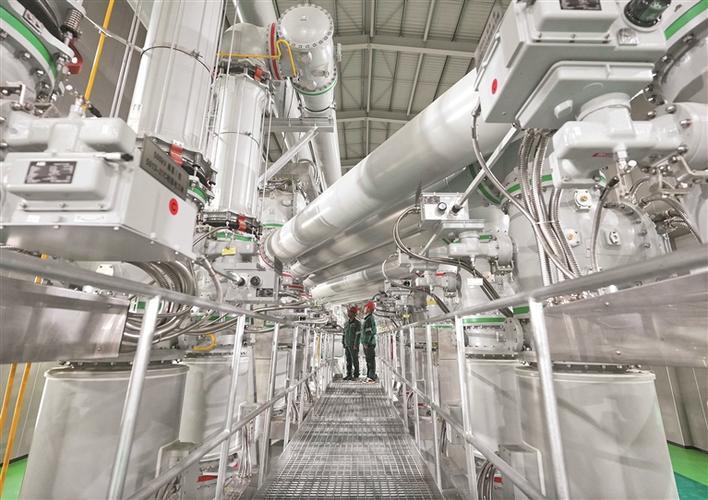
Core Viewpoint - Engie is evaluating the deployment of energy storage systems or Bitcoin mining data centers at its Assu Sol solar power plant in northeastern Brazil to mitigate the impact of curtailment on project revenues [1] Group 1: Company Initiatives - Engie is considering local electricity usage strategies, including mining or storage, to enhance utilization rates amid curtailment pressures [1] - The Assu Sol solar power plant has an installed capacity of 895 MWp [1] Group 2: Industry Context - Since 2023, solar and wind projects in Brazil have faced curtailment pressures due to insufficient grid capacity, rapid growth in renewable energy installations, and the expansion of distributed solar [1] - The proposed solutions by Engie are expected to take several years to implement [1]
爱依斯电力股价创60日新高后回调,机构看好电改深化利好
Xin Lang Cai Jing· 2026-02-23 18:39
财报分析 根据2025年第三季度财报(截至2025年9月30日),公司营业收入为91.32亿美元,同比增长1.89%;归 母净利润同比增长31.83%,稀释每股收益为0.81美元。同期,毛利率为22.05%,净资产收益率(ROE) 达23.02%,反映出盈利能力的改善。 机构观点 经济观察网 近期,爱依斯电力受到市场关注的事件包括其股价表现及机构观点。2月12日,公司股价创 下60日新高,主要驱动因素包括机构上调评级以及对潜在收购的预期。截至2月23日,股价出现回调, 单日下跌1.85%,但近20日累计涨幅仍达15.07%。 开源证券2月23日发布的电力行业年度策略指出,电改持续深化,电力设备需求有望保持高景气,这对 爱依斯电力等企业形成长期利好。此外,智通财经2月19日分析显示,公用事业板块受益于资本开支加 速及国债收益率回落,依赖基建投资的电力企业可能获得支撑。 以上内容基于公开资料整理,不构成投资建议。 ...
赶订单、保供应、抓安全——春节假期企业持续生产扫描
Xin Lang Cai Jing· 2026-02-23 14:33
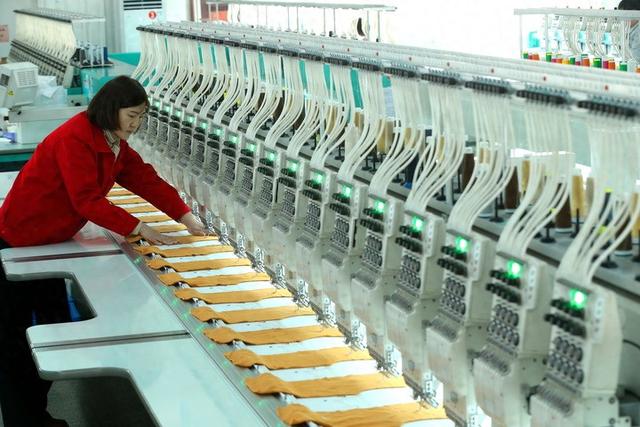
Core Viewpoint - The article highlights the ongoing production activities across various industries in China during the Spring Festival, emphasizing the commitment of companies to maintain supply and meet market demands despite the holiday season [1][3][4]. Group 1: Production Continuity - Over 260 companies in Ningbo and more than 280 industrial enterprises in Luoyang continued production during the Spring Festival, with an increase of approximately 30 companies compared to 2025 [1]. - In Tianjin, around 90 key industrial enterprises maintained continuous production, with an expected overall resumption rate of 86.3% by February 24 [1]. - Sichuan Zhou Hei Ya Food Co., Ltd. reported a daily production of over 50,000 "modified atmosphere packaging" products to ensure supply to stores in multiple regions [1]. Group 2: Market Opportunities - Zhejiang Hengcheng Hard Alloy Co., Ltd. experienced a significant production value increase of 230% year-on-year in January, with over 100 employees working during the holiday to meet tight delivery schedules [3]. - Nanjing Huaxin Fiber Optic Co., Ltd. reported a full operation of 38 fiber optic production lines during the Spring Festival due to high demand, with orders extending into the second half of the year [4]. Group 3: Safety Measures - Guangxi Sun Paper Industry Co., Ltd. implemented strict safety measures during the holiday, including regular inspections and approvals for hazardous operations, to ensure safe production [6]. - The State Council's Work Safety Committee emphasized the importance of safety production during the holiday, focusing on risk prevention in various industries [6]. Group 4: Support and Coordination - The Gansu Lanzhou New Area Project Construction Center coordinated with various departments to address companies' needs, ensuring uninterrupted supply and support during the holiday [7]. - Local governments established 24-hour service hotlines and conducted special visits to ensure continuous production and address any operational challenges faced by enterprises [7].


一马当先南京年|春节期间南京港预计装卸电煤总量14万吨
Xin Lang Cai Jing· 2026-02-23 11:27
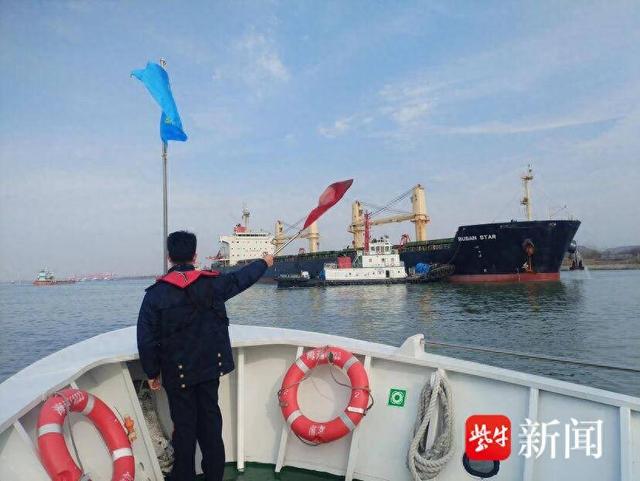
Core Viewpoint - The Nanjing Maritime Safety Administration is actively ensuring the safe and efficient transportation of essential goods, particularly coal, during the Spring Festival period, implementing comprehensive measures to maintain stability in waterway traffic and supply chains [2][3][4]. Group 1: Transportation and Supply Management - Two vessels, "BUSAN STAR" and "Jiuhua," successfully docked at Huanneng Jinling and Datang power plant terminals, transporting a total of 45,000 tons of coal, equivalent to the capacity of over 400 heavy trucks [1]. - During the Spring Festival, approximately 140,000 tons of coal are expected to be loaded and unloaded at the terminals, ensuring sufficient supply for power generation [1]. Group 2: Safety and Emergency Preparedness - The Nanjing Maritime Safety Administration has established a 24-hour duty system to monitor weather and water level changes, ensuring readiness to respond to emergencies and safeguard public safety and essential goods transportation [4]. - The administration is utilizing drones, patrol boats, and CCTV monitoring to create a comprehensive surveillance network, enhancing oversight of critical areas and ensuring the safety of coal transport vessels [3]. Group 3: Regulatory Efficiency - The administration has streamlined maritime procedures for coal transport, implementing "parallel processing" and "deficiency handling" to improve efficiency and support enterprises [3]. - A "green channel" for coal transportation has been established, prioritizing the docking and unloading operations of essential goods vessels [3].

被英媒说中了!美国这次够狠,日本毫无招架之力,被拿捏也只能忍
Sou Hu Cai Jing· 2026-02-23 11:21
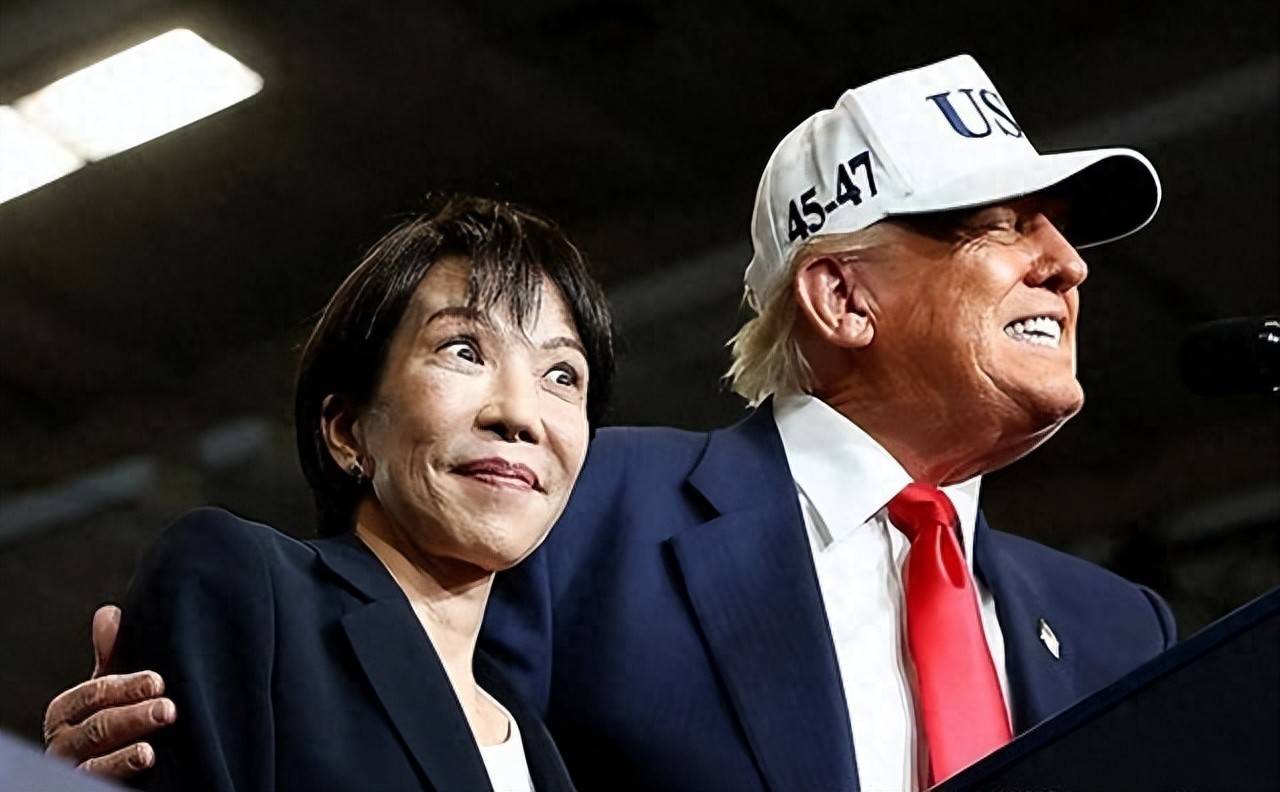
Group 1 - Japan's investment of $550 billion in the U.S. is a result of pressure from the U.S. to lower tariffs, leading to a situation where Japan has limited options [1][3][9] - The U.S. controls the allocation of funds through a special entity, and Japanese companies must respond quickly to avoid tariff reinstatement [1][3][11] - The negotiations are complex, with Japan's Minister of Economy, Trade and Industry acknowledging the difficulty in reaching a final agreement [3][9][11] Group 2 - Japanese companies face high risks and profit-sharing arrangements that favor the U.S., with initial profits split 50/50 and later shifts to 90% for the U.S. [3][6][13] - The first projects include significant investments in energy and mineral sectors, but Japanese firms must navigate U.S. investment reviews [4][11][14] - The political dynamics between Japan and the U.S. are intertwined with the investment agreement, as U.S. President Trump publicly supports Japanese Prime Minister Kishida [9][13] Group 3 - The investment is seen as a strategic retreat for Japan, with concerns about long-term impacts on domestic competitiveness [6][14] - Japanese firms like SoftBank are involved in large-scale projects, but must weigh the risks of U.S. economic security requirements [4][11][13] - The agreement is positioned as a win-win, but the reality may lead to significant costs for Japan in the long run [6][14]