
电动汽车

Search documents
中概股下挫,蔚来、理想跌超3%,美国关键数据爆冷,黄金、油价、比特币集体拉升
21世纪经济报道· 2025-12-03 15:34
记者丨 吴斌 黎雨桐 编辑丨金珊 加密货币集体大涨,比特币重回92000美元上方。 | BTC | 92513 | +3.89% | | --- | --- | --- | | $591.4亿 +3.3% | | | | ETH | 3085 | +6.67% | | $370.9亿 +7.2% | | | | SOL 글 | 141.6 | +6.69% | | $70.7亿 +5.7% | | | | XRP | 2.174 | +4.23% | | $36.6亿 +5.7% | | | | HYPE $15.3亿 -0.0% | 34 | +4.9% | | BNB | 898.8 | +4.74% | | $13.8亿 +8.4% | | | | DOGE | 0.149 | +5.39% | | $13.1亿 -0.1% | | | | SUI | 1 60% | 115 20/2 | 消息面上,美国"小非农"数据超预期降温,美国自动数据处理公司数据显示,美国私营部门11月就业岗位意外减少3.2万个。 此外,美联储新主席的面孔逐渐清晰,市场已初步感受到"影子主席"的冲击。据央视新闻报道,美国总统特朗 ...

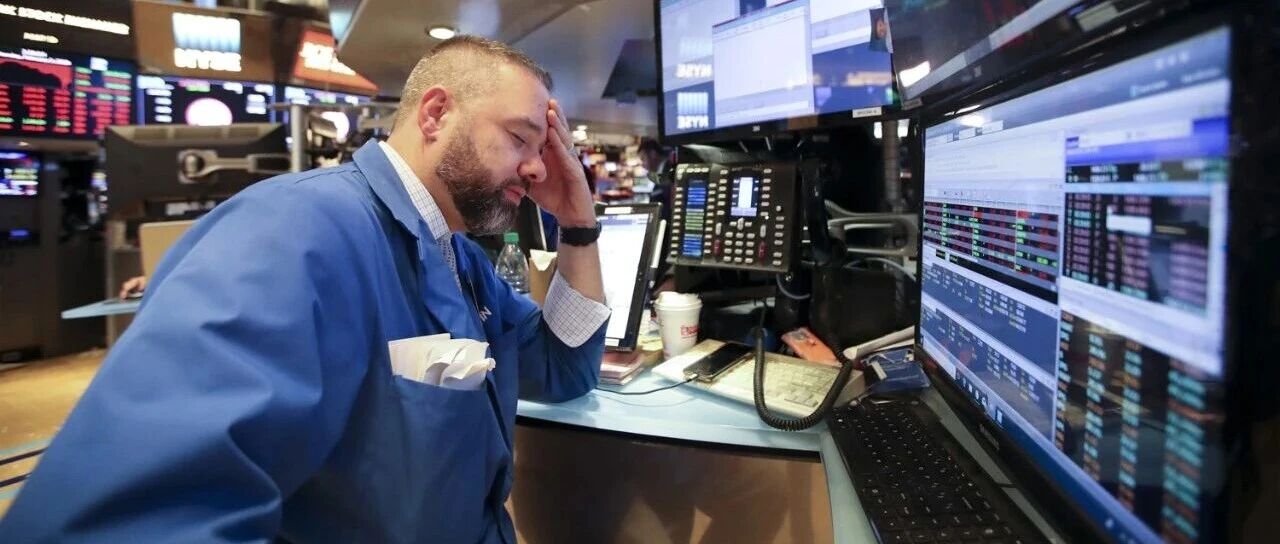
特斯拉周三早盘走高,其在华需求保持稳定
Jin Rong Jie· 2025-12-03 15:07
本文源自:金融界AI电报 美股周三早盘,特斯拉股价上涨1.7%。据报道,该公司11月在中国制造的电动汽车销量同比增长约 10%,交付量约为8.67万辆,而Model Y的交付排期据称已延至2026年初。 ...

泰国前9月纯电车注册量暴增59%,激励措施全面升级
Shang Wu Bu Wang Zhan· 2025-12-03 09:16
(3)允许EV3.0车企把EV3.5合作工厂纳入补偿生产范围,以提高达标概率; 据泰媒报道,11月27日,泰国投资促进委员会(BOI)秘书长兼国家电动汽车措施委员会秘书纳立透露, 近日举行的委员会会议已通过了EV3.0和EV3.5措施的调整内容,以适应全球和泰国的市场形势。 此次调整主要包括两大类,包括一是提高措施灵活性,跟上全球市场变化;二是防止国内产能过剩,具 体如下: 1.提高措施灵活性 (1)国产电动车注册宽限期延长1个月(EV3.0原为2025年底、EV3.5原为2027年底,此次均延至其次年1 月),以便利年底销售车辆上牌; (2)若车企生产延迟,财政部将暂停补贴发放直至达标,以防范生产商无法按规生产的补贴发放风险; BOI秘书长纳立表示,电动汽车已成为泰国经济新的增长引擎。全球HEV、PHEV、BEV需求持续暴 涨,证明把泰国打造为区域及全球电动车生产出口基地的战略完全正确。此次针对EV3.0和EV3.5措施 的调整是为了增加其灵活、同时维护国内市场稳定,更重要的是,为泰国零部件企业带来新的需求,大 幅提升泰国在全球供应链中的地位。 (4)进口电池本地化宽限期再延6个月(至2026年6月),但在 ...
专访斯洛文尼亚前副总理布尔克:希望欧中尽快签署一项全面协议
Di Yi Cai Jing· 2025-12-03 06:17
Core Viewpoint - The essence of future EU-China cooperation lies in maintaining dialogue and interaction to create new markets and opportunities, especially in sectors like energy, automotive, and pharmaceuticals [1][2][7]. Group 1: Economic Cooperation - Slovenia's economy heavily relies on the automotive and pharmaceutical industries, which together account for 16% of its GDP [1]. - Slovenia welcomes Chinese investment, particularly in energy, automotive, and pharmaceutical sectors, indicating a strong foundation for bilateral cooperation [1]. - The EU is undergoing a transformation and is open to leading global trends, emphasizing the importance of EU-China dialogue [2]. Group 2: Technological Advancements - Emerging technologies such as artificial intelligence, quantum mechanics, and new materials present excellent opportunities for EU-China collaboration [7]. - The electric vehicle sector is a key strategic direction for both regions, with a focus on sustainable energy sources and technological development [5][7]. - The low-altitude economy is reshaping industry dynamics, providing new development spaces for logistics and urban air traffic, which can alleviate ground traffic pressure [6]. Group 3: Future Outlook - A comprehensive agreement between the EU and China is desired to define trade cooperation and address mutual understandings of differences [7][8]. - The need for a unified global regulatory framework is emphasized to foster business predictability and growth amid political polarization [7][8]. - The collaboration in addressing climate change, green technology, and high-tech solutions is seen as a long-term opportunity for both regions [7].

深夜多次熔断,美联储,降息大消息
Zhong Guo Ji Jin Bao· 2025-12-03 03:32
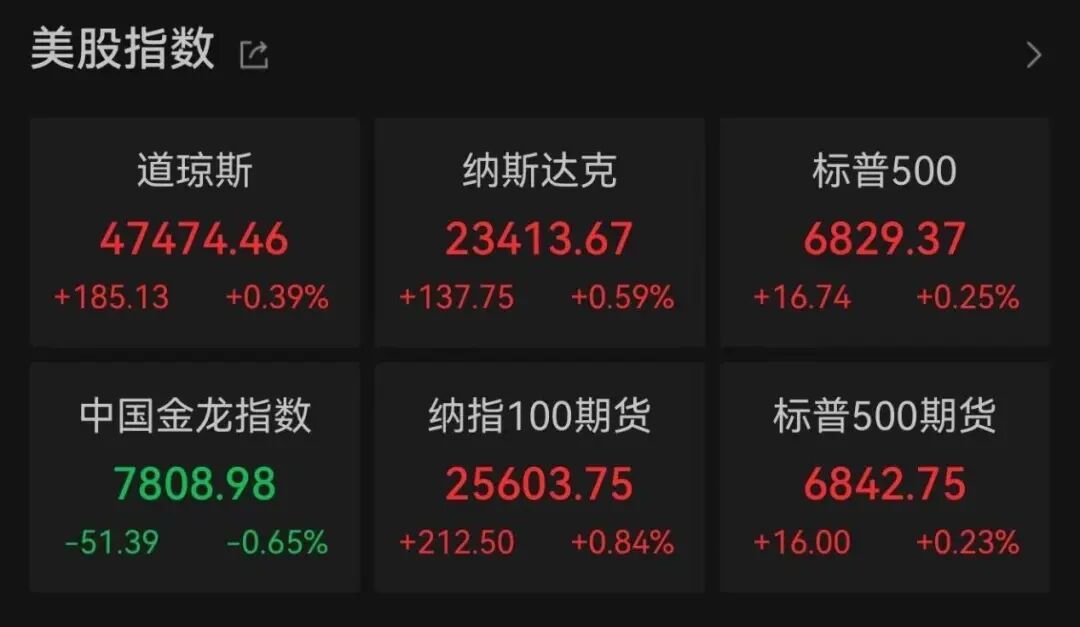
Core Viewpoint - The news highlights significant movements in the U.S. stock market, particularly the performance of technology stocks and the volatility of the cryptocurrency sector, specifically related to the Trump family's Bitcoin mining company, ABTC. Group 1: U.S. Stock Market Performance - The three major U.S. stock indices closed higher, with the S&P 500 up 0.25% to 6829.37 points, the Nasdaq Composite up 0.59% to 23413.67 points, and the Dow Jones Industrial Average up 0.39% to 47474.46 points [3] - Intel led the S&P 500 with an increase of over 8%, while other tech giants like Apple, Facebook, and Nvidia also saw gains of 1.09%, 0.97%, and 0.86% respectively [7][8] - Tesla experienced a decline of 0.21%, attributed to short-selling activities by prominent investors [9][10] Group 2: Cryptocurrency Sector - The Trump family's Bitcoin mining company, ABTC, saw its stock price plummet by over 38%, triggering multiple trading halts [5] - Despite a 6% rebound in Bitcoin prices, the sell-off in ABTC and other related assets continued to impact the market negatively [5] Group 3: Federal Reserve and Economic Outlook - Expectations for a Federal Reserve interest rate cut have intensified, with predictions of a 25 basis point reduction in the upcoming December meeting due to a weak labor market [3] - Trump indicated plans to announce a new Federal Reserve chairperson in early 2026, with Kevin Hassett being a potential candidate [3]
深夜,多次熔断!美联储,降息大消息
Zhong Guo Ji Jin Bao· 2025-12-03 00:37
Market Overview - The U.S. stock market saw all three major indices close higher, with the S&P 500 up 0.25% to 6829.37 points, the Nasdaq Composite up 0.59% to 23413.67 points, and the Dow Jones Industrial Average up 0.39% to 47474.46 points [2] - The Federal Reserve's interest rate cut expectations are rising, with predictions of a 25 basis point cut in December due to a weak labor market [2] Bitcoin Mining Company - The Trump family's Bitcoin mining company, ABTC, experienced a significant drop, falling over 38% and triggering multiple trading halts [4][5] - Despite a 6% rebound in Bitcoin prices, the sell-off in ABTC and other crypto assets linked to the Trump family continued [5] Technology Sector - The technology sector showed a general recovery, with Intel leading the S&P 500 with an increase of over 8% [6] - Major tech companies such as Apple, Facebook, and Nvidia also saw gains of 1.09%, 0.97%, and 0.86% respectively [6][7] Tesla Stock - Tesla's stock faced pressure, closing down 0.21% after a notable short-sell from Wall Street's "big short" Michael Burry, who criticized the company's high valuation and stock dilution [8] - Burry estimated Tesla's annual shareholder dilution rate at approximately 3.6% due to new stock issuance [8] Boeing Performance - Boeing shares surged by 10.16%, marking the largest increase since April, as the company expressed confidence in achieving a long-term cash flow target of $10 billion [9][10] Chinese Tech Stocks - Chinese tech stocks showed mixed results, with companies like BYD, JD.com, and Pinduoduo experiencing slight gains, while Meituan, Alibaba, and NetEase faced declines [11][12]


深夜,特朗普概念股多次熔断!美联储,降息大消息
Xin Lang Cai Jing· 2025-12-03 00:35
Market Overview - The three major U.S. stock indices closed higher, with the S&P 500 up 0.25% to 6829.37 points, the Nasdaq up 0.59% to 23413.67 points, and the Dow Jones up 0.39% to 47474.46 points [2][13] - The Federal Reserve's interest rate cut expectations are rising, with predictions of a 25 basis point cut in December due to a weak labor market [2][14] Cryptocurrency Sector - The Trump family's Bitcoin mining company, ABTC, experienced a significant drop, falling over 38% and triggering multiple trading halts [2][15] - Despite a 6% rebound in Bitcoin, the sell-off in related assets continues, affecting several crypto-related stocks [2][15] Technology Sector - Intel led the S&P 500 with an increase of over 8%, while other tech giants like Apple, Facebook, and Nvidia also saw gains of 1.09%, 0.97%, and 0.86% respectively [4][17] - Nvidia's CFO mentioned a $100 billion investment in OpenAI, which could generate $400 billion to $500 billion in revenue, although this revenue is not yet included in the company's guidance [4][17] Tesla - Tesla's stock fell 0.21%, with notable short-selling activity from Wall Street's "big short," Michael Burry, who criticized the company's high valuation and potential shareholder dilution [6][19] - Tesla's current P/E ratio is approximately 209, significantly higher than its historical average of 94 and the S&P 500's average of about 22 [6][19] Boeing - Boeing shares rose 10.16%, marking the largest increase since April, as the company expressed confidence in achieving a long-term cash flow target of $10 billion [7][20] Chinese Tech Stocks - Chinese tech stocks showed mixed performance, with BYD, JD.com, Pinduoduo, and Xiaomi rising by 1.03%, 0.54%, 0.53%, and 0.46% respectively, while Meituan, Alibaba, and NetEase fell by 2.65%, 1.91%, and 1.83% respectively [8][21]
深夜,多次熔断!美联储,降息大消息
中国基金报· 2025-12-03 00:24
Market Overview - The U.S. stock market saw all three major indices close higher, with the S&P 500 up 0.25% to 6829.37 points, the Nasdaq Composite rising 0.59% to 23413.67 points, and the Dow Jones Industrial Average increasing 0.39% to 47474.46 points [4][5] - The Federal Reserve's interest rate cut expectations are growing, with predictions of a 25 basis point cut in December due to a weak labor market [4][22] Cryptocurrency Sector - The Trump family's Bitcoin mining company, ABTC, experienced a significant drop of over 38%, triggering multiple trading halts [6][7] - Despite a brief rebound in Bitcoin prices by 6%, the sell-off in related assets continues, impacting several cryptocurrencies associated with the Trump family [7] Technology Sector - Technology stocks generally rebounded, with Intel leading the S&P 500 with an increase of over 8% [9][10] - Major tech companies such as Apple, Facebook, and Nvidia also saw gains, with respective increases of 1.09%, 0.97%, and 0.86% [10][11] Tesla and Short Selling - Tesla's stock fell by 0.21%, with notable short-seller Michael Burry targeting the company, citing concerns over stock dilution and high executive compensation [12][13] - Burry estimates Tesla's annual dilution rate at approximately 3.6% and criticizes its current valuation, which stands at a P/E ratio of about 209, significantly higher than the S&P 500 average of 22 [13] Boeing Performance - Boeing shares surged by 10.16%, marking the largest increase since April, as the company expressed confidence in achieving a long-term cash flow target of $10 billion [14][15] Chinese Tech Stocks - Chinese tech stocks showed mixed performance, with companies like BYD, JD.com, and Pinduoduo experiencing slight gains, while Meituan, Alibaba, and NetEase faced declines [18][19]

8点1氪丨三星首款三折叠手机发布,被罗永浩吐槽;2025年十大流行语公布;中国居民人均预期寿命达79岁
3 6 Ke· 2025-12-03 00:09
香港特区将成立独立委员会调查火灾 六大行全面停售5年期大额存单 小米汽车累计交付超50万台 Burry据报道已做空特斯拉"荒谬"的估值 马斯克:X平台目标成为升级版微信 TOP3大新闻 三星首款三折叠手机发布,被罗永浩吐槽 据报道,三星12月2日正式发布了Galaxy Z TriFold,这是其首款三折叠手机。三星在新闻稿中表示,这 种全新形态"早该问世",并称其"通过最先进的可折叠技术,充分体现了工程上的精湛造诣,专为多折 设计的独特需求而优化"。从外观来看,Galaxy Z TriFold极其纤薄,甚至可与Galaxy Z Fold 7相媲美。 三星Galaxy Z TriFold采用向内折叠设计,两侧相互折叠以保护主显示屏。该机还添加了多种屏幕提示 和振动功能,若用户折叠设备的方式不正确,会自动发出提醒。12月2日,罗永浩在微博辣评:"不会 吧,这是真的?这么折叠不就相当于是四块手机屏吗?除了比华为那种方案更厚,意义在哪里呢?" 据悉,三星Galaxy Z TriFold将于12月12日率先在韩国上市,起售价为359.04万韩元(现汇率约合17302 元人民币),将于本月底前在中国、新加坡和阿拉伯联合酋 ...

美股盘前丨美三大股指期货走高 波音盘前涨超3%
Xin Lang Cai Jing· 2025-12-02 13:48
⑦欧元区11月CPI初值环比下降0.3%,前值为增长0.2%;同比上升2.2%,前值为上升2.1%; ③美国证交会将在新年启动刺激IPO的政策; ④经合组织预计今明两年全球经济增速分别为3.2%和2.9%,与今年9月预测一致; ⑤以美领导人通话,特朗普邀请内塔尼亚胡访美; ⑥美连锁超市开市客就"对等关税"起诉特朗普政府; 来源:第一财经 【时政新闻】 ①美国总统特朗普将于美东时间周二上午11:30(北京时间次日0:30)主持内阁会议,并将于下午2:00 (北京时间次日凌晨3:00)发布公告; ②俄总统新闻秘书:普京与威特科夫的会谈是迈向和平解决危机的重要一步; 【市场动态】 ①美国三大股指期货走高。截至发稿,道指期货涨0.12%,标普500指数期货涨0.23%,纳指期货涨 0.38%; ②欧洲主要股指集体上涨。截至发稿,英国富时100指数涨0.18%,法国CAC40指数涨0.19%,德国DAX 指数涨0.43%,欧洲斯托克50指数涨0.34%; ③波音美股盘前涨超3%,公司预计美国司法部的处罚决定将推迟至2026年; ④Credo Technology美股盘前涨超16%,公司第二财季利润和营收均超预期; ⑤A ...