
啤酒

Search documents
11月24日这些公告有看头
Di Yi Cai Jing Zi Xun· 2025-11-24 13:42
Major Announcements - ST Xifa plans to acquire the remaining 50% stake in Lhasa Beer from Carlsberg for cash, aiming for 100% ownership, but the transaction is still in the planning stage and the company is undergoing pre-restructuring [3] - ST Sansheng has received a total of 254 million yuan from all restructuring investors, with the funds paid by Hebei Jiheng Group and its designated financial investors [4] - Zhongshui Fishery's stock price has deviated by over 100% in the last 7 trading days, prompting a risk warning, although the company states that its operations are normal [5] - Dongzhu Ecology is involved in litigation with a claimed amount of 552 million yuan, with a total of 16 undisclosed lawsuits amounting to 630 million yuan [6] - Zhongding Co. has become a supplier for liquid cooling systems, with an estimated project value of 15 million yuan [7] - Petty Co. plans to repurchase shares worth between 50 million to 70 million yuan at a price not exceeding 26 yuan per share [8] - Huiding Technology has repurchased 0.026% of its shares, totaling 957.28 million yuan [9] Shareholding Changes - Jianghuai Micro's major shareholder reduced their stake by 1.23%, bringing their holding down to 15.40% [10] - Lege Co.'s controlling shareholder plans to increase their stake by 40 million to 80 million yuan, with a maximum purchase price of 25 yuan per share [11] Major Contracts - Tongji Technology's subsidiary won a construction project in Xi'an worth 866 million yuan [12] - Guangdong Construction signed a contract for an energy storage project valued at 1.888 billion yuan, with a construction period of 120 days [13] - Jinguang Electric is a candidate for a procurement project from the State Grid, with a bid amount of 32.32 million yuan [14] - Wansheng Intelligent is a candidate for a State Grid project with an estimated bid amount of 42.99 million yuan [16]


中国必选消费品11月价格报告:白酒批价多数下跌,方便食品与调味品价格回升
Haitong Securities International· 2025-11-24 13:11
Investment Rating - The report assigns an "Outperform" rating to multiple companies in the essential consumer goods sector, including Guizhou Moutai, Wuliangye, and others [1]. Core Insights - The wholesale prices of Baijiu have mostly declined, while prices for instant foods and condiments have rebounded [1][10]. - Discounts for convenience foods and seasonings have narrowed compared to the end of October, indicating a potential recovery in consumer spending [19][38]. - The report highlights the stability of discounts for infant formula and beer, while discounts for liquid milk and soft drinks have increased [21][38]. Summary by Sections Baijiu Pricing - The wholesale prices for various Baijiu brands, such as Moutai and Wuliangye, have shown significant declines compared to previous months and year-to-date figures [9][40]. - For instance, the price of Feitian Moutai (case) is 1650 yuan, down by 110 yuan from last month, and down 590 yuan year-to-date [40]. Consumer Goods Discounts - Convenience foods have seen an increase in average and median discount rates, moving from 93.2%/95.9% at the end of October to 95.8%/97.0% [19][38]. - Seasonings also experienced a rise in discount rates, from 83.7%/84.9% to 85.9%/88.9% [19][38]. - In contrast, liquid milk discounts have widened, with average rates dropping from 69.6% to 66.0% [21][38]. Company Ratings - The report lists several companies with an "Outperform" rating, including: - Guizhou Moutai - Wuliangye - Luzhou Laojiao - Shanxi Fenjiu - Yanghe - Others [1].






食品饮料行业2026年度投资策略:新消费内部轮动传统消费底部改善
Yin He Zheng Quan· 2025-11-24 11:23
Investment Rating - The report maintains a "Buy" rating for the food and beverage industry, highlighting several key companies as investment opportunities [3][4]. Core Insights - The food and beverage industry is experiencing internal rotation in new consumption and improvement at the bottom of traditional consumption. The overall performance in 2025 was weak, primarily due to the adjustment in the liquor sector, but the long-term recovery trend for mass consumer goods remains intact [3][8]. - For 2026, structural opportunities are expected to continue, with new consumption showing internal rotation and traditional consumption gradually recovering from the bottom [3][15]. Summary by Sections Industry Overview - In 2025, the food and beverage sector's revenue grew by only 0.1% year-on-year, while profits fell by 14.6%, underperforming compared to the previous year. The industry index ranked last among 31 sub-industries with a decline of 4.8% [8][11]. - The adjustment in the liquor sector is identified as the main factor for the overall weak performance, while the recovery trend for mass consumer goods is expected to persist [8][11]. Soft Drinks - The beverage industry is projected to benefit from a rebound in travel demand in 2026, with a revenue increase of 6.2% in the first half of 2025 compared to the previous year [42][45]. - Cost advantages from declining prices of raw materials like sugar and PET are expected to continue, enhancing profit margins for beverage companies [45][49]. Snacks - The konjac snack sector is experiencing high growth, with companies like Salted Fish and Wei Long achieving significant revenue increases in 2025 [66][67]. - The competitive landscape for konjac products is expected to remain manageable, with established brands likely to maintain their market positions despite new entrants [70][76]. Dairy Products - The dairy sector is anticipated to see a recovery in supply-demand balance, with raw milk prices expected to stabilize in 2026 due to ongoing supply adjustments [38][39]. - Policies promoting consumption are expected to benefit liquid milk and milk powder sales, driving demand improvements [38][39]. Frozen and Condiment Products - The frozen food sector is expected to see performance improvements as competition stabilizes, with a focus on recovery in demand [38][39]. - The condiment sector is also projected to benefit from a gradual recovery in consumer demand [38][39]. Liquor - The liquor industry is still in an adjustment phase but is gradually approaching a bottoming out stage, with supply clearing expected to continue into 2026 [6][25]. - The report suggests that the long-term value of liquor stocks will become more apparent as the market stabilizes [6][25]. Investment Recommendations - Key companies to watch include Dongpeng Beverage, Nongfu Spring, and Moutai in the beverage sector, as well as Wei Long and Salted Fish in the snack sector [6][8].



ST西发:拟现金收购拉萨啤酒50%股权,交易仍在筹划
Xin Lang Cai Jing· 2025-11-24 09:51
ST西发公告称,公司持有拉萨啤酒50%股权,拟现金收购嘉士伯所持该公司另50%股权,交易完成后将 实现100%控股。2025年7月21日,公司董事会通过《西藏拉萨啤酒有限公司50%股权转让及其他事项的 条款清单》,目前除该清单外未签署其他有法律效力文件,交易仍处筹划阶段。此外,公司处于预重整 阶段,存在重整失败被宣告破产及终止上市风险。 ...

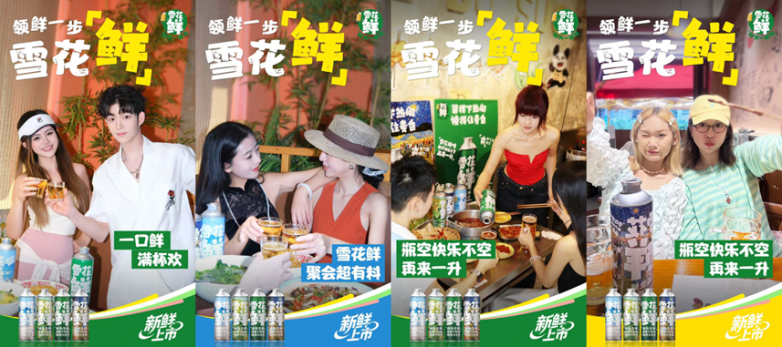
领先一步,雪花鲜!——雪花啤酒雪花鲜新品上市!快来尝鲜!
Zhong Guo Shi Pin Wang· 2025-11-24 08:23
本次推出的"雪花鲜"为一升大罐装。这一容量设计呼应了朋友聚饮、佐餐共享时对畅快尽兴的诉求,"好大一罐 鲜,一升更尽兴"的产品理念,旨在为亲朋欢聚、佐餐共饮的场景带来更满足的鲜爽体验。 目前,雪花鲜新品已在四川省内多家餐饮门店正式上线,消费者可前往当地合作餐饮店品尝购买。有关具体门 店信息及产品详情,可咨询各门店工作人员。 四川的消费者们有口福了!近日,雪花啤酒专为当地市场打造的新品"雪花鲜"正式上市。这款以"领先一步,雪 花鲜!"为口号的新品,旨在为四川的餐桌带来更为鲜爽、纯正的啤酒选择。 雪花鲜"啤酒在酿造过程中融入了多项创新技术。产品采用纯生工艺,精选两种进口酒花,历经275道大师工 序、1818个质量控制节点,并坚持25天低温慢酿与60天锁鲜技术,力求在每一个环节都做到精益求精,确保每 一口啤酒都鲜活如初。 在产品口感上,"以"三高两低一罐鲜"为特色:高麦芽香、高酒花香、高脂香,同时具备低苦味值与低酒精度, 既保留了啤酒的浓郁风味,又更加贴合现代消费者对清淡、易饮的需求。入口鲜爽,气泡感十足,口味鲜活持 久,加之金黄清澈的酒体与迷人的麦香,为消费者带来视觉与味觉的双重享受。 领先一步,雪花鲜 ...

食品饮料行业2026年上半年投资策略:曙光渐近,蓄力前行
Dongguan Securities· 2025-11-24 05:13
Group 1 - The food and beverage industry underperformed the CSI 300 index from January to October 2025, with the SW food and beverage index declining by 5.52%, the largest drop among all Shenwan first-level industries, lagging behind the CSI 300 by 23.46 percentage points [5][14][15] - All sub-sectors within the food and beverage industry also underperformed the CSI 300 index, with the beer sector experiencing the largest decline of 10.74%, while the health products sector saw an increase of 15.02% [15][19] - The overall valuation of the food and beverage industry is below the historical average, with a PE ratio of approximately 21 times as of October 31, 2025, compared to a five-year average of 32 times [19][21] Group 2 - The liquor sector is undergoing a deep adjustment, with sales under pressure due to weak demand recovery and restrictions on alcohol consumption, leading to a significant decline in sales during key festive periods [23][24] - Major liquor companies are pragmatically lowering growth targets to alleviate channel pressures, with firms like Moutai and Wuliangye adopting flexible strategies in response to market changes [29][30] - Liquor companies are actively embracing new consumption trends by innovating products and channels, focusing on younger consumers and developing lower-alcohol products to cater to changing preferences [30][32] Group 3 - The beer sector is experiencing stable sales, with a focus on the recovery of consumption scenarios and the ongoing trend of product structure upgrades [3][14] - Beer companies are leveraging instant retail channels to contribute to sales growth, although cost advantages may narrow in the future [3][17] - The third quarter of 2025 saw a decline in beer sales, but there are expectations for marginal improvements moving forward [3][18] Group 4 - The condiment sector is expected to benefit from the recovery of the restaurant industry, which will drive demand growth for condiments [19][20] - Health-oriented products are pushing for structural optimization within the condiment industry, with leading companies likely to increase their market share [20][21] - The overall cost for condiment companies is anticipated to remain manageable, despite a slowdown in growth during the third quarter [22][23] Group 5 - The dairy sector is witnessing a weak recovery in demand, with a focus on supply and demand structures [23][25] - The penetration rate of low-temperature milk is expected to increase, supported by online channels and instant retail contributing to sales growth [25][26] - Leading dairy companies are likely to enhance their competitive advantages in the market [26][27] Group 6 - The snack sector is experiencing steady growth, with an increase in per capita consumption and a focus on core products driving company performance [27][28] - Companies in the snack sector are utilizing multiple channels to enhance market competitiveness, although performance remains varied across the sector [28][30] - The overall market size of the snack industry is steadily increasing, with significant growth potential in consumer spending [27][28]

雀巢扩建工厂;赛百味增资至3.8亿;Gucci CEO加入Brioni董事会
Sou Hu Cai Jing· 2025-11-24 03:32
Investment Dynamics - Nestlé is investing approximately £28 million (around 260 million RMB) to upgrade its Dalston factory in Cumbria, UK, aimed at expanding its ready-to-drink coffee production line, which will include a new mixing workshop and two packaging lines, reducing manual handling by 80% and achieving a capacity of 60,000 packs per hour [3] - Danone Canada announced a historic investment in its Boucherville factory in Quebec, which includes energy recovery equipment to enhance sustainable operations, marking Danone's largest investment in Canada to rapidly increase yogurt production capacity to meet growing health demands [6] - Subway's management company in Shanghai increased its registered capital from approximately 320 million RMB to about 380 million RMB, a 21% increase, to support rapid store expansion and narrow the gap with competitors like McDonald's and KFC [9] - "Meet Little Noodles" is targeting to raise $100 million (approximately 780 million HKD) through a pre-IPO roadshow, which will support its expansion to a thousand stores and strengthen its brand in the Chinese dining sector [10] Acquisition Dynamics - Uni-President Enterprises has signed a share purchase agreement to acquire Carrefour Taiwan for a total of approximately $970 million (around 6.9 billion RMB), which is about $32 million (approximately 230 million RMB) less than the 2023 transaction price [15] - Guangxi Travel Health Industry Group is acquiring a 20% stake in Southern Black Sesame Group, which will help the latter repay short-term debts and aim for profitability by 2025 [18] - Anheuser-Busch InBev is in talks to acquire BeatBox, valuing the company at approximately $700 million (around 5 billion RMB), which will enhance its presence in the ready-to-drink segment and leverage existing distribution channels [20] - JBS's subsidiary Mantiqueira USA is set to acquire Hickman's Egg Ranch, one of the top 20 egg producers in the U.S., as part of its strategy to diversify its protein business [22] Personnel Dynamics - Roland Mouret has stepped down as creative director of his eponymous brand, with Han Chong taking over as the sole creative director, which may impact the brand's short-term performance due to the loss of a key creative force [24] - Francesca Bellettini, CEO of Gucci, has joined the board of Brioni, which may enhance the brand's supply chain resources and potentially replicate Gucci's high-margin model to boost profitability [27]



2025三亚啤酒节:以“啤酒+”多元业态构建“消费热力场”
Sou Hu Cai Jing· 2025-11-23 11:55
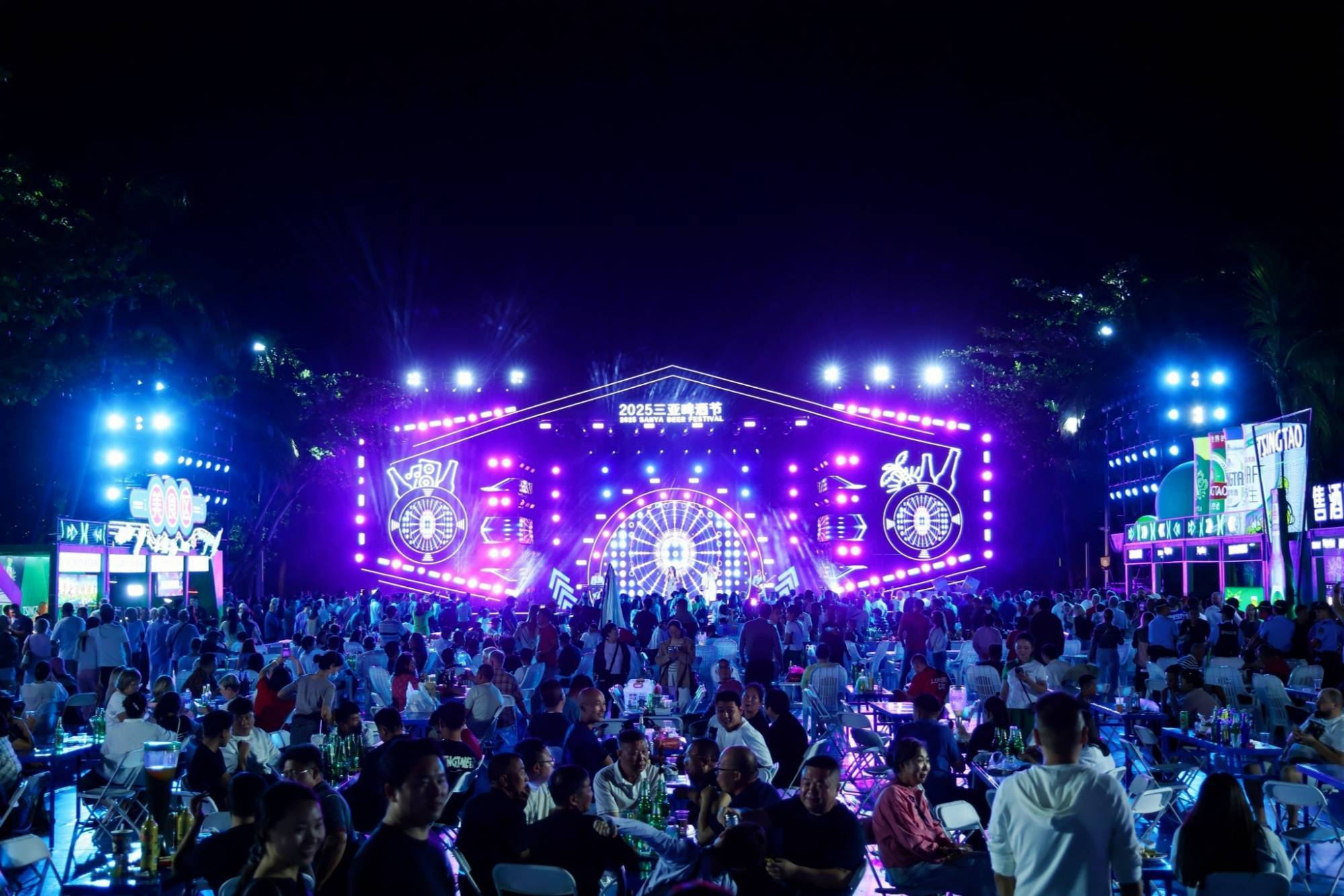
Core Insights - The 2025 Sanya Beer Festival has successfully integrated various consumption scenarios, enhancing both reputation and revenue for Sanya's winter tourism [1][11] - The event features a "core venue + citywide linkage" consumption model, significantly increasing visitor numbers and sales compared to the previous year [3][5] Group 1: Event Highlights - The festival is held at the Dadonghai Square, featuring over 10 beer brands and nearly 100 products, with daily sales exceeding 40,000 yuan for food stalls [3] - Popular food stalls, such as those selling spicy squid and fresh seafood, have seen long queues, with some brands achieving daily sales over 50,000 yuan [3] - Compared to last year, visitor numbers have increased by at least 30%, with weekend single-day revenues reaching 1.8 times that of the previous year [3] Group 2: Consumer Engagement - A "consumption coupon" mechanism has been introduced, allowing visitors to exchange shopping receipts for festival vouchers, leading to increased foot traffic [5] - Collaboration with Didi Chuxing to distribute 50,000 "transportation coupon packages" has boosted taxi demand in the Dadonghai area, enhancing visitor stay duration and spending frequency [5] Group 3: Cultural Integration - The festival incorporates elements from the Asian Beach Games, with merchandise featuring tropical themes and local cultural symbols becoming popular [7] - The event has improved brand recognition for the Asian Beach Games, with calls for collaboration from retail enterprises to enhance brand value [7] Group 4: Visitor Experience - The festival has upgraded the visitor experience with activities like the "Beer King Competition" and DJ parties, attracting significant participation and social media engagement [9] - Over 80% of participants have shared their experiences on platforms like Xiaohongshu and Douyin, creating a positive feedback loop of offline experiences leading to online promotion [9] Group 5: Future Prospects - The event aims to position Sanya as a winter tourism hotspot, with plans to continue leveraging cultural and sporting events to expand consumption spaces and attract more visitors [11]
甘肃泾海啤酒有限公司成立 注册资本20万人民币
Sou Hu Cai Jing· 2025-11-22 12:19
天眼查App显示,近日,甘肃泾海啤酒有限公司成立,法定代表人为苏津锋,注册资本20万人民币,经 营范围为许可项目:酒类经营;食品销售;食品互联网销售;酒制品生产(依法须经批准的项目,经相 关部门批准后方可开展经营活动)一般项目:食品、酒、饮料及茶生产专用设备制造(除许可业务外, 可自主依法经营法律法规非禁止或限制的项目)。 ...
云南七彩精灵精酿啤酒有限公司成立 注册资本100万人民币
Sou Hu Cai Jing· 2025-11-22 11:55
天眼查App显示,近日,云南七彩精灵精酿啤酒有限公司成立,法定代表人为雷翠仙,注册资本100万 人民币,经营范围为许可项目:酒类经营;食品销售;酒制品生产。(依法须经批准的项目,经相关部 门批准后方可开展经营活动,具体经营项目以相关部门批准文件或许可证件为准)一般项目:食品互联 网销售(仅销售预包装食品);保健食品(预包装)销售;非食用农产品初加工;农产品智能物流装备 销售;初级农产品收购;农产品的生产、销售、加工、运输、贮藏及其他相关服务;食用农产品初加 工;食用农产品批发;供应链管理服务;食用农产品零售;林业产品销售;电子产品销售;农副产品销 售;水产品收购;国内贸易代理。(除依法须经批准的项目外,凭营业执照依法自主开展经营活动)。 ...