电力

Search documents
日本着急忙慌兑现首批投资承诺,“再不公布谁知道特朗普会做什么”
Xin Lang Cai Jing· 2026-02-18 16:16
Group 1 - The core point of the news is the implementation of Japan's commitment to invest $550 billion in the U.S., with the first three industrial projects totaling approximately $36 billion, expected to create thousands of jobs [1][2] - The largest project is a $33 billion natural gas power plant in Ohio, led by SoftBank Group, which will supply power to AI data centers [1] - Other projects include a $2.1 billion deep-water crude oil export facility in Texas and a $600 million industrial synthetic diamond factory in Georgia [1] Group 2 - The trade agreement framework between the U.S. and Japan was established in July of the previous year, with Japan agreeing to provide funding support for key U.S. projects by 2029 in exchange for a reduction in tariffs from 25% to 15% [2] - Negotiations on the investment mechanism and candidate projects have faced challenges, particularly regarding how to mobilize the $550 billion funding [2] - Japan's Prime Minister, Fumio Kishida, expressed that these investments would strengthen U.S.-Japan relations and lead to sales growth for Japanese companies [1][5] Group 3 - The U.S. has significant control over which projects receive Japanese investment, with a deadline of 45 working days for funding to be secured after project announcements [5] - There are concerns within Japan regarding the profitability of these projects, with some officials describing them as strategically important but potentially lacking in profitability [5][6] - The uncertainty surrounding U.S. judicial processes may also impact Japan's investment decisions, as some countries are delaying commitments pending court rulings on tariff legality [6]


特朗普:日本在美投建的天然气电厂将成为全美最大
Xin Lang Cai Jing· 2026-02-18 16:15
Core Viewpoint - The construction of a massive natural gas facility in Ohio is set to become the largest power plant in the United States, capable of supporting millions of households' electricity needs, with Japan expected to invest $33 billion in the project [1] Group 1: Project Details - The project will be led by SB Energy, a subsidiary of Japan's SoftBank Group [1] - The expected power generation capacity of the facility is approximately 9.2 gigawatts (GW), equivalent to the capacity of about nine traditional nuclear reactors [1] - The final cost and buyers for the project remain unclear, with the construction costs of large gas power plants having more than doubled in recent years [1]

美苏日全折戟,中国却做到了!想学这一招?全球标准都由中国定!
Sou Hu Cai Jing· 2026-02-18 15:14
Core Viewpoint - The U.S. Energy Secretary's statement expressing a desire to learn from China's ultra-high voltage (UHV) transmission technology highlights a significant shift in perspective, indicating that the U.S. recognizes China's leadership in this field [1]. Group 1: Historical Context and Challenges - The U.S. faced a major power crisis during a severe winter storm in Texas in 2021, leading to widespread outages and highlighting the limitations of its electrical grid system [5][7]. - The U.S. electrical grid is divided into three independent systems, which lack interconnectivity, making it difficult to provide mutual support during crises [7]. - Previous attempts by the U.S., Soviet Union, and Japan to develop UHV technology failed due to technical challenges, particularly in insulation materials [10][8]. Group 2: China's Breakthrough in UHV Technology - In 2005, China decided to pursue UHV technology to address its energy distribution challenges, which involved significant investment and overcoming skepticism about the technology's feasibility [11][15]. - The Chinese team developed lightweight insulation materials that significantly reduced the weight of transformers, facilitating transportation and implementation of UHV systems [16]. - By 2025, China had constructed 45 UHV projects, providing power to approximately 900 million people and significantly reducing coal consumption and emissions [16]. Group 3: Global Impact and Future Prospects - China is now promoting a global energy internet concept, expanding its UHV technology to 47 countries, which could lead to a more interconnected global power grid [17]. - The success of China's UHV technology not only positions it as a leader in the field but also allows it to set global standards for power systems [16][17].

深化改革加快构建 适应新型能源体系的体制机制
Zhong Guo Dian Li Bao· 2026-02-18 08:04
Core Viewpoint - The 20th Central Committee of the Communist Party of China emphasizes the need for high-quality development and comprehensive reform in the energy sector during the 14th Five-Year Plan period, addressing challenges in energy supply, low-carbon transition, and economic efficiency to meet growing energy consumption demands [1][5]. Group 1: Achievements in Energy Reform - The energy market structure has been further improved, with nearly 80% of electricity prices determined by market competition and over 970,000 registered electricity market entities [2]. - A unified national energy market system is being established, with significant progress in electricity and oil and gas markets, enhancing resource allocation efficiency [3]. - The market-oriented energy pricing mechanism is being streamlined, with competitive pricing for coal and renewable energy, and a shift in the pricing model for natural monopolies [4]. Group 2: Future Directions for Energy Reform - The next five years are critical for achieving carbon peak goals and accelerating the construction of a new energy system, focusing on overcoming systemic barriers [5][6]. - The energy supply side needs to transition towards a model dominated by renewable energy, targeting a total installed capacity of 3.6 billion kilowatts by 2035, with an annual growth of 200 million kilowatts [5]. - The energy consumption side requires mechanisms to stimulate flexibility and innovation, adapting to new business models and enhancing green energy consumption [6][10]. Group 3: Key Challenges and Mechanisms - There is a need to enhance the resilience and safety of the energy system, adapting to the dual interaction of supply and demand in the context of increasing renewable energy [7]. - The traditional energy resource allocation method is becoming inadequate, necessitating the establishment of a more effective market mechanism to reflect the costs of energy transition and security [8]. - A modern energy governance system is essential, focusing on legal frameworks, regulatory mechanisms, and international cooperation to support energy transition [11].
特朗普宣布日本对美投资大项目,首批投资360亿美元,涉及得克萨斯州的石油和天然气战略领域、俄亥俄州的能源生产等
Xin Lang Cai Jing· 2026-02-18 08:02
Group 1 - The investment plan between Japan and the U.S. has officially launched, with Japan committing to invest $550 billion in the U.S. by 2029 as part of a trade agreement framework [1] - Initial projects include investments in Texas's oil and gas sector, Ohio's energy production, and Georgia's critical mineral resources, representing a total economic investment of $36 billion [3] - The projects involve synthetic diamonds for the semiconductor industry, an oil port terminal, and a power plant for AI data centers, highlighting the scale and significance of the investments [3] Group 2 - The Texas deep-water oil terminal is expected to facilitate crude oil exports ranging from $20 billion to $30 billion [3] - The gas-fired power plant planned in Ohio is touted to be the largest of its kind in history, while the liquefied natural gas terminal in Texas aims to enhance the U.S.'s energy dominance [3] - The term "tariffs" is emphasized by Trump as a crucial factor enabling the realization of these large-scale projects [3]
大佬十亿进场,涨跌要看真章
Sou Hu Cai Jing· 2026-02-18 07:01
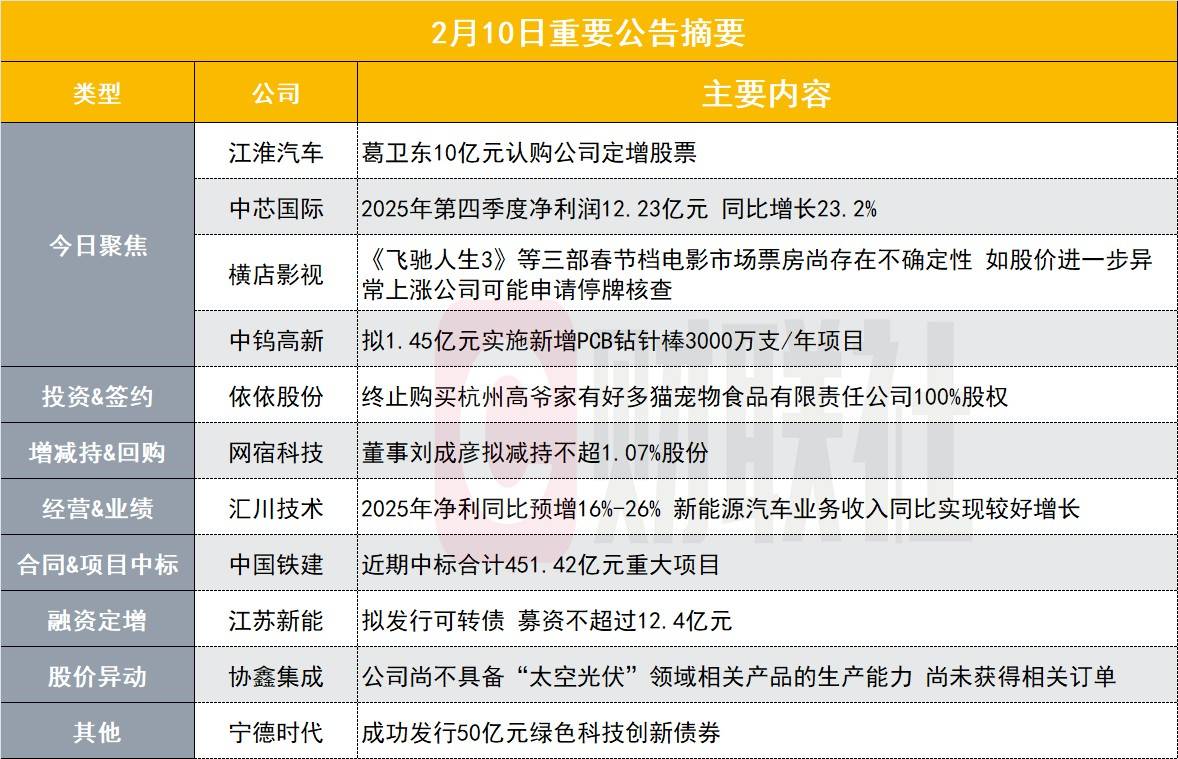
Group 1 - A well-known private equity mogul has invested approximately 1 billion yuan in a private placement of a certain automotive listed company, causing significant excitement among investors [1] - The article emphasizes that many investors are often swayed by news and market fluctuations, leading to impulsive decisions without understanding the underlying market dynamics [1] - It highlights the importance of analyzing market behavior through quantitative data rather than solely relying on price movements [2][6] Group 2 - The article discusses the challenges investors face in distinguishing between genuine market signals and misleading price movements, such as sudden large declines or recoveries [9][11] - It illustrates how quantitative data can reveal the true intentions behind trading actions, helping investors avoid common pitfalls [14] - The piece advocates for a multi-dimensional approach to market analysis, incorporating factors like funding, behavior, and price to enhance investment decision-making [14]
关于举办源网荷储及微电网投资建设培训的通知丨系列培训
中国能源报· 2026-02-18 06:05
Core Viewpoint - The integrated development of source-grid-load-storage is essential for the high-quality development of the power system and is a necessary choice for enhancing the consumption of renewable energy and non-fossil energy [2] Group 1: Training Overview - The training on source-grid-load-storage and microgrid investment construction is organized by China Energy News and aims to deepen understanding of related issues [2][3] - The training will take place from March 6 to 7 in Hangzhou [3] Group 2: Target Audience - The training is aimed at large energy groups, power companies, generation groups, local energy groups, key parks, factories, and various energy-consuming institutions [3] - It also targets new energy enterprises (wind, solar, storage), power design institutes, and integrated design units [3] Group 3: Course Modules - The training will cover policy interpretation, current development status, application scenarios, technical analysis, and profit models related to source-grid-load-storage and microgrids [3][4] Group 4: Development Directions - The training will discuss the differences and connections between green electricity direct connection and source-grid-load-storage [4] - It will also cover the application of microgrids in zero-carbon parks and provide guidelines for industrial green microgrid construction [4] Group 5: Fees and Payment - The training fee is set at 3,900 yuan per person, which includes the training fee, while transportation and accommodation are self-catered [4] - Payment can be made via bank transfer, and on-site payment will not be accepted [4]

社区食堂团年宴聚人心
Ren Min Ri Bao· 2026-02-18 05:20
Core Viewpoint - The community dining hall in the Democratic Village of Chongqing serves as a vital social hub for elderly residents, providing not only meals but also fostering community connections and addressing local issues through informal gatherings [1][2][3] Group 1: Community Engagement - The Democratic Village community has over 3,600 households, with more than 500 residents aged 80 and above, and over 2,400 aged 60 and above, highlighting the significant elderly population [1] - The community dining hall hosts annual reunion dinners, with this year's event accommodating 100 residents and featuring traditional Chongqing dishes [1] - The dining hall also serves as a venue for community discussions and conflict resolution, creating a relaxed environment for residents to address local issues [2] Group 2: Operational Model - The dining hall operates daily, serving 1,000 to 1,200 customers, including local residents and nearby office workers, indicating its popularity and community integration [2] - Financial support comes from the Chongqing municipal government, which provides a subsidy of 2 yuan per elderly diner, supplemented by additional local funding and operational discounts [2] - The dining hall adapts its menu to cater to different age groups, offering lighter meals for seniors during peak hours and spicier options for younger patrons later in the day [2] Group 3: Social Impact - The dining hall is described as a "home" for residents, enhancing their sense of belonging and community spirit, especially during special events like the reunion dinner [3] - The informal setting of the dining hall encourages open communication among residents, facilitating the resolution of community concerns and fostering a supportive environment [2][3]
特朗普称日本建造的天然气电厂将成为美国最大
Xin Lang Cai Jing· 2026-02-18 04:29
Core Viewpoint - Japan plans to build the largest natural gas power plant in the U.S. in Ohio, which will have a capacity of 9.2 GW, sufficient to power approximately 7.4 million households [1][2]. Investment Overview - The project is expected to receive an investment of $33 billion from Japan, led by SB Energy, a subsidiary of SoftBank Group [1][2]. Capacity and Comparison - The power plant's capacity of 9.2 GW is equivalent to that of 9 traditional nuclear reactors and will surpass the 7.65 GW natural gas project planned by Pacific Gas and Electric in Texas [1][2]. - If completed, this facility will rank among the largest natural gas power plants globally, with the current largest being the Jebel Ali power station in Dubai, which has a capacity of 9.547 GW [1][2].
央媒看四川丨地下隧道忙巡检
Xin Lang Cai Jing· 2026-02-18 03:56
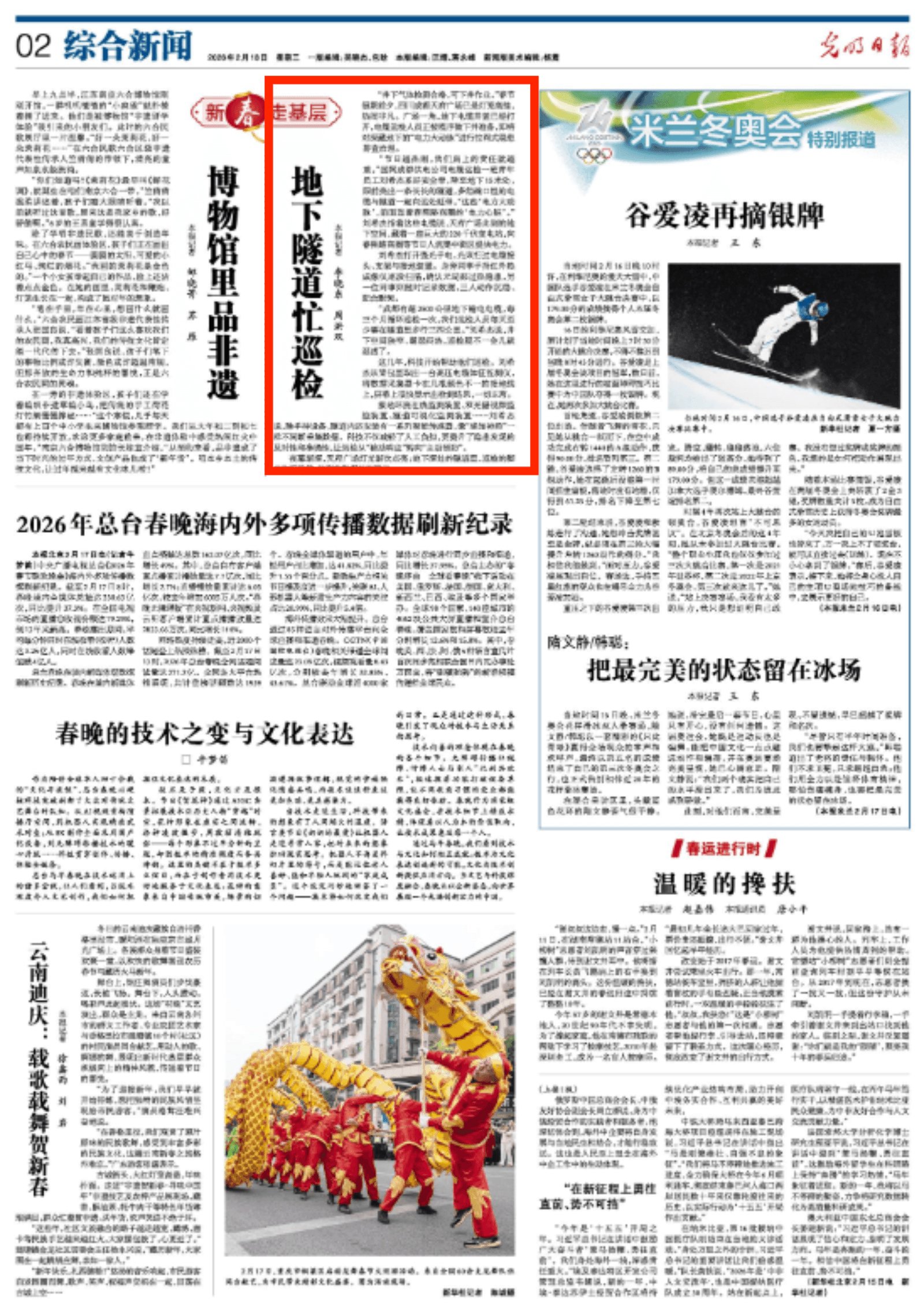
Group 1 - The article discusses the preparations and responsibilities of the power supply company in ensuring reliable electricity during the festive season, highlighting the importance of underground cable inspections [19][20] - The company has over 2500 kilometers of underground power cables in Chengdu, with inspections conducted every three months, requiring personnel to walk several kilometers daily in challenging conditions [19][20] - Advanced technology, such as high-voltage cable monitoring devices and various sensors, has been implemented to enhance the efficiency and accuracy of inspections, shifting from reactive to proactive maintenance [20] Group 2 - The underground space at Tianfu Square houses a significant 220 kV substation that supplies power to busy commercial areas, emphasizing the critical role of infrastructure in supporting urban festivities [19] - The article illustrates the teamwork and coordination among inspection personnel, showcasing their commitment to safety and operational efficiency during the busy holiday period [19][20] - The use of smart monitoring devices allows for continuous data collection, improving the detection of potential hazards and ensuring the reliability of the power supply [20]