
体育等

Search documents
临安区晒出“2619”计划书,高质量发展打造活力幸福城区
Hang Zhou Ri Bao· 2026-02-28 02:05
Core Insights - The core focus of Lin'an's New Year work plan is on "vitality" and "happiness," aiming to enhance various aspects of urban development and create a livable and business-friendly environment [1] Group 1: Key Focus Areas - Lin'an will strengthen six key areas: industry, common prosperity, ecology, culture, livelihood, and safety, to promote high-quality economic development [2] - The city aims to optimize the business environment and address production issues faced by enterprises, ensuring stable growth in collective and farmer incomes [2] - Lin'an plans to integrate agriculture, commerce, culture, tourism, and sports, while exploring rural e-commerce 3.0 and enhancing rural operations [2] Group 2: Major Projects - A total of 20 major projects were signed during the first quarter, with a total investment of 7.323 billion yuan, including five projects exceeding 1 billion yuan [3] - 70% of the signed projects are part of the "296X" industrial cluster initiative, indicating a strong focus on industrial development [3]
【省商务厅】陕西提振消费成效显著
Shan Xi Ri Bao· 2026-02-24 00:16
Group 1 - The core viewpoint of the articles highlights the significant achievements in boosting consumption in Shaanxi by 2025, focusing on various initiatives such as the old-for-new consumption policy and the integration of commerce, tourism, and culture [1][2][3] Group 2 - The Shaanxi Provincial Department of Commerce has implemented a work plan with 14 departments, allocating a total of 7.686 billion yuan in subsidies, which is expected to drive consumption by 68.265 billion yuan, benefiting over 8.2 million consumers [1] - The promotion of service consumption includes 18 policies and 167 events organized in collaboration with various departments, showcasing local culture and tourism [2] - The establishment of a modern commercial circulation system has led to the creation of 376 new stores and 264 launch events, with a goal of doubling inbound tourist spending by 2025 [2] - The support for urban and rural commercial circulation includes the development of 20 famous commercial streets and the establishment of 85 convenient living circles, with a high coverage rate of commercial service centers in counties and towns [3]
六大场景、多重优惠,山东春节促消费活动2月15日启动
Feng Huang Wang Cai Jing· 2026-02-14 00:08
Group 1 - The core theme of Shandong's "Le Gou New Spring, Fortune Full Qilu" campaign is to promote consumption during the Spring Festival from February 15 to 23, focusing on six major areas: eating, accommodation, transportation, tourism, shopping, and entertainment [1][2]. - Various local restaurants are offering special reunion dinner packages and showcasing Shandong cuisine, while home appliance and decoration companies are hosting sales events, and hotels are providing discounts for family stays [2][3]. - Transportation services are enhanced with optimized air-rail connections, ticket lotteries, and improved convenience services at gas stations, ensuring a smooth travel experience for consumers [2][3]. Group 2 - Financial incentives include a continuation of the old-for-new policy for cars and appliances, with a total of 60 million yuan allocated for retail and dining vouchers, and additional subsidies for winter sports activities [3]. - The campaign also features cross-industry collaborations, such as combined tickets for tourism, dining, and performances, along with rewards for small purchases, enhancing the overall consumer experience [3]. - Shandong is actively promoting inbound tourism by offering special packages for international visitors, particularly targeting Southeast Asian markets, and ensuring seamless payment options for foreign tourists [3].
单个“三新”项目最高补助2000万元
Sou Hu Cai Jing· 2026-02-12 23:27
Group 1 - The Beijing Municipal Bureau of Commerce has launched a series of consumer promotion policies aimed at enhancing the international consumption environment, including funding for international-friendly business districts and innovative consumption scenarios [1][2] - The policies include a maximum subsidy of 20 million yuan for individual projects, with specific support for enhancing international service capabilities in key locations such as shopping districts and transportation hubs [1][4] - The initiative is expected to stimulate market innovation, enrich the supply of quality goods and services, and facilitate the development of Beijing as an international consumption center [2][3] Group 2 - The funding program for new consumption formats, models, and scenarios is set to receive a total of 400 million yuan from central government funds over the next two years, focusing on encouraging innovation in consumption [2][3] - The policy encourages the establishment of "launch centers" that integrate brand display and experience, rewarding the introduction of flagship stores and high-profile brands to Beijing [2][4] - Support is also provided for the development of diverse consumption scenarios, including cultural, artistic, and technological experiences, as well as new service consumption formats like leisure camping and performance spaces [3][4] Group 3 - The policy outlines specific criteria for rewards related to the establishment of flagship stores and IP-themed stores, with a one-time reward of 1 million yuan for qualifying new stores that achieve 3 million yuan in revenue within six months [4] - Projects that focus on multi-format integration, new consumption models, and the development of "AI + consumption" scenarios are eligible for subsidies of up to 20 million yuan, with a maximum reimbursement of 50% of the actual investment [4]
成都鼓励消费新业态新模式新场景 试点首发经济新场景最高可奖150万元
Sou Hu Cai Jing· 2026-02-09 17:19
Core Viewpoint - Chengdu has been officially approved as a pilot city for new consumption formats, models, and scenarios in 2025, with a focus on supporting various innovative consumption initiatives [2] Group 1: Support for New Consumption Formats - The government has established a management method to support the new consumption formats, including the "first launch economy" and diverse service consumption scenarios [2][3] - Financial incentives are provided, with rewards up to 1.5 million yuan for first launch economic scenarios and various amounts for different types of projects [3] Group 2: Development of First Launch Economy - The initiative aims to create a robust service system for the first launch economy, including the establishment of first launch centers and economic clusters in key commercial areas [3] - Specific financial rewards include 800,000 yuan for establishing first launch centers and 1.5 million yuan for flagship stores [3] Group 3: Innovation in Service Consumption Scenarios - The plan encourages innovation in service consumption, integrating digital technologies like AI and the metaverse into sectors such as entertainment, tourism, and health [4] - Financial support is available for projects that enhance service consumption areas, with subsidies up to 30% of effective investment, capped at 30 million yuan per project [4] Group 4: Collaboration with Known IPs - The initiative promotes collaboration with global and local IPs to develop a range of consumer products and experiences [5][6] - Financial incentives include 1.5 million yuan for projects that link with well-known IPs and a minimum investment requirement of 5 million yuan for comprehensive consumption scenarios [6]

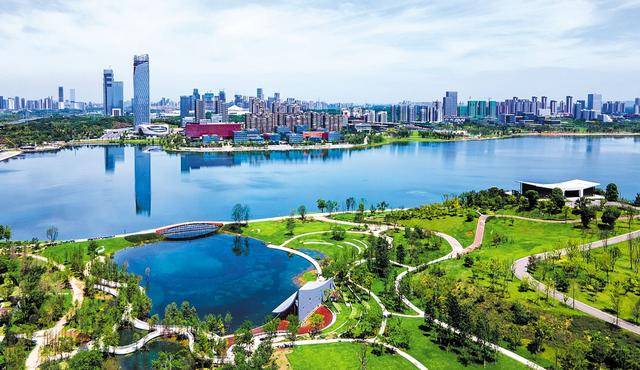
长沙市2026年促消费系列活动正式发布 全年推出四大主题千场活动
Chang Sha Wan Bao· 2026-02-09 01:43
Core Viewpoint - Changsha is launching a series of consumer promotion activities in 2026, focusing on the theme "Shopping in China, Vibrant Changsha" with a comprehensive approach involving government guidance, market leadership, and community participation [1] Group 1: Seasonal Activities - The "Spring Renewal & Green Upgrade" campaign will run from February to May, emphasizing traditional goods and trade-in promotions, with a financial input of 50 million yuan from local governments to stimulate 1 billion yuan in corporate discounts through over 100 promotional events [1] - The "Summer Passion & Youth Friendly" initiative from May to August will target youth consumption, featuring events like the Strawberry Music Festival and the launch of a comprehensive consumer service platform [1] - The "Autumn Life & Shopping in China" campaign from September to November will focus on international consumption, including a special event for Changsha and a multilingual consumer guide [2] Group 2: Special Events and Promotions - The "Driving Enjoyment in Star City" automotive promotion will continue with a "car exhibition + group purchase" model, aiming to create the largest automotive consumption event in Central China [3] - The "Warm Shopping in Star City & Year-End Feast" from December to February will revive the classic "Fortune-Filled Star City" theme, enhancing the shopping festival that has been held for 19 consecutive years [4] - Various digital and online shopping festivals will be introduced, including a digital consumption carnival and a traditional brand festival, to invigorate the festive shopping atmosphere [5]
景德镇全面部署“票根经济”激发瓷都消费新活力
Sou Hu Cai Jing· 2026-01-29 20:57
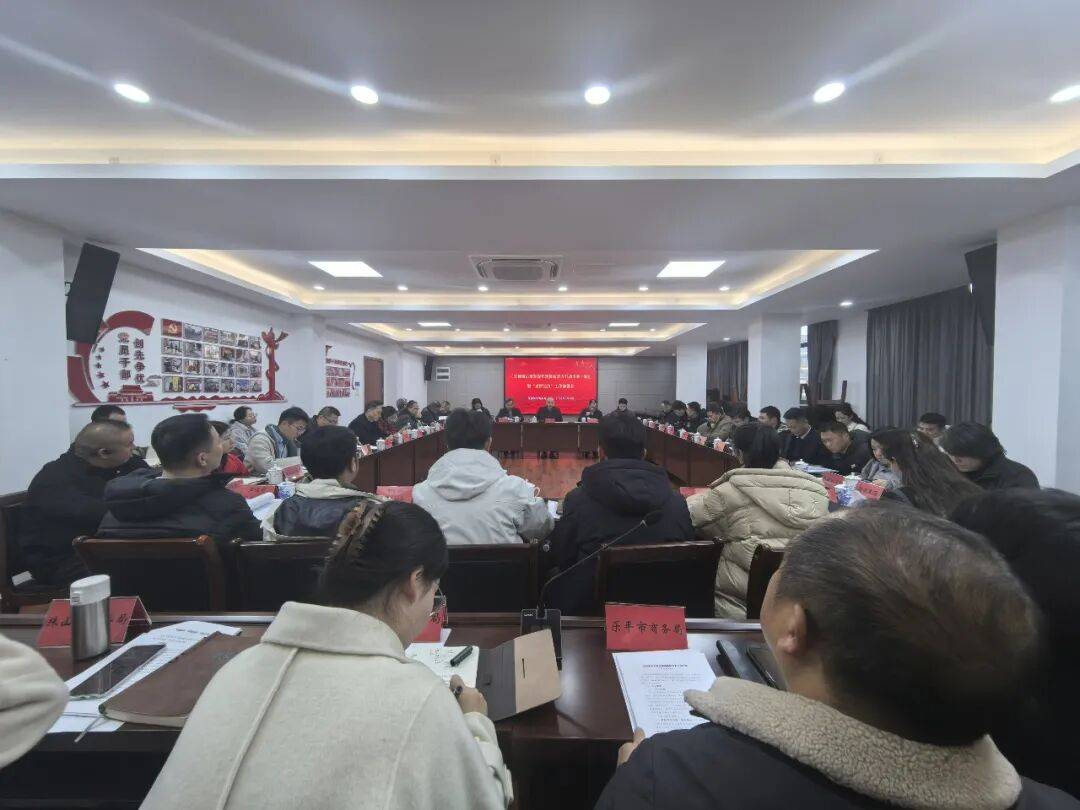
Core Viewpoint - The meeting emphasized the importance of implementing the "Action Plan" to promote consumption recovery and drive high-quality development through the "ticket root economy" model [1][3]. Group 1: Action Plan and Objectives - The "Action Plan" aims to stimulate consumption in Jingdezhen, focusing on the innovative "ticket root economy" model [1][3]. - The plan will integrate ticketing resources from transportation, culture, tourism, and sports, promoting a "one ticket access" system to enhance cross-industry consumption [3]. Group 2: Implementation and Responsibilities - Relevant units are required to take responsibility and collaborate closely, with the Jingdezhen Municipal Bureau of Commerce tasked with accelerating the construction of a digital service platform [3]. - The implementation details need to be refined, with a deadline set for the modification and approval of the plan by the end of the upcoming weekend [3].
一年接着一年干,新福建建设持续取得新进展新成效
Xin Lang Cai Jing· 2026-01-27 23:08
Economic Growth and Performance - The provincial GDP is projected to reach 60,199.45 billion yuan, with a growth rate of 5% [1] - General public budget revenue is expected to be 3,723.35 billion yuan, reflecting a growth of 3% [1] - Retail sales of consumer goods are anticipated to grow by 4.4% [1] - Per capita disposable income for urban residents is expected to increase by 4.5%, while for rural residents, it is projected to grow by 5.7% [1] - The urban surveyed unemployment rate is forecasted at 4.7% [1] - Consumer prices are expected to remain stable compared to the previous year [1] Industrial Development - The pace of industrial transformation and upgrading is accelerating, with advanced manufacturing playing a key role [1] - Traditional industries are rapidly adopting digital transformation, with the proportion of fully digitalized enterprises ranking second nationally [1] - The new energy sector continues to lead, with the establishment of a green hydrogen pilot base [1] Innovation and Technology - The number of projects funded by the National Natural Science Foundation has seen a continuous increase, indicating enhanced innovation efficiency [2] - Eight new national-level enterprise technology centers have been approved [2] Investment and Infrastructure - Infrastructure investment is projected to grow by 5.6%, with significant projects like the Fuzhou Metro and Zhangzhou Nuclear Power coming online [4] - Industrial investment is expected to increase by 6.1% [4] Reform and Opening Up - The province has made significant progress in market-oriented reforms, with successful pilot programs for resource allocation [5] - There has been a notable increase in exports to Africa and Latin America, with growth rates of 20% and 7.6% respectively [6] Social Development - Urban employment has seen the addition of 545,800 jobs, with stable employment for college graduates [8] - The education system is improving, with an increase in the high school admission rate to 72% [8] - Healthcare access is expanding, with a high coverage rate for community medical services [8] Cultural and Ecological Progress - Cultural initiatives have flourished, with numerous awards for local artistic productions [9] - Environmental quality is improving, with the province recognized as a leading area for beautiful China initiatives [11] - The establishment of a national-level ecological product trading platform highlights the commitment to green transformation [12]
福气苏州五年民生投入超万亿
Su Zhou Ri Bao· 2026-01-23 00:26
Core Insights - The government report highlights that over the past five years, Suzhou has spent over 1 trillion yuan on public welfare, with more than 80% of general public budget expenditure allocated to people's livelihoods [1][2] Group 1: Economic Development - Suzhou has implemented rural revitalization and group-style rural construction, resulting in total village assets exceeding 130 billion yuan [1] - The per capita disposable income for urban residents reached 90,000 yuan, while rural residents' income was 51,000 yuan, narrowing the income gap to 1.76:1 [1] - The city has created 1.502 million new urban jobs and has been recognized as the "Best Employment Promotion City" for six consecutive years [1] Group 2: Education and Healthcare - Suzhou has added 362,000 new school and kindergarten places, and higher education resources are being consolidated with the opening of new campuses [1] - The city has achieved city-level coordination of basic medical insurance and added 12 new tertiary hospitals and 5 Class A hospitals over five years [2] Group 3: Social Services - Suzhou has developed a comprehensive elderly care service network and has increased child care capacity to 4.6 per thousand population, a 1.6 times increase [2] - The city is advancing the construction of a "10-minute sports fitness circle" and pocket parks are being established throughout the streets [2]
黑蚁资本消费者趋势研究报告:重返县域新周期里的理智与情感
黑蚁资本· 2026-01-22 08:29
Investment Rating - The report does not explicitly state an investment rating for the industry Core Insights - The county-level market shows stronger consumer resilience compared to first-tier cities, with spending growth significantly higher in counties [10] - Consumers are shifting from a focus on identity symbols to practical value and emotional companionship, indicating a more rational consumption approach [22][41] - The demand for "experience-based" consumption is expanding, while functional optional spending is contracting [61][70] Summary by Sections Section 1: Changes in Life and Consumption - Work is becoming busier, with expectations for income and spending rising simultaneously [17] - The demand for identity labels has decreased, leading to more rational consumer behavior [17] - Spending is diversifying, with functional optional spending giving way to experience-based consumption [17] - Interest e-commerce is growing, and offline channels driven by cost-effectiveness are gaining traction [17] - Consumers are experiencing a contraction in perceived income, driving a shift towards rational spending [17] Section 2: County-Level Consumer Dynamics - The county market is characterized by a stable consumer base with high home ownership and low debt levels [7] - The emotional and practical support provided by community life is significant [7] - Despite a tight income balance, there is no overall reduction in spending, indicating a stable lifestyle [7] Section 3: Spending Changes - Essential spending remains stable, while discretionary spending is being reallocated towards experiences that provide immediate joy and long-term health benefits [61][62] - The importance of basic consumption functions is declining, with consumers increasingly valuing emotional and experiential aspects of spending [64][70] Section 4: Channel Changes - There is a notable shift towards interest-driven e-commerce and local life platforms, with traditional retail channels losing appeal [73] - The rise of modern retail formats like snack collection stores and discount stores reflects a preference for convenience and high cost-effectiveness [73]