光储系统

Search documents
中金 | 风光公用环保&电力设备新能源:中东冲突催化变革,全球能源转型步伐加快
中金点睛· 2026-03-22 23:54
Core Viewpoint - The escalation of conflicts in the Middle East is intensifying energy security concerns, while the world is firmly committed to low-carbon development [1] Group 1: Renewable Energy and Grid Equipment - The global determination for energy transition is strengthening, with significant long-term development potential for wind, solar, and storage, particularly benefiting residential storage in the short term [4] - Rising natural gas prices are expected to have a notable impact on solar storage in Europe, potentially driving demand if prices are sustained [4] - The European energy transition is likely to accelerate grid investments, with the EU proposing a €400 billion investment plan to meet offshore renewable energy integration by 2050 [4] Group 2: Wind Energy - Wind energy is seen as a long-term effective means to address energy supply fluctuations, with recent calls for expedited wind project approvals [7] - The global offshore wind market is expected to grow rapidly, with commitments from European countries to add 15 GW annually from 2031 to 2040 [9] - Emerging markets are showing potential for wind energy growth, with countries outside China expected to see significant increases in installed capacity [8] Group 3: Solar Energy - The rise in energy costs is boosting the return on investment for solar storage in Europe, with residential storage systems benefiting first [12] - The conflict in the Middle East is expected to marginally increase demand for solar energy, providing some price support [18] - The current lower cost of solar power generation compared to previous conflicts suggests a potentially better return on investment for solar projects [19] Group 4: Energy Storage - Energy storage is becoming increasingly crucial in the power system, addressing the temporal mismatch of energy supply and demand [22] - Residential storage is expected to benefit quickly from rising natural gas and electricity prices, shortening investment payback periods [23] - Large-scale energy storage is essential for supporting the ongoing energy transition, with significant investments planned in the EU [27] Group 5: Electricity Pricing and Coal - Geopolitical conflicts may indirectly push up coal prices, with electricity companies having incentives to raise prices during peak demand seasons [28] - The domestic coal market is currently experiencing price fluctuations, with a notable increase in coal prices observed [29] - If geopolitical tensions persist into peak coal demand seasons, coastal power plants may raise electricity prices to alleviate operational pressures [30]

美国电力研究系列二:AI数据中心加剧电力短缺,各类电源需求大增
Soochow Securities· 2026-03-04 07:20
Investment Rating - The report recommends a positive investment outlook for the energy sector, particularly focusing on gas turbines and energy storage solutions due to the increasing demand from AI data centers [2]. Core Insights - The explosion of AI computing power is significantly widening the electricity supply gap in the U.S., with a projected cumulative AI computing power of 153GW by 2030, leading to a peak load of 963GW and a required generation capacity of 1751GW [2][27]. - Gas turbines are favored for their stability and cost-effectiveness, while solar storage is seen as a complementary solution. The trend indicates that CSP manufacturers are increasingly opting for self-built power sources [2][34]. - Chinese companies are expected to benefit from the surge in overseas orders for gas turbines, with significant technological breakthroughs in the domestic supply chain [2][34]. Summary by Sections PART 1: AI Data Centers Intensify Power Shortages and Increase Demand for Various Power Sources - The U.S. electricity supply gap is expanding due to the rapid growth of AI computing power, necessitating an average annual addition of 100GW of generation capacity over the next five years [2][27]. - The current registered new generation capacity in the U.S. is insufficient to meet this demand, with only 50GW being added annually [2][30]. PART 2: AI Data Centers Prefer Stable Power Sources, Prioritizing Gas Turbines and Solar Storage - Gas turbines are the primary choice for data centers due to their reliability and lower cost per MWh, while solar storage is increasingly adopted for its green attributes [34][35]. - The report highlights the economic advantages of gas and solar power compared to traditional fossil fuels and nuclear energy [35]. PART 3: Chinese Companies Fully Benefit from Significant Order Increases - The global gas turbine market is experiencing a surge in demand, with a projected increase in orders from 58GW in 2024 to over 90GW in 2025, driven largely by the U.S. AI data center sector [53]. - Chinese manufacturers have achieved breakthroughs in gas turbine technology, positioning them to capture a larger share of the growing market [34][53]. PART 4: Investment Recommendations - The report recommends focusing on key players in the gas turbine market, such as Dongfang Electric, and highlights the potential of solar storage leaders like Sungrow Power and CATL [2][34].


霍尔木兹变局可能助推能源转型加速
HTSC· 2026-03-02 09:41
Investment Rating - The report maintains a "Buy" rating for several companies including Tianqi Lithium, CATL, Aiko, Sungrow, and China Shenhua, with target prices set for each [7][34]. Core Insights - The geopolitical tensions, particularly the military actions in the Strait of Hormuz, are expected to disrupt energy supply and elevate prices, leading to increased urgency for energy security and a shift towards renewable energy sources [1][2]. - The report anticipates a significant increase in energy storage demand, with global installations projected to reach 1500 GWh by 2030, driven by supply disruptions and rising energy prices [2]. - The electrification of commercial vehicles in China is expected to accelerate, with a potential shift from LNG to electric vehicles due to geopolitical uncertainties affecting LNG supply [3]. - Asian LNG import regions may need to substitute approximately 33 million tons of standard coal for power generation if Middle Eastern LNG supplies are restricted, which could drive up global coal prices [4]. - The short-term disruption in methanol transport is likely to boost coal chemical demand, while the long-term trend is expected to favor the transition to green hydrogen for methanol production [5]. Summary by Sections Energy Supply and Pricing - The military actions in the Strait of Hormuz pose a risk of supply interruptions for oil and gas, which could lead to increased transportation costs and price volatility in energy markets [1]. - Countries heavily reliant on LNG imports are likely to increase coal procurement in the short term and rapidly deploy solar storage systems [1][2]. Energy Storage Demand - The report cites a significant increase in energy storage installations in Europe following the Russia-Ukraine conflict, with a year-on-year growth rate of 147.6% in 2022 [2]. - Global energy storage capacity is expected to grow by 43% in 2025, reaching 104 GW, with the Middle East contributing 3% of this growth [2]. Commercial Vehicle Electrification - The report predicts that the electrification of heavy-duty trucks in China will accelerate, with potential demand for electric trucks reaching up to 300,000 units by 2025 due to uncertainties in LNG supply [3]. Coal Demand and Pricing - If Middle Eastern LNG supplies are disrupted, Asian regions may require an additional 33 million tons of coal for power generation, which represents about 3% of global coal trade [4]. - The report suggests that this scenario could lead to an increase in global coal prices [4]. Methanol and Chemical Demand - The disruption in methanol transport is expected to increase coal chemical production in the short term, while the long-term focus will shift towards green hydrogen for methanol production [5].






博雷顿20260119
2026-01-20 01:50
Summary of Borayton's Conference Call Company Overview - **Company**: Borayton - **Industry**: Mining Equipment and Renewable Energy Solutions Key Financials and Performance - In 2025, Borayton's overall business scale was approximately **760 million RMB**, with mining truck revenue accounting for over **80%**, showing a year-on-year growth of nearly **80%** [2][4] - The overall performance growth for 2025 was about **20%** [4] - For 2026, Borayton plans to achieve a **120%** increase in wide-body truck revenue, targeting **1,200 units** sold [6] - Expected vehicle revenue for 2026 is over **1.5 billion RMB**, with grid revenue around **300 million RMB** [7] - Total revenue for 2027 is projected to exceed **3 billion RMB**, with power station revenue reaching **750 million RMB** and vehicle revenue over **2 billion RMB** [7] Business Segments and Growth Strategies - Borayton focuses on three main business segments: **photovoltaic power generation**, **electric mining trucks**, and **autonomous driving technology**, creating a closed-loop system [3] - The company has initiated **four photovoltaic power projects** in Africa, providing stable, low-cost electricity to local mining operations [8] - Borayton has signed multiple large-scale delivery agreements to promote autonomous driving technology in coal and metal mines [6] Competitive Advantages - The **cost-effectiveness** of renewable energy mining trucks is highlighted, with significant savings compared to diesel trucks. For instance, the cost per kilometer for electric trucks is **6 RMB**, compared to **21 RMB** for diesel trucks [15] - Borayton's photovoltaic projects, such as the **76 MW Li Zhuba project**, can generate **1.2 billion kWh** of electricity annually, yielding **180 million RMB** in revenue [5][10] - The company has a strategic partnership with **Xinjiang Mingyang** to transition part of their autonomous vehicle operations to Borayton's systems, aiming for reduced operational costs [2] Future Outlook and Market Expansion - Borayton is optimistic about overseas market opportunities, particularly in Africa, where they aim to become a leading provider of integrated solutions for mining operations [13] - The company plans to establish a presence in **Australia** and **South America**, with projects aimed at addressing local energy needs through integrated solutions [19][14] - By 2026, Borayton expects to deliver **300 to 500** electric autonomous vehicles, increasing to **1,000** by 2027 and **3,000 to 5,000** by 2028 [12] Challenges and Considerations - The company faces challenges in project execution in Africa, including high transportation costs and lengthy licensing processes [25] - Maintenance costs for photovoltaic systems are relatively low, but depreciation remains a significant financial consideration [26] Conclusion - Borayton is positioned to capitalize on the growing demand for electric mining solutions and renewable energy, with a clear strategy for market expansion and technological advancement. The company aims to integrate its operations to become a leader in the mining equipment and renewable energy sectors, leveraging its competitive advantages in cost and technology [30]
AI基建-电力需求缺口
2026-01-08 16:02
Summary of Key Points from Conference Call Records Industry Overview - The records primarily focus on the **gas turbine industry**, highlighting the surge in demand driven by **AI data center construction** and **energy transition**. The demand for gas turbines is projected to reach approximately **56 GW in 2024**, with further growth expected in 2025 [1][2]. Core Insights and Arguments - **Demand Drivers**: The global gas turbine market is primarily driven by two factors: the increasing demand for AI and the upgrade of energy structures. These trends are expected to accelerate starting in 2024 [2]. - **Regional Demand**: The North American and Middle Eastern markets are experiencing significant growth in gas turbine orders, with major manufacturers like **Mitsubishi Heavy Industries** and **GE** reporting substantial increases in orders, particularly for heavy gas turbines [3][4]. - **Middle East Energy Transition**: Saudi Arabia aims for **50% of its electricity to come from natural gas by 2030**, contributing to a significant rise in gas demand in the region. Since June 2024, major gas turbine manufacturers in the Middle East have secured around **20 GW** in gas orders, which will be crucial for the demand increase in 2025 [5]. - **Supply Constraints**: Global gas turbine manufacturers are facing supply shortages and are actively expanding production capacities. GE plans to increase its capacity to **90 units by 2028**, while Siemens Energy anticipates reaching over **30 GW** in capacity by 2030 [6]. Additional Important Insights - **Opportunities for Chinese Component Suppliers**: Chinese companies are gaining opportunities to deepen collaborations with international manufacturers. Companies like **Longda** and **Yingliu** have signed long-term agreements with firms such as **GE** and **Siemens Energy** [7]. - **Growth in Storage Solutions**: The demand for energy storage solutions is expected to grow significantly, with North American large-scale storage capacity projected to reach **70 GWh by 2025**. The annual growth rate for AI data center-related storage is anticipated to be between **20%-30%** [19]. - **HRSG Market Impact**: The demand for Heat Recovery Steam Generators (HRSG) is expected to rise as **60-70%** of North American gas power projects will adopt combined cycle power generation, enhancing power generation efficiency by **40-50%** [13]. - **Economic Viability of Solar and Storage Solutions**: The cost of solar energy combined with storage is becoming increasingly competitive, especially with policy support that can reduce overall investment costs by about **30%** [18]. Conclusion The gas turbine industry is poised for significant growth driven by AI and energy transition trends, with substantial opportunities for both established manufacturers and emerging suppliers, particularly in the context of North American and Middle Eastern markets. The integration of renewable energy solutions, such as solar and storage, is also becoming a critical component of the energy landscape.
储能行业2026年度策略:全球开花,开启两年持续高增新周期-东吴证券
Sou Hu Cai Jing· 2025-12-22 18:09
Global Market Overview - The global energy storage industry is expected to enter a two-year high-growth cycle starting in 2026, driven by strong demand in both domestic and international markets, optimizing the industry chain structure, and highlighting the advantages of leading companies [1] - Global energy storage demand is projected to explode, with installed capacity reaching 236 GWh in 2025 (+69%), 428 GWh in 2026 (+82%), and 617 GWh in 2027 (+44%) [1][10] - China and the United States are the main markets driving this growth, with Europe and emerging markets also experiencing rapid penetration [1][11] Domestic Market Dynamics - In China, the energy storage market is benefiting from capacity price subsidies and innovative business models, with a tendering volume of 190 GWh from January to November 2025 (+138%) and a record filing volume exceeding 1 TWh [1][6] - The installed capacity in China is expected to reach 163 GWh in 2025 (+47%) and 265 GWh in 2026 (+60%) [1][6] - Independent energy storage is becoming mainstream, replacing mandatory storage requirements, with diversified revenue sources and an internal rate of return (IRR) generally between 6-12% [1][6] Segment Analysis - Large-scale energy storage (big storage) is the core growth driver, with global demand expected to continue high growth from 2025 to 2027 [3] - The demand for energy storage batteries is projected to reach 628 GWh in 2025 (+91%) and 663 GWh in 2026 (+61%), with prices rebounding from the bottom [3][6] - The user-side storage market is also growing steadily, with global installations expected to maintain a growth rate of 10-20% from 2025 to 2026, particularly in Australia and Europe [3][6] International Market Trends - In the United States, the surge in electricity demand from AI data centers and grid shortcomings is driving the adoption of solar-plus-storage systems, with expected installations of 53 GWh in 2025 and 80 GWh in 2026 (+51%) [2][6] - Europe is seeing significant policy support, with large-scale storage installations projected to reach 20 GWh in 2025 (+131%) and 42 GWh in 2026 (+109%) [2][6] - Emerging markets, including the Middle East, Australia, and Southeast Asia, are expected to contribute significantly, with large-scale storage installations projected to reach 34 GWh in 2025 (+220%) and 80 GWh in 2026 (+134%) [2][6] Investment Recommendations - The energy storage market in China and the U.S. is entering a new growth cycle, supported by multiple points of growth in Europe and emerging markets, indicating a sustained high growth potential for 2026-2027 [6] - Companies such as Sungrow Power Supply, CATL, Haibo Technology, and Yiwei Lithium Energy are recommended for investment in the large-scale storage sector, while companies like Deye Technology, Airo Energy, and Jinlang Technology are favored in the user-side storage segment [6]


光储落位 首战告捷丨招金矿业全球一体化运营保障体系为海外扩产增效注入硬核动能
Ge Long Hui· 2025-12-17 06:45
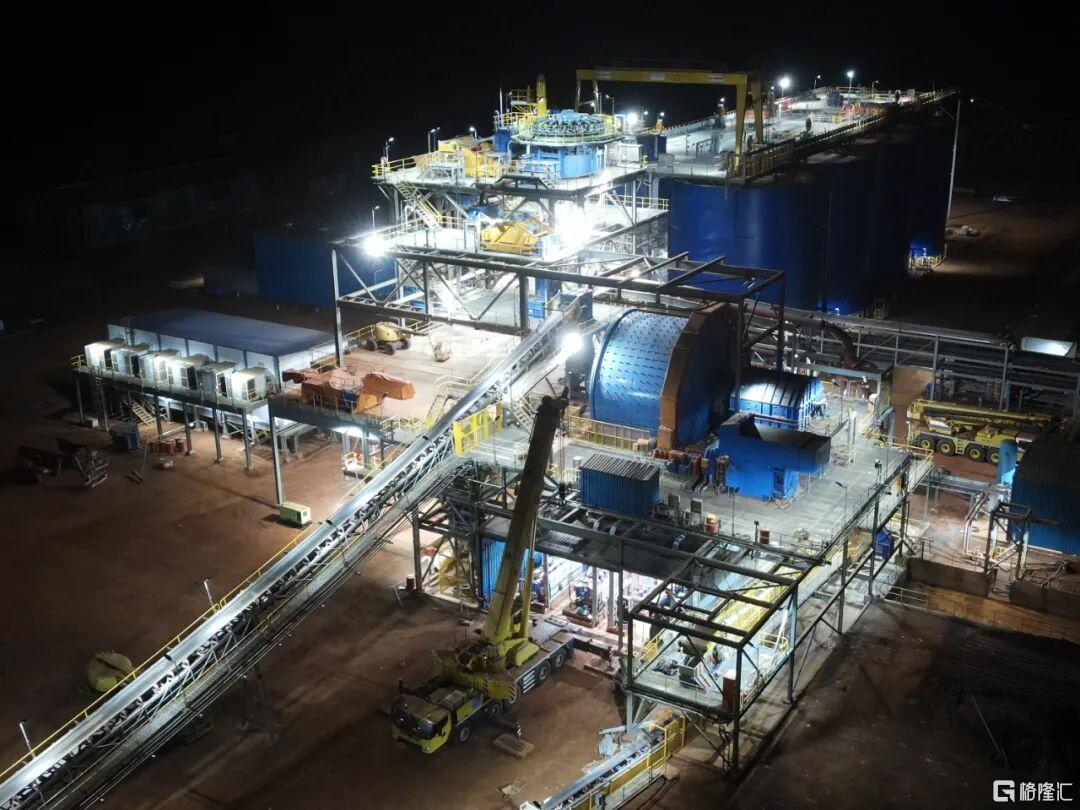
Core Viewpoint - The successful completion of the 33.28MWp/37.50MWh solar-storage project at the Abidjan Gold Mine in Côte d'Ivoire marks a significant achievement for the company, addressing power supply challenges and enhancing operational efficiency [2][3] Group 1: Project Details - The solar-storage project has been successfully connected to the grid, resolving the power bottleneck that hindered stable operations at the Abidjan Gold Mine [2] - The project enables a multi-energy complementary smart microgrid system, integrating solar, storage, grid electricity, and diesel power, allowing seamless switching between grid-connected and off-grid modes [2] - The new system significantly reduces electricity costs compared to traditional power supply methods, providing a long-term cost advantage for the mine [2] Group 2: Strategic Implications - This project is the first large-scale renewable energy demonstration power station for mines in Côte d'Ivoire following the implementation of the country's New Energy Law, showcasing the company's commitment to ESG principles and green mining [3] - The company aims to accelerate the construction and operation of key overseas projects, including the Abidjan Gold Mine, Odlan Mining, and King Gold Mining, as part of its "Development Doubling Plan" during the 14th Five-Year Plan period [3] - The successful implementation of the global integrated operational support system is expected to serve as a model for the company's international development in the gold mining sector [3]
让消费者成为新能源的生产者和掌控者——中国新能源与世界对话的新语言
财富FORTUNE· 2025-12-09 13:05
Core Viewpoint - The global photovoltaic and energy storage market is transitioning from "scale expansion" to "high-quality development," focusing on technology iteration, service experience, and sustainability rather than just capacity competition [1]. Group 1: Market Trends - The demand in overseas markets is shifting from "high-performance products" to "user-friendly, durable, and green overall solutions" [1]. - The recent power outage in Spain highlighted the importance of energy storage systems for maintaining energy balance in Europe [5]. - The challenge of over 700 million people in Africa, Asia, and Latin America lacking electricity is driving the industry to further reduce the cost of photovoltaic and energy storage solutions [5]. Group 2: Company Strategies - GoodWe aims to create a new ecosystem of energy producers and consumers by enabling users to generate and use green electricity on-site, significantly reducing electricity costs from an average of 0.8 yuan/kWh to 0.2-0.3 yuan/kWh [3][5]. - The company has established a brand strategy to become a leader in smart energy solutions, focusing on user engagement and sustainable practices [3][11]. - Airo, a storage solution expert, emphasizes the need for integrated, intelligent systems that address customer demands for seamless energy generation, storage, and usage [8][12]. Group 3: Brand Building and Marketing - GoodWe recognizes the importance of building brand awareness around end-users, as they ultimately become energy producers and consumers [3]. - Airo has engaged in brand marketing by sponsoring Borussia Dortmund, leveraging the club's influence to build long-term trust in the German market [9][10]. - Both companies utilize LinkedIn to precisely target and connect with core customer groups, enhancing brand promotion and customer engagement [6][10]. Group 4: ESG Commitment - GoodWe joined the UN Global Compact in 2021 and established a sustainable development research institute in 2023 to elevate ESG to a strategic level [11]. - The company aims to integrate ESG practices into every aspect of its operations, ensuring that sustainability is not just a compliance issue but a core part of its business model [12]. - Airo emphasizes that ESG is fundamental to product development and operations, focusing on transparency, safety, and sustainability in its supply chain [12][13].


美国用电缺口及解法 - 继续看好sofc及光储
2025-10-19 15:58
Summary of Key Points from the Conference Call Industry Overview - The conference call discusses the electricity supply gap in the United States, particularly driven by the surge in demand from AI data centers, which is expected to add 12-20 GW of capacity annually from 2025 to 2028, leading to a peak load increase of approximately 130 GW [1][2][4]. Core Insights and Arguments - **Electricity Demand Growth**: The annual electricity consumption growth rate is projected to reach 1.7% from 2020 to 2026, primarily driven by AI-related data center demands [2]. - **Energy Supply Challenges**: Traditional energy sources such as coal, nuclear, and natural gas are facing retirement and capacity constraints, making it difficult to meet the rising demand [2][5]. - **Emerging Solutions**: Solar energy, wind energy combined with storage, and Solid Oxide Fuel Cells (SOFC) are identified as reliable alternatives to meet the growing electricity needs. BE Company forecasts SOFC capacity to increase from 1 GW in 2025 to 4 GW by 2028 [1][2][3]. - **Impact of AI on Electricity Demand**: The AI industry significantly impacts electricity consumption, with Nvidia's guidance indicating a 50% annual growth in the AI sector, pushing peak electricity capacity in the summer from 770 GW to nearly 900 GW by 2028 [4][11]. - **Tariff Implications**: Despite potential cost increases due to tariffs, solar storage and SOFC solutions remain competitive, with strong adaptability demonstrated in California projects [6][7]. Recommendations for Companies - Companies to watch include CATL and Sungrow in the lithium battery storage industry, as well as BE Company, Fluence, and A-share company Sanhua Group, all of which have strong competitiveness and ample orders in the solar storage and SOFC sectors [8]. Lithium Battery Material Chain Outlook - The lithium battery material chain is expected to enter a prosperous cycle by Q3 2025, with upstream lithium hexafluorophosphate producers and downstream anode and cathode sectors poised for growth. Supply tightness may occur in the peak season of 2026 [9]. Future Energy Supply Solutions - To address future data center power supply needs, several solutions are proposed: solar plus storage, SOFC, traditional gas turbines, and nuclear power. However, small modular nuclear power is unlikely to achieve commercial viability before 2030 [12][18]. SFC Market Trends - SFC (Solid Oxide Fuel Cell) applications in North American data centers are scaling up, with significant orders from companies like Amazon and Oracle, indicating a growing role in the energy supply landscape [14][17]. Gas Turbine Supply Situation - The supply of gas turbines is expected to be insufficient in the short term, with new capacity not anticipated until 2027 or 2028, failing to meet the rapidly increasing demand [15]. Conclusion on Energy Demand Projections - By 2028, Nvidia alone is projected to require an additional 30 GW of electricity, with total demand potentially exceeding 60 GW when considering other suppliers. Current gas turbine capacity is insufficient to meet this demand, highlighting the optimistic outlook for emerging energy technologies like SFC [19].

连亏三季!上半年亏损扩大,晶澳的储能业务能扛起扭亏大旗吗?
Bei Ke Cai Jing· 2025-09-15 12:39
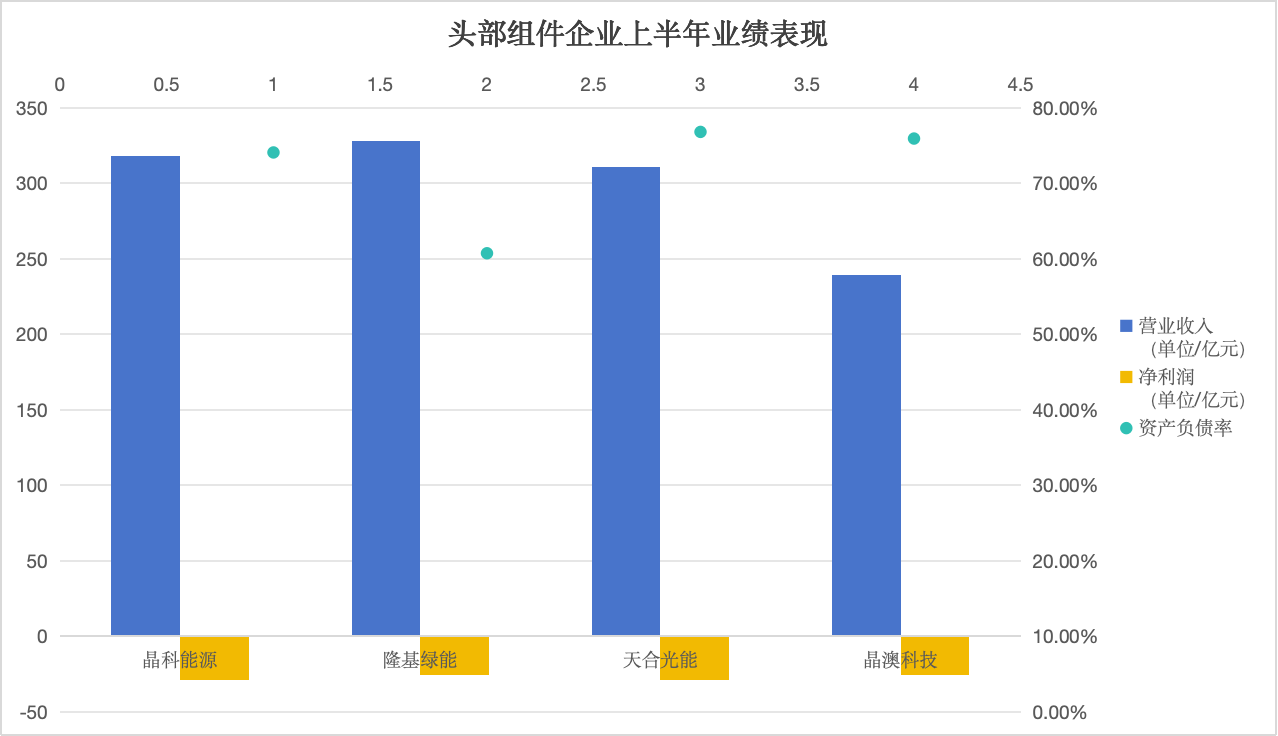
Core Viewpoint - The focus on energy storage has intensified for JA Solar Technology (002459.SZ) following recent developments in the industry, particularly with Longi Green Energy (601012.SH) entering the energy storage market, prompting investors to reassess the strategies of various renewable energy companies [2]. Group 1: Company Overview - JA Solar began its energy storage business in 2022, transitioning its main product line from photovoltaic products to a combined photovoltaic and energy storage business group in 2023 [3][6]. - Despite the shift, JA Solar's revenue remains predominantly from photovoltaic modules, leading to challenges as module prices have not rebounded quickly [3][13]. Group 2: Financial Performance - In the first half of the year, JA Solar reported a revenue of 23.905 billion yuan, a year-on-year decrease of 36%, and a net loss of 2.58 billion yuan, which is an increase in losses compared to the previous year [8]. - The company attributed its financial struggles to an oversupply in the photovoltaic industry, increased competition, and declining prices for key products, compounded by international trade protection policies [8][14]. Group 3: Strategic Initiatives - JA Solar has set a target to return to profitability by 2026, with energy storage expected to play a crucial role in achieving this goal [4][17]. - The company has been actively pursuing new orders in the energy storage sector, with plans to establish a new factory in Egypt that will support 2GW of battery and component production, along with a 1GW energy storage system capacity [5][7]. Group 4: Market Position - JA Solar ranks third globally in module shipments, tied with Trina Solar (688599.SH), following JinkoSolar (688223.SH) and Longi Green Energy [11]. - The company's module business has faced significant challenges, with a gross margin of -5.98% in the first half of the year, a decline of 10.51 percentage points year-on-year [13].