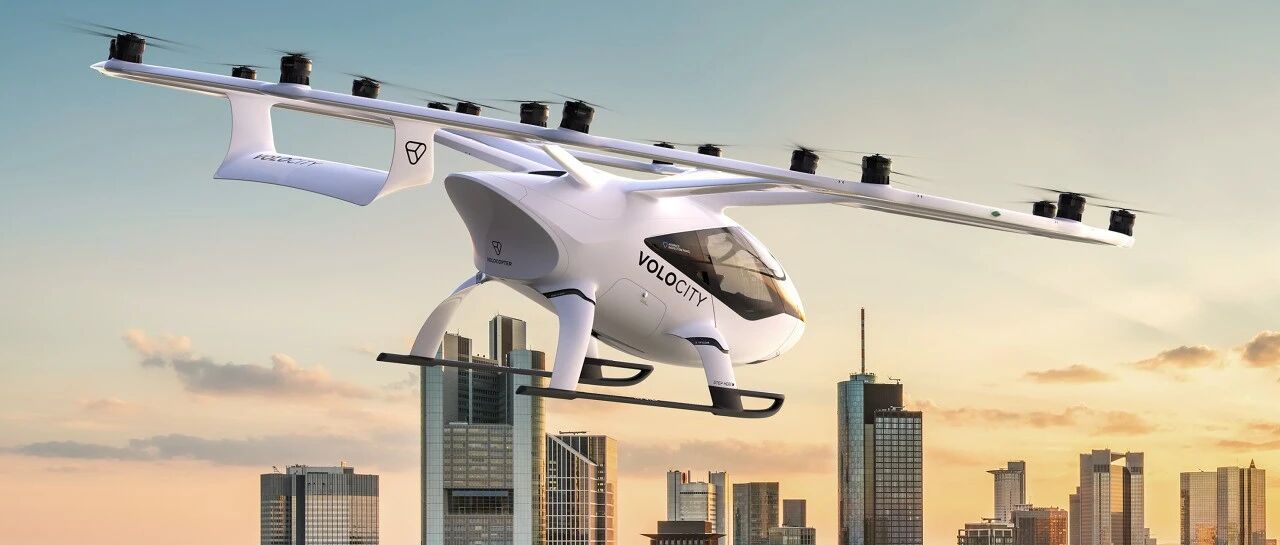
电动垂直起降飞行器

Search documents
亿航智能:付量提升推动收入多元化;电动垂直起降飞行器(eVTOL)应用场景拓展;买入评级
2026-03-09 05:18
EHang (EH) Conference Call Summary Company Overview - **Company**: EHang - **Industry**: eVTOL (Electric Vertical Takeoff and Landing) Aircraft Key Points 1. eVTOL Deployment in Scenic Areas - EHang is focusing on deploying eVTOLs in scenic areas as the earliest application - The company supports clients' deployment through expertise in eVTOL regulations and by dispatching professional operators to customer sites - Management believes eVTOLs have advantages over helicopters, including autonomous flying, lower noise, and more eco-friendly propulsion systems [2][4] 2. Diversified Application Scenarios - Long-term target applications for eVTOLs include airport shuttles and air taxis, which aim to connect airports and hotels, alleviating traffic congestion - eVTOLs can also be utilized in logistics and emergency services to enhance overall efficiency - EHang plans to collaborate closely with local governments and clients to promote the commercialization of eVTOLs across various application scenarios [3][4] 3. Revenue Source Diversification - EHang is focusing on commercial operations of eVTOLs in both China and international markets - As eVTOL shipments increase, the company expects to diversify its revenue sources, including air mobility operations, eVTOL management systems, and after-sales services [4][8] 4. Financial Projections and Valuation - EHang is rated as a "Buy" with a 12-month target price of **US$22.80**, indicating an upside potential of **101.1%** from the current price of **US$11.34** - Revenue projections for the next few years are as follows: - 2026: **RMB 456.2 million** - 2027: **RMB 482.6 million** - 2028: **RMB 972.1 million** - 2029: **RMB 1,516.9 million** - EBITDA is projected to improve from a loss of **RMB 270.3 million** in 2026 to a profit of **RMB 323.0 million** by 2029 [10][8] 5. Key Risks - Potential risks include: - Slower-than-expected regulatory progress regarding airworthiness of AAVs in China - Weaker customer adoption of passenger-grade AAVs and aerial transportation - Delays in fulfilling AAV pre-orders - Slower expansion of sightseeing and operational services - Increased competition in the AAV market, which could negatively impact earnings estimates [9][4] 6. Management's Positive Outlook - EHang's management is optimistic about the company's focus on eVTOL commercialization and its strong design and manufacturing capabilities - The company is well-positioned to expand into air mobility operations and related services as the market for eVTOLs grows [1][4] Conclusion EHang is strategically positioning itself in the eVTOL market with a focus on diverse applications and revenue sources. The company's positive outlook, combined with its innovative capabilities, presents a compelling investment opportunity, albeit with certain regulatory and market risks to consider.

读懂经济大省新春第一会里的“政绩观”
Jing Ji Guan Cha Wang· 2026-02-26 00:59
Core Viewpoint - The New Year meetings of major economic provinces emphasize the establishment and practice of a correct performance outlook, focusing on manufacturing and private enterprises as key themes for economic growth in 2026 [1][2][4]. Group 1: Performance Outlook - Economic provinces are shifting from a singular focus on GDP growth to a balanced approach that includes growth quality, livelihood, innovation, and ecological sustainability [2][6]. - The Central Economic Work Conference in December 2025 highlighted the need for a pragmatic goal orientation to address existing challenges and enhance the quality of economic growth [1][2]. - The emphasis on a correct performance outlook aims to overcome current demand deficiencies and promote comprehensive economic recovery [1][2][4]. Group 2: GDP Growth Targets - Six major economic provinces have lowered their GDP growth targets for 2026 compared to 2025, indicating a more flexible approach to growth expectations [6]. - The adjustments in growth targets reflect a shift towards prioritizing structural adjustments, innovation, and debt resolution over mere numerical targets [6][7]. - The new performance evaluation mechanisms will focus on multiple dimensions, including green development and social welfare, rather than solely on GDP growth [7]. Group 3: Manufacturing Sector - The meetings highlighted the importance of maintaining a reasonable proportion of the manufacturing sector, with a focus on upgrading traditional industries and fostering new emerging industries [9][10]. - Hubei province aims to enhance its advanced manufacturing industry clusters and promote the integration of modern services with manufacturing [8][9]. - The manufacturing sector is seen as a critical component of China's growth model, with ongoing efforts to improve its competitiveness and contribution to the global supply chain [8][10]. Group 4: Private Enterprises - Private enterprises are increasingly recognized as vital to economic development, with several provinces emphasizing their role in driving growth and innovation [11]. - In Fujian, the government has engaged with private entrepreneurs to discuss their contributions and future prospects, highlighting the importance of a supportive policy environment [11]. - Hunan province has shifted its focus from attracting investment to promoting the growth of the private economy, indicating a long-term strategic commitment to this sector [11].
亿航智能-CFO 调研:电动垂直起降飞行器(eVTOL)商业化推进中;海外市场扩张;买入
2026-01-20 03:19
EHang (EH) Conference Call Summary Company Overview - **Company**: EHang (EH) - **Industry**: eVTOL (Electric Vertical Takeoff and Landing) Aviation Key Points Commercialization and Market Expansion - EHang's management is optimistic about the ongoing commercialization of eVTOL across various end markets, having trained approximately 100 eVTOL operators aiming to obtain their operator licenses by 2026E [1][2] - The company has received 2 Operator Certificates (OCs) in the Chinese market and is actively pursuing expansion into overseas markets, specifically targeting the deployment of over 100 eVTOLs in Thailand by the end of 2026E [1][2] Strategic Focus - EHang's strategy emphasizes eVTOL commercial operations, assisting clients with obtaining OCs, and expanding production capacity, particularly at the Yunfu factory, which is projected to increase output to 1,000 units per year [2] - Management expresses a positive outlook on rising demand for eVTOL applications, including Urban Air Mobility (UAM), logistics, delivery, and emergency rescue services [2] Financial Projections and Valuation - EHang is rated as a "Buy" with a 12-month target price of $22.80, indicating a potential upside of 57.7% from the current price of $14.46 [3][8] - The target price is based on a discounted cash flow (DCF) methodology, projecting a free cash flow (FCF) growth rate of 10% year-over-year from 2028E to 2030E, with a terminal growth rate of 3% [3] Risks and Challenges - Key risks identified include: 1. Slower-than-expected regulatory progress regarding airworthiness of AAVs in China [4] 2. Weaker-than-anticipated customer adoption of passenger-grade AAVs and aerial transportation [4] 3. Delays in fulfilling AAV pre-orders [4] 4. Increased competition in the AAV market, which could negatively impact earnings estimates [7] Financial Metrics - Market capitalization: $849.9 million - Revenue projections (RMB million): - 2024: 456.2 - 2025E: 482.6 - 2026E: 972.1 - 2027E: 1,516.9 - EBITDA projections (RMB million): - 2024: (270.3) - 2025E: (298.9) - 2026E: 25.7 - 2027E: 323.0 - EPS projections (RMB): - 2024: (3.45) - 2025E: (3.84) - 2026E: (0.11) - 2027E: 3.78 [8] Conclusion - EHang is positioned to capitalize on the growing eVTOL market with a strong focus on commercialization and international expansion. However, the company faces several regulatory and market adoption risks that could impact its growth trajectory. The current valuation suggests significant upside potential, making it a compelling investment opportunity.
打造“万辆级”产能催生“万亿级”赛道 “看不见”的产业链助推低空经济飞得更高
Yang Shi Wang· 2026-01-11 04:12
Core Viewpoint - The article emphasizes the rapid development of the low-altitude economy in Shenzhen, highlighting its integration into logistics, inspection, and cultural tourism, which is expected to create new market demands and opportunities for talent growth in various sectors [3][11][21]. Group 1: Low-altitude Economy Development - The "14th Five-Year Plan" suggests the establishment of emerging pillar industries, accelerating the development of strategic emerging industry clusters, including the low-altitude economy [3]. - Shenzhen has established a logistics drone operation center, facilitating the rapid delivery of essential components and documents across cities like Shenzhen, Dongguan, Zhongshan, and Zhuhai [5][9]. - Hundreds of drone flight routes operate simultaneously during peak hours in Shenzhen, showcasing a highly efficient "invisible industrial chain" [7]. Group 2: Integration of Various Applications - The low-altitude channels in Shenzhen connect urban areas, enabling quick delivery of components and goods, such as one-hour delivery from Bao'an to Songshan Lake and 25-minute delivery from Zhuhai to Dong'ao Island [9]. - The establishment of the first low-altitude comprehensive transportation hub in Qianhai aims to support cross-border logistics and emergency rescue operations in the Guangdong-Hong Kong-Macao Greater Bay Area [11]. Group 3: Talent and Market Demand - The booming low-altitude economy has led to the emergence of new sectors, including cultural tourism performances and high-end equipment manufacturing, driving continuous market demand and talent requirements [11]. - A drone performance company in Shenzhen is preparing for numerous upcoming events, indicating a significant increase in the scale of drone performances, with some events featuring thousands of drones [12]. Group 4: Industrial Chain and Manufacturing - The low-altitude economy in the Greater Bay Area is characterized by a clear industrial chain, from core component assembly to efficient operation in logistics and cultural tourism [16]. - A factory in Huangpu District, Guangzhou, is entering the trial production phase for the world's first electric vertical takeoff and landing aircraft with a production capacity of 10,000 units [14]. Group 5: Regulatory and Standardization Efforts - The rapid development of the low-altitude economy necessitates innovation in regulations and standards to address common challenges, with Guangdong leading the way in establishing a provincial standardization technical committee [20]. - New standards for low-altitude economy, including terminology and navigation systems, are being developed to support the industry's growth and ensure safety and efficiency [20][21].


载人电动垂直起降飞行器(eVTOL)机场接送的商业化窗口正在开启
科尔尼管理咨询· 2026-01-09 09:52
Core Insights - The article discusses the potential and challenges of electric Vertical Take-Off and Landing (eVTOL) aircraft, particularly in the context of the low-altitude economy in China and global developments in the industry [1][3]. Domestic Focus - By 2025, China's low-altitude economy is expected to reach a market size of 1.5 trillion yuan, but concerns regarding safety standards, airspace management, and cost control persist among consumers and industry professionals [3]. - Cities in China, such as Chengdu, are actively exploring eVTOL integration with airport operations, conducting test flights to optimize airspace planning [7][8]. Global Focus - Multiple governments and companies plan to launch eVTOL passenger services in cities like Dubai, New York, and Los Angeles by 2026, with manufacturers like Joby and Archer competing for model certification [3][4]. - eVTOL's commercial viability remains uncertain, with some manufacturers facing bankruptcy while others, like EHang, have achieved certification for commercial operations [4]. Application Scenarios - The most feasible short-term application for eVTOL is airport transfers, which could enhance service offerings for airlines and airports, provided a seamless travel experience is delivered [4][8]. - The integration of eVTOL operations at airports faces challenges, particularly in airspace management during takeoff and landing, necessitating collaboration among stakeholders [5][7]. Operational Challenges - Key operational challenges include the need for designated takeoff and landing areas at airports, which must be strategically located to ensure efficient passenger transfers [5][8]. - Initial estimates suggest that a large airport with six eVTOL landing sites could attract just 2% of long-haul business and first-class travelers to sustain operations [8][11]. Fleet and Demand Projections - The estimated fleet size for eVTOL at major airports could grow from approximately 15 to 50 aircraft, depending on operational needs and airspace design [11][18]. - Each eVTOL could serve around 150 to 500 passengers daily, representing 0.5% to 2% of the total long-haul business and first-class traveler volume at large international airports [13][14]. Pricing and Cost Structure - Initial pricing for eVTOL services is expected to align with helicopter transfer costs, with potential reductions as operational scales increase [14][19]. - The cost structure for eVTOL operations includes takeoff fees, maintenance, depreciation, operational costs, and management expenses, which will influence pricing strategies [19][20]. Strategic Actions for Stakeholders - Airports need to reserve adequate space for eVTOL operations and collaborate with regulatory bodies for airspace integration [21][23]. - Airlines must integrate eVTOL services into their core processes, ensuring a seamless travel experience for high-end customers [22][23]. - Manufacturers should focus on developing fast-charging solutions and enhancing the reliability of components to reduce operational costs and improve service efficiency [23][24].
天空中,“电车”凭什么与“油车”争?
3 6 Ke· 2025-12-29 07:22
Core Insights - The eVTOL (electric Vertical Take-Off and Landing) aircraft and helicopters share similar appearances and missions but differ fundamentally in their propulsion systems and operational efficiencies [1][2][3] - eVTOLs are positioned as the future of low-altitude transportation, with strategic advantages in supply chain control and potential for rapid growth in the low-altitude economy [3][6][14] Group 1: Market Dynamics - eVTOLs are currently more expensive and have shorter ranges compared to helicopters, with examples showing eVTOL prices being approximately 30% higher than comparable helicopters [9][11] - The global eVTOL market is projected to reach $28.6 billion by 2030, with a compound annual growth rate (CAGR) of 54.9%, significantly outpacing the traditional helicopter market [18][20] - China's low-altitude economy has been officially recognized in the national five-year plan, indicating strong governmental support for the eVTOL sector [6][20] Group 2: Technological Advantages - eVTOLs utilize a modular and scalable manufacturing approach, which contrasts with the complex mechanical systems of helicopters, leading to potential long-term cost advantages [42][50] - The shift from traditional mechanical systems to electric propulsion in eVTOLs allows for reduced maintenance costs and improved operational efficiency [55][56] - eVTOLs can achieve significant energy savings, with operational costs being a fraction of those of traditional helicopters due to lower energy consumption and maintenance requirements [55][56] Group 3: Strategic Positioning - The development of eVTOLs is seen as a strategic move for China to leverage its existing strengths in the electric vehicle and aerospace industries, creating a robust supply chain for eVTOL production [13][28][41] - The integration of advanced technologies from the electric vehicle sector into eVTOL design enhances performance and safety, positioning China favorably in the global eVTOL market [33][38] - The eVTOL industry is expected to benefit from the lessons learned in the electric vehicle sector, particularly in battery technology and manufacturing processes [28][41]


低空行业将迎2026年首个重要大会,多家巨头悉数亮相,还有重要准则有望发布
Xuan Gu Bao· 2025-12-24 06:24
Event Overview - The Second China eVTOL Innovation Development Conference is scheduled for January 15-16, 2026, in Shanghai, aiming to build a cross-field collaboration platform and promote the commercialization of eVTOLs [1] - The conference will attract over 200 participating companies and 400 guests, featuring more than 30 expert presentations and 30 exhibiting companies, covering the entire industry chain from core components to operational services [1] Industry Focus - The year 2025 is referred to as the "year of eVTOL commercialization," with the industry at a critical juncture for policy improvement and technological breakthroughs [2] - The conference will systematically address the entire chain of eVTOL commercialization, including airworthiness certification, technological breakthroughs, and infrastructure standards [2] - Key discussions will focus on three core areas: technological advancements in high energy density batteries, high power electric propulsion systems, and flight control systems; policy alignment between international airworthiness standards and domestic practices; and application scenarios such as low-altitude tourism, logistics, and emergency rescue [2] Market Potential - According to a report by the China Commercial Industry Research Institute, the global eVTOL market is expected to reach $15.8 billion in 2025, with a year-on-year growth of 12%, while China's market is projected to be approximately $5.75 billion, showing strong growth momentum [3] - Morgan Stanley predicts that by 2030, China's eVTOL market could account for 25% to 30% of the global market, potentially becoming the largest market worldwide [3] Industry Chain Development - The development of the eVTOL industry is expected to drive upgrades across the entire supply chain, including new materials, new energy, and intelligent manufacturing, forming a trillion-level industrial ecosystem [4] - Breakthroughs in key technologies such as high energy density batteries, high power density electric propulsion systems, and flight control systems will further open up commercialization opportunities and transition the industry from demonstration operations to large-scale development [4] Key Players and Participants - Major companies participating in the conference include EHang, FeiFei Aviation, and XPeng Heitech in the aircraft manufacturing sector, and CATL, Yiwei Lithium Energy, and Zongshen Power in the core components sector [2][8] - Investment institutions such as Sequoia China and Hillhouse Capital are also listed among the attendees [2][8]
港媒:从“黑飞”事件看中国的技术进步与航空安全
Huan Qiu Wang· 2025-12-21 23:17
Core Viewpoint - The article discusses the conflict between technological advancements in drone usage and the need for aviation safety regulations in China, highlighting the challenges faced in regulating illegal drone flights that threaten commercial aviation safety [1][2]. Group 1: Regulatory Challenges - China has set regulations limiting the flight altitude of light and small drones to 120 meters, requiring authorization for flights above this height, which are considered illegal if unapproved [1]. - Recent public attention has been drawn to illegal drone flights ("black flights") that have been reported to reach altitudes of over 8000 meters in busy commercial air corridors in Hunan and Guangdong [1][2]. - Authorities in Guangdong and Hunan are investigating these illegal flights, with evidence suggesting that drones are operating dangerously close to major airport flight paths [1]. Group 2: Public and Expert Reactions - Media and public figures, including Hong Kong actor Li Zixiong, have condemned illegal drone activities as a serious threat to aviation and public safety, calling for stricter penalties [2]. - Experts note that illegal drone operations are a global regulatory challenge, with similar altitude restrictions in place in the US, EU, Canada, and Australia [2]. Group 3: Low-altitude Economy Development - China is integrating drones into its ambitious low-altitude economic development plan, which also includes electric vertical takeoff and landing (eVTOL) vehicles [3]. - Research indicates a lack of dedicated infrastructure for large-scale eVTOL and drone operations in China, with ongoing development of cost-effective communication, navigation, and monitoring systems being crucial for safe operations [3]. - The number of low-altitude economy enterprises in China has increased from 0.94 million in 2020 to 1.66 million in the first quarter of this year, reflecting growing investment interest in this sector [3].
两轮电动车增长放缓 爱玛“攀上”飞行器寻找新增长点?
Zhong Guo Jing Ying Bao· 2025-12-05 20:52
Core Insights - The two-wheeled electric vehicle market has transitioned from a "replacement wave" to a mature stage, leading to slower growth rates. Companies like Aima Technology, Yadea, and Tailg are focusing on structural growth opportunities in this saturated market [3][6] - Aima Technology has launched a commercial sub-brand "Aima Mahe" to extend its reach from consumer (C-end) to business (B-end) markets, targeting sectors such as food delivery, home services, and rentals [3][8] - The company has also made a strategic investment in the electric vertical takeoff and landing (eVTOL) aircraft sector, indicating a broader strategic vision beyond traditional two-wheeled vehicles [3][5] Company Strategy - Aima Technology's Vice President, Ning Huashan, emphasized the need to capture the B-end market, which has significant growth potential due to a lack of specialized products and solutions [3][5] - The company has invested approximately 32.4 million yuan in the eVTOL company VOLANT, with the total fund size being around 108 million yuan, aimed at supporting the certification and commercialization of the VE25 eVTOL model [4][5] - Aima's financial performance shows a steady revenue growth of 20.78% year-on-year in the first three quarters, with revenues reaching 21.093 billion yuan, while net profit increased by 22.78% to 1.907 billion yuan [7] Market Dynamics - The implementation of new safety standards for electric bicycles has driven demand in the past three years, but the market is now maturing, leading to a shift in competition from quantity to quality and structure [6][10] - New entrants like Ninebot and Niu are leveraging technology and high-end products to create new demand, challenging traditional players like Aima Technology [7][10] - The commercial vehicle market is becoming increasingly competitive, with companies not only competing on vehicle models but also on comprehensive service offerings [10] Product Development - Aima Mahe aims to address specific needs in commercial scenarios, such as long range, strong power, and durability, with models like the Mahe S1Max designed for food delivery [8][9] - The company is establishing a comprehensive product line that includes female-targeted, tech-focused, and commercial vehicles, as well as three-wheeled and high-end models [8][9] - Aima Technology plans to create "Aima Mahe category stores" nationwide, which will serve as service stations for riders, emphasizing the importance of a full lifecycle service approach [9][10]


万丰Volocopter全系eVTOL中国首秀 重塑城市空中出行新生态
财富FORTUNE· 2025-12-04 13:08
Core Viewpoint - The article highlights the significant advancements and strategic developments of Volocopter, particularly following its restructuring by WanFeng Group, showcasing its eVTOL aircraft and the future of urban air mobility (UAM) in China [1][29]. Group 1: Product Launch and Achievements - The VoloXpro eVTOL aircraft received a special flight permit from the Civil Aviation Administration of China, marking a key step in its commercial journey [3]. - Volocopter's VoloXpro, a two-seat, 18-rotor aircraft, has achieved over 2,000 test flights across more than 20 countries since its first public manned flight in Singapore in 2019 [3][7]. - The company showcased its full product lineup, including VoloCity, VoloRegion, and VoloXpro, at the 2025 Asian General Aviation Exhibition, emphasizing its leadership in the low-altitude economy [1][6]. Group 2: Strategic Partnerships and Collaborations - Volocopter has formed strategic partnerships, including with the German Air Rescue Service to integrate VoloCity into emergency medical services, and with Euro Flight Test to establish a standardized pilot training system for eVTOLs [6][7]. - The collaboration with Microsoft aims to develop the VoloIQ aviation cloud system, enhancing the connectivity and operational efficiency of the UAM ecosystem [27]. Group 3: Business Model and Market Position - Volocopter is positioned as a pioneer in the UAM sector, offering a comprehensive service portfolio that includes urban air taxi services, intercity transport, and cargo delivery solutions [20][29]. - The company has developed a unique ecosystem that integrates aircraft manufacturing with smart systems and landing facilities, aiming to redefine urban transportation [13][30]. Group 4: Future Outlook and Expansion Plans - WanFeng Group's restructuring of Volocopter is seen as a strategic move to accelerate the commercialization of eVTOL technology, with plans to introduce core models like VoloXpro and VoloCity to the Chinese market [29][37]. - The integration of Volocopter's advanced technologies with WanFeng's manufacturing capabilities is expected to facilitate the rapid scaling of eVTOL operations globally [30][34].