
医疗养老

Search documents
中国平安医养老战略棋至中盘,“养老生态服务商”怎样炼成
Nan Fang Du Shi Bao· 2026-03-30 23:12
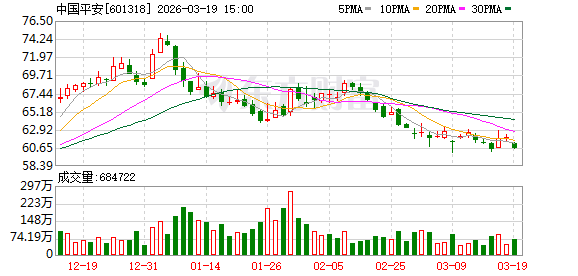
Core Insights - China Ping An is undergoing a profound transformation by integrating finance with healthcare and elderly care, driven by the aging population and the "Healthy China" strategy [1] - The company reported a significant increase in operational profits and net profits for 2025, with a 10.3% and 22.5% year-on-year growth respectively, and a total cash dividend that has increased for 14 consecutive years [1][2] - The healthcare and elderly care strategy has shown strong financial returns, with health insurance premiums reaching 159 billion yuan and a 93% customer retention rate [2][3] Financial Performance - In 2025, the operating profit attributable to shareholders reached 134.415 billion yuan, while the net profit attributable to shareholders was 143.773 billion yuan, both achieving double-digit growth [1] - The new business value in life and health insurance grew by 29.3% to 36.897 billion yuan [1] - The investment performance of insurance funds was strong, achieving a comprehensive investment return rate of 6.3% [1] Healthcare and Elderly Care Strategy - The healthcare and elderly care strategy is becoming a core component of the company's business model, enhancing the financial services offered [2][3] - The company has developed a multi-layered medical payment guarantee system to address the urgent demand for high-quality healthcare services [3] - By integrating financial services with healthcare, the company aims to provide cost-effective solutions covering the entire lifecycle of customers [3] Technological Innovations - The company has introduced AI products such as digital twins of doctors and AI family doctors, which enhance diagnostic efficiency and service experience [4] - AI doctors can diagnose over 11,300 diseases with a diagnostic accuracy of 95.1%, significantly improving the quality of care [4] - The use of AI has reduced the cost of consultations by 45% year-on-year, addressing the shortage of quality medical resources [4] Service Model Transformation - The company is shifting from a traditional insurance model to a service-oriented approach, enhancing customer willingness to pay for comprehensive health management and elderly care solutions [5][6] - The average new policy value for customers using healthcare services has increased significantly, indicating a qualitative leap in customer payment willingness [6] - The company has built a robust network of healthcare providers, including over 50,000 doctors and partnerships with more than 37,000 hospitals [6] Market Position and Growth Potential - The financial performance of Ping An Good Doctor has improved significantly, with total revenue reaching 5.468 billion yuan and a net profit increase of 161.3% [7] - The company is establishing a comprehensive service network that includes online and offline healthcare services, covering a wide range of customer needs [8] - The company's valuation remains low compared to international peers, indicating significant potential for market correction [12] Future Outlook - The company is positioned to benefit from the growing demand for healthcare services as the population ages, aligning with national policies promoting the development of the silver economy [12][13] - The focus on service in 2026 aims to enhance customer experience and create a unique healthcare service network [13][14] - The integration of technology and service in the elderly care sector is expected to drive further growth and innovation [10][14]



中国平安2026春招启动 面向全球招聘超4500岗位
Zheng Quan Ri Bao Wang· 2026-03-20 05:54
Core Insights - China Ping An officially launched its 2026 Spring Campus Global Recruitment, offering over 3,000 job positions and 1,500 internship positions across various sectors including finance, technology, healthcare, and elderly care [1] Group 1: Recruitment Details - The recruitment will utilize both online live streaming and offline campus activities, incorporating AI technology throughout the application process to enhance the experience and efficiency for students [1] - The recruitment campaign covers eight categories of positions, including business, investment, technology, product, operations, and functional roles, across more than 300 cities nationwide [1] Group 2: Engagement and Outreach - The launch event featured company executives and previous campus recruits sharing insights on business strategy, talent needs, corporate culture, and career growth stories, attracting over 2.77 million views [1] - The company is increasing its talent acquisition efforts in technology, healthcare, and elderly care sectors, with nearly 30% of the positions focused on roles in artificial intelligence, big data, algorithm engineering, basic medicine, clinical medicine, and health management [1]
中国平安向全球招聘超4500岗位,科研和医养占比近三成
Nan Fang Du Shi Bao· 2026-03-19 15:47
Group 1 - The core focus of the news is China Ping An's launch of its 2026 spring campus recruitment, offering over 3,000 job positions and 1,500 internship opportunities across various sectors including finance, technology, healthcare, and more [2] - The recruitment initiative targets global universities and spans over 300 cities in China, aiming to facilitate local employment for graduates [2] - Approximately 30% of the job openings will be in technology, healthcare, and elderly care, with an emphasis on roles in artificial intelligence, big data, algorithm engineering, basic medicine, clinical medicine, and health management [2] Group 2 - Ping An is integrating AI technology throughout the recruitment process to enhance efficiency and provide fair opportunities for all candidates [3] - The AI applications include intelligent job matching, AI-assisted interviews, and a job-seeking AI agent to answer candidates' questions about the recruitment process and interview techniques [3] - The implementation of AI aims to reduce the time taken for candidate screening and improve the overall experience for applicants by automating various stages of the recruitment process [3]
十大宏观趋势分析报告
Sou Hu Cai Jing· 2026-02-26 12:31
Group 1 - The core viewpoint of the report is that China's economy will continue to experience "reparative growth" in 2026, with the real estate sector being a key variable affecting the overall economic landscape [2][13][26] - The real estate cycle is defined as an "L-shaped" bottoming phase, indicating that it will neither continue to decline deeply nor experience a V-shaped recovery, but will stabilize gradually [2][26] - The report emphasizes that real estate is no longer the primary driver of economic growth, with a shift in policy focus towards a "new development model" that includes affordable housing construction and urban renewal [2][26] Group 2 - Inflation is expected to rise moderately, with nominal GDP growth projected to rebound from 4% in 2025 to 5% in 2026, which is crucial for improving corporate profits and household incomes [3][30][38] - The report notes that the prolonged period of low inflation has pressured corporate profit margins, leading to a perception that earning money has become increasingly difficult [3][30] - The anticipated recovery in inflation is expected to be driven by stable food prices and a rebound in core service consumption, which will positively impact nominal GDP growth [3][30][38] Group 3 - Fiscal policy is expected to become more proactive, shifting from large-scale stimulus to optimizing expenditure structures, focusing on supporting livelihoods and technology rather than traditional infrastructure [4][13][26] - The report predicts that the fiscal deficit rate may remain high, around 4%, but emphasizes the importance of where the funds are allocated [4][15][26] - There is a notable shift in fiscal spending towards social security, employment, and technology, indicating a focus on long-term competitiveness and addressing demographic challenges [4][15][26] Group 4 - The consumption engine is transitioning from goods consumption to service consumption, with an expected increase in the household consumption rate [5][14][26] - In 2025, the "trade-in" policy for appliances and automobiles was a major driver of consumption, but by 2026, service consumption is expected to take over, supported by increased transfer income and improved nominal GDP [5][14][26] - The report highlights that young families, with higher marginal consumption tendencies, will particularly drive growth in service sectors such as dining, tourism, and healthcare [5][14][26] Group 5 - Investment growth is expected to stabilize and rebound, with a narrowing decline in real estate development investment, while manufacturing and infrastructure investments will act as stabilizers [6][14][26] - The report notes that fixed asset investment experienced negative growth in 2025, but factors such as relaxed housing policies in first-tier cities and increased fiscal support for investment may lead to a turnaround in 2026 [6][14][26] - Predictions indicate a 10% decline in real estate development investment, while manufacturing and infrastructure investments are expected to grow by 5%, leading to an overall fixed asset investment growth of around 2% [6][14][26] Group 6 - The transition from old to new economic drivers is accelerating, with capital expenditure in "new economy" sectors like artificial intelligence replacing traditional real estate and infrastructure investments [7][14][26] - The report confirms this shift through macro-level data and micro-level corporate spending, indicating that technology firms are maintaining high growth in capital expenditure while real estate companies are contracting [7][14][26] - This "temperature difference" in capital allocation reveals the core drivers of future growth, emphasizing the need for technological innovation and equipment upgrades rather than reliance on traditional construction [7][14][26] Group 7 - The global liquidity environment is expected to remain accommodative, with both the Federal Reserve and the People's Bank of China likely to pursue easing measures [8][15][26] - The report suggests that if financial markets face pressure, the Federal Reserve will likely inject liquidity again, while China may also implement a reserve requirement ratio cut and interest rate reduction in 2026 [8][15][26] - This "loose monetary" environment is seen as a crucial support for stock markets and resource performance [8][15][26] Group 8 - The US dollar is expected to maintain a strong position, while the Chinese yuan may appreciate further, driven by internal and external economic rebalancing [9][15][26] - The report explains that the strong fundamentals of the US economy compared to Europe and Japan support a strong dollar, while easing trade tensions between China and the US may increase demand for the yuan [9][15][26] - The appreciation of the yuan is viewed as a reflection of China's shift from external demand reliance to internal-driven growth, which will attract international capital inflows [9][15][26] Group 9 - A-shares are seen as having more favorable opportunities compared to bonds, with a "slow bull" market foundation remaining solid [10][15][26] - The report highlights that the friendly policy environment and rising inflation will benefit corporate profit recovery, while rising bond yields will enhance the relative attractiveness of stocks [10][15][26] - The re-evaluation of technology assets, particularly in AI, and the expectation of re-inflation are expected to guide the recovery of traditional economic fundamentals [10][15][26] Group 10 - Resource commodities, especially precious and non-ferrous metals, are expected to see their strategic value continue to rise, facing long-term opportunities [11][15][26] - The report identifies three key factors: the favorable impact of a global loose monetary environment on commodity prices, increased demand for non-ferrous metals driven by the AI revolution and high-end manufacturing, and the geopolitical uncertainties leading to a "security premium" for critical minerals [11][15][26] - Particularly for gold, the report suggests that its status as a reserve asset is returning, with prices likely to rise in the context of loose monetary policy and high debt levels [11][15][26]

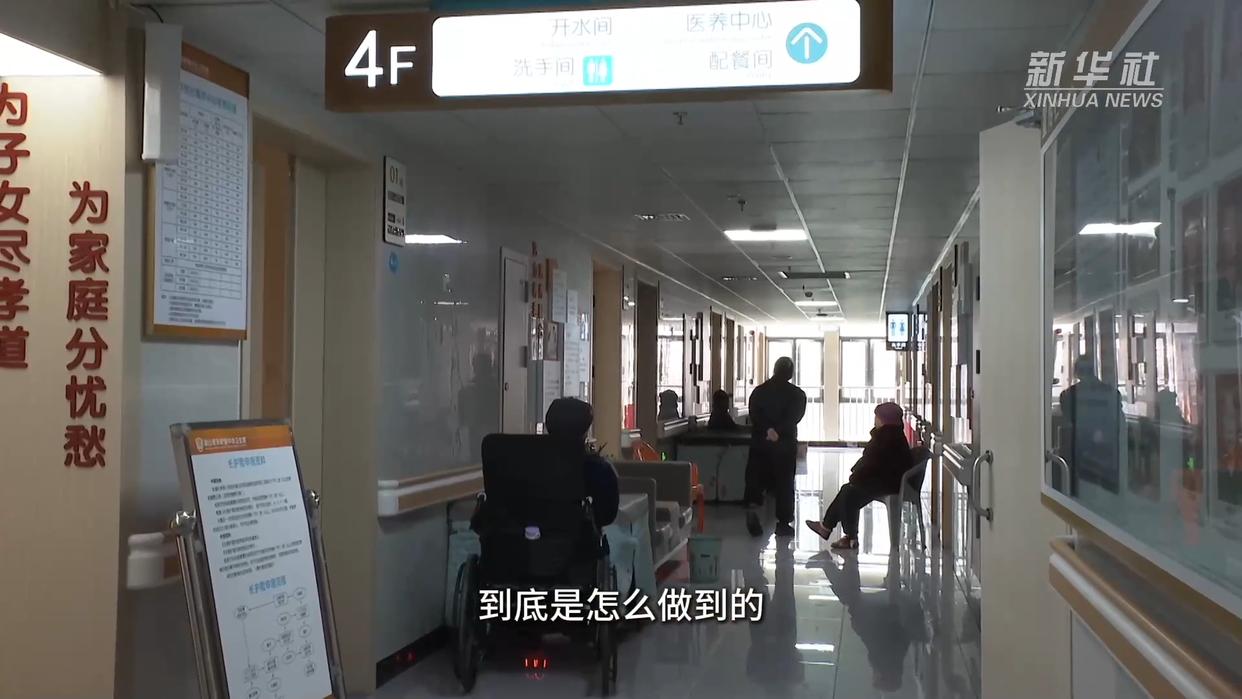
让失能老人有“医”靠——探访重庆巫山县巫峡镇中心卫生院医养中心
Xin Lang Cai Jing· 2026-02-17 14:24
Core Viewpoint - The Chongqing Wushan County's Wuxia Town Central Health Hospital has successfully established a sought-after medical and nursing bed service, demonstrating an effective integrated service model for elderly care [1][3]. Group 1 - The medical and nursing center in Wuxia Town offers a one-stop service model that combines medical treatment on the lower floor and health care on the upper floor [3]. - The center provides elderly individuals with a comprehensive service that includes "minor illnesses treated on-site, major illnesses referred early, daily care, and guaranteed health management" [3].
2026年北京市重点工程计划发布
Xin Lang Cai Jing· 2026-02-03 18:43
Core Viewpoint - Beijing's key engineering plan for 2026 was officially released, focusing on 300 major projects across technology innovation, infrastructure, and public welfare, with total investments exceeding 300 billion yuan for the year [1][2]. Group 1: Technology Innovation and Modern Industry - The plan includes 100 major technology innovation and modern industry projects, with an investment of 142.8 billion yuan, aimed at enhancing technological self-reliance [1]. - Notable projects include the Beijing Institute of Technology innovation platform cluster laboratory and the Beijing (Pinggu) Agricultural Microbiology International Innovation Research Institute [1]. - Additionally, 50 emerging and future industry projects are included, such as the AI Innovation Street and the Sanofi biopharmaceutical raw material industrialization project [1]. Group 2: Infrastructure - The 100 major infrastructure projects will receive an investment of 67.4 billion yuan, covering railways, subways, highways, and urban roads [3]. - Key initiatives include the addition of stations on the Yizhuang Line and Line 15, as well as the construction of a suburban railway network [3]. - The plan also includes 12 highway projects and 21 urban road projects, aimed at improving transportation efficiency [3]. Group 3: Public Welfare Improvement - The 100 major public welfare improvement projects are set to receive an investment of 102.7 billion yuan, focusing on housing, education, healthcare, and cultural projects [4][5]. - There are 35 education projects aimed at optimizing resource allocation, including new constructions and expansions of schools [4]. - Healthcare projects include the construction of new hospital facilities, such as the Xuanwu Hospital's Fangshan branch and the Tongren Hospital's Yizhuang branch [5]. Group 4: Future Project Planning - The plan includes a reserve of 200 major projects expected to be implemented in subsequent years, with efforts to advance some projects to start in 2026 [5]. - The city aims to enhance project management and ensure timely commencement of new projects while increasing the intensity of ongoing projects [5].
《计划报告》七大任务聚焦发展
Xin Lang Cai Jing· 2026-01-25 06:55
Core Viewpoint - The report on Beijing's economic and social development plans emphasizes seven major tasks focused on "development," including domestic demand, innovation, reform, planning, urban connotation, shared benefits, and security assurance [1] Group 1: Domestic Demand and Consumption - Beijing aims to boost consumption and expand investment through a special action plan for reform, optimizing the implementation mechanism for trade-in policies, and promoting the integration of culture, commerce, tourism, and sports [2] - Four vitality zones in the city will accelerate upgrades, featuring various cultural and sports events, including the World Athletics Championships and the Beijing Marathon [2] Group 2: Innovation and Technology - The plan includes enhancing independent innovation capabilities, establishing new research platforms in fields like brain-computer interfaces and high-temperature superconductors, and promoting the construction of 10 municipal pilot platforms [4] - The city will focus on developing 6G technology, adding 70,000 P of computing power, and building 30 advanced smart factories, along with a number of 5G fully connected model factories [4] Group 3: Infrastructure Development - The city plans to advance several transportation projects, including the extension of subway lines and the construction of new roads, aiming to improve public transport connectivity [5] - A total of 50 "dead-end roads" will be opened this year, enhancing urban mobility [5] Group 4: Urban Environment and Public Services - The report outlines plans for urban beautification, including the construction of parks, green spaces, and waterway systems, with a goal of adding 100 hectares of parkland [6] - In terms of public services, initiatives include increasing family-friendly hospitals, expanding elderly care services, and enhancing educational infrastructure with an additional 10,000 middle school places [6]
光庭信息:楷码信息是一家聚焦于汽车供应链、金融科技、医疗养老等行业的综合性的软件与信息技术服务商
Zheng Quan Ri Bao Zhi Sheng· 2026-01-07 14:12
Core Viewpoint - Guangting Information's acquisition of Kaima Information aligns with its international development strategy and aims to enhance its overseas market expansion, particularly in the automotive supply chain, fintech, and healthcare sectors [1] Group 1: Company Overview - Kaima Information is a comprehensive software and information technology service provider focused on industries such as automotive supply chain, fintech, and healthcare [1] - The company primarily offers software development testing and IT solutions to overseas clients, particularly in Japan [1] Group 2: Strategic Implications - The acquisition supports Guangting Information's strategy to accelerate its overseas market expansion, especially with strategic clients like Fengtong Information [1] - It provides a solid platform for exploring AI cross-industry empowerment, particularly in the fintech sector [1]
161万亿存款冻僵中国经济?房地产熄火后,普通人赚钱的机会藏在这三个领域
Sou Hu Cai Jing· 2025-11-05 19:51
Group 1: Economic Overview - The total savings of Chinese citizens surged from 70 trillion to 161 trillion over five years, with an average increase of nearly 65,000 yuan per person, indicating a significant accumulation of wealth that is not flowing into the consumer market [1][3] - The M2 money supply has exceeded 335 trillion, significantly surpassing the reasonable level of twice the GDP, leading to a blockage of 65 trillion yuan in the banking system, which directly impacts consumer spending and investment [3][5] - The real estate market, once a cornerstone of household wealth, has seen prices decline by an average of 30% in first-tier cities, causing families to prioritize cash reserves over investments [3][5] Group 2: Challenges Facing the Economy - The decline in the real estate sector is attributed to three major challenges: the fading demographic dividend, obstacles to globalization, and the unsustainable land finance model [5] - The birth rate has plummeted from 17.86 million in 2016 to 9.54 million in 2024, with a total fertility rate of 1.1, which is lower than Japan's [5] - The shift in consumer confidence is evident as young people face employment pressures, with over 60% earning less than 6,000 yuan per month, leading to a cautious approach towards spending [1][3] Group 3: Policy Responses and Opportunities - The government aims to stimulate the economy through technology innovation, domestic demand, and deepening reforms, with an annual investment of 1 trillion yuan in technology via long-term special bonds [5][7] - The potential for domestic consumption is significant, with 400 million middle-income individuals having a service consumption rate of only 46%, compared to 68% in the U.S. [7] - The real estate transformation presents new opportunities, with projects like affordable housing and urban renewal expected to generate nearly 2 trillion yuan in investments annually [7][8] Group 4: Shifts in Wealth Allocation - There is a notable shift in wealth allocation among Chinese households, moving from a focus on real estate to seeking new investment avenues in the stock market, particularly in technology sectors [8][10] - The capital market reforms have positioned the stock market as a vital funding source for innovative enterprises, redirecting funds from real estate to emerging sectors like AI and low-altitude economy [8][10] - The housing market dynamics are changing, with a focus on proximity to urban centers and newer properties becoming critical factors for homebuyers, while older properties face depreciation risks [10]

警惕!日本提出122.4万亿日元创纪录防务预算,“加快军备扩张”
Huan Qiu Shi Bao· 2025-09-04 22:45
Core Viewpoint - Japan's fiscal budget application for the fiscal year 2025 has reached a record high of 122.4 trillion yen, driven by rising prices, increased defense spending, and higher debt financing costs [1][2]. Group 1: Budget Overview - The budget application amount has increased significantly for the third consecutive year [1]. - The Ministry of Finance, Ministry of Health, Labour and Welfare, and Ministry of Defense are the three departments with the most notable budget increases [1]. - The Ministry of Health, Labour and Welfare has requested the largest budget of 34.8 trillion yen due to rising medical and pension costs associated with an aging population [1]. Group 2: Defense Spending - The Ministry of Defense's budget application is 8.84 trillion yen, surpassing the current fiscal year's 8.7 trillion yen, marking the largest defense budget request in Japan's history [2]. - Japan is increasing its military spending to 2% of GDP and is focusing on enhancing its "counterattack" capabilities [2]. - The defense budget will fund the development of the "SHIELD" defense system, which includes deploying drones and producing hard-to-detect hypersonic missiles [2]. Group 3: Economic Context - Japan's debt level is currently twice its economic output, ranking among the highest in developed economies [3]. - Concerns about the government's ability to manage fiscal spending are heightened due to the fragile political position of Prime Minister Kishida [3]. - The rise in government spending and global long-term bond yields has led to a record high in Japan's 30-year government bond yields [3].