
深海采矿

Search documents
6大战略产业中共用的7种核心“卡脖子”材料,国产替代率<35%,部分甚至不足 10%(商业航天、深海采矿、机器人、AI),寻找确定性细分
材料汇· 2026-02-28 14:35
Core Insights - The article focuses on the strategic emerging industries, particularly the core materials essential for high-end manufacturing, highlighting the steady increase in domestic substitution and the significant market potential of seven key materials [3][4]. Group 1: High-End Manufacturing Characteristics - High-end manufacturing is characterized by high technological intensity, significant added value, and a critical position in the industrial chain, playing a significant role in driving the industrial economy [4]. - China is transitioning from low-end processing and assembly to high-end research and design, with key technologies in intelligent manufacturing equipment, aerospace, and other fields driving industrial transformation [4]. Group 2: Key Materials for High-End Manufacturing - The article identifies seven core materials crucial for various high-end strategic industries, including commercial aerospace, robotics, deep-sea mining, and controlled nuclear fusion, which are essential for the upgrade towards high-end, intelligent, and green manufacturing [6][18]. - The domestic substitution rates for these core materials are generally below 30%, with some categories even lower than 10%, indicating a significant opportunity for domestic production [6]. Group 3: Specific Core Materials and Their Applications - **Satellite Manufacturing**: Key materials include high-end electronic-grade PI, GaAs substrates, T1100 carbon fiber, and high-purity titanium-aluminum alloys, with domestic substitution rates ranging from 5% to 30% [7]. - **Rocket Manufacturing**: Essential materials include C/C composites, tungsten alloys, and high-temperature alloys, with domestic substitution rates between 12% and 35% [9]. - **Deep-Sea Mining**: Critical materials such as high-strength wear-resistant steel and high-corrosion-resistant nickel-based alloys are highlighted, with domestic substitution rates around 10% to 30% [10]. - **Robotics**: Key materials include PEEK resin, high-purity bronze, and T1100 carbon fiber, with domestic substitution rates ranging from 12% to 40% [11]. - **AI Field**: Materials like high-purity fluorinated gases and EUV photoresists are essential, with domestic substitution rates below 5% [13]. Group 4: Market Dynamics and Future Outlook - The global market for high-temperature superconducting materials is projected to reach 50 billion yuan by 2030, with YBCO tape expected to account for over 70% of this market [24]. - The super high-temperature ceramic matrix composites (UHTCMC) market is anticipated to reach 30 billion yuan by 2030, driven by advancements in aerospace and nuclear fusion applications [30]. - The semiconductor sputtering target market, particularly for ruthenium targets, is expected to grow at an annual rate of 25%, with high-end products being dominated by overseas companies [41]. Group 5: Challenges and Investment Opportunities - The article emphasizes the technological barriers in the production of these core materials, including purity levels, micro-nano fabrication, and batch yield control, with overseas companies holding over 80% of the high-end market share [18][35]. - There are significant investment opportunities in domestic production capabilities for these materials, as the current domestic substitution rates indicate a strong potential for growth in the coming years [30][48].


TMC the Metals Company Inc. (NASDAQ:TMC) Targets Growth in Deep-Sea Mining
Financial Modeling Prep· 2026-01-24 01:02
Core Insights - TMC the Metals Company Inc. is a key player in the deep-sea mining industry, focusing on extracting essential metals like manganese, cobalt, nickel, and copper, which are critical for U.S. supply security [1][5] - An analyst from National Bank has set a price target of $11.75 for TMC, indicating a potential increase of approximately 25.6% from its current stock price [2][5] - TMC's projects have a combined after-tax net present value (NPV) of $23.6 billion, significantly higher than its market capitalization of approximately $3.92 billion, suggesting a bullish outlook for the company [3][5] Market Performance - TMC's current stock price is $9.50, reflecting a 14.12% increase from a previous price of $9.36, with a trading volume of 19.13 million shares indicating strong investor interest [2][4] - The stock has fluctuated between $8.51 and $9.67 recently, with a 52-week high of $11.35 and a low of $1.42, showcasing its volatility in the market [3]


深海采矿对海洋生态潜在影响引关注
中国能源报· 2026-01-24 00:35
Core Viewpoint - The discussion surrounding deep-sea mining has evolved beyond mere technical and cost considerations to encompass global ocean governance, the effectiveness of international rules, and pathways for sustainable development [1][3]. Group 1: Environmental Impact - Deep-sea mining is increasingly scrutinized due to its potential negative impacts on marine ecosystems, including significant destruction of seabed habitats and a sharp decline in biodiversity, with effects that may last for decades [3]. - A major study led by the London Natural History Museum and other institutions found that in the Clarion-Clipperton Zone, the number of small marine animals decreased by 37% and species richness dropped by 32% following mining tests [3][4]. - The Clarion-Clipperton Zone is a critical area for deep-sea mining, containing unique ecosystems and significant reserves of key metals such as nickel, cobalt, copper, and manganese, which exceed terrestrial deposits [3][4]. Group 2: Regulatory Landscape - Norway has postponed its first round of deep-sea mining licenses until at least 2029 to conduct further environmental risk studies and improve regulatory frameworks, contrasting with the U.S. push for immediate mining activities [6]. - The U.S. has shown urgency in advancing deep-sea mining, with plans for a Canadian subsidiary to explore the Clarion-Clipperton Zone, aiming for commercial mining to start by 2027 [7]. - The International Seabed Authority (ISA) is currently discussing regulations for deep-sea mining, but no commercial mining plans have been approved due to unresolved international legal frameworks [7][9]. Group 3: Multilateral Governance - The unilateral actions of the U.S. in deep-sea mining are raising concerns about the stability of international cooperation and governance in this area, as emphasized by the ISA Secretary-General [9]. - There is a consensus that a multilateral governance framework is essential to regulate deep-sea mining and protect marine ecosystems, with calls for cautious advancement of rules to prevent unilateralism from undermining existing agreements [9][10]. - Experts warn that the current mining technologies are too destructive for large-scale commercial exploration, and the ecological impacts of even small-scale tests have been significant [9][10]. Group 4: Economic Viability - The economic feasibility of deep-sea mining remains questionable, with high capital and operational costs, as well as technical uncertainties that are more complex than terrestrial mining [10].
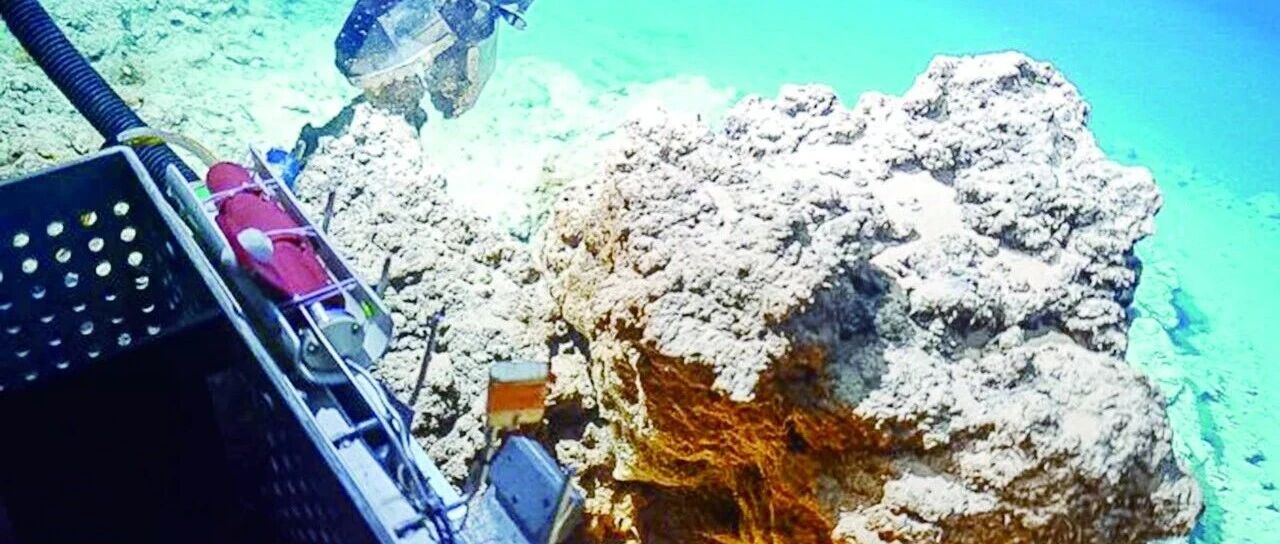
能源转型要以毁灭深海为代价?深海采矿的生态账与经济账如何算?
Sou Hu Cai Jing· 2026-01-21 02:16
Core Viewpoint - The demand for key mineral metals is rapidly increasing due to energy transition, while deep-sea mining is gaining attention for its potential negative impacts on marine ecology, raising widespread concerns about environmental sustainability and global ocean governance [1][2]. Group 1: Environmental Impact of Deep-Sea Mining - Research indicates that deep-sea mining activities can lead to significant destruction of seabed habitats, resulting in a 37% reduction in the number of small marine animals and a 32% decrease in species richness in affected areas [2]. - The Clarion-Clipperton Zone, a key area for deep-sea mining, is home to over 30 species of whales and hundreds of unique deep-sea organisms, with significant reserves of nickel, cobalt, copper, and manganese [2]. - Approximately 30% of small marine animals depend on polymetallic nodules for survival, and mining operations are expected to cause biodiversity loss [2]. Group 2: Regulatory and Governance Challenges - The International Seabed Authority (ISA) has issued 31 exploration contracts to 21 entities from 20 countries, but no commercial mining plans have been approved due to pending international regulations [5]. - The U.S. is pushing for deep-sea mining under a unilateral framework, which raises concerns about conflicts with international governance and the potential for destabilizing established cooperative efforts [4][6]. - The ISA is working on comprehensive mining regulations to ensure future commercial activities are conducted responsibly while protecting marine ecosystems [7]. Group 3: Economic Viability and Technical Challenges - The commercial feasibility of deep-sea mining remains questionable, with significant capital investment and operational costs, as well as technical uncertainties that are more complex than land-based mining [8]. - Experts suggest that the destructive nature of current mining technologies makes large-scale commercial exploration inadvisable, as even small-scale tests have shown significant ecological impacts [7].
找矿走向深蓝,未来中国深海采矿如何发展?
Ren Min Ri Bao Hai Wai Ban· 2026-01-04 03:04
Core Viewpoint - China is enhancing its mineral exploration efforts by integrating land and sea strategies, focusing on deep-sea resource investigation to secure critical metal supplies for its economy and technological advancement [1][2]. Group 1: Importance of Deep-Sea Mining - The demand for key metals such as nickel, cobalt, and copper is surging globally, making deep-sea mining a new frontier for technological and strategic competition among nations [2]. - China's reliance on foreign sources for certain metals is high, with cobalt dependency reaching nearly 99% and copper at 77%, highlighting the need for domestic resource security [4]. - The economic value of deep-sea mining is significant, with the potential value of metals extracted from seabed nodules estimated at 6,000 to 7,000 yuan per ton, compared to much lower values for land-based sources [4]. Group 2: Technological and Environmental Challenges - Deep-sea mining presents challenges in technology, environmental impact, and cost, requiring advanced solutions for stable and reliable operations in extreme underwater conditions [6][7]. - Recent breakthroughs in deep-sea mining technology, such as the "Kai Tuo No. 2" mining vehicle, demonstrate China's growing capabilities in this field, achieving operational depths of 4,000 meters [7]. - Environmental concerns arise from insufficient understanding of deep-sea ecosystems, with mining activities potentially causing unpredictable disturbances [8]. Group 3: Strategic Development and Future Directions - The Chinese government is planning a long-term roadmap for deep-sea mining, emphasizing the need for sustainable practices and international cooperation in technology development [9][10]. - Local initiatives, such as those in Qingdao, are focusing on enhancing deep-sea mining capabilities and integrating marine industries [9]. - The future of deep-sea mining in China will depend on solidifying foundational technologies, reducing uncertainties, and establishing responsible supply chain standards [10].
中国将加强找矿行动陆海统筹,统筹深海资源调查——找矿走向深蓝
Ren Min Ri Bao Hai Wai Ban· 2026-01-03 05:14
Core Viewpoint - The deep sea is rich in polymetallic nodules containing critical metals such as manganese, copper, cobalt, and nickel, which are essential for various industries, particularly the new energy sector [1][4]. Group 1: Demand and Strategic Importance - The global demand for key metals like nickel, cobalt, and copper is surging, making deep-sea mining a new frontier for technological and strategic competition among nations [2]. - China's reliance on foreign sources for certain metals is high, with cobalt dependency reaching nearly 99% and copper at 77%, highlighting the strategic necessity of deep-sea mining for resource security [4]. Group 2: Economic Value and Technological Advancements - The economic potential of deep-sea mining is significant, with the value of metals extracted from seabed nodules estimated to be between 6,000 to 7,000 yuan per ton, compared to much lower values for land-based mining [4]. - Advancements in deep-sea mining technology, such as the "Kaituo No. 2" mining vehicle, have achieved breakthroughs, including a successful sea trial at depths of 4,000 meters, indicating progress in China's deep-sea mining capabilities [7]. Group 3: Challenges in Deep-Sea Mining - The primary challenges in deep-sea mining include technological difficulties, environmental concerns, and high operational costs, with the need for reliable, autonomous operations in extreme underwater conditions [6][8]. - Environmental risks are significant due to limited understanding of deep-sea ecosystems, which may be adversely affected by mining activities [7]. Group 4: Future Development and Strategic Planning - China has outlined a long-term roadmap for deep-sea mining, emphasizing the need for coordinated resource exploration and sustainable practices [9]. - The focus for future development should be on enhancing global cooperation, reducing uncertainties, and establishing responsible supply chain standards for deep-sea minerals [10][11].
中国将加强找矿行动陆海统筹,统筹深海资源调查
Xin Lang Cai Jing· 2026-01-01 00:15
Core Insights - The article discusses the increasing global demand for critical metals such as nickel, cobalt, and copper, leading to a strategic focus on deep-sea mining as a new frontier for resource exploration and technological competition among nations [2][4]. Group 1: Deep-Sea Mining Overview - Deep-sea mining involves both the exploration and development of resources on a nation's continental shelf and in international seabed areas regulated by the International Seabed Authority [3]. - The primary types of deep-sea metal deposits include polymetallic nodules, cobalt-rich crusts, metal sulfides, and deep-sea rare earths, which are essential for various industries, particularly the renewable energy sector [4]. Group 2: Strategic Importance - China's high dependency on foreign sources for certain metals, such as cobalt (99% dependency) and copper (77% dependency), underscores the importance of deep-sea mining for ensuring a stable supply chain for strategic resources [4]. - The economic value of deep-sea mining is significant, with the potential value of extracted materials from seabed nodules estimated to be between 6,000 to 7,000 yuan per ton, compared to much lower values for land-based mining [4]. Group 3: Technological and Environmental Challenges - The challenges of deep-sea mining include technological difficulties, environmental concerns, and high operational costs, with a focus on achieving reliable, unmanned operations in extreme underwater conditions [6][8]. - Recent advancements in deep-sea mining technology, such as the "Kai Tuo No. 2" mining vehicle, demonstrate China's progress in this field, achieving significant milestones in deep-sea operations [8]. Group 4: Future Development and Collaboration - The Chinese government has outlined a long-term roadmap for deep-sea mining, emphasizing the need for coordinated efforts in resource exploration and environmental protection [10]. - Future development should focus on building a sustainable framework for deep-sea mining, enhancing global cooperation, and establishing responsible supply chain standards [10][12].
找矿走向深蓝
Ren Min Ri Bao Hai Wai Ban· 2026-01-01 00:05
Core Viewpoint - The deep-sea mining sector is emerging as a new frontier for technological and strategic competition among nations, driven by the increasing global demand for critical metals such as nickel, cobalt, copper, and others found in polymetallic nodules on the ocean floor [4][6]. Group 1: Importance of Deep-Sea Mining - Deep-sea mining is crucial for enhancing the supply chain autonomy of strategic minerals, with China's reliance on imports for metals like cobalt reaching nearly 99% and copper at 77% [7]. - The economic value of deep-sea mining is significant, with the value of extracted minerals from the ocean floor estimated to be 6,000 to 7,000 yuan per ton, compared to only a few hundred yuan for land-based sources [7]. - The development of deep-sea mining technology is expected to drive upgrades across multiple industries, including high-end equipment, marine engineering, and new materials [8]. Group 2: Challenges in Deep-Sea Mining - The primary challenges in deep-sea mining include technological difficulties, environmental concerns, and high costs [9]. - Technological challenges involve ensuring the reliability and efficiency of mining equipment under extreme conditions, such as high pressure and low temperatures, which require advanced materials and systems [10]. - Environmental challenges stem from insufficient understanding of deep-sea ecosystems, leading to potential irreversible impacts from mining activities [10]. - Cost-related challenges include high capital and operational expenses, fluctuating metal prices, and potential regulatory barriers, making commercial viability uncertain [11]. Group 3: Future Development and Strategic Planning - China has outlined a long-term roadmap for deep-sea mining, emphasizing the need for coordinated resource exploration and sustainable development [12]. - Recent initiatives include collaborative exploration efforts with countries like the Cook Islands to assess deep-sea mineral resources and establish environmental baselines [13]. - The focus for future development should be on foundational research, international cooperation, and creating sustainable frameworks for deep-sea mining [14].
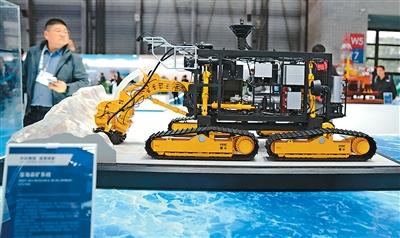
挪威推迟首轮深海采矿许可
Zhong Guo Hua Gong Bao· 2025-12-08 02:54
Core Viewpoint - The Norwegian government has reached an agreement with left-wing parties to postpone the first round of deep-sea mining licenses until at least 2029, emphasizing the need for further research and regulatory framework improvement while maintaining its long-term policy goals [1] Group 1: Regulatory Changes - The decision to delay exploration and extraction activities for four years is part of budget negotiations [1] - Environmental organizations, such as the World Wildlife Fund, welcomed the postponement, viewing it as a positive step for environmental protection [1] Group 2: Resource Significance - The Norwegian continental shelf is rich in strategic mineral resources, including cobalt, copper, zinc, and rare earth elements, which are crucial for green technologies like batteries and wind power [1] - Despite the postponement of deep-sea mining plans, global competition for Arctic mineral resources continues to intensify [1] Group 3: Regional Resource Distribution - The distribution of mineral resources in the Arctic is uneven but holds significant strategic value, with Greenland rich in rare earth elements and northern Sweden's mining areas producing both copper and rare earth minerals [1] - Other regions contain various minerals such as germanium, gallium, antimony, titanium, tungsten, and precious metals [1]
TMC the metal company (TMC) - 2025 Q3 - Earnings Call Transcript
2025-11-13 22:30
Financial Data and Key Metrics Changes - In Q3 2025, the company reported a net loss of $184.5 million, or $0.46 per share, compared to a net loss of $20.5 million, or $0.06 per share for the same period in 2024 [25] - Free cash flow for Q3 2025 was negative $11.5 million, compared to negative $5.9 million in Q3 2024, primarily due to higher environmental, personnel, and corporate payments [28][29] - The company has approximately $165 million of liquidity, with potential additional proceeds from in-the-money warrants exceeding $50 million [6][30] Business Line Data and Key Metrics Changes - Exploration and evaluation expenses decreased to $9.6 million in Q3 2025 from $11.8 million in Q3 2024, while general and administrative expenses increased to $45.7 million from $8.1 million in the same period [26] - The revenue mix is expected to be 45% from nickel products, 28% from manganese, 17% from copper, and 9% from cobalt during steady-state production [23] Market Data and Key Metrics Changes - The company highlighted that America is critically dependent on foreign sources for metals, with imports for manganese, cobalt, and nickel at roughly 100% [7][8] - The U.S. government is taking steps to address vulnerabilities in rare earths and base metals, indicating a strategic shift towards domestic resource development [8][9] Company Strategy and Development Direction - The company is focused on a U.S. pivot aimed at achieving a commercial recovery permit by 2027, with ongoing discussions with NOAA and the U.S. government [5][6] - The strategy includes building a comprehensive ecosystem around the nodule resource, emphasizing partnerships and technological advancements [20][21] Management's Comments on Operating Environment and Future Outlook - Management expressed confidence in the U.S. pivot leading to a commercial recovery permit and highlighted the importance of national security and energy independence [5][8] - The company is optimistic about its regulatory path and the potential for significant cash inflows from warrant exercises [6][33] Other Important Information - The company has achieved several industry firsts, including the first SEC-compliant resource statements and the first production of nodule-derived manganese sulfate [13][18] - The pre-feasibility study indicates a combined project net present value of $23.6 billion, with a clear path to first production [22][24] Q&A Session Summary Question: Clarification on potential incoming cash from warrants - Management confirmed that total potential proceeds from warrants could exceed $432 million, with a strong liquidity position of $165 million [33] Question: Financial benefits from the Hidden Gem vessel's deployment to Japan - Management clarified that TMC will receive financial benefits from the contract between Allseas and the foundation funding the program, indicating it is not pro bono work [34] Question: Streamlining of NOAA's regulation process - Management explained that the combination of exploration and commercial recovery licenses is intended to facilitate the regulatory process, as TMC already has a prepared application for a commercial recovery permit [36][37] Question: Timing of exploration and production permit grants - Management indicated that the timeline for the exploration permit is aligned with the anticipated production start date of Q4 2027, regardless of whether the permits are granted sequentially [41][42]