
多金属结核

Search documents
在海底捡“特产” 给地球做CT
Xin Lang Cai Jing· 2026-02-21 18:17
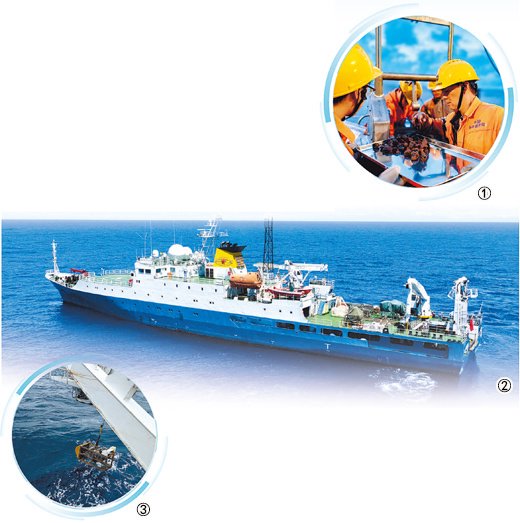
Core Insights - The "Marine Geological No. 6" research vessel successfully returned from a 95-day expedition in the Pacific, uncovering significant scientific findings, including polymetallic nodules that have been dormant for 30 million years [1][3]. Group 1: Research Achievements - The expedition utilized a combination of self-developed deep-sea remotely operated vehicles and autonomous underwater robots for high-precision sampling and data collection, marking a significant advancement in deep-sea exploration technology [3][4]. - The polymetallic nodules discovered are rich in metals such as cobalt, nickel, copper, and manganese, which are crucial for enhancing mineral resource security. These nodules grow extremely slowly, taking millions of years to form, and provide insights into historical oceanic environmental changes [4][5]. - The research team conducted the deepest electromagnetic profile measurement in China, reaching depths of 7,663 meters, which allowed them to analyze the Earth's internal structure and dynamics, revealing a critical "cold-hot" interface approximately 50 kilometers below the seabed [5][6]. Group 2: Biological and Geological Insights - The expedition also focused on deep-sea biological resources, discovering unique microorganisms and deep-sea corals that have significant implications for understanding life's origins and climate evolution. These organisms may have applications in biomedicine and other industries [8][9]. - The data collected will support future ocean drilling projects, with plans for advanced drilling operations in the South China Sea, aiming to further explore the mysteries of the deep ocean and its impact on global climate and geological processes [9].
瞰前沿·大国重器丨在海底捡“特产” 给地球做CT
Ren Min Ri Bao· 2026-01-31 05:24
Core Insights - The "Marine Geological No. 6" research vessel successfully returned from a 95-day expedition in the Pacific, uncovering significant scientific findings, including polymetallic nodules that have been dormant for 30 million years [1][3]. Group 1: Research Achievements - The expedition utilized a combination of self-developed deep-sea remotely operated vehicles and autonomous underwater robots for high-precision sampling and data collection, marking a significant advancement in deep-sea exploration technology [3][4]. - The polymetallic nodules discovered are rich in metals such as cobalt, nickel, copper, and manganese, which are crucial for enhancing mineral resource security. These nodules grow extremely slowly, taking millions of years to form, and provide insights into historical oceanic environmental changes [4][5]. - The research team conducted a deep-sea electromagnetic profile measurement, achieving a record depth of 7,663 meters, which allowed for a detailed understanding of the Earth's internal structure and dynamics [5][7]. Group 2: Implications for Future Research - The findings from the expedition will support future ocean drilling projects, with plans for the advanced "Dream" drilling vessel to conduct exploratory drilling in the South China Sea [8][9]. - The research also highlights the potential of deep-sea biological resources, such as unique enzymes and compounds from deep-sea organisms, which could have applications in medicine and biotechnology [8]. - The ongoing exploration aims to address fundamental questions about life origins, climate evolution, and the role of the ocean in global material cycles, indicating a continuous commitment to deep-sea research [9].
在海底捡“特产”!看看“海洋地质六号”带回了啥?
Xin Lang Cai Jing· 2026-01-31 05:00
Core Insights - The "Marine Geological No. 6" research vessel has successfully completed a 95-day expedition in the Pacific Ocean, covering 12,673 nautical miles, and has returned with significant scientific findings, including polymetallic nodules that have been resting on the seabed for 30 million years [8][9][10] - The expedition utilized advanced technology, including a self-developed deep-sea remotely operated vehicle and an autonomous underwater robot, to conduct high-precision sampling and video recording at depths of up to 4,900 meters [9][10] - The research has implications for understanding deep-sea environmental changes over millions of years and offers insights into global climate change [10][12] Research Achievements - The expedition collected polymetallic nodules, which are rich in metals such as cobalt, nickel, copper, and manganese, and are considered important for enhancing mineral resource security [10][11] - A significant achievement was the electromagnetic profile measurement at a depth of 7,663 meters, setting a record for the deepest measurement in China, which provides insights into the Earth's internal structure and plate tectonics [11][12] - The research team successfully identified a "cold-hot confrontation" zone approximately 50 kilometers below the seabed, revealing critical information about the geological layers beneath the ocean floor [11][12] Biological Discoveries - The expedition also focused on deep-sea biological resources, discovering unique microorganisms and deep-sea corals that have potential applications in biomedicine and food processing [12][13] - The deep-sea corals serve as indicators of ancient marine climates, while deep-sea sponges may contain compounds that could lead to breakthroughs in disease treatment [12][13] - The data collected will support future ocean drilling projects aimed at uncovering answers related to the origins of life and climate evolution [13]

深海采矿对海洋生态潜在影响引关注
中国能源报· 2026-01-24 00:35
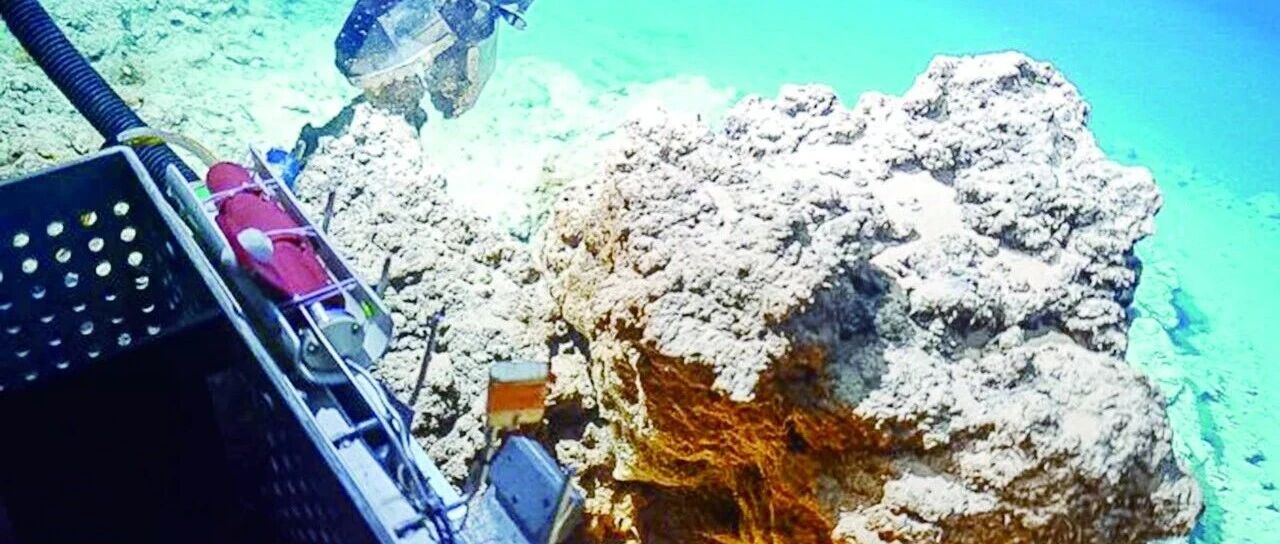
Core Viewpoint - The discussion surrounding deep-sea mining has evolved beyond mere technical and cost considerations to encompass global ocean governance, the effectiveness of international rules, and pathways for sustainable development [1][3]. Group 1: Environmental Impact - Deep-sea mining is increasingly scrutinized due to its potential negative impacts on marine ecosystems, including significant destruction of seabed habitats and a sharp decline in biodiversity, with effects that may last for decades [3]. - A major study led by the London Natural History Museum and other institutions found that in the Clarion-Clipperton Zone, the number of small marine animals decreased by 37% and species richness dropped by 32% following mining tests [3][4]. - The Clarion-Clipperton Zone is a critical area for deep-sea mining, containing unique ecosystems and significant reserves of key metals such as nickel, cobalt, copper, and manganese, which exceed terrestrial deposits [3][4]. Group 2: Regulatory Landscape - Norway has postponed its first round of deep-sea mining licenses until at least 2029 to conduct further environmental risk studies and improve regulatory frameworks, contrasting with the U.S. push for immediate mining activities [6]. - The U.S. has shown urgency in advancing deep-sea mining, with plans for a Canadian subsidiary to explore the Clarion-Clipperton Zone, aiming for commercial mining to start by 2027 [7]. - The International Seabed Authority (ISA) is currently discussing regulations for deep-sea mining, but no commercial mining plans have been approved due to unresolved international legal frameworks [7][9]. Group 3: Multilateral Governance - The unilateral actions of the U.S. in deep-sea mining are raising concerns about the stability of international cooperation and governance in this area, as emphasized by the ISA Secretary-General [9]. - There is a consensus that a multilateral governance framework is essential to regulate deep-sea mining and protect marine ecosystems, with calls for cautious advancement of rules to prevent unilateralism from undermining existing agreements [9][10]. - Experts warn that the current mining technologies are too destructive for large-scale commercial exploration, and the ecological impacts of even small-scale tests have been significant [9][10]. Group 4: Economic Viability - The economic feasibility of deep-sea mining remains questionable, with high capital and operational costs, as well as technical uncertainties that are more complex than terrestrial mining [10].
美国将加快国际水域深海采矿许可审批
Wen Hua Cai Jing· 2026-01-22 00:55
Group 1 - The Trump administration is advancing a measure to expedite the issuance of permits for companies exploring critical minerals in international waters, encouraging deep-sea exploration in the U.S. [2] - The new rule established by the National Oceanic and Atmospheric Administration aims to streamline the permitting and approval process into a single review, shortening the timeline for approvals [2] - The Metals Company, a Canadian mining firm, has initiated the application process for such exploration permits, aiming to become the first company to receive approval for deep-sea mineral development [2] Group 2 - Significant deposits of polymetallic nodules, which contain essential materials for electric vehicles and electronics such as nickel, copper, and cobalt, are believed to exist in parts of the Pacific and other regions [3] - The Trump administration's executive order directs the government to accelerate mining permit approvals under the 1980 Deep Seabed Hard Mineral Resources Act, establishing a procedure for issuing permits on the U.S. outer continental shelf [4] - The International Seabed Authority, established under the United Nations Convention on the Law of the Sea, has been reviewing standards for deep-sea mining in international waters, but formal standards have not yet been established due to disagreements among parties [4]

科研人员计划进一步探明深海“暗氧”
Xin Hua She· 2026-01-21 10:05
Core Viewpoint - Recent research suggests that polymetallic nodules in the deep ocean may produce oxygen necessary for sustaining life, challenging the traditional belief that sunlight and photosynthesis are required for large-scale oxygen production [1][2] Group 1: Research Findings - The Scottish Association for Marine Science plans to use deep-sea detectors to further explore the potential existence of "dark oxygen" in the deep ocean [1] - Polymetallic nodules, found in dark environments of the Pacific and Indian Oceans, may generate oxygen through electrical currents that split seawater into hydrogen and oxygen [1] - The research indicates that this "dark oxygen" could support life forms such as microorganisms, sea cucumbers, and sea anemones at depths of several thousand meters [1] Group 2: Research Methodology - The team, led by marine ecologist Andrew Sweetman, will conduct underwater investigations in the coming months to understand the mechanisms behind the generation of oceanic "dark oxygen" [1] - New landers capable of descending to depths of 11 kilometers will be deployed to determine how these polymetallic nodules produce oxygen and to collect sediment cores and nodule samples for laboratory analysis [1] Group 3: Controversies and Industry Response - The research has sparked controversy, with deep-sea mining companies opposing it due to concerns that large-scale extraction of polymetallic nodules could harm marine ecosystems [2] - Some scientists have called for more evidence, suggesting that the oxygen observed may have been carried down by the landers from the surface rather than generated in situ [2] - Sweetman countered that the landers had expelled all air during descent and did not detect oxygen in other deep-sea deployments, emphasizing that the research aims to gather information to minimize impacts during mining operations [2]
能源转型要以毁灭深海为代价?深海采矿的生态账与经济账如何算?
Sou Hu Cai Jing· 2026-01-21 02:16
Core Viewpoint - The demand for key mineral metals is rapidly increasing due to energy transition, while deep-sea mining is gaining attention for its potential negative impacts on marine ecology, raising widespread concerns about environmental sustainability and global ocean governance [1][2]. Group 1: Environmental Impact of Deep-Sea Mining - Research indicates that deep-sea mining activities can lead to significant destruction of seabed habitats, resulting in a 37% reduction in the number of small marine animals and a 32% decrease in species richness in affected areas [2]. - The Clarion-Clipperton Zone, a key area for deep-sea mining, is home to over 30 species of whales and hundreds of unique deep-sea organisms, with significant reserves of nickel, cobalt, copper, and manganese [2]. - Approximately 30% of small marine animals depend on polymetallic nodules for survival, and mining operations are expected to cause biodiversity loss [2]. Group 2: Regulatory and Governance Challenges - The International Seabed Authority (ISA) has issued 31 exploration contracts to 21 entities from 20 countries, but no commercial mining plans have been approved due to pending international regulations [5]. - The U.S. is pushing for deep-sea mining under a unilateral framework, which raises concerns about conflicts with international governance and the potential for destabilizing established cooperative efforts [4][6]. - The ISA is working on comprehensive mining regulations to ensure future commercial activities are conducted responsibly while protecting marine ecosystems [7]. Group 3: Economic Viability and Technical Challenges - The commercial feasibility of deep-sea mining remains questionable, with significant capital investment and operational costs, as well as technical uncertainties that are more complex than land-based mining [8]. - Experts suggest that the destructive nature of current mining technologies makes large-scale commercial exploration inadvisable, as even small-scale tests have shown significant ecological impacts [7].
中国将加强找矿行动陆海统筹,统筹深海资源调查——找矿走向深蓝
Ren Min Ri Bao Hai Wai Ban· 2026-01-03 05:14
Core Viewpoint - The deep sea is rich in polymetallic nodules containing critical metals such as manganese, copper, cobalt, and nickel, which are essential for various industries, particularly the new energy sector [1][4]. Group 1: Demand and Strategic Importance - The global demand for key metals like nickel, cobalt, and copper is surging, making deep-sea mining a new frontier for technological and strategic competition among nations [2]. - China's reliance on foreign sources for certain metals is high, with cobalt dependency reaching nearly 99% and copper at 77%, highlighting the strategic necessity of deep-sea mining for resource security [4]. Group 2: Economic Value and Technological Advancements - The economic potential of deep-sea mining is significant, with the value of metals extracted from seabed nodules estimated to be between 6,000 to 7,000 yuan per ton, compared to much lower values for land-based mining [4]. - Advancements in deep-sea mining technology, such as the "Kaituo No. 2" mining vehicle, have achieved breakthroughs, including a successful sea trial at depths of 4,000 meters, indicating progress in China's deep-sea mining capabilities [7]. Group 3: Challenges in Deep-Sea Mining - The primary challenges in deep-sea mining include technological difficulties, environmental concerns, and high operational costs, with the need for reliable, autonomous operations in extreme underwater conditions [6][8]. - Environmental risks are significant due to limited understanding of deep-sea ecosystems, which may be adversely affected by mining activities [7]. Group 4: Future Development and Strategic Planning - China has outlined a long-term roadmap for deep-sea mining, emphasizing the need for coordinated resource exploration and sustainable practices [9]. - The focus for future development should be on enhancing global cooperation, reducing uncertainties, and establishing responsible supply chain standards for deep-sea minerals [10][11].
美媒:这个南太岛国,成为中美矿产资源博弈的新焦点
Xin Lang Cai Jing· 2025-12-27 14:32
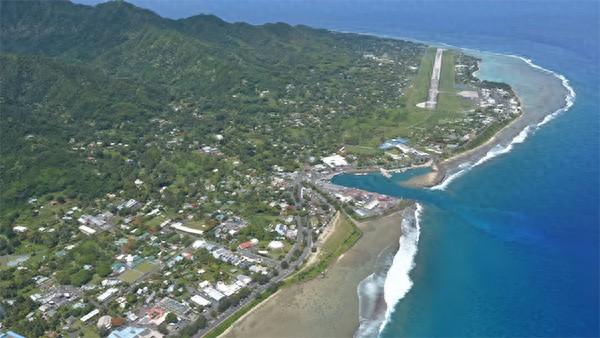
Core Viewpoint - The competition for global mineral resources between the U.S. and China has intensified, particularly in the South Pacific region, with the Cook Islands emerging as a focal point for deep-sea mining collaboration and geopolitical interests [1][4]. Group 1: U.S. and China's Activities in the Cook Islands - The Chinese research vessel "Dai Yang" recently completed a deep-sea scientific expedition in collaboration with the Cook Islands, highlighting China's ongoing engagement in the region [1]. - The U.S. has also increased its presence, with a research vessel conducting surveys in the same area shortly before China's expedition, indicating a strategic interest in the Cook Islands' mineral resources [1][4]. - The Cook Islands' Prime Minister signed multiple cooperation agreements with China earlier this year, covering areas from deep-sea mining to education, further solidifying ties between the two nations [4]. Group 2: Mineral Resources and Economic Implications - The Cook Islands, consisting of 15 islands, has a surrounding maritime area of approximately 2 million square kilometers, rich in polymetallic nodules containing cobalt, nickel, copper, manganese, and potentially rare earth metals [2]. - Local officials believe that offshore mining rights could provide significant economic benefits, supporting infrastructure such as hospitals and schools [4]. - The competition for these resources has made the Cook Islands a "storm center" in the geopolitical landscape, despite its small population of 15,000 [5]. Group 3: International Relations and Reactions - The U.S. has only recently established diplomatic relations with the Cook Islands, motivated by a desire to counter China's influence in the region [5]. - New Zealand, historically linked to the Cook Islands, has expressed concerns over the lack of transparency in the Cook Islands' agreements with China, criticizing the government for not consulting them on defense and security matters [6]. - The Cook Islands' Prime Minister has defended the agreements with China, asserting that they are aimed at meeting the country's development needs without compromising sovereignty [6].
专访中国海洋大学教授陈旭光:深海采矿要来了吗?
Jing Ji Guan Cha Bao· 2025-11-20 07:11
Core Viewpoint - Deep-sea mining is transitioning from exploration to development, driven by technological advancements and increasing demand for deep-sea metals, although it still faces significant economic, environmental, and legal challenges [1][2]. Industry Overview - The deep sea contains over 60 types of metals, including copper, cobalt, nickel, and gold, with an estimated resource volume of approximately 30 billion tons and a recoverable potential of about 7.5 billion tons [2]. - The price surge of various metals, particularly copper and cobalt, has made deep-sea mining economically viable [2]. - Historical attempts at deep-sea mining date back to the late 19th century, with significant efforts in the 1970s, but commercial viability remains elusive [2]. Environmental Concerns - There are ongoing debates regarding the environmental impact of deep-sea mining, with 37 countries advocating for a pause or ban until comprehensive environmental assessments are conducted [3][4]. - Key environmental concerns include sediment plumes, heavy metal pollution, and noise pollution affecting marine life [5][6]. Legal Framework - The current legal framework for deep-sea mining is primarily governed by the United Nations Convention on the Law of the Sea, which outlines the management and regulation of international seabed activities [7]. Commercialization Challenges - Despite technological advancements in mining equipment, such as mining vehicles and ships, profitability models remain unproven, with significant operational challenges including equipment malfunction and low extraction efficiency [9]. - The extraction process from depths of 4,000 to 6,000 meters presents logistical challenges, with no existing pipelines capable of such depths [9]. - The complexity of deep-sea equipment development and the high costs associated with testing further complicate commercialization efforts [9][10]. Alternative Applications - The technology developed for deep-sea mining vehicles may find alternative applications in offshore wind turbine maintenance, leveraging expertise in marine soil mechanics [11].