石油及煤炭制品

Search documents
东京股市日经股指三连跌
第一财经· 2026-03-30 09:28
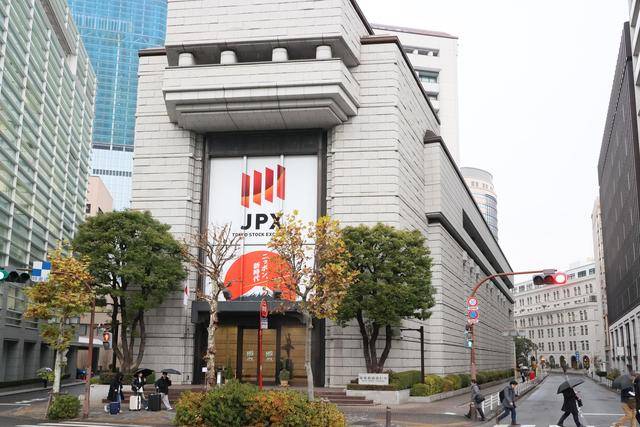
Market Performance - The Tokyo stock market experienced significant declines on March 30, with the Nikkei 225 index falling for the third consecutive trading day, closing down by 2.79% [3] - The Tokyo Stock Exchange Price Index dropped by 2.94%, influenced by multiple negative factors including ongoing tensions in the Middle East, rising international oil prices, and a decline in all three major U.S. stock indices on the previous trading day [3] - The Nikkei index saw a drop of over 2800 points at one point, with a peak decline exceeding 5%, but the losses narrowed as investor sentiment shifted to a wait-and-see approach [3] Closing Figures - At the close, the Nikkei index was down 1487.22 points, settling at 51885.85 points [3] - The Tokyo Stock Exchange Price Index decreased by 107.35 points, ending at 3542.34 points [3] Sector Performance - Most of the 33 industry sectors on the Tokyo Stock Exchange experienced declines, with the securities and commodity futures trading, transportation machinery, and glass and ceramic products sectors showing the largest drops [3] - The only sector that saw a slight increase was the oil and coal products sector [3]


【环球财经】东京股市两大股指实现四连涨
Xin Hua Cai Jing· 2026-02-27 09:04
Core Viewpoint - The Tokyo stock market experienced a four-day consecutive rise, with both major indices reaching historical highs despite a slight dip influenced by the overnight decline in the Nasdaq index in New York [1] Market Performance - The Nikkei 225 index closed up by 0.16%, while the Tokyo Stock Exchange Price Index (TOPIX) increased by 1.50% [1] - The Nikkei index rose by 96.88 points to close at 58,850.27 points, and the TOPIX gained 58.34 points, closing at 3,938.68 points [1] Market Dynamics - On February 27, the Tokyo stock market opened lower due to the impact of the Nasdaq's decline, with the Nikkei index initially dropping over 600 points before recovering to a slight increase [1] - The majority of the 33 industry sectors on the Tokyo Stock Exchange saw gains, particularly in the oil and coal products, mining, and construction sectors, while only the precision machinery sector experienced a decline [1]
【环球财经】东京股市下跌 日经225指数跌1.12%
Xin Hua Cai Jing· 2026-02-20 08:50
Market Overview - The Tokyo stock market experienced declines on February 20, with the Nikkei 225 index closing down by 1.12% and the Tokyo Stock Exchange Price Index down by 1.13% [1] - The decline was influenced by escalating geopolitical risks in the Middle East, which led to a comprehensive drop in the three major U.S. stock indices overnight [1] Market Dynamics - The Tokyo stock market opened lower and faced pressure throughout the day, with significant selling activity observed [1] - The market was further impacted by the news that Blue Owl Capital, a U.S. private credit firm, restricted redemptions from its funds, causing additional market turbulence [1] Investor Behavior - Following a substantial increase of over 900 points in the Nikkei index over the previous two trading days, investors opted to lock in profits ahead of an upcoming three-day holiday, leading to increased profit-taking activities [1] - The Nikkei index closed down by 642.13 points at 56,825.70 points, while the Tokyo Stock Exchange index fell by 43.61 points to 3,808.48 points [1] Sector Performance - Among the 33 industry sectors on the Tokyo Stock Exchange, most sectors experienced declines, particularly in securities and commodity futures trading, transportation machinery, and airline transportation [1] - Conversely, sectors such as non-ferrous metals, petroleum and coal products, and pharmaceuticals saw gains [1]
【环球财经】东京股市两大股指涨跌不一 日经225指数跌0.78%
Xin Hua Cai Jing· 2026-02-04 09:53
Core Viewpoint - The Tokyo stock market experienced mixed results on February 4, with the Nikkei 225 index declining while the Tokyo Stock Exchange index rose, influenced by factors such as a drop in U.S. stock indices and increased profit-taking by investors [1] Group 1: Market Performance - The Nikkei 225 index closed down by 0.78%, finishing at 54,293.36 points, while the Tokyo Stock Exchange index increased by 0.27%, closing at 3,655.58 points [1] - The Nikkei index faced pressure throughout the day, with a drop of over 700 points at one point, primarily due to sell-offs in semiconductor-related stocks and some high-priced shares [1] Group 2: Sector Analysis - The automotive sector showed resilience due to relatively low valuations compared to technology stocks and support from yen depreciation, helping to stabilize the overall market [1] - Among the 33 industry sectors on the Tokyo Stock Exchange, most saw gains, with notable increases in metal products, mining, and petroleum and coal products, while other sectors such as manufacturing, services, and information and communication experienced declines [1]
【环球财经】日经225指数微涨0.03%
Xin Hua Cai Jing· 2026-01-29 07:30
Core Viewpoint - The Tokyo stock market experienced a slight increase on January 29, with the Nikkei 225 index rising by 0.03% and the Tokyo Stock Exchange index increasing by 0.28% despite initial concerns over potential U.S. government shutdowns and poor performance from major stocks like Fast Retailing [1][2]. Group 1: Market Performance - The Nikkei index closed up by 16.89 points at 53,375.60 points, while the Tokyo Stock Exchange index rose by 9.81 points to 3,545.30 points [2]. - Early trading saw the Nikkei index drop over 300 points due to investor concerns, but later gains were driven by strong performances from semiconductor equipment manufacturer Advantest and large machinery parts manufacturer THK [1][2]. Group 2: Sector Performance - Most of the 33 industry sectors on the Tokyo Stock Exchange saw increases, with notable gains in the oil and coal products, transportation machinery, and mining sectors [2]. - Conversely, sectors such as services, retail, and other products experienced declines [2].
焦点精选!东京股市下跌 日经股指五连跌
Xin Hua She· 2026-01-21 09:14
Core Viewpoint - The Tokyo stock market experienced a slight decline on January 21, with both major indices falling, influenced by a significant drop in the New York stock market the previous night [2] Market Performance - The Nikkei 225 index closed down by 0.41%, while the Tokyo Stock Exchange Price Index fell by 0.99% [2] - The Nikkei index has now recorded five consecutive days of decline, marking the first occurrence of such a streak since mid-January 2025 [2] Influencing Factors - The Tokyo stock market opened lower due to the comprehensive decline of the three major indices in New York [2] - Despite the downward trend, some investors increased their buying activity at lower prices, which helped to narrow the overall decline [2] Closing Figures - At the close, the Nikkei index was down by 216.46 points, settling at 52,774.64 points; the Tokyo Stock Exchange index decreased by 35.90 points, ending at 3,589.70 points [2] Sector Performance - Most of the 33 industry sectors on the Tokyo Stock Exchange saw declines, with the banking, insurance, and service sectors experiencing the largest drops [2] - Conversely, sectors such as non-ferrous metals, petroleum and coal products, and electric and gas industries showed gains [2]

东京股市下跌 日经股指五连跌
Xin Hua Wang· 2026-01-21 08:29
Core Viewpoint - The Tokyo stock market experienced a slight decline on January 21, with both major indices falling, marking the Nikkei index's fifth consecutive day of losses, a first since mid-January 2025 [1] Market Performance - The Nikkei 225 index closed down by 0.41%, while the Tokyo Stock Exchange index fell by 0.99% [1] - The Nikkei index dropped by 216.46 points, ending at 52,774.64 points; the Tokyo Stock Exchange index decreased by 35.90 points, closing at 3,589.70 points [1] Influencing Factors - The decline in the Tokyo stock market was influenced by a significant drop in the three major U.S. stock indices the previous night, leading to a gap down at the market opening [1] - Despite the overall decline, some investors increased their buying activity in response to the recent downturn, which helped to narrow the extent of the market's losses [1] Sector Performance - Among the 33 industry sectors on the Tokyo Stock Exchange, most sectors experienced declines, with banking, insurance, and services sectors showing the largest drops [1] - Conversely, sectors such as non-ferrous metals, petroleum and coal products, and electric and gas industries saw gains [1]
【环球财经】东京股市继续上扬 两大股指均创历史新高
Xin Hua Cai Jing· 2026-01-06 07:40
Group 1 - The core viewpoint of the article highlights that the Tokyo stock market indices continued to rise, with both the Nikkei 225 and the Tokyo Stock Exchange Price Index reaching historical highs on January 6 [1][2] - The Nikkei index increased by 685.28 points, closing at 52,518.08 points, while the Tokyo Stock Exchange index rose by 60.92 points, closing at 3,538.44 points [2] - The rise in the stock market was influenced by the positive performance of the three major U.S. stock indices the previous night, encouraging overseas investors to take on more risk and buy into the market [1][2] Group 2 - Semiconductor-related stocks such as Advantest, Tokyo Electron, and SoftBank Group, as well as automotive stocks like Toyota and Nissan, experienced widespread gains [1] - Oil-related stocks continued to follow the upward trend seen in the New York market [1] - Among the 33 industry sectors on the Tokyo Stock Exchange, most sectors saw increases, with notable gains in oil and coal products, securities and commodity futures trading, and real estate sectors, while pharmaceuticals and electric and gas industries faced declines [2]
【环球财经】东京股市两大股指显著下跌
Xin Hua Cai Jing· 2025-12-05 07:47
Market Overview - The Tokyo stock market experienced significant declines on December 5, with the Nikkei 225 index and the Tokyo Stock Exchange index both falling by 1.05% [1][2] - The Nikkei index closed down 536.55 points at 50,491.87 points, while the Tokyo Stock Exchange index fell 35.65 points to 3,362.56 points [2] Investor Behavior - There was a noticeable increase in profit-taking activities among investors, following a significant rise in the previous trading day and a lackluster performance in the overnight New York stock market [1] - The market opened lower and remained at low levels throughout the day, indicating a shift in investor sentiment [1] Interest Rates Impact - The rise in the yield of Japan's 10-year government bonds, reaching its highest level since July 2007, has heightened investor concerns about the short-term overheating of the stock market [1] Sector Performance - Most of the 33 industry sectors on the Tokyo Stock Exchange experienced declines, with rubber products, other products, and securities and commodity futures trading sectors showing the largest drops [2] - Only four sectors, including non-ferrous metals, information and communication, banking, and petroleum and coal products, managed to record gains [2] Notable Companies - Key companies such as Fast Retailing (the parent company of Uniqlo), Tokyo Electron, and Advantest saw significant declines in their stock prices [1]
连跌四日,东京股市两大股指继续承压
Sou Hu Cai Jing· 2025-11-19 09:35
Market Overview - The Tokyo stock market indices continued to decline on the 19th, with the Nikkei 225 index closing down by 0.34% and the Tokyo Stock Exchange index down by 0.17% [2][3] - Over the previous three trading days, the Nikkei index had accumulated a drop of over 2500 points, leading to increased buying activity among some investors in the morning session [2] Influencing Factors - The decline was influenced by a comprehensive drop in the three major U.S. stock indices overnight, as well as a cautious sentiment among investors ahead of Nvidia's earnings report [2] - Semiconductor-related stocks faced significant pressure, contributing to the overall weakness in the market [2] Sector Performance - By the close, the Nikkei index fell by 165.28 points to 48537.70 points, while the Tokyo Stock Exchange index decreased by 5.52 points to 3245.58 points [3] - Among the 33 industry sectors on the Tokyo Stock Exchange, sectors such as machinery, metal products, and fisheries and agriculture experienced notable declines, while sectors like petroleum and coal products, retail, and real estate showed gains [3] Investor Sentiment - Concerns regarding the deterioration of Sino-Japanese relations continued to weigh on the market, affecting companies with exposure to the Chinese market, such as Shiseido, Sushi郎, Sony Group, and Sanrio, which struggled to rebound and continued to decline [2] - Analysts indicated that the current situation makes the performance outlook for related companies uncertain, leading investors to potentially avoid these stocks [2]