
肉制品加工

Search documents
山东省平阴县市场监管局开展肉制品加工专项培训
Xin Lang Cai Jing· 2026-02-10 04:37
Core Viewpoint - The training session organized by the Shandong Province Pingyin County Market Supervision Administration aims to enhance food safety standards among meat processing units by addressing regulatory compliance, risk prevention, and accountability [1] Group 1: Regulatory Standards - The training emphasized the interpretation of the Food Safety Law, focusing on key requirements for raw material procurement, production process control, and finished product inspection and storage [1] - Specific operational norms were discussed, including the necessity for documentation of raw meat sources, proper use of additives, hygiene in processing environments, health management of personnel, and product labeling [1] Group 2: Risk Prevention - The session highlighted the importance of process risk prevention, detailing prohibited actions and standard operating procedures to ensure compliance [1] - The training aimed to systematically address potential hazards in meat processing to mitigate risks associated with food safety [1] Group 3: Accountability - The training reinforced the legal obligations of processing units as the primary responsible parties for food safety, urging them to establish and strictly implement management systems [1] - The Pingyin County Market Supervision Administration plans to increase supervision and enforce penalties for violations to strengthen the food safety framework [1]
“轻量级选手”如何打造新样本——从“一中火腿”看德州国企改革
Sou Hu Cai Jing· 2026-02-07 18:21
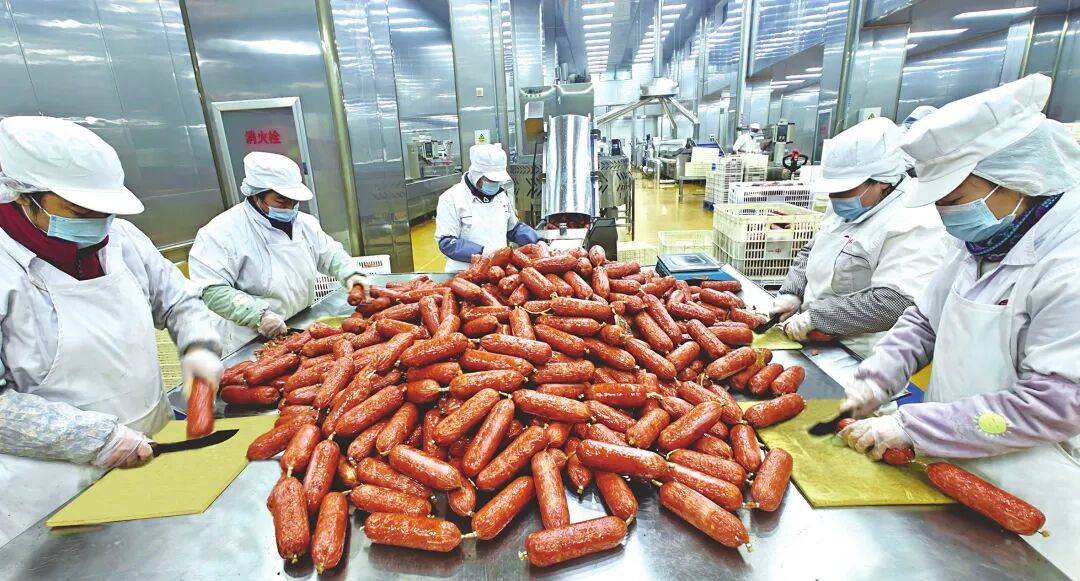
Core Insights - The transformation of Yizhong Food Company from a small workshop to a modern enterprise with a production capacity of 3,000 tons over 41 years highlights the impact of state-owned enterprise reform and modernization efforts [2][5][12]. Group 1: Company Evolution - Yizhong Food Company originated as a collective school-run enterprise in 1985, initially producing simple packaged ham with a maximum output of 500 million yuan [3]. - The company underwent significant changes, including a relocation to a larger facility in 2002, which allowed for an increased production capacity of 1,500 tons [3][5]. - In 2022, the company was placed under the direct supervision of the municipal state-owned assets supervision and administration commission, leading to rapid improvements in both social and economic benefits [5][9]. Group 2: Operational Changes - The company has implemented a modernized production process while maintaining traditional craftsmanship, utilizing technology to enhance product quality [6][9]. - The introduction of a flat management structure has improved decision-making efficiency and reduced communication costs among the 47 employees [6][9]. - The company has shifted from a passive sales approach to an active marketing strategy, expanding its sales channels through offline stores and online platforms like WeChat and Douyin [6][10]. Group 3: Financial Performance - From 2022 to 2025, the company is projected to achieve an average annual sales revenue growth of 10%, with an expected output value of 61.23 million yuan and a net profit of 12.59 million yuan by 2025 [6][12]. Group 4: Market Expansion - The company has successfully expanded its market presence beyond local boundaries, leveraging the resources of the parent group to enter new markets and enhance brand visibility [10][11]. - The integration of smart production lines has allowed for automation in packaging and logistics, while still preserving the essence of traditional production methods [9][14]. Group 5: Future Challenges and Strategies - The company recognizes the need to enhance its marketing capabilities to match its increased production capacity, aiming to establish a robust marketing team and network [12][15]. - There is a focus on continuous improvement in management practices and talent acquisition, emphasizing the importance of both traditional craftsmanship and modern technological skills [15].

全国首次!常德产冰鲜猪肉成功“抢滩”狮城市场
Xin Lang Cai Jing· 2026-02-07 13:34
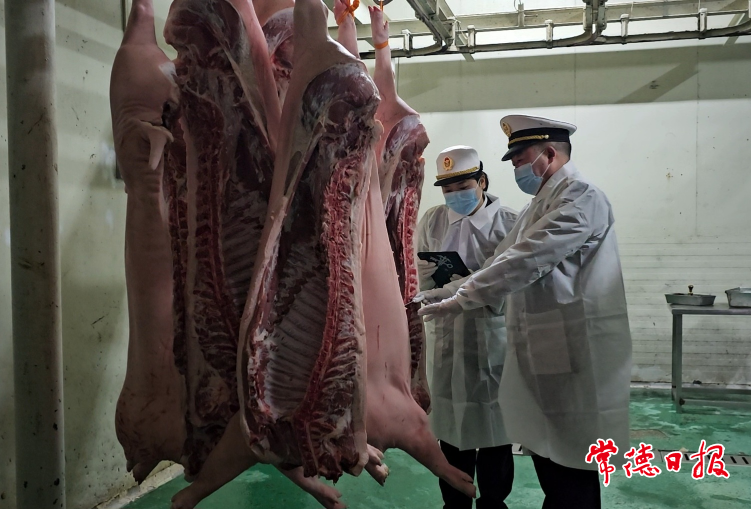
Group 1 - The core point of the article is that Hunan Huale Food Co., Ltd. successfully exported 1.46 tons of fresh pork to Singapore, marking the first time China has exported fresh pork to Singapore [1][2] - Huale Company has a history of exporting pork products to Singapore since 1995 and was the only registered enterprise in China for comprehensive pork exports to Singapore [2] - The company faced a temporary halt in exports due to African swine fever but has now resumed exports, with plans to export 7,745 tons of various pork products to Singapore by 2025 [2] Group 2 - Singapore is known for having the strictest food safety standards globally, and Huale Company has aligned its operations with these standards, including factory design and management systems [2] - The company has established a complete quality control system, achieving a 100% compliance rate in pork product exports to Singapore since 2010 [2] - Huale Company aims to penetrate the fresh pork market in Singapore, which demands higher quality and better logistics compared to frozen pork [2][3] Group 3 - In October 2023, Huale Company initiated the application process for exporting fresh pork to Singapore, successfully completing all necessary approvals with support from various government departments [3] - The first batch of fresh pork was shipped under strict supervision from Changde Customs and arrived in Singapore on February 4 [3][4] - The initial shipment serves as a trial to test transportation conditions and product freshness, with a second batch expected to be sent by February 10 [5]
科尔沁草原年味浓
Jin Rong Shi Bao· 2026-02-06 02:15
Core Insights - The meat processing industry in Tongliao City, Inner Mongolia, is experiencing a surge in demand ahead of the Spring Festival, with order volumes increasing by 20% compared to usual levels [1] - Financial support from local banks, particularly a 2 million yuan loan from Inner Mongolia Rural Commercial Bank, has enabled meat processing companies to expand production and secure beef supply for the holiday season [1] - The implementation of "Agricultural and Animal Husbandry Loans" by the People's Bank of China in Tongliao has improved access to financing for local livestock farmers, allowing them to expand their operations and increase income [2] Group 1 - The meat processing sector in Tongliao is busy during the peak season, with automated production lines efficiently processing fresh beef for nationwide distribution [1] - Local banks have streamlined loan approval processes to support businesses facing funding challenges, exemplified by a quick loan approval for a meat processing company [1] - The financial assistance has not only improved production efficiency but also fostered partnerships between meat processors and local farmers, enhancing the overall supply chain [1] Group 2 - Livestock farmers are benefiting from favorable purchase agreements and quick payment terms, with one farmer reporting an additional income of 20,000 yuan from increased sales [2] - The People's Bank of China has facilitated the use of livestock as collateral for loans, addressing financing difficulties for farmers [2] - The increase in farmers' income has led to heightened consumer spending, as evidenced by local farmers purchasing household goods and festive items [2] Group 3 - The People's Bank of China and the local commerce bureau have collaborated to stimulate consumer spending through targeted financial initiatives, resulting in a personal consumption loan balance of 51.073 billion yuan, a year-on-year increase of 9.38% [3] - Various promotional activities, including discounts and subsidies, have been implemented to encourage consumer spending during the festive season [3] - The interconnectedness of financial services, agricultural production, and consumer markets is highlighted as a key driver of economic activity in the region during the winter season [3]
肉牛变“金牛” 科尔沁草原年味浓
Jin Rong Shi Bao· 2026-02-06 01:04
Core Viewpoint - The financial services provided by the People's Bank of China in Tongliao City have significantly boosted the local meat industry and consumer market, facilitating growth for both processing enterprises and livestock farmers during the peak season before the Spring Festival [1][2][3] Group 1: Meat Processing Industry - Tongliao City is a crucial base for the meat cattle industry in Inner Mongolia, experiencing a busy season with a 20% increase in order volume compared to usual [1] - A local meat processing enterprise received a quick loan of 2 million yuan from the Inner Mongolia Rural Commercial Bank, enabling it to expand slaughtering capacity and ensure supply for the Spring Festival [1] - The enterprise's increased production efficiency has led to contracts with local livestock farmers, enhancing both meat supply and farmers' income [1] Group 2: Livestock Farmers - Local farmers, such as Li, have benefited from favorable purchase prices and quick payment for cattle sales, with an increase in earnings of 20,000 yuan compared to the previous year [2] - The People's Bank of China in Tongliao has implemented the "Agricultural and Animal Husbandry Loan" initiative, facilitating access to financing for farmers through innovative collateral options [2] - By 2025, local financial institutions are expected to issue a total of 520 million yuan in "Agricultural and Animal Husbandry Loans" [2] Group 3: Consumer Market - The financial services have stimulated consumer spending, with personal consumption loans in the city reaching 51.073 billion yuan, a year-on-year increase of 9.38% [3] - Initiatives such as mobile payment installations and promotional activities for credit cards and consumer loans have been introduced to enhance shopping experiences during the New Year [3] - The collaboration between the People's Bank of China and the local commerce bureau aims to activate consumer potential and support local businesses during the festive season [3]

成都“香肠一条街”腊味飘香
Zhong Guo Xin Wen Wang· 2026-01-21 08:02
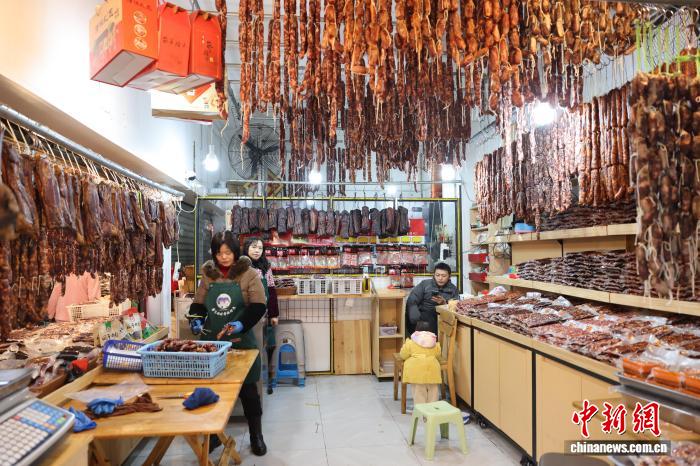
Core Viewpoint - The article highlights the bustling activity in Chengdu's "Sausage Street" as the Chinese Lunar New Year approaches, with various meat shops preparing traditional cured meats and sausages, attracting many customers [3][4][6]. Group 1 - Chengdu's Xinkaisi Street, known as "Sausage Street," is experiencing increased business as shops prepare for the upcoming Chinese Lunar New Year [3][4]. - The aroma of cured meats and sausages fills the street, indicating a seasonal surge in demand for these traditional products [3][6]. - Workers in the meat shops are engaged in the manual production of sausages, showcasing the craftsmanship involved in creating these local delicacies [4][6].
农行临沂分行:金融赋能健康肉制品产业链高质量发展
Qi Lu Wan Bao· 2026-01-12 04:11
Core Insights - The article highlights the significant role of Agricultural Bank of China (ABC) in supporting the pig farming industry in Linyi City, Shandong Province, through tailored financial services that enhance operational efficiency and productivity [1][2][3] Group 1: Financial Support and Impact - ABC's "one project, one plan" credit model was developed to address the financing needs of pig farmers in the Hedong District, resulting in a total loan amount of 1.32 billion yuan supporting 272 farmers [2] - The bank has also provided over 2 billion yuan in loans to core enterprises in the health meat products industry, significantly reducing financial costs and improving operational efficiency [2] - By the end of 2025, the loan balance for the health meat products industry chain is expected to reach 2.789 billion yuan, reflecting a 61.7% increase from the beginning of the year [3] Group 2: Industry Development and Strategy - The health meat products industry in Linyi is projected to have a pig stock of 19,900 heads and an output of 52,200 heads in 2024, indicating a robust growth potential [1] - ABC's efforts align with the local government's strategy to strengthen advanced industrial development, focusing on integrating financial services with industry growth [3] - The establishment of a "white list" for industry chain enterprises allows for customized credit products tailored to the needs of leading, small, and startup enterprises [3]
南京溧水这只烧鸡何以“跑”进国家级实验室
Yang Zi Wan Bao Wang· 2026-01-08 12:10
Core Viewpoint - The recent approval of the "Key Laboratory of Meat Processing and Nutritional Health" by the Ministry of Agriculture and Rural Affairs for Nanjing Huang Professor Food Co., Ltd. has elevated the brand's status, making it a focal point for consumers due to its unique identity and quality assurance [1]. Group 1: Product Innovation and Technology - Huang Professor Food Co., Ltd. has developed the world's largest specialized intelligent braising pot, capable of cooking 1,500 chickens simultaneously, improving production efficiency by over 10 times compared to traditional methods [2]. - The company utilizes a patented technology for an automatic continuous oil-water separation frying machine, which reduces harmful substances and enhances food safety [2]. - The shelf life of Huang Professor's chicken has been extended from 15 days to 3 months through rapid cooling technology and precise packaging, significantly boosting its market competitiveness [2]. - The company employs enzyme maturation control technology to reduce salt usage and replace MSG with flavor peptides, aligning with current health consumption trends [2]. Group 2: Product Composition and Consumer Appeal - The ingredient list for Huang Professor's chicken includes only six components: white strip chicken, edible salt, chicken essence seasoning, spices, vegetable oil, and maltose, appealing to health-conscious consumers [3]. - The chickens are sourced from green breeding bases and undergo strict inspection and standardized slaughtering processes, ensuring high quality and safety [3]. Group 3: Market Performance and Brand Development - Huang Professor's chicken has achieved annual sales exceeding 1 million units, becoming a popular gift among locals in Nanjing [5]. - The brand has expanded its product line to over 30 items, including duck blood vermicelli soup and salted duck, and is available on various online and offline platforms [5]. - The founder, Huang Ming, emphasizes the importance of scientific methods in food production, aiming to ensure consistent quality across all products [4]. Group 4: Future Development and Goals - The newly established key laboratory will focus on continuous research and development in areas such as raw material quality enhancement, standardized processing techniques, and nutritional functionality [8]. - The company aims to develop a series of clean-label products, leveraging technology to provide healthy food options for consumers [8].

牛排“原肉整切”的文字游戏:哪有什么纯牛肉
经济观察报· 2026-01-01 06:08
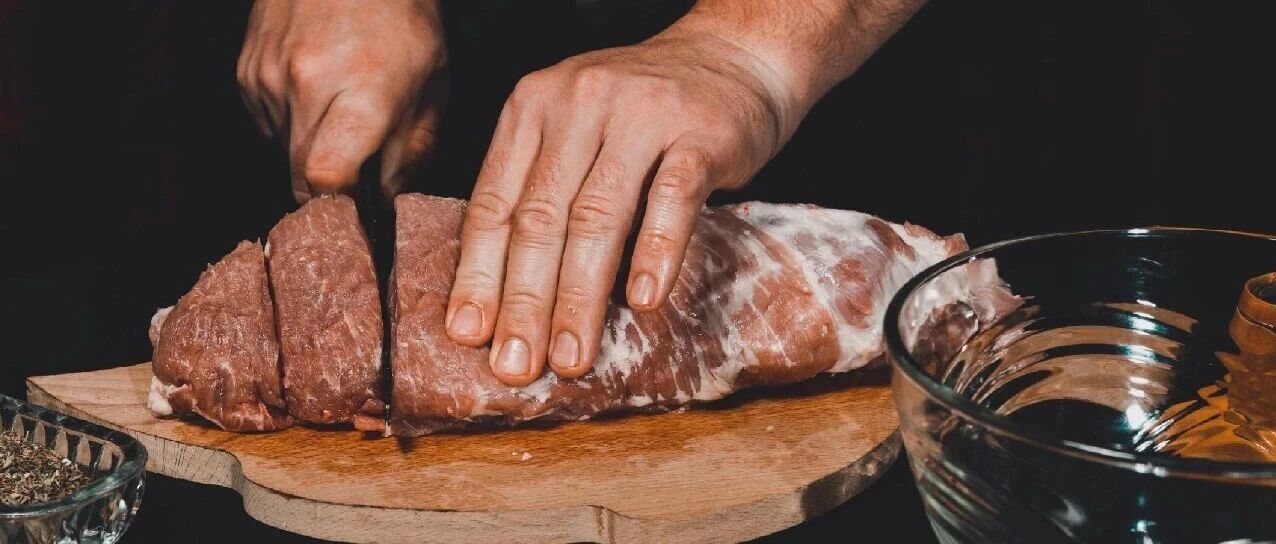
Core Viewpoint - The article highlights the confusion surrounding the labeling and classification of beef steaks in the market, particularly regarding the distinction between pure beef steaks and those containing additives or made from reconstituted meat [2][10][11]. Group 1: Consumer Confusion - Consumers often believe they are purchasing pure beef steaks, but many products contain a variety of additives and may be made from reconstituted meat [2][4]. - The terms used in marketing, such as "original cut" and "whole cut," are often misleading and lack standardized definitions, leading to consumer misunderstanding [9][10]. Group 2: Product Analysis - A survey of popular beef steak products on e-commerce platforms revealed that many brands, including Daxidi and Xiaoniu Kaixi, claim to offer "original whole cut" steaks, yet their ingredient lists include multiple additives [4][5][6]. - The ingredient lists of these products often feature water, soy protein, and various food additives, raising questions about their authenticity as pure beef [5][6][12]. Group 3: Industry Standards - The current industry standard QB/T5442 defines original cut steaks and processed steaks, but many brands do not adhere to this standard, leading to potential mislabeling [10][11]. - The lack of clear definitions for terms like "synthetic steak" creates a loophole, allowing manufacturers to use misleading marketing while including additives for texture and flavor [16]. Group 4: Market Implications - The presence of low-cost reconstituted steaks marketed as original cut steaks is creating unhealthy competition in the beef steak industry, potentially harming compliant producers [16]. - Industry experts are calling for clearer definitions and standards for synthetic steaks to protect consumers and ensure fair competition among producers [16].
牛排“原肉整切”的文字游戏:哪有什么纯牛肉
Jing Ji Guan Cha Wang· 2025-12-31 11:59
Core Viewpoint - The recent controversy surrounding Pizza Hut's steak products highlights consumer confusion regarding the definitions and quality of various types of beef steaks available in the market, particularly concerning the distinction between pure beef and processed or composite steaks [1][7]. Group 1: Consumer Confusion and Product Definitions - Consumers are often misled by the terminology used in marketing beef products, such as "original cut," "whole cut," and "original meat whole cut," which lack standardized definitions [2][7]. - The investigation revealed that many popular steak products contain additives and are not purely beef, despite claims of being "original cut" or "whole cut" [6][8]. - The industry lacks clear standards for defining "synthetic beef," leading to ambiguity in product labeling and consumer understanding [12]. Group 2: Regulatory Standards and Compliance Issues - The existing standards, such as QB/T5442, differentiate between original cut and processed steaks, but many brands do not comply with these standards, leading to potential mislabeling [8][9]. - The absence of mandatory labeling for processed steaks as "processed" creates confusion, as seen in the packaging of popular brands that do not clearly indicate their products are not pure beef [8][9]. - Regulatory bodies have not yet established a clear definition for "synthetic beef," which allows manufacturers to use ambiguous terms and potentially mislead consumers [12]. Group 3: Market Dynamics and Consumer Trust - The price disparity between original cut steaks and those labeled as "whole cut" or "original meat whole cut" raises questions about the quality and authenticity of the latter, as they often contain additives [9][10]. - The presence of multiple additives in popular steak products, such as soy protein and various emulsifiers, suggests that these products may not meet consumer expectations for pure beef [5][11]. - Industry experts emphasize the need for clearer definitions and standards to protect consumers from deceptive practices and to ensure fair competition among producers [12].