
《弄潮》

Search documents
破500亿元,微短剧首度“干掉”电影票房
Mei Ri Jing Ji Xin Wen· 2025-11-11 11:14
Core Insights - The "China Internet Development Report 2025" indicates that the user base for micro-short dramas in China has reached 662 million, with a market size exceeding 50 billion yuan, surpassing box office revenues for films, marking it as a new emerging sector in content consumption [1] - The micro-short drama market is undergoing a transformation, moving away from the previous "high-reversal + thrill" narrative model towards more refined and diverse themes, such as women's growth, workplace issues, family healing, and campus problems [1][2] - The industry consensus is shifting towards a focus on quality content to enhance user engagement and market expectations, as audiences are no longer satisfied with mere novelty and stimulation [2] Market Dynamics - The micro-short drama market is transitioning from a "fast entertainment" model to a more stable growth trajectory, necessitating a departure from reliance on "thrill points" and addressing content homogenization issues [2][9] - The audience structure shows that the "silver-haired" demographic has become a significant force in paid subscriptions, accounting for over 40%, while female users dominate the consumption market with higher interaction and payment activity compared to male users [1][2] Production and Technology - The industry is enhancing production quality and exploring new technologies such as AI and VR to find new growth curves, with traditional film companies entering the micro-short drama space [7][9] - The application of AI in production processes is estimated to improve planning efficiency by over 50% and reduce post-production costs by 30% [9] Cultural Integration and Global Expansion - The global micro-short drama market is projected to exceed $15 billion by 2024, with China accounting for over 80% of this market [10] - Micro-short dramas are evolving from mere entertainment products to cultural carriers, with significant growth in overseas markets, particularly in North America and Europe [10][12] - Companies like Fengye Interactive and Jiuzhou Culture are leading the charge in overseas distribution, with platforms like Reelshort covering over 100 countries and achieving over 250 million downloads globally [10][11][12] Industry Challenges and Future Directions - The micro-short drama industry is at a critical juncture, transitioning from "quantity" to "quality," necessitating regulatory clarity and a focus on key development areas [12] - Establishing a scientific evaluation system and optimizing recommendation algorithms are essential for guiding the industry towards a quality-centric approach, moving from a traffic-driven model to one focused on content excellence [12]


微短剧产业进阶
Xin Hua Wang· 2025-11-10 02:55
Core Insights - The micro-short drama market is projected to exceed 50 billion yuan in 2024, with significant growth expected this year compared to last year [1][2]. Group 1: Industry Transformation - The industry is shifting from a "traffic-oriented" model to a "value-oriented" approach, emphasizing quality over quantity [3]. - The past year has seen a significant "quality reshuffle," with platforms raising content review standards, pushing creators to focus on script logic and character development [4][5]. - The production costs for high-quality micro-short dramas have increased dramatically, from approximately 50,000 yuan in 2022 to 1.5 million yuan for a premium short drama [4]. Group 2: Cross-Industry Integration - The "micro-short drama+" model is creating multiplier effects across various industries, integrating content with brand marketing and tourism [8][10]. - Successful case studies include collaborations with brands like Dicos and Pizza Hut, which have effectively merged product promotion with storytelling [8]. - The industry is also exploring "long-short linkage," where long dramas and micro-short dramas co-create content to extend IP lifecycles and maximize user value [8][10]. Group 3: Technological Empowerment - AI is becoming a crucial tool for enhancing quality and efficiency in micro-short drama production, with estimates suggesting a 50% increase in planning efficiency and a 30% reduction in production costs [11]. - The application of AI in content creation and user engagement is rapidly expanding, with significant growth in the market for AI-generated content [11]. Group 4: Cultural Resonance - The market is evolving from "emotional consumption" to "emotional resonance," focusing on deeper connections with audiences [12][13]. - Works that depict nuanced emotional experiences are gaining popularity, reflecting a shift in user demand towards more meaningful content [12]. - The industry is increasingly producing content that embodies social concerns and cultural heritage, appealing to younger audiences [12]. Group 5: Global Expansion - The micro-short drama industry is entering a "global localization" phase, with companies establishing local teams overseas and expanding distribution channels [14]. - The volume of overseas productions and adaptations has surged, with significant numbers of both local and translated dramas being released globally [14]. - Micro-short dramas are becoming an effective cultural vehicle for reaching international markets, leveraging their engaging and easily digestible format [14].
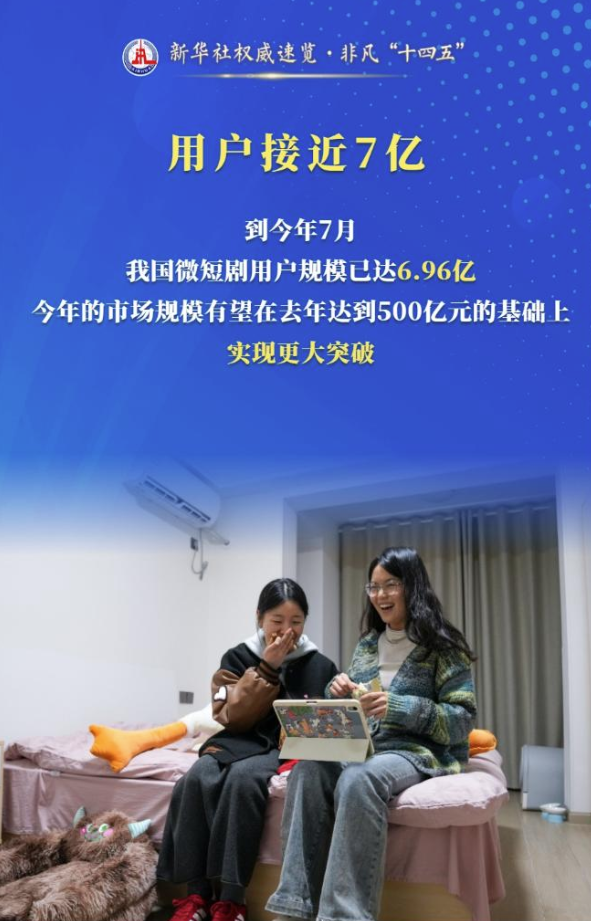
新华网财经观察丨微短剧产业进阶
Xin Hua Wang· 2025-11-10 02:21
Core Insights - The micro-short drama market is projected to exceed 50 billion yuan in 2024, with significant growth expected this year compared to last year [2] - The industry is transitioning from a "traffic-oriented" model to a "value-oriented" model, emphasizing quality over quantity [4] Group 1: Quality Enhancement - The industry has shifted from being a "cost-effective" space to a "quality-centric" one, where high-quality content is essential for survival [5] - The production costs for quality micro-short dramas have increased significantly, from approximately 50,000 yuan in 2022 to 1.5 million yuan currently [5] - User expectations have risen, leading to a strong willingness to pay for high-quality content, which drives the industry's transformation towards premium offerings [5][7] Group 2: Cross-Industry Integration - The "micro-short drama+" model is creating multiplier effects across various industries, enhancing content's value beyond mere entertainment [8] - Successful case studies include collaborations with brands like Dicos and Pizza Hut, integrating product features into storylines to achieve significant exposure [8] - The integration of long and short formats is becoming crucial, with platforms developing strategies to extend IP lifecycles and maximize user value [8][10] Group 3: Technological Empowerment - AI is becoming a vital tool for enhancing quality and efficiency in micro-short drama production, with estimates suggesting a 50% increase in planning efficiency and a 30% reduction in production costs [11] - The application of AI in content creation and user engagement is reshaping the production process, making it a core component of the creative economy [11] Group 4: Cultural Resonance - The market is evolving from superficial emotional expressions to deeper emotional connections with audiences, reflecting a shift in user demands [12] - Works that portray nuanced emotional experiences are gaining popularity, indicating a trend towards content that resonates on a personal level [12][14] Group 5: Global Expansion - The micro-short drama industry is entering a "global localization" phase, with companies establishing local teams and platforms in over 200 countries [15] - The range of themes is diversifying, moving from traditional genres to urban, suspense, and realism, making micro-short dramas effective cultural carriers in global markets [15]


以好内容赢得深度共鸣(大地风华)
Ren Min Ri Bao· 2025-10-06 22:01
Core Insights - The micro-short drama industry is evolving from rapid growth to a more scaled, high-quality, and ecological development, catering to fragmented viewing needs while enhancing users' cultural experience [1][3] - As of June 2025, the user base for micro-short dramas in China reached 696 million, accounting for nearly 70% of the total internet users, indicating significant content proliferation and industry transformation challenges [1] Group 1: Emotional Resonance - Successful micro-short dramas evoke emotional, cultural, and narrative resonance among viewers, with emotional connection being a traditional strength [1] - Examples like "Home and Away" and "The Tide" illustrate how these dramas reflect real-life challenges and aspirations, resonating deeply with audiences [1] Group 2: Cultural Exploration - Micro-short dramas serve as a window to new cultures, professions, and histories, exemplified by "The Masked Drama," which highlights the cultural heritage crisis in Guizhou [2] - The integration of traditional culture into micro-short dramas represents an innovative approach to creatively transform and develop Chinese cultural heritage [2] Group 3: Narrative Integration - Effective storytelling is crucial, requiring respect for authenticity, seamless integration of cultural elements into character development, and contemporary perspectives to lower cultural appreciation barriers [2] - User feedback emphasizes the importance of these narrative techniques in enhancing the value of micro-short dramas beyond mere entertainment [2] Group 4: Future Directions - The future of micro-short dramas lies in their potential to convey positive social messages, preserve traditional culture, and reflect societal changes, aiming to resonate with audiences on a deeper level [3] - The industry is encouraged to collaborate and deepen its focus, contributing to the cultural enrichment of the public and enhancing the overall cultural experience [3]
红果短剧总编辑乐力:近两年超3000部低质短剧遭拦截或下架
2 1 Shi Ji Jing Ji Bao Dao· 2025-09-27 03:00
Core Viewpoint - The micro-short drama market in China has experienced explosive growth, with significant investments and content quality upgrades being prioritized by platforms like Hongguo Short Drama [3][4]. Group 1: Market Growth and Trends - The micro-short drama market in China is projected to reach a scale of 50.5 billion yuan in 2024, surpassing box office revenues for films [3]. - By June 2025, the user base for micro-short dramas is expected to reach 696 million, accounting for nearly 70% of the total internet users in China [3]. Group 2: Content Quality and Upgrades - Hongguo Short Drama has removed over 3,000 low-quality short dramas in the past two years and is set to implement a fourth round of content standard upgrades [1]. - The platform has initiated the "Guo Ran Plan," investing in over 80 high-quality short dramas, with more than 30 already aired [4]. Group 3: Factors Driving Development - Key factors for the rapid and quality development of micro-short dramas include government support, a shift in creative ecosystems, and changing user demands for diverse content [3]. - The industry is transitioning from a focus on quantity to a commitment to quality, with creators increasingly integrating personal expression and innovative storytelling [4].
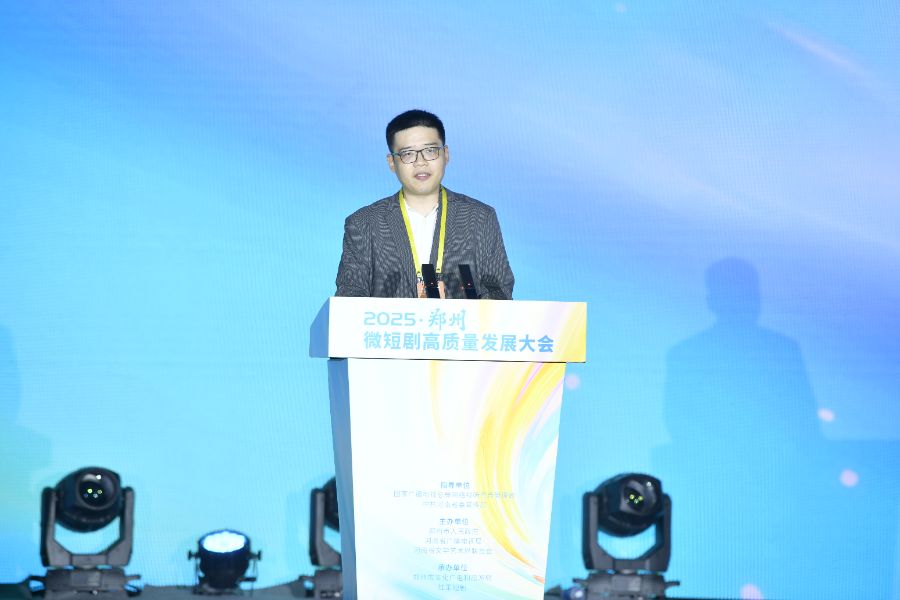
短剧进化论:现实议题破圈,多元题材崛起
3 6 Ke· 2025-09-25 00:05
Core Insights - The short drama market has rapidly evolved, completing in three years what long dramas took thirty years to achieve, with a notable increase in content diversity and thematic variety [1][3] - Recent works like "Nongchao" and "Zhenqianjin Tashi Xueba" have integrated real-world issues into their narratives, indicating a shift towards deeper storytelling in short dramas [1][4] Summary by Categories Real-World Issues - Short dramas are beginning to address real-life challenges faced by audiences, such as workplace pressure and educational inequality, transforming these pain points into engaging narratives [4][5] - Examples include "Qing Chashou Ni De Offer," which portrays the struggles of a working woman in a competitive environment, and "Zhenqianjin Tashi Xueba," which tackles educational fairness through the lens of a high-achieving student [4][7] Genre Exploration - The short drama industry is entering a "3.0" era characterized by diverse genre exploration, with platforms like Hongguo showcasing nearly 30 different themes, including fantasy, historical, and suspense [3][11] - The second phase of Hongguo's "Guo Ran Plan" highlights this diversity, featuring adaptations of real events, intangible cultural heritage themes, original stories, and adaptations of quality film and television IPs [12][14][17][23] Cultural Heritage and Original Content - Short dramas are increasingly incorporating intangible cultural heritage, as seen in works like "Kemo" and "Renmian Taohua," which aim to revive and celebrate traditional arts [14] - The shift towards original storytelling is evident, with a growing number of unique narratives being developed, moving away from reliance on existing IPs [17] IP Adaptation - The adaptation of successful film and television IPs into short dramas is becoming a strategic move, allowing for the continuation of beloved stories in a new format, benefiting both creators and IP owners [23] Future Directions - The industry is urged to focus not only on thematic diversity but also on deeper narrative development, aiming to create more authentic characters and stories that resonate with audiences [25]

向千亿目标冲刺的微短剧,正上演“双城争霸”
3 6 Ke· 2025-09-24 07:46
Core Insights - The micro-short drama industry is entering a new phase of quality improvement and efficiency enhancement after experiencing explosive growth in the past two years, with the market expected to reach 634.3 billion yuan in 2025, surpassing domestic box office revenues for the first time [1][2][4] - Cities across China are competing to become "micro-short drama capitals," with significant investments in infrastructure, talent cultivation, and resource allocation to leverage the industry's growth for local economic development [1][2][4] - The characteristics of low investment and high returns in micro-short dramas make them attractive to second and third-tier cities, allowing them to participate in a market previously dominated by first-tier cities [4][6] Market Dynamics - The micro-short drama market is projected to grow to 504.4 billion yuan in 2024, with a 25.4% increase in related enterprises in Zhengzhou, totaling over 800, and a 26.6% increase in employment to 24,000 [6][10] - The industry is creating a "content-flow-consumption" closed loop, linking various sectors such as tourism, dining, and e-commerce, thus driving new opportunities for industrial transformation in smaller cities [6][8] Competitive Landscape - Xi'an and Zhengzhou are the leading cities in the micro-short drama sector, with Xi'an having over 600 companies and producing around 60% of the nation's micro-short dramas, while Zhengzhou benefits from lower production costs and a high turnover rate [10][11][13] - Both cities face unique challenges: Xi'an excels in industry scale and content innovation but may struggle with cost efficiency, while Zhengzhou has rapid growth but needs to improve its industry chain completeness and communication mechanisms [13][14] Quality Enhancement - The industry is shifting from rapid expansion to a focus on quality, with initiatives aimed at producing high-quality content and fostering a more diverse range of themes and narratives [15][20] - Platforms like Hongguo are launching programs to support creators in producing premium content, with a goal of releasing around 100 influential micro-short dramas by 2027 [18][20]

2025半年报里,剧集公司的守成与转向
Xin Lang Cai Jing· 2025-08-29 02:32
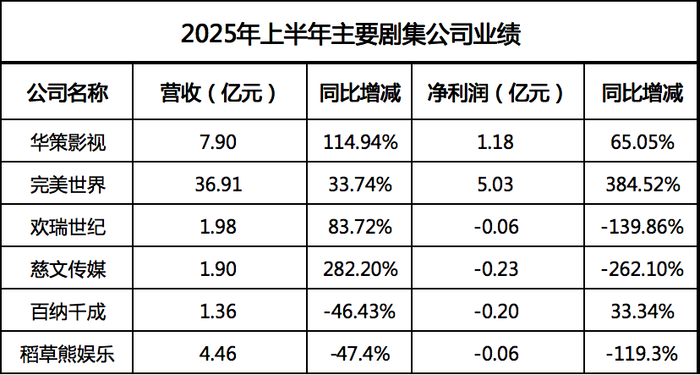
Core Viewpoint - The performance of six listed companies related to drama series in the first half of 2025 shows mixed results, with over half achieving positive revenue growth, but many still struggling with net profits, indicating ongoing challenges in financial sustainability [1][2]. Revenue and Profit Summary - Huace Film & TV reported a revenue of 790 million yuan, a year-on-year increase of 114.94%, and a net profit of 118 million yuan, up 65.05% [2][5]. - Perfect World achieved a revenue of 3.691 billion yuan, a 33.74% increase, and a net profit of 503 million yuan, soaring 384.52% [2][5]. - Ciweng Media's revenue reached 190 million yuan, a significant increase of 282.20%, but it reported a net loss of 23 million yuan, down 262.10% [2][8]. - Huanrui Century's revenue was 198 million yuan, up 83.72%, but it turned to a net loss of 639,000 yuan, a decline of 139.86% [2][10]. - Baiana Qiancheng reported a revenue of 136 million yuan, a decrease of 46.43%, with a net loss of 20 million yuan, but a profit increase of 33.34% year-on-year [2][10]. - Straw Bear Entertainment's revenue fell to 446 million yuan, down 47.4%, with a net loss of 5.8 million yuan, compared to a profit of 30 million yuan in the previous year [2][11]. Business Strategies and Market Positioning - Huace Film & TV continues to focus on traditional long-form dramas while also expanding into new business areas, including short dramas and international projects, with a production capacity of 20 short dramas per month [14][16]. - Perfect World maintains a balanced approach between long and short dramas, with several projects in post-production and a successful short drama recently launched [16] - Ciweng Media has increased its presence in the market with multiple projects, although it faces challenges due to seasonal revenue recognition and accounting policy adjustments [8][10]. - Huanrui Century is investing heavily in short dramas, which has led to increased costs and a decline in profits, despite having a substantial number of IPs [10][18]. - Baiana Qiancheng and Straw Bear Entertainment are both focusing on refining their long-form drama offerings, with several projects in the pipeline [14][22]. Industry Trends and Future Outlook - The industry is experiencing a transformation, with companies adopting different strategies to navigate the changing landscape, from traditional long dramas to new formats [14][22]. - The gradual implementation of the "Broadcasting and Television 21 Articles" policy is expected to create a more relaxed environment for the industry, potentially aiding in revenue generation [22].




完美世界(002624):25H1扭亏为盈,关注《异环》项目进度
Guoyuan Securities· 2025-08-28 09:01
Investment Rating - The report assigns a "Buy" rating to the company, indicating a positive outlook for its stock performance relative to the benchmark index [4]. Core Insights - The company achieved significant turnaround in H1 2025, with a revenue of 3.691 billion yuan, up 33.74% year-on-year, and a net profit of 503 million yuan, marking a return to profitability [2][3]. - The gaming segment contributed 2.906 billion yuan in revenue, a 9.67% increase, driven by the launch of "Zhu Xian World" and growth in esports revenue [2][3]. - The film and television segment saw a remarkable revenue increase of 756.35%, generating 767 million yuan [2][3]. - The company is focusing on its core gaming segment and has made progress on the upcoming project "Yihuan," which has received positive feedback during testing [3][4]. Financial Performance Summary - For H1 2025, the company reported a gross profit margin of 59.24% and a net profit margin of 11.22% [12]. - The projected earnings per share (EPS) for 2025-2027 are estimated at 0.41, 0.76, and 0.83 yuan per share, respectively, with corresponding price-to-earnings (P/E) ratios of 39, 21, and 19 [4][6]. - The company’s total revenue is expected to grow from 5.571 billion yuan in 2024 to 10.565 billion yuan in 2026, reflecting a compound annual growth rate [6][11]. Business Segment Analysis - The gaming business is expected to continue its growth trajectory with the successful launch of new titles and ongoing content updates [3]. - The esports segment is leveraging event operations to drive revenue, showing a consistent growth trend [3]. - The film and television segment is adopting a "quality over quantity" strategy, reducing overall investment while focusing on short-form content [3].