
《新世界加载中》

Search documents
数智科技带来文化发展新机遇
Xin Lang Cai Jing· 2026-02-12 22:40
Group 1 - The core viewpoint of the articles highlights the significant growth of China's cultural and related industries, with a projected revenue of 15.2 trillion yuan in 2025, representing a 7.4% increase from the previous year, driven largely by 16 sub-sectors characterized by new cultural business models, which achieved a revenue of 68,253 billion yuan, growing by 14.3% [1] - The integration of digital and intelligent technologies is accelerating within the content production and creation processes in the cultural industry, with AI, virtual production, and augmented reality enhancing the efficiency and creativity of media production [1] - China's cultural industry benefits from unique advantages, including a vast market and a complete industrial chain, facilitating the rapid application of digital technologies in cultural contexts, exemplified by the game "Black Myth: Wukong," which achieved global sales of 9 billion yuan [2] Group 2 - The articles emphasize the need for top-level design and correct policy guidance to promote the integration of culture and technology, advocating for collaborative mechanisms among cultural, technological, and financial sectors to foster a conducive environment for innovation [3] - There is a call to deepen the integration of technology and culture, encouraging the development of new cultural business models through the application of big data and AI, and creating immersive and interactive cultural experiences [3] - The expansion of Chinese culture overseas is highlighted as a strategic goal, aiming to enhance the global influence of Chinese cultural products through various platforms, thereby building a robust digital cultural dissemination matrix [4]
见证文化与经济的交响共鸣
Jing Ji Ri Bao· 2026-01-19 22:10
Core Insights - The cultural consumption wave in 2025 has significantly reshaped the economic landscape, with notable achievements in film, micro-short dramas, and merchandise, indicating a robust integration of culture into the economy [1][11]. Group 1: Film Industry - The film industry saw a remarkable growth in 2025, with total box office revenue reaching 51.83 billion yuan, a year-on-year increase of 21.95%, and domestic films accounting for 79.67% of the box office [1]. - "Nezha: Birth of the Demon Child" emerged as a cultural symbol, showcasing the strength of Chinese film production and creativity, and contributing to both social and economic benefits through its historical narratives [1]. - The success of popular IPs like "Boonie Bears" and "Detective Chinatown" has stabilized the market, serving as a solid foundation for the industry [1]. Group 2: Television and Micro-Short Dramas - High-quality television dramas have gained market traction due to their depth and artistic quality, with shows like "Silent Glory" and "In the Name of Law" achieving both high ratings and critical acclaim [2]. - The micro-short drama market reached 67.79 billion yuan in 2025, reflecting significant growth and structural optimization, driven by platforms that emphasize quality content [2]. Group 3: Cultural Integration and IP Development - Cultural consumption is increasingly intertwined with various industries, with successful IPs like "Nezha" activating a complete industrial chain from content development to merchandise sales, potentially reaching a sales scale of 100 billion yuan [3]. - The transformation of IPs into multi-dimensional symbols, such as "Wang Wang Mountain," illustrates the shift from traditional production to "IP ecosystem operators," enhancing the cultural industry's contribution to the economy [3]. Group 4: Technological Innovation - Technology, including AI and big data, has become a core driver of cultural innovation, reshaping production and consumption methods in the industry [4]. - AI integration in film production has improved efficiency and expanded artistic expression, with companies like Yu Wen Group leveraging AI to accelerate the transformation of literary IPs into visual media [5]. Group 5: Cultural Consumption Ecosystem - The integration of cultural experiences into broader consumption patterns has led to the emergence of a complex consumption ecosystem, with local sports events generating significant economic benefits [7]. - The concept of "ticket root economy" has evolved, linking cultural events to tourism and local economies, as seen with the success of films like "Chang'an 30,000 Miles" driving tourism in related locations [9]. Group 6: Global Expansion of Cultural Products - The cultural export landscape has evolved, with Chinese films and micro-short dramas achieving significant international success, exemplified by "Nezha" topping global animation box office charts [11]. - The overseas market for micro-short dramas generated $1.525 billion in revenue from January to August 2025, marking a nearly twofold increase year-on-year [11]. Group 7: Cultural Heritage and Technology - Technological advancements have revitalized cultural heritage, with initiatives in various provinces using digital technologies to enhance the presentation and preservation of cultural assets [6]. - The development of smart museums and virtual archaeological sites has transformed static cultural artifacts into interactive experiences, expanding the reach and impact of cultural heritage [6].
数智赋能 资本热捧 科技带动文化产业融合“破圈”
Xin Hua Wang· 2025-11-10 02:22
Core Insights - The integration of technology and culture is driving new momentum in the cultural industry, as highlighted in the recent proposal by the Central Committee of the Communist Party of China to promote the fusion of culture and technology [1] Group 1: AI Empowering Content Creation - AI technologies are significantly accelerating content creation, exemplified by the launch of the world's first AI-generated drama series, which offers seven different narrative styles and backgrounds, enhancing viewer experience [2] - The film and television industry is undergoing disruptive changes due to AI, which is seen as a key driver for future developments, with companies like iQIYI investing in advanced digital technologies to enhance IP development [2] - AI is reshaping the creative model of the cultural industry, allowing for faster project updates and a more integrated approach to content production [2] Group 2: Expanding Cultural Communication Pathways - Technology is broadening the reach and impact of cultural products, with AI translation features enabling global users to communicate freely in their native languages [4] - Digital technologies are transforming cultural heritage resources into digital formats, providing immersive experiences that enhance cross-cultural exchanges [4] - AI and VR technologies are facilitating unique experiences that connect cultural sites globally, allowing users to explore relationships between different cultural landmarks [4] Group 3: Capital Market Interest in Cultural Technology Integration - The integration of technology and culture is attracting significant attention from the capital market, with over 30% of private equity market projects in 2024 focusing on "AI + culture" innovations [7] - The cultural technology fusion sector is becoming a key investment area, with projections indicating that this trend will continue to grow in the coming years [7] - Investment strategies should focus on the intersection of culture and technology, recognizing the historical opportunities and challenges presented by this integration [7] Group 4: Future Opportunities in Cultural Industry - The cultural industry in China is entering a strategic development opportunity period, driven by new technological innovations and increasing cultural confidence [8] - The expansion of global communication networks is enhancing the international presence and value of China's cultural industry [8] - The combination of AI and the cultural industry is expected to lead to significant breakthroughs and innovations, creating a new landscape for cultural development [8]

TVB试水、福克斯入股,AI会“颠覆”微短剧吗?
Huan Qiu Shi Bao· 2025-11-04 22:53
Core Insights - The rise of AI-generated micro-dramas is transforming the entertainment landscape, with significant interest and investment in this sector [1][6] - The production costs for AI micro-dramas are substantially lower compared to traditional dramas, making it an attractive option for creators and platforms [5] Industry Trends - The micro-drama market is experiencing rapid growth, with platforms launching competitions and initiatives to explore various themes and formats, such as sci-fi and AI anthology series [4] - AI micro-dramas are characterized by their unique production process, which involves AI in scriptwriting and visual creation, leading to innovative storytelling [3][4] Market Potential - The production of AI micro-dramas can be completed in a short timeframe, with a 10-episode series taking only 10 days and costing less than 6,000 yuan, excluding labor costs [5] - Despite the low costs, there are challenges regarding originality and character development, as many AI-generated scripts tend to follow formulaic patterns [5] Global Perspective - The vertical streaming market is the fastest-growing segment in the entertainment industry, with companies like Fox Entertainment investing in AI-driven content creation [6] - Concerns about AI's impact on traditional roles in Hollywood are rising, leading to contractual stipulations regarding AI usage in creative processes [6]

业内专家共议AI时代下影视创作新范式
Bei Jing Wan Bao· 2025-09-18 05:40
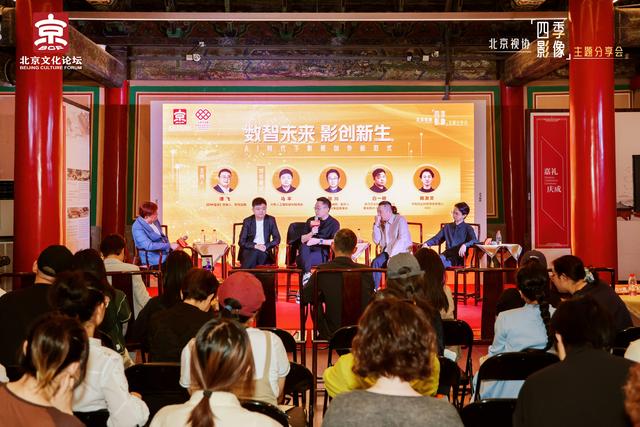
Core Viewpoint - The forum emphasizes the integration of AI technology in the film industry, highlighting its potential to enhance creativity and efficiency in film production [1][2][3] Group 1: AI Technology in Film Creation - AI technology is revolutionizing the entire film production process, allowing traditional tasks to be completed more efficiently; for instance, a task that previously required a week can now be done in half a day by one person using AIGC technology [2] - AI is seen as a tool that restores the essence of creativity for filmmakers, providing them with unprecedented freedom to express their artistic vision at lower costs [2] - The integration of AI not only serves as an efficient tool but also expands industry value and stimulates new vitality and development space within the film sector [2] Group 2: Cultural Impact and Future Trends - The development of technology empowers cultural dissemination, allowing traditional art forms to be animated and reach broader audiences, thus promoting the deep integration of culture and technology [2] - The forum aims to explore how technology can be human-centered, focusing on the essence of creation and enhancing originality through technological means [3] - The event marks the beginning of a series of activities aimed at fostering cultural originality by continuing discussions on the fusion of technology and culture [3]
2025北京文化论坛“破界共生:科技激发文化原创力”平行论坛首场沙龙举办
Bei Jing Ri Bao Ke Hu Duan· 2025-09-17 10:11
Core Insights - The forum titled "Breaking Boundaries and Coexisting: Technology Inspiring Cultural Originality" was held in Beijing, focusing on the integration of AI technology in the film industry [1][12] - Experts discussed the transformative impact of AI on the entire filmmaking process, emphasizing its role in enhancing creativity and efficiency [3][7] Group 1: AI Integration in Film - The salon featured discussions on how AI technology is revolutionizing traditional filmmaking processes, with examples like "Only This Green," where AI reduced a week-long task to half a day [7][8] - AI is seen as a tool that liberates creators, allowing them to express their artistic visions with greater freedom and lower costs [8][10] Group 2: New Creative Paradigms - The event highlighted the emergence of new cinematic languages and creative paradigms driven by AI, with participants noting that AI will become a standard tool in filmmaking, similar to smartphones and digital cameras [10] - The application of AI in projects like the second season of "The Three-Body Problem" showcases its innovative use in concept design and pre-visualization [10] Group 3: Future Trends and Cultural Impact - Experts emphasized the importance of embracing AI's creative potential to enhance the film industry's value and stimulate new growth opportunities [10][11] - The integration of technology and culture is seen as a way to make Chinese cultural heritage more accessible and engaging through dynamic visual representations [11]

AI生成的猫狗短剧,重演“回家的诱惑”
3 6 Ke· 2025-08-27 09:55
Core Insights - The integration of AI technology into short drama production is creating new opportunities and attracting investment in the industry [1][2][12] - Traditional short drama companies are shifting towards AI short dramas to find new growth avenues as competition intensifies [2][14] - The production costs for AI short dramas have significantly decreased, allowing for higher output and efficiency compared to traditional methods [5][6][12] Industry Trends - AI short dramas are gaining popularity, with some productions achieving high viewership, such as "The Nine-Tailed Fox Male Demon Loves Me" with 180 million views [11] - Major platforms like Kuaishou and Douyin are actively promoting AI short dramas through various initiatives and competitions [1][3] - The establishment of dedicated teams and tools for AI short drama production is becoming common, enhancing the quality and efficiency of content creation [13] Financial Aspects - Kuaishou's AI division reported a revenue of 150 million yuan in Q1, with a significant portion coming from professional users [3] - The average production cost for traditional short dramas has risen to 500,000-800,000 yuan, while AI short dramas can be produced for 100,000-150,000 yuan [5][6] - The industry is witnessing a rapid increase in daily consumption, reaching approximately 5 million yuan, indicating strong market demand [13]


可灵AI计划进军游戏制作和专业影视制作
Tai Mei Ti A P P· 2025-08-21 14:01
Core Insights - Kuaishou's CEO Cheng Yixiao expressed ambitions for the Keling AI to enhance its capabilities in industrial applications, particularly in game and film production, aiming to attract more industry users [2][3] - Keling AI has made significant progress, partnering with NetEase Games on the popular mobile game "Nirvana in Fire," integrating AI video generation to enrich social gameplay [2] - The Keling AI has been involved in the production of the world's first AI anthology series "New World Loading," which has garnered nearly 200 million views globally, showcasing its potential in large-scale content creation [3] Financial Performance - In Q2, Keling AI generated over 250 million RMB in revenue, with professional creators contributing nearly 70% of this income [3] - Kuaishou's overall revenue increased by 13.1% year-on-year to 35 billion RMB, with adjusted net profit rising by 20.1% to 5.6 billion RMB, achieving record high gross and adjusted net profit margins of 55.7% and 16.0% respectively [7] Investment and Cost Management - Kuaishou plans to double Keling AI's revenue target for 2025 and has increased capital expenditure for AI computing power, also expecting a stable gross margin despite higher investments [5] - The company has accounted for AI talent acquisition and retention costs in its budget, indicating controlled expenditure in this area [4] Future Directions - Keling AI aims to focus on two main areas: developing industry-specific solutions for game and film production, and enhancing user engagement through creative features for general creators [6] - As of July, Keling AI has produced over 200 million videos and 400 million images, serving more than 20,000 enterprise clients [7]

AI生成的猫狗短剧,重演“回家的诱惑”
36氪未来消费· 2025-08-18 11:38
Core Viewpoint - The integration of AI technology into short drama production is creating new opportunities and transforming the industry landscape, with significant capital interest and a shift in production costs and efficiency [2][5][10]. Group 1: Industry Trends - AI and short dramas have become a significant trend, with AI-generated content achieving high viewership and engagement [2]. - Traditional short drama companies are entering the AI short drama space to seek new survival opportunities amid resource concentration towards leading platforms [5][7]. - The establishment of Douyin's short drama copyright center has created a significant disruption in the industry, limiting content distribution options for smaller platforms [6][24]. Group 2: Production Cost and Efficiency - The average production cost for traditional short dramas has risen to 500,000-800,000 yuan per episode, while AI short dramas can be produced for 100,000-150,000 yuan [9][10]. - AI short drama production teams can achieve a production capacity of 20-30 episodes per month, significantly higher than traditional methods [12]. - The use of AI technology allows for streamlined production processes, reducing the need for scheduling popular actors and facilitating quicker content creation [13]. Group 3: Content and Market Potential - AI short dramas are gaining popularity despite their rough execution and lack of differentiation from traditional dramas, primarily due to engaging content [16][21]. - The frequency of content release for AI dynamic comics can increase from weekly to daily, enhancing user engagement and market scale [20]. - The market for AI short dramas is expected to capture approximately 30% of the traditional animation and streaming market within the next 3-5 years [22]. Group 4: Investment and Future Outlook - Companies focusing on AI short drama production are attracting significant capital interest, with investors more concerned about the underlying technology than the content itself [23]. - The industry is experiencing rapid growth, with daily consumption reaching around 5 million yuan, indicating a substantial market opportunity [23]. - Traditional short drama companies must accelerate their transformation to capitalize on the emerging AI short drama market before potential market saturation occurs [24].

AI拥抱微短剧:技术奇袭如何重构行业
Xin Hua She· 2025-08-14 10:08
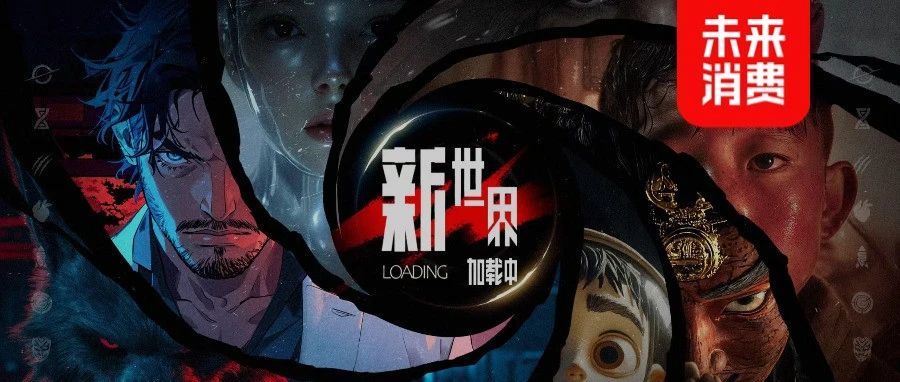
Core Insights - The integration of AI technology in the micro-drama industry is revolutionizing content creation, allowing for seamless transitions between various genres such as romance, sci-fi, and comedy, as demonstrated by the AI unit short drama collection "New World Loading" which achieved over 1.37 billion views [1] - The emergence of generative AI (AIGC) is expanding the creative boundaries of micro-dramas, with notable projects like "Mountain and Sea Mirror" achieving over 50 million views and being praised for its special effects [2] - Despite the advantages, the industry faces challenges such as the limitations of AI in capturing nuanced human expressions and movements, leading to a perception of "AI feeling" in performances [2] - Ethical concerns are also prevalent, as AI-generated content may inadvertently incorporate biased elements from its training data, necessitating careful oversight [3] - The industry is moving towards a "human-machine collaboration" model, where AI handles standardized production tasks while humans focus on creativity and emotional depth [3] - Initiatives like the establishment of the micro-drama incubation base in Guangxi highlight the ongoing efforts to merge digital content with cultural tourism, aiming to enhance local visibility and attractiveness [3] - The adoption of AI is expected to lower production costs and shorten production cycles, accelerating the industrialization of the film and television sector [3]