奇多

Search documents
1月通胀魔咒再现?特朗普关税或成众矢之的-市场参考-金十数据
Jin Shi Shu Ju· 2026-02-11 10:27
Group 1 - The January inflation data in the U.S. is expected to show a moderate month-on-month increase of 0.3%, with a year-on-year growth rate dropping to 2.5% [1] - Historical trends indicate that January inflation data often tends to be higher, which raises concerns among market participants about potential unexpected outcomes [1] - The possibility of companies passing on tariffs imposed during the Trump administration to consumers is being considered as a reason for the Federal Reserve's cautious stance on further interest rate cuts [1] Group 2 - The interpretation of January's inflation data may be complicated by statistical anomalies, as January is typically a time when companies increase prices [2] - The U.S. Bureau of Labor Statistics (BLS) adjusts CPI data for seasonal effects, but some economists believe that residual seasonality still exists, leading to an average inflation rate in January that is 0.03 percentage points higher than other months since 1985 [2] - The increase in January inflation is particularly pronounced in the service sector, where businesses are more likely to raise prices at the beginning of the year [2] Group 3 - Recent data from Adobe indicates significant price increases for online shopping in January, suggesting that retailers may be passing on higher costs to consumers [3] - Economists attribute potential price hikes in January to both tariff impacts and residual seasonality, with retailers possibly using the new year as an opportunity to adjust prices [3] - The overall inflation trend is influenced by both rising goods prices and stabilizing service prices, which may mask underlying inflationary pressures [3] Group 4 - Economic experts believe that inflation will not spiral out of control in the U.S. in 2026, as consumer sensitivity to prices is leading companies to adjust their pricing strategies [4] - Companies like PepsiCo and General Mills are responding to budget-conscious consumers by lowering prices on certain products to attract them [4] - This shift in consumer behavior indicates that businesses are becoming more aware of changing demand dynamics and are less willing to pass on price increases [4]
1月通胀魔咒再现?特朗普关税或成成众矢之的
Jin Shi Shu Ju· 2026-02-10 02:16
Group 1 - The January inflation data in the US is expected to show a moderate month-on-month increase of 0.3% in the Consumer Price Index (CPI), with a year-on-year growth rate dropping to 2.5% [1] - Historical trends indicate that January inflation data often tends to be higher, with last January's CPI increase surpassing that of any other month [1] - Some Federal Reserve officials are cautious about further interest rate cuts due to the potential for higher inflation being attributed to the passing of tariffs to consumers [1] Group 2 - The interpretation of January's inflation data may be complicated by statistical anomalies, as January is typically a time when businesses raise prices [2] - The Bureau of Labor Statistics (BLS) adjusts CPI data for seasonal effects, but many economists believe that "residual seasonality" still exists in the data [2] - A study from the Boston Federal Reserve indicates that since 1985, seasonally adjusted January inflation has averaged 0.03 percentage points higher than other months, which is significant for market implications [2] Group 3 - Signs suggest that the upcoming January inflation data may again be elevated, with Adobe reporting significant price increases in online shopping for various goods [3] - Economists note that retailers may pass on higher costs to consumers through post-holiday price adjustments, particularly in categories heavily reliant on imports [3] - The price increases attributed to tariffs and "residual seasonality" may not be mutually exclusive, as businesses could be using the opportunity to restore profit margins [3] Group 4 - Economists from Daiwa Capital Markets believe that the US will not experience runaway inflation in 2026, as consumer sensitivity to prices has become a major political issue [4] - Companies are responding to changing consumer behavior by lowering prices on popular brands to attract budget-conscious shoppers [4] - Executives are increasingly aware of the need to adjust pricing strategies in response to consumer demand shifts, indicating a more cautious approach to passing on price increases [4]
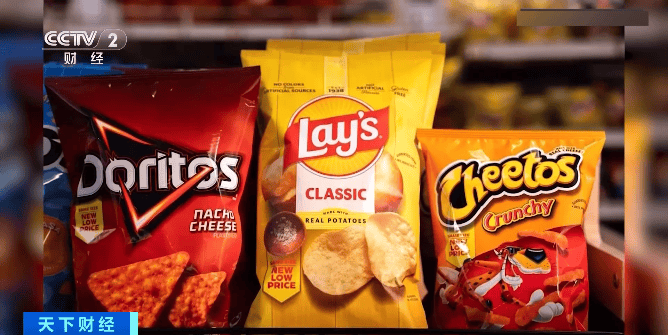
百事宣布多款零食在北美市场降价
Sou Hu Cai Jing· 2026-02-05 12:03
Core Viewpoint - PepsiCo has announced a price reduction for several snack products, including Lay's chips, in the North American market, with discounts of up to 15% [1][3]. Group 1: Price Reduction Strategy - The price reduction is part of PepsiCo's strategy to enhance product value and accelerate business growth [3]. - The new suggested retail prices will be rolled out starting this week, but actual prices will be determined by retailers [4]. Group 2: Previous Price Increases and Sales Impact - PepsiCo had previously raised prices on some products due to increased costs for packaging, ingredients, and transportation, with a global price increase of 4.5% in the last quarter [4]. - In North America, the price increase was 1%, which contributed to a revenue boost, with net revenue growing by 5.6% year-over-year to approximately $29.3 billion, exceeding market expectations of $28.9 billion [4]. - However, the price hikes led to a decline in food sales in North America, particularly affecting lower-income consumers, with a 1% year-over-year drop in sales during the last quarter [4].


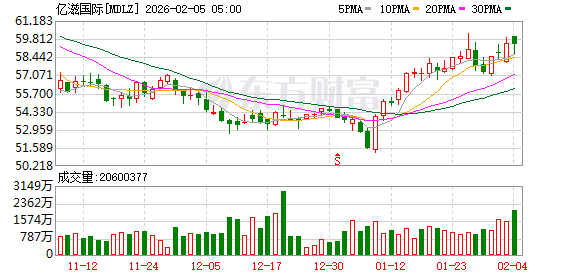
原材料价格高涨,奥利奥母公司2025财年增收不增利 可可降价后还不打算调价,原因是
Mei Ri Jing Ji Xin Wen· 2026-02-05 06:58
Core Viewpoint - The snack food industry is facing pressure from both foreign giants and local brands, with companies like Mondelez International and PepsiCo reporting revenue growth but significant declines in net profit due to high raw material costs, particularly cocoa [2][4]. Group 1: Financial Performance - Mondelez International reported a net revenue of $38.537 billion for fiscal year 2025, a 5.8% increase year-over-year, but net income fell by 46.8% to $2.451 billion due to high cocoa prices [2]. - PepsiCo's fiscal year 2025 results showed a revenue increase of 2.25% and a net profit decline of 13.97%, prompting the company to announce price cuts of nearly 15% on certain snack products [4]. Group 2: Pricing Strategies - Companies in the snack food sector, including Mondelez, have raised product prices to offset rising raw material costs, which contributed to an 8% organic net revenue growth for Mondelez in fiscal year 2025 [6]. - Recent data indicates that cocoa prices have started to decline, which may impact pricing strategies for chocolate products moving forward [6]. Group 3: Market Dynamics - The North American market is experiencing consumer pressure, with a shift towards lower-priced products and discount channels, affecting sales for both Mondelez and PepsiCo [7][8]. - Mondelez's CEO noted that the company does not plan to match PepsiCo's significant price cuts, indicating a strategic approach to pricing based on market conditions [8]. Group 4: China Market Strategy - Mondelez has made organizational adjustments in China, including the acquisition of a local frozen bakery company, which has contributed to revenue growth [9]. - The company is focusing on expanding distribution channels in China, with plans to introduce differentiated product offerings for the upcoming Chinese New Year [9][10].

资讯早间报:隔夜夜盘市场走势-20260204
Guan Tong Qi Huo· 2026-02-04 02:03
Report Industry Investment Rating No relevant information provided. Core Viewpoints of the Report The report provides a comprehensive overview of the overnight night - market trends, important news, and the performance of various financial markets, including commodities, stocks, bonds, and foreign exchange. It also presents upcoming events and corporate earnings reports. Summary by Directory Overnight Night - Market Trends - Domestic commodity futures markets mostly closed lower during the day session, with precious metals showing a mixed trend (Shanghai silver down 16.71%, palladium up 8.62%), base metals leading the decline (Shanghai tin down 6.7%), and energy products all falling (crude oil down 4.93%). Precious metals and base metals rebounded at night, with Shanghai silver up 5.93%, Shanghai gold up 4.2%, and Shanghai tin up 6.64% [4][44]. - International precious metal futures generally closed higher, with COMEX gold futures up 6.83% at $4970.50 per ounce and COMEX silver futures up 10.27% at $84.92 per ounce. The Fed's signal of rate cuts, the end of the US government shutdown, the progress of the US - India trade agreement, and the exchange's adjustment of risk - control measures boosted the precious metals market [4][45]. - US crude oil futures rose 2.83% to $63.9 per barrel, and Brent crude oil futures rose 2.55% to $67.99 per barrel. The API data showed a significant decrease in US crude oil inventory, indicating a contraction in the supply side [4][47]. - Most London base metals rose, with LME tin up 7.95% at $50295.0 per ton, LME copper up 4.02% at $13410.0 per ton, LME nickel up 3.38% at $17395.0 per ton, LME aluminum up 1.41% at $3099.0 per ton, LME zinc down 0.02% at $3323.0 per ton, and LME lead down 0.08% at $1961.5 per ton [5][6][47]. Important News Macroeconomic News - The Reserve Bank of Australia raised the benchmark interest rate, becoming the first major central bank to raise rates this year due to persistent domestic inflation [8]. - The Central No. 1 Document was released, aiming to promote rural revitalization and expand rural consumption, supporting the sales of new - energy vehicles, smart home appliances, and green building materials in rural areas [8]. - China and Russia held a new round of strategic stability consultations, reaching a wide range of consensus on global strategic stability and multilateral arms control issues [8]. - A Fed governor emphasized the need for aggressive rate cuts this year [8][37]. Energy and Chemical Futures - The Shanghai Futures Exchange and Shanghai International Energy Exchange adjusted the daily price limits and margin ratios for multiple futures contracts from February 5 [9][11]. - There are concerns about the flow of Russian crude oil if India stops purchasing, as the US agreed to lower tariffs on Indian imports in exchange [11]. Metal Futures - In 2025, the industrial added - value of non - ferrous metal enterprises increased by 6.9%, and the output of ten non - ferrous metals exceeded 8000000 tons, up 3.9% from the previous year [13]. - A landslide in Indonesia led to the death of 6 tin miners [14]. - Some polysilicon companies are trying to raise or maintain prices, and the market expects the price to rise above 50 yuan per kilogram [14]. - China plans to improve the copper resource reserve system, including expanding the national strategic reserve and exploring commercial reserves [14]. - Multiple exchanges adjusted the daily price limits and margin ratios for precious metal futures contracts [16][17][44][45]. - The Chilean Copper Commission raised its copper price forecast for 2026 and 2027 [17]. Black - Series Futures - In late January 2026, the social inventory of 5 major steel products in 21 cities was 717000 tons, with a slight increase compared to the previous period [19]. - Indonesia's coal miners suspended spot coal exports due to the government's production cut plan, which was opposed by the industry association [19]. Agricultural Futures - In the last week of January, the soybean crushing volume in domestic oil mills reached 2.3 million tons, and the soybean meal inventory increased slightly. It is expected to decline to about 650000 tons by the end of February [22]. - Malaysia's palm oil exports in January showed different trends according to different data sources, with a 14.89% increase according to AmSpec and a 5.58% decrease according to SGS. The production in January decreased by 13.08% [23][26][28]. - The Chinese government issued policies to promote the healthy development of the agricultural industry, including regulating pig production capacity and stabilizing agricultural product prices [23]. - India's palm oil imports in January reached the highest level since October 2025 [24]. - The US Soybean Export Association is optimistic about the export prospects of US soybeans this year [24]. - The national soybean oil port inventory decreased by 13000 tons from January 27 to February 3 [25]. Financial Markets Stocks - A - shares rose on Tuesday, with the Shanghai Composite Index up 1.29%, the Shenzhen Component Index up 2.19%, and the ChiNext Index up 1.86%. The trading volume decreased to 2.57 trillion yuan [30]. - Hong Kong stocks rebounded, with the Hang Seng Index up 0.22%, but the Hang Seng Technology Index down 1.07%. Southbound funds net - bought HK$952 million, and Tencent Holdings was significantly added [30]. - The China Securities Regulatory Commission and the UK's Financial Conduct Authority discussed strengthening regulatory cooperation and optimizing market inter - connectivity [31]. - In January, the number of new A - share accounts reached 4.9158 million, a 15 - month high, with a month - on - month increase of about 89% and a year - on - year increase of about 213% [32]. - Institutions' research and rating activities have increased significantly since January. As of February 3, 56 institutions made 1221 "buy" ratings, covering 653 stocks [32]. - Many commercial aerospace companies are approaching the listing stage, and it is predicted that they will be listed intensively in the next two years [33]. - Cambrian refuted false information, and its stock price fell [33]. Industry - The Ministry of Industry and Information Technology emphasized the development of future industries such as 6G, quantum technology, etc. [34]. - Eight departments issued guidelines for the safe cross - border transfer of automobile data [34]. - The Cyberspace Administration of China issued a negative list for algorithms of life - service platforms [34]. - Domestic refined oil prices increased for the second consecutive time [34]. - Fujian Province introduced measures to stabilize the real - estate market [34]. - The beauty - medical marketing track on Xiaohongshu is facing a major reshuffle [36]. Overseas Markets - The US will hold talks with Iran as planned [37]. - US President Trump signed a government funding bill, ending the government shutdown [37]. - Fed officials have different views on rate cuts [37]. - The Reserve Bank of Australia raised interest rates and adjusted economic and inflation expectations [37]. - The South Korean government will crack down on real - estate speculation [38]. - The "Artemis 2" mission launch was postponed due to a rocket leak [38]. - US stocks fell, with the Dow down 0.34%, the S&P 500 down 0.84%, and the Nasdaq down 1.43%. European stocks also fell slightly, while Asia - Pacific stocks mostly rose [40][41]. - AMD, PepsiCo, Nintendo and other companies released their financial reports [41][43]. Commodities - The Shanghai Gold Exchange and other exchanges adjusted the margin ratios and price limits for multiple commodity futures contracts [44][45]. Bonds - The Chinese bond market was generally stable, with interest - rate bonds showing a mixed trend. US bond yields were also mixed [48]. Foreign Exchange - The on - shore RMB against the US dollar rose, and the US dollar index fell. Most non - US currencies rose [49][50][51]. Upcoming Events - There will be 377.5 billion yuan of reverse repurchases due in the Chinese central bank's open market at 09:20 [53]. - The State Council Information Office will hold a press conference at 10:00 to introduce rural revitalization [53]. - The US Treasury will announce its quarterly refinancing statement at 21:30 [53]. - Guoen Technology will be listed on the Hong Kong Stock Exchange [53]. - Google, Lilly, Novartis, Novo Nordisk, Uber, Qualcomm, UBS Group, and ARM will release their financial reports [53]. - The Richmond Fed President will give a speech at 01:00 the next day [53].
百事可乐(PEP.US)Q4营业利润大增近60% 宣布将乐事薯片等零食价格下调15%+百亿美元股票回购
智通财经网· 2026-02-03 13:26
Core Insights - PepsiCo reported stronger-than-expected fourth-quarter revenue and profit, driven by robust international market demand [1] - The company announced a $10 billion stock buyback plan and reaffirmed profit growth targets set for December 2025 [1] Financial Performance - Adjusted earnings per share (EPS) for the fourth quarter were $2.26, slightly above analysts' expectations of $2.23 and significantly higher than $1.96 from the previous year [1] - Total revenue for the quarter was approximately $29.34 billion, reflecting a year-over-year growth of 5.6%, surpassing the expected $28.97 billion [1] - GAAP operating profit for the fourth quarter was about $3.557 billion, showing a nearly 60% year-over-year increase, while GAAP net profit was approximately $2.54 billion, up about 67% [1] Strategic Adjustments - PepsiCo is under pressure from activist investor Elliott Management, which holds approximately $4 billion in shares and has urged the company to reform its product lineup and make key brands more affordable [2] - The company has agreed to reduce its U.S. product lineup by 20% and lower prices on certain key brands due to consumer complaints about high prices [2] - PepsiCo's stock has risen 8.1% year-to-date, outperforming the S&P 500 index, but has seen a 5% decline as the market anticipates a bull run in 2025, lagging behind competitor Coca-Cola [2] Market Trends - There is a growing demand for locally flavored snacks and beverages in countries like India and Brazil, contributing to sales growth [2] - The company is shifting focus towards lower-priced entry-level products and smaller packaging sizes to cater to budget-conscious consumers amid persistent inflation [3] - PepsiCo's CEO stated the company aims to promote growth by offering more competitive snack and beverage products in response to changing consumer purchasing power [3] Future Outlook - PepsiCo management reiterated its annual core EPS growth target of 4% to 6% and projected organic revenue growth of 2% to 4% for the full year [3]
?百事可乐(PEP.US)Q4营业利润大增近60% 宣布将乐事薯片等零食价格下调15%+百亿美元股票回购
Zhi Tong Cai Jing· 2026-02-03 12:34
Core Insights - PepsiCo reported strong Q4 results, with both revenue and profit exceeding Wall Street expectations, driven by robust international market demand [1] - The company announced a $10 billion stock buyback plan and reaffirmed its profit growth targets for December 2025 [1] Financial Performance - Adjusted EPS for Q4 was $2.26, slightly above the expected $2.23 and significantly higher than last year's $1.96 [1] - Total revenue for the three months ending December 27 was approximately $29.34 billion, a year-over-year increase of 5.6%, surpassing the expected $28.97 billion [1] - Q4 GAAP operating profit was about $3.557 billion, reflecting a nearly 60% year-over-year increase, while GAAP net profit was approximately $2.54 billion, up about 67% [1] Strategic Initiatives - PepsiCo is under pressure from activist investor Elliott Management, which owns about $4 billion in shares and has urged the company to reform its product lineup and make key brands more affordable [2] - The company has agreed to reduce its U.S. product lineup by 20% and lower prices on key brands to address these concerns [2] - PepsiCo plans to cut prices on products like Lay's and Cheetos by up to 15% due to consumer complaints about high prices [2] Market Trends - The company is shifting focus towards lower-priced entry-level products and smaller packaging sizes to cater to middle and low-income consumers facing inflationary pressures [3] - CEO Ramon Laguarta stated that the company aims to promote growth by offering more competitive snack and beverage products in response to changing consumer purchasing power [3] - PepsiCo is also investing in rebranding key products to meet the strong demand for cleaner and healthier ingredients, influenced by global trends and health initiatives [3] Future Outlook - The management reiterated its annual core EPS growth target of 4% to 6% and projected organic revenue growth of 2% to 4% for the full year [3]
百事可乐(PEP.US)Q4营业利润大增近60% 宣布将乐事薯片等零食价格下调15%+百亿美元股票回购
Zhi Tong Cai Jing· 2026-02-03 12:26
Core Insights - PepsiCo reported stronger-than-expected fourth-quarter revenue and profit, driven by robust international market demand [1] - The company announced a $10 billion stock buyback plan and reaffirmed its profit growth target set for December 2025 [1] Financial Performance - Adjusted earnings per share (EPS) for the fourth quarter were $2.26, slightly above the Wall Street consensus of $2.23 and significantly higher than $1.96 from the previous year [1] - Total revenue for the quarter was approximately $29.34 billion, reflecting a year-over-year increase of 5.6%, surpassing the expected $28.97 billion [1] - GAAP operating profit for the fourth quarter was about $3.557 billion, showing a nearly 60% year-over-year increase, while GAAP net profit was approximately $2.54 billion, up about 67% [1] Strategic Adjustments - PepsiCo is under pressure from activist investor Elliott Management, which holds approximately $4 billion in shares and has urged the company to reform its product lineup and make key brands more affordable [2] - The company has agreed to reduce its U.S. product lineup by 20% and lower prices on certain key brands due to consumer complaints about high prices [2] - PepsiCo's stock has risen 8.1% year-to-date, outperforming the S&P 500 index by 1.9%, although it has seen a 5% decline as the U.S. stock market continues its bull run into 2025 [2] Market Trends - There is a growing demand for locally flavored snacks and beverages in countries like India and Brazil, contributing to sales growth [2] - The company is shifting its focus towards lower-priced entry-level products and smaller packaging sizes to cater to budget-conscious consumers amid persistent inflation [3] - PepsiCo's CEO stated the company aims to promote growth by offering more competitive snack and beverage products in response to changing consumer purchasing power [3] Future Outlook - The management reiterated its annual core EPS growth target of 4% to 6% and projected organic revenue growth of 2% to 4% for the full year [3]
百事可乐(PEP.US)Q4营业利润大增近60% 宣布将乐事薯片等零食价格下调15%+百亿美...
Xin Lang Cai Jing· 2026-02-03 12:24
Core Insights - PepsiCo reported stronger-than-expected fourth-quarter revenue and profit, driven by robust international market demand [1] - The company announced a $10 billion stock buyback plan and reaffirmed its profit growth target set in December 2025 [1] Financial Performance - Adjusted earnings per share (EPS) for the fourth quarter were $2.26, slightly above the Wall Street consensus of $2.23 and significantly higher than $1.96 from the previous year [1] - Total revenue for the quarter was approximately $29.34 billion, reflecting a year-over-year increase of 5.6%, surpassing the expected $28.97 billion [1] - GAAP operating profit for the fourth quarter was about $3.557 billion, showing a nearly 60% year-over-year increase, while GAAP net profit was approximately $2.54 billion, up about 67% [1] Strategic Adjustments - PepsiCo is under pressure from activist investor Elliott Management, which holds about $4 billion in shares and has urged the company to reform its product lineup and make key brands more affordable [2] - The company has agreed to reduce its U.S. product lineup by 20% and lower prices on key brands due to consumer complaints about high prices [2] - PepsiCo's stock has risen 8.1% year-to-date, outperforming the S&P 500 index by 1.9%, although it has seen a 5% decline in stock price amid a broader market rally [2] Market Trends - Demand for locally flavored snacks and beverages in countries like India and Brazil is driving sales growth, while the company adjusts its U.S. product offerings to meet changing consumer tastes [2] - The company is focusing on lower-priced entry-level products and smaller packaging sizes to cater to budget-conscious consumers facing inflationary pressures [3] - PepsiCo aims to promote growth by providing more competitive snack and beverage products in response to changes in consumer purchasing power [3] Future Outlook - The management reiterated its annual core EPS growth target of 4% to 6% and projected organic revenue growth of 2% to 4% for the full year [3]
百事:明年年初前拟削减近两成产品
财富FORTUNE· 2025-12-11 13:05
Core Insights - PepsiCo has announced a plan to reduce its product line by nearly 20% and lower prices, aiming to enhance product value for consumers and allocate savings towards marketing [2][3] - The adjustments are driven by Elliott Investment Management, which invested $4 billion in PepsiCo and expressed concerns over the company's unclear strategic direction and declining profitability [3][4] - PepsiCo expects organic revenue growth of 2% to 4% by 2026, with a 1.5% growth in the first nine months of the current year [6] Group 1 - PepsiCo will eliminate certain products and lower prices to improve market performance and financial results [2][3] - The company plans to accelerate the launch of simplified and functional products, such as protein-based snacks and those without artificial ingredients [2] - Elliott's partner, Marc Steinberg, expressed confidence that the new plan will create value for shareholders and drive stronger revenue and profit growth [3] Group 2 - PepsiCo's CEO, Ramon Laguarta, emphasized the urgency of implementing actions to enhance market performance and financial results [6] - The company is reviewing its supply chain and adjusting its board to include global leaders who can help achieve growth and profitability goals [6] - PepsiCo is expanding the distribution of its value brands to counteract perceptions of high pricing [6]