
仿生手

Search documents
小米機器人手竟會「流汗」散熱!@Tesla @elonmusk 硬剛開始?#小米CyberOne #仿生手 #TeslaOptimus #人形機器人 #電動車科技
大鱼聊电动· 2026-03-30 06:40
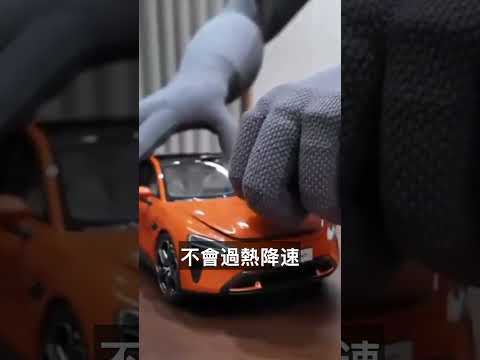
小米居然讓 機器人的手 「流汗」了! 雷軍這次直接 把CyberOne的 仿生手砍掉 60%體積 變得跟真人 的手一模一樣 自由度 暴增50% 主動自由度 更狂飆83% 直逼人類 27個的極限 他們給手裝了 智慧仿生汗腺! 能主動散掉 10W熱量 讓密集馬達 在高負荷下 不會過熱降速 機器人能學會 像人一樣 出汗散熱 這招簡直天才! 馬斯克早就說過 人形機器人 最難的是 AI大腦和雙手 小米硬體堆 得這麼猛 硬剛Optimus 你覺得誰會 笑到最後?. ...

陈景河现场落泪,卢迈呼吁关注农村养育,韩璧丞展示仿生手抓哑铃……上百位企业家共话中国经济新动能
新浪财经· 2026-01-29 16:00
Core Viewpoint - The event "Praise for China's Economy - Entrepreneur Night" highlighted the achievements and future prospects of various companies and entrepreneurs, emphasizing the importance of innovation and resilience in driving economic growth. Group 1: Mining Industry - Chen Jinghe, founder of Zijin Mining, expressed confidence in the company's future, stating that their complete technical capabilities and strong exploration abilities position them favorably against Western companies [6]. - Zijin Mining's overseas gold segment is set to be spun off and listed in Hong Kong by the end of September 2025, with the gold segment currently valued at over 580 billion RMB in the market [6]. - Chen emphasized that the company's growth potential is significantly underestimated, asserting that it is difficult not to profit from Zijin's promising trajectory [6]. Group 2: Child Development Initiatives - Lu Mai, former vice chairman of the China Development Research Foundation, called for attention to rural child development, particularly for children aged 0 to 3, highlighting a funding gap of 30 million RMB needed for initiatives [12]. - He emphasized the urgency of addressing the lack of support for rural children, stating that without immediate action, the future is concerning [12]. Group 3: Dairy Industry - Cold Youbin, chairman of China Feihe, reiterated the company's commitment to producing high-quality infant formula that closely resembles breast milk, focusing on thorough research and fresh ingredients [16]. - Feihe has achieved 100% self-sufficiency in 11 core raw materials and established five large-scale production lines to ensure quality control [18]. Group 4: Biotechnology and Assistive Technology - Han Bicheng, CEO of Zhejiang Qiangnao Technology, aims to use advanced technology to help individuals with disabilities regain mobility through brain-machine interface technology [23]. - The company showcased a bionic hand that can be controlled intuitively, demonstrating its potential to significantly improve the lives of disabled individuals [25]. Group 5: AI and Technology - Liu Debing, chairman of Zhiyuan, stated that the company's goal is to enable machines to think like humans, reflecting a long-term vision in the pursuit of artificial general intelligence (AGI) [29]. - The company aims to reach the ultimate level of intelligence in its exploration of AGI [29]. Group 6: Autonomous Vehicles - Peng Jun, CEO of Pony.ai, expressed the vision of making transportation safer and more efficient through autonomous driving technology, with aspirations for widespread adoption [35]. - The company demonstrated its latest autonomous vehicle during the event, showcasing its capabilities in real-world scenarios [37]. Group 7: Aviation and Transportation - Zhao Deli, founder of Huitian, announced that the company is the largest flying car R&D firm in Asia, with plans to start mass production by the end of 2025 and has already received 7,000 orders [51]. - The company aims to lead the low-altitude economy and flying car market, leveraging China's industrial and supply chain advantages [51]. Group 8: Real Estate and Lifestyle - Ma Yin, founder of Anaya, emphasized the importance of creating spaces that foster community and aesthetic appreciation, focusing on quality of life rather than just economic metrics [60]. - He expressed a commitment to addressing deeper societal issues through his projects, aiming to enhance the human experience [60]. Group 9: Semiconductor Industry - Representatives from the "China Chip Infrastructure" group highlighted the significance of AI chips as the cornerstone of modern technology and digital economy, with a focus on building a self-sufficient computing foundation by 2025 [66]. - The group aims to support rapid development in emerging fields such as artificial intelligence and high-performance computing [66]. Group 10: Entertainment and Media - Du Hua, founder of Lehua Entertainment, discussed the company's transformation into a comprehensive entity that integrates robotics and AI into its operations, aiming to enhance emotional value for consumers [72]. - The company is exploring new business models that combine entertainment with technological innovation [72].

陈景河现场落泪,卢迈呼吁关注农村养育,韩璧丞展示仿生手抓哑铃……上百位企业家共话中国经济新动能
Xin Lang Cai Jing· 2026-01-29 15:49
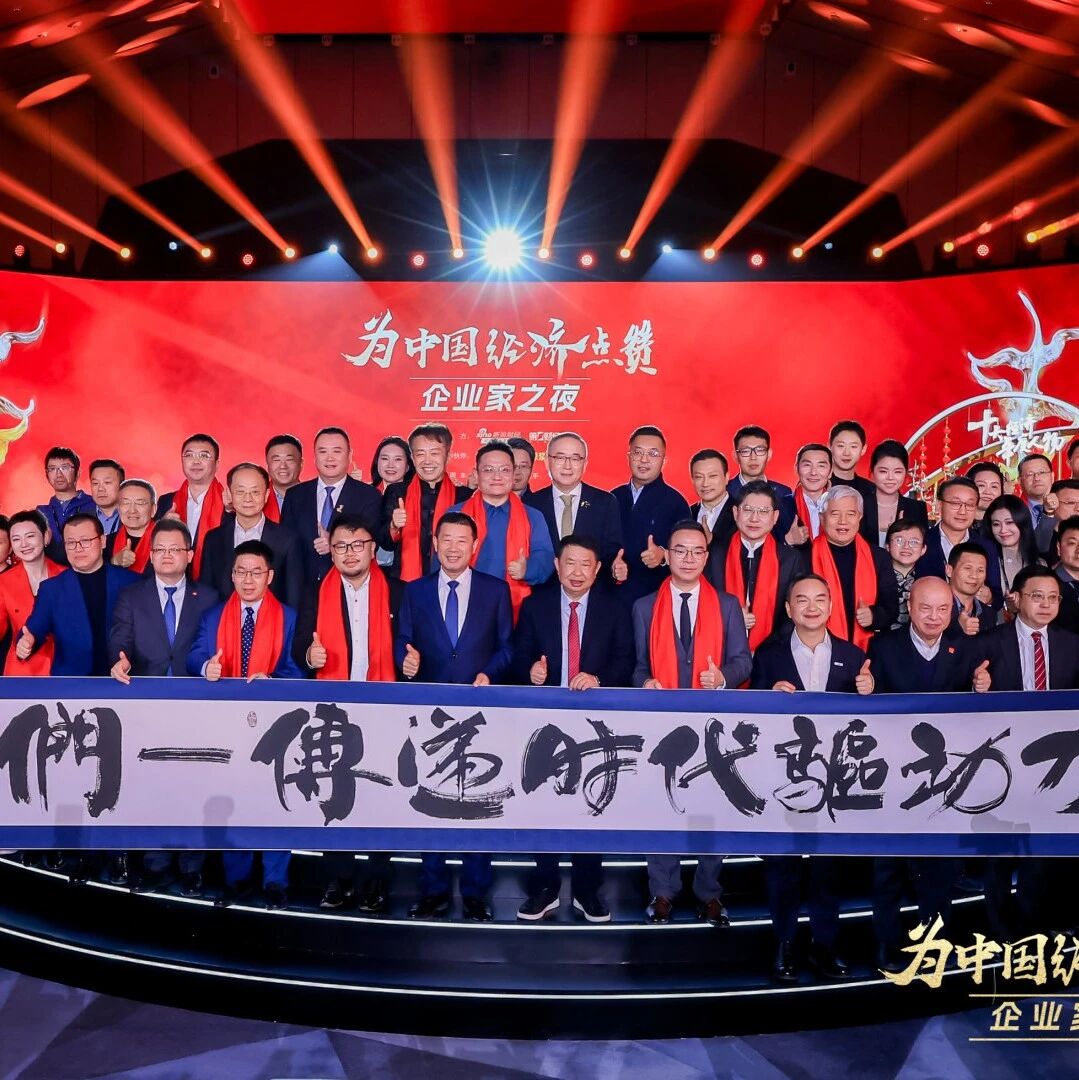
Group 1 - The event "Praise for China's Economy - Entrepreneur's Night" was held on January 29 in Beijing, attended by hundreds of entrepreneurs and experts, honoring notable figures such as Chen Jinghe, Lu Mai, and others [2][70] - Chen Jinghe, founder and honorary chairman of Zijin Mining, expressed confidence in the future of the mining industry, stating that Chinese companies have superior technical and exploration capabilities compared to Western firms [5][71] - Zijin Mining plans to spin off its overseas gold segment in Hong Kong by September 2025, with the gold segment currently valued at over 580 billion RMB in the market [5][73] Group 2 - Lu Mai, former vice chairman of the China Development Research Foundation, emphasized the importance of early childhood development in rural areas, highlighting a funding gap of 30 million RMB for initiatives aimed at supporting children aged 0-3 [12][81] - Lu Mai has raised 41 million RMB towards a goal of 71 million RMB for rural child-rearing guidance, stressing the urgency of addressing this issue [13][81] Group 3 - Cold Friend, chairman of China Feihe, reiterated the company's commitment to producing high-quality infant formula that closely resembles breast milk, with a focus on fresh ingredients and thorough research [16][84] - Feihe has achieved 100% self-sufficiency in 11 core raw materials and has established five large-scale production lines to ensure the safety and quality of its products [18][86] Group 4 - Han Bicheng, CEO of Zhejiang Qiangnao Technology, aims to use advanced technology to help physically disabled individuals regain mobility through brain-machine interface technology [19][24] - The company has showcased its bionic hand technology, which allows users to control the device through thought, significantly improving the quality of life for amputees [26][94] Group 5 - Liu Debing, chairman of Zhipu Technology, expressed the company's vision of enabling machines to think like humans, aiming for breakthroughs in artificial general intelligence (AGI) [29][97] - Zhipu Technology is recognized as a pioneer in the market for large models in China, with aspirations to reach the ultimate level of intelligence [29][97] Group 6 - Pony.ai, led by CEO Peng Jun, focuses on making autonomous driving safer and more efficient, with a vision of integrating their vehicles into everyday life [30][102] - The company has demonstrated its latest autonomous vehicle technology in real-time during the event, showcasing its capabilities in urban environments [36][104] Group 7 - Weichai Power's chairman, Ma Changhai, emphasized the company's commitment to becoming a backbone of China's equipment manufacturing industry [38][106] - The company aims to enhance its global presence and contribute to the development of the manufacturing sector [38][106] Group 8 - Wu Xiangdong, chairman of Zhenjiu Liudu Group, expressed hopes for the international expansion of Chinese liquor products, aiming to increase global appreciation for their offerings [41][111] - The company is recognized for its unique brewing techniques and aims to maintain high standards in product quality and consumer satisfaction [41][109] Group 9 - Zhao Deli, founder of Huitian, highlighted the company's position as Asia's largest flying car R&D firm, with plans to begin mass production by the end of 2025 [48][116] - Huitian has received 7,000 orders for its flying cars, aiming to revolutionize transportation through innovative technology [48][116] Group 10 - Ma Yin, founder of Anaya, discussed the importance of creating spaces that foster community and aesthetic appreciation, focusing on a slower, more meaningful approach to development [50][123] - The company aims to provide not just housing but also a sense of belonging and connection to nature [50][123] Group 11 - The "China Chip Infrastructure" group, including companies like Cambricon and Moore Threads, was honored for their contributions to the AI chip industry, which is seen as a cornerstone of modern technology and digital economy [58][128] - The semiconductor industry in China is expected to support rapid growth in AI, high-performance computing, and automotive electronics by 2025 [60][128] Group 12 - Du Hua, founder of Lehua Entertainment, announced plans for the company's transformation into a comprehensive entity that integrates robotics, AI, and entertainment, aiming to enhance emotional value for consumers [61][133] - The company is exploring innovative business models that combine technology with entertainment to create new experiences [61][133]

华大集团CEO尹烨点赞强脑科技:中国创造、中国制造的力量!
Xin Lang Cai Jing· 2026-01-29 12:35
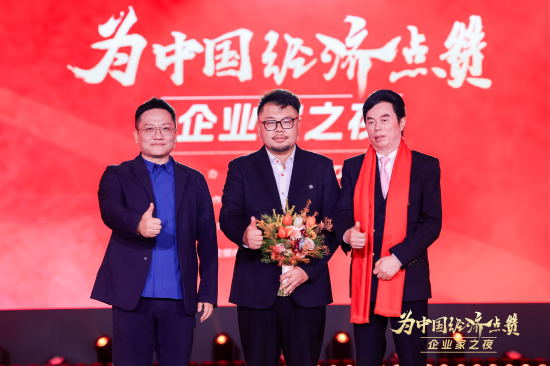
Group 1 - The event "Praise for China's Economy - Entrepreneur Night" was held on January 29 in Beijing, honoring the founder and CEO of Zhejiang Qiangnao Technology Co., Ltd., Han Bicheng [1][2] - Notable attendees included Gao Dekang, Chairman and President of Bosideng Group, and Yin Ye, CEO of BGI Group, who witnessed the honor [1][2] Group 2 - Yin Ye emphasized the emotional impact of technology, highlighting examples of individuals with disabilities who can now engage in activities like dancing and playing piano through advanced prosthetics [3][5] - Han Bicheng stated that Qiangnao Technology aims to use cutting-edge technology, specifically thought control, to assist approximately 5 million people with limb disabilities in China, helping them reintegrate into society and work [3][5]
速递|强脑科技韩璧承:正在研发电子版司美格鲁肽,可抑制食欲助力减肥
GLP1减重宝典· 2025-12-15 10:43
Core Viewpoint - The brain-computer interface (BCI) industry is entering a rapid growth phase, with the global market expected to reach approximately $12.4 billion by 2034, reflecting a compound annual growth rate (CAGR) of 17.35% [4] Group 1: Market Overview - The BCI market is experiencing significant advancements due to the integration of technologies such as artificial intelligence, flexible materials, and biosensors [4] - Strong Brain Technology, one of the "Six Little Dragons" in Hangzhou, has completed a Pre-B round of financing, achieving a post-investment valuation exceeding $1.3 billion, positioning it as a leading unicorn in the domestic BCI sector [4][7] Group 2: Technological Directions - There are two main technological directions in the BCI field: invasive and non-invasive. Invasive technologies, represented by Neuralink, involve surgical implantation of electrodes, offering high signal quality but facing high costs and ethical concerns [5] - Non-invasive technologies, exemplified by Strong Brain Technology, do not require surgery and are more suitable for large-scale applications, primarily used in rehabilitation training and seen as having greater commercial potential [5] Group 3: Product Development and Controversies - Strong Brain Technology is developing a product akin to an "electronic version of semaglutide," aimed at reducing appetite to assist with weight loss, which has sparked discussions about the boundaries of consumer applications for BCI [7] - The company's product portfolio spans three main areas: smart bionics, smart health, and smart education, including devices like bionic hands and legs, sleep devices, and attention training systems [7] Group 4: Technological Accumulation - Strong Brain Technology has developed a proprietary solid-state gel electrode known as the "super sensor," capable of high-precision collection of brain and muscle electrical signals [8] - The company has secured over 460 authorized patents, with more than 250 core invention patents, placing it among the leaders in the global BCI industry [8]

不是科幻!听韩璧丞聊聊“意念控物”的真相
新华网财经· 2025-11-28 05:14
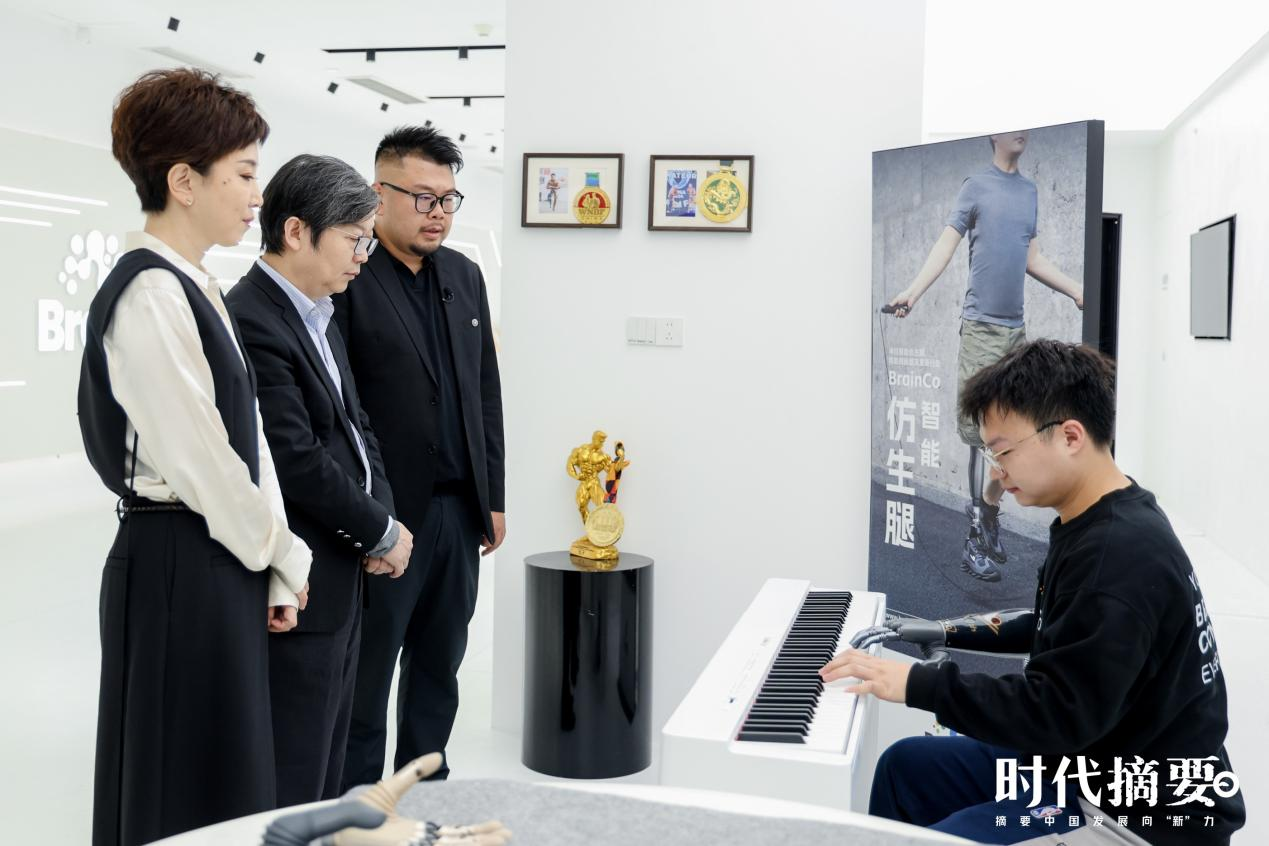
Core Viewpoint - The article highlights the emergence of brain-computer interface (BCI) technology, emphasizing that Chinese company BrainCo has become a leading player in the non-invasive BCI sector, competing with Elon Musk's Neuralink [1]. Group 1: Technological Breakthroughs - BrainCo, founded by Han Bicheng and a team of Chinese students at Harvard in 2015, has focused on developing non-invasive BCI technology for the past decade [3]. - The company has developed a super sensor capable of detecting human neural signals, which are extremely weak, comparable to one-millionth of a 5-volt battery [4]. - Unlike Neuralink's invasive approach, BrainCo's sensor captures neural and brain electrical signals through electrodes without the need for complex surgeries, acting as a "translator" between the brain and the external world [6]. Group 2: Industry Application - BrainCo's products are designed to address real-world needs, with the first application targeting rehabilitation for patients with limb disabilities [8]. - Training for using the device can be completed in one day for hand control, allowing patients to perform tasks like drinking and eating using their thoughts [10]. - The Zhejiang province has included non-invasive BCI adaptation fees in basic medical insurance, facilitating the development of the industry and providing strong motivation for innovative companies [12]. Group 3: Future Prospects - BCI technology has been recognized as one of the six future industries in China's 14th Five-Year Plan, indicating its strategic importance [15]. - The potential for human-machine interaction is expected to revolutionize the relationship between humans and technology, with applications ranging from alleviating neurological diseases to enhancing human capabilities [17]. - The article suggests that the BCI sector is on the verge of a significant breakthrough, with Chinese companies poised to lead in this innovative field [17].
《时代摘要》对话强脑科技韩璧丞:脑机接口产业迎来“奇点时刻”
Xin Hua Wang· 2025-11-28 03:06
Core Insights - Brain-computer interface (BCI) technology is on the verge of a breakthrough, recognized as one of the six future industries in China's 14th Five-Year Plan, alongside quantum technology and hydrogen energy [1][13] - BrainCo, headquartered in Hangzhou, has emerged as a leading player in non-invasive BCI technology, competing with Neuralink, and is focused on transforming future industries into new growth points [1][10] Group 1: Technological Breakthroughs - BrainCo was founded in 2015 by Han Bicheng and a team of Chinese students from Harvard, focusing on developing non-invasive BCI technology [2][4] - The company has dedicated ten years to perfecting a "super sensor" capable of detecting human neural signals, achieving a signal recognition accuracy of over 95% [4][7] - The non-invasive sensor captures neural and brain signals without the need for complex surgeries, making it safer and more accessible compared to invasive methods [6][10] Group 2: Market Applications - BrainCo's products target critical needs, particularly in rehabilitation, offering bionic hands that are significantly cheaper than imported smart prosthetics, priced at 1/7 to 1/10 of similar products [10][12] - The company has established a presence in over 400 hospitals and rehabilitation centers across China, aiming to assist over 6,000 disabled individuals this year [10][12] - Non-invasive BCI technology has been included in basic medical insurance in Zhejiang Province, facilitating wider adoption and market growth [12] Group 3: Future Prospects - The BCI technology is now part of China's strategic planning, providing unprecedented opportunities for companies in this sector [13][15] - BrainCo aims to help 1 million disabled individuals obtain smart prosthetics within the next 5-10 years, enhancing their quality of life [13] - Future developments include devices for treating Alzheimer's, depression, and Parkinson's disease, with the goal of revolutionizing human-machine interaction [15]
研判2025!中国仿生手行业工作流程、产业链及行业现状分析:仿生手“人机合一”再进化,刚柔并济、神经实时感知[图]
Chan Ye Xin Xi Wang· 2025-11-21 01:56
Industry Overview - The bionic hand industry in China has developed a complete ecosystem from basic research to industrialization, driven by technological iterations and market demand towards intelligence and cost reduction [1][4] - The market size of the bionic hand industry in China is expected to reach approximately 2.158 billion yuan in 2024, representing a year-on-year growth of 110.54% [1][4] Technological Breakthroughs - Key technological breakthroughs are the core engine of the industry, with companies like Qiangnao Technology and Yuequan Bionic achieving significant advancements in brain-machine interfaces and high-precision bionic hands [1][4] - The Revo 2 bionic hand has achieved a force resolution of 0.01N and compatibility with the ROS system, while the Y-Hand M1 supports 38 degrees of freedom and a fingertip positioning accuracy of 0.04mm [1][4] Industry Development History - The bionic hand industry in China has a history of over 60 years, starting from the early research in 1963 to the latest advancements in 2023, including FDA certification for the Qiangnao bionic hand and the introduction of various innovative products [4][5] Industry Supply Chain - The upstream of the bionic hand industry includes metals and alloys, polymers, composite materials, drive systems, sensors, and control chips [6][7] - The midstream involves the research and manufacturing of bionic hands, while the downstream includes applications in medical rehabilitation, industrial robots, and service robots [6][7] Key Companies - The competitive landscape of the bionic hand industry is characterized by a "technology layering + scene focus" feature, with leading companies such as Qiangnao Technology, Yuequan Bionic, and Youbixuan [12][13] - Qiangnao Technology dominates the medical rehabilitation sector with its non-invasive brain-machine interface technology, while Yuequan Bionic excels in high-precision dexterous hand technology [12][13] Future Trends - The industry is expected to see breakthroughs in multi-modal driving and material innovation, achieving human-like adaptive grasping capabilities [14][15] - The integration of multi-dimensional perception and neuromorphic chips will enable bionic hands to possess tactile sensing capabilities, enhancing their functionality [15][16] - The domestic production of key components is driving down manufacturing costs, paving the way for the bionic hand to enter the "ten-thousand yuan" consumer market [16]

向新、向智、向绿——第138届广交会第一期交出靓丽答卷
Shang Wu Bu Wang Zhan· 2025-10-22 17:36
Core Insights - The 138th Canton Fair focuses on "advanced manufacturing," showcasing innovations in new, intelligent, and green technologies, with a record number of high-quality enterprises participating [1] Group 1: Exhibits and Innovations - A total of 850,000 exhibits were presented, with new products, intelligent products, green low-carbon products, and products with independent intellectual property rights accounting for 16%, 15%, 25%, and 31% respectively [2] - Over 70% of the new products utilized new technologies, and the number of entries for the Canton Fair Design Innovation Award reached a record high, with intelligent products increasing by 30% [2] Group 2: Exhibitors and Quality - Among the 12,000 participating enterprises, over 5,600 were recognized as high-tech, specialized, or champions in their fields, while more than 4,000 were emerging companies in sectors like new energy vehicles and intelligent manufacturing [3] - 66% of the exhibitors adopted new technologies and models such as industrial internet, artificial intelligence, and green production [3] Group 3: International Participation - The fair attracted over 157,000 foreign buyers from 222 countries and regions, marking a 6.3% increase compared to the previous session, setting a historical record [4] - Notable growth was observed in buyers from the EU, the US, and Belt and Road Initiative countries, with 118 foreign business organizations attending, an increase of 8% [4] Group 4: Services and Experience - Various trade promotion activities were held, including domestic sales matching events and themed forums, enhancing market access for enterprises [5] - The fair introduced smart navigation services, with 214,000 users benefiting from the upgraded services, and the Canton Fair app added 24 new features, achieving 343,000 downloads [5] Group 5: Upcoming Events - The second phase of the Canton Fair will take place from October 23-27, focusing on "quality home goods," with an exhibition area of 515,000 square meters and approximately 25,000 booths [5]
第138届广交会第一期12项指标“创新高”,第二期10月23日开幕 聚焦“品质家居”
Bei Jing Shang Bao· 2025-10-21 06:55
Core Insights - The 138th Canton Fair successfully held its first phase from October 15-19, focusing on "advanced manufacturing" with highlights on "new, intelligent, and green" initiatives [1] - The second phase of the Canton Fair is scheduled for October 23-27, themed around "quality home furnishings" [2] Group 1: Event Highlights - The first phase featured 850,000 exhibits, with new products, intelligent products, green low-carbon products, and products with independent intellectual property rights accounting for 16%, 15%, 25%, and 31% respectively [1] - A total of 307 new product launch events were held, creating a "new scene for debut economy," with over 70% utilizing new technologies [1] - The number of entries for the CF Design Innovation Award reached a new high, with smart products like bionic hands increasing by 30% [1] Group 2: Participation and Engagement - Over 157,000 overseas buyers from 222 countries and regions attended, marking a 6.3% increase compared to the previous session, setting a historical high for the same period [2] - 118 overseas business organizations participated, an 8% increase from last year, along with 185 leading purchasing companies, which saw a 10.7% rise [2] - The fair's trade promotion activities included various forums and market expansion events, enhancing business opportunities for participating companies [2] Group 3: Technological Innovations - A total of 214,000 attendees utilized smart navigation, addressing the challenge of locating exhibition booths through "Bluetooth + Beidou + 5G" technology [2] - The Canton Fair app expanded its functionalities to 24 features, with a cumulative download increase of 343,000, facilitating efficient participation and connections [2] - The introduction of QR code identification improved processing speed by six times, alongside the first use of AI-assisted drawing review and modular construction [2] Group 4: Upcoming Phase Details - The second phase of the Canton Fair will cover an exhibition area of 515,000 square meters, featuring approximately 25,000 booths [2] - It will showcase three major sectors: household goods, gifts and decorations, and building materials and furniture, with over 10,000 participating companies, including nearly 3,000 quality enterprises [2]