一汽奥迪A5L

Search documents
破局豪华存量战:一汽奥迪“油电混共进全智”的生存法则
2 1 Shi Ji Jing Ji Bao Dao· 2026-02-01 04:03
Core Viewpoint - The traditional luxury car brands in China are at a crossroads as the luxury car market faces a decline in market share, with a significant drop in the fuel luxury car segment, while domestic brands and new forces are gaining market share through electric and intelligent advantages [1][15]. Market Trends - The luxury car market share in China decreased by 2.8% year-on-year, with the fuel luxury car segment experiencing an 11.3% decline [1]. - The penetration rate of new energy vehicles has surpassed 50%, leading to a consensus on "comprehensive electrification" within the industry [1]. Audi's Strategy - Audi's decision to reverse its plan to stop developing internal combustion engine vehicles by 2033 has been controversial but resulted in strong sales performance, with retail sales reaching 570,088 units in 2025, reclaiming the top position in luxury fuel vehicle sales [1][15]. - Audi's strategy is not to abandon electrification but to create a diverse product matrix that includes internal combustion engines (ICE), battery electric vehicles (BEV), and plug-in hybrid electric vehicles (PHEV) [2][16]. Product Performance - The Audi A6L and Q5L have been standout performers, with A6L selling 172,000 units and Q5L selling 140,000 units in 2025, leading their respective segments [2][5]. - The launch of the Audi A5L, based on the PPC luxury fuel intelligent platform, has been pivotal in revitalizing the fuel vehicle market, achieving over 25,000 deliveries by December 2025 [5][11]. Technological Advancements - The PPC platform aims to enhance the value of fuel vehicles through advanced technology, including a 48V mild hybrid system and L2+ level intelligent driving capabilities [4][11]. - The PPE platform, which underpins the Audi Q6L e-tron family, features an 800V high-voltage architecture and advanced charging technology, addressing range anxiety and enhancing competitive edge in the electric vehicle market [7][9]. Collaboration and Innovation - Audi's collaboration with Huawei on intelligent driving technology emphasizes a tailored approach rather than a one-size-fits-all solution, ensuring that luxury attributes are maintained [9][10]. - The integration of advanced features such as a high-performance central computing platform and vehicle motion management system in the A5L demonstrates Audi's commitment to enhancing user experience [5][11]. Future Outlook - Audi aims to solidify its position in the luxury car market by balancing fuel and electric vehicle offerings while enhancing intelligent features, with plans to introduce new models like the A6L and A6L e-tron in 2026 [11][16]. - The company's entry into F1 racing in 2026 is expected to reinforce its "performance luxury" branding and engage users through experiential marketing [13][16].

从“重回第一”到“智领豪华”:一汽奥迪的油电混共进全智战略
Cai Jing Wang· 2026-01-31 08:34
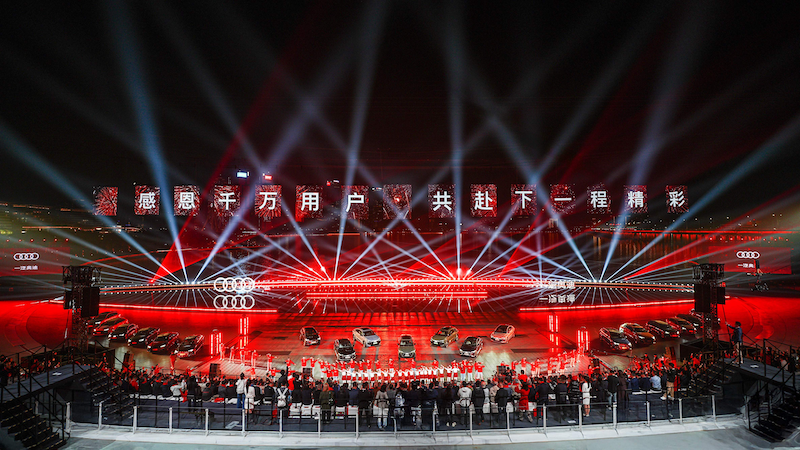
Core Insights - In 2025, the Chinese automotive market is undergoing significant changes driven by electrification and intelligence, with FAW Audi achieving remarkable sales growth and becoming the first joint venture luxury car brand to reach 10 million users [1][3] - FAW Audi's success is attributed to continuous product and technology breakthroughs, as well as a user-centric operational system [1][3] Group 1: Sales Performance - FAW Audi's retail sales in China reached 570,088 units in 2025, with wholesale sales at 566,988 units [3] - The Audi A6L sold 172,000 units, maintaining its position as the best-selling luxury C-segment sedan, while the Audi Q5L sold 140,000 units, leading the luxury B-segment SUV market [3] Group 2: Strategic Initiatives - The "Oil-Electricity Intelligent" strategy has been pivotal for FAW Audi in navigating industry changes, with the launch of the Audi Q6L e-tron family and the A5L featuring Huawei's intelligent driving technology [3][4] - FAW Audi is evolving from "sales leadership" to "system leadership," focusing on brand, product, network, and experience enhancements to build sustainable competitiveness [5] Group 3: Customer Experience and Service - FAW Audi has restructured its marketing system, organizational structure, and business processes to improve user engagement and service efficiency [4] - The introduction of the "Audi Excellence Service Plus" and ongoing optimization of the service network have created a differentiated user experience, making service a key component of brand value [4] Group 4: Industry Implications - FAW Audi's development path serves as a model for joint venture luxury brands and the broader automotive industry, demonstrating a balance between embracing change and maintaining strategic focus [6][7] - The "Oil-Electricity Intelligent" strategy indicates that electrification is not the only path forward, as traditional fuel vehicles can also undergo significant intelligent upgrades [7][8] Group 5: Conclusion - FAW Audi's growth in 2025 reflects its resilience, strategic determination, and user-centric approach, emphasizing the importance of innovation through inheritance and a long-term focus on user needs and technological support [8]
从“全球车”到“中国定制”,BBA在华转型路径渐明
2 1 Shi Ji Jing Ji Bao Dao· 2026-01-19 12:36
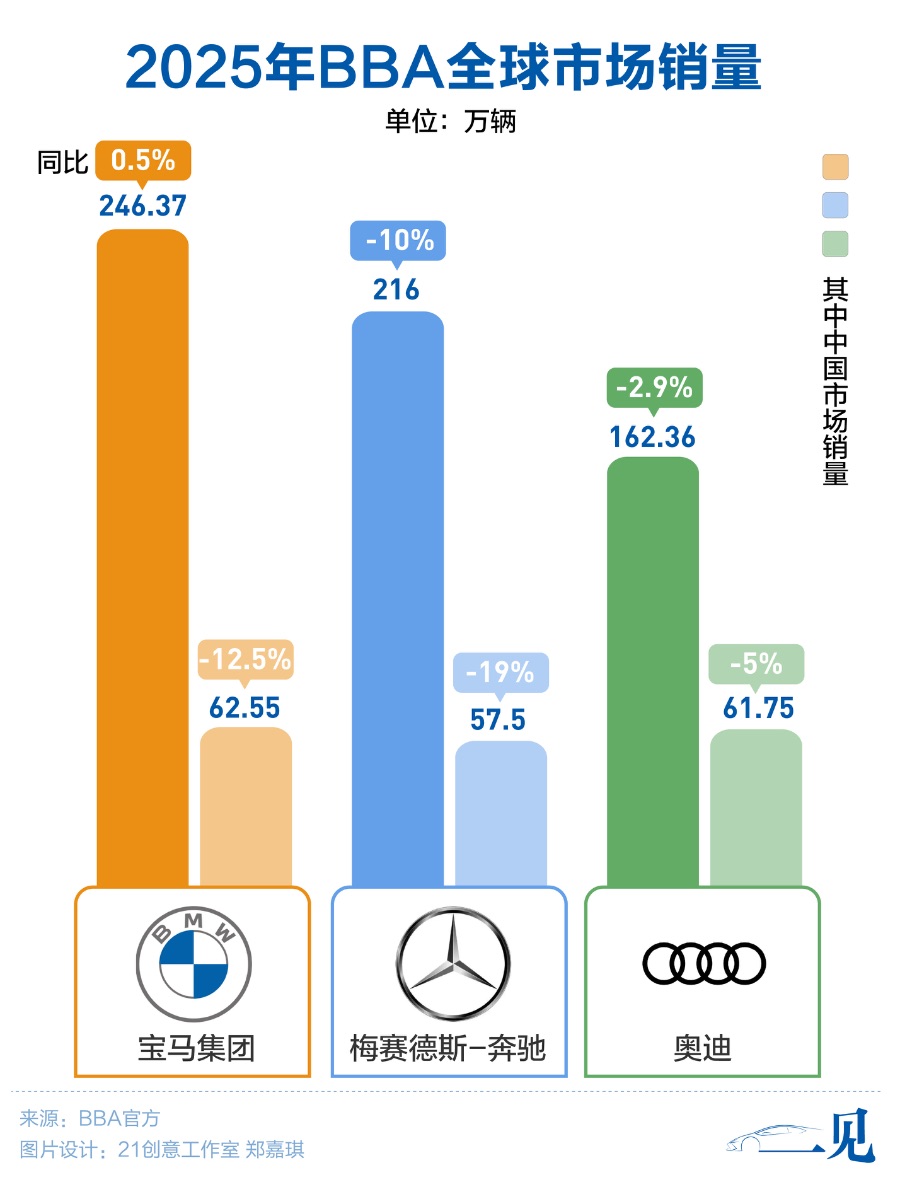
Core Insights - The traditional luxury car brands are losing their appeal in the face of the new energy wave, as evidenced by the sales data from BBA (Benz, BMW, Audi) [1] - BBA's global sales performance is closely tied to their weak performance in the Chinese market, which remains their largest single market but has seen a significant reduction in contribution [1][4] Group 1: Sales Performance - BMW leads with global sales of 2.4637 million units in 2025, a slight increase of 0.5% year-on-year; Mercedes-Benz sold 2.16 million units, down 10%; Audi sold 1.6236 million units, down 2.9% [1] - In China, BMW's sales fell to 625,500 units in 2025, a decrease of 12.5%; Mercedes-Benz's sales dropped to 575,000 units, down 19%; Audi's sales decreased to 617,500 units, down 5% [1] - BMW's sales in China have seen a continuous decline from 825,000 units in 2023 to 714,500 units in 2024, and further down to 625,500 units in 2025, losing approximately 200,000 units in two years [3] - Mercedes-Benz's sales have sharply declined from a peak of 774,000 units in 2020 to 575,000 units in 2025 [3] Group 2: Market Dynamics - The core models of BBA, such as BMW 3 Series, Mercedes-Benz C-Class, and Audi A4L, are facing significant threats as the market for fuel vehicles in the 300,000 to 400,000 yuan price range is declining [6] - In 2025, the market share of Chinese passenger cars reached 69.5%, while the share of German brands shrank to 12.1% [6] - BBA is caught in a dual dilemma of a shrinking fuel vehicle market and a lack of presence in the electric vehicle segment [7] Group 3: Strategic Responses - BMW plans to implement aggressive price cuts starting January 1, 2026, with reductions exceeding 10% for 24 models and over 20% for 5 models, including a significant drop of 301,000 yuan for the flagship electric model i7 M70L [10] - Mercedes-Benz is focusing on product upgrades and smart technology, planning to launch over 15 new and updated products in 2026, including a new generation of S-Class and GLC electric models [12] - Audi aims to continue its localization strategy in 2026, with new models like the Q5L and A6L, and plans to leverage local technology to enhance market competitiveness [12] Group 4: Future Outlook - The year 2026 is seen as a critical period for BBA to transform and recover in the Chinese market, with a focus on localizing product development and enhancing customer experience [13] - Positive changes are occurring, such as increased involvement of local teams in the development of new technologies tailored to Chinese consumer preferences [13]
信心·底气·勇气:开年看吉林高质量发展
Xin Hua Wang· 2026-01-05 02:28
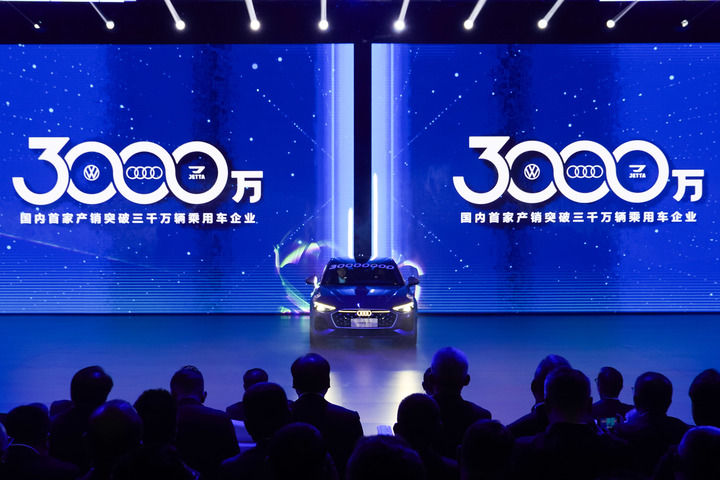
Group 1 - FAW-Volkswagen has produced its 30 millionth vehicle, showcasing its growth from a single brand and model to over 30 fuel and new energy vehicles [2] - Jilin's industrial manufacturing has shown resilience, with a reported 8.4% year-on-year increase in industrial added value for the first three quarters of 2025, ranking sixth nationwide [5] - The province's strategic emerging industries and high-tech manufacturing have outpaced traditional industrial growth, with electronic manufacturing value increasing by 15% year-on-year [5] Group 2 - Jilin's agricultural output remains stable, with a total grain production of 871.6 billion jin in 2025, continuing to rise [5] - The province has seen significant growth in foreign trade, with over 40% increases in export freight volume and cross-border e-commerce management platform import-export totals in the first half of the previous year [5] - Jilin has prioritized social welfare, implementing 20 key livelihood projects to enhance the quality of life for its residents [5] Group 3 - Jilin's ecological environment supports high-quality development, maintaining air quality in the top tier nationally since the 14th Five-Year Plan [6] - The province is focusing on new energy and high-end manufacturing, transitioning from traditional industries to more advanced sectors [10] - Jilin has over 4,100 high-tech enterprises, reflecting its commitment to innovation and technological advancement [10] Group 4 - The province is addressing development challenges through targeted policies, including the establishment of an industrial transformation upgrade fund and incentives for talent retention [10][11] - Jilin is implementing a comprehensive development plan for the Changchun metropolitan area, aiming for an economic total of approximately 1.35 trillion yuan by 2030 [13] - The province is enhancing the integration of education, technology, talent, and industry to accelerate the commercialization of research outcomes [14]
一汽-大众2025年销量汽车158.71万辆,蝉联合资车企销量第一
Ju Chao Zi Xun· 2026-01-03 07:50
Core Insights - FAW-Volkswagen achieved a total vehicle sales of 1,587,065 units in 2025, maintaining its position as the top-selling joint venture automaker and leading in fuel vehicle sales [2] - The company experienced a 0.9 percentage point year-on-year increase in fuel vehicle market share, reaching a historic high, with all three brands showing positive growth [2] - The year 2025 marked the production of the 30 millionth vehicle, symbolizing the company's development and the broader transformation of the Chinese automotive industry [2] Group 1 - FAW-Volkswagen's fuel vehicle market share increased by 0.6 percentage points year-on-year, solidifying its position in the domestic fuel vehicle market [3] - The Volkswagen brand's popular models, such as the Sagitar family and the Magotan family, performed exceptionally well, with the Sagitar family selling 252,000 units [3] - Audi's fuel vehicle market share surged, reclaiming the top position in the luxury vehicle market after six years, with the Audi A6L and Q5L leading their respective segments [3] Group 2 - The company emphasizes its commitment to high-quality development and social responsibility, aligning with national goals and contributing to the modernization of China [2] - FAW-Volkswagen is focused on leveraging precise market insights and operational excellence to enhance its fuel vehicle segment while adapting to market changes [3] - The introduction of the Audi A5L, developed in collaboration with technology firms like Huawei, showcases the integration of German quality standards with innovative Chinese solutions [3]
全新奔驰纯电CLA、全新宝马X3长轴距版……2025年上市新车重点回顾
Zhong Guo Zhi Liang Xin Wen Wang· 2025-12-30 08:44
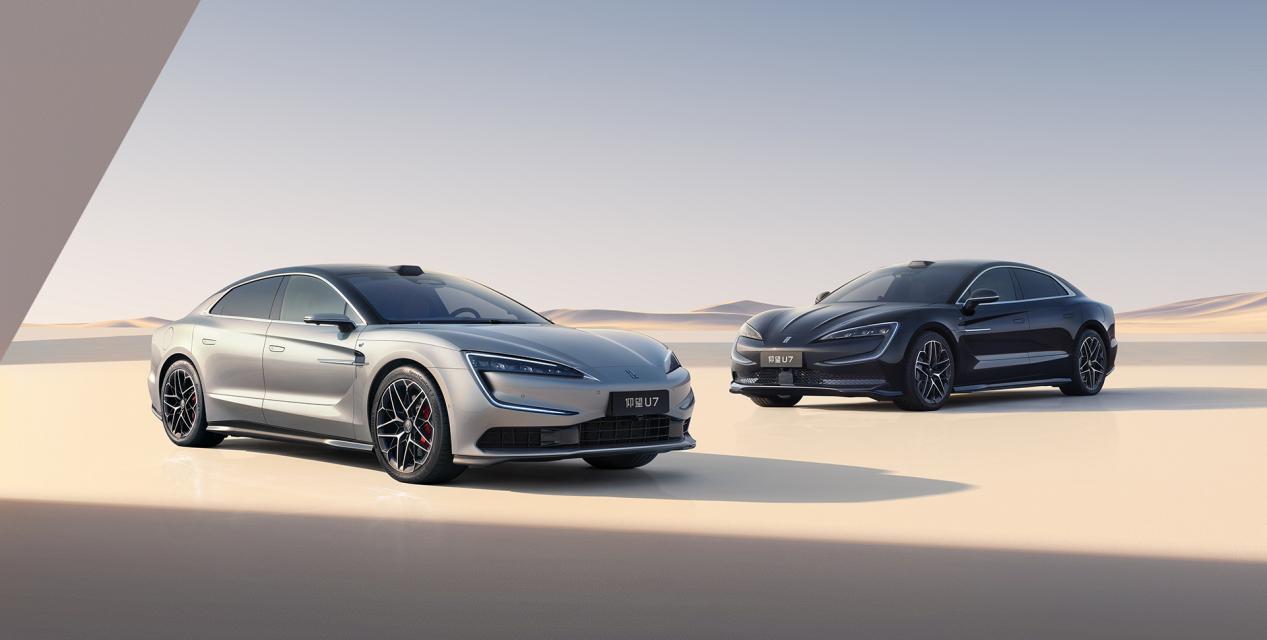
Core Insights - The domestic automotive market in 2025 is experiencing a surge in new vehicle launches, with a focus on both independent new energy brands and joint venture luxury brands, offering a wide range of options for consumers [1] Sedan Segment - The Yangwang U7, a flagship sedan from Yangwang Auto, boasts over 1300 horsepower and a 0-100 km/h acceleration time of 2.9 seconds, featuring advanced driving capabilities [2] - Dongfeng Nissan N7 is positioned as a high-comfort mid-range electric sedan, equipped with AI zero-pressure cloud blanket seats and various comfort features [5] - The Jianghuai Auto and Huawei collaboration has produced the luxury flagship sedan, ZunJie S800, which integrates advanced design and technology, including a high-density 800V electric platform [8] - The Audi A5L, based on the new PPC luxury fuel platform, enhances performance and luxury through advanced design and engine technology [12] - Buick's Zhijing L7, the first flagship sedan from its high-end new energy brand, features the "True Dragon" range extender technology and advanced driving assistance systems [13] SUV Segment - The all-new BMW X3 long-wheelbase version offers enhanced space and comfort, with a new powertrain and advanced driver assistance features [21] - GAC Toyota's Platinum 3X is designed based on Chinese consumer needs, featuring advanced intelligent driving capabilities and multiple battery options [24] - The AITO M8 is positioned as a family-oriented flagship SUV, equipped with Huawei's advanced technologies and spacious interior [25] - The new ES8 from NIO is a large electric SUV with upgraded dimensions and configurations, featuring a high-voltage platform and significant power output [34] MPV Segment - The 2026 BYD Xia is designed for family users, featuring a unique design and advanced hybrid system with impressive range capabilities [36] - The Xiaomi X9 Super Range Extender is a versatile 7-seat MPV with fast charging capabilities and a luxurious interior [40] - Buick's Zhijing Shijia is a high-end smart MPV with advanced driving assistance systems and a powerful hybrid powertrain [42]
合资品牌的2025:用品牌溢价换喘息的一年
Tai Mei Ti A P P· 2025-12-16 05:23
Core Insights - The Chinese automotive industry is undergoing a significant transformation, moving from a "market for technology" model to a "brand for survival" approach as foreign joint venture brands face declining market shares and increased competition from local manufacturers [2][20] - The year 2025 is characterized as a turning point for joint venture brands, which are now prioritizing survival over growth by leveraging their brand equity to maintain market presence [3][20] Market Performance - In 2025, the overall market for joint venture brands in China has seen a decline, with monthly retail shares for German brands dropping from 18.4% at the beginning of the year to around 14% by year-end, and Japanese brands hovering between 11% and 13% [6][20] - The market share of joint venture brands fell from nearly 28% at the start of the year to about 22% by the end, indicating a broader trend of decline across the sector [6][20] Pricing Strategies - Joint venture brands have adopted a "one-price" model to combat declining sales, which involves sacrificing brand premiums for market share, leading to significant price reductions across various models [10][12] - The average prices of several key brands have decreased significantly, with Volkswagen's average price dropping by 15.37% and Honda's by 18.54% [11] Localization Efforts - There is a notable shift towards localization in management and product development, with foreign brands increasingly empowering local teams to make decisions that cater to the Chinese market [17][20] - The transition to local management is evident, with several key appointments of Chinese executives in leadership roles across major automotive brands [18][19] Technological Adaptation - Joint venture brands are increasingly adopting local technologies and solutions, such as Huawei's smart solutions, to meet the demands of Chinese consumers for advanced features in electric vehicles [14][15] - The focus has shifted from traditional automotive engineering to integrating smart technology and user-friendly interfaces, reflecting changing consumer priorities [14][15] Long-term Implications - The current strategies employed by joint venture brands are seen as a survival tactic rather than a sustainable growth strategy, raising questions about their long-term competitiveness in the evolving market [13][20] - The shift in valuation from brand equity to survival costs indicates a fundamental change in how these brands will operate in the future, as they must adapt to new consumer expectations and market dynamics [20]


韧性2025|合资与豪华车企,还有戏吗?
Xin Lang Cai Jing· 2025-12-11 08:22
Core Insights - By the end of 2025, China's automotive market has transitioned from a fragmented exploration phase to a systematic breakthrough in smart electric transformation, with a nearly 60% penetration rate of new energy vehicles [1] - Joint ventures and luxury brands have recognized the need to abandon their previous technological arrogance and adapt to the Chinese market, demonstrating resilience in their strategies [1][3] Group 1: Industry Transformation - The most significant change in 2025 is the deep integration between joint ventures and luxury brands with Chinese tech companies, moving from simple supply relationships to comprehensive collaboration in R&D [3] - Brands like Audi and Toyota are now incorporating advanced Chinese technologies into their vehicles, indicating a shift in strategy where smart features are seen as essential rather than optional [3][4] Group 2: Market Strategy - Joint ventures are adopting a dual strategy of maintaining fuel vehicles while simultaneously developing new energy vehicles, with fuel vehicles still holding about 50% market share [4][6] - SAIC Volkswagen's "oil-electric dual progress" strategy exemplifies this approach, allowing them to leverage stable cash flow from fuel vehicles to support new energy development [6][7] Group 3: Luxury Brand Adaptation - Luxury brands are diversifying their product offerings to include pure electric, hybrid, and range-extended vehicles, moving away from a singular focus on electric models [8][9] - BMW, Mercedes-Benz, and Audi are all implementing strategies that combine their luxury heritage with advanced Chinese technology to enhance their competitive edge [9][10] Group 4: Competitive Dynamics - The automotive industry is shifting from a zero-sum game of disruption to a new phase of adaptation and coexistence, where the ability to adjust to market demands is becoming the primary competitive advantage [14][16] - The collaboration with Chinese tech firms is seen as a way to quickly fill technological gaps and enhance product offerings, while also maintaining a foothold in the fuel vehicle market [16][17]
观车 · 论势 || 从2025车展收官管窥汽车业一年之变
Zhong Guo Qi Che Bao Wang· 2025-12-01 09:41
Core Viewpoint - The 2025 Guangzhou Auto Show marks a transition in the Chinese automotive industry towards rationality and high-quality development, moving away from previous exuberance and signaling a more mature market approach [2][8]. Group 1: Industry Trends - The concept of "intelligent driving equality" has emerged as a key theme, with both domestic and joint venture brands accelerating the development of advanced driver assistance systems (ADAS), making features like urban NOA available in lower-priced models [3][5]. - Major joint ventures, including Volkswagen and Toyota, are collaborating with local tech firms like Huawei to enhance the intelligence of fuel vehicles, showcasing new models equipped with advanced driving assistance systems at the auto show [4][6]. Group 2: Technological Advancements - The automotive industry is exploring diverse powertrain technologies, including pure electric, range-extended, and plug-in hybrid models, with significant advancements in electric vehicle range, nearing 900 km for pure electric models and over 200 km for plug-in hybrids [5][6]. - The rise of "Huawei vehicles" reflects a deepening collaboration within the industry, with multiple brands showcasing their models equipped with Huawei's intelligent driving technologies at the Guangzhou Auto Show [6][7]. Group 3: Market Dynamics - The reduction in foot traffic at the auto show indicates a shift from a "traffic-first" marketing strategy to a more product-focused approach, emphasizing user needs and product quality over short-term hype [6][7]. - The conclusion of the 2025 auto show signifies a departure from rapid growth towards a more refined and quality-driven era in the Chinese automotive industry, highlighting the importance of building user recognition in a competitive market [7][8].

中德合资一汽—大众第3000万辆整车下线
Xin Hua Wang· 2025-10-31 02:36
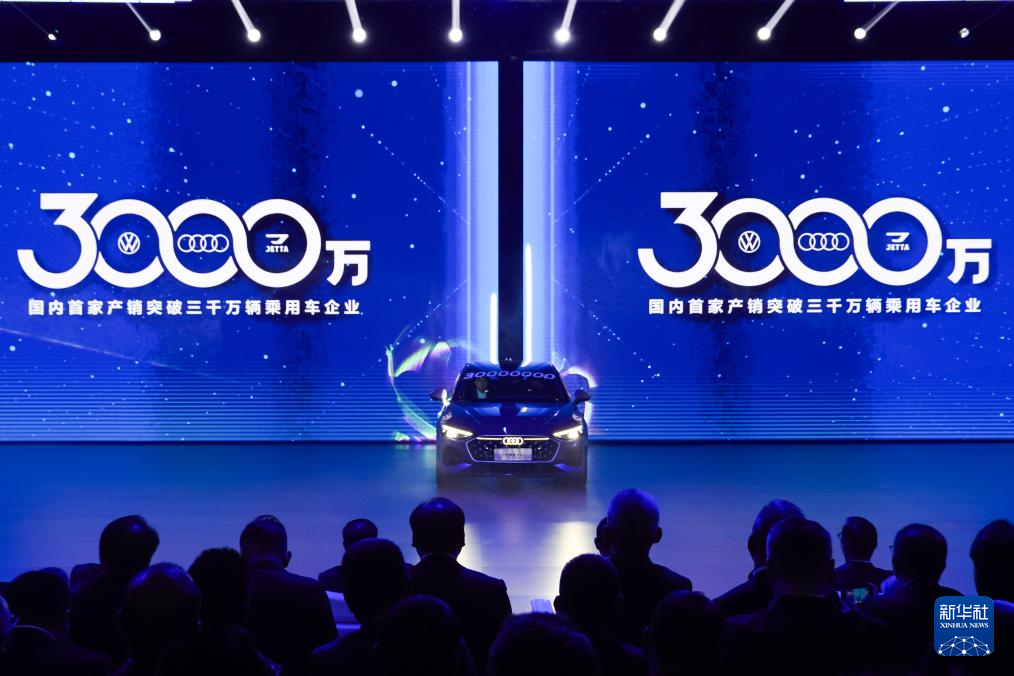
Core Insights - FAW-Volkswagen has officially rolled out its 30 millionth vehicle, the Audi A5L, marking a significant milestone in the company's history and the deepening of Sino-German automotive cooperation [2][3] Group 1: Company Milestone - The 30 millionth vehicle, an Audi A5L, was unveiled on October 30 in Changchun, Jilin [2][5] - FAW-Volkswagen's growth trajectory is closely linked to the rise of China's automotive industry, highlighting the importance of open cooperation for industrial progress [2] - The achievement underscores the vitality of foreign openness and the unique advantages of China's large-scale market [2] Group 2: Industry Impact - The chairman of FAW Group emphasized that this milestone injects new momentum into the deepening of China-Europe economic cooperation and the high-quality development of the global and Chinese automotive industry [2] - The chairman and CEO of Volkswagen Group China stated that this moment is significant and reflects the company's commitment to enhancing travel experiences in the Chinese market [2]