功能型机器人

Search documents
早盘直击|今日行情关注
申万宏源证券上海北京西路营业部· 2026-01-28 02:45
Core Viewpoint - The market is currently experiencing a narrow range of fluctuations, with a divergence in individual stock performances, indicating a potential shift from theme-driven to fundamental-driven market dynamics, while technology growth remains the main focus [1] Group 1: Market Overview - The index continued to fluctuate within a narrow range, with over 3,400 stocks declining and only about 1,900 stocks rising, indicating a significant divergence in stock performance [1] - The total trading volume on Tuesday was 2.9 trillion yuan, which is more than a 10% decrease compared to Monday, reflecting a notable contraction in market activity [1] - Since the end of the continuous rise on January 13, the index has entered a period of adjustment, characterized by a relatively mild overall adjustment range [1] Group 2: Future Outlook - The market is expected to shift from theme-driven momentum to a focus on fundamentals, with technology growth remaining the primary driver [1] - The main driving factors for the spring market are anticipated to be an increase in market risk appetite, with future hotspots likely to be technology growth sectors supported by fundamentals [1] - Key sectors to watch include semiconductors, batteries, AI hardware, and innovative pharmaceuticals, which are expected to benefit from this shift [1] Group 3: Hot Sectors - In January, technology and raw material price increases are expected to dominate, with a strong likelihood of technology growth sectors outperforming [2] - Short-term catalysts such as commercial aerospace, brain-computer interfaces, and low-altitude economy are expected to maintain investor interest [2] - The rise in raw material prices, particularly in small metals, energy metals, and new chemical materials, is seen as a derivative opportunity from the technology investment boom [2] Group 4: Specific Trends - The trend in AI hardware is firmly established, with a continuous increase in the token usage of major AI models, indicating a peak in AI applications expected by 2026 [2] - The domestic production of robots and their integration into daily life is a confirmed trend for 2026, with opportunities arising in sensors, controllers, and dexterous hands [2] - The trend towards semiconductor localization is ongoing, with a focus on semiconductor equipment, wafer manufacturing, semiconductor materials, and IC design [2] - The demand for new energy materials is rapidly increasing due to domestic and overseas energy storage needs, with signs of supply shortages and price increases expected to continue until 2026 [2] - Innovative pharmaceuticals are entering a recovery phase after nearly four years of adjustment, with positive net profit growth for four consecutive quarters since Q3 2024, and a fundamental turning point expected in 2025 [2]


又一家机器人公司冲刺IPO,年复合增长61%,冲刺“工业具身智能第一股”
3 6 Ke· 2026-01-14 12:38
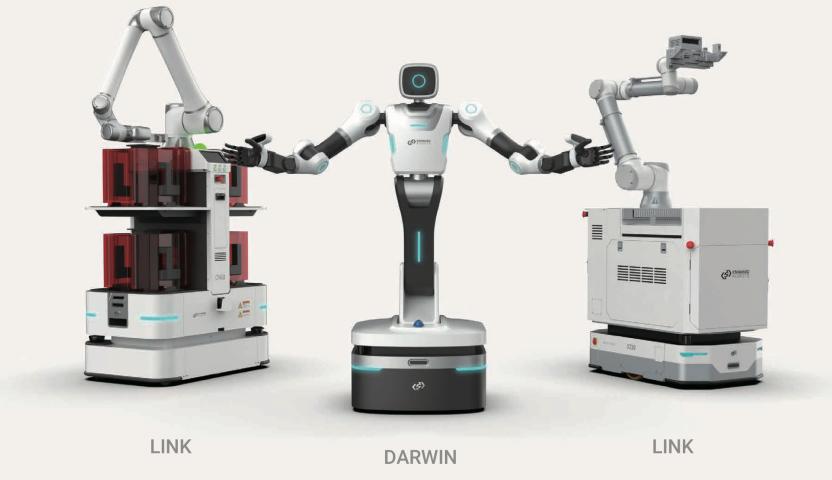
Core Viewpoint - A new industrial embodied intelligence company, Stand Robot, is preparing for an IPO in Hong Kong, aiming to become the first publicly listed company in this sector. However, it faces significant cash flow pressures despite impressive revenue growth [2][3]. Revenue Growth - Stand Robot's revenue has shown rapid growth over the past three years, with figures of 96.275 million yuan, 162 million yuan, and 251 million yuan from 2022 to 2024, resulting in a compound annual growth rate (CAGR) of 61.3%. In the first nine months of 2025, the company achieved revenue of 188 million yuan, nearing 75% of the total revenue for 2024 [4]. - The majority of the company's revenue comes from "turnkey" solutions, which account for 86%-91% of total revenue, while the rest comes from individual sales of robots, components, software, and maintenance services [4]. Product Structure - Stand Robot has developed a three-tier product system based on application complexity: 1. Standard robots (priced between 60,000 and 350,000 yuan) primarily serve as mobile units in automation systems [5]. 2. Functional robots (priced between 100,000 and 600,000 yuan) integrate specific functional modules and target end customers [6][7]. 3. Embodied intelligent robots (priced between 450,000 and 1,250,000 yuan) are designed for high-end industrial applications, such as semiconductors [8]. - Functional robots are the main revenue source, with sales increasing from 725 units in 2022 to 1,932 units in 2024, maintaining a revenue contribution of 70%-80% [10]. Financial Performance - The company has faced continuous losses, with adjusted net losses of 124 million yuan, 94.93 million yuan, and 39.34 million yuan from 2022 to 2024. However, losses have narrowed significantly in 2025, with an adjusted net loss of 29.305 million yuan in the first nine months [15]. - The improvement in gross margin, which rose from 12.9% in 2022 to 38.8% in 2024, has contributed to the reduction in losses. The gross margin for robot solutions improved from 10.2% to 35.4% during the same period [15][16]. Cash Flow and IPO Motivation - Stand Robot's cash flow has been under pressure, with negative cash flows of -89.8 million yuan, -120 million yuan, and -27.2 million yuan from 2022 to 2024. As of September 2025, cash and cash equivalents were only 77.764 million yuan [18]. - The company is seeking an IPO to alleviate cash flow pressures, a common challenge faced by many companies in the robotics and embodied intelligence sector [18]. Economic Model Challenges - The company's customer acquisition cost has increased from 582,800 yuan per customer in 2022 to 892,300 yuan in the first nine months of 2025, while the average transaction value has decreased from 353,000 yuan to 252,000 yuan [19]. - This combination of rising acquisition costs and declining transaction values poses significant operational challenges and cash flow pressures, indicating that the IPO may only serve as a temporary solution unless the company can establish a self-sustaining business model [19].

早盘直击|今日行情关注
申万宏源证券上海北京西路营业部· 2026-01-09 05:22
Core Viewpoint - The Shanghai Composite Index has achieved a 15-day consecutive rise, but the momentum is weakening, with other major indices showing signs of decline. The continuation of the spring market relies on maintaining trading enthusiasm and sector rotation rather than just the streak of gains [1]. Group 1: Market Outlook - The spring market is expected to focus on technology growth and rising raw material prices, with the AI industry investment trend being a significant driving force. As global uncertainties diminish, the market is anticipated to continue its upward trajectory in January [1]. - Key themes for the upcoming spring market include the growth narrative in technology and the rising prices of raw materials, driven by the investment boom in the AI sector. Attention should be paid to capital expenditures and investment plans from major tech companies in North America and China [1]. Group 2: Hot Sectors - In January, technology and raw material price increases are expected to dominate, with high-dividend stocks also being a focus for potential gains in the upcoming months. The technology growth direction is likely to outperform based on historical spring market trends [2]. - Specific areas of interest include commercial aerospace, brain-computer interfaces, low-altitude economy, and semiconductors, which are seen as short-term catalysts for growth [2]. - The AI hardware industry is projected to maintain a high growth trend, with significant increases in token usage for major AI models, indicating a peak in AI applications by 2026 [2]. - The trend towards domestic production of robots and their integration into daily life is expected to solidify by 2026, creating opportunities in related sectors such as sensors and controllers [2]. - The semiconductor industry is moving towards domestic production, with a focus on semiconductor equipment, wafer manufacturing, materials, and IC design [2]. - The demand for new energy materials is rising due to rapid growth in domestic and overseas energy storage needs, leading to supply shortages and price increases, a trend expected to continue into 2026 [2]. - The innovative pharmaceutical sector is entering a recovery phase after four years of adjustment, with positive net profit growth expected to continue into 2026 [2].

斯坦德机器人冲刺港股:2025年前九月净亏损扩大188.7% 客户集中度攀升至40.5%
Xin Lang Cai Jing· 2026-01-04 13:25
Core Business Focus - The company, Stand Robot (Wuxi) Co., Ltd., specializes in industrial intelligent mobile robot solutions, primarily serving high-tech industries such as 3C, automotive, and semiconductors. The core business includes robot solutions (91% of 2024 revenue) and standalone robot sales (9%) [1] Revenue Growth and Performance - Revenue growth has significantly slowed down to 19.7% in the first three quarters of 2025, with revenue figures showing a decline from 68.4% in 2023 to 54.5% in 2024. The revenue for the first nine months of 2025 reached RMB 187.986 million, up from RMB 157.104 million in the same period of 2024 [2] - The increase in revenue is mainly attributed to the rise in sales of functional robots, which reached 1,525 units in 2024, a 185% increase from 535 units in 2022. However, the growth rate for the first nine months of 2025 slowed to 2.2%, primarily due to a 17.3% decline in standard robot sales [2] Net Loss and Financial Health - The company's net loss expanded by 188.7% to RMB 163.447 million in the first nine months of 2025, driven by increased stock incentive expenses of RMB 119.5 million and listing costs of RMB 14.6 million. Cumulative losses have reached RMB 336 million, indicating an unclear path to profitability [3] - Adjusted net loss, excluding stock incentive and listing expenses, was RMB 29.3 million, a 44.2% reduction year-on-year [3] Gross Margin Improvement - The overall gross margin has improved by 31.8 percentage points to 44.7% over three years, with significant differences across business segments. The gross margin for robot solutions reached 38.8% in 2024, while the gross margin for standalone robots was 35.4% [4] - The increase in gross margin is attributed to a higher proportion of high-margin functional robots, which accounted for 80.1% of revenue in 2024. Notably, overseas sales have a significantly higher gross margin of 62.7% compared to 31.2% domestically [4] Business Structure and Client Concentration - The business structure shows two main trends: an increasing share of functional robot solutions (80.1% in 2024) and rapid growth in overseas revenue (24.1% in 2024) [7] - Client concentration has risen, with the top five clients contributing 40.5% of revenue in the first nine months of 2025, up from 26.0% in 2022. The largest client accounts for 13.7% of revenue [7] Supplier Concentration - Supplier concentration has also increased, with the top five suppliers accounting for 42.6% of purchases in the first nine months of 2025, up from 35.2% in 2022. The largest supplier accounts for 22.3% of purchases, indicating a reliance on a limited number of suppliers for critical components [8] Management and Incentives - The company's controlling shareholders, Wang Yongkun and Li Hongxiang, collectively hold 30.90% of voting rights. Wang directly holds 12.80% and Li holds 3.80% [9] - Stock-based compensation expenses for core management reached RMB 119.5 million in the first nine months of 2025, significantly impacting the company's financial performance [10] Research and Development - R&D expenses for the first nine months of 2025 amounted to RMB 56.03 million, representing 29.8% of revenue. However, the proportion of R&D spending has decreased from 57.7% in 2022 to 14.6% in 2024, which may affect long-term technological competitiveness [15]
早盘直击|今日行情关注
申万宏源证券上海北京西路营业部· 2025-12-17 02:24
Market Overview - A-shares experienced significant adjustments with widespread declines in individual stocks, reflecting a decrease in trading enthusiasm as year-end approaches, leading to a shrinking trading volume and a cautious market sentiment [1] - Concerns over potential interest rate hikes by the Bank of Japan are contributing to short-term market caution, with expectations that this could lead to capital inflows back to Japan, indirectly affecting A-shares and Hong Kong stocks [1] - Despite the current market fluctuations around the 4000-point level, conditions are in place for potential upward movement, supported by anticipated improvements in supply and demand in the manufacturing sector by mid-2026 [1] Sector Focus - In December, sectors benefiting from dividends and price increases are expected to outperform, with short-term attention on banking, public utilities, coal, and non-ferrous metals [2] - Consumer sectors may also gain attention due to event-driven factors [2] - Technology remains a key focus for 2026, with particular interest in AI, lithium batteries, military industry, and robotics, as these sectors are poised for growth following a period of adjustment [2] Technology Trends - The trend for AI hardware continues to solidify, with increasing token usage for major AI models indicating a peak in AI applications by 2026, presenting opportunities for high growth in AI hardware [2] - The domestic production and integration of robots into everyday life is expected to be a significant trend in 2026, with advancements in various types of robots creating opportunities in related sectors [2] - The semiconductor industry is also expected to see continued domestic growth, with a focus on semiconductor equipment, wafer manufacturing, materials, and IC design [2] Military and Pharmaceutical Outlook - The military sector is anticipated to see a rebound in orders by 2026, with many sub-sectors showing signs of recovery in performance metrics [2] - The innovative pharmaceutical sector is entering a recovery phase after nearly four years of adjustments, with positive net profit growth expected to continue into 2026 [2]

早盘直击|今日行情关注
申万宏源证券上海北京西路营业部· 2025-12-10 02:31
Market Overview - After regaining the 3900-point level, the A-share market has returned to a phase of low-volume consolidation, with mixed performances across indices. The ChiNext Index continues to show upward momentum, while the Shanghai Composite Index and the Sci-Tech 50 Index have experienced slight pullbacks. Overall trading volume has decreased compared to Monday, reflecting a decline in investor enthusiasm as the year-end approaches, leading to a general trend of low-volume fluctuations [1] Future Outlook - As the year-end approaches, a cautious market sentiment prevails, with fluctuations around the 4000-point level potentially preparing the market for a new upward phase. The market has established conditions for further upward expansion following a period of sideways movement since October. A recovery in the supply-demand situation for the manufacturing sector in 2026 is likely, which could lead to a significant rebound in the earnings growth of A-share listed companies. Key focus areas for November include the impact of the 14th Five-Year Plan on industries, event-driven dynamics in the technology sector, and price increases driven by anti-involution trends, which are expected to catalyze multiple sectors and support a continued upward trend in the market [1] Sector Highlights - In December, sectors benefiting from dividends and price increases are expected to outperform, with short-term attention on banking, public utilities, coal, and non-ferrous metals. Technology will remain a key focus in 2026, with particular attention on AI, lithium batteries, military industry, and robotics. Specific areas of interest include: 1. The established trend in AI hardware, with a continued increase in token usage for major AI models, indicating a peak in AI applications by 2026, presenting opportunities for high growth in AI hardware and the transition from quantitative to qualitative changes in AI applications [2] 2. The trend of robot localization and integration into daily life is expected to continue into 2026, with robot products expanding from humanoid robots to quadrupedal and functional robots, creating recurring opportunities in sensors, controllers, and dexterous hands [2] 3. The trend towards semiconductor localization remains strong, with a focus on semiconductor equipment, wafer manufacturing, semiconductor materials, and IC design [2] 4. The military sector is expected to see a continued recovery in orders by 2026, with many sub-sectors such as ground equipment, aviation equipment, and military electronics showing signs of bottoming out as Q3 report declines narrow [2] 5. The innovative drug sector is entering a recovery phase after nearly four years of adjustment, with positive net profit growth for four consecutive quarters since Q3 2024, and an anticipated turning point in fundamentals by 2025, continuing an upward trend into 2026 [2]

早盘直击|今日行情关注
申万宏源证券上海北京西路营业部· 2025-12-05 02:37
Market Overview - A-shares continue to maintain a low-volume consolidation pattern after failing to break through the 3900-point mark, with trading volume shrinking to below 1.6 trillion [1] - As the year-end approaches, investor enthusiasm for trading has decreased, leading to a general trend of low-volume fluctuations in the market [1] - The market is expected to remain in this state for the next few weeks, with a focus on the 4000-point level as a potential preparation for upward movement [1] Future Outlook - The market is currently in a cautious atmosphere as year-end approaches, but the repeated fluctuations around the 4000-point mark may indicate preparation for a new upward phase [1] - The manufacturing sector is expected to see improved supply and demand conditions in the second half of 2026, which could lead to a significant rebound in the earnings growth of A-share listed companies [1] - Key focus areas for November include the impact of the 14th Five-Year Plan on industries, event-driven factors in the technology sector, and price increases driven by anti-involution trends, which may catalyze multiple sectors and support a continued upward trend in the market [1] Sector Highlights - In December, sectors benefiting from dividends and price increases are expected to outperform, with short-term attention on banks, public utilities, coal, and non-ferrous metals [2] - Technology remains the main focus for 2026, with particular attention on AI, lithium batteries, military industry, and robotics after a phase of adjustment [2] - The trend of AI hardware continues to solidify, with increasing token usage for major AI models indicating a peak in AI applications by 2026, presenting opportunities for high growth in AI hardware [2] - The domestic production of robots and their integration into daily life is a confirmed trend for 2026, with opportunities arising in sensors, controllers, and dexterous hands as robot products evolve [2] - The semiconductor industry is expected to continue its domestic production trend, with a focus on semiconductor equipment, wafer manufacturing, materials, and IC design [2] - The military industry is anticipated to see a recovery in orders by 2026, with many sub-sectors showing signs of bottoming out as third-quarter earnings declines continue to narrow [2] - The innovative drug sector is entering a harvest period after nearly four years of adjustment, with positive net profit growth expected to continue into 2026 [2]

早盘直击|今日行情关注
申万宏源证券上海北京西路营业部· 2025-12-03 02:26
Market Overview - The A-share market struggled to maintain the 3900-point level, experiencing weak fluctuations and a decline in trading volume to approximately 1.6 trillion yuan, indicating low market sentiment [1] - As the year-end approaches, investor participation has decreased, leading to a shrinking trading volume and a cautious market atmosphere [1] - The market is expected to remain in a consolidation phase for the next few weeks, with potential upward movement as conditions improve [1] Future Outlook - The market is anticipated to experience fluctuations around the 4000-point level, which may prepare for a new upward phase [1] - Key focus areas for November include the impact of the 14th Five-Year Plan on industries, event-driven dynamics in the technology sector, and price recovery driven by anti-involution trends [1] Sector Highlights - In December, sectors benefiting from dividends and price increases are expected to outperform, with short-term attention on banking, public utilities, coal, and non-ferrous metals [2] - Technology remains a primary focus for 2026, with particular attention on AI, lithium batteries, military industry, and robotics [2] - The trend of AI hardware is solidifying, with increasing token usage in major AI models, indicating a peak in AI applications by 2026 [2] - The domestic production of robots is expected to expand, with opportunities arising in sensors, controllers, and dexterous hands as the market evolves [2] - The semiconductor industry is moving towards domestic production, with a focus on semiconductor equipment, wafer manufacturing, materials, and IC design [2] - The military sector is expected to see a recovery in orders, with signs of bottoming out in the performance of various military sub-sectors [2] - The innovative drug sector is entering a recovery phase after nearly four years of adjustment, with positive net profit growth expected to continue into 2026 [2]

早盘直击 | 今日行情关注
申万宏源证券上海北京西路营业部· 2025-11-28 01:58
Market Overview - The A-share market showed a mixed performance with the Shanghai Composite Index attempting to reclaim the 3900-point level but ultimately closing with a small gain and a long upper shadow [1] - Trading volume remained low at around 1.7 trillion yuan, indicating a cautious market sentiment as the year-end approaches [1] - The market is expected to experience fluctuations around the 4000-point level, which may prepare for a potential upward movement as the manufacturing sector is likely to see improved supply-demand dynamics by 2026 [1] Sector Focus - The technology sector is anticipated to continue its orderly rotation in November, with potential rebound opportunities in underperforming areas such as robotics, military, and smart vehicles [2] - The semiconductor industry is expected to maintain its growth trajectory, with a focus on domestic production across various segments including equipment, wafer manufacturing, materials, and IC design [2] - The military sector is projected to see a recovery in orders by 2025, with signs of bottoming out in the performance of various military sub-sectors [2] - The innovative pharmaceutical sector is entering a recovery phase after nearly four years of adjustment, with positive net profit growth expected to continue into 2025 [2] - The banking sector is witnessing a rebound in mid-year performance growth following the impact of loan rate re-pricing, making it attractive to long-term institutional investors due to its dividend yield [2]

早盘直击|今日行情关注
申万宏源证券上海北京西路营业部· 2025-11-26 03:24
Market Overview - The A-share market has shown signs of recovery around the 3800-point level, ending a period of continuous adjustment and recording a small upward trend [1] - Over 4200 stocks rose during the trading day, indicating a shift in market sentiment as trading volume ended its continuous decline [1] - The market is expected to experience fluctuations around the 4000-point level as it prepares for a potential upward movement, driven by improved supply and demand conditions in the manufacturing sector by 2026 [1] Sector Focus - The technology sector remains a key area of interest in November, with opportunities for rebound in underperforming segments such as robotics, military, and smart vehicles [2] - The semiconductor industry continues to trend towards domestic production, with attention on semiconductor equipment, wafer manufacturing, materials, and IC design [2] - The military sector is anticipated to see a recovery in orders by 2025, with signs of bottoming out in the performance of various military sub-sectors [2] - The innovative pharmaceutical sector is entering a recovery phase after nearly four years of adjustment, with positive net profit growth expected to continue into 2025 [2] - The banking sector is witnessing a rebound in mid-year performance growth, attracting interest from long-term institutional investors due to its appealing dividend yield [2]