
地垫

Search documents
Cintas Corporation (NASDAQ:CTAS) Earnings Preview
Financial Modeling Prep· 2026-03-24 17:00AI Processing
Analysts predict an EPS of $1.24 and revenue of $2.82 billion for the upcoming quarterly earnings.The company is expected to see an 8.9% year-over-year increase in EPS to $1.23, driven by higher revenues.Cintas offers an annual dividend yield of 0.99%, with a quarterly dividend of 45 cents per share.Cintas Corporation, listed as NASDAQ:CTAS, is a prominent player in the corporate services industry, providing businesses with essential products like uniforms, mats, and restroom supplies. As it prepares to rel ...



北京大运河博物馆给马年文创办推荐会
Xin Lang Cai Jing· 2026-01-24 12:26
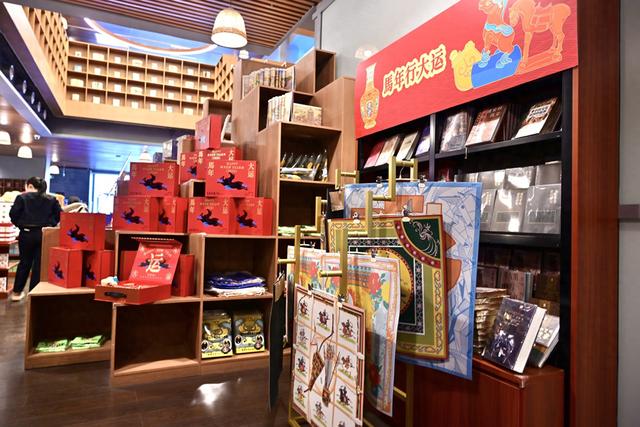
Core Insights - The Beijing Grand Canal Museum is promoting a series of cultural and creative products for the Year of the Horse, focusing on home decor, zodiac themes, and digital elements [1] Group 1: Product Offerings - The new cultural products include scarves, doormats, jewelry, and more, integrating the cultural connotations of museum collections with New Year blessings [3] - Popular items include a 3D flower refrigerator magnet inspired by Tang Dynasty tri-colored pottery horses, designed to be cute and functional [3] - Other bestsellers are daily use items like diatom mud doormats, canvas bags, and slippers, aimed at making cultural heritage accessible in everyday life [7] Group 2: Consumer Engagement - Products with auspicious meanings, such as "顺意" (smooth sailing), "福乐" (happiness), and "马上发财" (wealth coming soon), are attracting buyers [5] - A customer purchased three gift boxes containing a complete set of cultural products, including couplets, red envelopes, and magnets, emphasizing the festive spirit [5] - The design philosophy aims to allow consumers to encounter the beauty of cultural relics while being practical for home, travel, and gatherings [7]
宜家关大店、开小店,在中国市场调整身位有多难? | 声动早咖啡
声动活泼· 2026-01-12 09:06
Core Viewpoint - IKEA's performance in China has declined significantly, with sales dropping from 157.7 billion yuan in FY2019 to 111.5 billion yuan in FY2024, a decrease of nearly 30% [4][5] Group 1: Market Challenges - The decline in sales is attributed to a slowdown in the real estate market, which has reduced demand for whole-home furniture [4] - The closure of seven stores, primarily located in non-core urban areas with low population density, reflects the challenges in maintaining foot traffic, with some stores seeing daily visitor numbers drop below 800, far below the 1,500 needed for basic operations [4] - IKEA's shift from large-scale expansion to a focus on smaller stores and online channels is a response to these challenges, with plans to reduce the number of physical stores from 41 to 34 [5] Group 2: Store Format and Strategy - IKEA has experimented with various small store formats, including a 2,000 square meter ordering center and an experience center, but many of these have closed within two to three years [5][6] - The company is now testing a community-oriented small store concept in Shenzhen, with a focus on personalized design services, but the network of such stores is not yet fully established [7] Group 3: Pricing and Consumer Trends - IKEA is investing in lower-priced products to appeal to a more price-sensitive consumer base, but many consumers still perceive IKEA's larger items as expensive compared to local alternatives [8] - The consumer base is becoming polarized, with some young renters finding IKEA's prices too high and turning to platforms like Pinduoduo, while others seek high-end, customized options that IKEA's standardized products do not meet [9] Group 4: Online Presence and Competition - IKEA's online strategy has been slow, with significant competition from local brands that have capitalized on e-commerce trends, leading to a decline in IKEA's visibility in online channels [10][11] - The company's traditional model of large suburban stores has limited its ability to adapt to the rapid growth of online shopping, resulting in missed opportunities during the e-commerce boom [11]

中欧班列第120000列从成都始发
Si Chuan Ri Bao· 2025-11-29 00:34
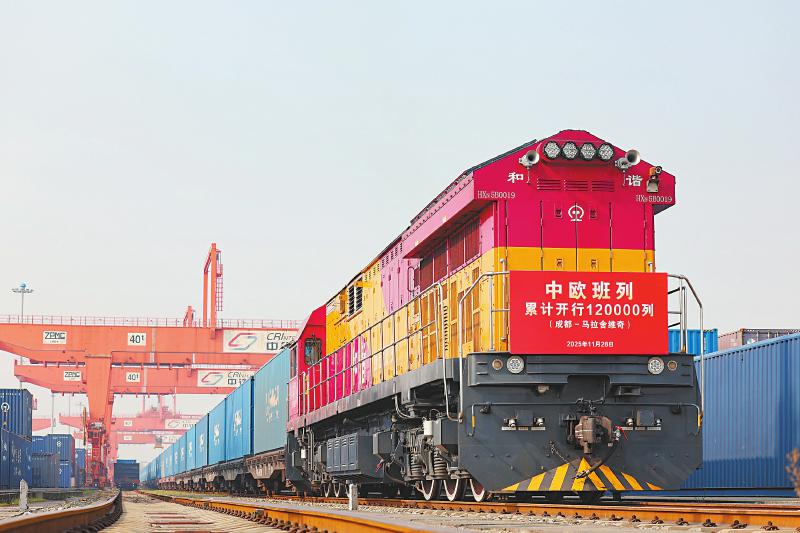
Core Insights - The Chengdu International Railway Port has seen significant growth in the operation of the China-Europe Railway Express, with the annual number of trains increasing from 31 in 2013 to over 5,000 in 2024, and a cumulative total of over 36,000 trains dispatched [2][3] Group 1 - The 12th train of the China-Europe Railway Express has been dispatched, marking a cumulative cargo value of over $490 billion [3] - The cargo primarily consists of "Sichuan-made" products and cross-border e-commerce goods, including local specialties and products from platforms like Pinduoduo [3] - The railway has established connections with 132 cities abroad and over 30 cities domestically, creating a comprehensive logistics service network across Eurasia [2][3] Group 2 - In 2023, the Chengdu China-Europe Railway Express has optimized its international network layout, establishing a "2+2+N" European transport network [4] - Key hubs include Lodz in Poland and Tilburg in the Netherlands, with additional key nodes in Malaszewicze and Duisburg [4] - New distribution points have been added in cities such as Barcelona, Madrid, Piacenza, Belgrade, Antwerp, Warsaw, Stockholm, Lyon, and Mannheim, enhancing network coverage [4]
中欧班列第12万列从成都国际铁路港始发
Zhong Guo Xin Wen Wang· 2025-11-28 13:55
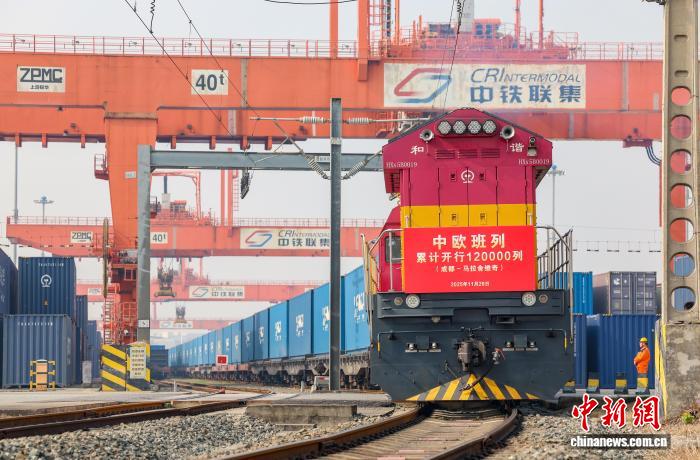
Core Insights - The China-Europe Railway Express has officially surpassed 120,000 trips, marking a significant milestone in cross-border trade and logistics [1][3]. Group 1: Operational Milestones - The latest train, carrying 55 containers, departed from Chengdu International Railway Port, loaded with "Sichuan-made" products and cross-border e-commerce goods [1][3]. - Since its inception in 2013, the Chengdu International Railway Express has seen exponential growth, with annual trips increasing from 31 in 2013 to over 5,000 in 2024, and a cumulative total of over 36,000 trips [3]. Group 2: Product Focus - The current train's cargo includes notable Sichuan specialties such as "Akwan Red Oil Noodles" and "Hao Ren Jia Hot Pot Base," highlighting the region's culinary offerings [4]. - The train also carries nearly 1.1 million yuan worth of products from the Pinduoduo cross-border e-commerce platform, including toys and hardware, aimed at the European consumer market [6]. Group 3: Market Expansion and Efficiency - The new route to Antwerp enhances the efficiency of logistics for companies like Sichuan Silk Road Supply Chain Management, facilitating faster access to the African market [6]. - The China-Europe Railway Express provides a logistics solution that combines time efficiency and cost-effectiveness, supporting cross-border e-commerce businesses and promoting high-quality foreign trade development in the western region [6].
Acacia(ACTG) - 2025 Q3 - Earnings Call Transcript
2025-11-05 14:00
Financial Data and Key Metrics Changes - Acacia reported total revenue of $59.4 million, up 16% sequentially and up 155% year-over-year, primarily driven by the third full quarter of Deflecto [5][17] - Adjusted EBITDA for the company was $8 million, with segment-adjusted EBITDA at $12.6 million [5][17] - Free cash flow for the quarter was $7.7 million, with a GAAP loss of $0.03 per share [5][22] - Book value per share at the end of Q3 was $5.98, essentially flat from the last quarter [5] Business Line Data and Key Metrics Changes - Energy operations generated $14.2 million in revenue, down from $15.8 million year-over-year due to a softer oil price environment [17] - Manufacturing operations, including Deflecto, generated $30.8 million, marking a third consecutive sequential increase [17] - Industrial operations reported $6.7 million in revenue, down from $7 million in the same quarter last year [17] - Intellectual property operations generated $7.8 million in revenue, a significant increase from $0.5 million in the prior year [17] Market Data and Key Metrics Changes - The Class 8 truck market faced demand headwinds, with September net orders being the weakest since 2019 [13] - Despite tariff pressures, Deflecto's essential non-discretionary products position the business well for future growth [14] - Benchmark's hedging strategy protects a significant amount of cash flow from downside price risk, with over 70% of operated oil and gas production hedged [11] Company Strategy and Development Direction - Acacia is focused on identifying and acquiring under-loved, under-managed, and under-valued businesses to drive long-term growth [6] - The company is implementing pricing strategies, cost savings initiatives, and operational efficiencies to mitigate tariff pressures [4] - There is a strong emphasis on pursuing accretive, organic, and inorganic growth opportunities, with a cash position of approximately $332 million [8] Management's Comments on Operating Environment and Future Outlook - Management acknowledged persistent macroeconomic and geopolitical headwinds but emphasized strong execution against their operationally focused strategy [4] - The company remains focused on driving revenue, EBITDA, and free cash flow growth while expanding its M&A pipeline [8] - Management expressed confidence in the inherent value of their assets and the ability to build momentum through year-end and into next year [25] Other Important Information - Total consolidated G&A expenses were $16 million, up from $11.2 million year-over-year, primarily due to the addition of Deflecto [18] - The company recorded a GAAP operating loss of $6.4 million, an improvement from a loss of $10.3 million in the prior year [19] - Acacia's total indebtedness was $94 million as of September 30, 2025, with zero debt at the parent company level [23][24] Q&A Session Summary Question: Focus on Deflecto's performance - Management noted that Deflecto performed better than expected in a challenging environment and discussed future free cash flow allocation towards debt repayment [26][27] Question: Update on Benchmark and Cherokee properties - Management confirmed that Benchmark's production is performing well and discussed ongoing strategic acquisitions in the Cherokee area [30] Question: Interest in AMO Pharma - Management stated that while AMO Pharma has made positive advancements, they have not changed their estimated valuation [44] Question: Impact of geopolitical tensions on patent portfolio - Management indicated that the U.S. appears to be more IP-friendly under the new administration, which is a positive for their patent portfolio [32] Question: Outreach to investors and analysts - Management acknowledged the need for increased investor outreach and discussed ongoing efforts to raise Acacia's profile among potential investors [39][41]

“大白熊”加入高端户外混战
Bei Jing Shang Bao· 2025-07-23 12:11
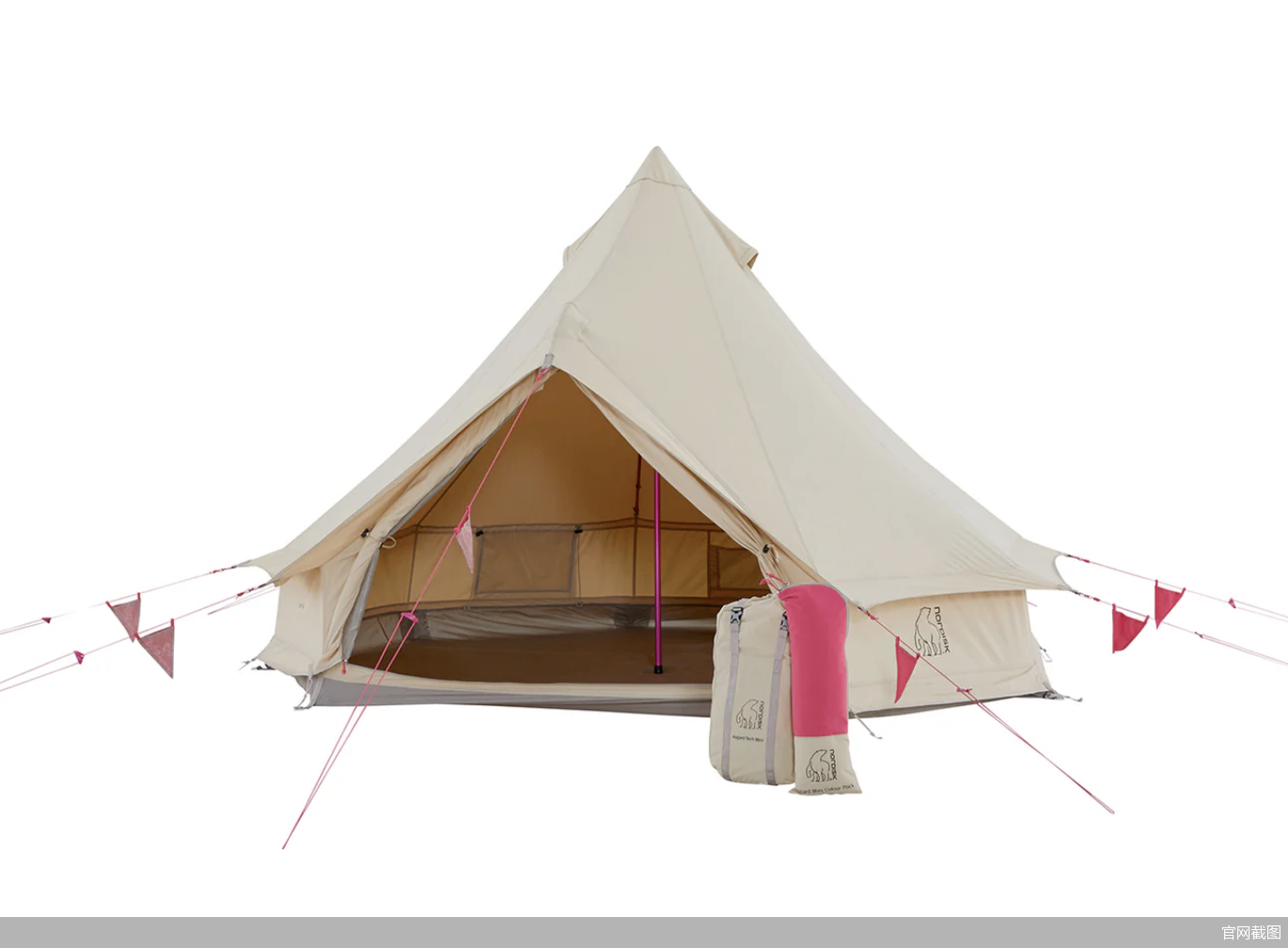
Core Viewpoint - The Danish outdoor brand Nordisk is intensifying its efforts to enter the Chinese market by forming a joint venture with South Korea's K2 Group and China's Black Ant Capital, aiming to capitalize on the growing demand for high-end outdoor products in China [2][3]. Company Overview - Nordisk, established in 1901, offers a range of high-end outdoor products including tents, sleeping bags, and backpacks, and is known in China as "Big White Bear" [2]. - The brand has only opened five authorized stores in China over the past decade and has been slow to expand its presence until now [2][4]. Market Dynamics - The high-end outdoor market in China is experiencing rapid growth, with brands like Arc'teryx reporting revenue increases exceeding 50% in recent quarters [3]. - The outdoor equipment market in China is projected to reach approximately 90.8 billion yuan in 2024, with a compound annual growth rate of 11.86% over the past five years [4]. Competitive Landscape - The entry of Nordisk comes at a time when competition in the high-end outdoor market is intensifying, with established brands like Nike, Adidas, and local players such as Anta and Li Ning also expanding their outdoor product lines [4][5]. - Analysts suggest that Nordisk must differentiate itself and effectively position its brand to capture market share in a crowded field [5].
Mohawk Industries, Inc. 诚邀您参加第二季度财报电话会议
Globenewswire· 2025-06-27 17:23
Core Viewpoint - Mohawk Industries will release its Q2 2025 financial results on July 24, 2025, and will host a live earnings call on July 25, 2025, at 11:00 AM ET [1]. Group 1: Company Overview - Mohawk Industries is a leading global flooring manufacturer, providing products for residential and commercial spaces [2]. - The company has established a competitive advantage through vertically integrated production and distribution processes across various flooring types, including carpets, tiles, and vinyl [2]. - Over the past two decades, Mohawk has transformed from a U.S. carpet manufacturer to the largest flooring company globally, with operations in North America, Europe, South America, Oceania, and Asia [2]. Group 2: Earnings Call Information - The earnings call will be accessible via a live stream and can also be replayed until August 22, 2025, using specific access codes [1][3]. - For those unable to attend the live call, a replay can be accessed through the company's investor relations website [1].

露营经济受关注 上市公司布局热情高
Zhong Guo Zheng Quan Bao· 2025-05-29 21:32
Industry Overview - Camping has evolved from a survival activity to a refined leisure experience, becoming a normalized lifestyle choice for many consumers in China [1][3] - The camping industry is expected to extend its value chain through the "camping +" model, integrating outdoor equipment, themed services, and cultural experiences [1] Consumer Trends - Camping consumption is characterized by an "equipment upgrade" trend, moving from basic tents and sleeping bags to modular systems that include features like outdoor cinemas and smart tents [3] - The frequency of camping has become more normalized, with many consumers engaging in camping activities every one to three months, aligning with fragmented holiday demands [4] Market Potential - The core market size of China's camping economy is projected to reach 2139.7 billion yuan in 2024, reflecting a year-on-year growth of 60.4%, while the overall market size is expected to reach 11554.5 billion yuan, growing by 46.8% [4] - By 2030, the core market size is anticipated to rise to 4879.8 billion yuan, with the overall market reaching 23998.5 billion yuan, indicating significant growth potential in the camping sector [4] Company Strategies - Companies like MGH and Decathlon are actively expanding their product offerings to meet the rising demand for camping gear, focusing on family-oriented products and convenience [2][3] - MGH aims to enhance its product line by introducing high-performance outdoor products that cater to both camping and hiking, emphasizing functionality, lightweight design, and sustainability [3] - The competitive landscape is becoming increasingly diverse, with both domestic and international brands entering the market, leveraging quality products and services to attract consumers [5]


学阿拉伯语、西班牙语,义乌商人们“不会把鸡蛋放在一个篮子里”
Xin Jing Bao· 2025-05-16 01:00
Core Viewpoint - The recent temporary suspension of tariffs between China and the U.S. has brought renewed hope to businesses in Yiwu, particularly those heavily reliant on exports to the U.S. market, which had been severely impacted by the previous high tariffs [1][17]. Group 1: Impact of Tariffs on Yiwu Businesses - Yiwu merchants experienced significant disruptions due to the U.S. tariffs, which escalated to 145%, leading to halted operations and unsold inventory [3][5][6]. - High tariffs particularly affected businesses like Gao Zhi's baseball cap factory, where U.S. orders accounted for 40%-50% of sales, making it unfeasible to operate under such conditions [6][8]. - The Yiwu market, known for its diverse export destinations, has shown resilience, with some merchants adapting by exploring new markets and products [2][12]. Group 2: Business Adaptation Strategies - Merchants in Yiwu are increasingly diversifying their markets, learning new languages, and seeking opportunities in emerging markets to mitigate risks associated with reliance on the U.S. [2][13]. - Some businesses, like Nie Ziqin's, are pivoting to domestic sales and exploring new product lines to cope with the downturn in international orders [7][10]. - The Yiwu Index, a measure of market trends, reflects the adaptability of local merchants who are accustomed to navigating global uncertainties [11][12]. Group 3: Recovery and Future Outlook - Following the announcement of the tariff suspension, Yiwu merchants quickly resumed operations, with many preparing to ship previously stalled orders [17][18]. - The temporary 90-day window for tariff suspension is seen as a critical period for businesses to recover and fulfill outstanding orders, particularly for seasonal products like Halloween masks [15][18]. - Merchants are optimistic about the future, believing that the high tariffs will not last long and that demand will eventually return to normal levels [14][17].