数据中台

Search documents
中国智慧养老行业研究报告
艾瑞咨询· 2026-01-18 00:06
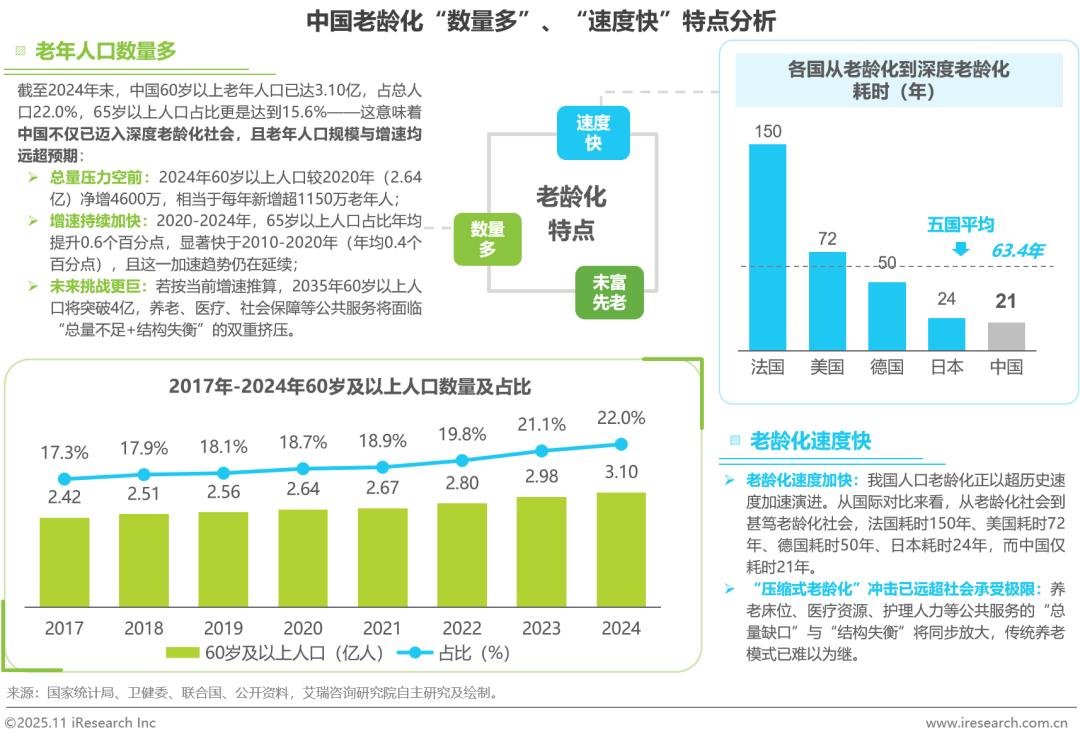
Core Viewpoint - The Chinese smart elderly care industry is transitioning from "partial pilot" to "full penetration" and from "technology stacking" to "ecological integration" due to the intersection of population aging and digital transformation [1][2][3] Industry Background - By the end of 2024, the population aged 60 and above in China will exceed 310 million, accounting for 22.0% of the total population, highlighting the challenges faced by traditional elderly care models [3][5] - Factors such as changes in family structure, upgrading consumption among the elderly, and increased acceptance of digital technology are driving the development of the smart elderly care industry [5][22] - Technological innovations are reshaping the elderly care service ecosystem, pushing the industry towards precision, personalization, and efficiency [5][24] Industry Status - Smart elderly care has developed technical solutions covering home, community, and institutional settings, with a competitive landscape featuring comprehensive solution providers, vertical technology companies, and traditional elderly care enterprises [5][34] - Challenges such as data silos, insufficient technology adaptation for the elderly, and immature business models remain significant pain points for the industry [5][39] Research Content - The report systematically analyzes the overall picture of the Chinese smart elderly care industry from two dimensions: industry background and current status [5] - The demand side is shifting from survival-type elderly care to quality-type elderly care, while the supply side is evolving from single technology applications to a full-cycle service ecosystem [2][6] Research Outlook - Demand for smart elderly care is progressing from basic survival needs to value realization, indicating a tiered advancement in elderly care demands [6][42] - The supply side is expected to see a three-dimensional push from technology, resources, and scenarios, leading to large-scale development of smart elderly care services [6][45] Policy Emphasis - The Chinese government has introduced a series of policies to support smart elderly care, emphasizing the strategic importance of this sector [19][21] Social Demand - The smart elderly care industry is accelerating due to multiple demand-side drivers, including changes in family structure and a growing demand for quality life among the elderly [22][24] Technological Application - The integration of AI, IoT, big data, and cloud computing is reconstructing the elderly care service model, transitioning from passive care to proactive prevention [24][25] Major Players and Business Models - The industry features three types of players: comprehensive solution providers, vertical technology companies, and traditional elderly care enterprises, each with distinct competitive advantages [34][36]


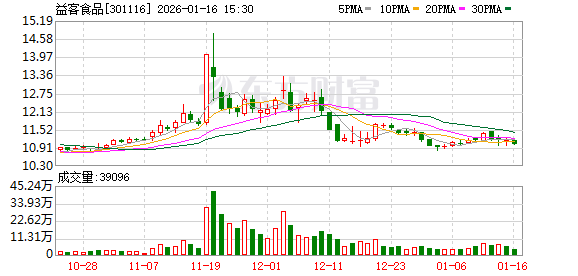
益客食品:公司始终坚定不移地推进产业数字化的转型与升级
Zheng Quan Ri Bao· 2026-01-16 12:15
Core Viewpoint - The company is committed to advancing its digital transformation and upgrading its operations through the implementation of a comprehensive ERP and financial accounting system, leveraging the Kingdee Cloud Starry Sky platform [2] Group 1: Digital Transformation Initiatives - The company has successfully built an efficient data middle platform that enables centralized data processing and full sharing, enhancing operational efficiency [2] - The recent launch of the "Feishu Project" aims to elevate the company's office automation and paperless operations, further optimizing employee collaboration processes [2] - The company plans to increase investments in the digital intelligence sector to deepen data value and improve its support capabilities in business decision-making and management [2]

首批!苏宁易购入选江苏省入库培育数据企业名单
Jin Rong Jie· 2026-01-14 09:38
Core Insights - Jiangsu Province has officially released the first batch of data enterprises for cultivation, with Suning.com being recognized for its outstanding performance in data resource integration, technological innovation, and industry empowerment [1][4]. Group 1: Company Recognition - Suning.com has been included in the first batch of data enterprises in Jiangsu Province, categorized under three cultivation types: data application, data technology, and data resources [2][5]. - The company holds a certificate valid until December 2029, indicating its commitment to data-driven initiatives [2]. Group 2: Data-Driven Initiatives - As a leading enterprise in the retail industry, Suning.com has accumulated vast data resources over more than 30 years, focusing on data-driven business innovation [4]. - The company is actively participating in national initiatives related to data elements and the "AI + Manufacturing" strategy, developing core data products such as commodity transaction datasets and a supply chain financial platform [4][5]. Group 3: Technological Advancements - Suning.com has developed its own retail domain "LingSi" large model, achieving breakthroughs in inference efficiency and training cost reduction through key technological upgrades [5]. - The company has created a "Retail Cloud County Town Smart Internet Platform," which serves over 15,000 county and town merchants, facilitating the digital transformation of grassroots commerce [5]. Group 4: Future Directions - Suning.com aims to deepen the market-oriented reform of data elements and accelerate the application of AI technologies in the physical industry, contributing to the establishment of a digital economy and advanced manufacturing integration demonstration zone in Jiangsu [5].


浙商银行与阿里巴巴达成战略合作 构建开放共赢金融科技生态
Jin Rong Shi Bao· 2025-11-27 09:32
Core Viewpoint - Zhejiang Commercial Bank and Alibaba Group have signed a strategic cooperation agreement to enhance financial services through technology innovation, focusing on intelligent upgrades in financial services and building a collaborative fintech ecosystem [1] Group 1: Strategic Cooperation - The partnership aims to leverage both parties' strengths in finance and "cloud + AI" to deepen cooperation in technology innovation [1] - The agreement will enable Zhejiang Commercial Bank to upgrade its retail, corporate, and inclusive financial service systems by utilizing Alibaba's extensive business scenarios [1] Group 2: Technological Advancements - Zhejiang Commercial Bank will implement intelligent upgrades in key areas such as core business processes, customer service, risk management, and operational decision-making, utilizing Alibaba's advantages in AI technology [1] - The introduction of innovative products like intelligent assistants will facilitate the application of AI technology in financial scenarios [1] Group 3: Previous Achievements - Prior to this agreement, Zhejiang Commercial Bank and Alibaba had already achieved significant breakthroughs in fintech collaboration, including the creation of a unified, efficient, and scalable data platform for centralized data management and intelligent application [1] - The partnership has also led to the successful migration of big data to the cloud within the financial industry [1] - In the AI domain, both parties have utilized the advantages of the Tongyi large model to enhance internal office efficiency and promote the application of AI technology in financial business scenarios [1]


中国智慧养老行业研究报告
3 6 Ke· 2025-11-26 00:57
Core Insights - The Chinese smart elderly care industry is transitioning from "pilot projects" to "full-scale penetration" and from "technology stacking" to "ecosystem integration" due to the intersection of population aging and digital transformation [1][3][24] - By the end of 2024, the population aged 60 and above in China is expected to exceed 310 million, accounting for 22% of the total population, highlighting the urgent need for smart elderly care solutions [1][3][19] Industry Background - Continuous policy support is enhancing the strategic position of smart elderly care, driven by changes in family structure, consumption upgrades among the elderly, and increased digital acceptance [4][17] - The industry is evolving towards precision, personalization, and efficiency, with technological innovations reshaping the elderly care service ecosystem [4][21] Current Industry Status - Smart elderly care has developed comprehensive solutions covering home, community, and institutional settings, with three main types of players: comprehensive solution providers, vertical technology companies, and traditional elderly care enterprises [4][30] - Challenges such as data silos, insufficient technology adaptation for the elderly, and immature business models remain significant barriers to industry development [4][30][37] Research Outlook - Demand for smart elderly care is progressing from survival assurance to value realization, indicating a shift towards quality-oriented services [5][40] - The supply side is expected to evolve through technological, resource, and scenario advancements, leading to large-scale development of smart elderly care services [5][43] Technological Empowerment - The integration of AI, IoT, big data, and cloud computing is driving the transformation of elderly care services from passive care to proactive prevention, enhancing the quality of life for the elderly while reducing social care costs [21][43] Market Dynamics - The smart elderly care market is characterized by a shift from fragmented services to a comprehensive ecosystem, with a focus on both technological innovation and humanistic care [2][24][47] - The industry is witnessing a trend towards ecological collaboration, where the core ecosystem involves government support, enterprise delivery, and feedback from families and the elderly [47][49] Regional Development - The smart elderly care industry shows a pattern of stronger development in eastern regions compared to western areas, with each region leveraging its unique resources to shape its development path [33][37] Challenges and Opportunities - Despite the growth potential, the industry faces challenges such as data isolation, technological adaptation issues, and a lack of mature business models, which need to be addressed for sustainable development [37][38]
中科信息(300678) - 300678中科信息投资者关系管理信息20251104
2025-11-04 12:10
Group 1: Company Performance - The company achieved a new high in new contract signing, with a growth of 282.6% in 2025 [2][3] - Despite the increase in new contracts, revenue and profit showed a year-on-year decline due to the timing of contract signing and project implementation cycles [3][4] - The company has confidence in revenue recognition by year-end and next year's performance as projects progress [3] Group 2: Business Lines and Core Competencies - The company has diversified into multiple business lines, supported by a history of research and development in various fields [4] - Core competencies are built around high-speed machine vision technology, serving industries such as tobacco, oil and gas, and printing [4] - The current business segments include smart governance, intelligent manufacturing, smart cities, and smart healthcare [4] Group 3: Future Directions and Innovations - The company plans to focus on the development of domestic alternatives in line with national industrial policies [5][6] - In the smart healthcare sector, the company promotes intelligent anesthesia robots, which assist but do not replace doctors [7] - The company is actively developing a digital meeting system and low-code development platforms, enhancing its capabilities in the smart governance sector [6] Group 4: Financial Management and Challenges - The increase in accounts receivable is manageable, primarily due to the nature of large engineering projects and the funding cycles of government and large enterprises [8] - The company maintains a low percentage of receivables over five years, indicating controlled risk [8] Group 5: Market Impact and Adaptation - The digitalization of currency is seen as a complement to physical currency, with no significant impact on the company's printing business [9] - The demand for physical currency is expected to rise due to the internationalization of the RMB and the "Belt and Road" initiative [9] Group 6: Product Development and Technology - The company is developing intelligent agents to enhance its low-code development platform, improving efficiency in data querying and software testing [10] - Approximately 330 million RMB in new orders are attributed to the domestic alternative business, with growth in existing industry sectors contributing to overall performance [10][11]

电商行业的现状与前景:当增长逻辑从流量争夺转向效能深耕
Sou Hu Cai Jing· 2025-10-26 16:14
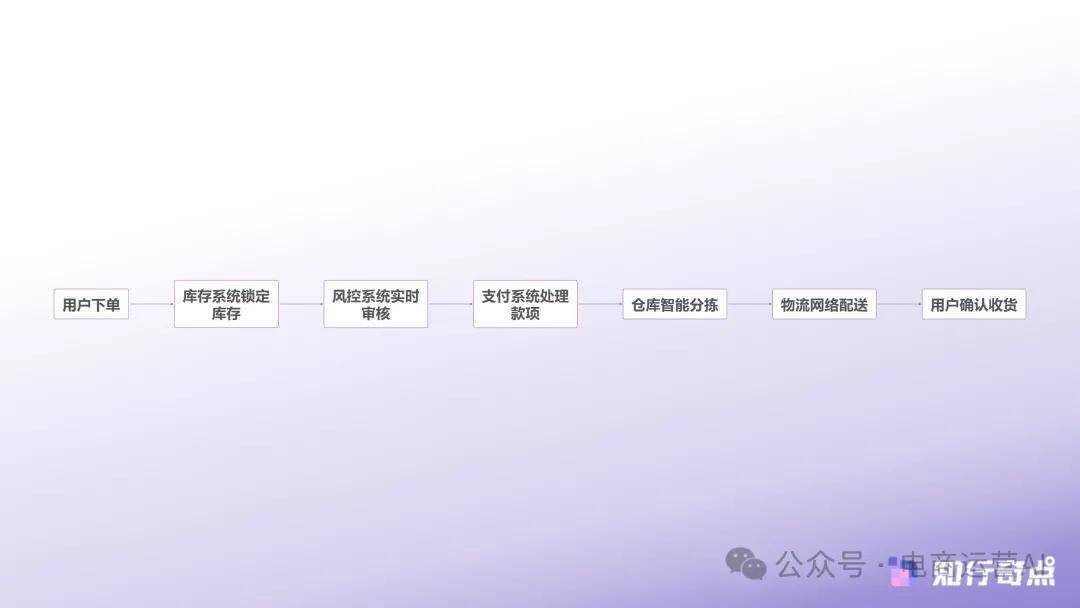
Core Insights - The e-commerce industry is undergoing a fundamental transformation where operational efficiency, supply chain agility, and user experience are becoming the primary competitive factors rather than mere traffic scale [1][8] - Major platforms like Tmall, JD, and Douyin are extending promotional periods to smooth out traffic peaks, reflecting a deep understanding of the industry's current state and future prospects [1][6] - The focus has shifted from acquiring new customers to enhancing the entire order fulfillment process, where even a 0.1-second reduction in response time can significantly increase conversion rates [3][6] Traffic Structure Evolution - The evolution of traffic structure is critical, with a shift from simple user acquisition to a more nuanced understanding of user needs and behavior [1][4] - The recommendation algorithms are evolving, with platforms extending user behavior tracking periods and increasing sample sizes, leading to a 25% improvement in purchase efficiency [3][4] Technological Empowerment - Companies are leveraging data platforms and intelligent applications to convert fragmented data into actionable decision-making assets, making data a core production factor in operational decisions [4][6] - AI-driven content production is revolutionizing the industry, allowing small businesses to compete with larger brands by generating high-quality visual content at low costs [7][8] Customer Journey Redesign - The traditional linear shopping path has been disrupted, necessitating a redesign of every key touchpoint in the customer journey to accommodate modern consumers' complex decision-making processes [5][6] - The strategic importance of customer lifetime value (LTV) is surpassing that of customer acquisition cost (CAC), emphasizing the need for refined operations to convert first-time buyers into loyal customers [6][8] Instant Retail Growth - Instant retail is experiencing explosive growth, with significant increases in order volumes for convenience items, driven by consumer demand for immediate satisfaction [6][8] - Predictive inventory management is reshaping the supply chain, moving from a "stock first, sell later" model to a "dynamic inventory and agile replenishment" approach, significantly reducing inventory turnover days and costs [6][8] Future Trends - Three key trends are emerging: holistic operations becoming standard, efficiency competition surpassing price competition, and refined user experience management determining long-term growth [8] - Companies that quickly recognize the value of efficiency and adjust their operational strategies will gain a competitive edge in the evolving landscape of e-commerce [8]

马化腾亲自下场!巨头携“标准”杀入,住宿业“大洗牌”开始,我
Sou Hu Cai Jing· 2025-10-14 09:08
Core Viewpoint - The entry of Tencent's founder, Ma Huateng, into the hotel management industry signals the beginning of a "giant era" in the accommodation sector, introducing a set of standards that will reshape the industry [1][3]. Group 1: Standards Introduced by Giants - The "standards" brought by giants are not merely upgrades to hotel SOPs but a comprehensive operating system derived from internet logic, encompassing three main aspects: technology, traffic, and management [3][4]. Technology Standards - The shift from intuition-based decision-making to algorithm-driven processes will revolutionize operations, utilizing SaaS systems and data platforms for decision support in site selection, pricing, and marketing [4]. - AI-generated marketing content and smart services will permeate every service aspect, aiming to provide standardized services at minimal marginal costs [4]. Traffic Standards - Giants like Tencent create a "traffic black hole," where the entire consumer journey is contained within their ecosystem, making it difficult for traditional OTAs to compete [7]. - The use of social media for viral marketing through social connections allows for nearly zero-cost customer acquisition [7]. Management Standards - The giants view accommodation as a "product" that needs to be standardized and replicable, focusing on opening numerous locations with consistent quality and controllable experiences [10]. - Professional managers will replace individual hosts, prioritizing efficiency and financial metrics over unique hospitality experiences [11]. Group 2: Identity Crisis in the Industry - The accommodation industry faces a profound identity crisis, torn between the artisanal spirit of individual hosts and the efficiency-driven approach of giants [15][16]. - The unique charm of artisanal accommodations lies in their personal touch and storytelling, but this uniqueness also limits scalability and consistency in quality [15]. Group 3: Finding a Path Forward - Opportunities exist in niche markets that giants overlook, focusing on hyper-segmented customer bases that require personalized experiences [20][23]. Niche Market Strategies - Catering to "hardcore" digital nomads who prioritize stability and community over trendy amenities presents a viable path [25]. - Providing specialized services for high-level outdoor enthusiasts and unique local healing experiences can differentiate offerings from standardized services [29][31]. Relationship Building - The personal brand of hosts and the emotional connections formed with guests are irreplaceable assets that can create loyal customer bases [33]. - Establishing community-focused spaces for like-minded individuals can enhance customer loyalty and engagement [33]. Conclusion - The entry of giants into the accommodation sector is not necessarily detrimental; it can help filter out low-quality offerings and highlight those with genuine value [38][39]. - The path forward lies in embracing the unique, intangible aspects of hospitality that giants cannot replicate, allowing smaller players to thrive in their niches [38][39].

企业数字化转型战略实践与启示(49页PPT)
Sou Hu Cai Jing· 2025-10-03 15:39
Group 1 - The core viewpoint of the article emphasizes that digital transformation is an inevitable trend driven by digital technologies, aiming to shift enterprises from efficiency enhancement to value innovation through strategic restructuring, organizational change, and ecosystem development [1] - The report highlights that by 2025, new infrastructure investment in China is expected to reach 10 trillion yuan, stimulating over 17 trillion yuan in related investments, which will provide foundational support for digital transformation [1][20] - In 2016, China's digital economy accounted for 30.3% of GDP, and it is projected to reach 77% by 2030, indicating the critical role of digitalization in enterprise survival and development [1][17] Group 2 - Current digital transformation shows significant characteristics and pain points, with leading companies entering a virtuous cycle of digital-driven operations, while the manufacturing sector faces challenges due to complex supply chains [2][39] - Key pain points include a disconnect between technology and business, organizational and talent constraints, and unutilized data value, with 75%-79% of enterprises expressing dissatisfaction with digital product differentiation and supply chain transparency [2][38] Group 3 - The report proposes a three-dimensional path for digital transformation: strategy, organization, and technology. It emphasizes the need for top-level design to guide the upgrade from digitalization 1.0 (efficiency enhancement) to 2.0 (innovation iteration) [3] - Organizations should break down hierarchical structures to establish collaborative networks and develop a digital talent system that includes all employees with digital thinking [3] - A "thick platform, thin application" architecture is recommended, focusing on building a data middle platform to realize data assetization and enhance data governance [3] Group 4 - The report stresses the importance of business integration and ecosystem construction, advocating for the intelligentization of all product, manufacturing, and service processes, and the creation of interconnected collaborative ecosystems [4] - The ultimate goal is to achieve "customer value-driven, technology innovation-driven, and ecosystem open cooperation" in digital transformation [4]

用AI养奶牛,伊利提供了怎样的企业转型样本?
Nan Fang Du Shi Bao· 2025-09-14 08:01
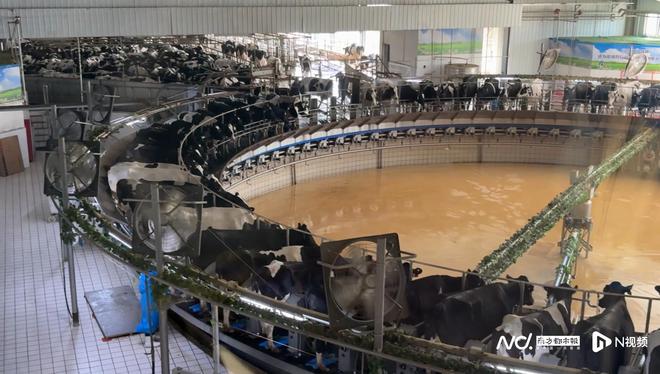
Core Insights - The article highlights the digital transformation efforts of Yili Group, focusing on the integration of advanced technologies in dairy farming and supply chain management [1][3][4]. Group 1: Digital Monitoring and Data Utilization - Yili Group employs real-time monitoring of dairy cows' behaviors, including breathing and lactation, using digital screens to enhance productivity [1]. - The company tracks various metrics from breeding rates to consumer feedback through a centralized data platform, accumulating 1.4PB of valuable data assets [3][4]. - The integration of decision-making AI and generative AI is aimed at unlocking the value of this data for better operational efficiency [3]. Group 2: Collaboration with Alibaba Cloud - Yili has partnered with Alibaba Cloud to build a data platform that supports digital operations across supply chain, consumer, and human resources [3][5]. - The implementation of an AI intelligent agent allows business personnel to query supply chain data using natural language, significantly reducing the time required for data analysis from two weeks to immediate insights [5]. - The collaboration also includes the exploration of hybrid cloud solutions to enhance Yili's private cloud infrastructure [5]. Group 3: Automation and Smart Factory Development - Yili's smart factory features high levels of automation, utilizing robotic arms, unmanned forklifts, and AMR robots for logistics and operations [6][7]. - The company emphasizes practical applications of technology rather than pursuing advanced capabilities for their own sake, focusing on solving real business challenges [7]. - Yili maintains a cautious approach towards emerging technologies like embodied intelligence robots, prioritizing their relevance to actual production needs [7].