
洗烘一体机

Search documents
年轻人返乡“焕新”,智能家电数码成春节“新年货”
Sou Hu Cai Jing· 2026-02-27 13:10
Core Insights - The Spring Festival holiday saw a significant increase in consumer spending on home appliances and digital products, with sales rising by 21.7% compared to last year, totaling 510.6 million units sold [2][4] - The trend towards smart and high-quality products is evident, with smart appliances, particularly those featuring AI and interactive capabilities, becoming increasingly popular among consumers [3][6] Group 1: Sales Performance - During the nine-day Spring Festival holiday, the sales of home appliances and digital products reached 510.6 million units, marking a 21.7% increase year-on-year [2] - The total sales revenue from the "old-for-new" consumption policy reached 207 billion yuan, benefiting over 31 million people [2][6] - Offline sales channels accounted for 73.3% of total sales, indicating a strong preference for in-store shopping during the holiday [4][7] Group 2: Consumer Preferences - Consumers are increasingly favoring smart appliances, with AI-enabled products like smart refrigerators, washing machines, and televisions becoming the top choices [3][6] - The demand for mid-to-high-end smartphones has surged, with sales of devices priced over 3,000 yuan exceeding 70% of total smartphone sales [3] - The introduction of smart glasses into the subsidy program has led to a significant increase in interest and sales, particularly in regions like Tianjin and Sichuan [2][3] Group 3: Policy Impact - The combination of national and local subsidy policies has effectively stimulated consumer willingness to upgrade appliances, leading to a dual increase in both sales volume and revenue [6][7] - Various regions have implemented innovative subsidy strategies, such as combining national and local incentives, to enhance consumer benefits and facilitate the purchase process [6][7] - The government's proactive measures, including the early release of special bonds for subsidies, have played a crucial role in driving consumer spending during the holiday [6][7] Group 4: Market Trends - The shift in consumer focus from basic functionality to smart and scenario-based experiences is expected to be a long-term trend in the home appliance sector [6][7] - The growth in the county-level market, driven by young consumers returning home, has led to a notable increase in sales of large-capacity and smart appliances [3][6] - Analysts predict that the ongoing support from subsidy policies will further accelerate the growth of smart hardware sales in the coming periods [7]
春节假期消费火热 银联“乐购新春”助力市场升温
Sou Hu Wang· 2026-02-27 06:31
Core Viewpoint - The 2026 Spring Festival holiday in China showcased strong consumer vitality, with significant participation from China UnionPay in promoting consumption and ensuring smooth payment services, aligning with national strategies to boost consumption and domestic demand [1][2]. Group 1: Policy Response - China UnionPay launched the "Happy Shopping Spring" campaign during the Spring Festival, collaborating with commercial banks to provide efficient payment services across various sectors, ensuring that fiscal subsidies effectively reach consumers [2]. - The initiative included activities like "trade-in for new" to stimulate offline consumption and introduced prize invoices as a new consumption driver, enhancing the integration of diverse consumption scenarios [2][3]. Group 2: Consumption Trends - Payment transactions during the Spring Festival reached 39.302 billion, totaling 13.12 trillion yuan, with daily transaction volume and amount increasing by 37.45% and 19.26% year-on-year, respectively [3]. - There was a notable shift back to offline consumption, driven by trade-in activities and promotional offers, which significantly boosted foot traffic in physical stores [3][4]. - AI home appliances emerged as popular purchases during the festival, reflecting a shift towards smarter living, supported by government subsidies and increased consumer willingness to spend [4]. - The return of young people to their hometowns during the Spring Festival highlighted the consumption potential in lower-tier markets, with significant growth in sales of large appliances [4]. Group 3: Innovation in Consumption - The rise of "ticket root economy" during the Spring Festival activated diverse consumption potentials, with various cultural and tourism activities being promoted through partnerships with local governments [5][6]. - The introduction of prize invoices became a hot topic among consumers, with a pilot program covering 84 cities, enhancing consumer engagement and stimulating spending [6]. - New consumption initiatives, such as the "Play and Earn Spring Festival" campaign, successfully engaged millions of users and drove substantial transaction volumes during the holiday period [6].
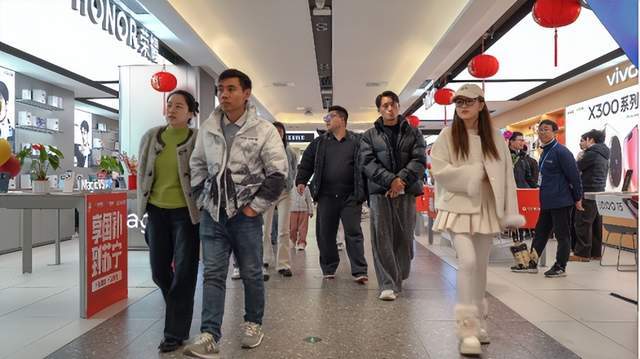
国补点燃春节家电焕“新”潮 济南多家卖场家电3C消费成交量同比增近两成
Feng Huang Wang Cai Jing· 2026-02-25 07:39
Group 1 - The new round of national subsidy policies, combined with the Spring Festival holiday consumption peak, has significantly activated the 3C appliance consumption momentum in Jinan, with foot traffic in many stores increasing by over 50% during the holiday period [1] - The actual transaction volume of home appliances has increased by nearly 20% year-on-year, driven by the "reward invoice" policy that has heightened consumer purchasing enthusiasm [1] - Consumers are increasingly seeking smart, trendy, and scenario-based solutions for their home appliances, with a notable shift towards larger and more advanced products, such as smart refrigerators with independent temperature control and sterilization features [1] Group 2 - Smart appliances have become a crucial factor in purchasing decisions, with 55% of sales in smart home appliances this year, indicating a shift from optional to essential [2] - The sales of 3C digital products increased by approximately 20% year-on-year from February 15 to 23, influenced by promotional consumption policies, with cities like Beijing, Nanjing, Shanghai, Chengdu, Guangzhou, and Jinan showing the highest demand for upgrades [2] - Wearable devices such as smartwatches and smart glasses saw a 62% increase in sales, reflecting the trend towards intelligent, fashionable, and scenario-oriented consumption in the 3C appliance market [2] Group 3 - Jinan has launched a reward invoice program with an estimated funding of 50 million yuan, featuring multiple prize levels to encourage consumer participation, running from February 9 to 28 [3] - The combination of various policies, including reward invoices and trade-in programs, is translating into tangible consumer momentum, leading to a surge in 3C appliance sales [3] - The rise of self-indulgent consumption among the younger generation indicates a shift in consumer attitudes, with a willingness to invest in higher-quality lifestyle experiences [3]

智能、悦己、减负!苏宁易购发布2026年春节消费洞察
Sou Hu Cai Jing· 2026-02-25 07:35
Core Insights - The new round of national subsidy policies, combined with the peak consumption season during the Spring Festival, has significantly boosted the home appliance and 3C product market [1] Group 1: Consumer Trends - From February 15 to 23, foot traffic in stores nationwide increased by 78%, with sales of first-level energy/water-efficient appliances accounting for 92.8% of total sales [1] - Sales of wearable devices such as smartwatches and smart glasses surged by 62% compared to previous periods, indicating a shift towards smart, trendy, and scenario-based consumption [1] - Young consumers are becoming the main drivers of growth in home appliance consumption, seeking comprehensive solutions that cater to specific life scenarios rather than just basic functionality [3] Group 2: Smart Home Appliances - AI-integrated home appliances are becoming the top choice for Spring Festival purchases, with consumers prioritizing smart features that enhance convenience and efficiency [3][5] - Smart refrigerators with independent temperature control and self-cleaning features are gaining popularity, reflecting a willingness to invest in higher-priced, more functional products [3] - The sales proportion of smart home appliances has reached 55% this year, transitioning from optional to essential items for consumers [5] Group 3: Emotional and Experiential Consumption - Products that provide emotional value and enhance life experiences, such as high-end smartphones and smart imaging devices, are emerging as new growth points in the market [5] - Over 70% of sales in mid-to-high-end smartphones are priced above 3000 yuan, indicating a trend towards "self-gratifying" consumption among younger generations [5] - Young consumers are increasingly bringing technology back to their hometowns, driving demand for smart home appliances in rural areas [6] Group 4: Market Growth in Rural Areas - The trend of young consumers returning home for the Spring Festival has led to increased demand for smart appliances like washing machines and smart ovens in rural markets [6] - Sales of large-capacity refrigerators and washing-drying sets grew by 95%, while sales of robotic vacuum cleaners and smart ovens increased by 67% during the holiday period [6] - The ongoing penetration of retail channels like Suning is facilitating the transition of rural households from basic to smart appliances [6]

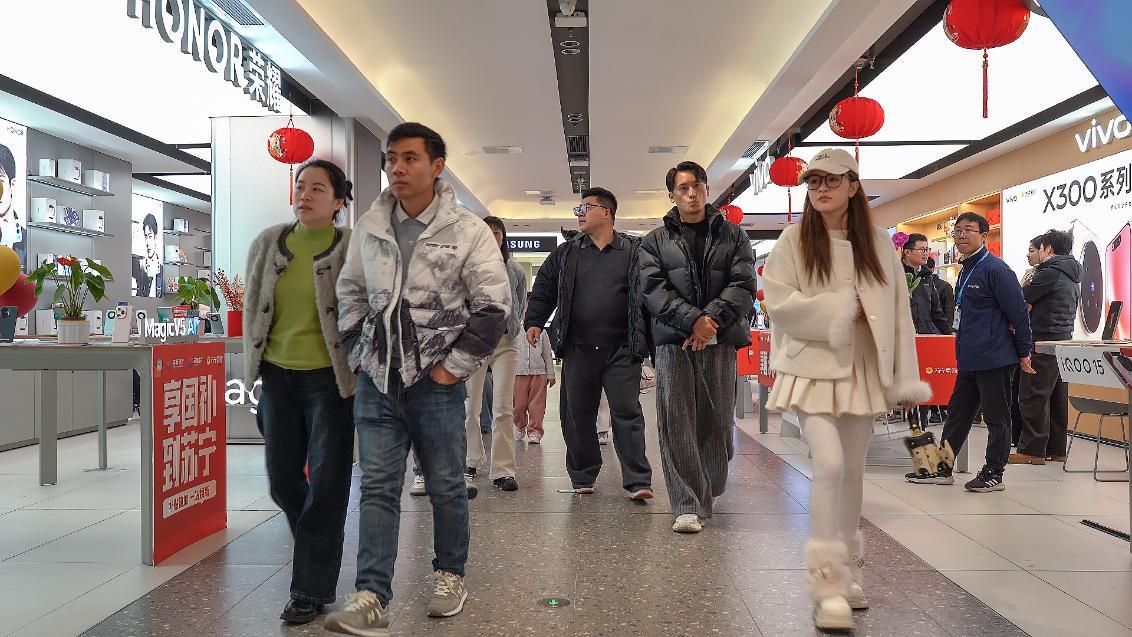
国补点燃春节焕新潮!苏宁易购客流、智能穿戴增长78%、62%
Huan Qiu Wang· 2026-02-24 03:44
Core Insights - The new round of national subsidy policies, combined with the peak consumption season during the Spring Festival, has significantly boosted the home appliance and 3C product market in China [1] Group 1: Consumer Trends - From February 15 to 23, nationwide store traffic increased by 78%, with sales of first-level energy/water-efficient appliances rising to 92.8% [1] - Sales of wearable devices such as smartwatches and smart glasses surged by 62% [1] - Young consumers are driving new demands for home appliances, focusing on solutions that cater to specific life scenarios rather than just basic functionality [3] Group 2: Smart Home Appliances - AI-integrated home appliances have become the top choice for Spring Festival purchases, with consumers prioritizing smart features for convenience and efficiency [3][5] - Smart appliances like temperature-adjusting refrigerators and washing machines that recognize fabric types have become the most popular items in stores [5] - The sales proportion of smart home appliances reached 55% this year, indicating a shift from optional to essential purchases [5] Group 3: Market Dynamics - Young consumers returning home for the Spring Festival are introducing advanced technology to their families, leading to increased demand for smart home products in rural areas [7] - Significant growth was observed in large-capacity refrigerators and washing machine-dryer sets, with increases of 95% and 153% respectively [7] - The trend of "technology feedback" from young consumers is accelerating the transition of rural households from basic to smart appliances [7]
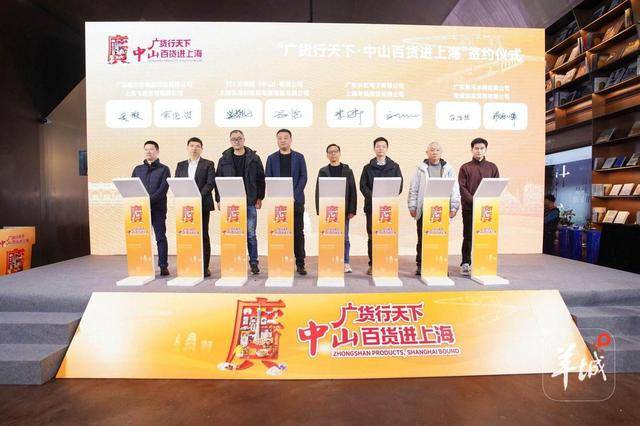
超百个合作项目签约!“中山百货进上海”深化粤沪产业协同
Sou Hu Cai Jing· 2026-02-01 15:18
Core Viewpoint - The "Guang Goods Going Global: Zhongshan Department Store Enters Shanghai" event has successfully facilitated over 100 cooperation agreements between enterprises from Zhongshan and Shanghai, with a total value exceeding 6 billion yuan, highlighting the collaboration between the manufacturing hub of the Pearl River Delta and the consumer market of the Yangtze River Delta [1][7]. Group 1: Event Overview - The event features a multi-dimensional exhibition model, including various sales platforms such as the Torch District Biomedicine Investment Promotion Conference and dedicated sales stores for home appliances [3][5]. - Notable products showcased include innovative lighting solutions from Zhongshan, such as Op Lighting's "Tianjing Lamp" and Songwei Lighting's "Traveling Lantern" series, which blend traditional craftsmanship with modern design [3][5]. Group 2: Business Collaborations - Zhongshan enterprises, including NVC Lighting and Songwei Lighting, signed contracts worth over 55 million yuan with Shanghai distributors during the event, demonstrating strong market demand [1][6]. - Guangdong Weili Electric's historical presence in Shanghai is highlighted, with the company showcasing both vintage and modern washing machines tailored to local consumer needs [6][10]. Group 3: Industry Synergy - The event not only promotes Guang goods in the Yangtze River Delta but also enhances the collaborative model of product circulation, encompassing research, design, marketing, and capital [7][10]. - Zhongshan's historical ties with Shanghai are emphasized, with references to the significant market share held by Zhongshan lighting products in Shanghai over the past decades [8][10]. Group 4: Future Directions - Companies are encouraged to view Shanghai as a hub for talent, information, and innovation, with plans for collaborative projects that leverage Shanghai's consumer data to drive production innovation in Zhongshan [10]. - Suggestions for future cooperation include building a digital platform for consumer experimentation and agile manufacturing, aiming to transition from price competition to high-quality, high-value products [10].
消费场景更加丰富
Jing Ji Ri Bao· 2026-01-18 22:21
Core Insights - The home appliance industry has evolved from luxury items to essential smart living products, driven by consumer demand and technological advancements [1][3] - The "14th Five-Year Plan" emphasizes the need for upgrading consumer goods and creating new consumption scenarios, presenting both opportunities and responsibilities for the industry [2][3] Industry Trends - Smart home appliance sales now exceed 95% in retail, with features like voice control and remote operation being particularly popular among younger consumers [2] - The integration of online and offline sales channels is being enhanced, with physical stores transforming into live-streaming venues to demonstrate smart home applications [2] Strategic Initiatives - The company is shifting from merely selling products to providing customized smart home solutions based on customer lifestyles and family structures, such as designing smart kitchens for families or safe living spaces for the elderly [2] - Plans are in place to create specialized areas within stores, such as "green energy zones" and "custom appliance experience areas," to cater to personalized consumer needs [2] Community Engagement - The company aims to extend its services into communities by establishing mini-experience stations that offer smart home solution presentations and on-site assessments, promoting green and low-carbon living [2]
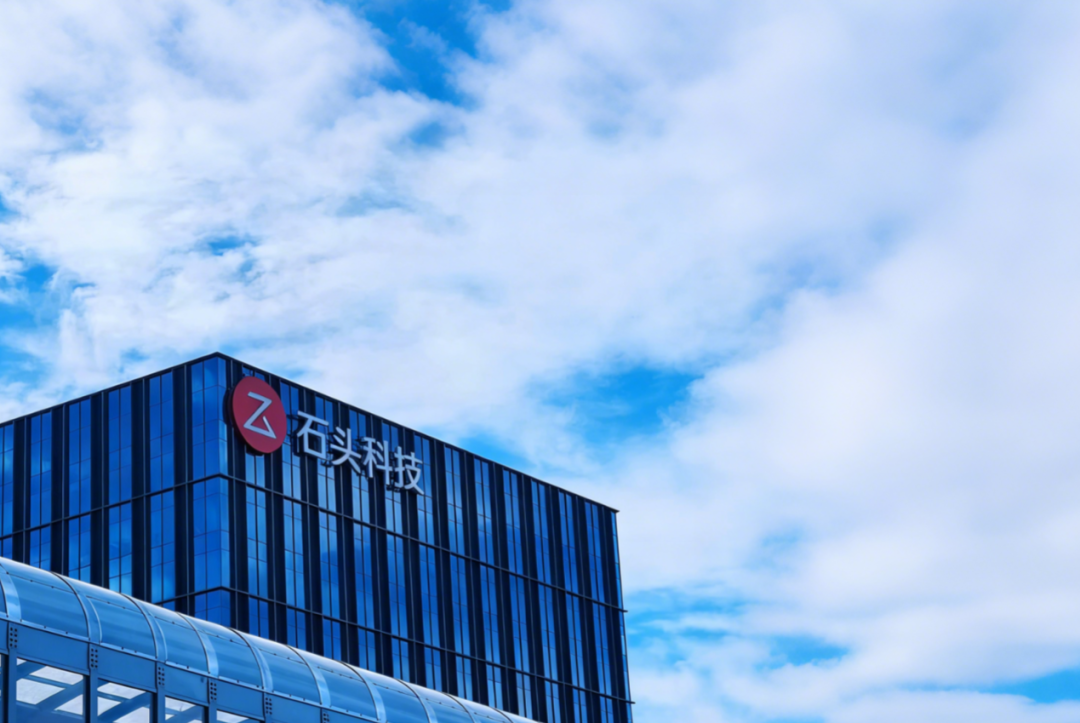
石头科技的双线进击
Xin Lang Cai Jing· 2026-01-16 13:55
Core Viewpoint - Stone Technology is advancing towards a secondary listing in Hong Kong, indicating a significant step in its long-planned IPO process, coinciding with technological advancements in its product offerings [3][4]. Group 1: Company Overview - Stone Technology has been a leading player in the robotic vacuum cleaner market, achieving a market capitalization exceeding 100 billion yuan after its debut on the STAR Market [4]. - The company has faced increasing competition, with market share among top players like Ecovacs and Roborock being closely contested, often within a few percentage points [5][7]. Group 2: Market Dynamics - The robotic vacuum cleaner market is experiencing heightened competition, with new entrants like DJI and traditional appliance manufacturers entering the space, viewing it as a high-frequency entry point into home ecosystems [7]. - The market is characterized by a high degree of price sensitivity and cost pressures, making it challenging for leading players to maintain profit margins while competing for market share [5][8]. Group 3: Strategic Initiatives - Stone Technology is expanding its product portfolio beyond robotic vacuums to include washing machines and mini cleaning appliances, aiming to leverage the broader "cleaning" market [10][12]. - The company is also innovating within its core product line, introducing advanced features such as mechanical arms in its robotic vacuums to differentiate itself in a saturated market [12][16]. Group 4: Challenges and Opportunities - The company faces the challenge of balancing product complexity with operational capabilities, especially as it ventures into larger appliances that require different distribution and service models [12]. - The introduction of advanced features in robotic vacuums is seen as a strategic move to create new market segments and escape the intense competition in the existing market [16].

去年服务价格同比上涨0.7%,“悦己经济”引领武汉消费新风尚
Chang Jiang Ri Bao· 2026-01-15 00:40
Core Insights - The consumption market in Wuhan is witnessing a new trend where "emotional consumption" is rising despite stable or declining prices in essential goods [1][8] - The service prices in Wuhan increased by 0.7% in 2025, with significant rises in beauty services (9.1%) and pet services (4.2%), indicating a shift towards "self-care" spending [1][9] Consumption Trends - Emotional consumption is characterized by a diverse range of services available throughout the day, catering to various age groups and emotional needs, such as early morning breakfast spots and 24-hour pet hospitals [4] - The CPI data shows that while overall prices increased modestly, specific sectors like education, culture, and entertainment saw significant price hikes, with ticket prices for attractions rising by 7.3% [8] Price Changes - The price changes from 2024 to 2025 in various categories indicate a mixed trend, with food and beverages expected to decrease by 0.5%, while other services like "other goods and services" are projected to increase by 9.6% [5] - Traditional consumer goods prices remain stable, with fresh vegetable prices down by 3.3% and pork prices down by 8.5%, allowing consumers to allocate more budget towards emotional and luxury spending [8] Market Dynamics - The rise in emotional consumption aligns with the upgrade of industrial products, as consumers are increasingly interested in health-oriented and technologically advanced products [8] - The trend reflects a broader shift among younger consumers who prioritize spending on personal well-being and experiences, indicating a new lifestyle and consumption pattern in Wuhan [9]

2026年郑州市消费品以旧换新补贴活动启动
Zheng Zhou Ri Bao· 2026-01-13 00:47
Core Viewpoint - The announcement by the Municipal Bureau of Commerce regarding the launch of a subsidy program for the replacement of consumer goods, including automobiles, home appliances, and digital smart products, in 2026 aims to stimulate consumption and promote energy-efficient products [1] Automotive Sector - Consumers can apply for vehicle scrapping and replacement subsidies through the national automotive circulation information management system or the "Automobile Trade-in" mini-program [1] - For vehicle replacement subsidies, consumers must retain relevant proof materials until the Henan Province 2026 vehicle replacement subsidy application system is launched [1] Home Appliances Sector - Consumers purchasing specific home appliances such as refrigerators, washing machines, televisions, air conditioners, computers, and water heaters will receive a subsidy of 15% of the final sales price for energy-efficient products [1] - Each consumer can receive a subsidy for one unit per product category, with a maximum subsidy of 1,500 yuan per item [1] Digital Smart Products Sector - Consumers buying eligible digital smart products, including smartphones, tablets, smartwatches, and smart glasses, priced at no more than 6,000 yuan, will also receive a subsidy of 15% of the final sales price [1] - Similar to home appliances, each consumer can receive a subsidy for one unit per product category, with a maximum subsidy of 500 yuan per item [1] - The Cloud Flash Payment APP serves as the entry point for claiming subsidies in the home appliances and digital smart products sectors [1]