有色金属主题基金

Search documents
国泰海通证券1月基金表现回顾:重配有色、传媒等相关行业和个股的基金表现较优
GUOTAI HAITONG SECURITIES· 2026-02-04 05:17
重配有色、传媒等相关行业和个股的基金表现较优 国泰海通证券 1 月基金表现回顾 [Table_Authors] 庄梓恺(分析师) 本报告导读: 2026 年 1 月,A 股上涨,债市上涨,美股上涨,油价金价均上涨。基金方面,部分 重配有色、传媒等相关行业和个股的基金表现较优。 投资要点: [Table_Summary] 2026 年 1 月资本市场回顾 股票市场:A 股上涨,有色金属、传媒和石油石化行业表现较优。 2026 年 1 月,A 股上涨。2026 年开年以来,A 股市场热点赛道相继 发酵,在去年中国经济完成全年目标的背景下,A 股市场景气度保 持向上,1 月全月依然延续了慢牛上涨行情。从结构性机会来看,首 先,全球局势紧张加剧全球矿产供给不确定性,全月有色金属行业 表现靠前;其次,AI 大模型公司智谱、MiniMax 相继在港股上市, 以 AI 应用为代表的传媒行业表现出色;此外,国际能源署上调 2026 年全球原油需求增长预期,将需求增幅从此前的 86 万桶/日调整为 93 万桶/日,叠加地缘政治因素,石油石化板块本月走强。 2026 年 1 月基金业绩回顾 基金评价 /[Table_Date] ...
指数向上,个股向下!题材轮动“有点快”,还有哪些投资机会?
Sou Hu Cai Jing· 2026-01-26 06:47
Group 1 - A-shares continue to rise with increased trading volume, breaking previous highs, driven by heightened risk appetite during the spring rally [1] - Huatai Securities suggests that while strong momentum may allow for further spring market space, the trading structure is concentrated, indicating a potential shift towards rotation as some hot sectors may need to digest pressure [1] - The upcoming earnings forecast window suggests focusing on high-cost performance sectors, particularly those benefiting from external demand chain improvements and lower crowding themes, such as gaming, duty-free, batteries, engineering machinery, and agricultural chemicals [1] Group 2 - Non-ferrous metals are becoming a key focus for institutional investment, with seven non-ferrous metal-themed funds reported in the past week and significant net subscriptions exceeding 51 billion yuan for non-gold ETFs over the past year [3] - The pig farming industry is expected to see a slight recovery in sow production capacity in 2024, leading to a downward trend in pig prices in 2025, although there may still be slight profits throughout the year [3] - The industry is undergoing structural changes due to "anti-involution," with both passive and active capacity reductions expected to drive a gradual recovery in pig prices by the second half of 2026 [3] Group 3 - The industry is expected to remain in a trend of reduced demand and structural adjustment through 2026, with limited improvements in supply, demand, and profitability [5] - Focus on two main lines: differentiated production control and the potential recovery of undervalued cash flow assets, as well as the acceleration of domestic substitution in high-end steel materials benefiting leading special steel companies [5] - Southbound capital saw a record net inflow of 140.48 billion Hong Kong dollars, continuing to increase positions in the Hong Kong stock market, contributing to a strong performance in the Hang Seng Index and technology index [5] Group 4 - The short-term market trend is strong with significant new capital entering, although the market's profit-making effect remains weak [7] - The Shanghai Composite Index shows a one-sided upward trend, contrasting with regulatory "cooling" strategies, indicating potential downward pressure on the index [10] - The A-share earnings cycle may have reached a turning point, with a gradual improvement in earnings expected, making the recovery elasticity of earnings a key focus for 2026 [10]


每日市场观察-20260116
Caida Securities· 2026-01-16 05:10
Market Overview - On January 15, the Shanghai Composite Index fell by 0.33%, while the Shenzhen Component rose by 0.41% and the ChiNext Index increased by 0.56%[2] - The total trading volume on January 15 was 2.94 trillion yuan, a decrease of approximately 1.05 trillion yuan from the previous trading day[1] Sector Performance - The sectors with the largest gains included electronics, chemicals, and non-ferrous metals, while military, media, computer, and pharmaceutical sectors experienced the largest declines[1] - Major capital inflows were observed in the semiconductor, communication equipment, and consumer electronics sectors, while IT services, securities, and aerospace equipment saw significant outflows[3] Regulatory Impact - The exchange raised the margin financing ratio on January 15, indicating regulatory intent to cool down the rapid market rise[1] - The market's reduced trading volume reflects a natural response to regulatory measures, with a pause in aggressive buying rather than panic selling[1] Economic Indicators - As of the end of December, the broad money supply (M2) was 340.29 trillion yuan, showing a year-on-year growth of 8.5%[4] - The total social financing increment for 2025 was reported at 35.6 trillion yuan, an increase of 3.34 trillion yuan compared to the previous year[5] Investment Trends - There has been a notable increase in the issuance of metal-themed funds, with 7 new funds reported in the past week and a net subscription of over 51 billion yuan for metal-themed ETFs over the past year[11] - The total trading volume of ETFs reached a record high of 7487.59 billion yuan on January 15, following a previous peak of 7155.35 billion yuan on January 14[12]
有色金属主题基金成机构“新宠”
Shang Hai Zheng Quan Bao· 2026-01-14 17:47
Core Viewpoint - The non-ferrous metal sector is becoming a focal point for institutional investment, with a significant increase in the number of themed funds and net subscriptions for ETFs in this category over the past year [1][2]. Group 1: Fund Activity - In the past week, seven non-ferrous metal themed funds have been reported, with several more in the pipeline for issuance [1]. - Over the past year, non-ferrous metal themed ETFs (excluding gold) have seen net subscriptions exceeding 51 billion yuan, with 15 ETFs currently having a total scale of nearly 80 billion yuan [1][2]. - As of January 1, 2025, the total scale of non-ferrous metal themed ETFs was approximately 8.08 billion yuan, which increased to 78.81 billion yuan by January 13, 2026 [2]. Group 2: Index Characteristics - There are multiple non-ferrous metal themed indices, each with different focuses, requiring investors to carefully select ETFs based on their characteristics [1]. - The CSI Shenwan Non-Ferrous Metal Index selects 50 listed companies from the non-ferrous metal and non-metal materials sectors [1]. - The CSI Industrial Non-Ferrous Metal Index focuses on 30 larger market cap companies involved in copper, aluminum, lead-zinc, and rare metals [1]. - The CSI Non-Ferrous Metal Mining Index selects 40 companies with non-ferrous metal mineral resource reserves [1]. Group 3: Market Trends and Drivers - The recent surge in the non-ferrous metal sector is attributed to various factors, including global monetary easing and increased demand from AI data centers for copper, silver, and rare metals [2]. - Supply constraints and regional imbalances in supply and demand, along with frequent mining accidents, contribute to uncertainties in the supply side [2]. - Long-term macroeconomic logic for non-ferrous metals remains intact, with a strategy of accumulating during market adjustments recommended [2]. Group 4: Future Outlook - The current demand for non-ferrous metals is driven by emerging fields such as AI computing and robotics, which have a higher price acceptance for commodities than previously expected [3]. - Despite the strong performance of the non-ferrous sector in 2025, expectations should be moderated for 2026, although the long-term resource cycle is still ongoing [3].

三大指数月线5连阳!稀有金属大涨
Sou Hu Cai Jing· 2025-09-30 15:00
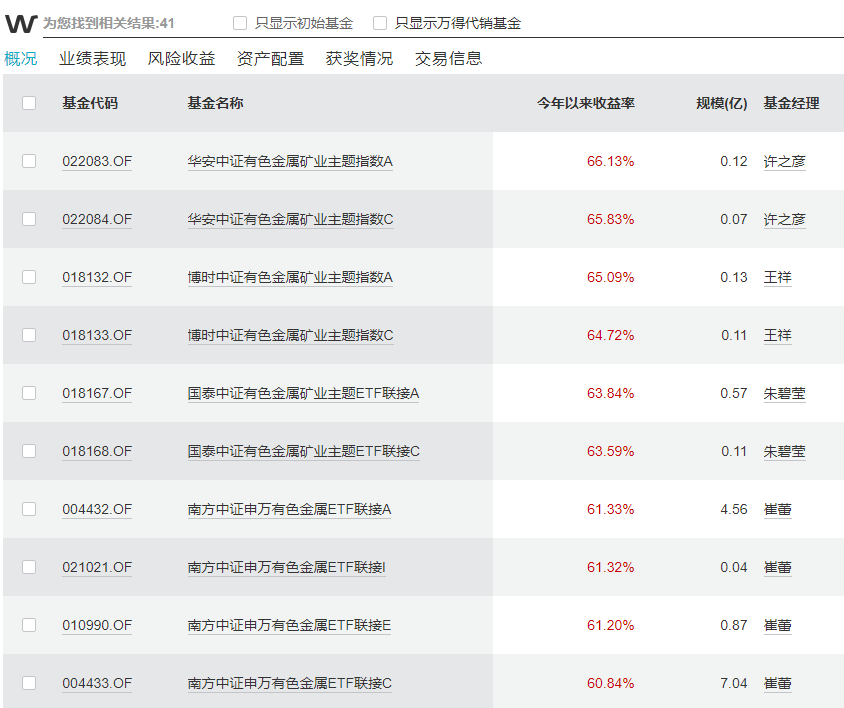
Core Viewpoint - The A-share market has shown resilience with the three major indices achieving five consecutive monthly gains, indicating that the bull market is not over yet [1][2]. Market Performance - Recent market trends show a significant rise in brokerage stocks, suggesting continued bullish sentiment [2]. - The market is currently characterized by structural opportunities, with rare metals experiencing substantial gains while oil and gas prices are declining [3]. Rare Metals Sector - The surge in rare metals is attributed to two main factors: policy support and supply chain tightening [4]. - Policy support comes from a joint initiative by eight government departments, including the Ministry of Industry and Information Technology, which outlines a growth plan for the non-ferrous metals industry from 2025 to 2026, focusing on the development of domestic resources and encouraging applications in emerging industries [4]. - Supply chain concerns are heightened by export bans and quota systems in major producing countries, particularly for cobalt, which has seen its price rise due to fears of supply shortages [5]. Oil and Gas Sector - The decline in oil and gas prices is primarily driven by market concerns regarding potential production increases by OPEC+, which could exacerbate the oversupply situation in the global oil market [5]. Market Outlook - The market is expected to maintain a "strong oscillation" state, with the bull market entering a critical phase that tests the fundamentals and style shifts, particularly in November [5]. Investment Opportunities - Investors are encouraged to seize opportunities during pullbacks in the rare metals sector, with several themed funds showing significant year-to-date returns [6]. - The top-performing rare metals-themed funds include: - Huaan Zhongzheng Nonferrous Metals Mining Index A: 66.13% [7] - Bosera Zhongzheng Nonferrous Metals Mining Index A: 65.09% [7] - Guotai Zhongzheng Nonferrous Metals Mining ETF: 63.84% [7]